
稀土出口管制

Search documents
今年8月份,中国对欧盟稀土磁铁出口环比增长21%
Sou Hu Cai Jing· 2025-09-22 11:31
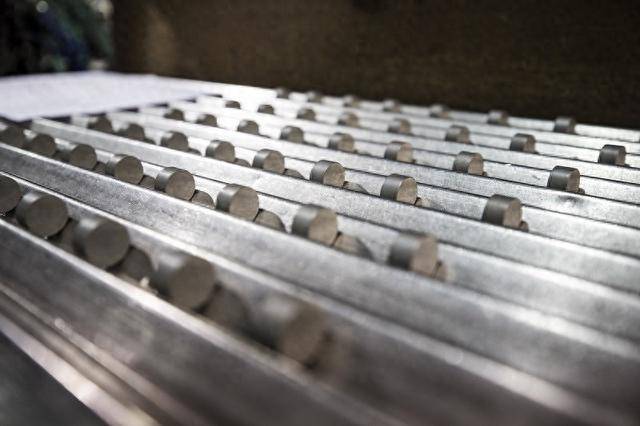
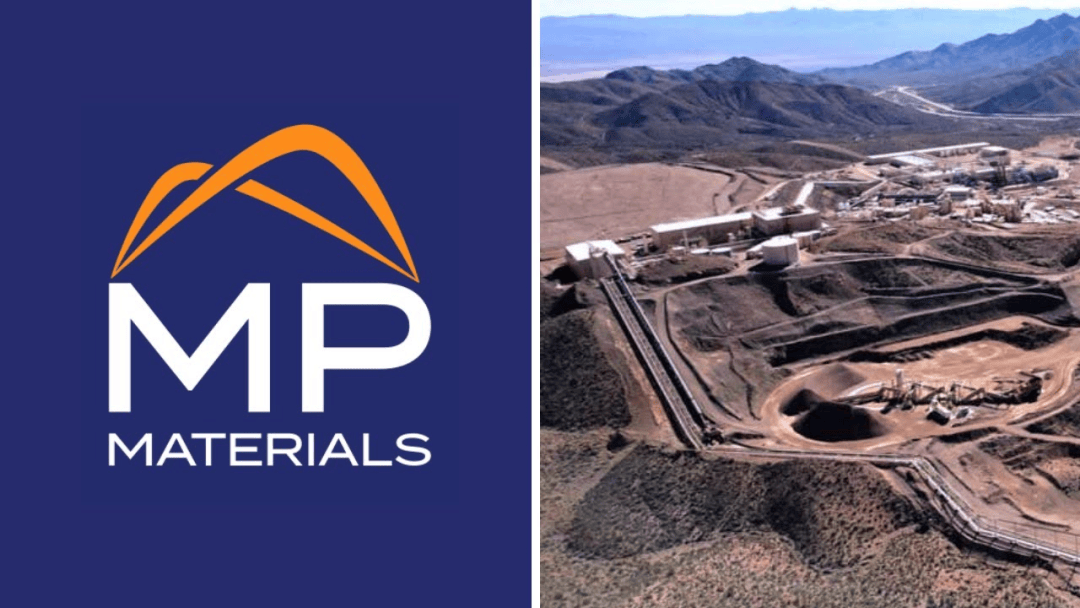
据海关总署9月20日公布的数据显示,今年8月份,中国对欧盟的稀土磁铁出口量环比增长21%,达到 2582吨,从今年年初至今的出口量已超过美国出口量的三倍。相比之下,中国对美国的稀土磁铁出口量 环比下降5%,至590吨。 彭博社当地时间9月21日报道称,上个月,中国对欧盟稀土磁铁出口激增,这凸显出欧盟对中国供应的 依赖程度高于美国。与此同时,报道渲染称,欧盟对中国稀土过度依赖,使其产业尤其容易受到影响, 且在中美贸易紧张局势中处境脆弱。 即便是随着近期供应量回升,早前的供货紧缺仍在整个欧盟产生了连锁反应。中国欧盟商会9月18日表 示,欧盟企业在今年8月份遭遇了7次生产中断,预计本月还将新增46次停工。 报道称,中国在稀土领域的主导地位已促使欧洲加快寻找替代方案的计划。欧盟的《关键原材料法案》 已于去年生效,其中包括从废旧电子产品中回收更多稀土元素的提议。此外,欧洲电动汽车产业也在寻 找爱沙尼亚等地的稀土供应来源。而在美国,唯一的稀土矿商MP Materials公司计划在今年晚些时候开 始稀土磁铁的商业化生产。 稀土磁铁 资料图 此前,据路透社当地时间9月16日报道,中国欧盟商会当天称,中方依旧对稀土出口严格把控 ...

美议员喊话特朗普:若北京不答应美国的要求,就不准中国做一件事
Sou Hu Cai Jing· 2025-09-21 11:23
Group 1 - The escalation of trade tensions between the US and China began in early 2023, with the US imposing tariffs and China responding with export restrictions on key minerals, including rare earth elements [1][2] - China controls over 80% of global rare earth production and over 90% of refining and magnet processing, leading to significant supply chain disruptions in the US and Europe [1][2] - The price of dysprosium surged from $300 to $850 per kilogram within five weeks due to export restrictions, causing production halts in automotive factories [1] Group 2 - The EU expressed concerns over China's export restrictions, urging for local sourcing and the establishment of a critical raw materials act to reduce dependency on Chinese supplies [4][9] - The US Congress is considering actions against China, including suspending landing rights for Chinese airlines in the US until export restrictions are lifted, which could severely impact US-China air travel and trade [6][8] - The EU's response includes calls for transparency from China regarding export data, as companies report increased production delays and project suspensions due to supply chain issues [9]

想动手又怕中国“断稀土”,欧盟向中国提了个“不情之请”
Sou Hu Cai Jing· 2025-09-19 15:19
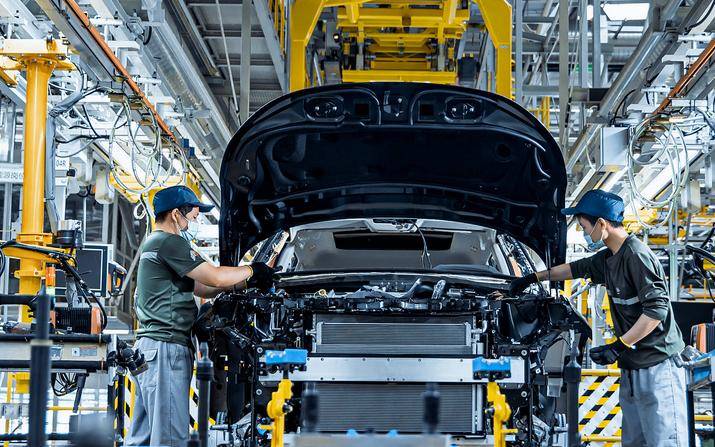
Core Insights - China's rare earth export control measures have unexpectedly impacted the EU market, leading to a severe supply chain crisis in the European automotive industry, with several car manufacturers facing inventory shortages and some production lines forced to halt [1][3] - The EU has requested China to restore regular supplies, but this request has been rejected, highlighting the geopolitical tensions and the interconnectedness of US and EU businesses [1][3] - The EU is considering sanctions against Chinese and Indian companies under pressure from the Trump administration, but is likely to adopt a cautious approach to avoid significant conflict with China [1][3] Group 1: Impact on European Automotive Industry - The ongoing rare earth export controls from China have put European companies at risk of prolonged production halts, with the EU expressing concerns over the necessity of China's control measures [1][3] - The EU has reached a consensus with the US to invest in developing rare earth supply sources outside of China, but currently, only one Australian company has the capacity to export, which is significantly lower than China's output, especially in heavy rare earths critical for the automotive industry [1][3] Group 2: Dependency on Chinese Rare Earths - The EU's rare earth imports are entirely dependent on China, with significant reliance on imports for key metals like lithium, copper, and nickel, which are essential for modern industrial applications [3] - China's rare earth production accounts for 95% of the global supply and controls about 90% of the refining capacity, creating a dependency that complicates the EU's ability to take a hard stance against China [3]
路透:欧洲企业正在为中国稀土管控做出更多准备
Sou Hu Cai Jing· 2025-09-17 05:46
Group 1 - The China-EU Chamber of Commerce reported that despite an agreement reached in July to expedite rare earth exports to the EU, strict export controls from China are expected to lead to more shutdowns and losses for European companies [1][3] - Jens Eskelund, the chairman of the China-EU Chamber of Commerce, stated that members are still facing significant bottlenecks despite the commitments made during the July 24 summit [3] - China has implemented export controls on certain rare earths and rare earth magnets following the tariffs announced by former U.S. President Trump, causing production delays and large-scale shutdowns for automotive manufacturers in Europe and other regions [3] Group 2 - The majority of the world's rare earths are processed and refined in China, which are widely used in automotive manufacturing and defense industries [3] - Although China agreed to expedite export licenses for critical raw materials during the summit with EU Commission President Ursula von der Leyen, this has not met the EU's demands for extended license periods or the cancellation of export licenses [3] - Since the summit, the approval process for licenses has begun to slow down, leading to an increase in complaints and requests for assistance from members of the China-EU Chamber of Commerce [4]

终于发现“两个内鬼”!短短4个月,中国4000吨稀土被连夜运往美国,背后到底是谁?
Sou Hu Cai Jing· 2025-09-05 04:17
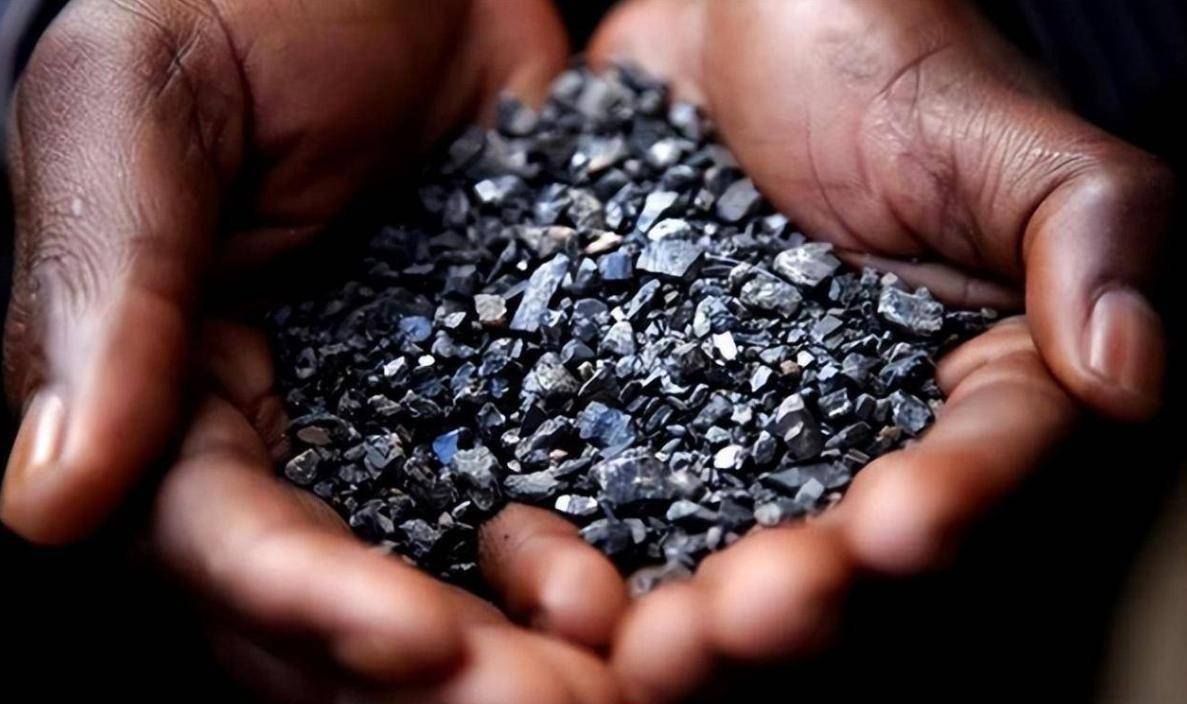
Core Viewpoint - The article highlights the alarming situation where 4,000 tons of rare earth materials were secretly exported from China to the United States within four months, facilitated by two internal accomplices [1][5]. Group 1: Importance of Rare Earths - Rare earth materials are crucial for high-tech industries, including military equipment and renewable energy devices, with significant quantities required for advanced technologies like the F35 fighter jet and wind turbines [3][5]. - China holds 36% of the world's rare earth reserves but supplies 90% of global demand, making it a vital player in the high-tech sector [7]. Group 2: Internal Betrayal - The investigation revealed that two insiders, a trade company owner and an internal department employee, colluded to export rare earths under the guise of ordinary industrial materials, exploiting their positions to bypass regulatory scrutiny [5][9]. - The illicit shipments were conducted at night to evade detection, undermining China's strict export controls on rare earths [9][11]. Group 3: Strategic Implications - The export of 4,000 tons of rare earths poses a significant threat to China's strategic advantages, as these materials are essential for the U.S. military and technology sectors, potentially enabling the production of advanced weaponry and high-end chips [11][13]. - The article emphasizes the need for stronger internal controls and penalties for those compromising national security, as the current situation could erode China's leverage in global technology and defense [13].
如何看待此时点的稀土板块?
2025-08-31 16:21
Summary of Key Points from the Conference Call on Rare Earth Industry Industry Overview - The rare earth sector is experiencing significant price increases due to export control policies, with companies like Guangsheng Nonferrous and others seeing substantial market capitalization growth, with Guangsheng's value doubling [2][3] - The U.S. Department of Defense's investment in MP Company and the establishment of a high subsidy floor price have disrupted domestic price ceilings, leading to a rapid rise in aluminum prices [2][3] - The Chinese government is tightening control over the import and smelting of rare earth minerals, particularly in the heavy rare earth sector, where imports of light rare earths account for 25% and heavy rare earths nearly 70% [2][3] Core Insights and Arguments - The current phase of the western rare earth sector is termed the "sympathy" phase, following significant price movements driven by export controls and U.S. investments [3] - The price of heavy rare earth processing fees has surged from 1,500 RMB to 19,000 RMB due to a decrease in buyers, significantly increasing smelting plant profits [8] - The market is expected to continue its upward price trajectory due to seasonal demand peaks and ongoing export recovery, with a projected increase in prices if the Myanmar mining suspension extends beyond expectations [10][11] Future Investment Opportunities - Companies with strong growth potential and certainty, such as Guangsheng Nonferrous and those under the China System Group, are highlighted as key investment targets due to their expected asset injections and favorable policy impacts [4][5] - The concentration of market share among compliant enterprises is anticipated to support prices and benefit central enterprises like Zhongxi Group [7] Potential Risks and Market Dynamics - The suspension of mining in Myanmar could disrupt supply chains, affecting both light and heavy rare earths, which could lead to price increases despite geopolitical uncertainties [9][14] - The rare earth industry is currently characterized by a significant presence of non-compliant enterprises, which the new policies aim to eliminate, thereby strengthening the market for compliant players [7] Company-Specific Insights - Guangsheng Nonferrous and China System Group are positioned to benefit the most from the current market dynamics, with substantial resources and smelting capabilities [12] - Baogang's rare earth business is expected to improve significantly as steel operations recover, potentially leading to a market capitalization increase of around 70% [15] - The future valuation of companies like Beiqi and Baogang is projected to rise significantly due to improved profitability from rare earth operations and recovery in steel business [16] Conclusion - The rare earth industry is poised for growth driven by regulatory changes, supply-demand dynamics, and strategic investments, with specific companies standing out as key beneficiaries in the evolving landscape [6][12]


稀土板块再度走强!分析师预计重稀土矿加工费将持续上涨
Shang Hai Zheng Quan Bao· 2025-08-28 23:19
Core Viewpoint - The rare earth sector has strengthened significantly, driven by new regulatory measures from Chinese authorities aimed at controlling production and enhancing market dynamics [1][2]. Group 1: Regulatory Changes - The Ministry of Industry and Information Technology, the National Development and Reform Commission, and the Ministry of Natural Resources have introduced a new management approach for rare earth mining and processing, effective immediately [1]. - The new regulations include stricter total production control, inclusion of imported ores in regulatory oversight, and the establishment of a penalty system for overproduction [1][2]. - Analysts expect that these measures will lead to tighter supply constraints in the domestic market, concentrating processing capacity among larger groups and potentially increasing processing fees for heavy rare earth minerals [1]. Group 2: Company Performance - China Rare Earth announced a projected net profit of between 136.3 million and 176.3 million yuan for the first half of 2025, attributing this to favorable market conditions and effective marketing strategies [2]. - The company has optimized its production processes and upgraded its technology, contributing to improved efficiency and sales growth [2]. - China Rare Earth benefits from strong resource endowments, with stable supply from its mining operations and a strategic procurement approach for raw materials [2]. Group 3: Export Control Impact - In April, the Ministry of Commerce and the General Administration of Customs implemented export controls on several heavy rare earth materials, which China Rare Earth has complied with [3]. - The company reported that its revenue from international markets constitutes less than 5% of total revenue, indicating that the export controls will have a minimal direct impact on its sales and performance [3].
《国企要参》海外视点丨美稀土开采公司MP停止对华出口
Sou Hu Cai Jing· 2025-08-28 17:33
Group 1 - The price of praseodymium-neodymium (NdPr), essential for manufacturing strong magnets, has reached a high for the first time in over two years due to MP Materials halting exports to major Chinese magnet manufacturers amid rising demand [3] - NdPr is a crucial alloy for producing electric vehicles (EVs), wind turbines, and defense equipment, with MP Materials supplying 7-9% of China's NdPr oxide production over the past three years [3] - The benchmark price for NdPr oxide in China has reached 632,000 RMB per ton (approximately 88 USD per kg), the highest since March 2023 [3] Group 2 - The Trump administration signed a domestic processing contract with MP Materials in July, ensuring a minimum price nearly double the market level at that time, along with support measures for NdPr production [4] - Recent price increases have helped revive demand, with a projected 10% growth in demand this year, while China's production is expected to grow only modestly by 5% [4] - The current demand surge in China for EVs, wind turbines, and home appliances is putting further pressure on the supply-demand balance for NdPr [4]
暴增56倍!1700亿稀土牛股,中报来了
中国基金报· 2025-08-26 17:11
Core Viewpoint - Northern Rare Earth's net profit increased significantly by 1951% year-on-year, driven by rising sales and prices of rare earth products, particularly praseodymium and neodymium [1][4]. Financial Performance - The company's operating revenue for the first half of 2025 reached 18.866 billion yuan, a year-on-year increase of 45.24% [1][5]. - Net profit amounted to 931 million yuan, reflecting a staggering year-on-year growth of 1951% [1][5]. - The non-recurring net profit was 897 million yuan, with an extraordinary increase of 5645% compared to the previous year [1][5]. Market Dynamics - The surge in revenue was attributed to increased sales volumes and rising average prices of key rare earth products since the beginning of the year [4]. - Despite the impressive growth, the current performance is still below the peaks seen in 2021 and 2022 [4]. Export and Import Trends - In the first half of the year, China imported 57,400 tons of rare earth products, a decrease of 20.63% year-on-year, while the import value rose by 0.85% to 6.141 billion yuan [6]. - Exports of rare earth products totaled 32,600 tons, an increase of 11.94%, but the export value fell by 24.42% to 1.374 billion yuan [6]. Price Trends - The price of praseodymium-neodymium oxide has seen a significant increase, rising from 435,000 yuan per ton in early July to 622,000 yuan per ton by August 25, marking an increase of over 40% [7]. Company Background - Northern Rare Earth, established in 1961 and listed in 1997, is a subsidiary of Baotou Steel Group and holds exclusive mining rights to the world's largest iron and rare earth co-mined resource [9]. - The company benefits from a stable supply of rare earth concentrate from its parent company, which enhances its operational stability [9]. Stock Performance - The company's stock price has surged significantly, with a 50.6% increase in July and a further 31% rise in August, leading to a total increase of nearly 100% over the past two months [9].
暴增56倍!1700亿稀土牛股,中报来了
Zhong Guo Ji Jin Bao· 2025-08-26 16:24
Core Viewpoint - Northern Rare Earth's net profit for the first half of 2025 increased significantly, with a non-recurring net profit growth of 5645% and a net profit growth of 1951% compared to the previous year [1][2]. Financial Performance - The company's operating revenue reached 18.866 billion yuan, a year-on-year increase of 45.24% [1][3]. - The net profit was 931 million yuan, showing a year-on-year increase of 1951% [1][3]. - The non-recurring net profit was 897 million yuan, with an astonishing growth rate of 5645% year-on-year [1][3]. - Compared to the highs of 2021 and 2022, the current performance is still below those levels [2]. Market Dynamics - The increase in operating revenue is attributed to higher sales volumes of key rare earth products, particularly praseodymium and neodymium, along with rising average prices since the beginning of the year [2]. - The overall rare earth market is experiencing a recovery, supported by stable domestic demand despite international trade challenges [4]. Price Trends - Rare earth product prices have been on the rise, with praseodymium-neodymium oxide prices increasing from 435,000 yuan per ton in early July to 622,000 yuan per ton by August 25, marking an increase of over 40% [4]. Company Background - Northern Rare Earth, established in 1961, is a subsidiary of Baotou Steel Group and is recognized as the origin of China's rare earth industry [5]. - The company benefits from exclusive mining rights to the Baiyun Obo mine, which provides a stable supply of rare earth concentrates for its operations [5]. Stock Performance - The company's stock price has seen significant increases, with a 50.6% rise in July and a 31% increase in August, totaling nearly a 100% increase over the past two months [5]. - The current market capitalization of the company is 177.5 billion yuan [5].
