
股权激励

Search documents
莲花控股股份有限公司关于2023年股票期权与限制性股票激励计划预留授予部分第一个行权期行权结果暨股份过户登记的公告
Shang Hai Zheng Quan Bao· 2025-11-04 20:04
Core Viewpoint - The announcement details the results of the first exercise period for the stock options and restricted stock incentive plan of Lianhua Holdings, with a total of 495,350 shares being exercised on November 3, 2025 [2][22]. Group 1: Incentive Plan Overview - The incentive plan was approved by the board and supervisory committee on August 28, 2025, confirming the achievement of the first exercise conditions and the lifting of restrictions [11][13]. - The plan includes a total of 795,000 stock options and restricted stocks granted to 74 incentive objects, with the first grant date being September 25, 2023 [5][6]. - The plan aims to enhance corporate governance and motivate employees towards the company's sustainable development [3][4]. Group 2: Exercise Conditions and Arrangements - The first exercise period for the stock options is set from July 22, 2025, to July 22, 2026, while the lifting of restrictions for the restricted stocks is from October 21, 2025, to October 21, 2026 [14]. - The exercise requires that certain conditions are met, including no adverse audit opinions and compliance with performance assessment criteria [15][19]. - The exercise price for the stock options is set at 3.48 yuan per share, with a total of 18 individuals participating in the exercise [21]. Group 3: Financial Impact and Stock Structure - The exercise does not involve the issuance of new shares and will not affect the company's total share capital, which remains at 1,793,107,141 yuan [28]. - The shares used for the exercise are sourced from the company's repurchased A-shares, resulting in a decrease of 495,350 shares in the repurchase account [25]. - The company received a total of 1,723,818 yuan from the exercise of stock options by the incentive objects [26].

北京三元食品股份有限公司股权激励限制性股票回购注销实施公告
Shang Hai Zheng Quan Bao· 2025-11-04 19:57
Core Viewpoint - The company is implementing a buyback and cancellation of restricted stock due to unmet performance targets and changes in the eligibility of certain incentive recipients [2][5]. Group 1: Reasons for Buyback and Cancellation - The buyback and cancellation of 7,086,978 shares of restricted stock is due to the failure to meet performance assessment targets for the second unlock period of the stock incentive plan [2][5]. - The company will repurchase shares from 167 incentive recipients, with some losing eligibility due to retirement, job changes, or resignations [2][5][7]. Group 2: Details of the Buyback - The buyback price for the restricted stock has been adjusted from 3.002 yuan per share to 2.941 yuan per share, based on the company's profit distribution plan [3]. - The total number of shares to be repurchased includes 580,931.7 thousand shares from those who did not meet performance conditions, 72.3331 thousand shares from retirees or those who changed jobs, and 55.4330 thousand shares from those who resigned [3][5]. Group 3: Impact on Share Structure - Following the buyback, the company's total share capital will decrease from 1,509,176,043 shares to 1,502,089,065 shares, reflecting a reduction of approximately 0.47% of the total share capital [5][8]. Group 4: Legal Compliance and Commitments - The company has confirmed that the decision-making process and information disclosure related to the buyback comply with relevant laws and regulations, ensuring no harm to the rights of incentive recipients or creditors [8][9]. - A legal opinion confirms that the buyback has received necessary approvals and adheres to the relevant management regulations and incentive plan [9].

荣昌生物制药(烟台)股份有限公司关于作废部分2022年A股限制性股票激励计划已授予尚未归属的限制性股票的公告
Shang Hai Zheng Quan Bao· 2025-11-04 19:44
Core Viewpoint - The company announced the cancellation of 180,000 unvested restricted stocks from its 2022 A-share incentive plan due to the departure of five incentive recipients who no longer meet the eligibility criteria [8][9][40]. Group 1: Incentive Plan Approval and Implementation - The company held its first board meeting on October 16, 2022, to approve the draft of the 2022 A-share restricted stock incentive plan and its implementation management measures [22][31]. - The plan involves granting a total of 3.58 million restricted stocks, representing approximately 0.6578% of the company's total share capital at the time of the announcement [22][23]. - The initial grant includes 872,305 A-class stocks and 1,996,400 B-class stocks, with a grant price of 36.36 yuan per share [22][23]. Group 2: Cancellation of Restricted Stocks - The board of directors approved the cancellation of 180,000 restricted stocks that were granted but not vested due to the departure of five recipients [8][40]. - This cancellation will not significantly impact the company's operational status or the stability of its technical and management teams [9][40]. Group 3: Legal and Compliance Aspects - The company has fulfilled necessary approvals and disclosures in accordance with relevant laws and regulations regarding the cancellation of the restricted stocks [11][44]. - The legal opinion confirms that the cancellation and the overall incentive plan comply with the applicable laws and regulations [11][44].

新风光电子科技股份有限公司关于股份回购实施结果暨股份变动的公告
Shang Hai Zheng Quan Bao· 2025-11-04 19:22
Core Viewpoint - The company has successfully completed a share buyback program, acquiring a total of 2,041,139 shares, which represents 1.44% of its total share capital, with a total expenditure of approximately RMB 44.99 million [3][8]. Group 1: Buyback Approval and Plan - On December 23, 2024, the company’s board approved a share buyback plan using its own funds, with a total budget between RMB 30 million and RMB 60 million, and a maximum buyback price of RMB 29.62 per share [2]. - The buyback period is set for 12 months from the board's approval date [2]. Group 2: Buyback Implementation - The first buyback was executed on January 17, 2025, with the results disclosed on January 18, 2025 [3]. - The shares were bought back at a maximum price of RMB 22.90, a minimum price of RMB 20.70, and an average price of RMB 22.04 per share [3]. Group 3: Shareholder Transactions - Certain directors and senior management engaged in stock transactions related to restricted stock incentives during the buyback period, which are part of the company's normal incentive plan [4][5][6]. Group 4: Share Changes - The total number of shares increased from 139,950,000 to 141,382,530 due to the implementation of the restricted stock incentive plan [7]. Group 5: Handling of Repurchased Shares - The repurchased shares will be used for equity incentives, and if not utilized within three years, they will be canceled according to relevant laws [8][9].

上海复星医药(集团)股份有限公司第十届董事会第十四次会议(临时会议)决议公告
Shang Hai Zheng Quan Bao· 2025-11-04 19:20
Core Viewpoint - Shanghai Fosun Pharmaceutical (Group) Co., Ltd. has approved adjustments to its 2025 A-share stock option incentive plan and 2025 H-share restricted stock unit plan, including changes in the number of participants and the total number of options or units granted [1][5]. Group 1: A-share Stock Option Incentive Plan - The initial list of 201 participants has been adjusted to 195, and the number of A-share options granted has been reduced from 4,580,900 to 4,535,100 [2][10]. - The board has set November 4, 2025, as the grant date for the A-share options, with a total of 4,535,100 options to be granted at an exercise price of RMB 27.93 per share [10][17]. - The board confirmed that all conditions for the initial grant of the A-share options have been met, allowing the grant to proceed [19]. Group 2: H-share Restricted Stock Unit Plan - The initial list of 201 participants has been adjusted to 195, and the number of H-share restricted stock units granted has been reduced from 10,696,400 to 10,589,500 [5][29]. - The board has also set November 4, 2025, as the grant date for the H-share restricted stock units [29][33]. - The adjustments made to the H-share plan were in accordance with the relevant regulations and have received necessary approvals [30][32].
小熊电器:关于2022年股票期权与限制性股票激励计划部分股票期权注销完成的公告
Zheng Quan Ri Bao Zhi Sheng· 2025-11-04 14:12
Core Points - Company announced the cancellation of 25,500 stock options from its 2022 stock option and restricted stock incentive plan due to certain conditions not being met by the incentive recipients [1] - The cancellation includes 18,000 stock options from two recipients who have left the company and 7,500 stock options from one recipient who voluntarily waived their rights [1] - The cancellation process was confirmed by the China Securities Depository and Clearing Corporation Limited, Shenzhen Branch on November 4, 2025 [1] Summary by Categories - **Incentive Plan Details** - The company held its 20th meeting of the 3rd Board of Directors on October 29, 2025, where the cancellation of stock options was approved [1] - The stock options were part of the 2022 stock option and restricted stock incentive plan [1] - **Cancellation Reasons** - Two incentive recipients no longer met the eligibility criteria due to their departure from the company, leading to the cancellation of 18,000 stock options [1] - One recipient voluntarily waived their rights to 7,500 stock options, which also resulted in cancellation [1] - **Completion of Cancellation Process** - The cancellation of the total 25,500 stock options was completed and confirmed by the relevant authority on November 4, 2025 [1]
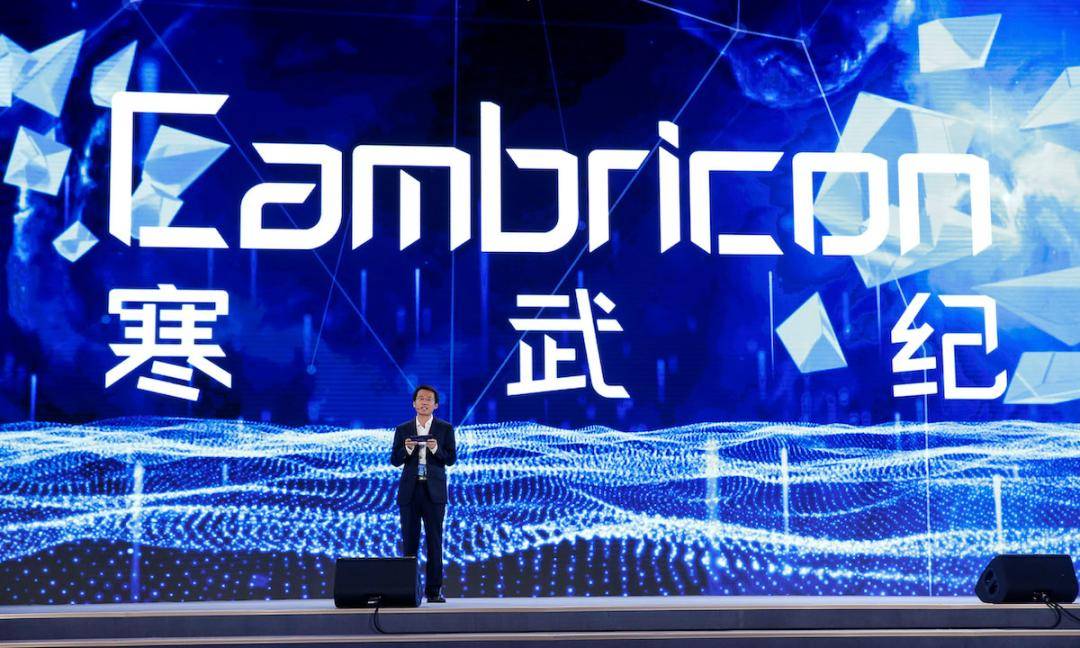
1800亿江西首富执掌公司,遭前高管索赔43亿
Sou Hu Cai Jing· 2025-11-04 14:04
Core Viewpoint - The company Cambricon is currently embroiled in a high-stakes lawsuit initiated by its former CTO Liang Jun, who is claiming damages of 4.287 billion yuan, which is 2.67 times the company's net profit for the first three quarters of the year, setting a record for compensation claims in China's tech sector [2][4][6]. Financial Performance - In the first three quarters, Cambricon achieved revenue of 4.607 billion yuan, a year-on-year increase of 2386.38%, and a net profit of 1.605 billion yuan, marking a turnaround from a loss of 724 million yuan in the same period last year [2][16]. - The third quarter alone saw revenue of 1.727 billion yuan, up 1332.52% year-on-year, with a net profit of 567 million yuan, reflecting a 391.47% increase [16]. Legal Dispute Details - Liang Jun's lawsuit includes three main requests: confirmation of his employment relationship with Cambricon, compensation for stock incentive losses amounting to 4.287 billion yuan, and coverage of legal fees by the company [4][5]. - The compensation claim is based on Liang's indirect holding of 11.5232 million shares, calculated at a maximum stock price of 372 yuan per share [5][6]. Company Background - Cambricon, founded in 2017, is a leading domestic AI chip company and was the first to be listed on the Sci-Tech Innovation Board in China [7]. - Liang Jun, who has a strong background in technology and management, played a crucial role in the development of key chip products before leaving the company in 2022 due to disagreements [6][12]. Market Position and Challenges - Despite impressive financial results, Cambricon faces several challenges, including a decline in third-quarter performance compared to the previous quarter, a concentrated business structure, and high valuation ratios compared to industry averages [3][18]. - The AI chip market is becoming increasingly competitive, with major players like NVIDIA and AMD posing significant threats, alongside domestic competitors such as Huawei and Biren Technology [19][20]. Implications of the Lawsuit - The lawsuit could potentially impact Cambricon's brand image and its ability to attract talent, as it highlights the intense competition for core technical personnel in the AI sector [21]. - Legal experts suggest that Liang's claims may lack a solid contractual basis, which could mitigate the potential financial impact on the company [14][15].

清越科技(688496.SH)董事长提议1000万元至2000万元回购公司股份
智通财经网· 2025-11-04 13:14
Group 1 - The company Qingyue Technology (688496.SH) announced a proposal for share repurchase by its chairman and general manager, Mr. Gao Yudi [1] - The proposed repurchase will utilize self-owned funds to buy back part of the company's issued ordinary shares (A-shares) [1] - The total amount for the repurchase is set to be no less than RMB 10 million and no more than RMB 20 million, with all repurchased shares intended for employee stock ownership plans or equity incentive plans [1]
42.87亿索赔!“股王”寒武纪,成了前CTO的“造势踏板”?
Xin Lang Cai Jing· 2025-11-04 10:40
Core Viewpoint - The company Cambricon faces a significant lawsuit from its former CTO Liang Jun, who is demanding compensation of 4.287 billion yuan for stock incentive losses, which could severely impact the company's profits and market position as the "stock king" of technology in China [1][2][3]. Financial Impact - The compensation amount of 4.287 billion yuan is nearly three times Cambricon's net profit of 1.605 billion yuan for the third quarter of this year, and it exceeds the company's cash reserves of 5.82 billion yuan [3][6]. - If Cambricon loses the lawsuit, the compensation could consume several years' worth of profits [1][6]. Legal Dispute - The core of the dispute lies in conflicting terms between the "Letter of Intent" and the "Equity Incentive Plan," particularly regarding the method of repurchasing Liang's shares [4][6]. - Liang Jun's claim is based on a 2017 document stating that stock incentives are part of his compensation, which he argues should be treated as labor remuneration [7][10]. Background of the Parties - Liang Jun previously worked at Huawei for 17 years before joining Cambricon as CTO in 2017, where he significantly contributed to the company's growth and product development [8][10]. - After leaving Cambricon, Liang Jun became the CEO of a new company, Shanghai Fangqing Technology, which operates in a similar field, raising speculation about his motivations for the lawsuit [11]. Market Reaction - The lawsuit has led to a decline in Cambricon's stock price, with a drop of 2.07% on November 3 and an additional 0.52% on November 4, reflecting market concerns about the company's future [14][15]. - The high valuation of Cambricon, with a dynamic P/E ratio of 276 times, has been questioned, especially given its declining profit margins and market share in the AI chip sector [12][13].

晶澳科技(002459):毛利率修复,现金流构筑安全垫
GOLDEN SUN SECURITIES· 2025-11-04 10:39
Investment Rating - The report maintains a "Buy" rating for the company [4] Core Views - The company reported a significant decline in revenue for the first three quarters of 2025, with total revenue of 36.809 billion yuan, a year-on-year decrease of 32.27%. The net profit attributable to shareholders was -3.553 billion yuan, with a basic earnings per share of -1.08 yuan [1][2] - The gross margin showed signs of recovery, with the third quarter sales gross margin at -0.88%, an improvement from -0.95% in the second quarter and -6.7% in the first quarter, indicating a reduction in unit product loss pressure [1] - The company has maintained positive operating cash flow for 15 consecutive years, with a net cash flow from operating activities of 4.695 billion yuan as of the end of September, and cash reserves of 24.242 billion yuan, enhancing its risk resilience [2] - The company has launched an employee stock incentive plan covering 1,974 core employees, accounting for 4.89% of the total share capital, which is expected to stimulate the core team's vitality [2] - The company is accelerating its H-share listing process to broaden international financing channels, reflecting its strategic foresight in capital operations [2] Financial Summary - For the first three quarters of 2025, the company achieved a revenue of 36.809 billion yuan, with a projected revenue of 46.309 billion yuan for the full year, representing a year-on-year decline of 34% [3] - The net profit forecast for 2025 is -4.673 billion yuan, with expected recoveries in 2026 and 2027 to 2.855 billion yuan and 3.887 billion yuan, respectively [3] - The earnings per share (EPS) is projected to be -1.41 yuan for 2025, with a recovery to 0.86 yuan in 2026 and 1.17 yuan in 2027 [3] - The company’s return on equity (ROE) is expected to be -20.6% in 2025, improving to 11.2% in 2026 and 13.2% in 2027 [3]
