产业振兴

Search documents
钢铁通途破浪来 粤西融湾再提速
Zhong Guo Jing Ji Wang· 2025-12-30 02:54
Core Viewpoint - The opening of the Guangzhan High-Speed Railway marks a transformative development for the western Guangdong region, enhancing connectivity with the Greater Bay Area and stimulating regional economic growth [1][4]. Group 1: Economic Impact - The Guangzhan High-Speed Railway, with a length of 401 kilometers and a maximum speed of 350 kilometers per hour, connects seven cities, significantly improving travel times and integrating the western Guangdong region into the Greater Bay Area's economic framework [1][2]. - The railway transforms Zhanjiang from a geographical "end" to a "hub," facilitating the flow of capital, technology, talent, and information at high speeds, thus catalyzing the growth of a billion-level "industrial forest" [2][4]. - The high-speed connection allows for efficient transportation of local agricultural products to national markets, enhancing their value and driving rural revitalization and urban-rural integration [2][3]. Group 2: Tourism Development - The Guangzhan High-Speed Railway serves as a scenic route, promoting the unique cultural and natural attractions of western Guangdong, thereby enhancing tourism opportunities [3][4]. - The design of the railway stations emphasizes local culture and natural beauty, improving visitor experience and making the region more accessible to tourists [3][4]. Group 3: Infrastructure Significance - The railway is a crucial part of the national "eight vertical and eight horizontal" high-speed rail network, linking various economic regions and enhancing the overall transportation infrastructure in China [4][5]. - The construction of the railway showcases China's advanced infrastructure capabilities, with significant engineering achievements such as a 76.8% high bridge and tunnel ratio and innovative design solutions [4][5].
清风为伴产业兴丨织出振兴新图景
Zhong Yang Ji Wei Guo Jia Jian Wei Wang Zhan· 2025-12-30 00:11
Core Insights - The transformation of Xiaobeihe Town in Liaoyang County into a significant hub for sock production in China, with nearly 300 sock manufacturing and supporting enterprises and 23,000 computerized knitting machines, has been remarkable over the past 40 years [1][2] - The local disciplinary inspection and supervision authorities have played a crucial role in supporting the industry by addressing various operational challenges faced by enterprises [1][2] Group 1 - Xiaobeihe Town has evolved from small workshops to a major production base for cotton socks, exporting products nationwide and internationally [1] - The local government has implemented a continuous supervision mechanism to identify and resolve issues in the sock industry, proposing 20 specific recommendations to support enterprise development [1] - The county's disciplinary inspection and supervision authorities have focused on rectifying issues such as inadequate park greening, outdated exhaust systems, and disorganized parking, leading to the planting of over 1,000 trees and the installation of more than 70 new streetlights [1] Group 2 - The establishment of a "one-stop" service for project approvals has significantly reduced processing time, enhancing operational efficiency for companies like Liaoning Poly Socks Import and Export Co., Ltd [2] - The local authorities are addressing bottlenecks in industrial transformation by promoting the creation of platforms such as the Xiaobeihe Sock Art Industry Research Institute and an e-commerce selection center for socks [2] - A supervision checklist with 22 items has been developed to monitor key aspects of the high-quality development of the sock industry, ensuring steady progress in the sector [2]
超越泥土藏黑陶
Xin Lang Cai Jing· 2025-12-28 21:32
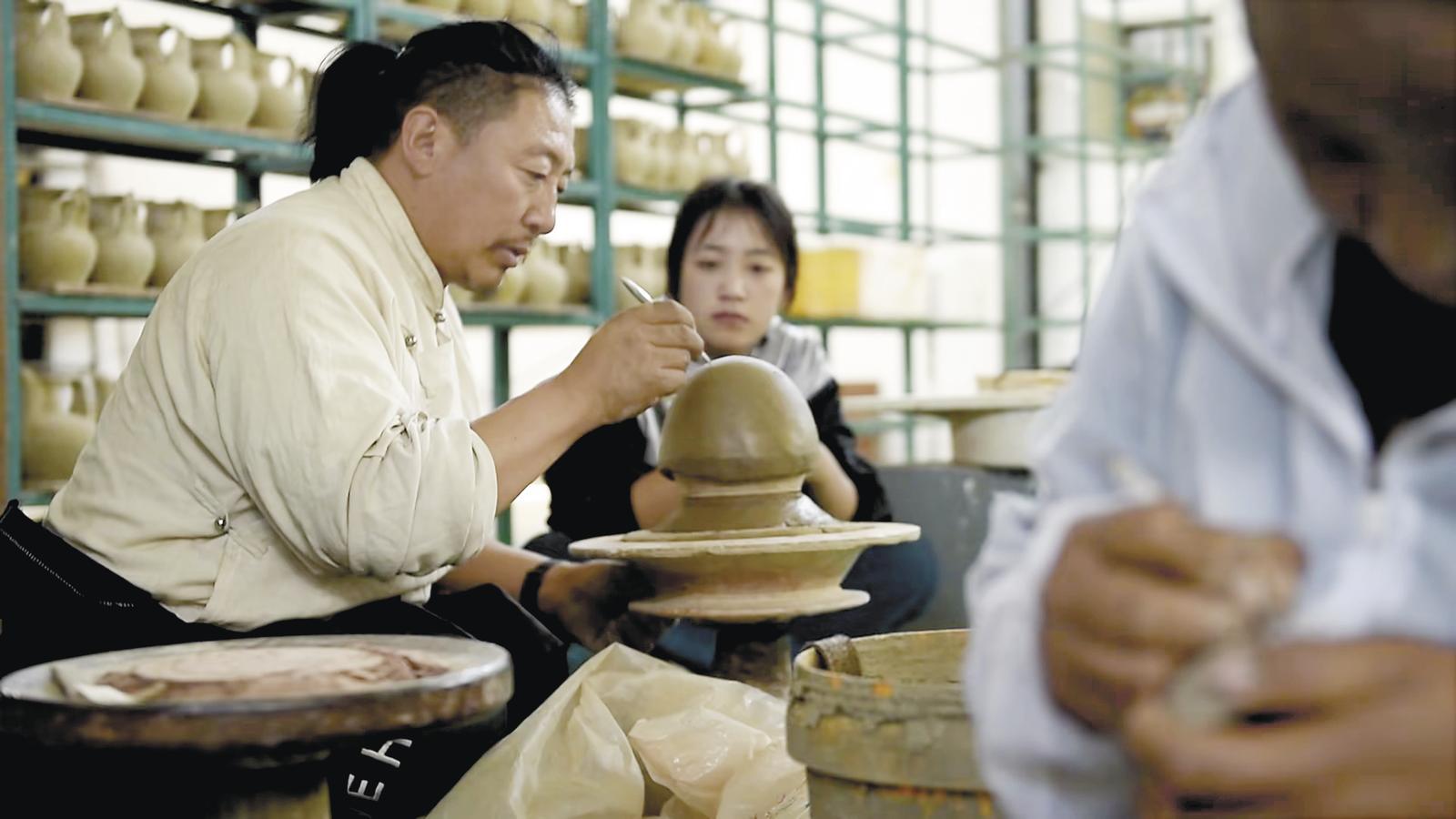
Core Viewpoint - The article highlights the journey and achievements of Bai Ma Qun Jia, a master of Tibetan black pottery, emphasizing the cultural significance and modern development of this traditional craft in Nangqian County, Qinghai Province [2][5]. Group 1: Cultural Heritage and Craftsmanship - Bai Ma Qun Jia's studio showcases the intricate craftsmanship of Tibetan black pottery, which combines practicality and aesthetics, reflecting the cultural wisdom of the Tibetan people [2]. - The unique characteristics of Tibetan black pottery, such as its durability and artistic appeal, are attributed to the meticulous handcrafting process, which has been preserved through generations [2][5]. Group 2: Development and Modernization - In 2006, Bai Ma Qun Jia established a pottery factory to modernize the production of Tibetan black pottery, aiming to create job opportunities and promote local craftsmanship [4]. - The recognition of Tibetan black pottery as a national intangible cultural heritage in 2008 significantly boosted its popularity and the number of apprentices seeking to learn the craft [5]. Group 3: Social Impact and Community Support - Bai Ma Qun Jia's initiatives have included training programs for local youth, including marginalized groups, helping them find employment and improve their livelihoods through the craft [5]. - The establishment of the Nangqian Tibetan Black Pottery Cultural Research and Development Company in 2014 has further enhanced the visibility and marketability of Tibetan black pottery, expanding its product range and increasing prices [5]. Group 4: Recognition and Future Outlook - Bai Ma Qun Jia was awarded the title of National Rural Craftsman Master in 2024, solidifying his role in the preservation and development of Tibetan black pottery [5]. - The future of Nangqian Tibetan black pottery is viewed positively, with expectations for continued growth and recognition in the modern era [6].

创新盘活“三闲”资产 湖南涟源“小车间”撬动乡村就业大民生
Xin Lang Cai Jing· 2025-12-26 14:58
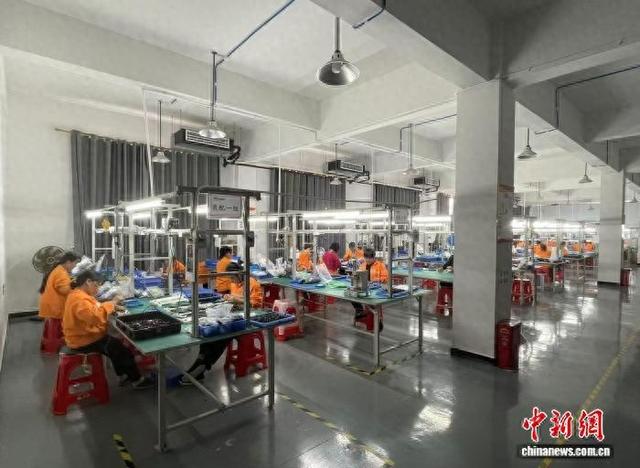
Core Viewpoint - The rural workshops in Lianyuan City, Hunan Province, are effectively addressing employment challenges and revitalizing rural areas by utilizing local resources and innovative employment models [3][4][6]. Group 1: Employment Initiatives - Lianyuan City has established 31 rural workshops that cater to various labor-intensive industries, including carpet manufacturing, garment processing, daily goods production, handicrafts, and electronic assembly, matching local labor demands [3][6]. - The "home-based order-taking" initiative allows villagers to work from home, enabling them to balance family responsibilities while earning income, with 653 individuals benefiting from this model [3][4]. Group 2: Economic Development Strategies - The city employs a "government guidance + market operation + benefit linkage" mechanism to attract skilled entrepreneurs back to their hometowns, fostering the development of unique local industries [4][6]. - As of now, Lianyuan has built 135 rural workshops, directly employing 3,778 individuals, including 1,188 from impoverished backgrounds, with an average annual income increase of over 16,000 yuan [6][7]. Group 3: Policy Support and Financial Mechanisms - Lianyuan City has optimized approval processes, created labor supply-demand matching platforms, and introduced specialized "workshop loans" to support small enterprises [6][7]. - In 2025, the city plans to recognize 34 new rural workshops and provide 1.55 million yuan in "workshop loans" and 17 million yuan in subsidy funds, enhancing the sustainability and growth of these workshops [6][7].
年终话“三农”|“土味”变特色 激发新活力——2025年乡村富民产业发展一线观察
Xin Hua Wang· 2025-12-26 00:59
Core Viewpoint - The key to rural revitalization lies in industrial revitalization, with a focus on developing rural industries to enhance agricultural efficiency and farmer income [1] Group 1: Industry Development - The development of rural industries should be tailored to local conditions, transforming resource advantages into development advantages [3] - In Heilongjiang Province, the introduction of Angus cattle has led to a sales revenue of 625 million yuan and increased farmer income by 150 million yuan [2] - Various regions are experiencing rapid growth in their unique rural industries, such as the expansion of tea planting in Guangxi with over 400,000 acres and an estimated output value exceeding 30 billion yuan [4] Group 2: Technological Innovation - Technological advancements are crucial for the development of rural industries, as seen in the intelligent greenhouse systems in Shandong, which produce over 4.5 million tons of vegetables annually [7] - In Shaanxi, the successful aquaculture of shrimp and crabs in saline-alkali land has generated over 5 million yuan in income [5][6] - The establishment of a comprehensive agricultural technology innovation system in China includes over 800 research institutions and more than 120,000 researchers [10] Group 3: Brand Development - The establishment of unified branding for agricultural products, such as the "Caidian Lotus Root," has significantly increased market influence and value, with an annual output value of 1.8 billion yuan [12] - The "Baoshan Small Coffee" brand in Yunnan has transformed local coffee production, increasing per capita income from 8,000 yuan to 43,000 yuan through integrated development of coffee and tourism [13] - The central government's emphasis on developing rural characteristic industries and implementing brand cultivation plans aims to enhance agricultural industrialization levels [14]
“贷”动“非遗之花”在高原绽放
Jin Rong Shi Bao· 2025-12-24 05:11
Core Viewpoint - The news highlights the revitalization of traditional crafts in Qinghai, particularly Thangka painting and Tuzu embroidery, through financial support and innovative credit products, enabling cultural heritage to thrive in modern times [2][10]. Group 1: Thangka Art - Thangka art, a significant part of Tibetan culture, has a complex production process that can take months or years to complete, and it is facing challenges such as high material costs and a declining number of young artists willing to learn the craft [3][4]. - Financial institutions, particularly Postal Savings Bank, have provided tailored financial solutions, such as a 294,000 yuan "express loan," to support artists like Zashi Jiancuo in acquiring necessary materials for their work [3][4]. - As of September 2023, the loan balance for the cultural industry in Huangnan Prefecture reached 86.05 million yuan, reflecting a 29.53% increase since the beginning of the year, indicating a growing financial support for the Thangka industry [5]. Group 2: Tuzu Embroidery - Tuzu embroidery, recognized as a national intangible cultural heritage, has faced challenges such as rising material costs and limited market access, leading to a need for financial support to sustain the craft [6][7]. - The establishment of Su Long Gu Company has created a production model that integrates companies, workshops, and farmers, significantly improving the economic situation of local artisans [6][8]. - By October 2023, the local financial institutions had issued 16.35 million yuan in loans to support the Tuzu embroidery industry, demonstrating the effectiveness of financial initiatives in promoting cultural heritage [7][10]. Group 3: Financial Support and Initiatives - The People's Bank of China in Qinghai has implemented various financial products tailored to the needs of traditional crafts, such as "Thangka loans" and "Embroidery loans," to alleviate funding challenges faced by artisans [10][11]. - The "Qingxinrong" platform has facilitated connections between banks and small enterprises, providing over 46.26 billion yuan in loans to 82,100 small businesses, showcasing the impact of data-driven financial solutions [10][11]. - The financial support has not only helped artisans sustain their crafts but has also contributed to the employment of over 2,000 impoverished individuals, enhancing the socio-economic landscape of the region [8][12].

“启航·2025金融年会”要来了!百位专家问道“十五五”,直击经济、股市、消费、汽车核心话题
Jin Rong Jie· 2025-12-23 01:47
Group 1 - The "15th Five-Year Plan" marks a critical period for China's modernization and economic development, emphasizing the need to address both opportunities and challenges in a changing global landscape [2][3] - The "启航·2025金融年会" will focus on key topics such as financial strength, technological self-reliance, and consumer stimulation, with participation from leaders in finance, technology, and retail [3][4] - The automotive industry is highlighted as a significant driver of China's economy, with expectations for a shift in the luxury car market towards safety, reliability, and quality in 2026 [3] Group 2 - China's economy is expected to demonstrate resilience, with the capital market projected to experience steady growth as it enters 2026 [4] - Experts will analyze the future growth drivers of the economy and the direction of the capital market, providing insights for various market participants [4] - The event will gather representatives from hundreds of financial institutions and listed companies for in-depth discussions [5][6]
镇原县新集镇 产业有活力 振兴动能足
Xin Lang Cai Jing· 2025-12-22 09:04
Core Viewpoint - The article highlights the vibrant industrial development in Xinjizhen, emphasizing its role as a driving force for rural revitalization through a multi-faceted agricultural development model and the establishment of various industry clusters [5]. Group 1: Agricultural Development - Xinjizhen has adopted a "three-dimensional dual-cycle" agricultural development model, focusing on "leading facility vegetables, upgrading traditional breeding, and enhancing specialty planting" to create a diverse industrial development system [5]. - The town has implemented comprehensive land management over 4,722.75 acres and high-efficiency water-saving irrigation on 900 acres, ensuring a stable grain planting area of over 76,000 acres and an annual production of over 19,000 tons [6]. Group 2: Innovation and Investment - Xinjizhen has actively engaged in attracting investment, establishing partnerships with leading agricultural companies, and revitalizing 1,253 acres of idle land, resulting in the construction of 279 greenhouses and an annual seedling supply of 130 million [7]. - The establishment of a 10,000-ton fruit and vegetable processing plant and a digital chili factory aims to create a comprehensive model integrating seedling cultivation, planting, processing, and sales [7]. Group 3: Livestock Industry Growth - The town is promoting the grass and livestock industry by introducing companies to enhance breeding and marketing, leading to a significant increase in livestock numbers, with goat populations reaching over 2,800 and beef cattle increasing from 5,000 to 18,000 over five years [9]. - The implementation of a cooperative model has resulted in the cultivation of over 20,000 acres of specialty crops, contributing to the establishment of the "Xinjiz melon" brand, which has received national green food certification [9].

把梦想,种回三峡丨三峡后续工作H5②
Nan Fang Nong Cun Bao· 2025-12-17 09:35
Core Viewpoint - The Three Gorges Project is a critical infrastructure initiative for the governance, development, and protection of the Yangtze River, serving as a key support for national strategies such as the development of the Yangtze Economic Belt and the rise of central and western regions [3][4]. Group 1: Economic Development - The follow-up work of the Three Gorges Project provides strong support for high-quality development in the reservoir area and the stable prosperity of relocated residents [5]. - Formerly displaced residents are now becoming vital contributors to the high-quality development of the reservoir area, utilizing their skills and efforts to ignite industrial revitalization [6][7]. - The project has facilitated the development of local industries, such as the orange industry in Qichang County, which has improved the income of around 2,000 households by tens of thousands of yuan annually [14][16][17]. Group 2: Ecological and Cultural Initiatives - The follow-up work has fostered green productivity, transforming ecological advantages into economic benefits [22]. - Various initiatives, such as the establishment of a cultural and creative product line that integrates local heritage, have led to the development of over 100 products and provided free training for local artisans [34][35][36]. - The renovation of local historical sites has revitalized tourism and local businesses, enhancing community engagement and cultural heritage [58][60]. Group 3: Entrepreneurship and Community Support - The establishment of entrepreneurship parks for returning migrant workers has provided comprehensive support, reducing costs and risks associated with starting a business [42][44][46]. - The project has also improved community living conditions through professional property services, creating job opportunities for returning workers [50][51][53]. - Individual entrepreneurial efforts have led to broader economic growth, showcasing how personal endeavors contribute to the overall prosperity of the region [64][65].

让金融与产业发展同频共振
Jin Rong Shi Bao· 2025-12-16 02:46
Core Viewpoint - The article emphasizes the role of inclusive finance in empowering rural revitalization, particularly through the transformation of traditional industries like the fragrant nut and yellow wine, which face challenges due to long investment cycles and funding constraints [1][2]. Group 1: Industry Challenges - Traditional rural industries, such as fragrant nut and yellow wine, are hindered by the dual challenges of "time" and "capital," with fragrant nut trees taking 15 years to bear fruit and yellow wine requiring 10 years of aging [1]. - Farmers and artisans face difficulties in securing funding due to high initial investments and long return periods, as well as a lack of traditional collateral for loans [1]. Group 2: Financial Solutions - Chouzhou Bank's approach involves a "downward" service model that actively engages with local farmers, providing credit access through methods like "whole village credit" that allows farmers to obtain loans without leaving their homes [1][2]. - The "Farmers' Loan" initiative not only addresses immediate financial needs but also stimulates deep processing and cultural tourism within the fragrant nut industry, while "data credit" enables yellow wine enterprises to undergo intelligent transformation [2]. Group 3: Financial Innovation - The exploration by Chouzhou Bank highlights the importance of "precision" in financial support for rural revitalization, recognizing that different industries have unique pain points and that there is no one-size-fits-all solution [2]. - Financial institutions are encouraged to adopt more flexible credit models and streamlined service processes to support the development of rural industries, particularly those with long cycles and high risks [2].