国际贸易

Search documents
特朗普称委内瑞拉石油收入只买美货
Xin Lang Cai Jing· 2026-01-07 23:01
Core Viewpoint - Venezuela has agreed to use its oil sales revenue exclusively for purchasing American-made goods, including agricultural products, pharmaceuticals, medical equipment, and infrastructure improvements for its energy facilities [1] Group 1 - Venezuela's commitment to allocate oil revenue for American goods indicates a potential shift in its economic strategy [1] - The types of goods specified for purchase include essential items such as food, medicine, and energy infrastructure, which could impact both the Venezuelan economy and U.S. exports [1] - There has been no official response from the Venezuelan government regarding this announcement, leaving the details of the agreement unclear [1]
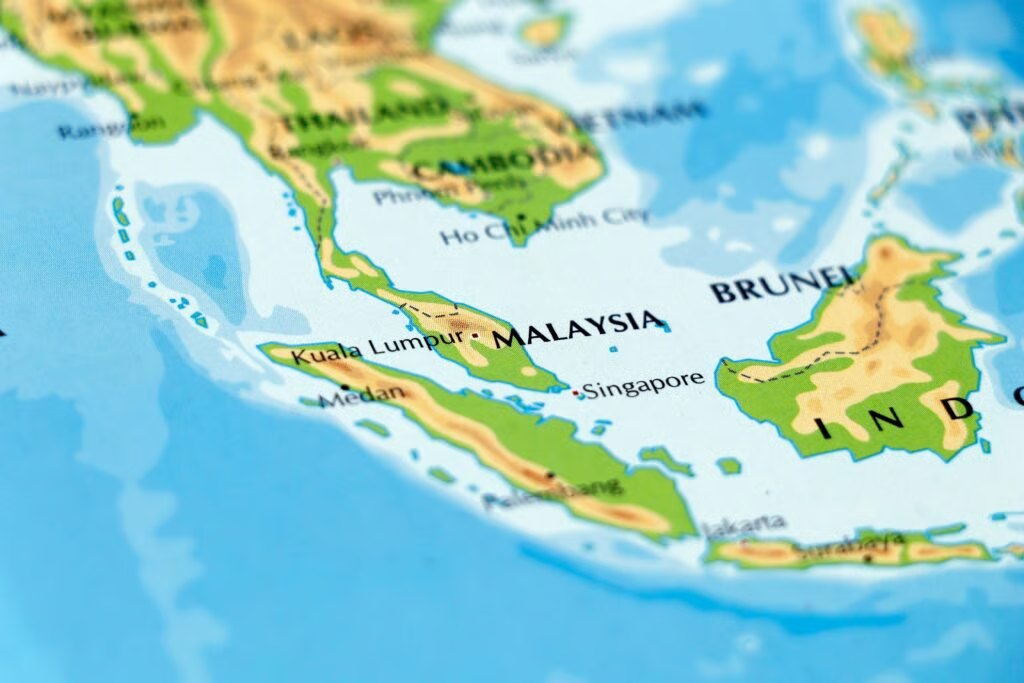
Thailand And Cambodia Agree To Ceasefire In Long-Running Border Dispute, Pledge Peaceful Resolution
Benzinga· 2025-12-27 07:42
Core Points - Thailand and Cambodia have agreed to a ceasefire, which is a significant step towards resolving their long-standing border dispute [1] - The ceasefire prohibits all military operations, including assaults on infrastructure and civilians, and goes into effect at noon on Saturday [1] - Both nations have committed to not increasing military presence along the border, allowing civilians to return to affected areas, and refraining from provocative actions [2] Regional and Trade Implications - The ceasefire agreement is expected to enhance regional stability, which has been affected by the border dispute for years [4] - The agreement has implications for international trade, as the United States has agreed to continue trade negotiations with Thailand, despite the ongoing dispute with Cambodia [4]

多国人士表示海南自贸港封关为国际贸易带来新机遇 推动建设开放型世界经济
Yang Shi Wang· 2025-12-18 12:12
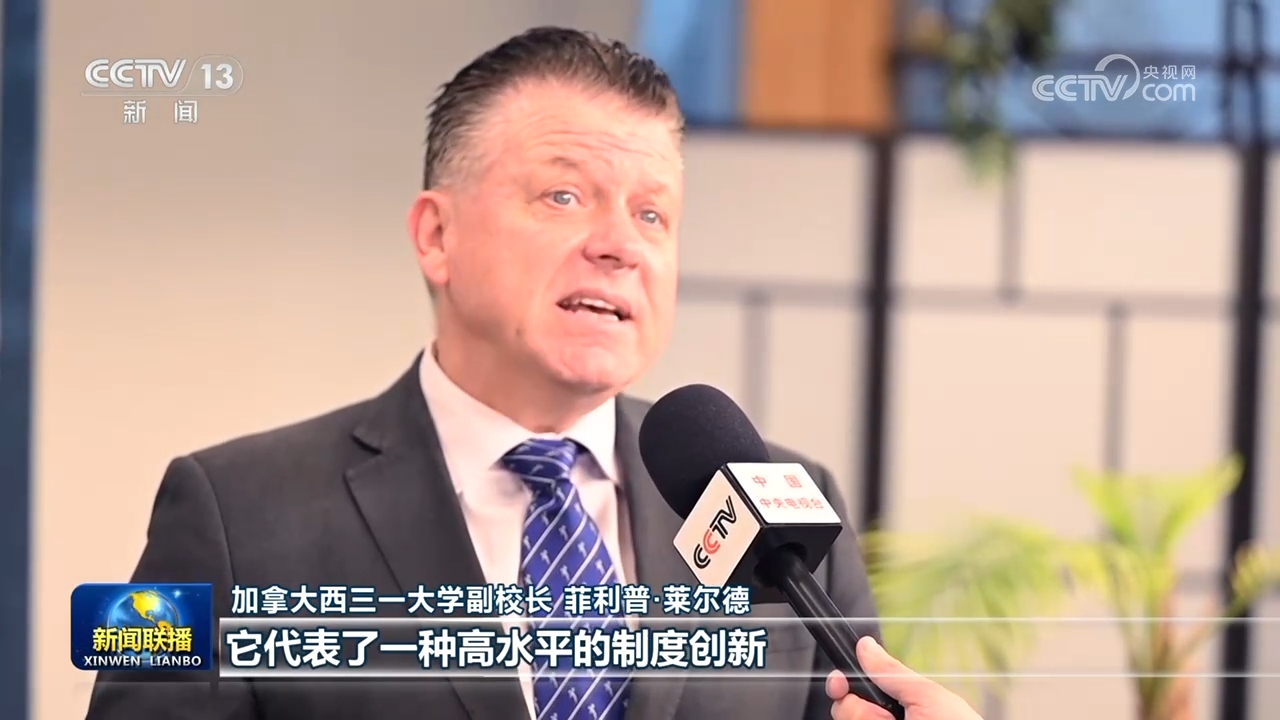
Group 1 - The core viewpoint is that the operation of Hainan Free Trade Port reflects China's commitment to high-level opening-up, providing new opportunities for international trade amid increasing global economic uncertainties [1][4]. - Hainan Free Trade Port is expected to stimulate new trade vitality and enhance the attractiveness of the Chinese market for global enterprises [4][5]. - The establishment of Hainan Free Trade Port creates a more convenient trade environment, inviting global participation [5].
柬中贸易今年前11月逾176亿美元 同比劲增28.6%
Shang Wu Bu Wang Zhan· 2025-12-12 08:23
Core Insights - The bilateral trade between Cambodia and China exceeded $17.69 billion in the first 11 months of this year, marking a year-on-year increase of 28.6% [1] Trade Performance - Cambodia's exports to China reached $1.50 billion, reflecting a year-on-year decline of 6.4% [1] - Imports from China amounted to $16.19 billion, showing a significant year-on-year increase of 33% [1] - China remains Cambodia's largest trading partner [1] Other Trade Partners - The United States is Cambodia's second-largest trading partner, with a trade volume of $11.88 billion in the first 11 months, up 27.7% year-on-year [1] - Exports to the U.S. were $11.51 billion, increasing by 27%, while imports from the U.S. were $0.37 billion, rising by 50% [1] - Vietnam ranks as Cambodia's third-largest trading partner, with a trade volume of $7.13 billion, showing a slight year-on-year decrease of 0.6% [1] Overall Trade Statistics - Cambodia's total international trade reached $58.03 billion in the first 11 months, reflecting a year-on-year growth of 16.2% [1] - Total exports were $27.38 billion, increasing by 14% year-on-year, while total imports were $30.65 billion, up 18.2% year-on-year [1] - Other significant trade partners include Thailand, Japan, Singapore, and Canada [1]
2025年洋山港口岸船舶靠港量和货物吞吐量将双双创下历史新高
Zhong Guo Xin Wen Wang· 2025-12-10 03:29
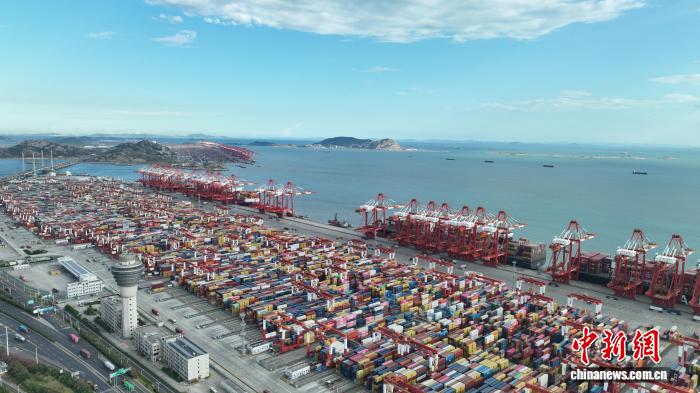
Core Insights - Yangshan Port is expected to achieve record highs in both ship arrivals and cargo throughput by 2025, marking its 20th anniversary of operation [1][3]. Group 1: Port Development and Capacity - Since its opening, Yangshan Port has expanded its deep-water shoreline to 7,950 meters and has installed over 104 ultra-large intelligent cranes, establishing a global shipping network with 105 international routes [3]. - The port has become a significant hub for global shipping companies, facilitating access to over 200 countries and regions [3]. Group 2: Performance Metrics - As of December 10, 2024, the Yangshan Border Inspection Station has inspected a cumulative total of 16,800 international vessels and over 4 million personnel since the port's inception [3]. - In 2024, the number of inspected international vessels is projected to exceed 10,000 for the first time, setting a new historical record [3]. - The total container throughput at Yangshan Port has reached 330 million TEUs since its opening, with a forecast of surpassing 26.0 million TEUs in 2024 [3]. Group 3: Trade Indicators - The port's performance serves as a barometer for China's international trade, with a 9.7% year-on-year increase in container throughput, totaling 26.25 million TEUs in the first 11 months of the year [4]. - The average daily number of international vessels arriving and departing from the port is around 30, with peak periods reaching approximately 40 vessels [4].
海关总署:前11个月我国与东盟贸易总值6.82万亿元,增长8.5%
Mei Ri Jing Ji Xin Wen· 2025-12-08 03:10
Group 1 - The core viewpoint of the article highlights that ASEAN has become China's largest trading partner, with a total trade value of 6.82 trillion yuan, representing an 8.5% increase and accounting for 16.6% of China's total foreign trade [1] - The European Union is identified as China's second-largest trading partner, with a total trade value of 5.37 trillion yuan, showing a growth of 5.4% and making up 13% of China's total foreign trade [1] - The United States ranks as China's third-largest trading partner, with a total trade value of 3.69 trillion yuan, which has decreased by 16.9%, constituting 8.9% of China's total foreign trade [1]
义乌的圣诞商人,盼望世界和平
创业邦· 2025-12-02 10:11
Core Viewpoint - Yiwu, known as the "world supermarket," is facing challenges due to global uncertainties such as wars and tariffs, impacting the business environment for local merchants who have adapted over the years to navigate these changes [5][7][8]. Group 1: Business Environment - Yiwu's international trade city features over 70,000 shops, showcasing a diverse range of products, with a significant portion of global Christmas goods sourced from here [5][6]. - The Christmas season is a critical period for Yiwu, with approximately 80% of the world's Christmas supplies originating from the city [6]. - Merchants are experiencing a decline in customer traffic and sales, with many reporting that business has become increasingly difficult compared to previous years [10][11]. Group 2: Challenges Faced - The current business climate is marked by uncertainty due to geopolitical tensions and economic factors, leading to longer payment terms and reduced profit margins for merchants [10][17]. - Price competition has intensified, with customers comparing prices across suppliers, leading to a price war that affects profit margins [12][13]. - The impact of the COVID-19 pandemic has shifted customer behavior, with many merchants noting that while new customers are scarce, existing clients continue to place orders through digital communication [12][17]. Group 3: Adaptation Strategies - Merchants are focusing on developing unique and complex products to differentiate themselves from competitors who engage in price undercutting [13][14]. - Some businesses are shifting their focus to high-end products, moving away from basic offerings to maintain profitability [13]. - The establishment of overseas warehouses has emerged as a strategic move for some merchants to mitigate risks associated with international trade fluctuations [33]. Group 4: Future Outlook - Despite current challenges, Yiwu merchants remain resilient, leveraging their experience and adaptability to navigate the evolving market landscape [27][39]. - The diversification of export markets and the ability to adjust product offerings based on regional preferences are seen as key strengths for Yiwu businesses [37][39]. - Merchants express a cautious optimism about the future, believing that as long as the market continues to evolve, opportunities will persist [42].

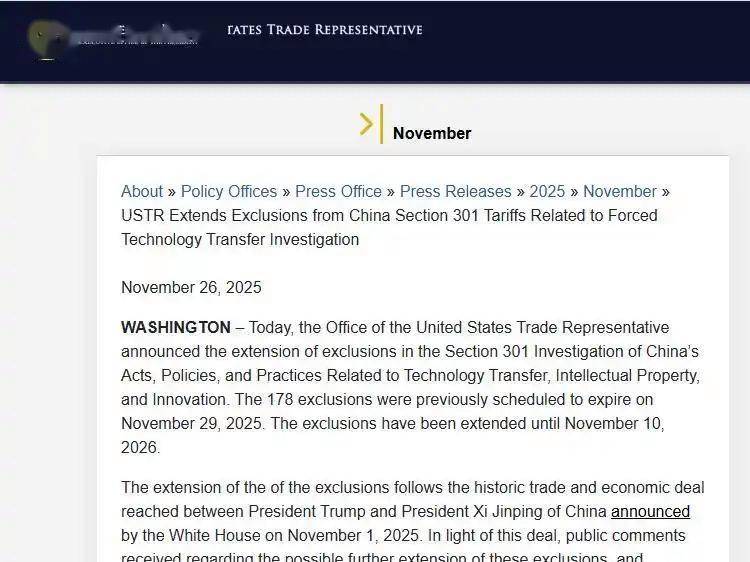
突发特讯!美国延长部分对华关税豁免期,引爆国际舆论
Sou Hu Cai Jing· 2025-11-27 09:40
Core Viewpoint - The extension of the tariff exemption for Chinese goods until November 10, 2026, reflects a complex decision driven by multiple motivations, including domestic economic pressures and long-term strategic considerations [1][10]. Group 1: Background of the Exemption - The extension appears to be a signal of easing trade tensions, but it is primarily a pragmatic decision based on U.S. interests rather than a gesture of goodwill [3]. - Domestic inflation remains a significant concern, with current levels still above the Federal Reserve's comfort zone, making high tariffs on essential goods counterproductive for U.S. consumers and businesses [3]. - The stability of supply chains is crucial, as complete decoupling from China is unrealistic; many U.S. companies recognize the cost advantages and comprehensive supply chain support that China provides [3]. Group 2: Strategic Intentions - The exemption is likely a tactical retreat to buy time for domestic industrial adjustments, as the Biden administration aims to promote re-industrialization and risk mitigation in supply chains [5]. - By setting a two-year exemption rather than a permanent one, the U.S. retains flexibility and leverage for future negotiations with China, allowing for potential adjustments based on strategic assessments [5]. Group 3: China's Perspective - China has responded calmly to the U.S. decision, emphasizing respect for international trade rules and a commitment to its development path [7]. - The Chinese stance is that unilateral tariff measures are detrimental to global interests and ultimately harm the U.S. itself, advocating for dialogue and cooperation [7]. - China aims to enhance its core competitiveness independently of U.S. policies, focusing on high-level openness and leveraging its vast market and robust industrial system for high-quality development [7].
COP30峰会闭幕 通过有关气候行动总体协议
Yang Shi Xin Wen· 2025-11-22 21:18
Core Points - The COP30 conference concluded in Belem, Brazil, with the adoption of a new climate action agreement titled "Global Mobilization: United Action to Address Climate Change Challenges" [1] - The agreement calls for wealthy nations to double their funding by 2035 to assist other countries in addressing global climate change [1] - It highlights the impact of increasing trade barriers on the use of clean energy technologies and urges climate institutions to analyze how international trade can align with climate action [1]
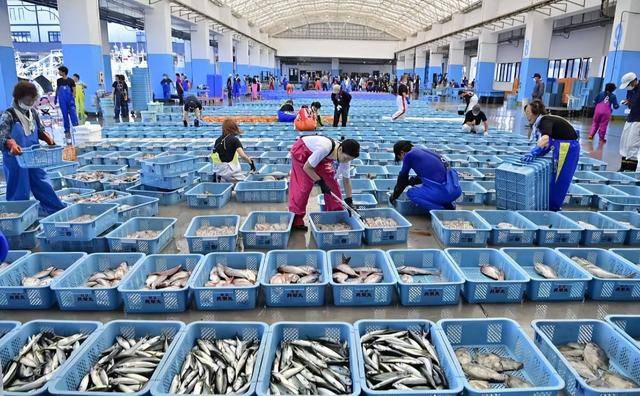
日本被停海鲜后,印度竟冲上来了
Sou Hu Cai Jing· 2025-11-21 05:13
Core Viewpoint - India's seafood industry is reacting enthusiastically to the potential opportunity created by China's suspension of Japanese seafood imports, viewing it as a chance to fill a market gap left by Japan [1][4][9] Group 1: Market Reaction - Indian seafood exporters' stock prices surged by up to 11% following the news, indicating a strong market reaction to the perceived opportunity [3] - The Indian government has allocated over 450 billion rupees to support the foreign trade sector, particularly focusing on shrimp exports [3][4] Group 2: Challenges and Realities - The suspension of Japanese seafood imports is politically motivated, not a supply chain issue, which complicates India's ability to replace Japan in the Chinese market [6][9] - Indian seafood has seen growth in the Chinese market, but this growth is due to long-term supply channel openings rather than an immediate response to Japan's exit [6][9] Group 3: Future Considerations - The ability of India to truly capitalize on this opportunity depends on its credibility, supply stability, and brand recognition in the Chinese market [6][9][10] - The ongoing U.S. tariffs on Indian seafood exports remain a significant concern, as one-third of India's seafood exports are affected [7][10]