
圣诞用品

Search documents
2025年浙江义乌进出口规模首次突破8000亿元人民币
Sou Hu Cai Jing· 2026-01-19 12:18
Group 1 - In 2025, Yiwu's import and export scale exceeded 800 billion RMB for the first time, reaching 836.5 billion RMB, a year-on-year increase of 25.1% compared to 2024 [1] - Yiwu's exports amounted to 730.7 billion RMB, growing by 24.1% year-on-year, while imports reached 105.8 billion RMB, with a significant increase of 32.3% [1] - The number of countries and regions engaged in import and export trade with Yiwu reached 231, with 156 of them having trade volumes exceeding 100 million RMB [3] Group 2 - Yiwu's trade with emerging markets such as Africa, Latin America, and ASEAN saw substantial growth, with imports and exports of 150.7 billion RMB, 127.4 billion RMB, and 93.9 billion RMB respectively, reflecting year-on-year increases of 23.4%, 14.1%, and 46.7% [3] - The variety of export products increased to 5,900 categories, a 6.0% rise from 2024, with notable exports including electromechanical products at 268.9 billion RMB (up 25.1%) and cultural goods at 68.1 billion RMB (up 19.8%) [3] - The structure of imported goods improved, with consumer goods accounting for 57.6% of total imports at 60.9 billion RMB, and significant imports of beauty products and fresh fruits [3] Group 3 - The number of foreign trade enterprises with import and export performance reached 13,385, an increase of 3,696 compared to 2024, indicating a more active trading environment [4] - Private enterprises contributed 826.64 billion RMB to imports and exports, marking a year-on-year growth of 24.9%, while foreign-funded enterprises reported 9.85 billion RMB, with a growth rate of 39.1% [4]

新华视点丨奋力谱写城乡协调发展新篇章
Xin Hua She· 2025-12-30 06:33
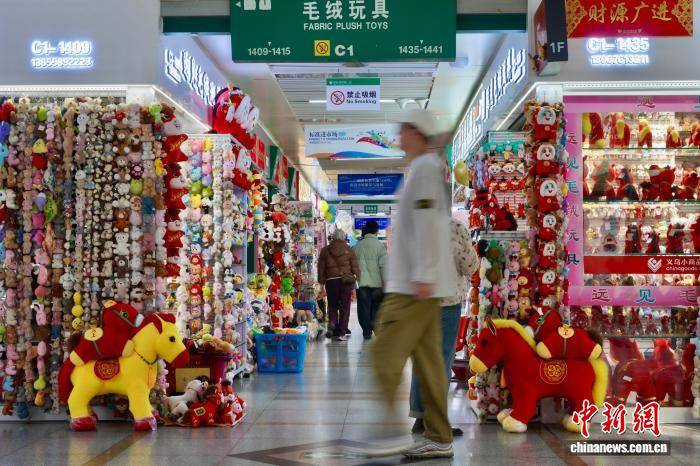
Group 1 - Urban-rural coordinated development is a key engine for promoting Chinese-style modernization, with various regions adapting to local conditions to stimulate endogenous motivation and achieve integrated development [2] - Shanghai's "ice and snow economy" is gaining traction in shopping malls, transforming cold resources into a vibrant winter economy by linking markets and brand consumption [4] - Yiwu, known as the "world supermarket," is preparing for the next Christmas season, exporting nearly 80% of global Christmas supplies across over 100 countries and regions [5][9] Group 2 - In Cangzhou, Hebei, a unique market event is set to launch on December 27, 2026, featuring interactive and experiential activities that celebrate traditional culture [7] - Heilongjiang's Suiling County is enhancing agricultural facilities, with a vegetable industry park yielding over 21,000 pounds of produce and generating a net income of 60,000 yuan [9] - The province's facility agriculture area reached 427,000 acres by the end of Q3 2025, marking an 11% year-on-year increase, contributing significantly to farmers' income [9]

“黑五”市场需求一般,中企如何转危为机︱外贸妙谈
Di Yi Cai Jing· 2025-12-03 13:27
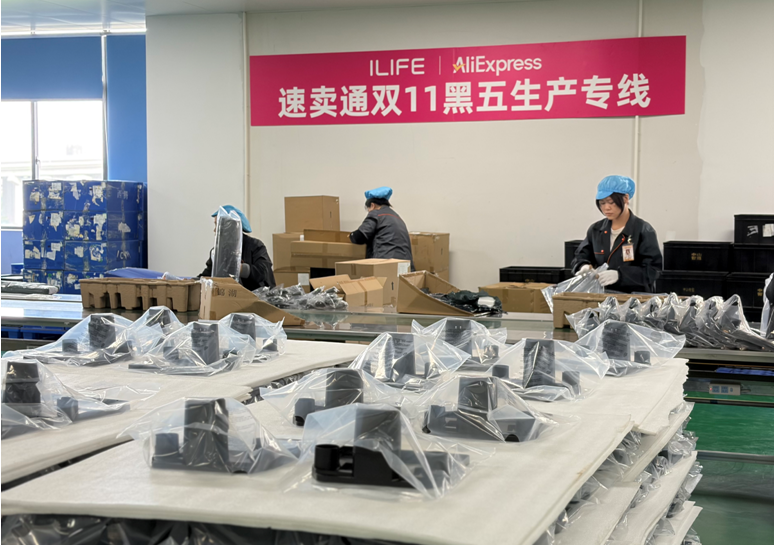
Group 1 - The core direction for foreign trade enterprises to enhance resilience and global competitiveness is through branding and diversification of markets and products [1] - The "Black Friday" shopping season in the US faced a decline in demand, with overall orders down by over 20% compared to previous years, indicating a challenging market environment [2][3] - Despite the overall market contraction, Chinese cross-border e-commerce platforms and small to medium-sized foreign trade enterprises have shown resilience and adaptability, turning challenges into opportunities [1][6] Group 2 - High tariffs and economic downturn have significantly impacted market demand, with 71% of small US retailers believing tariffs will negatively affect holiday season consumption [3][4] - The competitive landscape of the global cross-border e-commerce market has shifted, with platforms like Temu and AliExpress gaining significant market share, collectively holding 65% of the market [4][6] - The number of brands on cross-border e-commerce platforms has increased by 70% year-on-year, with many brands achieving sales growth through localized marketing strategies [8][9] Group 3 - Companies are increasingly focusing on building their own supply chains and brand identities to cope with intensified competition and market pressures [6][10] - The export of Christmas products from Yiwu, a major global distribution center, has seen significant growth, with exports reaching 51.7 billion yuan, a year-on-year increase of 22.9% [10] - Companies are adjusting pricing strategies and leveraging platform subsidies to stimulate consumer demand while maintaining profitability [7][9]

义乌的圣诞商人,盼望世界和平
创业邦· 2025-12-02 10:11
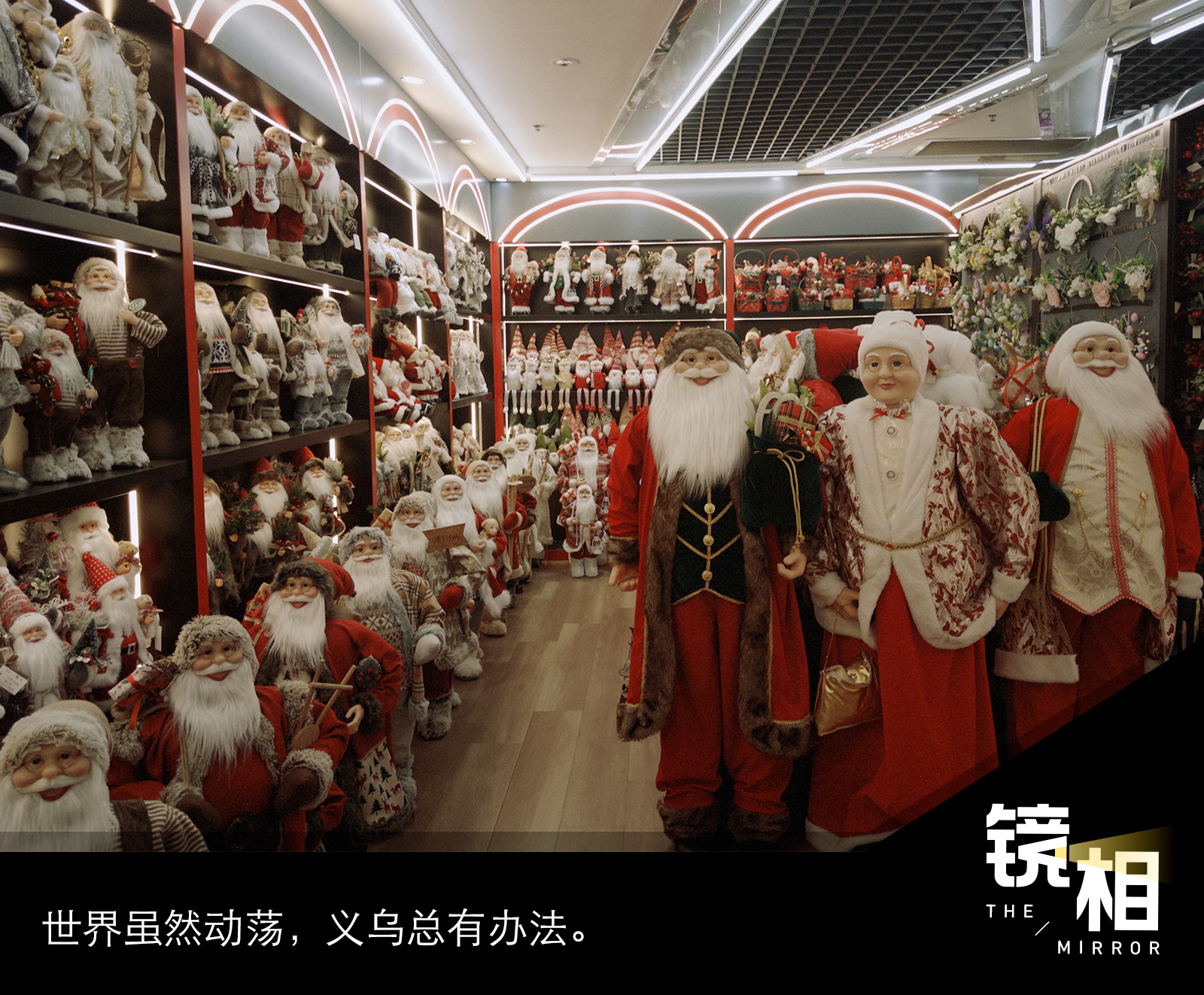
Core Viewpoint - Yiwu, known as the "world supermarket," is facing challenges due to global uncertainties such as wars and tariffs, impacting the business environment for local merchants who have adapted over the years to navigate these changes [5][7][8]. Group 1: Business Environment - Yiwu's international trade city features over 70,000 shops, showcasing a diverse range of products, with a significant portion of global Christmas goods sourced from here [5][6]. - The Christmas season is a critical period for Yiwu, with approximately 80% of the world's Christmas supplies originating from the city [6]. - Merchants are experiencing a decline in customer traffic and sales, with many reporting that business has become increasingly difficult compared to previous years [10][11]. Group 2: Challenges Faced - The current business climate is marked by uncertainty due to geopolitical tensions and economic factors, leading to longer payment terms and reduced profit margins for merchants [10][17]. - Price competition has intensified, with customers comparing prices across suppliers, leading to a price war that affects profit margins [12][13]. - The impact of the COVID-19 pandemic has shifted customer behavior, with many merchants noting that while new customers are scarce, existing clients continue to place orders through digital communication [12][17]. Group 3: Adaptation Strategies - Merchants are focusing on developing unique and complex products to differentiate themselves from competitors who engage in price undercutting [13][14]. - Some businesses are shifting their focus to high-end products, moving away from basic offerings to maintain profitability [13]. - The establishment of overseas warehouses has emerged as a strategic move for some merchants to mitigate risks associated with international trade fluctuations [33]. Group 4: Future Outlook - Despite current challenges, Yiwu merchants remain resilient, leveraging their experience and adaptability to navigate the evolving market landscape [27][39]. - The diversification of export markets and the ability to adjust product offerings based on regional preferences are seen as key strengths for Yiwu businesses [37][39]. - Merchants express a cautious optimism about the future, believing that as long as the market continues to evolve, opportunities will persist [42].

义乌的圣诞商人,盼望世界和平
36氪· 2025-11-26 13:39
Core Viewpoint - Yiwu, known as the "world supermarket," continues to adapt and thrive despite global uncertainties such as wars and tariffs, showcasing the resilience and resourcefulness of its merchants [5][8][29]. Group 1: Market Dynamics - Yiwu's International Trade City features over 70,000 shops, making it a hub for global trade, particularly for seasonal products like Christmas goods, with approximately 80% of the world's Christmas supplies sourced from Yiwu [6][7]. - The current business environment is marked by reduced customer traffic and longer payment cycles, with many merchants reporting a significant decline in sales compared to previous years [10][11][14]. - Merchants are facing intense competition and price wars, leading to a focus on product innovation and differentiation, as many traditional products are easily replicated [15][17]. Group 2: Impact of Global Events - The ongoing geopolitical tensions and economic downturns have led to a decrease in demand for higher-end products, with customers opting for cheaper alternatives [19][20]. - Tariffs imposed by the U.S. have severely impacted orders, with some factories experiencing a drastic reduction in business, leading to layoffs and operational adjustments [22][23]. - The uncertainty in international shipping and logistics has further complicated the supply chain, causing delays and increased costs for merchants [24][25]. Group 3: Adaptation Strategies - Merchants are increasingly diversifying their customer base and exploring new markets to mitigate risks associated with geopolitical instability [26][40]. - The establishment of overseas warehouses has become a strategic move for some businesses, allowing them to better manage logistics and respond to market demands [36][37]. - Despite the challenges, Yiwu merchants maintain a strong entrepreneurial spirit, adapting their business models to remain competitive in a changing landscape [41][44].

义乌的圣诞商人,盼望世界和平
3 6 Ke· 2025-11-25 06:26
Core Insights - The article highlights the challenges faced by businesses in Yiwu, particularly in the Christmas goods sector, due to global uncertainties such as wars and tariffs, which have led to decreased customer traffic and profitability [3][12][31] - Yiwu's international trade environment is characterized by a diverse customer base and a wide range of products, with the city being a major supplier of Christmas goods globally [2][4][27] Group 1: Business Environment - Yiwu's international trade city is described as highly internationalized, with a significant presence of foreign customers and a variety of global cuisines available nearby [2] - Approximately 80% of the world's Christmas goods are sourced from Yiwu, making it a critical hub for seasonal products [2][4] - The current business climate is marked by uncertainty, with merchants adapting to changes in demand and supply chain disruptions caused by geopolitical events [3][12] Group 2: Sales and Profitability - Many shop owners report a significant decline in customer traffic compared to previous years, with some stores closing early due to lack of business [4][5] - Profit margins have decreased over the years, with historical net profit rates of 40% now reduced to around 15% for many businesses [4][12] - The competitive landscape has intensified, leading to price wars and a focus on product differentiation to maintain market share [8][31] Group 3: Adaptation Strategies - Merchants are increasingly focusing on developing unique and complex products to avoid price competition, with some opting to discontinue lower-end items [8][12] - The establishment of overseas warehouses has been a strategic move for some businesses to mitigate risks associated with international shipping and tariffs [26][27] - Despite the challenges, Yiwu merchants continue to demonstrate resilience and adaptability, leveraging their experience to navigate the changing market dynamics [20][31]
希望圣诞节不要“被偷走”——美国商户期待中国商品进口回正轨
Sou Hu Cai Jing· 2025-11-11 17:50
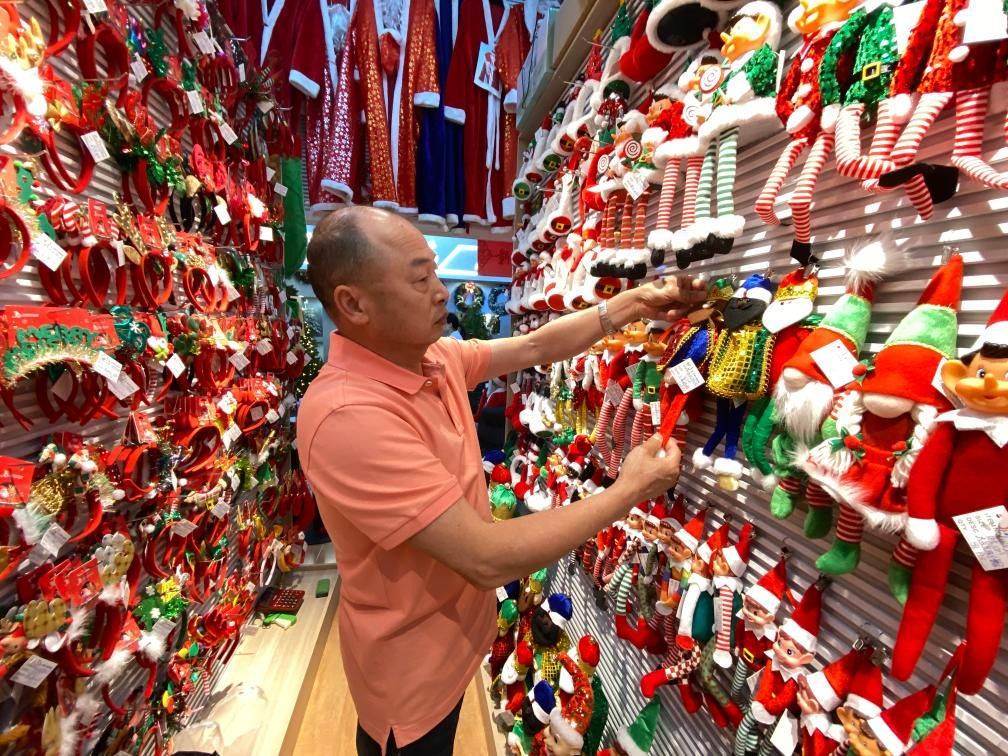
Core Insights - The article discusses the impact of U.S. tariffs on Christmas merchandise imports from China, warning of potential shortages and higher prices for American consumers this holiday season [1][5][9] Group 1: Trade Dynamics - Traditionally, U.S. importers place orders in spring, with Chinese factories producing goods in summer, leading to timely shipments for the holiday season. This cycle has been disrupted by recent tariff policies [1] - In 2023, U.S. Christmas merchandise imports are expected to be significantly affected, with a notable decrease in the volume of imports, particularly Christmas trees and decorations [5][7] Group 2: Export Performance - Yiwu, known as the "world supermarket," has seen a 22.9% year-on-year increase in Christmas product exports, totaling 5.17 billion RMB in the first three quarters of 2023 [3][4] - Exporters in Yiwu are adapting to the challenging trade environment by diversifying their markets and increasing inventory in anticipation of demand [4][5] Group 3: Price Implications - The CEO of a major U.S. artificial Christmas tree importer reported a 25% reduction in imports from China, with prices expected to rise by 10% or more due to increased costs associated with U.S. manufacturing [5][7] - The overall sentiment among U.S. retailers indicates that consumers will face higher prices and limited choices for Christmas products this year, particularly affecting low-income families [5][8] Group 4: Economic Context - The article highlights broader economic challenges in the U.S., including rising inflation and employment risks, which are contributing to a decrease in consumer spending for the holiday season [8] - A survey indicates that average holiday spending per person is expected to drop by 5% compared to 2024, marking the largest decline since 2020 [8]
“圣诞订单”提前放量透露中国外贸韧性
Zheng Quan Ri Bao· 2025-11-09 16:11
Core Insights - The Christmas goods export peak in China is occurring earlier this year, reflecting the resilience and market sensitivity of the foreign trade sector [1][2] - Yiwu, as the largest distribution center for Christmas goods globally, has seen significant growth in exports, with a 22.9% increase in the first three quarters of this year [2][3] - The diversification of export markets is evident, with significant growth in exports to Latin America and the EU, indicating a shift in China's foreign trade strategy [3] Group 1: Christmas Goods Export Trends - Yiwu exports Christmas goods to over 100 countries, accounting for nearly 80% of the global market [2] - In the first three quarters, Yiwu's Christmas goods exports reached 5.17 billion yuan, with notable monthly increases in June (0.89 billion yuan), July (1.11 billion yuan), and August (1.39 billion yuan) [2] - The early peak in Christmas goods exports is attributed to retailers adopting a "front-loading" strategy to mitigate supply chain uncertainties [2][3] Group 2: Market Diversification - Exports to Latin America and the EU grew by 17.3% and 45.0% respectively in the first three quarters, together accounting for over 60% of Yiwu's Christmas goods exports [3] - Companies are increasingly targeting new regions to seek growth opportunities and spread risk [3] Group 3: High-Value Exports - The trend towards higher value and technology-driven products is evident, with mechanical equipment and process management enhancing production capacity [4][5] - In the first ten months, China's exports of electromechanical products reached 13.43 trillion yuan, accounting for 60.7% of total exports, with significant growth in integrated circuits (24.7%) and automotive products (14.3%) [4][5] Group 4: Role of Private Enterprises - Private enterprises played a crucial role in driving export growth, with their imports and exports totaling 21.28 trillion yuan, a 7.2% increase [5] - The agility and innovation of private companies are highlighted as key factors in capturing new opportunities in the automotive parts sector [5] Group 5: Future Outlook - China's export sector is expected to continue benefiting from strong advantages and resilience, including a complete industrial chain and competitive mid-to-high-end manufacturing [6] - Recommendations for future growth include enhancing the export of high-value products and accelerating the development of green and digital trade [6]
波兰封边境卡千亿中欧班列:300 列货车滞留,欧洲供应链要崩?
Sou Hu Cai Jing· 2025-10-15 02:38
Core Insights - The closure of the Poland-Belarus border has severely disrupted the Central European freight transport, with over 300 freight trains currently stalled, impacting trade significantly [2] - The situation has forced companies, particularly in the automotive sector, to resort to air freight for essential components, leading to an eightfold increase in costs, which will ultimately be passed on to consumers [3] - Poland's actions appear contradictory, as it seeks to export agricultural products to China while simultaneously blocking freight trains, indicating a geopolitical maneuvering [3] Group 1: Impact on Trade and Logistics - The Malashevich hub, a critical point for Central European freight, is paralyzed due to the border closure, with a backlog of goods expected to take three to four weeks to clear [2] - Companies relying on timely deliveries are facing significant challenges, with some forced to switch to sea freight, extending delivery times from 30 to 45 days [3] - The European Chamber of Commerce has warned that supply chain disruptions have already increased costs by 15%, with further delays likely to exacerbate the situation [3] Group 2: Company Responses and Strategic Adjustments - Companies that previously relied heavily on a single transport route are now scrambling to adapt, highlighting the risks of over-reliance on one supply chain [3] - BYD has established a factory in Hungary, allowing it to supply 80% of its European market locally, thus avoiding the current disruptions [3] - The ongoing situation serves as a wake-up call for many businesses to diversify their logistics strategies to mitigate future risks [3]

福建:“圣诞订单”提前到 企业创新拓市场
Xin Hua Wang· 2025-10-08 08:18
Group 1 - The core viewpoint of the articles highlights the significant growth in Christmas product exports from Fujian Yinghao Cultural Creative Co., Ltd., with a year-on-year increase of approximately 12% in Christmas goods exports as of this year [1] - The company experienced an earlier production and shipping peak by 1 to 2 months compared to previous years, driven by overseas clients' concerns over logistics delays and changing trade environments, leading them to place orders earlier [1] - The growth in Christmas orders is attributed to the company's development of green technology, utilizing recycled plastic materials, which are well-received in the European market, and the integration of traditional Chinese cultural elements into Western Christmas products [1] Group 2 - The textile and apparel sector is also a significant category for Christmas orders, with an early export period leading to increased export value and a slight recovery in the foreign trade situation [2] - Companies are actively innovating and expanding into diverse international markets, maintaining traditional markets like the EU and Japan while exploring emerging markets in Africa and Latin America [2] - Some companies have achieved breakthroughs through product innovation and brand building, contributing to the overall positive trend in Christmas product exports [2]