大气污染治理

Search documents
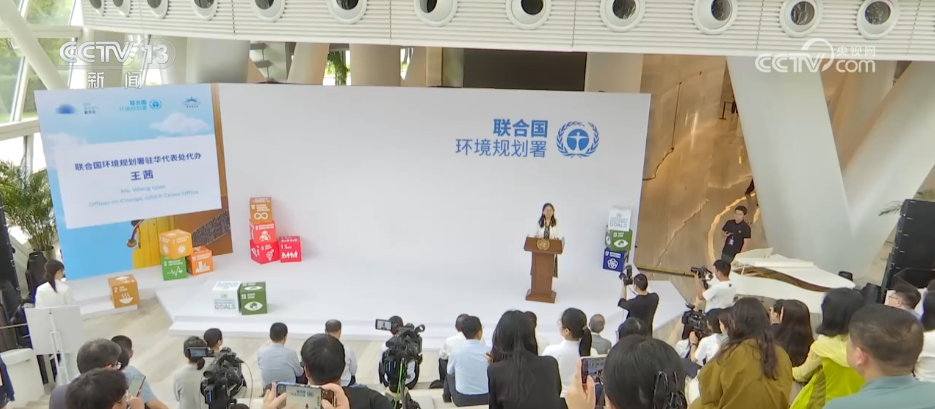
(粤港澳全运会)广州多举措打造空气质量“全运蓝”
Zhong Guo Xin Wen Wang· 2025-11-10 07:08
Core Viewpoint - Guangzhou has successfully improved air quality for the 15th National Games, showcasing significant achievements in air pollution control and environmental management [1][3]. Group 1: Air Quality Monitoring and Achievements - On November 9, the air quality in Guangzhou was rated as excellent, with a daily average PM2.5 concentration of 15 micrograms per cubic meter, dropping to 8 micrograms per cubic meter during the opening ceremony [1]. - The "All Games Blue" initiative reflects Guangzhou's commitment to long-term air quality improvement, marking a successful start for the air quality assurance efforts for the 15th National Games [3]. Group 2: Strategic Planning and Implementation - The Guangzhou municipal government has prioritized air quality management as a key opportunity to elevate the city's environmental standards, with comprehensive planning and deployment ahead of the event [3]. - A detailed air quality assurance plan was developed, outlining seven major actions before the event and five supporting measures during the event, integrating these tasks with the city's broader air pollution control efforts [3]. Group 3: Technological Integration and Monitoring - Guangzhou has implemented advanced technologies for precise pollution control, including hyperspectral remote sensing and online monitoring of volatile organic compounds (VOCs), creating a comprehensive monitoring network [4]. - The city has established 20 national control points, 13 provincial control points, and 84 local monitoring stations, along with mobile monitoring stations to ensure thorough coverage around event venues [4][5]. Group 4: Regional Collaboration - A regional collaborative mechanism has been established involving the Guangdong Provincial Environmental Protection Department and cities in the Pearl River Delta, including Hong Kong and Macau, to enhance air quality management [5]. - The collaboration includes real-time information sharing and coordinated responses to air quality issues, fostering a unified approach to environmental protection [5].

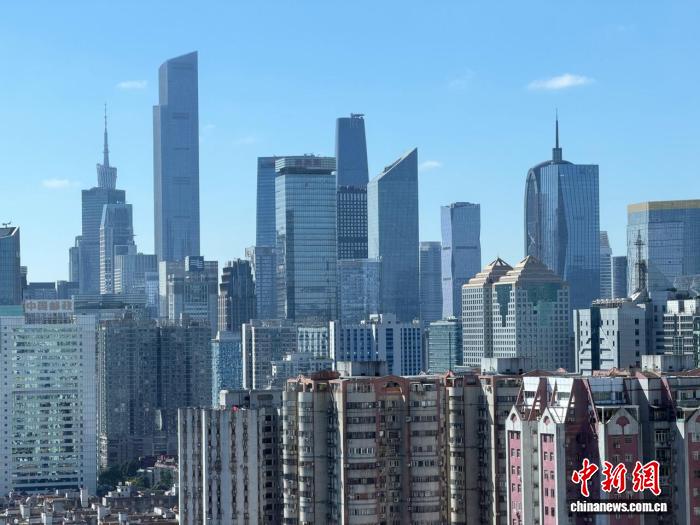
赵刚在省大气污染治理专项行动领导小组办公室调研座谈时强调紧盯重点 精准施策 推动全省空气质量稳步提升
Shan Xi Ri Bao· 2025-11-07 00:49
Core Points - The provincial government emphasizes the importance of implementing the spirit of the 20th National Congress and Xi Jinping's ecological civilization thoughts to improve air quality in the province [1][2] - The current season is identified as a high-risk period for pollution, necessitating a focused and scientific approach to pollution control [2] Group 1 - The provincial government aims to enhance air quality through targeted actions, focusing on key areas such as reducing coal use, controlling dust, managing vehicle emissions, and banning certain fuels [2] - A dual approach of overall promotion and localized efforts is emphasized, with the Guanzhong region identified as the main battlefield for pollution control [2] - The government plans to align its air pollution prevention strategies with national carbon peak and carbon neutrality goals, promoting adjustments in industrial, energy, and transportation structures [2] Group 2 - The government is committed to advancing the development of new energy and clean energy, and promoting low-carbon industrial development [2] - There is a focus on accelerating ultra-low emission transformations in industries such as steel, cement, and coking [2] - The establishment of a green transportation system is highlighted as a key component in improving air quality [2]
全省秋冬季大气污染治理攻坚动员会召开
Shan Xi Ri Bao· 2025-11-07 00:36
Core Viewpoint - The meeting emphasizes the importance of implementing Xi Jinping's ecological civilization thoughts and addressing air pollution during the autumn and winter seasons through targeted actions and compliance with national directives [1] Group 1: Policy and Strategy - The meeting calls for adherence to the feedback from the third round of central ecological environment protection inspections and the directives from the 20th National Congress of the Communist Party of China [1] - Key tasks include accelerating ultra-low emission transformations in major industries and increasing the proportion of clean transportation [1] Group 2: Pollution Control Measures - Continuous efforts will be made to manage dust pollution, reduce coal usage, promote clean heating, and enforce the ban on straw burning [1] - Strict regulations will be imposed on fireworks and a crackdown on vehicle inspection fraud will be prioritized [1] Group 3: Accountability and Implementation - The meeting stresses the need for clear responsibility assignments, thorough inspections, and improvements in work style to ensure the achievement of air quality improvement goals [1] - There is a focus on preparing for heavy pollution weather and adjusting industrial structures in an orderly manner [1]
贺克斌:将25μg/m作为新的空气质量标准限值,可以实现更大健康效益引领作用
Mei Ri Jing Ji Xin Wen· 2025-10-27 09:15
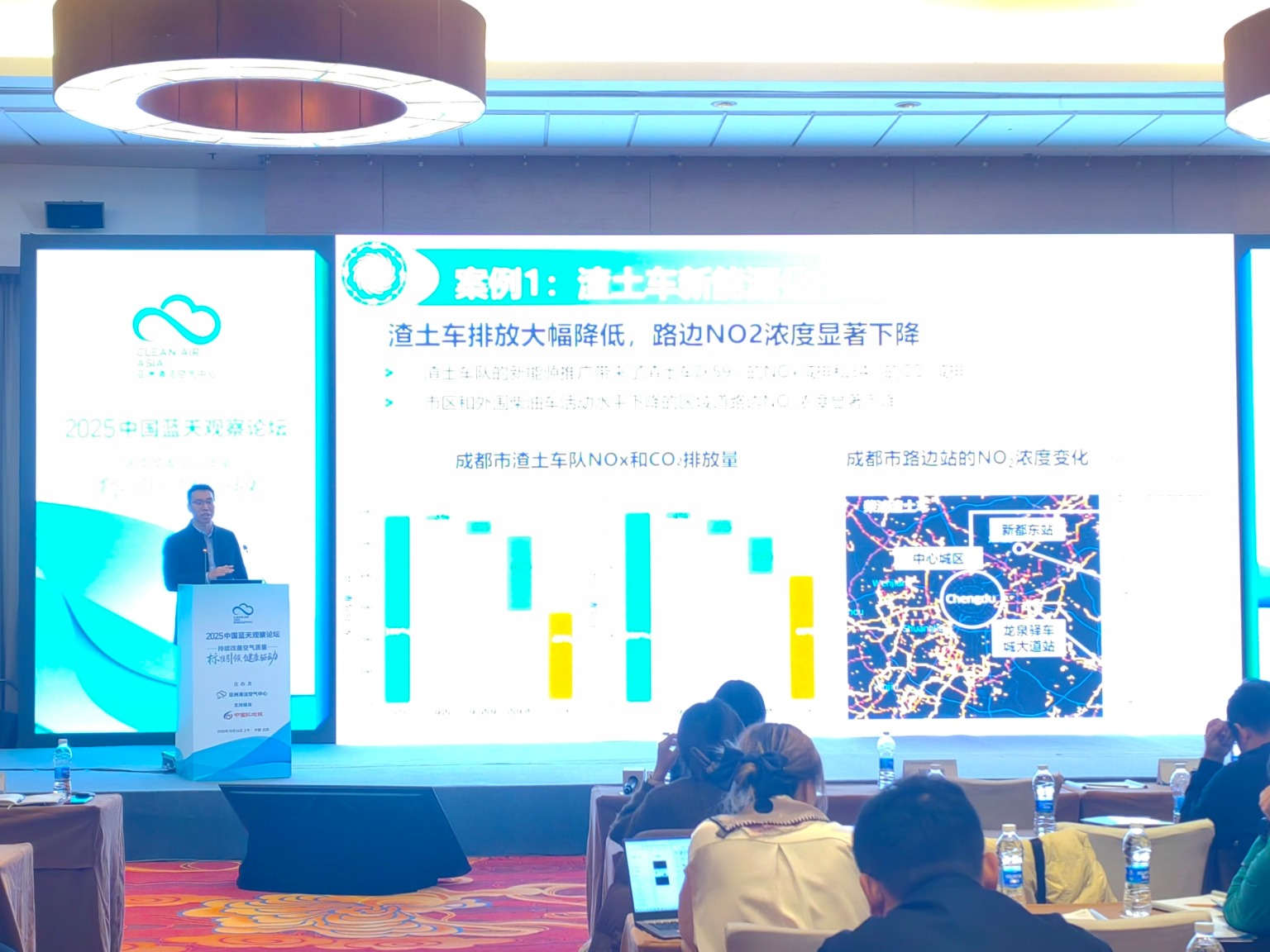
Core Points - The recent 2025 China Blue Sky Observation Forum discussed the revision of China's air quality standards and the health effects of clean air actions, highlighting the need for updated standards due to improved air quality [1] - The Ministry of Ecology and Environment is advancing the research on revising air quality standards and related technical specifications as part of the "Action Plan for Continuous Improvement of Air Quality" [1] Group 1: Air Quality Standards - The current air quality standards, established in 2012 and implemented in 2016, have effectively guided air pollution prevention efforts, necessitating an upgrade as air quality continues to improve [2] - A reference target of 25μg/m³ for new air quality standards has been proposed, which aligns with the 2035 goal of "Beautiful China" and the WHO's second phase transition target [2] - A phased and regional approach to achieving the new standards is being researched, aiming for 339 cities and the Yangtze River Delta to meet the target by 2030, with further reductions expected in key regions by 2035 [2] Group 2: Local Governance and Innovations - Cities like Chengdu are exploring new governance models for air pollution control, achieving positive results through comprehensive policies covering all stages from research and development to disposal [3][4] - Chengdu's initiatives include financial support for R&D, subsidies for production and sales of new energy vehicles, and granting road rights and exemptions during heavy pollution days for these vehicles [4]
北京城管年内查处13516起大气污染类违法行为
Bei Jing Qing Nian Bao· 2025-09-21 03:04
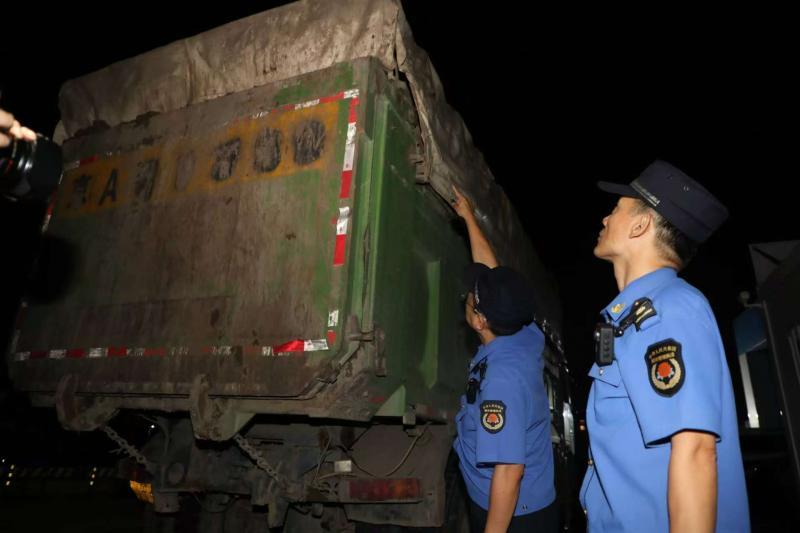
Core Viewpoint - The Beijing Municipal Urban Management Enforcement Bureau, in collaboration with various departments, is intensifying inspections of construction sites to address issues related to dust pollution and illegal dumping of construction waste, with a focus on transportation vehicles leaking materials [1][6]. Group 1: Inspection and Enforcement Actions - The enforcement system has identified a total of 13,516 violations related to air pollution this year, including 2,367 from construction sites, 3,316 from transportation vehicles, and 7,833 from construction waste [1][6]. - In a specific case in Tongzhou, enforcement officers discovered multiple transportation vehicles with construction waste that were not compliant with regulations, leading to an investigation [1][3]. Group 2: Management and Compliance Measures - The authorities are implementing strict green construction standards at construction sites and concrete mixing stations, emphasizing the "entry verification, exit inspection" management responsibility [4]. - Regular "weekly action days" are being conducted to target high-risk areas for leakage and spillage, focusing on major traffic routes [4]. Group 3: Collaborative Efforts and Strategies - There is a strengthened collaboration among various management and enforcement departments to trace the sources of pollution and propose enforcement recommendations [6]. - The enforcement strategy includes a multi-faceted approach using administrative licensing, credit evaluation, and inter-agency cooperation to effectively curb illegal activities [6].
河北全部设区市PM2.5浓度首次均达到国家空气质量二级标准
Zhong Guo Xin Wen Wang· 2025-09-17 12:13
Group 1 - The average PM2.5 concentration in Hebei from January to August was 30 micrograms per cubic meter, a year-on-year decrease of 18.9% [1] - All prefecture-level cities in Hebei achieved the national air quality secondary standard for the first time, with cities like Shijiazhuang, Handan, Tangshan, Xingtai, Baoding, and Hengshui reaching this standard for the first time in history [1] - The proportion of good air quality days in Hebei reached 77.1%, an increase of 9.5 percentage points year-on-year, while the proportion of heavily polluted days was 0.7%, a decrease of 0.9 percentage points [1] Group 2 - Hebei has made significant progress in air pollution control, particularly in energy structure, with a total planned capacity for pumped storage of 29.97 million kilowatts, ranking first in the country [2] - The installed capacity for wind and solar power reached 138 million kilowatts, accounting for 72.1% of the total power installed capacity, placing Hebei among the top in the nation [2]
【省生态环境厅】陕西部署秋冬季大气污染治理重点工作
Shan Xi Ri Bao· 2025-09-16 00:33
Group 1 - The provincial ecological environment department has initiated a special action for air pollution control, focusing on key tasks for the autumn and winter seasons [1] - Emphasis on dust control with strict local responsibility, including clear task assignments and operational guidelines [1] - Implementation of "six 100%" requirements for construction site dust management, enhancing the management of dust transport vehicles, and improving road cleaning standards [1] - Promotion of "smart construction sites" through digital supervision and intelligent early warning systems to enhance cleaning capabilities in weak areas [1] - Establishment of a closed-loop management mechanism for dust issues, with strict accountability measures for poorly performing counties [1] Group 2 - Focus on straw source management and comprehensive utilization during the autumn harvest, creating a "human defense + technical defense" regulatory system [2] - Comprehensive investigation of clean heating systems and improvement of operational support mechanisms for "coal-to-electricity" initiatives to enhance public satisfaction [2] - Early deployment of firework sales control measures, including the establishment of no-burn zones to ensure effective management [2]
北京第四轮PM2.5来源解析:本地排放中移动源占一半
Zhong Guo Xin Wen Wang· 2025-09-12 08:05
Core Insights - The latest research on PM2.5 sources in Beijing indicates that local emissions account for 43% of the total, with mobile sources contributing 50% of local emissions [1][2] - The study, conducted by various institutions including Tsinghua University and the Chinese Academy of Sciences, highlights a shift in the relative contributions of PM2.5 sources compared to previous years [1] Group 1: PM2.5 Source Analysis - The current PM2.5 composition shows that regional sources contribute 57%, while local sources contribute 43% [1] - Among local sources, mobile sources have increased by 4% since 2020, now representing 50% of local emissions [2] - The study indicates that during heavy pollution days, regional transmission can account for up to 80% of PM2.5 levels in Beijing [1] Group 2: Seasonal and Regional Variations - Different seasons exhibit varying dominant local sources, with mobile sources leading in all seasons; spring sees significant dust emissions, while summer is marked by volatile organic compounds [2] - There are notable differences in PM2.5 source contributions across various districts in Beijing, indicating a need for tailored pollution control strategies [2] Group 3: Recommendations for Pollution Control - Experts recommend enhancing local emission reduction efforts while fostering collaboration with surrounding provinces to create a coordinated pollution control mechanism [2] - Emphasis is placed on structural emission reductions and adapting strategies to seasonal and regional pollution characteristics for more effective governance [2]
特朗普:准备对俄实施第二阶段制裁;受台风“塔巴”影响,深湛铁路、广茂铁路全部列车停运;日本首相石破茂宣布决定辞去自民党总裁职务|早报
Di Yi Cai Jing· 2025-09-08 00:19
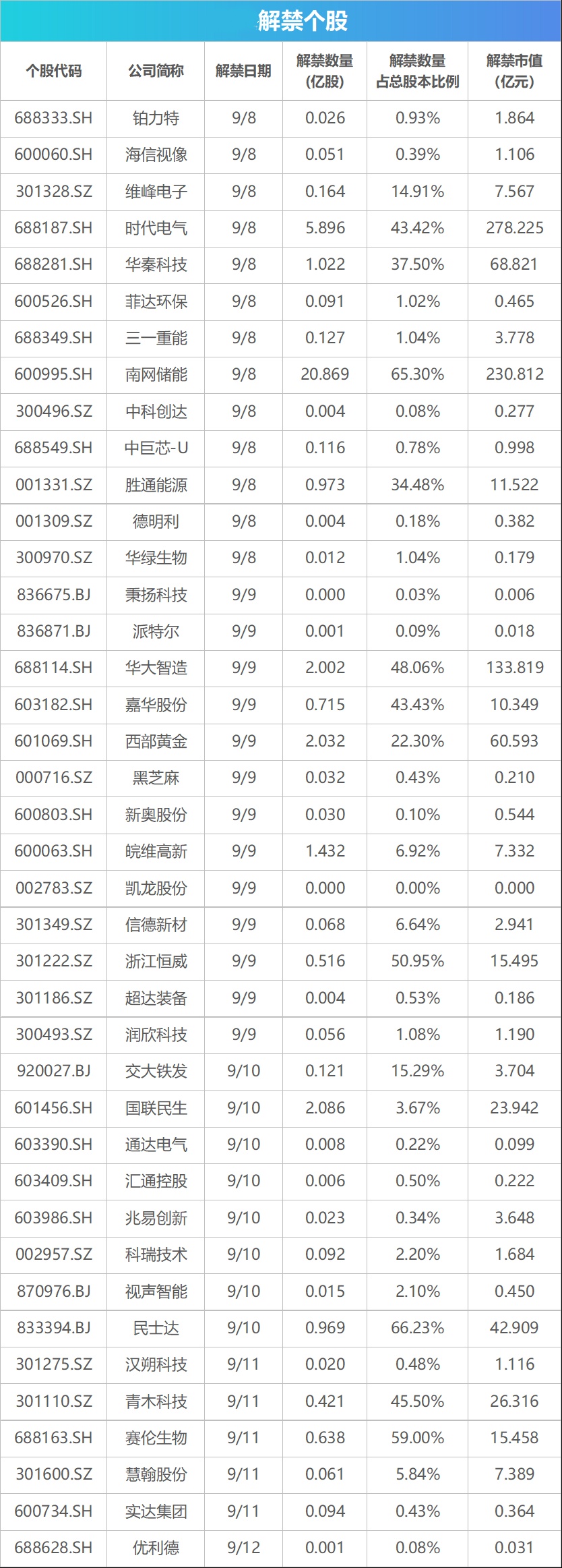
Group 1 - The People's Bank of China has increased its gold reserves for ten consecutive months, with a net increase of 60,000 ounces in August [3] - As of August 2025, China's foreign exchange reserves reached $3.3 trillion, the highest level since January 2016 [3] Group 2 - In the summer of 2025, UnionPay and Internet Union payment amounts grew by 16.64% year-on-year, with a total transaction volume of 2.76996 billion transactions and an amount of 151.66 trillion yuan [6] - The growth rate of transaction amounts accelerated by 3.3 percentage points compared to the first half of the year [6] Group 3 - Nearly 90% of companies listed on the Sci-Tech Innovation Board have disclosed their quality improvement plans for 2025, with a total fundraising of over 650 billion yuan [20] - The fundraising projects exceed 2,500, with over 70% of the funds directed towards research and production [20] Group 4 - 40 companies will have their restricted shares unlocked this week, totaling 4.08 billion shares, with a total market value of 96.6 billion yuan based on the closing price on September 5 [21] - Among these, the restricted shares of Times Electric have a market value of 27.82 billion yuan, while South Network Energy's restricted shares are valued at 23.08 billion yuan [21] Group 5 - Three new stocks are set to be issued this week, with Shichang Co. issuing shares at 10.9 yuan each on September 9 [24] - Haocreat and Yousheng Co. will issue shares on September 11 and 12, respectively [24]
国际清洁空气蓝天日 | 中国大气污染治理成就获高度肯定
Yang Shi Wang· 2025-09-07 04:09
Group 1 - The theme of this year's International Clean Air Blue Sky Day is "Running for Air" [1] - Air pollution is identified as the largest environmental health risk today, and everyone has a responsibility to protect the atmosphere [3] - Beijing has transformed from a city with severe air pollution to one of the cleanest capital cities globally, showcasing China's efforts in air quality improvement [3] Group 2 - China has implemented effective public policies that have established a solid institutional guarantee for ecological environment improvement [5] - Collaboration among various sectors, including private and state-owned enterprises, has been emphasized to create a better environment for all [5] - Beijing's practices serve as a successful model for ecological governance, providing valuable lessons for similar cities worldwide [5] Group 3 - Over the past decade, China's GDP has increased by 69%, while PM2.5 concentration has decreased by 57%, and heavy pollution days have reduced by 92% [7] - China has achieved significant air quality improvements while maintaining an economic growth rate of over 5% [7] - By 2060, PM2.5 concentration is expected to drop to single digits [8] Group 4 - Since the implementation of the Air Pollution Prevention and Control Action Plan in 2013, major measures have led to a historic transformation in air pollution control [10] - The average PM2.5 concentration in China has decreased from 72 micrograms per cubic meter in 2013 to 29.3 micrograms per cubic meter in 2024 [10] Group 5 - Future emission reduction potential through end-of-pipe treatment will diminish, but ongoing efforts in the "14th Five-Year Plan" and "15th Five-Year Plan" will continue to promote low-carbon energy transition [12] - By 2060, non-fossil energy is expected to account for 72% of primary energy consumption, with renewable energy generation exceeding 70% [12] - The transition to clean energy in various sectors will further reduce PM2.5 and ozone levels [12]