支付安全

Search documents
浦发信用卡盗刷背后:不明交易频现 安全盾牌为何“缺位”
Bei Jing Shang Bao· 2025-09-16 14:56
Core Viewpoint - A sudden wave of cross-border credit card fraud has caused anxiety among users of Shanghai Pudong Development Bank (SPDB) credit cards, raising questions about the security of digital payments and the effectiveness of existing fraud prevention measures [2][11]. Group 1: Incident Overview - Users, including international students and domestic cardholders, have reported unauthorized transactions across multiple countries, indicating a sophisticated and organized attack rather than isolated incidents [3][6]. - The fraud attempts began with small transactions in Africa and Canada, escalating to multiple unauthorized charges in Brazil, highlighting the attackers' ability to bypass security measures [4][5]. Group 2: User Experiences - Affected users, such as Noah and Xiao He, expressed concerns over the lack of real-time notifications for suspicious transactions and the absence of a unified response from the bank [3][4]. - Users reported that despite locking their cards, unauthorized transactions still occurred, suggesting a significant flaw in the bank's fraud detection and notification systems [4][10]. Group 3: Nature of the Fraud - The fraud exhibited characteristics of organized and targeted attacks, focusing on specific card types and transaction locations, particularly in Brazil, while avoiding thresholds that would trigger alerts [6][8]. - The shift from physical card cloning to digital intrusion indicates a new level of sophistication in fraud techniques, with attackers potentially breaching core payment systems [7][10]. Group 4: Industry Response and Challenges - The incident has prompted banks to reassess their payment security frameworks, with some initiating internal investigations to identify potential vulnerabilities in cross-border transaction processes [11][12]. - Current fraud prevention systems face challenges in balancing rapid transaction processing with effective risk interception, particularly in the context of evolving fraud tactics [12][14]. Group 5: Recommendations for Improvement - Experts suggest that banks need to upgrade their real-time fraud detection systems, implement dynamic verification mechanisms for cross-border transactions, and enhance data security measures to prevent database breaches [12][13]. - Collaborative efforts among financial institutions to share information on fraudulent activities and improve overall defense capabilities are essential to combat the rising threat of organized fraud [13][14].


“隔空”盗刷信用卡,为何屡禁不止?
Di Yi Cai Jing· 2025-09-16 11:51
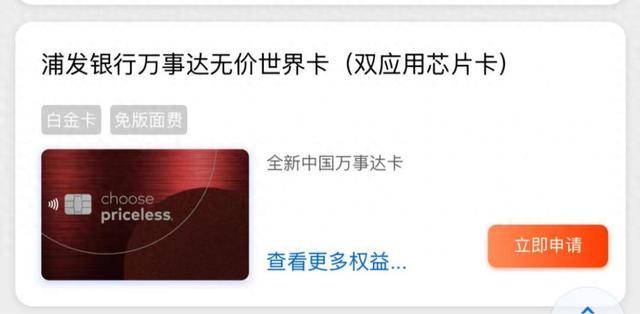
Core Viewpoint - The recent incidents of unauthorized transactions on the Shanghai Pudong Development Bank's Mastercard "Priceless World Card" highlight vulnerabilities in cross-border credit card transactions, particularly regarding the use of CVV codes and the risks associated with magnetic stripe cards [1][2][3]. Group 1: Incident Overview - Multiple users of Shanghai Pudong Development Bank's credit cards reported unauthorized transactions abroad, prompting the bank to offer compensation measures such as point compensation, refunds, and fee waivers [1]. - The bank's credit card center has activated risk prevention mechanisms after detecting abnormal transactions not authorized by cardholders [1]. Group 2: Mechanisms of Fraud - Unauthorized transactions often occur due to the lack of password verification in overseas credit card transactions, where only the card number, expiration date, and CVV code are required [1][2]. - The CVV code can be stolen through various means, including data breaches, phishing scams, and physical theft, making it a critical factor in credit card fraud [2]. - Criminals often wait to use stolen information, binding it to NFC-enabled mobile wallets to evade detection by risk control systems [2]. Group 3: Transaction Mechanisms - The incident raises questions about how users with low credit limits experienced significant unauthorized charges, attributed to the offline transaction mechanism used overseas [3]. - In this mechanism, merchants can complete transactions without real-time interaction with the issuing bank, allowing multiple transactions to occur before the bank updates the available balance [3]. - Some banks may temporarily increase credit limits for overseas transactions, which can be exploited by fraudsters, leading to higher unauthorized charges [3]. Group 4: Responsibility and Legal Framework - The responsibility for credit card fraud often lies with the issuing bank, especially if it fails to identify fraudulent transactions or does not act promptly to prevent them [5][6]. - In judicial practice, banks typically bear over 70% of the responsibility in fraud cases, although cross-border transactions complicate the process of seeking redress [5]. - Courts generally view consumers as the weaker party, placing the onus on banks and related institutions to provide compensation, while internal recovery of costs among institutions is handled separately [5][6]. Group 5: Payment Security Measures - The continued use of magnetic stripe cards is a significant factor in the prevalence of fraud, as they are more susceptible to theft compared to EMV chip cards [7]. - The transition to chip cards is essential for enhancing payment security and improving user experience, as magnetic stripe cards remain widely used overseas [7]. - Mastercard has introduced new chip cards compatible with both EMV and UnionPay standards in China, promoting the replacement of magnetic stripe cards to enhance security [7].
支付安全是多方责任共担的系统工程
Zheng Quan Shi Bao· 2025-09-15 19:29
Core Viewpoint - The rise of non-cash payment methods has led to an organized and technologically advanced credit card fraud industry, posing unprecedented challenges to cardholder account security [1][2]. Group 1: Current State of Credit Card Fraud - Credit card fraud has evolved from sporadic scams to a complex and covert black market, utilizing various methods such as phishing, virtual transaction hijacking, and hacking [1]. - Many victims only realize they have been defrauded upon receiving transaction alerts from their banks, highlighting the sophistication of these criminal organizations [1]. Group 2: Measures Taken by Financial Institutions - Major banks in China have implemented real-time transaction monitoring systems to identify and intercept abnormal transactions [1]. - Insurance products like "fraud insurance" and "advance compensation" are being promoted to mitigate financial losses for cardholders [1]. - Some banks have introduced "account security lock" features on mobile platforms, allowing users to set transaction limits based on their usage scenarios [1]. Group 3: Challenges in Payment Security - The payment security system faces challenges from new forms of crime such as cross-border fraud and digital identity theft, which require banks to enhance their risk control measures [2]. - Cardholders often encounter difficulties in proving fraud, lengthy claims processes, and ambiguous liability determinations, indicating that payment security is a complex system involving service mechanisms and user experience [2]. Group 4: Recommendations for Improvement - Banks should increase technological investments and shift risk control models from reactive to proactive, incorporating advanced technologies like AI and behavioral biometrics [2]. - Improving customer service processes and establishing efficient, transparent fraud dispute resolution mechanisms are essential for enhancing user experience [2]. - Regulatory bodies need to refine legal frameworks, especially in emerging areas like cross-border fraud and electronic identity verification, while also fostering international judicial cooperation [2]. Group 5: Role of Consumers - Consumers are encouraged to maintain good card usage habits, regularly check account activity, set transaction limits cautiously, and remain vigilant against suspicious links and calls [2][3]. - In the event of fraud, consumers should promptly contact their banks, preserve evidence, and assert their rights [2]. Group 6: Long-term Vision for Payment Security - Ensuring payment security is a long-term endeavor requiring collective participation and continuous investment from society [3]. - Financial institutions must take responsibility for risk control through technological upgrades and service optimization, while regulatory bodies should enhance institutional design and international collaboration [3]. - A governance structure that balances shared responsibilities among all parties, along with a focus on technology, regulation, and user awareness, is essential for creating a secure payment environment [3].
可用额度600多元却被盗刷将近2万元,浦发信用卡被集中盗刷之谜
Sou Hu Cai Jing· 2025-09-15 07:28
Core Viewpoint - Recent incidents of unauthorized transactions on the Shanghai Pudong Development Bank (SPDB) Mastercard "Priceless World Card" have raised concerns about payment security, with multiple users reporting overseas fraud without their knowledge [1][3][9]. Group 1: Incident Overview - SPDB's credit card center detected unauthorized transactions on the "Priceless World Card" and initiated an emergency response mechanism in collaboration with Mastercard [1][10]. - Affected users reported significant unauthorized charges, with one user experiencing nearly 20,000 yuan in fraudulent transactions despite having a low available credit limit [3][7][9]. - Users did not receive any notifications for the unauthorized transactions, which occurred in Brazil, leading to frustration and concerns about the bank's security measures [5][8]. Group 2: User Experiences - Multiple users, including Yang Lihong and Xiong Lan, reported similar experiences of unauthorized transactions occurring without prior notification, with amounts totaling approximately 19,000 yuan [3][5][7]. - One user had previously requested to cancel their card but still received notifications of fraudulent transactions after the card was supposedly deactivated [8]. Group 3: Bank's Response and Accountability - SPDB assured customers that they would not bear the losses from the unauthorized transactions and that a resolution plan was in place [8][9]. - Users expressed dissatisfaction with the bank's response, emphasizing that ensuring card security is the bank's responsibility and calling for more proactive measures [8]. Group 4: Analysis of Fraud Causes - Industry analysts suggest that the incidents may be due to organized technical fraud attacks rather than individual user negligence, indicating a potential vulnerability in the security systems of the affected credit card products [9][10]. - The concentration of fraud incidents among a specific card type suggests a targeted attack, raising alarms about the effectiveness of current security measures [9]. Group 5: Regulatory Context - Regulatory bodies have previously mandated banks to enhance risk management and fraud prevention measures, but challenges remain in fully mitigating overseas fraud risks [10]. - Various banks have implemented new measures to address cross-border transaction risks, but the industry consensus is that collaboration among card organizations, acquiring parties, and clearing networks is essential for effective fraud prevention [10].
再聊“磁升芯”背后的多重考量
财联社· 2025-08-29 11:38
Core Viewpoint - The launch of UnionPay-Visa dual-branded chip cards marks a significant advancement in payment security and internationalization of the Renminbi, replacing the outdated dual-branded magnetic stripe cards [1][9]. Group 1: Enhanced Security and Acceptance - The chip card offers a substantial upgrade in security compared to traditional magnetic stripe cards, utilizing dynamic authentication to prevent data theft and card duplication [2][3]. - The chip card also expands acceptance, particularly in cross-border transactions, as it connects to Visa's global acceptance network, enhancing convenience for overseas spending [4][5][6]. Group 2: Strategic Considerations Behind Technology - The evolution of dual-branded cards reflects a decade-long competition, with the shift to chip technology driven by increasing fraud risks associated with magnetic stripe cards [7][8]. - The strategic move towards dual-branded chip cards aligns with UnionPay's mission to promote Renminbi internationalization and expand its market presence globally, leveraging its brand recognition in underpenetrated markets [8][9]. Group 3: Evolution of Payment Tools - The transition from magnetic stripe to chip cards signifies an evolution in credit card functionality, enhancing their role as international payment tools and bridges for global exchange [10]. - Banks are adapting their product offerings to enhance user experience, ensuring seamless transitions for cardholders while providing attractive overseas benefits [11].

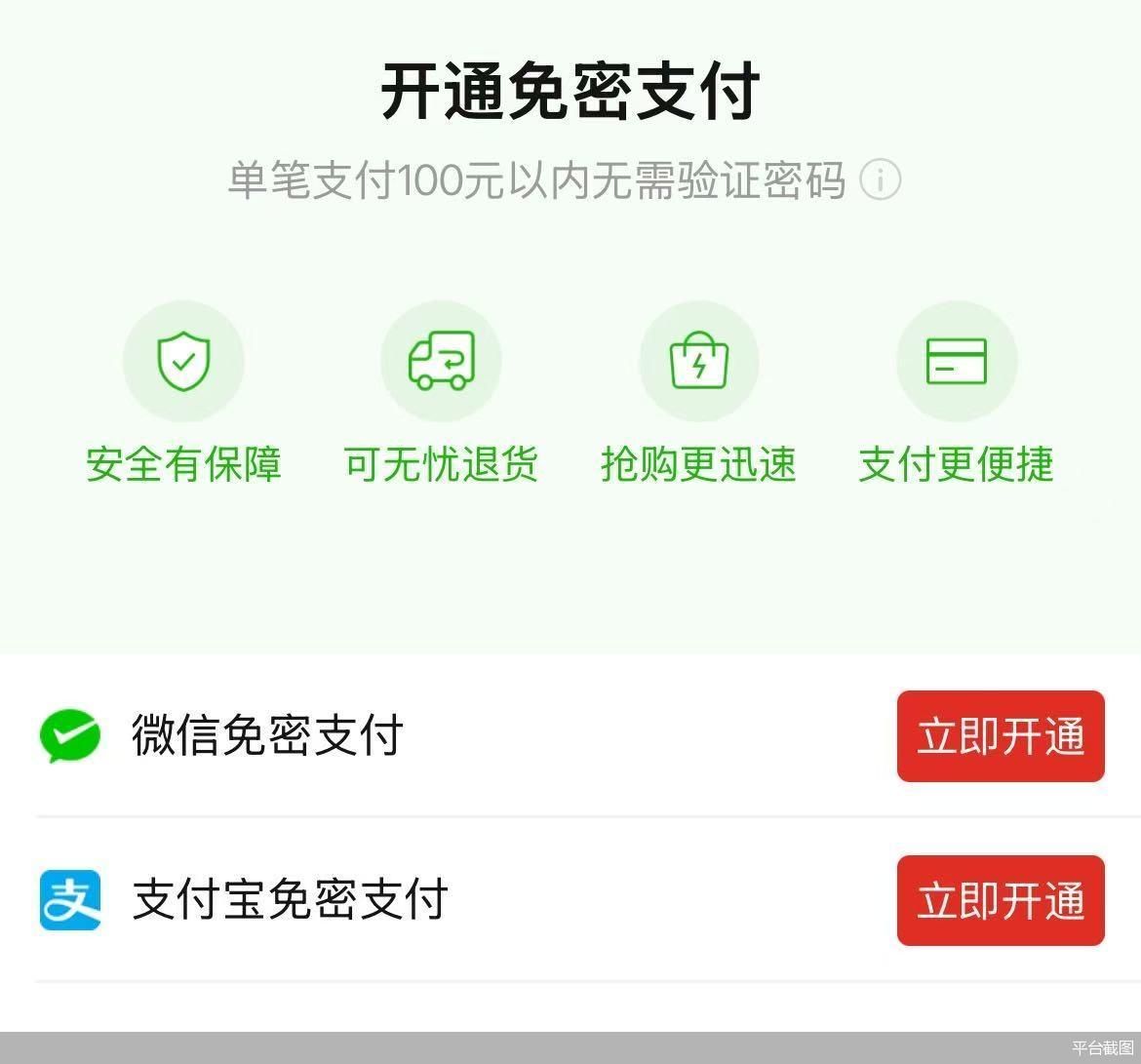
“关不掉”的免密支付,肥了平台的钱包?
凤凰网财经· 2025-08-21 12:54
Core Viewpoint - The article highlights the risks associated with the "no-password payment" feature, which has led to unauthorized charges for many users, prompting discussions on social media about the need to disable such features [1][2]. Group 1: Risks of No-Password Payment - Many users unknowingly activate the no-password payment feature, leading to unexpected charges, particularly on e-commerce platforms and subscription services [2]. - The feature disproportionately affects vulnerable groups, including children and the elderly, who may inadvertently enable it without proper consent or understanding [2]. - Complaints related to no-password payments have reached 64,000 on the Black Cat Complaint platform, with many users citing "unfair terms" that make it difficult to cancel the feature [2][4]. Group 2: User Experience and Platform Practices - Despite warnings from authorities, many platforms continue to promote no-password payments, making it easy for users to activate but challenging to deactivate [5][9]. - Users often face multiple steps to disable the feature, with some platforms requiring up to six steps to complete the process [7][9]. - The inconsistency in interface design across platforms complicates the cancellation process, with some platforms even prompting users for reasons to cancel [9][10]. Group 3: Financial Implications for Businesses - Research indicates that no-password payment features can increase consumer spending by 18%, but also lead to a 40% increase in return rates, suggesting impulsive buying behavior [11]. - Some leading platforms reportedly earn over 10 billion yuan annually from defaulting users into no-password payment settings [12]. Group 4: Regulatory Environment and Accountability - Existing regulations require businesses to clearly inform consumers about automatic renewals and no-password payments, but many platforms fail to comply [13][14]. - Users face significant challenges in holding platforms accountable for unauthorized charges, as companies often cite user consent as a defense [14][15]. - The lack of effective risk management in payment systems has been highlighted in various fraud cases, indicating a need for improved security measures [15].

民生银行济南天桥支行开展优化支付环境宣传活动
Qi Lu Wan Bao· 2025-07-30 09:41
Core Viewpoint - The recent promotional activity by Minsheng Bank's Jinan Tianqiao Branch aims to enhance payment service convenience, improve services for the elderly, and raise awareness about fraud prevention, contributing to a harmonious financial environment [1][2] Group 1: Community Engagement - The bank organized a themed promotional event titled "Optimizing Payment Environment, Safeguarding Payment Security" in community areas, focusing on enhancing payment service convenience and educating residents on mobile payment techniques and fraud prevention [1] - Staff set up a "Mobile Financial Classroom" at a large community event, distributing materials such as the "Payment Service Guide" and "Safe Payment Manual," and demonstrating mobile payment operations and fraud prevention tips [1] - Special attention was given to elderly individuals, showcasing features like large print mobile banking, voice broadcasting services, and "one-click assistance," while guiding them through experiences with convenient services like "零钱包" exchange and QR code payments [1] Group 2: Merchant Support - The bank established a "Payment Service Vanguard" to support local merchants in the Tianqiao District, which is known for its commercial logistics [1] - The initiative included a "Payment Service into Merchants" campaign, where staff visited merchants to provide one-on-one guidance on upgrading payment systems and optimizing transaction processes [1] - Practical knowledge was shared with merchants on preventing illegal transactions, identifying counterfeit currency, and handling payment disputes [1] Group 3: Future Initiatives - The Jinan Tianqiao Branch plans to continue enhancing its payment service system by promoting simplified account opening processes and optimizing payment services for foreign nationals in China [2] - The goal is to ensure that financial technology advancements benefit the public and contribute to a safe, convenient, and efficient payment environment [2]

支付安全新纪元 标记化技术如何重塑数字支付格局?
Jing Ji Guan Cha Bao· 2025-07-19 09:34
Core Insights - The promotion of payment tokenization technology in the Chinese market has made significant progress, enhancing consumer payment security and optimizing payment convenience, supporting domestic consumption policies [2][9][10]. Group 1: Payment Tokenization Technology - Payment tokenization replaces sensitive information such as card numbers and CVV codes with a token, controlling information leakage and fraud risks from the source [3][5]. - The technology has been widely adopted by major e-commerce platforms and mobile payment services, ensuring that even if a token is leaked, it cannot be used for fraudulent transactions on other platforms [5][6]. - Tokenization is reshaping the payment value chain, benefiting all participants by enhancing transaction security, reducing fraud losses for merchants, and lowering risk costs for banks [6][7]. Group 2: Market Opportunities and Challenges - Despite the significant progress in tokenization, it currently accounts for only about one-third of Mastercard's global transaction volume, indicating substantial room for growth [8][9]. - The Chinese market presents both opportunities and challenges, with established players like Alipay and WeChat Pay dominating the ecosystem, necessitating effective integration of tokenization with existing payment systems [11][12]. - The Chinese government's support for fintech innovation and the advanced digital infrastructure provide a favorable environment for the rapid adoption of tokenization technology [12][13]. Group 3: Future Prospects - Mastercard aims to achieve 100% tokenization in global e-commerce by 2030, with expectations for faster implementation in China due to its advanced digital infrastructure [10][12]. - The introduction of tokenization in China is expected to enhance security against replay attacks and data tampering, aligning with local user habits and improving the overall payment experience [10][12]. - The successful implementation of tokenization will require collaboration among various stakeholders to ensure seamless integration with existing payment habits and systems [11][12].

百富蝉联支付卡行业安全标准委员会(PCI SSC)顾问委员会成员,以技术为基,合规优势稳固
Zhi Tong Cai Jing· 2025-06-11 06:43
Core Viewpoint - The payment industry is experiencing unprecedented efficiency due to the rise of electronic payments, but security remains the core focus for long-term market performance [1] Group 1: Company Achievements - 百富环球 has been re-elected as a member of the PCI Security Standards Council (PCI SSC), highlighting its strong brand credibility and product safety [1][2] - The company is recognized alongside major global firms such as Apple, Amazon, and Microsoft, indicating high international recognition of its brand and products [1] - 百富环球 has established a broad influence globally, with operations across EMEA, LACIS, APAC, and USCA regions [2] Group 2: Technological Advancements - 百富环球's flagship Android payment terminal, A920Pro, has successfully passed the EMVCo C-8 contactless payment standard certification, enhancing its market competitiveness and technological leadership [2] - As a member of the EMVCo Advisory Board, 百富环球 has proactively optimized its products according to the EMVCo C-8 standards [2] Group 3: Product Evolution - The A920Pro will enhance security by effectively preventing new types of payment fraud and improve convenience by reducing integration workload and overall costs [3] - The product will ensure operational continuity during the migration process, allowing for a seamless transition while remaining compatible with existing systems [3] Group 4: Industry Outlook - With the rapid advancement of financial technology and government support for cashless economies, 百富环球 is positioned to enhance payment efficiency and security, contributing to the orderly development of the industry [3] - The leadership of top companies like 百富环球 is expected to drive the global electronic payment industry towards new prosperity [3]
电商支付“免密”,方便了谁?
Bei Jing Shang Bao· 2025-03-25 11:15
Core Viewpoint - The "no-password payment" service in e-commerce, intended to enhance user shopping convenience and experience, poses significant security risks, prompting warnings from the China Consumers Association about potential financial losses due to excessive account permissions [1][3]. Group 1: Security Risks - The "no-password payment" feature allows users to make purchases without entering a password, increasing the risk of unauthorized transactions if a user's phone is lost or account is compromised [3][4]. - Despite having a transaction limit, criminals can exploit the feature for frequent small transactions, leading to substantial financial losses for users [3][4]. - The hidden nature of "no-password payments" makes it difficult for consumers to detect unauthorized transactions promptly, often resulting in multiple deductions before users realize the issue [3][4]. Group 2: User Complaints and Challenges - Over 50,000 complaints related to "no-password payments" have been reported, including issues of unauthorized activation, inability to cancel the feature, and arbitrary deductions by platforms [5][6]. - Users have experienced difficulties in obtaining refunds, often facing blame-shifting between payment platforms and merchants when disputing unauthorized charges [5][6]. - Many users, particularly older individuals, have reported unintentionally activating the "no-password payment" feature due to unclear platform communication and design [6][5]. Group 3: Recommendations and Regulatory Suggestions - The China Consumers Association advises users to avoid enabling "no-password payments" unless necessary and to regularly check their payment authorizations [8][9]. - Platforms are urged to provide clear information about the activation conditions, risks, and cancellation processes for "no-password payments" [6][9]. - Regulatory bodies and consumer associations are encouraged to enhance oversight of "no-password payment" practices to protect consumer rights and ensure compliance with relevant laws [9][10].