欧洲战略自主

Search documents
欧洲旅行式派兵
Bei Jing Ri Bao Ke Hu Duan· 2026-01-20 00:45
【#欧洲旅行式派兵# 】#欧洲派兵才是特种兵旅游# #北约攻击北约# 7个欧洲国家、37名士兵,勉强凑 成一个排兵力,与丹麦在格陵兰岛"演出"了一场名为"北极耐力"的军演,以应对美国政府的"武力夺 岛"威胁。这次派兵举动,被意大利国防部长克罗塞托嘲笑为"去旅行么?"欧盟18日召开紧急会议, 以"观望式反制"回应美国政府"关税夺岛"大招。国际舆论认为,围绕格陵兰岛问题,不论是"旅行式派 兵",还是"观望式反制",欧洲的"表面强硬"其实是难以摆脱对美依赖而进行的"自我克制"。在美国 把"盟友关系"直接简化为"胁迫与屈从"、跨大西洋关系出现"首个根本性裂痕"的背景下,欧洲"战略自 主"的口号显得如此苍白无力。在美国总统特朗普17日宣布向反对美国得到格陵兰岛的欧洲国家加征关 税后,欧盟18日召开紧急会议,就反制方案可行性进行磋商。欧洲舆论认为,围绕格陵兰岛,欧洲对美 应对方式已从最初的小心劝阻、外交沟通,转为更强硬的派兵、反制等手段。不过,这些"强硬措施"更 多只具象征意义。在美国关税威胁后,德国上演"闪电式"撤兵,士兵上岛44小时后便离开,暴露出"旅 行式派兵"的尴尬现实。贸易反制目前也停留在口头。英国《金融时报》 ...
德军前脚刚走,荷兰2名军人也撤离格陵兰!专家:若爆发冲突,约100名丹麦士兵将立即成俘虏!欧洲“观望式反制”:等到2月1日再看
Mei Ri Jing Ji Xin Wen· 2026-01-19 16:33
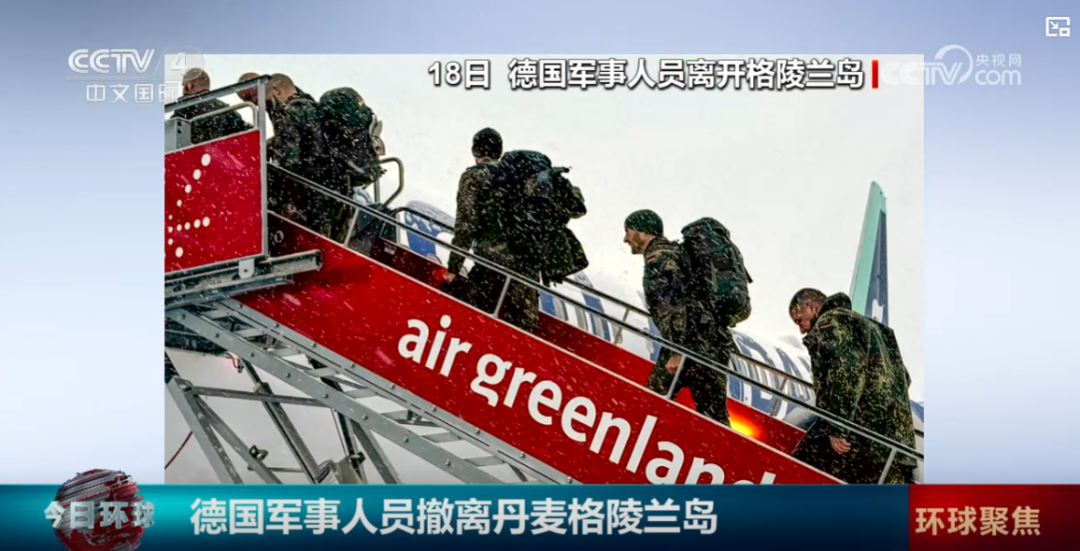
每经编辑|金冥羽 据新华社,荷兰国防部19日发表声明说,此前派往格陵兰岛执行联合勘察任务的两名海军军官当天撤回。据悉,荷兰15日宣布派遣一名海军军官参与北约 在格陵兰岛的联合勘察,16日又增派一名。 值得一提的是,就在前一天,由13名军事人员组成的德国"侦察队"离开格陵兰岛。德国国防部发言人证实了这一消息。 此前,7个欧洲国家、37名士兵,勉强凑成一个排兵力,与丹麦在格陵兰岛"演出"了一场名为"北极耐力"的军演,以应对美国政府的"武力夺岛"威胁。这 次派兵举动,被意大利国防部长克罗塞托嘲笑为"去旅行么?"。 而反胁迫"贸易火箭筒"、重启对美关税清单等措施,则至少要等到2月1日再决定是否实施。欧盟18日紧急会议以"观望式反制",回应美国政府"关税夺 岛"大招。 国际舆论认为,围绕格陵兰岛问题,不论是"旅行式派兵",还是"观望式反制",欧洲的"表面强硬"其实是难以摆脱对美依赖而进行的"自我克制"。在美国 把"盟友关系"直接简化为"胁迫与屈从"、跨大西洋关系出现"首个根本性裂痕"的背景下,欧洲"战略自主"的口号显得如此苍白无力。 据央视新闻,当地时间1月19日,美国总统特朗普在接受采访时拒绝说明是否会使用武力夺取格 ...

欧洲不再沉默!马克龙宣布:我们将用统一行动回敬美国关税!
Sou Hu Cai Jing· 2026-01-19 10:03
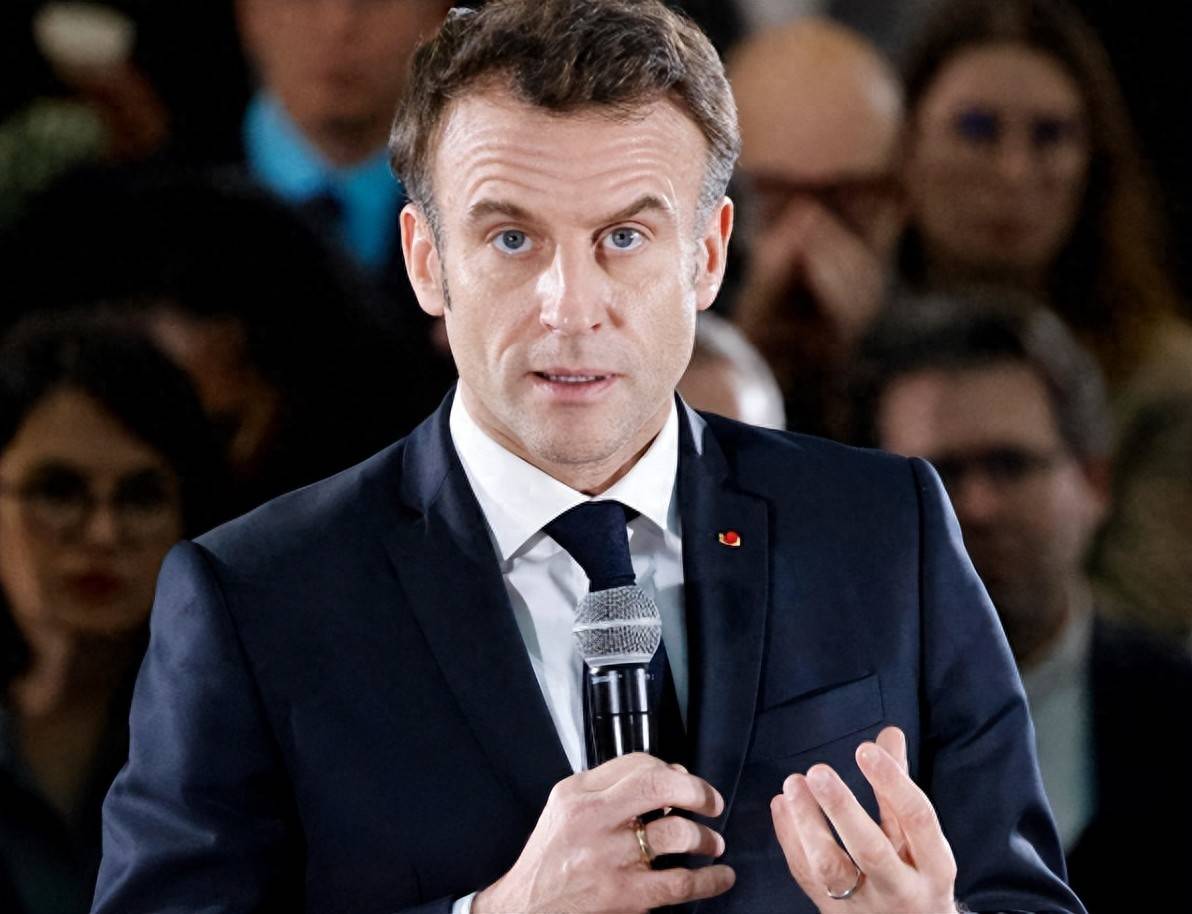
他进一步解释,法国支持乌克兰,组建自愿联盟并参与丹麦在格陵兰岛发起的联合军演,这些行动实际上都是同一逻辑的延伸:通过多边合作与军事存在, 捍卫基于规则的国际秩序,确保欧洲的整体安全。这一系列的行动展现了欧洲在全球安全和区域安全中日益增强的战略自信与集体协作意识。 尽管马克龙 没有详细阐明统一协调的回应具体包括哪些内容,但结合欧盟现有的法律工具和当前的政治局势,可以预见,欧洲的反击可能会采取多层次的策略。例如, 可以通过启动WTO争端解决机制,针对美国滥用国家安全例外条款提起正式诉讼,尽管这一过程可能漫长,但可以为欧盟确立坚实的法律立场。另外,欧 盟还可能通过《贸易执法条例》实施对等报复,对美国共和党关键选区或政治敏感行业的产品加征关税,从而施加经济压力。 为了减少对美国市场的依 赖,欧盟可能加速与南方共同市场、印度等地区的贸易协定谈判,推动贸易多元化。此外,在七国集团(G7)和北约框架下,欧盟可能发起联合外交行 动,动员其他成员国对美国施压,质疑其将经济制裁与北约盟国领土问题挂钩的合理性。 2026年1月,法国总统马克龙在社交媒体X上公开发声,强烈回应美国总统特朗普对欧洲八国的关税威胁,称这一行为不可接受。马 ...
翻脸!美国对欧洲加税至25%!马克龙撂狠话:已准备统一反击!
Sou Hu Cai Jing· 2026-01-18 04:35
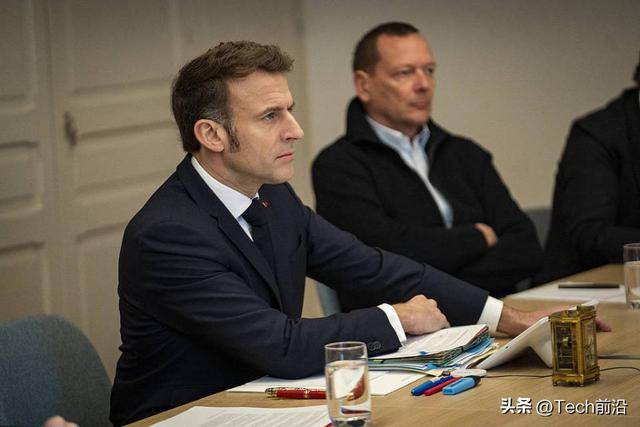
欧洲多国领导人近日密集发声,批评美国针对北极事务的关税威胁,强调将协调立场维护自 身利益。 法国总统马克龙通过社交媒体平台明确表态,认为在当前国际形势下,任何恐吓或威胁都无法动摇欧洲 的立场。 他强调,无论是乌克兰、格陵兰还是世界其他地区,欧洲都将保持团结。针对关税威胁,马克龙指出这 种做法完全不可接受,也不具备正当性。 如果相关威胁被证实,欧洲各国将制定统一协调的应对方案。马克龙表示,欧洲深知如何维护自身的主 权尊严,并将以此为基础与欧盟伙伴展开密切磋商。 他态度坚决地表示,瑞典不会接受任何形式的胁迫,并强调只有丹麦和格陵兰有权决定与自身相关的事 务。 克里斯特松承诺将始终致力于保护本国及周边盟友的利益。他指出,这一问题的影响范围已经超出目前 所涉及的国家,成为一个欧盟层面的议题。 目前瑞典正与欧盟成员国、挪威及英国进行密集磋商,以期形成共同立场。 此前,美国总统特朗普曾宣布,将从2月1日起对部分不认同其格陵兰政策的国家加征关税。 根据其声明,自2026年2月1日起,丹麦、挪威、瑞典、法国、德国、英国、荷兰和芬兰等国出口至美国 的所有商品将被征收10%的关税。 英国首相斯塔默在接受英国广播公司采访时也表达了 ...
美国对欧洲加征关税 要求购买格陵兰岛 各国回应不可接受
Sou Hu Cai Jing· 2026-01-18 01:46
Core Viewpoint - The article discusses President Trump's controversial linkage of trade tariffs to the ambition of purchasing Greenland, which has escalated tensions between the U.S. and its European allies [1][3]. Group 1: Trade Tariffs and Economic Impact - Trump announced a 10% tariff on goods from Denmark, Germany, France, and six other European countries starting February 1, with a potential increase to 25% if Europe does not agree to the "complete and total purchase" of Greenland [1][3]. - The tariffs specifically target key European export industries such as automobiles, machinery, and luxury goods, aiming to leverage economic pressure to force concessions on territorial sovereignty [3][5]. Group 2: European Response and Unity - European nations collectively condemned Trump's actions, with leaders from Sweden and Norway emphasizing that they would not be coerced and that the fate of Greenland should be determined by its people [3][5]. - Germany announced plans to collaborate with European partners to formulate a counter-strategy, while the EU warned that U.S. actions could lead to a "dangerous vicious cycle" damaging transatlantic relations [5][7]. Group 3: Strategic Importance of Greenland - Greenland's strategic location is highlighted as crucial for U.S. missile warning and defense systems, as well as for emerging commercial and military routes due to melting Arctic ice [5][7]. - The island's rich resources, including rare earth minerals, are seen as vital for future Arctic competition, aligning with U.S. hegemonic interests [5][7]. Group 4: Implications for NATO and International Relations - The situation poses a direct challenge to NATO, as the U.S. is perceived to be undermining the collective defense spirit by coercing allies over territorial issues [7]. - The attempt to "purchase" territory is viewed as a violation of international law and the UN Charter, raising concerns about the potential for global order disruption [7].
国际观察|欧洲自主雄心与现实间“隔着几个格陵兰岛?”
Sou Hu Cai Jing· 2026-01-15 10:39
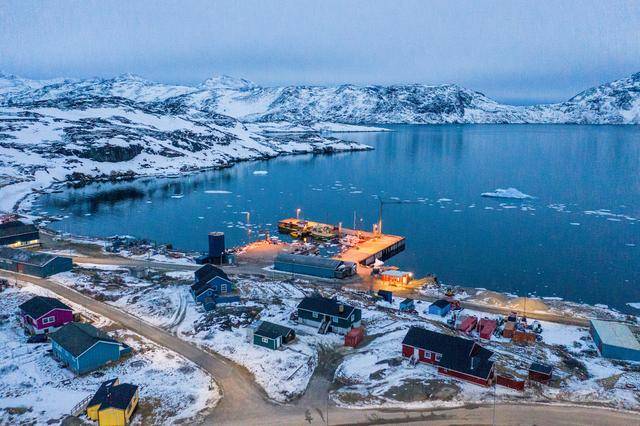
丹麦外交大臣拉斯穆森和格陵兰岛自治政府外交部长莫茨费尔特14日到访白宫,同美国副总统万斯和国 务卿鲁比奥举行会晤。拉斯穆森在会晤后强调,丹麦和美国之间就格陵兰岛问题存在"根本性分歧"。 当天,美国总统特朗普重申美国需要得到格陵兰岛,而多个欧洲国家则宣布将"增兵"格陵兰岛开展演训 活动。 格陵兰岛争端指向欧洲无法回避的尴尬问题:欧洲是否具备保障自身安全的能力?欧洲"战略自主"的雄 心与现实之间究竟有多少落差?欧洲舆论叹息,受困于多重窘境,2026年欧洲或将继续面临"既不信任 又离不开美国"的尴尬局面。 这是2025年3月21日拍摄的丹麦自治领地格陵兰岛纳尔萨克镇的码头(无人机照片)。新华社记者彭子 洋摄 象征性"增兵" 特朗普政府近来多次扬言要得到格陵兰岛,并声称不排除"武力夺岛"。 欧洲媒体报道,多个欧洲国家已确认,受丹麦邀请将参加在格陵兰岛举行的一次"联合军事考察行动"。 德国国防部14日的声明说,将借这次行动评估在保障相关地区安全方面,为丹麦提供海域监视等军事支 持的可能性。 2025年4月27日,在丹麦哥本哈根附近的马林堡,丹麦首相弗雷泽里克森(右)与格陵兰岛自治政府总 理延斯-弗雷德里克·尼尔森共同会 ...
高盛-欧洲防务板块-下一步何去何从
Goldman Sachs· 2026-01-12 01:41
Investment Rating - The report indicates a positive outlook for the European defense sector, particularly highlighting Rheinmetall as a core investment target with a target price of €2,200, suggesting potential upside despite capacity expansion risks [6]. Core Insights - The report emphasizes the long-term growth trend in global defense spending, driven by geopolitical tensions and increased U.S. defense budgets, which are expected to benefit companies like BAE Systems, Leonardo, and Rheinmetall [4][3]. - Geopolitical events, such as the Greenland issue and Ukraine negotiations, are identified as short-term catalysts for the defense sector, with a focus on the communication dynamics between companies and governments [8][2]. - The civil aviation sector presents investment opportunities that can benefit from increased defense spending, particularly in logistics and space sectors as Europe seeks strategic autonomy [7]. Summary by Sections U.S. Defense Spending Impact - The proposed increase in the U.S. defense budget from approximately $900 billion to $1.5 trillion signals a significant focus on national security, impacting European defense dynamics [3]. - The report notes that this increase is equivalent to the total annual defense spending of European countries, indicating a shift in investment strategies among hedge funds and institutional investors towards German companies with high growth expectations [3][10]. German Defense Sector Focus - Rheinmetall is highlighted as a key player in the German defense sector, with a notable recovery in interest due to its political stability and financial capacity [5]. - The market is currently focusing on long-term prospects for Rheinmetall, with investors looking beyond short-term valuation multiples [6]. Civil Aviation and Defense Synergy - The report discusses how strong defense business performance can positively influence civil aviation stocks, particularly through increased utilization of fighter jets and transport aircraft orders [7]. - The potential for European strategic autonomy and reduced U.S. military presence could enhance the importance of logistics and space sectors, where some civil aviation companies have significant advantages [7]. Catalysts and Market Sentiment - Key geopolitical events are identified as critical drivers for the defense sector, with ongoing discussions about Greenland and Ukraine serving as immediate catalysts [8]. - Recent market sentiment has shifted, with increased interest in German defense stocks and a cautious approach towards French counterparts, reflecting a broader trend of reallocating investments in response to geopolitical developments [10][11]. Investment Strategies - The report suggests that investors are increasingly looking at a basket of stocks rather than individual companies to mitigate risks and capture opportunities in the defense sector [15]. - Options trading strategies are recommended for those looking to take long positions in the European defense sector, particularly focusing on Rheinmetall and Rolls-Royce as attractive targets [13][12].
说好合伙抢2100亿,德国刚亮剑,法国举白旗:这钱烫手,我不敢拿
Sou Hu Cai Jing· 2026-01-08 08:39
Core Viewpoint - The article discusses the shifting dynamics between Germany and France regarding the use of €210 billion in frozen Russian assets to support Ukraine, highlighting a significant political rift that could impact European cooperation and economic strategies [2][21]. Group 1: Financial Considerations - Germany's Chancellor Merz aimed to utilize the €210 billion in frozen Russian assets to support Ukraine, viewing it as a solution to the financial strain on European countries due to the ongoing war [4]. - The assets are primarily held in Belgian clearing banks, and Merz saw this as an opportunity to alleviate funding issues while increasing pressure on Moscow [4]. Group 2: Franco-German Relations - Merz's plan faced unexpected opposition from French President Macron during the EU summit, marking a departure from their previously aligned stance [6]. - Historical context reveals that Germany has been cautious in its approach to the Russia-Ukraine issue, while France, under Macron, has pursued a more assertive European strategic autonomy [8]. Group 3: Political Implications - Macron's political challenges, including a deteriorating domestic economy and increasing fiscal deficits, influenced his decision to oppose Germany's plan, aligning instead with Italy and Belgium [10]. - The failure to advance the trade agreement with the Southern Common Market, crucial for Germany's economic recovery, further strained relations, as Macron sought to protect French agricultural interests [14][16]. Group 4: Future Outlook - The article suggests that the traditional Franco-German partnership, once seen as the driving force of European integration, is now in jeopardy, complicating Germany's ambitions to reshape European leadership [21]. - The ongoing political disputes and economic challenges in Europe, exacerbated by the war and recession, create an uncertain future for the continent [23].
乌克兰停火,他们可能遭殃,欧洲拼尽全力支援背后真相
Sou Hu Cai Jing· 2026-01-06 06:11
Core Viewpoint - Europe is providing substantial aid to Ukraine not merely as an act of generosity but as a strategic move to counter Russian military expansion and ensure its own security amidst economic pressures [1][3]. Group 1: Economic and Geopolitical Context - European countries are facing significant economic challenges, including soaring coal and natural gas prices, which have severely impacted manufacturing sectors, leading to layoffs and production cuts in major companies like BASF and Volkswagen [3]. - Despite these economic difficulties, Europe has chosen to increase financial support for Ukraine, reflecting a strategy of "short-term economic sacrifice for long-term security" [3][9]. - The energy transition in Europe is seen as a critical challenge, with leaders recognizing the need to reduce dependence on Russian energy sources to stabilize the geopolitical environment essential for economic recovery [3][11]. Group 2: Internal Political Dynamics - There exists a sharp contradiction within EU member states between political support for Ukraine and the need to maintain economic stability, exemplified by Belgium's cautious handling of frozen Russian assets [5][9]. - The Baltic states, particularly Estonia, Latvia, and Lithuania, have significantly increased their defense budgets, surpassing 3% of GDP in 2023, driven by heightened security concerns regarding Russia [5][9]. - Internal divisions within the EU are evident, with Hungary's opposition to aid for Ukraine creating obstacles for unified support, highlighting the complex balance of interests among member states [7][9]. Group 3: Strategic Independence and Future Outlook - As the U.S. shifts its focus towards the Asia-Pacific region, European leaders are increasingly advocating for "European strategic autonomy" to reduce reliance on American support and enhance their own defense capabilities [7][9]. - The ongoing conflict has prompted Europe to escalate economic sanctions against Russia, including freezing and confiscating Russian assets, despite the short-term energy supply challenges this creates for Europe [9][11]. - The transition to green energy is accelerating in Europe, with countries like Germany increasing investments in renewable energy sources, which is seen as a strategy to combat reliance on Russian energy and secure future economic independence [11][13].
欧洲:困局中寻找未来之路
Xin Lang Cai Jing· 2025-12-27 18:41
Core Viewpoint - Europe is facing unprecedented challenges in 2025, including prolonged impacts from the Russia-Ukraine conflict, changing US-European relations, and ongoing economic stagnation, necessitating a strategic and cognitive rebalancing for the future [13][14][22]. Group 1: European Challenges - The prolonged Russia-Ukraine conflict has strained European resources, with countries facing budget crises that limit their ability to support Ukraine effectively [14][15]. - Economic growth in the EU is weak, with only 0.4% growth in 2023, 1% in 2024, and an expected 1.4% in 2025, while major economies like Germany are projected to experience negative growth [16]. - The EU's reliance on Russian energy and markets has severely impacted its economic stability, compounded by increased tariffs from the US on EU products [16]. Group 2: Changing US-European Relations - The US has shifted its stance towards Europe, viewing it as an economic and ideological adversary, which has significant implications for transatlantic relations [17]. - The Trump administration's national security strategy reflects a growing disdain for Europe, suggesting a need for Europe to reassess its dependency on the US for security [17][19]. - The perception of the US as a diminishing ally has prompted European leaders to advocate for greater strategic autonomy, although this effort faces substantial internal and external challenges [18][19]. Group 3: Strategic Autonomy Efforts - European leaders are increasingly calling for reduced dependence on the US, with initiatives like the "Rearm Europe" financing plan aiming to mobilize €800 billion over the next decade for defense [18]. - The EU's commitment to strategic autonomy is complicated by internal divisions, with varying levels of threat perception among member states affecting collective defense spending [20][21]. - The rise of right-wing parties in key EU countries poses a threat to the unity required for effective defense integration and strategic autonomy [21]. Group 4: Need for Rebalancing - Europe must rebalance its relationship with the US to achieve true strategic autonomy, leveraging its economic and technological strengths while reducing military dependency [22]. - A focus on economic development alongside security needs is essential to avoid exacerbating social and political instability within Europe [23]. - The EU's approach to foreign policy must evolve from ideological rigidity to pragmatic cooperation, particularly in its dealings with major powers like China and the US [23].