环保理念

Search documents
绿色生活月邀市民一起“绿动”杭城
Hang Zhou Ri Bao· 2025-08-13 03:27
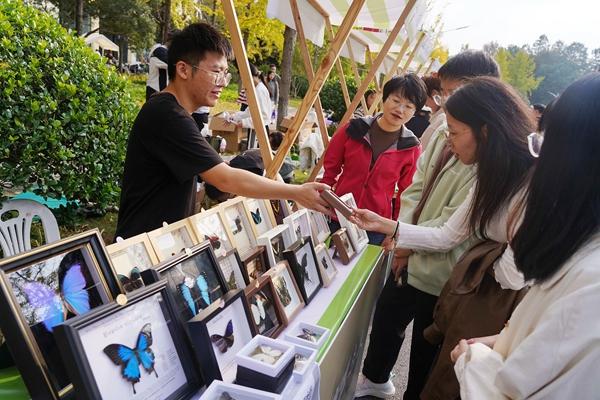
Core Viewpoint - The "Green Water and Green Mountains are Gold and Silver Mountains" concept, proposed 20 years ago, is being actively promoted in Hangzhou through the "Green Life Month" initiative, encouraging citizens to adopt low-carbon behaviors in anticipation of the upcoming "National Ecological Day" [1][2] Group 1: Event Overview - The "Green Life Month" event in Hangzhou runs from August 12 to 25, aiming to engage citizens in various green activities such as green travel, green consumption, and resource recycling [1] - The initiative has mobilized over 30,000 registered green volunteers, showcasing a strong public participation in ecological governance [1] Group 2: Activities and Engagement - The event features a "Green Life Gathering" with themed markets, including a "Free Stall for Idle Books" and an "Eco-Friendly Goods" theme, promoting community engagement and sustainable practices [2] - Activities include a fabric waste collection campaign in the Qijun Clothing Street and a "Zero Waste Living Laboratory" where residents can create items from discarded materials [2] - The initiative transforms abstract environmental concepts into practical daily actions for millions of citizens, making green living a tangible part of urban life [2]
通讯丨“聚焦中国”活动在爱丁堡艺术节展现中国文化魅力
Xin Hua Wang· 2025-08-13 01:01
Group 1 - The "Focus on China" event at the Edinburgh Festival showcases the unique charm of Chinese culture through various artistic performances [1] - The Edinburgh Festival, which runs from August 1 to 25, includes multiple cultural events and attracts thousands of artists globally each year [1] - The dance drama "Pure Land" presented by the Shanghai Theatre Academy combines the Dai ethnic "Fish Dance" to express the concept of environmental protection and harmony between humans and nature [1] Group 2 - The response from the audience, including international dancers, highlights the effective communication of environmental themes through artistic expression [1] - The event features nine original works, including performances from the China Coal Mine Art Troupe and Shanghai Visual Arts Academy, covering diverse themes from traditional culture to contemporary issues like artificial intelligence [1] - The creative director of the Edinburgh International Festival notes that contemporary Chinese performing arts are increasingly breaking traditional narratives and integrating with global artistic trends [2]
日用品:互联网浪潮下,日用品的“破圈”与新生
Sou Hu Cai Jing· 2025-08-12 10:35
Group 1: Product Evolution - Daily necessities have evolved beyond traditional functions, with products like toothpaste now offering multiple specialized functions such as sensitivity relief and whitening [1] - Innovations in material science have led to products like amino acid shampoo with a pH level matching that of the scalp and dissolvable laundry pods that reduce chemical residues by 30% [1] - The integration of smart technology into daily products enhances user experience, with items like electric toothbrushes that remind users to change and automatic foaming hand soap dispensers [1] Group 2: Environmental Impact - Environmental considerations are reshaping the entire daily necessities supply chain, with refillable packaging becoming standard and brands reducing plastic use by 70% through refill options [1] - Biobased materials are increasingly used, such as toothbrush handles made from corn starch and detergent bottles made from sugarcane extracts [1] - The rise of solid shampoo bars and waterless toothpaste reflects a market trend towards sustainable products, with 68% of consumers willing to pay a 10%-15% premium for eco-friendly options [1] Group 3: Internet Influence - The internet has significantly increased the visibility of daily necessities, with social media influencers showcasing products to millions, turning local items into national bestsellers [3] - E-commerce platforms have eliminated geographical barriers, allowing consumers to easily access products from around the world, thus meeting diverse consumer needs [3] - Brands focused on eco-friendly and natural products have leveraged the internet to build dedicated consumer bases, facilitating rapid brand growth [3] Group 4: Industry Transformation - Industry leaders are contemplating deep transformations by utilizing the internet for marketing, establishing online stores through mini-programs, and promoting via social media [5]


无印良品,输麻了?
3 6 Ke· 2025-08-08 11:26
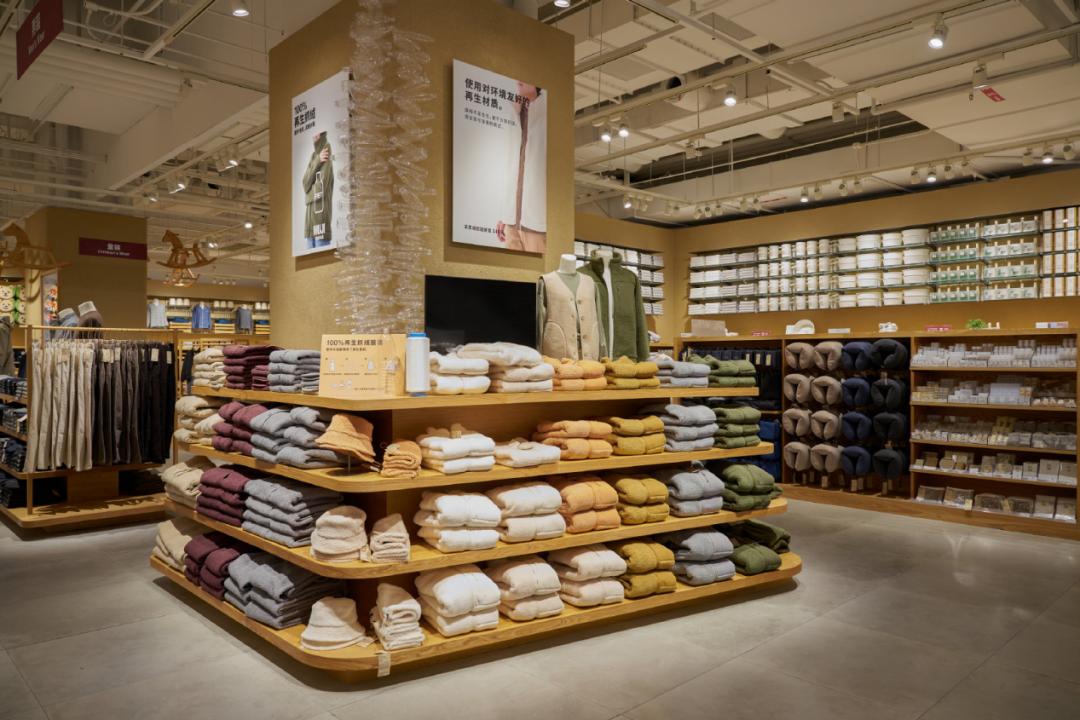
Core Insights - MUJI, once a favorite among the middle class for its minimalist design and lifestyle, has faced challenges in the Chinese market due to rising competition and consumer dissatisfaction with pricing and product quality [1][5][10] Group 1: Brand History and Market Position - MUJI was founded in 1980 in Japan, initially focusing on low-cost products and quickly gaining popularity [1] - The brand entered the Chinese market in 2005 and expanded aggressively, achieving significant sales growth from 2014 to 2016, with a peak growth rate of 45.7% in 2016 [2] - As of August 2024, MUJI has over 400 stores in China, making it the second-largest revenue source after Japan [3] Group 2: Consumer Perception and Challenges - Despite its initial success, MUJI has faced criticism for high prices, with products often priced 30% higher than in Japan, leading to a perception of poor value [5][10] - The brand has seen a decline in sales across its core categories, with revenue growth not translating into profit, as evidenced by a 22.8% drop in operating profit in 2022 [5][11] - Quality issues have also plagued the brand, resulting in numerous consumer complaints and regulatory penalties [7][10] Group 3: Competitive Landscape - The rise of alternative brands, such as Miniso, which offers similar products at significantly lower prices, has intensified competition for MUJI [10][11] - E-commerce has further increased competition, with brands like NetEase Yanxuan providing high-quality, cost-effective alternatives [10] Group 4: Future Opportunities - MUJI is attempting to regain consumer interest by lowering prices and introducing new product lines tailored to local preferences [12][15] - The company has launched a new store format, "MUJI500," focusing on affordable daily necessities to attract a broader customer base [15] - Continued innovation in product development and a shift towards community-based store locations are seen as essential for MUJI's future success in China [15]
“顺便购买”成利器?AW超市想重构消费场景
Bei Jing Shang Bao· 2025-07-08 13:31
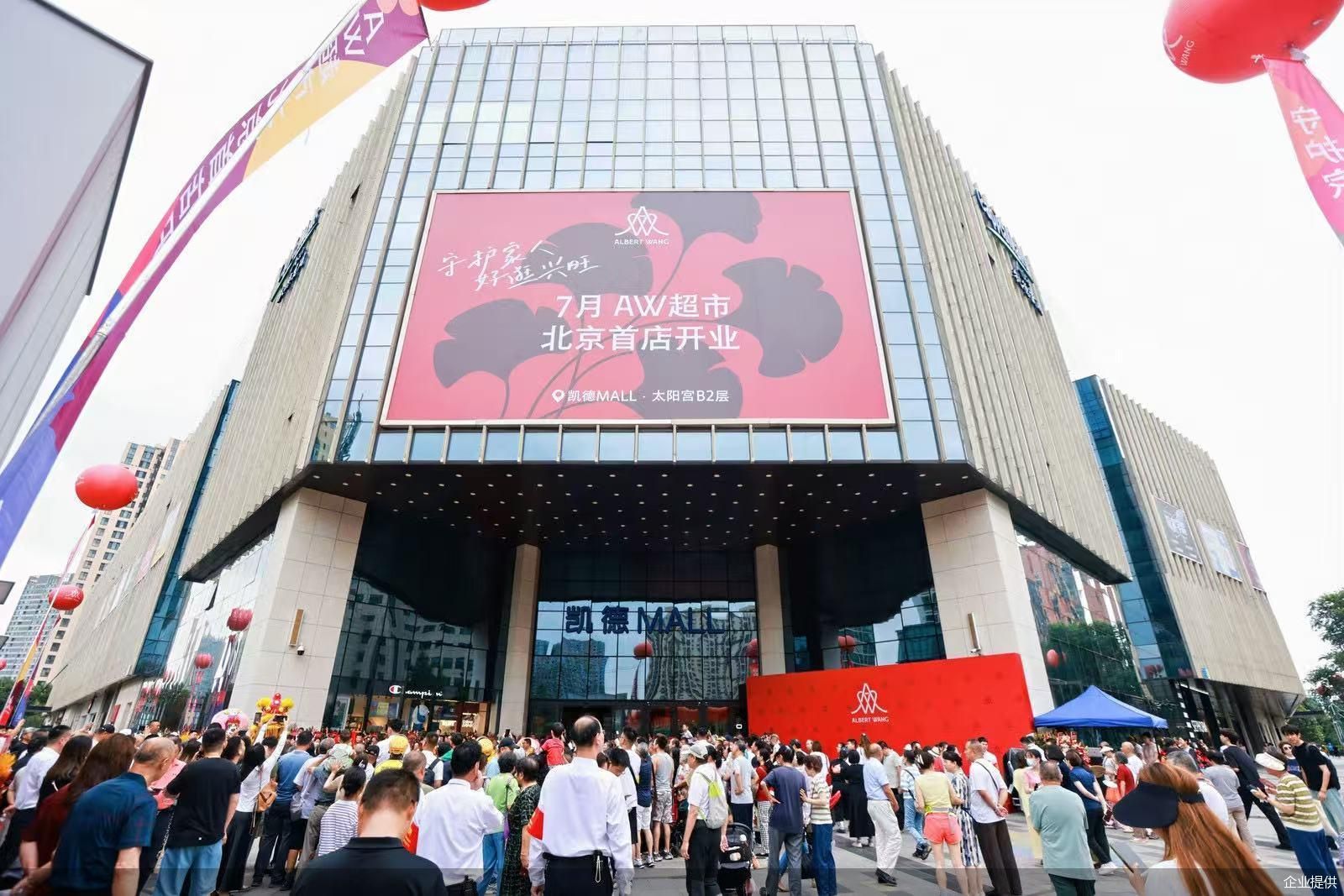
Core Insights - AW Supermarket has opened in Beijing, replacing Hualian Supermarket, with a focus on organic products making up 25% of its offerings and a delivery service covering a 3-5 km radius [1][3] Group 1: Market Positioning - AW Supermarket aims to capture the retail market in Beijing, competing directly with nearby stores like Caixian Guomei and Hema Fresh [1][5] - The supermarket emphasizes personalized and customized services, integrating local flavors into its food offerings [3][6] Group 2: Product Strategy - The product range includes low-sugar, low-fat, and organic items, with clear nutritional labeling, and a focus on freshly prepared meals [3][5] - AW Supermarket plans to introduce smart shelves, self-checkout, and virtual tasting experiences to enhance shopping convenience [3][6] Group 3: Competitive Landscape - The competitive pressure comes from established supermarkets in the vicinity, including Jingkelong, Yonghui, and various Hema formats, which already have consumer loyalty [5][6] - AW Supermarket's delivery area overlaps significantly with competitors like Sam's Club and Meituan's Xiaoxiang Supermarket, making differentiation crucial [5][6] Group 4: Consumer Behavior - Consumers in Beijing are increasingly demanding high-quality, diverse products and are willing to pay for simplicity in ingredient lists, indicating a shift towards refined and differentiated offerings [5][6] - To succeed, AW Supermarket must enhance the in-store shopping experience, providing unique products and a compelling environment to encourage impulse purchases [6]
闻堰:文明实践阵地“活”起来,群众文化生活“乐”起来
Hang Zhou Ri Bao· 2025-06-27 02:42
Core Viewpoint - The New Era Civilization Practice Stations in Xiaoshan Wenyin Street are becoming vibrant engines for community cultural life, promoting various activities that enhance the quality of life for residents [1][2][3] Group 1: Community Engagement Activities - Weekly activities at the practice stations include eco-friendly crafts, intergenerational transmission, and cultural events that foster neighborly warmth and community spirit [1][2] - In Sanjiang Community, children transform waste materials into small gardens, instilling the concept of "turning waste into treasure" [2] - Various communities engage in activities such as making traditional sugar paintings, reading sessions, and free services like sharpening scissors and haircuts, promoting community welfare and cultural engagement [2] Group 2: Cultural Heritage and Tradition - Traditional festivals are celebrated through collaborative activities, such as making green bean cakes and zongzi, which enhance community bonds and cultural transmission [3] - Residents participate in crafting traditional items like herbal sachets, showcasing the revival of ancient customs in a modern context [3] - Events like zongzi-making competitions highlight the joy of cultural practices and strengthen neighborly relationships [3] Group 3: Intergenerational Communication - The practice stations serve as bridges for intergenerational communication, facilitating shared learning experiences between children and adults [3] - Activities such as storytelling and emotional expression workshops help parents understand their children better, fostering emotional intelligence [3] - Community members engage in traditional arts like calligraphy and opera, promoting lifelong learning and cultural appreciation among all age groups [3]
人与青山两不负:美丽中国这堂“大课”该怎么上
Zhong Guo Qing Nian Bao· 2025-06-22 02:59
Core Viewpoint - The article discusses the importance of integrating ecological civilization education into university curricula, emphasizing the need for students to understand the concept of "harmonious coexistence between humans and nature" as part of China's modernization process [1][3]. Group 1: Importance of Ecological Education - Ecological civilization education is crucial for university students, who are seen as the driving force behind social development and ecological protection [3][4]. - The integration of digital media allows students to connect with ecological issues more closely, but there remains a cognitive gap between grand ecological narratives and individual actions [3][4]. Group 2: Methods of Teaching Ecological Civilization - The education should focus on translating grand narratives into relatable concepts, such as illustrating how clean energy reduces carbon emissions [3][4]. - Personalizing ecological values is essential, making students realize that ecological literacy is a core competency for modern citizens [4][5]. Group 3: Practical Engagement - Universities should create a green campus atmosphere and encourage students to participate in carbon footprint calculations to understand the ecological impact of their choices [5][6]. - Engaging students in real-world ecological practices, such as volunteering in areas that embody the "green mountains and clear waters" philosophy, enhances their understanding of ecological issues [5][6]. Group 4: Challenges in Ecological Education - Current ecological education often suffers from homogenization and superficiality, leading to a lack of depth in understanding ecological concepts [9][12]. - There are challenges in integrating ecological education into the entire educational process, including the need for a coherent curriculum and addressing regional disparities in educational resources [12][13]. Group 5: Future Directions - The article suggests that ecological education should leverage new technologies, such as artificial intelligence, to enhance teaching methods and resource sharing [13][14]. - A focus on experiential learning in natural settings can deepen students' understanding of their role in ecological preservation and responsibility [10][11].
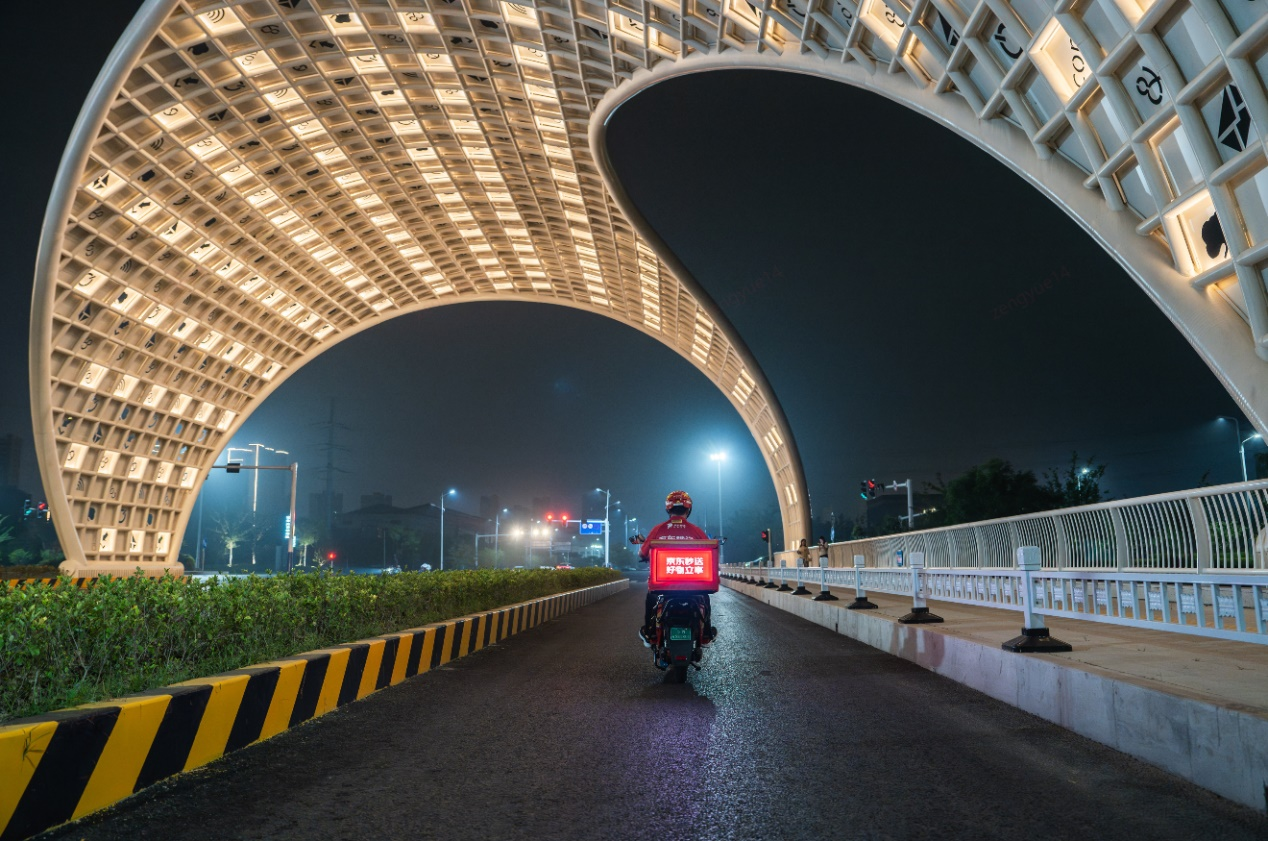
京东外卖全职骑手618装备升级:发光餐箱保温时长延长1倍,“闪电”系列定制车炫酷上路
Zhong Jin Zai Xian· 2025-06-17 09:17
Core Viewpoint - JD.com is enhancing its delivery service by upgrading the equipment of full-time delivery riders, focusing on professionalism, efficiency, and safety, with a pilot launch in Suqian and plans for nationwide rollout [1][8]. Group 1: Equipment Upgrades - The new luminous food delivery boxes extend the food insulation time by 100%, ensuring better food quality and taste, while also reducing safety risks during night deliveries [3]. - The "Lightning" series custom bikes are designed for delivery scenarios, featuring a streamlined body, high-performance motors, and advanced safety features, enhancing rider stability and safety [4]. - The new uniforms, including gold name badges and racing-style outfits, aim to boost the professional image of riders and convey a sense of speed and precision in service [6]. Group 2: Technological and Environmental Integration - The luminous food delivery boxes are made from eco-friendly materials, with a low thermal conductivity of 0.018 W/(m·K), ensuring sustainability and a longer lifespan [3]. - The custom bikes support multiple battery voltages and are designed for compatibility with battery swap stations, enhancing operational efficiency for riders [4]. - The overall upgrade reflects a commitment to integrating technology and environmental considerations into the delivery service, aiming to redefine the social value of riders [8].

邗江区:“力量下沉”助力垃圾分类治理
Xin Hua Ri Bao· 2025-06-17 07:02
Group 1 - The concept of "Green water and lush mountains are invaluable assets" emphasizes the dialectical relationship between ecological protection and economic development, leading to the increasing popularity of waste sorting in daily life [1] - In Yangzhou's Hanjiang District, a comprehensive waste sorting system is being established, involving community participation, property companies, and volunteer efforts to promote effective waste management [1] - The district encourages party members to take the lead in waste sorting initiatives, fostering a culture of environmental responsibility among residents [1] Group 2 - The "Green Movement Jinhuai: Low-Carbon Market" initiative in Jinhuai Village enhances resident engagement through immersive activities like "Old Goods Exchange for Green Plants" and "Environmental Knowledge Quiz," attracting over a hundred participants [2] - The implementation of a points system in Jinhuai Village has significantly improved the accuracy rate of waste sorting and resident participation [2] - Hanjiang District emphasizes closed-loop management of waste sorting, organizing joint efforts from various departments to ensure effective waste collection and transportation [2] Group 3 - All streets in Hanjiang District are transitioning from passive to active participation in waste sorting, with 232 residential communities achieving full coverage of waste sorting facilities [3] - Standardized "four-category" waste disposal stations have been established, some equipped with smart sensing devices, to facilitate effective waste management [3] - Regular environmental awareness campaigns are held in residential areas, promoting active participation and knowledge of waste sorting among residents [3]
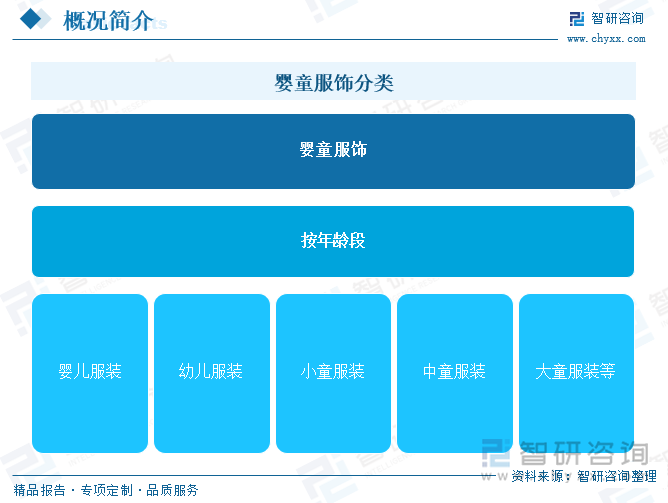
趋势研判!2025年中国婴童服饰行业产业链图谱、产业环境、市场规模及未来趋势:婴童服饰消费持续升级,产业规模稳步扩容超2600亿元[图]
Chan Ye Xin Xi Wang· 2025-06-12 01:18
Industry Overview - The baby and children's clothing industry caters to children aged 0-14 years, with a focus on quality and safety standards in design and production [1][4] - The market size of China's baby and children's clothing industry has grown from 157.08 billion yuan in 2016 to 260.7 billion yuan in 2024, reflecting a robust growth trend [1][12] Market Environment - The demand for baby and children's clothing is directly linked to birth rates and national fertility policies, with a projected increase in birth rates to 9.54 million in 2024 [6][10] - Despite a decline in birth rates in recent years, the rising costs associated with child-rearing have led to increased spending on baby and children's clothing, with average costs reaching 538,000 yuan per child [8][10] Competitive Landscape - The market is characterized by intense competition, featuring both domestic brands like Balabala and international brands such as Disney and Nike Kids [14][15] - Major players include Jinfa Labi, Semir, and Anner, with varying market shares and brand recognition [15][18] Development Trends - The market is expected to continue expanding, driven by increasing birth rates and a shift towards higher quality and more personalized clothing options [20] - Sales channels are diversifying, with a significant shift towards online platforms, while offline channels are innovating to enhance customer experience [21] - Technological innovation and environmental considerations are becoming key drivers of industry growth, with a focus on smart and eco-friendly products [22]