生态闭环

Search documents
九方智投以科技矩阵破局,让专业投资能力触达每一个需求场景
第一财经· 2025-06-11 12:53
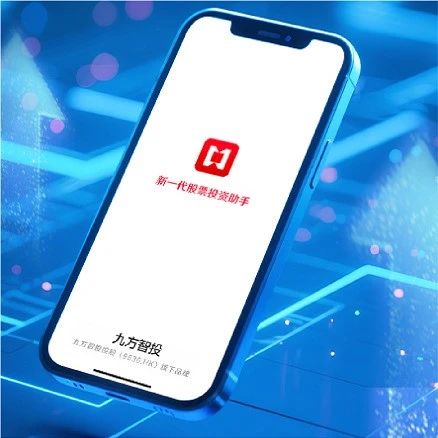
Core Viewpoint - The article emphasizes the rapid policy transmission and accelerated industry rotation in the A-share market, highlighting the challenges faced by ordinary investors in information selection, trading processes, and strategy adaptation. Jiufang Zhitu's integrated solution of "precise research + scientific decision-making + systematic learning" aims to help investors navigate these challenges and build differentiated advantages in the fluctuating stock market [1]. Group 1: Product Matrix and Solutions - Jiufang Zhitu has developed a stock market software that operates on both mobile and desktop platforms, focusing on "market insights, intelligent decision-making, and interactive experience." The software automatically organizes thousands of financial news daily, filtering core value information to help users quickly identify investment directions [3]. - The company has also created the first stock learning machine in the industry, which integrates hardware, AI, and research capabilities. This device offers six modules, including courses, live broadcasts, news, market data, and intelligent investment advice, catering to investors' learning and practical application needs [4]. Group 2: Functionality and Ecosystem - The stock market software has evolved from a single tool to an ecological closed loop, addressing the significant impact of policies, emotional trading by retail investors, and rapid industry rotation in the A-share market. It utilizes AI algorithms and big data technology to provide multidimensional investment references [9]. - The software integrates resources from Jiufang Zhitu's financial research institute, offering in-depth research reports and industry analyses to help investors understand market trends. It also features an intelligent investment assistant, "Jiugo," providing eight core services, including market analysis and sector tracking [9][10]. Group 3: Learning and Practical Application - The integration of the stock market software with the stock learning machine allows investors to watch professional courses and participate in live interactions on a larger screen, facilitating seamless learning and practical application [10]. - Recent upgrades to the software include enhancements to strategy tools, such as the "Shouyang Shouban" and "Boduan Zhi Xing," which provide intelligent signals for short-term opportunities in technology and policy-driven stocks [10][11]. Group 4: Comprehensive Investment Platform - Jiufang Zhitu's stock market software has transformed from a mere market display tool to a comprehensive investment platform, aggregating resources across its entire product line, including market data, news, live broadcasts, and investment advisory services [12][13]. - The company aims to create a "smart investment advisory service system" that addresses the complexities of market information and scene limitations, establishing a new benchmark for comprehensive research ecosystems in the industry [13].

华为、小米为什么下场做AI手表?
AI研究所· 2025-06-06 10:21
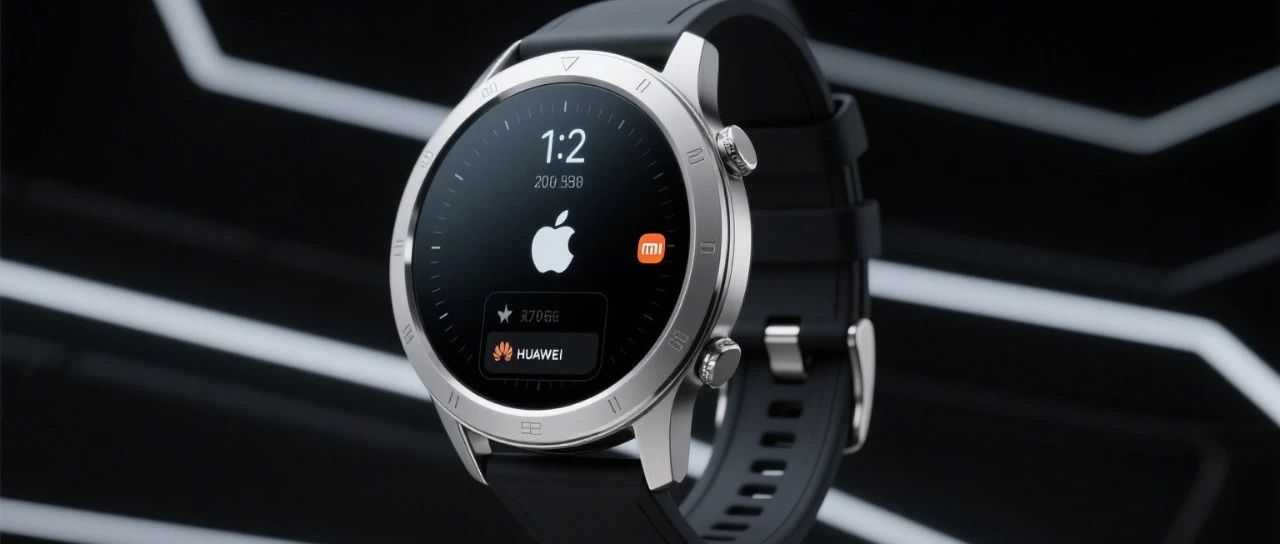
Core Viewpoint - The competition among smartphone manufacturers in the smartwatch market is intensifying, with companies like Xiaomi, Huawei, and Apple launching new products to capture market share amid declining smartphone sales [1][2][4]. Group 1: Market Dynamics - The global smartphone market has seen a continuous decline, with a year-on-year drop of 8% in Q3 2023, marking the worst performance in nearly a decade [5]. - In contrast, the smartwatch market is thriving, with a year-on-year growth of 13% in Q2 2024, indicating a shift in focus for smartphone manufacturers [5]. Group 2: Ecosystem Development - Building a complete ecosystem is crucial for tech giants, with smartwatches becoming an integral part of this strategy due to their connectivity and user engagement [6]. - Apple has sold over 300 million Apple Watches since its launch, creating a strong ecosystem that enhances user loyalty and experience [7][9]. - Huawei's smartwatches, like the WATCH FIT 3, leverage the HarmonyOS to provide seamless integration with other Huawei devices, enhancing user convenience [11]. - Xiaomi's smartwatches contribute to its IoT ecosystem, with a 20.3% year-on-year revenue growth in IoT and lifestyle products, driven by wearable devices [12]. Group 3: Supply Chain and Profitability - Smartphone manufacturers have inherent advantages in supply chain management when entering the smartwatch market, allowing them to reduce costs through existing supplier relationships [14][15]. - Key components like chips and displays are shared between smartphones and smartwatches, enabling manufacturers to leverage their established supply chains for competitive pricing [14][18]. - Apple's proprietary S-series chips provide a performance edge for its smartwatches, while Huawei focuses on developing its Kirin chips to enhance performance and reduce dependency on external suppliers [18][20]. - Market share expansion is vital for long-term profitability, as it allows manufacturers to achieve economies of scale and improve bargaining power with suppliers [21]. - The smartwatch market also offers opportunities for software and service revenue, with companies like Apple and Huawei expanding their ecosystems through paid applications and services [22]. Group 4: Future Outlook - The global smartwatch market is projected to grow, with a 13% year-on-year increase in Q1 2025, driven by various price segments [23]. - In China, the fastest-growing price segments for smartwatches are between ¥500-1000, ¥1000-1500, and ¥1500-2000, with growth rates of 83.1%, 112.3%, and 77.0% respectively [23]. - The competition in the smartwatch market will hinge on meeting user needs, optimizing ecosystems, and innovating business models to succeed in this emerging market [24].


苹果打起价格战,国产手机只能靠边站
Tai Mei Ti A P P· 2025-05-30 08:33
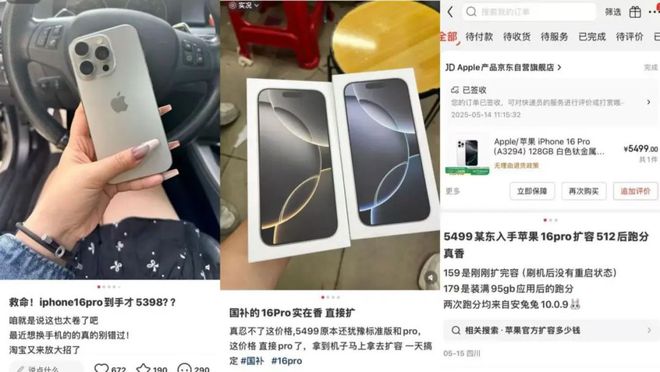
Core Insights - Apple has successfully regained market share in China with the iPhone 16 Pro, achieving a significant increase in activation rates due to a strategic price reduction [3][4] - The price drop has led to a surge in sales, with the iPhone 16 Pro activating 520,000 units in week 20 of 2025, nearly 3.8 times the previous week, while the Pro Max model saw a 100% increase [3][4] - Despite a strong sentiment for supporting domestic brands, consumer purchasing behavior shows a preference for Apple products, with over 63% of consumers choosing Apple when price is comparable [6][7] Market Dynamics - Apple's market share in China reached 21.5%, surpassing domestic brands like Huawei and Xiaomi, marking a return to the top position after several quarters [4] - The price strategy is seen as a response to the competitive pressure from high-end domestic models and aims to build momentum ahead of major sales events [4][8] - Domestic brands face challenges in high-end market profitability due to Apple's pricing strategy, which diminishes the perceived value of similar-priced domestic models [8][9] Consumer Behavior - Consumers express a desire to support domestic brands but often choose Apple due to its ecosystem and user experience, which are perceived as superior [6][7] - The integration of Apple products creates a seamless user experience that is difficult for domestic brands to replicate, leading to a loyalty that transcends price considerations [6][12] Competitive Landscape - Domestic brands are struggling with a "three dilemmas" situation: profit pressure in the high-end market, ecological shortcomings compared to iOS, and challenges in the mid-to-low-end market [8][9] - The competition is shifting towards AI capabilities and innovative scenarios, with domestic brands exploring new user experiences that Apple has not yet addressed [11][12] - The future of competition may hinge on who can redefine the smartphone experience, with AI and integrated ecosystems becoming critical factors [13][14] Strategic Recommendations - Domestic brands need to focus on creating a comprehensive ecosystem that can rival Apple's, emphasizing seamless integration across devices and services [11][12] - Innovations in AI and unique user scenarios could provide domestic brands with opportunities to differentiate themselves from Apple [12][13] - The path to success for domestic brands lies not in competing on hardware alone but in establishing a compelling reason for users to switch from Apple [15][16]
小米3nm自研芯片成色几何?
Zheng Quan Shi Bao Wang· 2025-05-21 12:13
Core Insights - Xiaomi's self-developed SoC chip, "Xuanjie O1," is set to be released soon, marking a significant step in the company's chip development journey [1][3] - The chip has achieved mass production using advanced 3nm process technology, positioning Xiaomi among the top four companies globally to release such a chip [3][5] - Xiaomi's substantial investment in chip R&D, exceeding 135 billion yuan, highlights its commitment to advancing semiconductor technology in China [4][11] Investment and Market Impact - Following the announcement of the Xuanjie O1, Xiaomi's stock experienced notable movements in both Hong Kong and A-share markets [2] - The chip's performance metrics, with single-core scores of 2709 and multi-core scores of 8125, indicate competitive capabilities against Qualcomm's Snapdragon 8 Gen 3 [5][12] - Xiaomi's strategy includes leveraging self-developed chips to enhance its ecosystem, potentially linking smartphones with smart home products and electric vehicles [10][11] Industry Position and Future Outlook - Xiaomi is recognized as the second Chinese manufacturer after Huawei to achieve mass production of flagship SoC chips [5] - The company ranks among the top three in terms of R&D investment and team size in the domestic semiconductor design sector [4] - Despite advancements, challenges remain in developing integrated baseband chips, with Xiaomi expected to continue using third-party solutions in the near term [6][9] Competitive Landscape - Qualcomm's CEO stated that Xiaomi's self-developed chips are not expected to disrupt Qualcomm's business, as the latter will continue to supply chips for Xiaomi's flagship devices [5] - The collaboration between Xiaomi and Qualcomm is set to continue, with plans to advance AI edge devices together [5][9] - The competitive landscape in the smartphone market shows Xiaomi regaining its position as a leader, with a 19% market share in Q1 2025 [12]

付费用户破1.2亿,月活连跌14季,腾讯音乐的“甜蜜”与“焦虑”
3 6 Ke· 2025-05-14 10:42
Core Insights - Tencent Music reported impressive financial results for Q1 2025, with revenue of 7.36 billion yuan and net profit of 2.23 billion yuan, driven primarily by online music services which accounted for nearly 80% of total revenue [1][2] - Despite financial growth, Tencent Music faces significant challenges with a continuous decline in active users for 14 consecutive quarters, with a current monthly active user count of 555 million [2][3] - The competitive landscape is shifting from copyright battles to ecosystem integration, with rivals like ByteDance's "Soda Music" and NetEase Cloud Music posing increasing threats [1][3] Financial Performance - Tencent Music's Q1 2025 revenue grew by 8.7% year-on-year, while adjusted net profit increased by 22.8% [2] - Online music service revenue reached 5.8 billion yuan, with subscription revenue at 4.22 billion yuan, reflecting year-on-year growth of 15.9% and 16.6% respectively [2] - The number of paying users rose by 8.3% year-on-year to 122.9 million, with average revenue per paying user (ARPPU) increasing from 10.6 yuan to 11.4 yuan [2] User Base Challenges - Tencent Music's monthly active user count has been declining since Q4 2021, with a loss of 1 million users in Q1 2025 [2][3] - The market is witnessing a shift in user payment behavior, with 48.6% of users only occasionally paying for music, indicating that the payment model is not fully matured [3] Competitive Landscape - The social entertainment segment of Tencent Music is under pressure, with revenue declining by 11.9% year-on-year to 1.55 billion yuan [6] - Competitors like Soda Music are rapidly gaining traction, with nearly 100 million monthly active users and a strong presence among the younger demographic [3][6] - Tencent Music's content strategy includes partnerships with major music labels and independent artists, but it faces stiff competition from NetEase Cloud Music, which has also expanded its content library significantly [5][6] Future Growth Opportunities - Tencent Music is reportedly considering acquiring Ximalaya, which could enhance its position in the in-car audio market and diversify its content offerings [7][8] - The company is focusing on the in-car music consumption market, which is becoming increasingly competitive, with rivals like NetEase Cloud Music and Ximalaya also targeting this segment [7][8] - The success of Tencent Music's audio drama "Tomb Raider Notes" indicates potential in the audio content space, showcasing the platform's ability to attract users with diverse content [9]

付费用户破1.2亿,月活连跌14季,腾讯音乐的“甜蜜”与“焦虑”
美股研究社· 2025-05-14 10:28
Core Viewpoint - The global music industry is experiencing intense competition driven by new technologies like AI composition and metaverse concerts, while Tencent Music, a "hidden champion" in China's digital music market, reported impressive financial results for Q1 2025, with revenue of 7.36 billion yuan and net profit of 2.23 billion yuan, with online music revenue approaching 80% of total revenue [1][3] Financial Performance - Tencent Music's Q1 2025 financial report shows a revenue of 7.36 billion yuan, a year-on-year increase of 8.7%, and an adjusted net profit of 2.23 billion yuan, up 22.8% year-on-year [3] - Online music service revenue reached 5.8 billion yuan, with subscription revenue at 4.22 billion yuan, reflecting year-on-year growth of 15.9% and 16.6% respectively [3] - The number of paid users grew by 8.3% year-on-year to 122.9 million, with average revenue per paid user (ARPPU) increasing from 10.6 yuan to 11.4 yuan [3] User Base Challenges - Despite financial growth, Tencent Music faces significant challenges in maintaining its user base, with monthly active users declining for 14 consecutive quarters, currently at 555 million, after a loss of 1 million users in Q1 2025 [3][5] - The rise of competitors like ByteDance's "Soda Music" and NetEase Cloud Music, which leverage community engagement and free listening models, poses a threat to Tencent Music's user retention [1][4] Competitive Landscape - The competition in the digital music market has shifted from copyright battles to ecosystem integration, with a focus on user experience and value delivery [1][7] - Tencent Music has accumulated over 260 million licensed and co-created music tracks and registered 580,000 independent musicians, enhancing its content library [7] - Competitors like NetEase Cloud Music and Soda Music are also expanding their content offerings and user engagement strategies, with significant user growth and content contributions [8] Future Growth Opportunities - Tencent Music is exploring strategic acquisitions, such as a potential purchase of Ximalaya, to strengthen its position in the in-car audio market and diversify its content offerings [11][12] - The in-car music consumption market is becoming increasingly competitive, with both Tencent Music and NetEase Cloud Music vying for market share [10][12] - The company needs to balance between extracting value from existing users and creating new growth opportunities through innovative content and technology integration [12][13]
宁德时代拟收购蔚来能源控股权? 专家分析:如达成合作双赢
Cai Jing Wang· 2025-04-09 09:28
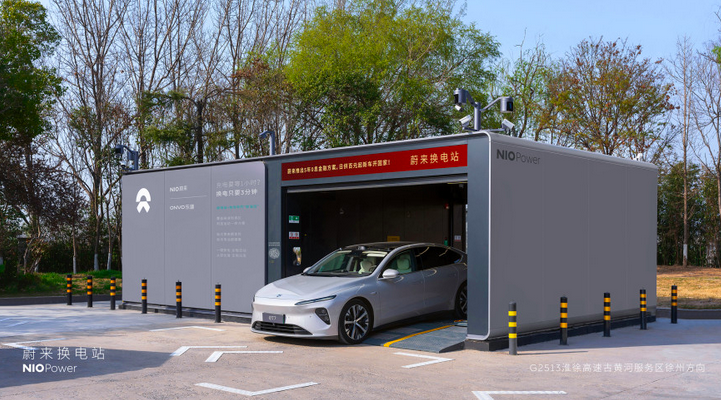
Core Viewpoint - CATL is in talks to acquire a controlling stake in NIO's battery swapping business, NIO Energy, which operates the largest battery swapping network in China, with 3,246 stations built by April 2025, covering over 700 cities [1][2] Group 1: Acquisition Talks - CATL has proposed to acquire a controlling stake in NIO Energy following a strategic investment of up to 2.5 billion yuan [2] - NIO Energy is valued at over 10 billion yuan in its upcoming financing round [2] - Both companies have previously signed a strategic agreement to unify battery swapping standards and share network resources [1][4] Group 2: Investment and Expansion Plans - CATL plans to invest up to 2.5 billion yuan in NIO Energy and aims to build 10,000 battery swapping stations, targeting to replace one-third of China's gas stations [2] - CATL's long-term goal includes establishing 30,000 to 40,000 battery swapping stations [2] - The company holds a 37% share of the global power battery market and aims to create an ecological closed loop by integrating the industry chain [2] Group 3: Financial Performance and Challenges - NIO reported a revenue of 65.73 billion yuan in 2024, an 18.2% increase year-on-year, but faced a net loss of 22.4 billion yuan, widening by 8.1% [6] - The construction costs for NIO's battery swapping stations range from 1 million to 3 million yuan, indicating a significant financial burden [5][6] - NIO has been actively forming partnerships with other automakers to share the cost pressures associated with battery swapping [6]


2025出海,钱塘先行|中企国际服务中心正式启动运营!
36氪· 2025-03-25 13:05
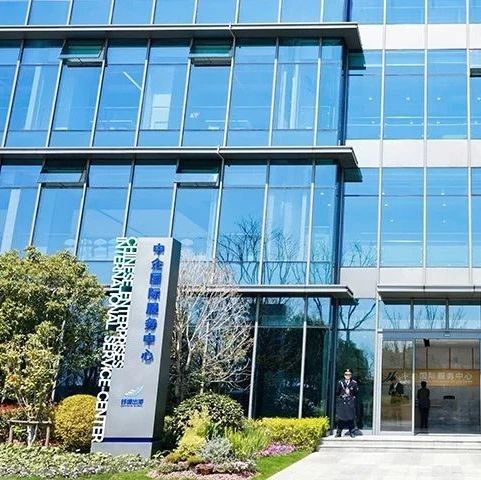
Core Viewpoint - The establishment of the China Enterprise International Service Center in Qiantang District aims to support companies in their global expansion efforts, addressing the increasing demand for specialized international services amid globalization [3][5]. Group 1: Launch and Objectives - The launch event for the China Enterprise International Service Center took place on March 21, 2025, focusing on creating an ecosystem for companies going global and addressing localization challenges in emerging markets [3][6]. - The center's mission is to significantly aid enterprises in expanding their global market presence, with expectations for robust development and achievements [3][5]. Group 2: Service Ecosystem Development - The center has launched an official website and mini-program, providing a platform for service providers and enterprises to interact efficiently, enhancing the center's service capabilities [7]. - A strategic partnership was formed with the establishment of the "BRICS Special Economic Zone Cooperation Research Institute" at Zhejiang International Studies University, marking a milestone in building a collaborative ecosystem for international business [9]. Group 3: Challenges and Solutions in Global Expansion - The concept of an "ecological closed loop" for enterprises going abroad is emphasized as a crucial strategy, with legal complexities and geopolitical risks being significant considerations [12][15]. - Companies face various challenges such as market competition, legal compliance, and cultural differences, necessitating effective solutions from service providers [15][17]. Group 4: Localization and Market Integration - Successful market entry into emerging markets requires a deep understanding of local conditions, including service chain localization and talent integration [26][31]. - Companies are encouraged to build cross-regional risk monitoring systems and collaborate with local partners to mitigate operational risks [29][35]. Group 5: Future Directions and Strategic Focus - The China Enterprise International Service Center will continue to promote methodologies for going global, focusing on industries like intelligent manufacturing and digital economy, while linking with international resources [37].