科创投资

Search documents
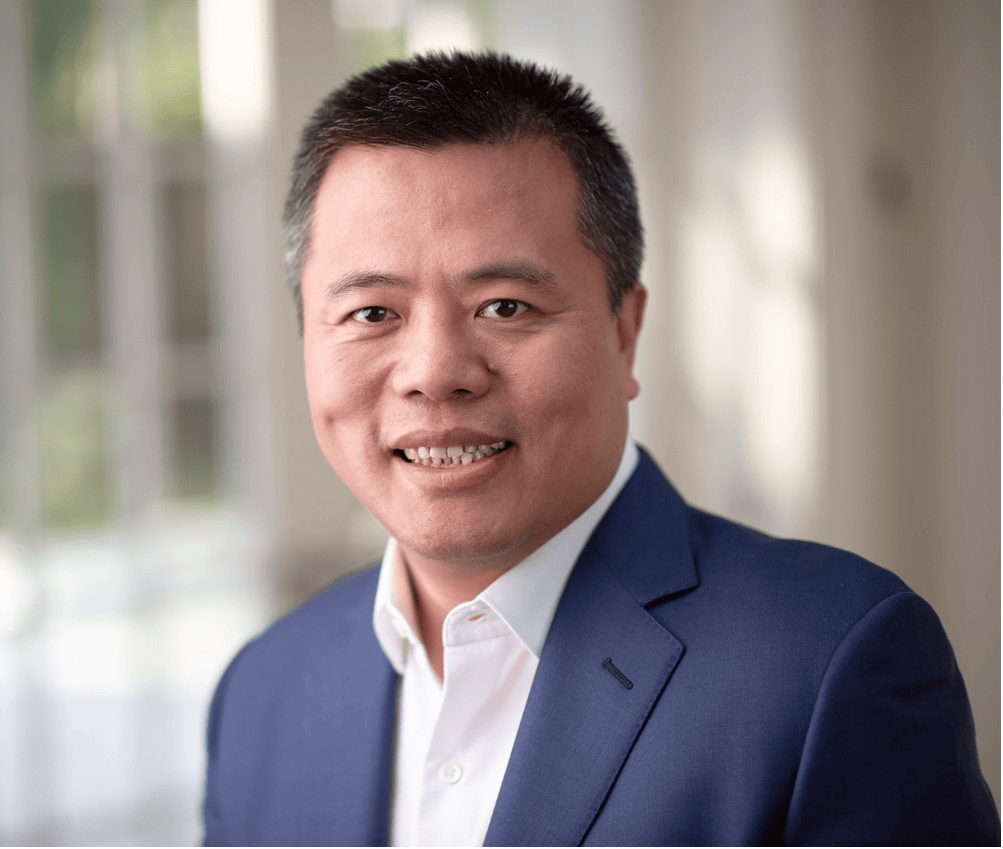
陈天桥罕见公开呼吁: 科创投资不要沿用互联网套路
Sou Hu Cai Jing· 2025-07-23 09:43
Group 1 - Chen Tianqiao, a prominent entrepreneur and philanthropist, emphasizes the rapid development of the brain-computer interface (BCI) industry in China, particularly in Shanghai, which is becoming a technology center for this field [2][3] - Brain Tiger Technology, founded by Tao Hu, is recognized as a leading company in China's invasive BCI sector, having received significant support from local government and institutions [3][8] - The company has achieved notable accolades, including the highest award at the World Artificial Intelligence Conference, highlighting its impact in the industry [3] Group 2 - Chen Tianqiao advocates for a patient investment approach in the hard technology sector, contrasting it with the fast-paced returns typical of internet investments [4][5] - He cites Neuralink as an example of a company that took years to generate revenue, underscoring the need for long-term support in BCI development [4] - The investment community is encouraged to provide stable backing for innovative companies like Brain Tiger, focusing on understanding the industry and technology rather than seeking immediate returns [4][5] Group 3 - The rise of hard technology has brought attention to scientists starting their own ventures, although some face challenges in commercialization and management [6][7] - Chen Tianqiao highlights the importance of a supportive innovation ecosystem for scientists transitioning to entrepreneurship, beyond just financial backing [9] - Recent breakthroughs by Brain Tiger in real-time language and motion decoding have been recognized internationally, showcasing the company's technological advancements [8][9]

工银投资、深投控等成立科创私募基金 出资额20亿
news flash· 2025-07-01 07:32
Core Viewpoint - The establishment of a private equity fund focused on technology innovation with a total investment of 2 billion RMB indicates a growing interest in supporting tech startups and innovation-driven companies in the market [1] Group 1: Fund Details - The newly formed private equity fund is named Shenzhen Deep Investment Control Gongrong Technology Innovation Private Equity Fund Partnership (Limited Partnership) [1] - The fund's managing partners include Shenzhen Investment Control Capital Co., Ltd. and ICBC Capital Management Co., Ltd. [1] - The fund's operational scope encompasses private equity investments, investment management, and asset management activities [1] Group 2: Investment Contributors - The fund is jointly funded by ICBC Financial Asset Investment Co., Ltd., Shenzhen Investment Control Bay Area Equity Investment Fund Partnership (Limited Partnership), and Shenzhen Luohu Investment Holding Co., Ltd. [1] - The total contribution to the fund amounts to 2 billion RMB, highlighting significant financial backing from multiple entities [1]
江城基金:做科创种子企业的“陪跑者”
Chang Jiang Ri Bao· 2025-06-20 02:04
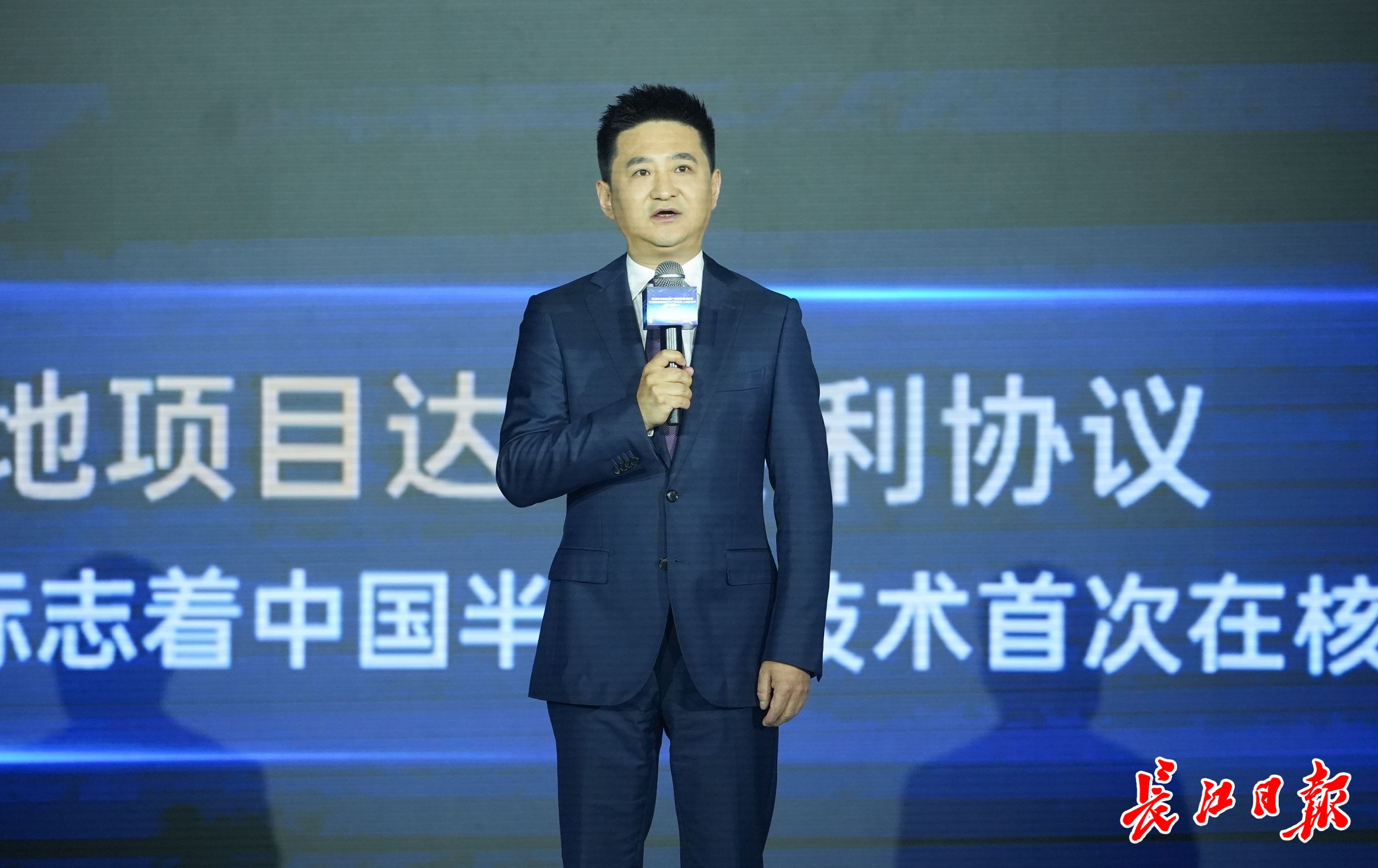
Group 1 - The core strategy of Jiangcheng Fund is to invest 1 billion yuan over three years, targeting 100 local technology innovation seed enterprises annually [1] - Jiangcheng Fund recently invested in a semiconductor advanced materials company, emphasizing the importance of the founding team's reliability, clear goals, and strong execution capabilities [3] - The fund aims to nurture 20 specialized and innovative enterprises, 5 to 8 potential public companies, and 1 to 3 listed companies, supporting the entire process from incubation to capital market listing [3] Group 2 - The establishment of the Jiangcheng Chuangzhi Fund with a total scale of 500 million yuan in November 2024 focuses on local technology innovation seed enterprises, identifying 364 quality projects [4] - Jiangcheng Fund has completed internal investment decision processes for 13 companies, with a total investment exceeding 30 million yuan, covering various sectors including chip design and advanced packaging [4] - The "10 billion 100 enterprises venture capital plan" launched in April aims to address the market investment gaps in seed, angel, and venture capital stages, promoting local technological innovation and industrial upgrading [4]
制度包容性提升 科创投资发展预期进一步增强
Zheng Quan Shi Bao· 2025-06-17 18:15
Group 1 - The core viewpoint of the article emphasizes the positive impact of the "Eight Measures for Deepening the Reform of the Sci-Tech Innovation Board" on venture capital institutions, enhancing their development expectations and providing better exit channels for investments [1][2] - The "Eight Measures" support the listing of unprofitable companies with key technologies and market potential, which aligns with the investment focus of many venture capital firms [1][3] - The article highlights that the recent IPO projects accepted under the new measures, such as Xi'an Yicai and Angrui Micro, are investments from venture capital firms, indicating a more optimistic outlook for the industry [1][2] Group 2 - The measures also encourage mergers and acquisitions among listed companies on the Sci-Tech Innovation Board, particularly targeting high-quality unprofitable "hard tech" companies, which could serve as potential exit channels for venture capital [2][3] - Industry experts suggest that while mergers and acquisitions present opportunities, they also come with complexities and uncertainties that need to be addressed by regulatory bodies [2] - The article notes that the penetration rate of venture capital institutions behind listed companies on the Sci-Tech Innovation Board reached 100% in the first half of 2024, indicating a strong integration of venture capital in the market [2] Group 3 - The article discusses the importance of a supportive policy environment for high-investment, high-risk, and long-cycle technology innovation enterprises, which is crucial for their sustainable development [3] - It suggests that enhancing the inclusiveness of the system can significantly stimulate market vitality and calls for improved evaluation systems for unprofitable tech companies [3] - There is a general expectation among venture capital firms for continuous policy support for sci-tech enterprises seeking IPOs on the Sci-Tech Innovation Board, particularly for those in the biopharmaceutical sector [3]
2025投资人真心话:这活,真不好干!
FOFWEEKLY· 2025-06-09 09:20
Core Viewpoint - The private equity investment industry is facing significant challenges, with a drastic reduction in the number of active private institutions, leading to a potential decline in the overall market landscape [4][5][7]. Group 1: Industry Overview - The private equity industry in China has evolved over nearly 25 years, with the number of registered institutions peaking at around 30,000, but now likely reduced to about 100 active firms [4][5]. - Most private equity firms are small or micro-sized, with very few exceeding a management scale of 10 billion yuan [6][7]. - The majority of private equity firms are in a "zombie" state, with many not actively managing funds or investments [7][12]. Group 2: Investment Stages and Valuation - The most suitable investment stage for private micro and small GP firms is in the seed, angel, and pre-A round projects, where competition is high and requires significant effort to identify viable opportunities [7][9]. - Early-stage investment valuations in China range from 30 million to 120 million yuan, often inflated due to high-profile founders and investor involvement, leading to potential future funding difficulties [9][10]. - High valuations can create a mismatch between financial performance and investor expectations, increasing the risk of project failures [9][10]. Group 3: Funding Dynamics - The current market dynamics show that while many funds are available, the willingness to lead investments is declining, with most funds preferring to follow rather than lead [12][23]. - The funding landscape is heavily influenced by state-owned and mixed-ownership funds, which dominate later-stage investments, making it challenging for private firms to secure funding [10][12]. Group 4: Survival Strategies for Small Firms - Small and micro private equity firms need to focus on their strengths and establish a strong presence in specific sectors to attract funding from local governments and listed companies [23][24]. - Building a local base of operations is crucial for small firms to secure funding and support from regional investors [24][26]. - The survival of these firms will depend on their ability to navigate the changing landscape and adapt to the evolving needs of the investment market [26][27].

探路科创投资要看重长期成长
Jing Ji Ri Bao· 2025-05-15 22:11
Core Viewpoint - The establishment of Financial Asset Investment Companies (AIC) by commercial banks is set to expand equity financing channels for technology enterprises, providing more incremental funds to the equity investment market and creating new opportunities for "debt-equity linkage" financing models [1][2]. Group 1: Expansion of Equity Financing - The National Financial Regulatory Administration announced the approval for national commercial banks to establish AICs, which will enhance the equity investment market [1]. - Five major state-owned commercial banks have already set up AICs, with pilot projects expanding to 18 cities, resulting in signed intent amounts exceeding 380 billion yuan [1]. Group 2: Debt-Equity Linkage Opportunities - The AICs will facilitate the exploration of new financing models that combine the advantages of bank credit and equity investment, particularly benefiting technology enterprises and startups [1][2]. - The focus will be on creating a financing model that aligns with the characteristics of high-risk, high-reward technology firms [2]. Group 3: Investment Research and Performance Assessment - Investment institutions need to enhance their research capabilities to identify and nurture high-quality enterprises, ensuring that funds can be patient and supportive of growth [2]. - There is a need to optimize performance assessment mechanisms by extending evaluation periods to account for the growth cycles of enterprises and industry fluctuations, shifting the focus from debt safety to profitability analysis [3].
130亿,险资大佬下场了
投中网· 2025-05-14 06:48
Core Viewpoint - The article highlights the increasing involvement of insurance capital in supporting technological innovation investments, particularly through the establishment of large-scale funds by major players in the insurance industry [4][12]. Group 1: Fund Establishment and Scale - China People's Insurance Group's subsidiary, Renbao Capital, has partnered with China-Italy Asset Management to establish a new fund with a scale of 13 billion RMB (approximately 1.3 billion USD) [4][6]. - The new fund, named "Beijing Baoshichengyuan Equity Investment Partnership (Limited Partnership)," has a total scale of 130.01 billion RMB, with Renbao Capital contributing 10 billion RMB and China-Italy Asset Management contributing 3 billion RMB [6][8]. Group 2: Insurance Capital's Investment Strategy - The recent regulatory changes by the National Financial Supervision Administration encourage insurance funds to increase their investments in strategic emerging industries, indicating a long-term commitment to supporting technological innovation [4][11]. - Insurance capital has been actively involved in direct investments, with notable investments in companies like Ant Group, Changxin Technology, and various biomedical projects [7][12]. Group 3: Historical Context and Regulatory Support - The article outlines the evolution of insurance capital's involvement in equity investments, starting from regulatory relaxations in 2010 that allowed insurance companies to directly engage in private equity investments [10]. - Recent documents from the National Financial Supervision Administration emphasize the role of insurance funds in supporting national technological innovation and industrial upgrades, reflecting a growing trend in the industry [11][12]. Group 4: Other Major Players - Other significant players in the insurance sector, such as China Insurance and Ping An Life, have also established large investment funds, indicating a broader trend of insurance capital entering the primary market [12]. - For instance, China Insurance set up a fund with a contribution of 20 billion RMB, while Ping An Life established a 10 billion RMB fund aimed at infrastructure projects [12].

唐兴资本:睿见果敢,洞察投资项目潜藏的巨大价值
Sou Hu Cai Jing· 2025-05-02 02:58
Group 1 - The emergence of DeepSeek, a large model comparable to ChatGPT, has created significant waves in the global technology and capital markets, igniting enthusiasm for innovation and investment opportunities in the tech sector [3] - Tangxing Capital focuses on discovering and nurturing high-growth potential hard tech companies, aiming to drive industrial upgrades and regional economic development through a comprehensive support system [3][4] - The investment team at Tangxing Capital possesses deep industry backgrounds and professional investment capabilities, allowing them to accurately grasp technology development trends and identify quality projects [3][4] Group 2 - Young entrepreneurs like Liang Wenfeng and Wang Xingxing exemplify the characteristics of contemporary tech leaders, showcasing strong learning abilities and rapid application of new technologies [4][5] - These entrepreneurs break traditional thinking and industry boundaries, integrating resources across sectors to create new application scenarios and business models [5][6] - Key traits admired in successful entrepreneurs include innovation spirit, cross-disciplinary integration ability, strategic vision, and focus on core business areas [6] Group 3 - The investment style of Tangxing Capital is characterized by "insightful decisiveness," emphasizing the ability to quickly identify and act on investment opportunities [7] - A notable investment decision involved a significant investment in Plater, a key player in the 3D printing industry, despite market uncertainties, which later yielded a tenfold return [9] - Plater's technology addresses complex manufacturing needs in aerospace, automotive, and medical sectors, significantly contributing to China's manufacturing transformation [8][9] Group 4 - The current bull market is driven by a combination of macroeconomic stability, loose monetary policy, and positive market sentiment, creating a conducive environment for investment [10][11] - The bull market enhances the financing environment for primary markets, encouraging entrepreneurship and accelerating company growth through increased funding [12][13] - The interaction between primary and secondary markets fosters a cycle of investment and exit opportunities, optimizing resource allocation and enhancing economic vitality [14]


九安医疗(002432) - 002432九安医疗投资者关系管理信息20250429
2025-04-29 13:02
Group 1: Company Strategy and Market Position - The company has two core strategies: leveraging the iHealth brand for competitive products and advancing the "O+O" model for diabetes care using AI and IoT technologies [3] - The diabetes care business generated revenue of 76.16 million yuan in 2024, covering 394 hospitals and approximately 329,000 patients in China, and 74 clinics with about 20,000 patients in the U.S. [6] - The company plans to enhance its AI capabilities in diabetes management and expand its services to cover multiple chronic diseases, aiming to evolve into an "AI family doctor" [8][26] Group 2: Product Development and Market Demand - The demand for respiratory virus screening products in the U.S. remains strong, with annual flu infections between 20 million and 40 million, driving consistent market needs [4] - The company is actively developing an AI-powered hearing aid, expected to undergo registration preparations by the end of this year [9] - The iHealth brand is expanding its product line, including home medical devices and IVD products, with a focus on self-testing kits for various viruses [17] Group 3: Financial Performance and Asset Management - As of the end of 2024, the company's asset allocation includes 2.2% cash, 65.2% fixed income, 19.3% public equity, 11.7% private equity, and 1.6% hedge funds [13] - The company has conducted stock buybacks totaling approximately 2.479 billion yuan, with plans for additional buybacks between 250 million and 500 million yuan [20][29] - The company reported a net profit of 266 million yuan in Q1 2025, a 7.62% increase from the previous year [33] Group 4: Research and Development Investments - The company is investing in AI-related projects, including the "AIoT family doctor" initiative and continuous glucose monitoring systems (CGMS), with significant R&D expenditures anticipated [18][25] - The CGMS project is currently in clinical trials in China, with plans to increase investment in 2025 to enhance market competitiveness [15][22] - The company aims to diversify its product offerings in chronic disease management, leveraging accumulated health data from over 329,000 diabetes patients [26]

参与设立科创基金,这家险企投8亿元!
券商中国· 2025-04-12 08:51
Core Viewpoint - Insurance capital is actively investing in the technology innovation sector through equity funds, exemplified by the establishment of the Shanghai Technology Innovation Phase III Fund, which aims to support strategic emerging industries and high-tech sectors [1][2][5]. Group 1: Fund Establishment and Investment Details - China Pacific Insurance (CPIC) has committed to contribute 800 million yuan to the Shanghai Technology Innovation Phase III Fund, which has a total planned contribution of 8 billion yuan [3][5]. - The fund's total subscription amount is set at 8 billion yuan, with eight companies collectively pledging 3.201 billion yuan so far, all in cash [5]. - The fund focuses on strategic emerging industries such as new-generation information technology, biomedicine, advanced manufacturing, and environmental new energy [5][6]. Group 2: Fund Duration and Profit Distribution - The fund has a lifespan of eight years, consisting of a four-year investment period and a four-year exit period, with the possibility of extension [5]. - Investment returns will be distributed among partners based on their participation ratio in the projects [5]. Group 3: Broader Investment Trends in the Insurance Sector - CPIC has previously participated in the Shanghai Technology Innovation Phase II Fund in 2021, holding a 25% investment share, with a reported investment balance of 1.454 billion yuan by the end of 2024 [8]. - The insurance sector is increasingly exploring equity investments, particularly in areas closely related to its core business, such as health and wellness, as well as in sectors supported by national strategies like new energy and technology manufacturing [9][10]. Group 4: Regulatory Environment and Future Outlook - The Financial Regulatory Authority has expanded the scope of major equity investments by insurance funds to include technology and big data industries, encouraging greater investment in strategic emerging industries [11][12]. - The authority aims to enhance the management of equity investments and ensure that insurance institutions fulfill their responsibilities effectively [13][14].