美国梦

Search documents
特朗普:所有空中交通管制员须立即返岗;台风“凤凰”致菲律宾逾235万人受灾;教育部发布8条措施为中小学教师减负丨早报
Di Yi Cai Jing· 2025-11-11 00:30
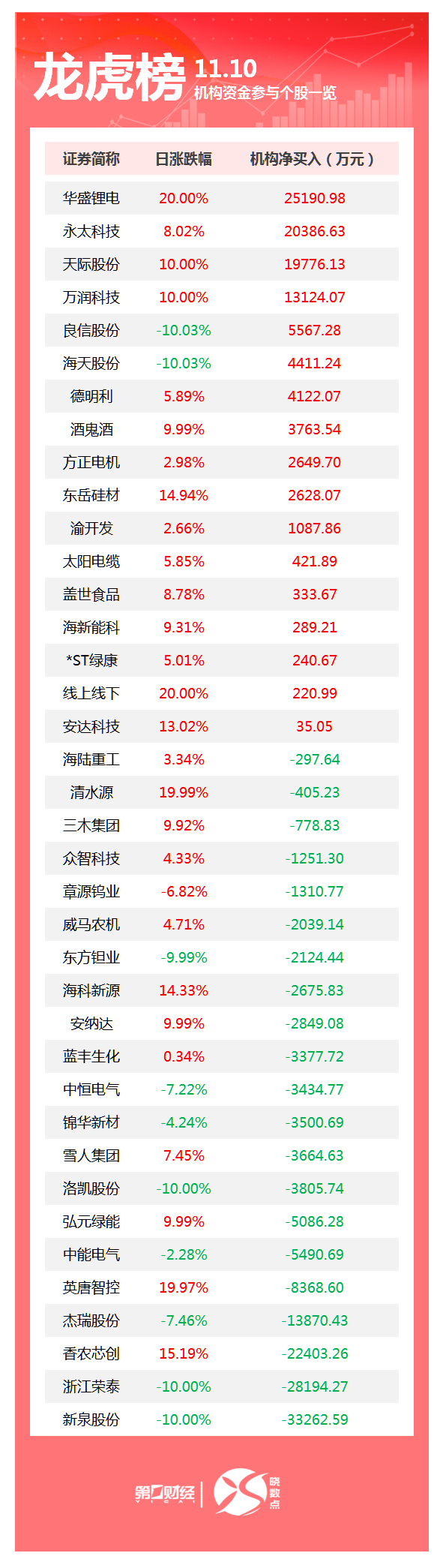
Group 1 - The U.S. President Trump has mandated that all air traffic controllers must return to work immediately, threatening severe penalties for non-compliance. He also proposed a $10,000 bonus for those who did not take leave during the government shutdown [2] - The Philippines has reported 6 fatalities and over 2.35 million people affected due to Typhoon "Phoenix" [3] - The Ministry of Education in China has issued 8 measures aimed at reducing the non-educational workload of primary and secondary school teachers, focusing on streamlining administrative tasks and improving support for after-school services [4] Group 2 - Berkshire Hathaway's CEO Warren Buffett announced plans to reduce public activities after stepping down at the end of the year, while reaffirming his commitment to the American Dream and increasing charitable contributions [5] - The Chinese government has introduced 13 new measures to encourage private investment in key sectors such as railways and nuclear power, aiming to stimulate private sector participation in infrastructure projects [6] - The FBI Director's visit to China to discuss fentanyl issues was not confirmed by the Chinese Foreign Ministry, while the U.S. announced a suspension of certain trade investigations against China, indicating a move towards cooperation [7][8] Group 3 - The National Development and Reform Commission in China has released a plan to promote the open sharing of logistics data to reduce overall logistics costs and enhance market efficiency [9] - The State Administration for Market Regulation in China has issued compliance guidelines for e-commerce platforms during the "Double 11" shopping festival, aiming to prevent unfair practices and ensure transparency in promotional activities [10] - Domestic fuel prices have been adjusted, with gasoline and diesel prices increasing by 125 yuan and 120 yuan per ton respectively, marking a significant change in the pricing landscape [11] Group 4 - Sales of range-extended electric vehicles have seen a continuous decline for five months, with wholesale figures dropping by 1.9% year-on-year in October [12] - The first version of the innovative drug directory is set to be released in December, with 121 drugs undergoing review this year, indicating a focus on enhancing healthcare access [13] - The National Flood Control and Drought Relief Headquarters in China has initiated a Level IV emergency response for flood and typhoon prevention in several provinces due to the impending Typhoon "Phoenix" [14] Group 5 - A gas explosion during subway construction in Yanjiao resulted in 7 deaths and 27 injuries, leading to criminal measures against responsible parties [15] - The U.S. Treasury has announced a suspension of sanctions against Syria under the Caesar Act, with certain exceptions for transactions involving Russia and Iran [16] - Former French President Sarkozy has been released from prison while awaiting an appeal, subject to judicial restrictions [17] Group 6 - The Russian government has expressed openness to resolving the Ukraine conflict through political and diplomatic means, emphasizing the importance of achieving initial objectives [18] - Hamas has accused Israel of intentionally expanding control areas in Gaza, claiming it violates ceasefire agreements [19] - Citizen groups in Japan are urging the removal of U.S. missile systems, reflecting local opposition to military deployments [20] Group 7 - Former South Korean President Yoon Seok-youl has been additionally indicted on charges of abuse of power [21] - A cheating scandal involving hundreds of students using AI tools during exams has emerged at Yonsei University in South Korea, raising concerns about academic integrity [22] - Thailand has announced a suspension of agreements with Cambodia, including the release of detained soldiers, indicating a shift in diplomatic relations [23] Group 8 - Douyin has warned liquor merchants against selling Moutai below market prices, indicating a crackdown on price manipulation and counterfeit products [24] - Actress Liu Jialing has raised concerns over copyright infringement related to her partner's image being used in marketing without permission [25] - The Nasdaq index surged over 520 points, reflecting positive market sentiment amid expectations of an end to the U.S. government shutdown [26] Group 9 - Institutional investors have shown interest in 17 stocks, with significant net purchases in companies like Huasheng Lithium and Yongtai Technology, while New Spring Co. saw substantial net selling [27][28] - The report highlights the participation of various companies in the market, indicating trends in institutional investment behavior [27][28] Group 10 - Experts are discussing the development of distinctive county economies in China, emphasizing their role in national economic strategy and stability [31] - The automotive marketing landscape is facing scrutiny due to misleading practices that undermine consumer trust [32] Group 11 - Upcoming events include a performance meeting for CITIC Bank and a high-level dialogue at the World Power Battery Conference [33]

不给稀土就继续加税!特朗普咽不下这口气,向3亿美国人作出保证
Sou Hu Cai Jing· 2025-11-08 08:08
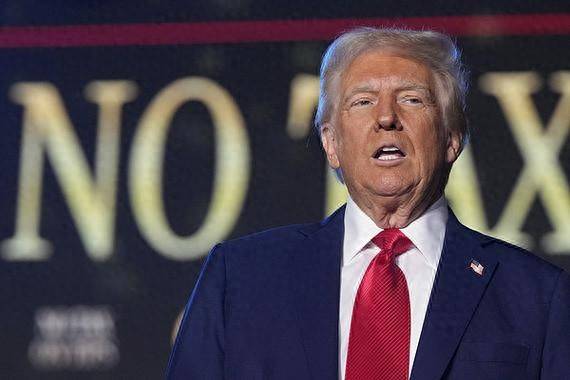
Group 1 - The core viewpoint is that the U.S. is making concessions to China regarding rare earth supply issues, despite internal pressures and political rhetoric from figures like Trump and Treasury Secretary Becerra [1][3][5] - Trump claims that the U.S. has initiated an emergency plan to eliminate dependence on Chinese rare earth supplies within two years, but this assertion is met with skepticism given the complexities of the market [3][7] - The U.S. has historically been inconsistent in its trade policies, often reversing decisions, which has led to increased tensions and retaliatory measures from China [5][10] Group 2 - The U.S. faces significant challenges in reducing its reliance on Chinese rare earths, as the technological and industrial capabilities required to do so are not easily replicable [8][12] - The current political and economic environment in the U.S. does not support a robust manufacturing revival that would be necessary to achieve independence from Chinese supply chains [10][14] - A lack of foundational manufacturing capabilities in the U.S. undermines efforts to develop high-end manufacturing, leading to potential long-term competitiveness issues [12][14]
奥巴马“火力全开”痛斥特朗普:每天在新闻中看到一堆废话,别再说美国经济变好了,真正变好的只有特朗普家族的经济
Sou Hu Cai Jing· 2025-11-02 15:44
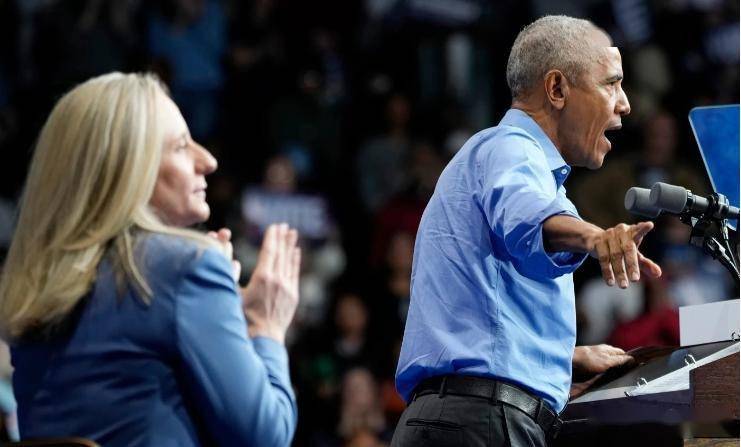
Core Viewpoint - The current political climate in the U.S. is characterized by confusion and disillusionment, as highlighted by Obama's recent remarks, which serve as a diagnosis of the societal issues rather than mere commentary [1][6]. Economic Conditions - The unemployment rate is projected to be 4.1% by October 2025, which appears stable on the surface, but masks deeper issues such as a 6% decline in real purchasing power for low-income groups since 2020 [3]. - The wealth distribution is heavily skewed, with the top 10% of wealthy individuals holding 89% of financial assets, raising questions about whose economy is truly improving [3]. - Household debt in the U.S. has surpassed $19 trillion, with average credit card debt exceeding $8,000, indicating financial strain among the middle class [5]. Public Sentiment and Media Perception - There is a growing skepticism among the public regarding the authenticity of news, with over 60% of Americans frequently doubting the truthfulness of news reports, leading to a blurring of lines between fact and fiction [5][10]. - The emotional state of American society is increasingly tense, with lingering effects from the COVID-19 pandemic and rising inflation contributing to feelings of anger and numbness [6]. Political Discourse - Political rhetoric has devolved into performance art, with leaders using exaggerated language, which detracts from meaningful discourse and the need for credible voices [10]. - Obama's speech, delivered in a suburban area with lower average income and higher unemployment, underscores the disconnect between political narratives and the lived experiences of many Americans [8]. Societal Outlook - A significant portion of young Americans, over 60%, believe the "American Dream" is no longer attainable, reflecting a broader disillusionment with the idea that hard work leads to a better life [10]. - The metaphor of daily life resembling Halloween, as used by Obama, suggests that many Americans are living behind masks, unable to discern reality from illusion in terms of economic progress [10][12].
可口可乐新配方背后的赢家:揭秘与特朗普交往40年的糖业家族
3 6 Ke· 2025-10-27 11:39
Core Insights - The Fanjul family, with an estimated net worth of $4 billion, has been actively engaging with political figures for decades, with their most successful bet being on the Trump administration, which imposed tariffs on foreign competitors and encouraged Coca-Cola to use domestic cane sugar [2][3][4]. Group 1: Fanjul Family and Coca-Cola - The Fanjul family has been working to secure Coca-Cola's business, especially after Trump mentioned the benefits of cane sugar in a conversation with Coca-Cola's CEO [3][4]. - Coca-Cola is set to launch a new product line using American cane sugar, with the Fanjul family expected to play a significant role in the supply chain [4][5]. - The Fanjul family controls Florida Crystals, which produces 16% of the raw sugar in the U.S., and reported revenues of $5.5 billion in 2024 [5][4]. Group 2: Political Influence and Donations - The Fanjul family has donated over $7 million to Trump's fundraising committees since 2016 and has spent at least $24 million on political activities since 1977 [16]. - The family has historically supported both Democratic and Republican candidates, indicating a strategic approach to political influence [16]. - The U.S. government has maintained high sugar prices through market support and low-interest loans, benefiting the Fanjul family amid fluctuating global sugar prices [16][17]. Group 3: Business Operations and Controversies - The Fanjul family operates a vast empire in sugar and real estate, including Domino Sugar and Florida Crystals, and has faced criticism over environmental and labor practices [4][8]. - Central Romana, a major agricultural tourism enterprise in the Dominican Republic owned by the Fanjul family, has been accused of forced labor, but the family denies these allegations [13][14]. - The family has begun to emphasize sustainability in their operations, despite past criticisms regarding environmental impacts [8][9].

美国富豪正在放弃对“体面”的执念
Di Yi Cai Jing· 2025-10-24 02:41
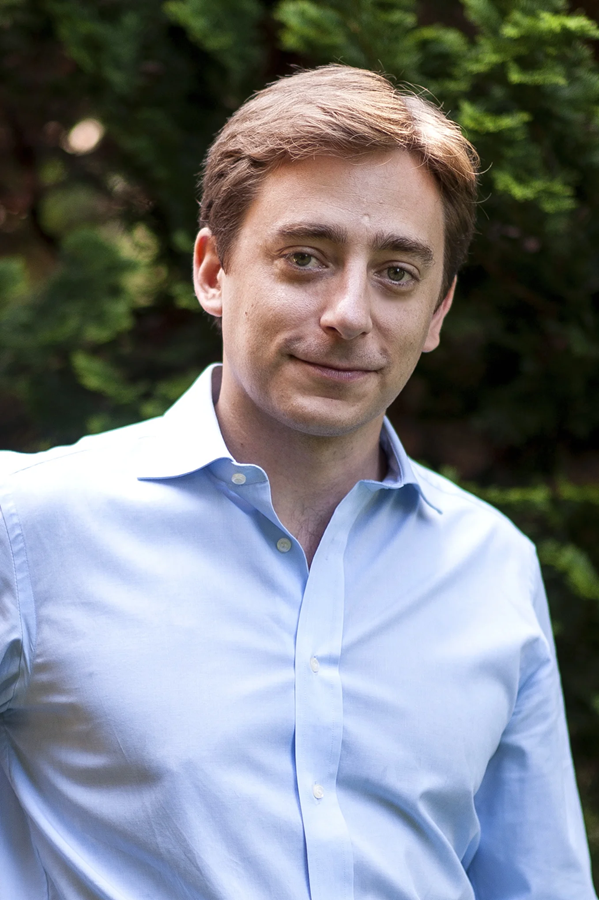
Core Insights - The article discusses Evan Osnos's unique perspective as a journalist who straddles the line between elite circles and critiques them, reflecting the complexities of modern American political and social dynamics [3][4][5] Group 1: Background and Career - Evan Osnos, coming from a family of diplomats and journalists, has a background that influences his reporting style, focusing on grand narratives rather than individual stories [1][3] - His work after leaving China centers on themes of wealth disparity and elite politics in the U.S., showcasing a complex relationship with power [3][4] Group 2: Themes in Osnos's Work - Osnos's new book, "The Haves and Have Yachts," explores the lives of the wealthy, presenting a mechanical view of post-capitalist society, lacking emotional authenticity from the subjects [4][5] - The book critiques the moral contradictions of wealth, highlighting how the elite navigate their privilege while grappling with societal expectations [10][11] Group 3: Political Dynamics - The article notes a shift in political affiliations among the wealthy in Greenwich, Connecticut, where traditional Republican values are challenged by support for Trump, creating a tension within elite circles [6][8] - Osnos observes that the rise of Trump represents a broader acceptance of populist rhetoric among the elite, complicating the narrative of American democracy [9][12] Group 4: Taxation and Morality - The narrative includes a critique of the U.S. tax system, illustrating how the wealthy can legally evade taxes while maintaining a facade of moral superiority [11][12] - The story of the Getty family serves as a case study in the moral dilemmas faced by the wealthy, questioning the sincerity of their philanthropic efforts against their tax strategies [11][12]
3个坏消息传来,特朗普紧急发文,美财长盼中国:别不给美国面子
Sou Hu Cai Jing· 2025-10-06 16:48
Group 1 - The article highlights a significant political crisis in the U.S. as multiple bad news events unfold, indicating a turbulent environment for the Trump administration [1][3][4] - The military situation is alarming, with a global recall of hundreds of generals and a resignation from a high-ranking official, signaling discontent within the armed forces [3][6] - The government shutdown is causing severe financial repercussions, with an estimated loss of approximately $15 billion for each week of inactivity, leading to a loss of confidence in U.S. Treasury bonds from major creditors like China, the UK, and Japan [6][10] Group 2 - European countries are reassessing their diplomatic strategies, with Italy and Switzerland inviting Chinese officials for discussions, indicating a shift away from U.S. influence [8][10] - The Trump administration is attempting to stabilize the situation by calling for a revival of the construction industry to "rebuild the American dream," reflecting a desperate economic strategy [10][15] - The article suggests that the U.S. is experiencing a decline in global influence, as evidenced by the simultaneous crises in military, financial, and diplomatic arenas, which are interconnected and indicative of long-term policy failures [13][15]

美国双胞胎兄弟各娶一国妻子:一个留美娶美籍女孩,一个来中国成家,10 年后境遇天差地别!
Sou Hu Cai Jing· 2025-10-05 10:26
Core Points - The article explores the divergent life paths of twin brothers, Mike and Alan, who made different choices ten years ago, leading to contrasting experiences in the U.S. and China [1][2][3] Group 1: Initial Choices - Mike, the elder brother, chose to stay in the U.S., marrying Sarah and pursuing a stable career in a local tech company, believing in the "American Dream" [4][5][6] - Alan, on the other hand, decided to move to China for a job opportunity, driven by curiosity about Eastern culture and the desire for a different life experience [4][6][8] Group 2: Life Developments - Mike and Sarah settled in a quiet suburb, where they had a child and Mike advanced to a regional manager position, while Sarah became a stay-at-home mom [13][15] - Alan and Lin Jing's life in Shanghai was fast-paced, with Alan rising to a core management role in a startup, leading to a significant increase in income [16][17] Group 3: Challenges and Conflicts - Mike faced financial pressures and marital conflicts due to differing spending habits and future planning concerns, leading to increased tension in their relationship [20][22][34] - Alan encountered challenges related to work-life balance and educational pressures for their daughter, which created friction in his marriage with Lin Jing [23][24][40] Group 4: Crisis Points - Mike experienced sudden job loss due to company restructuring, leading to financial strain and marital discord as Sarah struggled to find work after years as a homemaker [33][34] - Alan's company faced regulatory challenges due to geopolitical tensions, impacting his role and creating uncertainty about the future [36][37] Group 5: Turning Points - Both brothers began to reassess their situations; Mike sought new opportunities and started a community service business with Sarah, which improved their relationship [44][46] - Alan leveraged his network to find a new job opportunity that aligned with his skills, allowing him to thrive in a different market [47][48] Group 6: Conclusion - After two years, Mike and Sarah found stability and happiness through community engagement, while Alan achieved professional success and deeper cultural integration in China [48][49] - The article concludes that both brothers, despite their different paths, found fulfillment and resilience in their respective journeys [50][51][53]

你不知道的美国(21)富裕阶层移民美国的理由
日经中文网· 2025-09-29 08:00
Core Viewpoint - The article discusses the increasing trend of wealthy individuals migrating to the United States, driven by factors such as safety, education, and investment opportunities, particularly through the "EB-5 Immigrant Investor Program" [2][6][8]. Group 1: Reasons for Migration - Wealthy individuals from countries with corruption, like Vietnam, seek a better life and opportunities for their children in the U.S. [4][5]. - The U.S. is seen as a leading destination due to its strong financial and real estate markets, which attract foreign investments [9]. - Safety and quality education are primary concerns for wealthy migrants, with many prioritizing their children's future [14]. Group 2: Investment Visa Program - The "EB-5 Immigrant Investor Program" allows foreign investors to obtain a green card by investing in U.S. businesses and creating jobs [8]. - The minimum investment amount was raised from $500,000 to $800,000 in 2022, reflecting the program's evolving requirements [8]. - Predictions indicate that by 2025, the number of wealthy individuals migrating globally will reach a record high of 142,000, with the U.S. being a significant destination [6]. Group 3: Perspectives of Migrants - Migrants express mixed feelings about the current political climate, with some feeling secure under the Trump administration despite its controversial policies [5][12]. - Concerns about safety and living conditions in urban areas, such as increased homelessness and crime, are noted by migrants [12]. - The trend of dual citizenship is growing among wealthy individuals, allowing them to maintain ties to their home countries while enjoying the benefits of living in the U.S. [13][14]. Group 4: Future Implications - The continuation of tax benefits for wealthy individuals under the Trump administration may sustain the influx of affluent migrants [14]. - However, potential cuts to federal funding for universities and restrictions on international students could diminish the appeal of U.S. education [14][16]. - The flow of wealthy migrants may serve as an indicator of the U.S.'s global standing and soft power in the future [16].

美国人的养老真相
虎嗅APP· 2025-09-28 13:25
Core Insights - The article explores the realities of aging in America, focusing on the challenges faced by the elderly population, particularly in terms of financial stability and care options [4][5]. Group 1: Demographics and Wealth Distribution - By 2025, the elderly population over 60 will primarily consist of the Baby Boomer generation, which holds 50% of the wealth in the U.S. [7][17]. - The average 401(k) balance for those over 60 is approximately $250,000, equivalent to about 1.7 million RMB, which is significantly higher than the average pension accounts in the UK [17][18]. Group 2: Cost of Elder Care - The costs of elder care facilities in the U.S. are exorbitant, with independent living communities costing around $30,000 to $40,000 per year, assisted living facilities around $70,000, and nursing homes approximately $100,000 annually [22][27]. - A typical $250,000 pension may only last five to six years in a standard retirement community, and even less if chronic health issues arise [29][30]. Group 3: Caregiver Shortages and Challenges - There is a significant shortage of caregivers in the U.S., leading to a high caregiver-to-resident ratio, often as poor as 1:10, which affects the quality of care [30][33]. - The concept of "Aging in Place" emphasizes the ability to live independently at home, but many elderly individuals face challenges in affording necessary care services [43][50]. Group 4: Social Isolation and Community Engagement - Approximately one-third of Americans aged 65 and older live alone, contributing to feelings of loneliness and social isolation [52]. - Community programs and activities are essential for combating loneliness, with many elderly individuals participating in volunteer work and local clubs [54]. Group 5: Financial Assistance and Economic Challenges - Many elderly individuals face financial crises, with 20% of those over 60 having no assets and a median income of $18,000, which is below the Elder Index standard [61]. - Supplemental Security Income (SSI) is a common form of assistance for low-income seniors, with average monthly payments around $593.96 [62].

去美国的“打工人”天塌了,特朗普10万美元签证费击碎“美国梦”,美企加速外包,加拿大趁机“抢人”
3 6 Ke· 2025-09-28 01:05
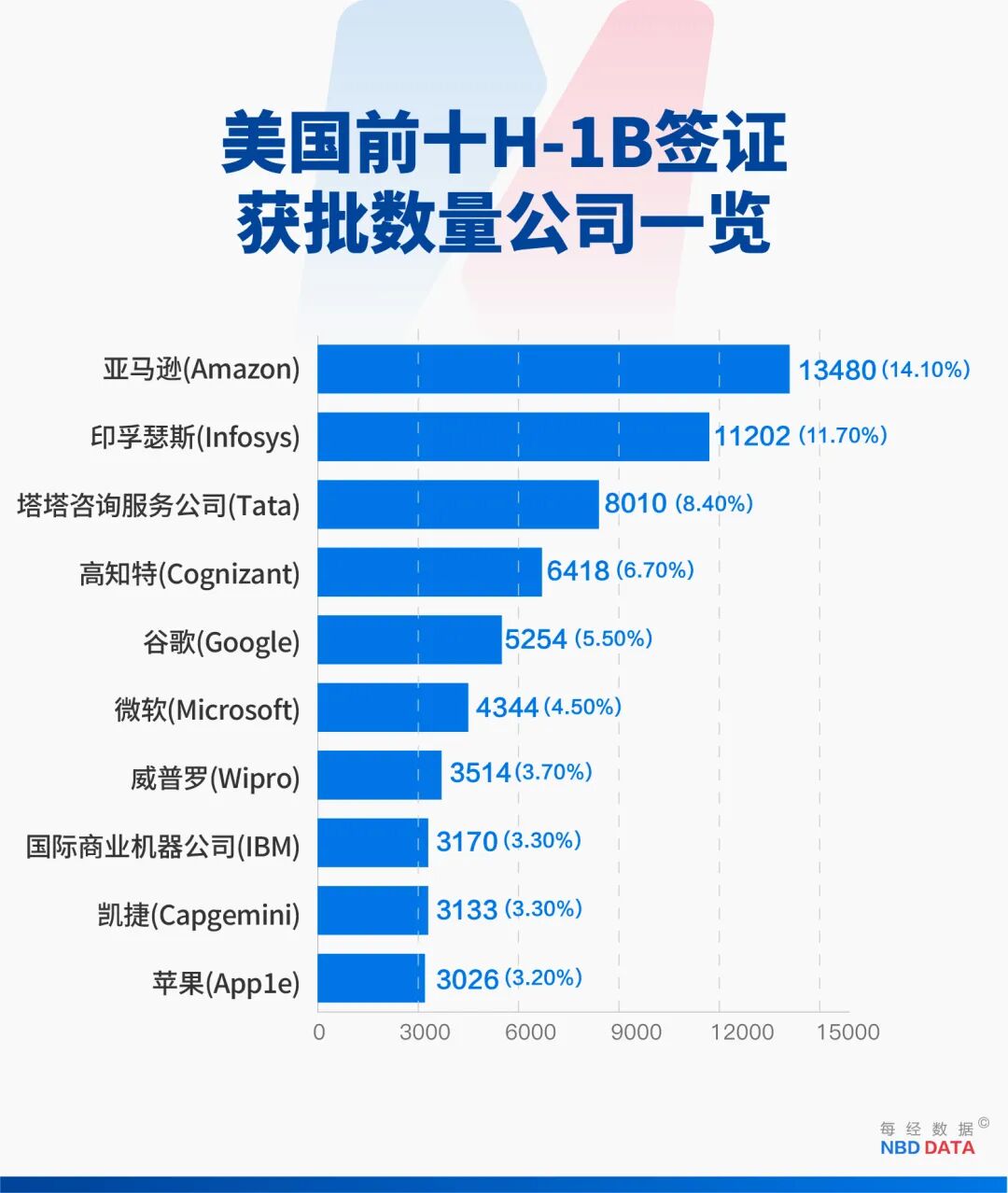
Core Points - The new H-1B visa regulation signed by President Trump has raised the application fee to an unprecedented $100,000, significantly increasing the financial barrier for foreign talent seeking to work in the U.S. and fundamentally altering the talent selection logic [1][2][15] Impact on Various Sectors - **Startups**: The high application fee poses a severe threat to small startups, particularly those with fewer than 25 employees, as the cost is deemed prohibitively high. Many successful startups have immigrant founders, and this regulation could stifle innovation by making it impossible to recruit overseas talent [5][6] - **Indian IT Service Giants**: Major Indian IT companies, which are significant users of H-1B visas, may see their core operating profits reduced by 7% to 15% due to the new fees. This could force them to alter their long-standing business models [6][7] - **Silicon Valley Tech Giants**: Companies like Amazon, Microsoft, and Google rely heavily on H-1B visas to hire foreign software engineers. The new fee structure could increase their annual costs for H-1B employees to $5.5 billion, potentially shifting their hiring focus from emerging talent to more experienced professionals, which may lead to a talent gap and hinder long-term innovation [7][10] - **U.S. Universities and Research Institutions**: The new regulation places a heavy financial burden on universities and research institutions that rely on H-1B visas to hire faculty and researchers. The increased costs could lead to a reduction in the hiring of foreign staff, adversely affecting research capabilities and international talent cultivation [10][11] Broader Economic Implications - **Outsourcing Trends**: The new visa fees may accelerate the trend of U.S. companies outsourcing talent to countries like India, as firms seek to avoid the high costs associated with H-1B visas. Reports indicate a 50% increase in U.S. companies looking for visa-free global hiring options [12][14] - **International Competition**: Other countries, particularly Canada, are poised to capitalize on the U.S. visa changes by attracting skilled talent who may now view the U.S. as less accessible. Canadian officials see this as a significant opportunity to enhance their innovation sectors [13][14]