青少年心理健康

Search documents
青少年心理健康:识别、预防与科学应对指南
Jing Ji Guan Cha Bao· 2025-11-05 04:36
Group 1 - The importance of adolescent mental health is emphasized, as it significantly impacts their growth and future development [1] - Mentally healthy adolescents can better cope with challenges in learning and life, maintaining positive attitudes and good interpersonal relationships [1] - Conversely, mental health issues can negatively affect academic performance, social skills, and future career choices [1] Group 2 - Common mental health issues among adolescents include emotional problems such as prolonged low mood and anxiety [2] - Behavioral control issues, such as attention deficit hyperactivity disorder (ADHD), are also prevalent among some adolescents [3] - Other abnormal behaviors include excessive gaming and eating disorders, which require attention [4] Group 3 - Family factors play a crucial role in adolescent mental health, with a harmonious family environment fostering security and reducing anxiety [5] - School factors, including academic pressure and teacher-student relationships, significantly influence adolescents' mental well-being [6] - Social factors, such as exposure to negative information and increased competition, contribute to mental health challenges [8] Group 4 - Preventive measures for adolescent mental health include family care, where parents should engage in regular communication and create a supportive environment [10] - Schools should integrate mental health education into their curriculum and provide a supportive atmosphere for students [11] - Social collaboration is essential, promoting a stigma-free environment and encouraging professional support for adolescents [12] Group 5 - Early intervention is critical, with parents and teachers needing to recognize signs of mental health issues and provide support [14] - Professional treatment may involve a combination of psychological counseling, medication, and physical therapy [16] - Establishing a psychological support system is vital for recovery, involving family, school, and peer support [17] Group 6 - Collaboration between families and schools is necessary to create a conducive environment for adolescent growth [18] - Schools should partner with social institutions to enhance mental health services for adolescents [19] - A tripartite collaboration among family, school, and society is essential to build a robust support system for adolescent mental health [20]
俞敏洪对话毕淑敏,关注青少年心理健康、让生命从赛道走向原野
Xin Jing Bao· 2025-11-03 08:39
Core Insights - The 17th New Oriental Family Education Forum focused on the theme "From Track to 'Field', Restructuring the Life Pattern of Children's Growth" to address the increasing psychological issues among adolescents and the role of family education in equipping children with necessary skills [1][5] Group 1: Psychological Health of Adolescents - Yu Minhong and Bi Shumin discussed the fragility of today's youth, questioning whether their struggles stem from personal choices or societal and educational pressures [2] - The "pipeline mentality" among parents, which emphasizes prestigious university admissions as the sole path to success, has led to children being squeezed into a narrow focus on academic performance, neglecting their hobbies and personal development [2] - Bi Shumin highlighted the importance of helping children find a sense of direction in an uncertain future, emphasizing the need for education to foster happiness and self-worth [2] Group 2: Family Education and Self-Acceptance - Zhao Dongmei shared her personal experience with her son dropping out of school, advocating for acceptance and support rather than shame for children facing educational challenges [3][4] - She emphasized the need for parents to reflect on their roles and the power dynamics in parent-child relationships, suggesting that societal pressures can exacerbate children's feelings of inadequacy [4] - The forum underscored the importance of distinguishing between "going to school" and "learning," promoting a more positive and individualized approach to education [4] Group 3: Educational Reform and Community Engagement - Experts at the forum discussed the necessity of raising awareness about family education, with Zhang Zhiyong stating that while love for children is instinctual, effectively loving them is a learned skill [4] - Lin Xiaoying provided a theoretical framework for understanding educational involution, emphasizing the need for interest-driven learning to foster genuine growth [4] - The forum aimed to provide rational support for educators and parents, promoting high-quality development in family education amidst rising anxiety [5]
被「围困」的少年:鸡娃失败了,快乐教育也失败了
36氪· 2025-11-02 13:35
Core Viewpoint - The article discusses the increasing prevalence of mental health issues among adolescents in China, highlighting the disconnect between parents and children, and the urgent need for societal attention to youth mental health [5][12][38]. Group 1: Adolescent Mental Health Issues - A significant portion of depression patients in China are under 18, with 30% of total cases being adolescents, and 50% of these patients are students [5]. - The trend of youth depression is alarming, with 77% and 69% of student patients experiencing issues related to interpersonal and family relationships [5]. Group 2: Parental Challenges - Many parents struggle to connect with their children, leading to a cycle of misunderstanding and emotional pain [11][12]. - The article emphasizes that parents often project their own frustrations onto their children, exacerbating the mental health crisis [5][12]. Group 3: Case Studies - The narrative includes various case studies of adolescents like Minmin and Yayaya, who face severe emotional distress due to family issues and societal pressures [15][18]. - Minmin's experience with domestic violence and Yayaya's struggle with academic pressure illustrate the complex emotional landscapes of today's youth [15][18]. Group 4: Educational Environment - The article critiques the educational system that pressures children to excel, often leading to mental health issues rather than fostering genuine learning and growth [28][31]. - The experiences of families in different socio-economic backgrounds reveal that while the issues are widespread, the underlying causes vary significantly [33]. Group 5: Support Systems - The role of alternative educational environments, such as the "Uncle's tutoring class," is highlighted as a refuge for troubled youth, providing emotional support and a sense of community [18][20]. - The article underscores the importance of creating safe spaces for children to express their feelings and seek help without judgment [20][21].

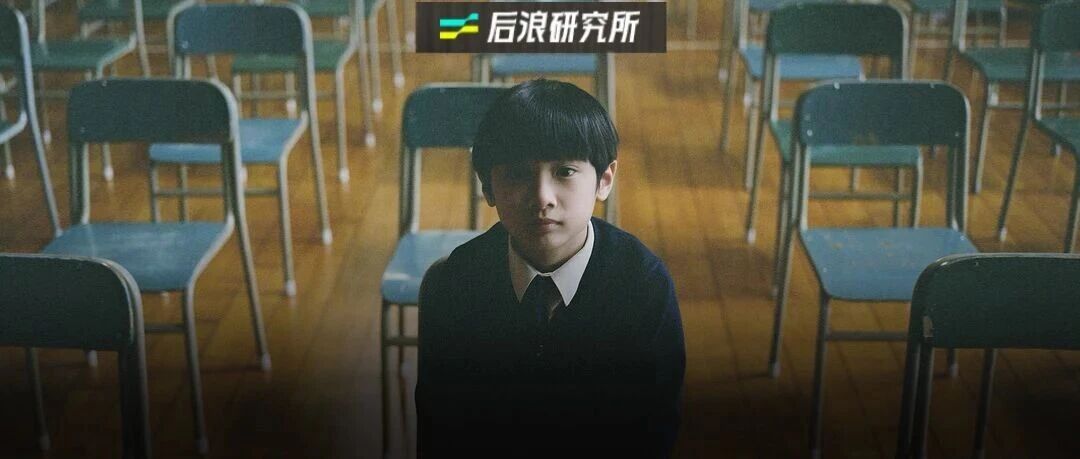
梁鸿:抑郁的少年,是如何被大人「围困」的?
3 6 Ke· 2025-11-01 01:32
Core Insights - The book "要有光" by Liang Hong focuses on the psychological struggles of contemporary Chinese youth, highlighting the disconnect between parents and children in understanding each other's pain [2][6][28] - Liang Hong's investigation reveals a significant rise in mental health issues among adolescents, with 30% of depression patients being under 18, and 50% of these patients being students [2][7] Group 1: Psychological Issues Among Youth - The narrative includes the story of a girl named Min Min, who suffers from domestic violence and subsequently drops out of school for three years due to her mental health struggles [2][11] - The book emphasizes the increasing prevalence of depression among young people, with statistics indicating that 77% and 69% of student patients experience issues related to interpersonal and family relationships [2][7] - Liang Hong's research involved interviews with various stakeholders, including students, parents, teachers, and psychologists, to present a comprehensive view of the psychological landscape faced by youth in modern China [3][6] Group 2: Parental Relationships and Educational Pressures - The author discusses the challenges parents face in connecting with their children, often feeling helpless and confused about how to support them [7][8] - The book highlights the detrimental effects of high parental expectations and rigid educational systems, which can lead to severe mental health issues in children [19][20] - The experiences of different families illustrate the varying impacts of educational pressures, with some children feeling isolated and unsupported despite their parents' good intentions [19][21] Group 3: Support Systems and Community Responses - The narrative includes the role of a tutor named Uncle, who provides a safe space for troubled students, allowing them to express their feelings without judgment [14][15] - The book portrays the importance of creating dialogue between parents and children, as well as between parents and mental health professionals, to address the underlying issues of youth mental health [15][28] - The author aims to shed light on the complexities of these issues, encouraging readers to reflect on their own experiences and the societal factors contributing to youth mental health crises [28][30]
把孩子的“心事”放在心上(有事说事)
Ren Min Ri Bao Hai Wai Ban· 2025-10-29 00:51
Group 1 - The core viewpoint highlights a significant shift in the mental health landscape for children and adolescents, with a notable increase in hospitalization rates among those under 18, rising to 81.95% in 2022 from 80% being adults in 2015, indicating a growing recognition of mental health issues in younger populations [1] - The improvement in detection technologies and updated concepts surrounding mental health have led to better identification of previously overlooked issues, suggesting that society is becoming more aware and responsive to children's mental health needs [1] - The changing environment for today's youth, characterized by increased pressure and reduced avenues for stress relief, contrasts sharply with previous generations, leading to feelings of isolation despite the presence of virtual connections [2] Group 2 - The implementation of measures such as the "Ten Measures to Further Strengthen Mental Health Work for Primary and Secondary School Students" aims to address issues like exam anxiety and promote healthy internet usage, emphasizing a collaborative approach to fortifying children's mental health [3]
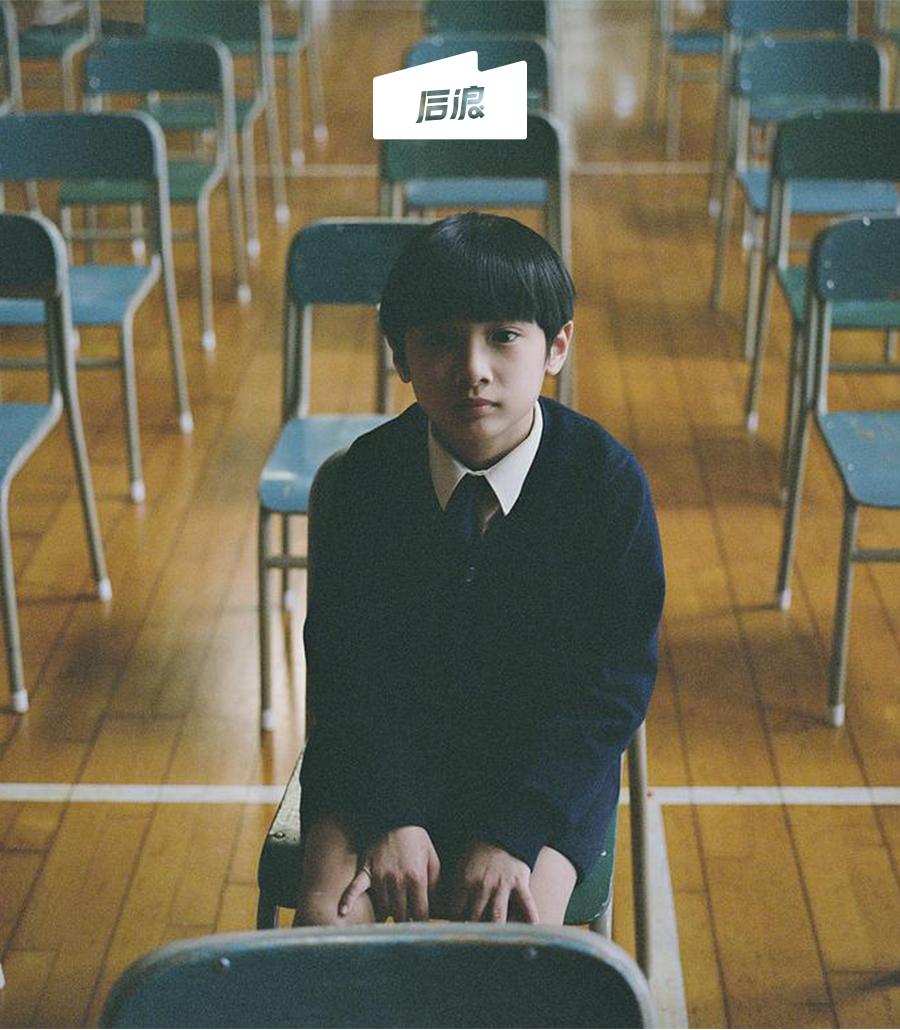
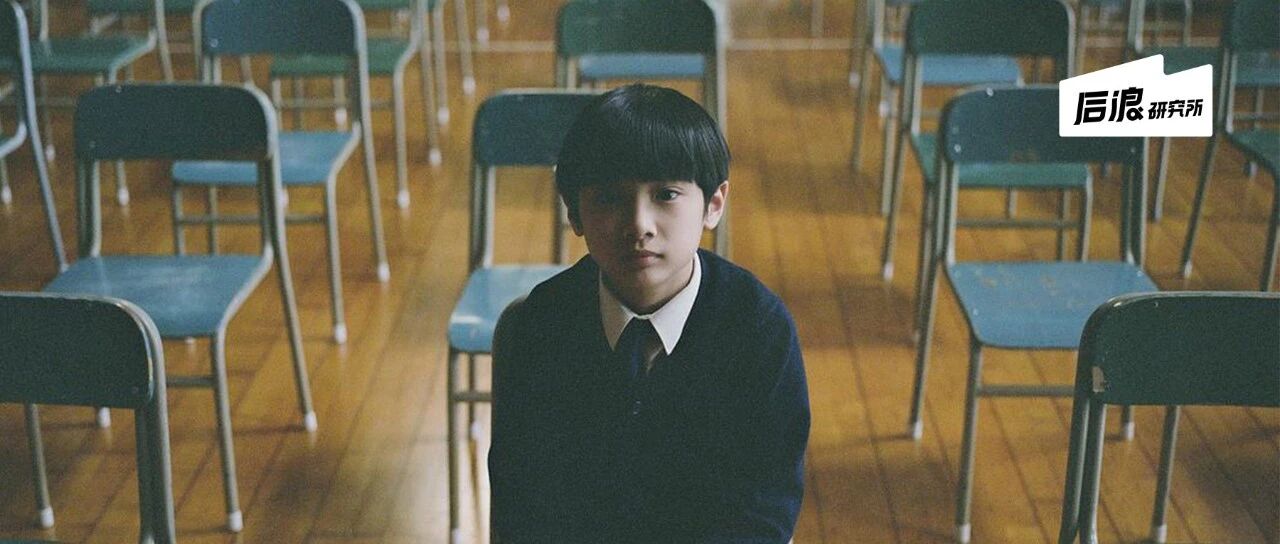
梁鸿:抑郁的少年,是如何被大人「围困」的?
后浪研究所· 2025-10-28 03:48
Core Viewpoint - The article discusses the psychological struggles faced by contemporary Chinese youth, emphasizing the disconnect between parents and children, and the urgent need to address adolescent mental health issues [3][4][10]. Group 1: Adolescent Mental Health Issues - A significant portion of depression cases in China involves individuals under 18, with 30% of all depression patients being in this age group, and 50% of them are students [3]. - The trend of depression is increasingly affecting younger populations, highlighting a societal need for greater awareness and intervention in adolescent mental health [3][4]. Group 2: Parental Challenges - Many parents struggle to connect with their children, often feeling helpless and confused about how to support them through their emotional difficulties [9][10]. - The article illustrates the emotional burden on parents, particularly mothers, who often feel isolated in their struggles while fathers may remain detached [18][19]. Group 3: Case Studies and Personal Narratives - The narrative includes various personal stories of adolescents like Minmin and Yaya, who face severe emotional distress due to family dynamics and societal pressures [11][13][30]. - The experiences shared by these youths reveal the complexities of their mental health issues, often exacerbated by parental expectations and societal norms [22][24]. Group 4: Educational Environment and Societal Expectations - The article critiques the educational system and societal pressures that contribute to the mental health crisis among youth, noting that high expectations can lead to anxiety and depression [29][30]. - It highlights the contrasting experiences of children from different socio-economic backgrounds, indicating that while middle-class families may impose strict educational demands, rural children face different challenges such as parental absence [30][31]. Group 5: The Role of Support Systems - The importance of supportive environments, such as counseling centers and community programs, is emphasized as crucial for helping troubled youth [17][18]. - The narrative showcases individuals like Uncle, who provide emotional support and understanding to children facing mental health challenges, creating safe spaces for them to express their feelings [17][18].
青少年常见的心理问题有哪些?学生、老师、家长分别怎么做?
Jing Ji Guan Cha Bao· 2025-10-21 03:54
Core Viewpoint - The article emphasizes the importance of addressing psychological issues among adolescents, highlighting the roles of parents, teachers, and schools in fostering mental health and resilience in students [22]. Group 1: Common Psychological Issues in Adolescents - Anxiety disorders can arise from genetic, personality, and environmental factors, particularly due to academic pressure, leading to symptoms like nervousness and heart palpitations [3]. - Depression in adolescents is linked to family history and emotional trauma, manifesting as low mood and negative thoughts, which can lead to self-harm if not addressed [4]. - School refusal, or aversion to attending school, can stem from academic pressure and lack of parental support, requiring guidance from both parents and educators [5]. - Social anxiety disorder affects adolescents' ability to engage in social interactions, often requiring a combination of medication and therapy for effective treatment [6]. - Internet addiction is a growing concern, with excessive online engagement impacting health and academic performance, necessitating therapeutic interventions [8]. Group 2: Psychological Issues Manifestations - Narrow-mindedness leads to an inability to understand others and excessive focus on minor grievances [9]. - Jealousy can result in negative behaviors towards peers who are perceived as better [9]. - Sensitivity manifests as overreacting to perceived slights, causing emotional instability [9]. - Feelings of failure arise when adolescents' aspirations are unmet, leading to a sense of inadequacy [9]. - Low self-esteem affects adolescents' confidence, impacting their emotional well-being [9]. - Rebellion is common during adolescence as individuals seek independence, often resulting in critical attitudes towards authority [9]. Group 3: Recommendations for Students - Breathing relaxation techniques can help manage anxiety by promoting calmness [10]. - Cognitive reframing encourages shifting focus from negative to positive thoughts to improve emotional responses [11]. - Expressing emotions through crying or talking to friends can alleviate negative feelings [12]. - Listening to music can enhance mood and reduce anxiety symptoms [13]. Group 4: Recommendations for Teachers - Teachers should provide positive reinforcement to build students' self-esteem through encouragement and recognition of their strengths [14]. - Guiding students to have a balanced self-assessment can help them accept both strengths and weaknesses [15]. - Educators should help students differentiate between various emotional states to manage their feelings effectively [16]. - Organizing practical activities can foster resilience and self-discipline among students [17]. Group 5: Recommendations for Parents - Parents should create an open environment for communication, allowing children to express their thoughts freely [18]. - A balance of tolerance and discipline is crucial in parenting to avoid overindulgence or excessive strictness [19]. - Recognizing and praising children's efforts rather than just outcomes can motivate them [20]. - Encouraging outdoor activities and social engagement can enhance children's emotional and social development [21]. - Maintaining a harmonious relationship between parents can provide a stable environment for children [21].
家长如何做好青少年心理健康“守门人”?
Xin Hua Wang· 2025-10-11 01:21
Core Insights - The article emphasizes the importance of monitoring adolescents' mental health, particularly during emotional fluctuations, to distinguish between normal mood changes and potential psychological issues [1][2] Group 1: Emotional Monitoring - Parents should observe the duration and context of their child's emotional issues, as normal fluctuations are often linked to specific events and typically resolve within a few days [1] - If a child's low mood or irritability persists for more than two weeks and is not closely related to specific events, parents should take it seriously [1] Group 2: Social Functioning - It is crucial to assess whether a child's social functioning is affected; maintaining normal activities like attending school and socializing indicates that the child is within a normal emotional range [1] - Significant disruptions in social functioning, such as a sharp decline in academic performance or withdrawal from social interactions, may indicate a more serious issue beyond typical emotional fluctuations [1] Group 3: Extreme Behaviors - Parents need to be vigilant for extreme statements or behaviors from their children, such as expressing feelings of worthlessness or engaging in self-harm, which require immediate professional intervention [2] - The article distinguishes between "depressive emotions," "depressive symptoms," and "depression," highlighting that while depressive emotions are common and usually do not disrupt daily life, depressive symptoms can have a more serious impact [2] Group 4: Professional Help - If depressive symptoms are severe, prolonged, and lead to significant functional impairment, it may meet the criteria for clinical depression, necessitating systematic treatment [2] - Parents are advised to seek professional help promptly if they suspect their child may be experiencing depression, as early detection and intervention are crucial for effective management [2]
世界精神卫生日 什么让青春蒙上阴霾?
Yang Shi Wang· 2025-10-11 00:24
Core Insights - The total prevalence of mental disorders among students aged 6-16 in China is 17.5%, indicating that 1 in every 6 children is facing varying degrees of psychological distress [1] Group 1 - The statistic highlights a significant mental health issue among school-aged children in China [1] - The range of psychological issues includes symptoms from "not wanting to go to school" to "refusing to communicate" [1] - The findings suggest a concerning trend that may overshadow the typically bright and optimistic nature of youth [1]
Meta rolls out Teen Accounts on Facebook and Messenger globally
TechCrunch· 2025-09-25 14:33
Core Points - Meta is expanding its Teen Accounts to Facebook and Messenger globally, after initially launching them in the U.S., U.K., Australia, and Canada [1][2] - The Teen Accounts are designed to provide built-in protections and parental controls for users under 16, requiring parental permission to change settings [2][3] - The accounts limit interactions to friends and followers, restricts messaging, and includes reminders for users to take breaks from the platform [3] Industry Context - The expansion follows scrutiny from U.S. lawmakers regarding the safety of teens on social media platforms [2] - Research from a Meta whistleblower indicates that despite protections, teens may still encounter harmful content on Instagram, which Meta disputes [4] - Meta is also launching a School Partnership Program to allow educators to report safety concerns directly to Instagram, enhancing the platform's response to issues like bullying [7][8] - This initiative aligns with growing concerns about teen mental health related to social media, highlighted by the U.S. Surgeon General and various states [9]