
非物质文化遗产保护

Search documents
权威访谈丨为国际非遗保护事业贡献中国实践经验——文化和旅游部有关部门负责人谈赫哲族伊玛堪转入人类非遗代表作名录和入选优秀保护实践名册
Xin Hua She· 2025-12-11 13:27
Core Viewpoint - The successful transition of "Hezhe Ethnic Group's Imakan" from the urgent protection list to the representative list of intangible cultural heritage, along with the inclusion of the "Hezhe Ethnic Group's Imakan Protection Plan" in the excellent protection practice list, highlights China's commitment to preserving its cultural heritage and contributes valuable experience to international efforts in safeguarding intangible cultural heritage [1][3]. Group 1: Cultural Significance - The Hezhe ethnic group is one of China's smaller ethnic minorities, primarily located in the Heilongjiang, Songhua, and Ussuri River basins. The "Hezhe Ethnic Group's Imakan" is a traditional oral narrative that conveys the history, hero stories, hunting lifestyle, customs, and moral norms of the Hezhe people, serving various functions such as historical documentation and education [2][4]. - The Imakan project promotes values of justice, bravery, kindness, and the pursuit of freedom, harmony, and peace, significantly influencing the Hezhe people's cultural identity and serving as a bridge for dialogue and mutual respect among different ethnic groups [4]. Group 2: Achievements and Recognition - The successful transition of "Hezhe Ethnic Group's Imakan" and the recognition of its protection plan as an excellent practice exemplify China's systematic approach to intangible cultural heritage protection, enhancing cultural confidence and promoting a sense of community among the Chinese nation [3][6]. - Since its inclusion in the urgent protection list in 2011, the Imakan project has seen significant progress, including an increase in the number of practitioners from 5 to 121, and a growing interest among the youth in preserving their cultural heritage [7]. Group 3: Future Directions - Moving forward, China aims to enhance its efforts in applying for more projects to be included in the UNESCO intangible cultural heritage lists, focusing on those that reflect Chinese characteristics and wisdom. This includes strengthening collaboration among various stakeholders to boost the vitality of these projects [8][9]. - China will actively participate in international intangible cultural heritage affairs, sharing its protection experiences and promoting international cooperation in heritage preservation [9].
“活态传承+数字赋能”并行守护赫哲文化 为世界非遗保护提供中国经验
Yang Shi Wang· 2025-12-11 12:57
Core Viewpoint - The "Hezhe Ethnic Group's Imakan" has successfully transitioned from the urgent protection list to the representative list of intangible cultural heritage, indicating significant international recognition of its preservation efforts [1][13]. Group 1: Cultural Heritage Recognition - The transition of "Hezhe Ethnic Group's Imakan" signifies the end of its urgent protection status and the beginning of a sustainable transmission phase [13]. - China now has a total of 45 projects listed in the UNESCO intangible cultural heritage lists, ranking first in the world [1]. Group 2: Preservation Efforts - The Hezhe ethnic group, with a population of over 5,000, relies on oral traditions for historical memory, with Imakan being the most representative form of this oral art [3][5]. - The establishment of training centers and the use of technology have facilitated a "living inheritance" and "digital empowerment" approach to preserve Imakan [5]. Group 3: Educational Initiatives - The Hezhe Ethnic Group's Imakan training center in Fuyuan City has become a hub for practitioners and learners, offering a QR code learning library for easy access to classic pieces [7]. - A digital experience center in Tongjiang City has created a comprehensive database of recordings from 36 inheritors, allowing visitors to immerse themselves in the art [10]. Group 4: Cultural Significance - Imakan serves as a narrative art form that emphasizes heroism, justice, bravery, and harmony with nature, representing the cultural identity and historical memory of the Hezhe people [17]. - The recognition of Imakan by UNESCO not only highlights China's efforts in intangible cultural heritage protection but also enhances the global acknowledgment of its cultural value [17].

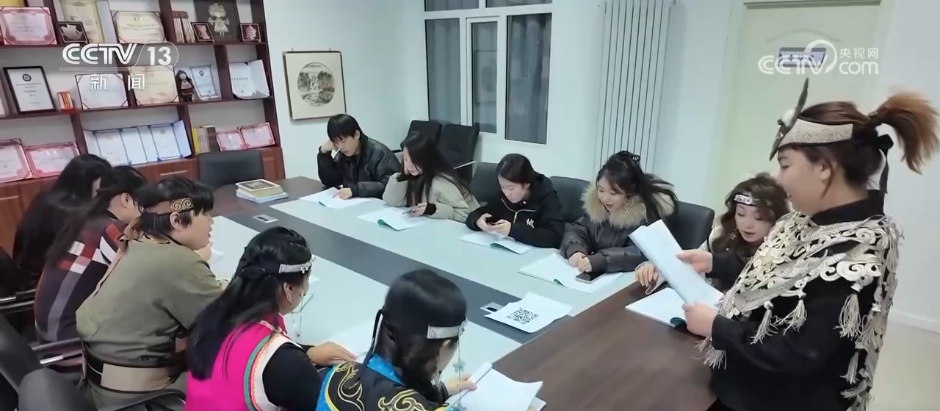
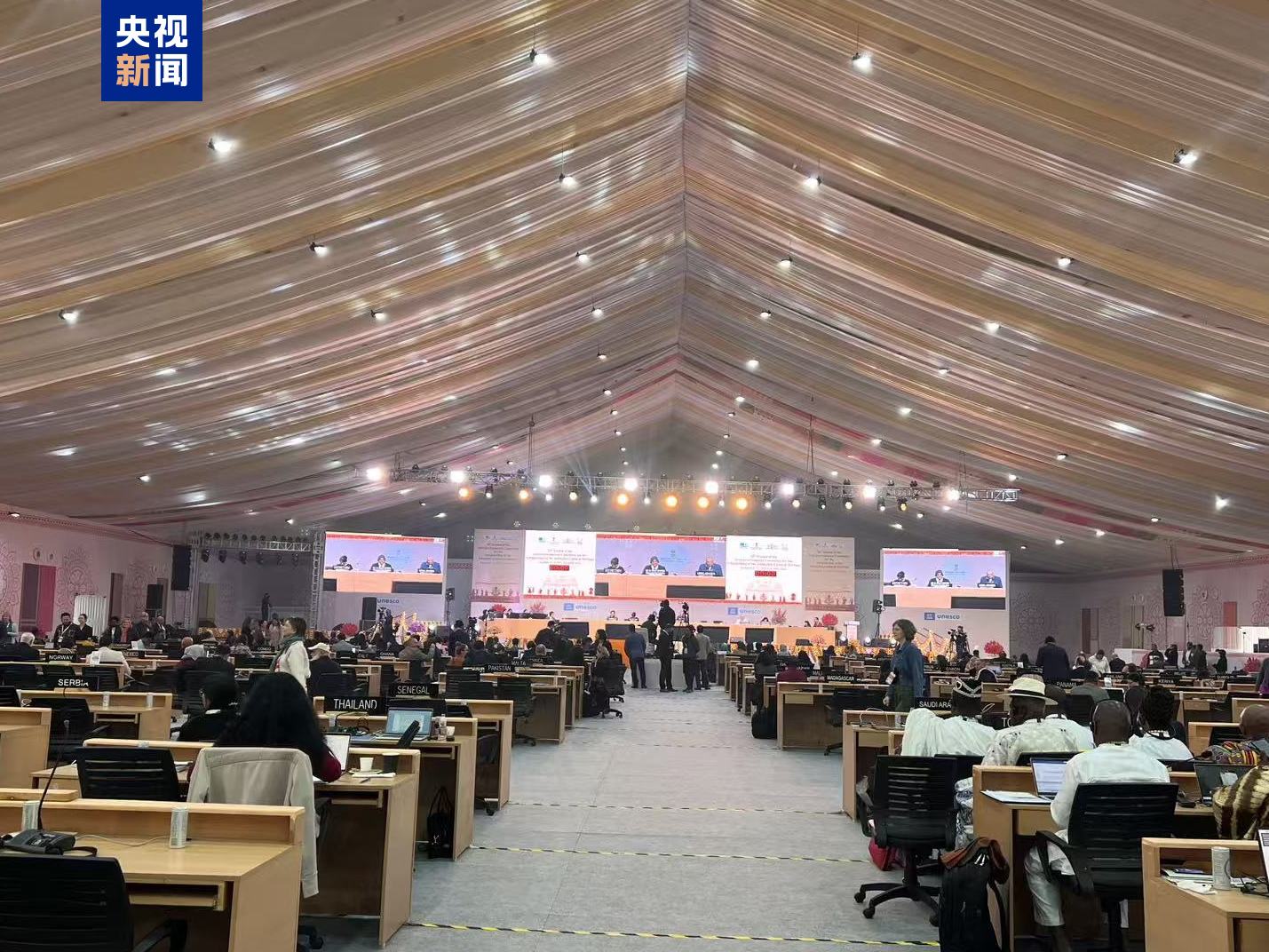
“赫哲族伊玛堪”成功转入人类非物质文化遗产代表作名录
Yang Shi Xin Wen· 2025-12-11 06:32
当地时间12月11日,在印度新德里召开的联合国教科文组织保护非物质文化遗产政府间委员会第20届常会上,中国申报的"赫哲族伊玛堪"通过评审,成功从 急需保护的非物质文化遗产名录转入人类非物质文化遗产代表作名录。同时 "赫哲族伊玛堪"保护计划被选入优秀保护实践名册。 至此,中国已经有45个项目列入联合国教科文组织非遗名录、名册,总数位居世界第一。 △评审现场 赫哲族分布在我国东北部的黑龙江、松花江、乌苏里江三江流域,人口只有5000多人,是我国人口较少的民族之一。"赫哲族伊玛堪"是赫哲族人民历史悠 久、世代传承的口头传统,以赫哲语叙事,采用散韵兼行的方式进行说唱,承载着赫哲族的民族历史、英雄故事、渔猎生活、礼仪习俗、道德规范等,发挥 着记录历史、教育后代、生活娱乐等功能。(总台记者 曹岩 赵继哲 张玥) ...
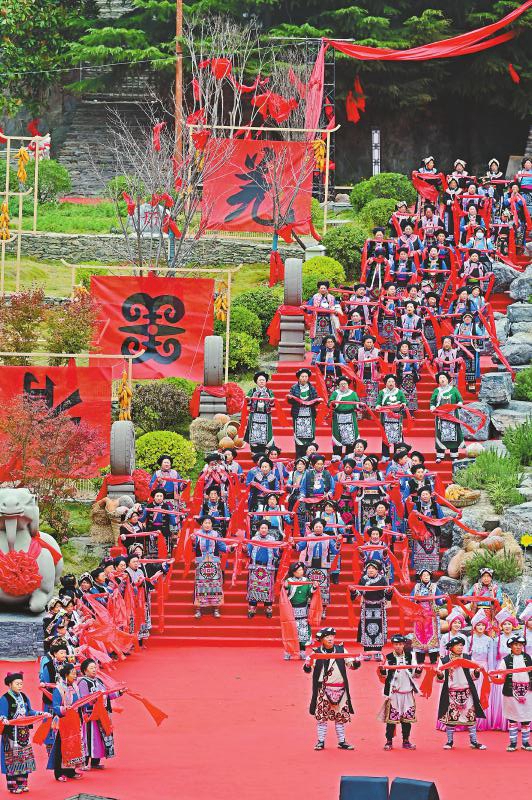
这个“羌年”魅力无限 聚焦“羌年”被列入人类非遗代表作名录后的首个新年
Si Chuan Ri Bao· 2025-12-01 00:34
Core Viewpoint - The celebration of the Qiang New Year, recognized as a significant cultural event, highlights the rich traditions and cultural heritage of the Qiang ethnic group, especially after its inclusion in UNESCO's list of intangible cultural heritage [15][16][17]. Group 1: Cultural Significance - The Qiang New Year, known as "Rimajie" in Qiang language, symbolizes a festival of good fortune and joy, focusing on themes of harvest celebration and peace [15]. - The event serves as a platform for the Qiang people to express respect for nature and their ancestors through various rituals and community gatherings [15][16]. Group 2: Recent Developments - The Qiang New Year celebration this year marks the first since its recognition by UNESCO, enhancing its global significance [15]. - The event included various activities such as traditional performances, exhibitions of Qiang embroidery, and a communal feast, showcasing the vibrant culture of the Qiang people [16][17]. Group 3: Economic and Cultural Impact - The Qiang New Year has evolved into a vital event for cultural preservation, promoting ecological tourism and rural revitalization [17]. - The establishment of cultural ecological protection zones has transformed the festival into a key showcase for Qiang culture, injecting new cultural vitality into local development [17].
北京号最精彩 | 期待!海淀这处旧厂房“蝶变”智能产业园
Bei Jing Ri Bao Ke Hu Duan· 2025-11-28 09:19
Group 1 - The old factory buildings in the Haidian Science and Technology Park, built in the 1950s, are severely aging and currently idle. The Haidian District government plans to renovate and upgrade them, with completion expected by March 2026 [2] - The planning design scheme for the Shangdi Hospital renovation project has been officially approved, with construction expected to start in early 2026 [6] - The comprehensive renovation project of the old residential area in Majiabao West Village, involving 4,378 households and a total renovation area of nearly 300,000 square meters, is progressing rapidly through refined management and technological innovation [12] Group 2 - The first batch of non-heritage workshops in Beijing has been officially announced, with 25 units recognized, covering 16 districts, marking a significant step in promoting the protection and inheritance of intangible cultural heritage [14][15] - The opening of a new 3.63-kilometer road in the northern area of Shougang Park has improved the infrastructure and transportation network, enhancing accessibility and convenience [21]

怎么理解不常见的非遗项目也需要保护
Ren Min Ri Bao· 2025-11-22 22:00
Core Viewpoint - The article emphasizes the importance of intangible cultural heritage (ICH) in preserving cultural identity, promoting economic development, and facilitating cultural exchange, despite some skepticism regarding its practical value in modern life [1][2][3][4][5][6][7] Group 1: Cultural Significance - ICH serves as a historical memory and a source of cultural recreation, with over 100,000 representative projects in China that encapsulate collective memory and wisdom [2] - Examples such as the Dragon Boat Festival and the Karez irrigation technique illustrate how ICH maintains relevance and contributes to modern practices and engineering solutions [2] Group 2: Economic Impact - There are over 12,900 ICH workshops across 2,138 county-level administrative regions, including 693 poverty-stricken counties, creating employment for over 1.2 million people [3] - ICH not only enriches cultural life but also drives economic growth by integrating traditional crafts into modern markets, thus enhancing both financial and intellectual wealth in rural areas [3] Group 3: Cultural Confidence and Exchange - ICH acts as a universal language for civilization exchange, with symbols like the Luban lock representing Chinese wisdom and fostering international understanding [4] - Many ICH elements, such as dragon and lion dances, serve as cultural symbols for overseas Chinese, reinforcing cultural identity and connections [4] Group 4: Innovative Preservation - The preservation of ICH should focus on creative transformation and innovative development, integrating traditional skills into contemporary life rather than merely preserving them [5][6] - New approaches include reimagining traditional crafts for modern applications, such as using oil paper umbrellas as decorative lampshades and developing eco-friendly materials inspired by traditional lacquer techniques [6] Group 5: Growing Popularity and Future Outlook - The rising interest in cultural heritage, driven by material abundance and cultural awareness, highlights the potential of ICH as a solution database for contemporary needs [7] - The "14th Five-Year Plan" suggests a systematic approach to protecting and promoting traditional culture, indicating a shift in focus from questioning the necessity of ICH to envisioning its future [7]
工艺百年的价值追寻(艺坛走笔)
Ren Min Ri Bao· 2025-11-01 22:31
Core Viewpoint - The integration of traditional craftsmanship with modern design is gaining popularity among young people, reflecting the vitality of traditional crafts and prompting a reevaluation of their value in contemporary society [1][2][3]. Group 1: Evolution of Craft Culture - The transformation of craft culture is influenced by multiple factors, including political systems, ethical norms, and economic production levels, leading to significant societal changes over the past century [1]. - Traditional crafts have evolved from being primarily economically driven to enhancing cultural identity, with a shift from reliance on foreign trade to focusing on domestic markets [2][3]. Group 2: Innovation and Value Creation - Traditional crafts are entering a new phase of value co-existence and innovative development, breaking down the dichotomy between protection and innovation, and integrating with modern technology and market consumption [3][4]. - The combination of traditional crafts with cutting-edge technology, such as artificial intelligence, is creating new development opportunities, making craft experiences shareable and renewable [3][4]. Group 3: Cultural and Economic Impact - The resurgence of traditional crafts is not merely a trend but a profound cultural movement that connects modern elements with traditional techniques, fostering a deeper understanding of cultural values [4]. - The revitalization of traditional crafts contributes to rural development by enhancing cultural cohesion and driving local economies through unique handicraft industries [3][4].
“国家级非遗代表性传承人记录”工作十年
Ren Min Ri Bao Hai Wai Ban· 2025-10-29 23:48
Core Insights - The exhibition titled "藏诸名山,传之其人——国家级非物质文化遗产代表性传承人记录工作成果展" showcases the achievements of a decade-long project aimed at documenting national-level intangible cultural heritage representatives [2][6] - The project, initiated by the Ministry of Culture and Tourism in 2015, has recorded 1,279 representatives out of 2,290 targeted individuals, highlighting the importance of preserving intangible cultural heritage [6][11] Group 1: Exhibition Overview - The exhibition features a large photo wall displaying 1,279 national-level intangible cultural heritage representatives and a 10-meter-long wall listing 4,470 heritage workers involved in the documentation process over the past ten years [2][3] - The exhibition is held at the National Library, which plays a crucial role in preserving knowledge and cultural memory, showcasing not just books but various forms of human information [5][6] Group 2: Documentation Achievements - As of June 2025, the documentation team has collected 75,548.9 hours of original materials, resulting in a total data volume of 2,969.7 TB, including 20,880.2 hours of audiovisual documentation [6][8] - The oral history recordings total 12,865.6 hours, with a written transcript of 148.318 million words, involving 9,156 interviewees [6][10] Group 3: Methodology and Challenges - The documentation process employs a "3+1" methodology, which includes collecting existing literature, conducting oral history interviews, recording project practices, and documenting teaching methods [9][10] - The project emphasizes the need to capture not just the skills of the heritage bearers but also the cultural context and community interactions surrounding the intangible heritage [8][10] Group 4: Cultural Significance - The exhibition reflects the urgency of documenting intangible cultural heritage, as many representatives have passed away, with 71 dying before documentation and 397 after [13] - The project aims to preserve the wisdom and history inherited from ancestors, ensuring that future generations can access and learn from this cultural legacy [13]
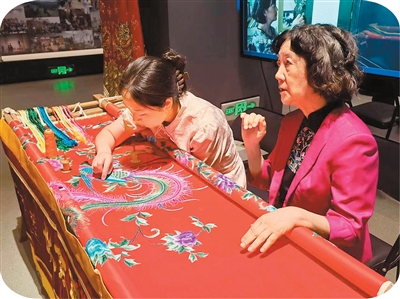
我们为什么要记录
Ren Min Ri Bao Hai Wai Ban· 2025-10-29 22:55
Core Points - The exhibition titled "Preserving the Heritage: Achievements of National Intangible Cultural Heritage Representatives" showcases the results of a decade-long project initiated by the Ministry of Culture and Tourism in 2015, focusing on the documentation of national intangible cultural heritage representatives [2][6] - The project has recorded 1,279 national intangible cultural heritage representatives out of 2,290 targeted individuals, with a total of 75,548.9 hours of raw material collected, amounting to 2,969.7 TB of data [6] - The exhibition features interactive displays that allow visitors to explore information about various ethnic groups and their intangible cultural heritage, emphasizing the diversity and richness of Chinese culture [7][8] Documentation Achievements - The project has successfully collected and documented traditional techniques, such as paper-making, which correspond with historical texts like "Tiangong Kaiwu" by Song Yingxing [3][5] - The documentation includes 20,880.2 hours of audiovisual materials, with oral history transcripts totaling 14,831.8 million words, involving 9,156 interviewees [6][9] - The methodology for documentation includes a "3+1" approach, focusing on oral history interviews, project practice recordings, and teaching methods of the heritage representatives [9][10] Cultural Significance - The project highlights the importance of preserving intangible cultural heritage as a means of safeguarding cultural identity and history, with the National Library serving as a repository for these records [5][11] - The exhibition also pays tribute to the late representatives, with nearly 500 photographs displayed in black and white to signify those who have passed away, underscoring the urgency of the documentation work [12][13] - The initiative aligns with UNESCO's 20th anniversary of the "Convention for the Safeguarding of the Intangible Cultural Heritage," emphasizing the fragility and resilience of such heritage [11][12]
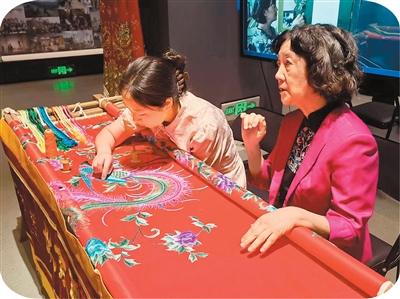
113人入选海南第五批省级非遗传承人名单
Hai Nan Ri Bao· 2025-10-22 01:34
Core Points - The recent announcement by Hainan's tourism and cultural department revealed the selection of 113 new provincial-level intangible cultural heritage (ICH) inheritors, bringing the total to 262 [1] - The newly recognized inheritors represent various categories of ICH, with a significant number in traditional music (20) and traditional crafts (62) [1] - The recognition of these inheritors is part of Hainan's efforts to promote ICH protection and transmission during the 14th Five-Year Plan period [1] Group 1 - The new inheritors cover multiple ethnic groups, including Han, Li, and Miao, and are distributed across 14 cities and counties in Hainan [1] - The provincial department emphasized that the expansion and optimization of the inheritor team will support future applications for national-level ICH projects and the promotion of national-level inheritors [2] - Hainan has made significant progress in ICH protection, with 32 national-level inheritors and over 1,800 city and county-level inheritors, showing an increasing proportion of the "post-90s" generation [2]