
DTC模式

Search documents
Ermenegildo Zegna(ZGN) - 2025 Q2 - Earnings Call Transcript
2025-09-05 13:00
Financial Data and Key Metrics Changes - In H1 2025, revenues reached €928 million, a decrease of 2% organically, despite a strong DTC organic performance of 6% [3][4] - Gross profit was €626 million, with a margin of 67.5%, reflecting a 110 basis points improvement driven by a better channel mix [4][10] - Adjusted EBITDA for H1 2025 was €69 million, with an EBITDA margin of 7.4%, down 100 basis points compared to the previous year [6][8] - Net profit increased to €48 million, up 53% from €31 million in the previous year, attributed to higher financial income and foreign exchange gains [10][11] - Capital expenditure (CapEx) was €54 million, representing about 6% of revenues, primarily for store network development [12] Business Line Data and Key Metrics Changes - The Zegna segment generated an adjusted EBITDA of €94 million, with a margin of 14.3%, up from 12.8% in H1 2024, due to higher operating leverage [9] - Thom Browne's adjusted EBITDA fell to €4 million from €20 million in H1 2024, driven by a significant decrease in revenues, particularly in the wholesale channel [9] - Tom Ford Fashion recorded an adjusted EBITDA loss of €90 million, compared to a €12 million loss last year, due to planned investments in store expansion and IT infrastructure [10] Market Data and Key Metrics Changes - Strong momentum was noted in Europe, the Middle East, and the Americas, while the Greater China Region (GCR) remains challenging and volatile [17][59] - Initial signs of improvement in GCR were observed, but the market is still considered volatile, with a cautious outlook [17][59] Company Strategy and Development Direction - The company is focusing on expanding its DTC network, with new store openings in key markets like Miami and Shanghai [15] - A strategic emphasis on quality and personalization in the DTC channel is expected to enhance gross margins [23] - The company plans to maintain investments in brand development while managing discretionary costs [42] Management's Comments on Operating Environment and Future Outlook - Management acknowledged the challenging and volatile sector environment but expressed confidence in actions taken to protect profitability [8][17] - The outlook for H2 2025 includes expectations for low single-digit organic growth, with a cautious approach to the Chinese market [24][59] Other Important Information - Free cash flow absorption was €23 million in H1 2025, compared to €7 million in the previous year, driven by lower operating cash flow [13] - The company confirmed a tax rate of around 30% for the year, down from 35% last year [11] Q&A Session Summary Question: Current performance in terms of margin and expectations for H2 - Management explained that the gross margin improvement is linked to DTC revenues and emphasized the importance of quality in driving margins [20][23] - For H2, management confirmed expectations of low single-digit growth and realistic EBIT consensus [21][25] Question: Margin improvement in the Zegna segment and Thom Browne's margins - Management indicated that Zegna's margins could trend between 13% and 14% for the year, with long-term potential for 15% [30][32] - For Thom Browne, management expects a reduction in the decline of wholesale revenues and aims for a return to double-digit EBIT margins [34] Question: Current trends in the Chinese market - Management noted early signs of improvement in the Chinese market but remained cautious about drawing conclusions from short-term trends [38][59] Question: Pricing strategy and risks for H2 - Management confirmed a systematic low single-digit price increase to offset costs and tariffs, with no significant consumer pushback observed [51][53] - The main risk for H2 is still the volatility in the Chinese market, with a focus on planning for a "new normal" [56][59]

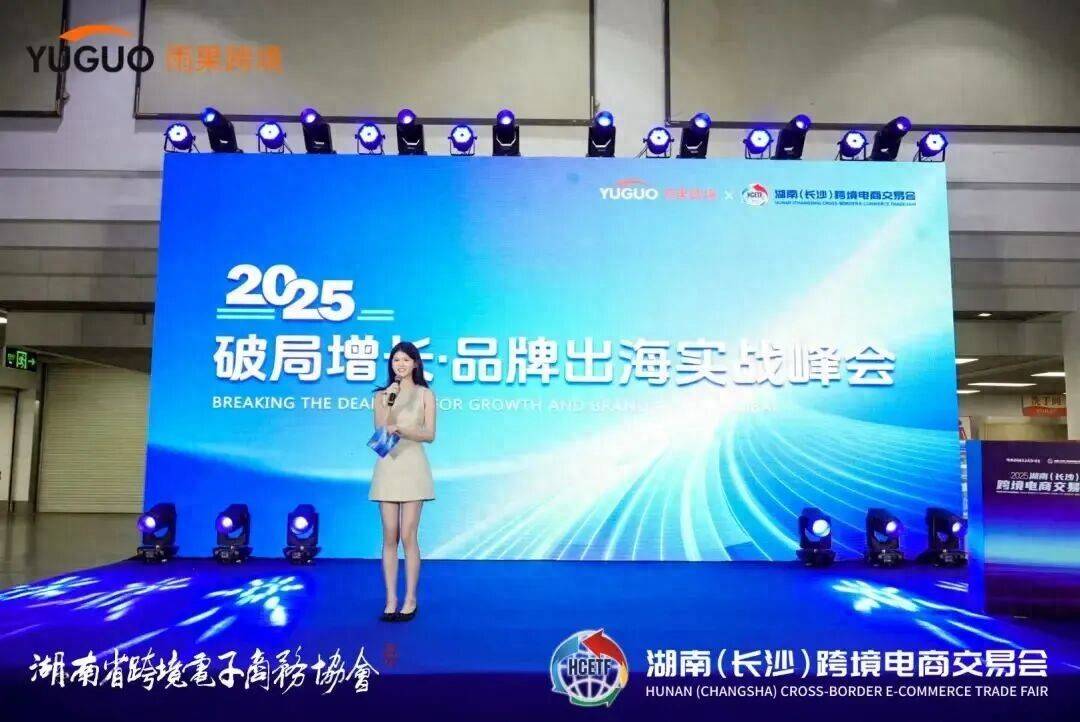
跨交会配套活动丨品牌出海实战峰会圆满落幕,共拓蓝海新市场
Sou Hu Cai Jing· 2025-09-02 11:59
Core Insights - The summit "Breaking the Growth: Practical Strategies for Brand Going Global" was successfully held, focusing on new opportunities for cross-border e-commerce and brand growth strategies [1][11] - Experts discussed the importance of adapting to new market conditions and leveraging platforms like Amazon, Coupang, and SHEIN for international expansion [1][11] Group 1: Market Trends and Opportunities - The current landscape of cross-border e-commerce shows a polarization in sales among independent sellers, highlighting the advantages of the DTC model in enhancing brand autonomy and customer satisfaction [3] - The Korean e-commerce market is valued at nearly $170 billion and is experiencing rapid growth, particularly among female consumers aged 40 and above, presenting significant opportunities for Chinese sellers [7] - SHEIN's strategy emphasizes the importance of selecting products based on market trends and optimizing listings to enhance visibility and sales conversion [8] Group 2: Strategic Approaches - A "Seven-Step Methodology" for Chinese factories going global was proposed, covering aspects from product development to brand building, emphasizing the need for a flexible supply chain [5] - The importance of utilizing Amazon's KPI management tools and FBA services was highlighted to improve operational efficiency and consumer reach [5] - The summit aimed to provide actionable insights on market positioning, platform selection, and logistics to help cross-border sellers develop a comprehensive growth strategy [11]


跨境电商运营:2023年跨境电商行业深度研究报告
Sou Hu Cai Jing· 2025-09-01 13:38
Core Insights - The report provides a comprehensive analysis of the cross-border e-commerce industry, covering its definition, development history, industry chain, current status, and future trends [1][5][10]. Industry Definition - Cross-border e-commerce refers to international commercial activities where different customs entities transact through e-commerce platforms, utilizing electronic payment and cross-border logistics [11][34]. Development History - The industry has experienced three main phases: - **Nurturing Phase (2010-2013)**: Focused on personal purchasing [14]. - **Initiation Phase (2014-2017)**: Rapid growth supported by government policies and increased consumer purchasing power [15]. - **High-Speed Development Phase (2018-2023)**: Business models and service systems were refined, leading to market consolidation [16]. Industry Policies - The Chinese government has consistently supported the cross-border e-commerce sector, with policies such as tax incentives for export return goods and the establishment of comprehensive pilot zones [17][19]. Industry Chain - The industry chain consists of: - **Upstream**: Manufacturers, distributors, and brand owners, with Guangdong, Zhejiang, and Jiangsu as key supply regions [22][26]. - **Midstream**: E-commerce platforms (e.g., Tmall Global, JD Worldwide) and logistics providers (e.g., SF Express, Cainiao Network) [29]. - **Downstream**: Consumers, primarily young adults aged 18-35 and middle-class individuals [22][30]. Current Industry Status - The market is steadily growing, with the export cross-border e-commerce scale exceeding 75% in 2021. The B2C model is rapidly expanding, with a transaction scale of 3.3 trillion yuan in 2021 [1][9]. - The competitive landscape shows a significant Matthew effect, where leading companies dominate due to brand and supply chain advantages [9][10]. Representative Companies - Key players include: - **Temu**: Leverages Pinduoduo's supply chain for cost-effective offerings. - **SHEIN**: Focuses on fast fashion with a flexible supply chain. - **Shopee**: Targets the Southeast Asian market with localized operations [1][9]. Future Trends - The industry is expected to gradually recover, with trends towards branding, diversification, and refinement. The market will likely concentrate around leading players, and service providers in cross-border payments and SaaS will see significant growth potential [1][10][19]. - Overseas warehouses will become a core competitive advantage due to their ability to enhance logistics efficiency and reduce costs [1][10].


通过DTC模式与用户深度链接,魏牌找到向上“密码”
Zhong Guo Jing Ji Wang· 2025-09-01 08:31
Core Viewpoint - Wei brand is establishing itself as a high-end new energy brand by creating value for users through a direct-to-consumer (DTC) model, achieving significant delivery milestones and expanding its retail presence across China [1][3][10]. Group 1: DTC Model and User Engagement - The DTC model is designed to listen to users' genuine feedback, ensuring a professional, efficient, and convenient service experience [3]. - Wei brand has invested heavily in building digital channels, increasing its retail centers from 0 to over 460 in just over a year, with plans to expand to 700 centers covering over 200 cities by the end of the year [3]. Group 2: Sales Performance and Product Launches - In the first seven months of the year, Wei brand's cumulative sales exceeded 40,000 units, re-establishing its position in the high-end new energy market [5]. - The newly launched Gao Shan model has delivered nearly 20,000 units since its release in May, marking a new era for MPV families [5]. - The upcoming Gao Shan 7 model is positioned as a family-oriented vehicle, emphasizing spaciousness and comfort, with a price point under 300,000 [6]. Group 3: Product Features and Market Position - The Lan Shan model has excelled in media tests for advanced driving assistance and extreme range, achieving over 100,000 units delivered, making it the third six-seat new energy SUV to reach this milestone [8]. - The popularity of Gao Shan and Lan Shan in the 300,000 market segment indicates that Wei brand has found its "value high ground" in the exploration of high-end new energy brands [10]. Group 4: Future Developments - Wei brand announced the upcoming launch of a next-generation all-power intelligent super platform, which is the only platform globally compatible with five power forms, featuring advanced technologies such as a dual 4-second 2.0 hybrid system and an 800V hybrid architecture [10].

半年营收创新高,安踏集团并购提速再“添丁”,多元布局寻觅新增长极
Hua Xia Shi Bao· 2025-08-29 10:37
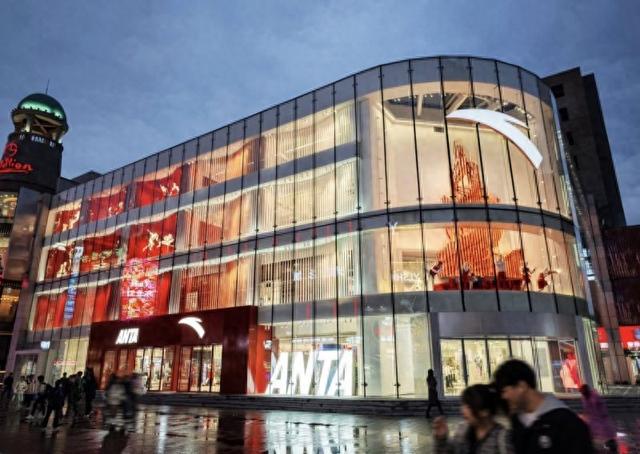
Core Viewpoint - Anta Group is actively pursuing new investment opportunities, including a potential acquisition of Reebok or Puma, while also establishing a joint venture with the Korean fashion group MUSINSA to enhance its market presence and appeal to younger consumers [2][3][4]. Financial Performance - In the first half of the year, Anta Group achieved a revenue of 38.544 billion yuan, representing a year-on-year growth of 14.3% [2][5]. - The net profit for the same period was 7.031 billion yuan, which reflects a decrease of 8.9%, but excluding the impact of a non-cash accounting gain from Amer Sports, the net profit actually increased by 14.5% [5][6]. - Revenue from the Anta brand reached 16.95 billion yuan, growing by 5.4%, while the FILA brand generated 14.18 billion yuan, up by 8.6% [5][6]. Strategic Investments - Anta Group has formed a joint venture named MUSINSA China, where it holds a 40% stake, to develop its own brand "MUSINSA STANDARD" and multi-brand stores in China [3][4]. - The joint venture is expected to be completed by September 2025, pending regulatory approval [3][4]. Acquisition Activity - The company has accelerated its acquisition strategy, having recently completed the acquisition of the German outdoor brand Jack Wolfskin [4][5]. - Anta Group has a history of acquisitions, including brands like FILA and Amer Sports, and aims to continue this trend to expand its market reach [4][5]. Inventory Management - The average inventory turnover days increased by 22 days to 136 days in the first half of 2025, which is significantly higher than competitors like Li Ning and 361 Degrees [7][8]. - The increase in inventory is attributed to a rise in stock levels and the impact of recent acquisitions [8]. Market Challenges - Anta Group's main brands, Anta and FILA, are experiencing a slowdown in growth, with FILA's revenue growth fluctuating significantly compared to previous years [6][9]. - The company faces challenges in global operations, including market control, organizational efficiency, and supply chain optimization, which are critical for its continued expansion [9].
高山7亮相 魏牌持续发力品牌向上
Zhong Guo Zhi Liang Xin Wen Wang· 2025-08-29 10:03
Core Insights - The article highlights the successful performance of Great Wall Motors' premium electric vehicle brand, Wey, which has achieved over 10,000 deliveries for two consecutive months and a cumulative sales of over 40,000 units from January to July this year [4][6][13] - Wey's strategy focuses on deep user engagement through a Direct-to-Consumer (DTC) model, which has led to significant growth in retail centers and user satisfaction [6][8][13] Group 1: Sales Performance - Wey has returned to the mainstream of high-end electric vehicles with impressive sales figures, including nearly 20,000 units delivered since the launch of the new Gaoshan model in May [4][6] - The upcoming Gaoshan 7 is designed specifically for family users, aiming to enhance Wey's position in the electric MPV segment [4][6] Group 2: User Engagement and DTC Model - The DTC model allows Wey to listen to user feedback and ensure a high-quality service experience, with over 460 retail centers established and plans to expand to 700 by the end of the year [6][8] - Wey actively involves users in product development, such as naming the new color for the Blue Mountain model and establishing support stations along key travel routes [8] Group 3: Technological Advancements - Wey announced the upcoming launch of a next-generation all-power intelligent super platform, which will support five different power forms and feature advanced technologies [8] - The Blue Mountain model has received recognition for its performance in areas like assisted driving and extreme endurance, with total deliveries surpassing 100,000 units [6][8] Group 4: Marketing and Brand Positioning - The brand has engaged in creative marketing strategies, including collaborations with popular IPs and influencers to enhance user experience and brand visibility [3][10] - Wey's commitment to long-term value creation through user-centric approaches is emphasized as a core aspect of its brand philosophy [13]


安踏集团2025年上半年营收同比增长14.3%,FILA品牌收入同比增长8.6%
Cai Jing Wang· 2025-08-27 10:26
Core Insights - Anta Group reported a revenue increase of 14.3% year-on-year to 38.54 billion yuan for the first half of 2025, with operating profit rising by 17% to 10.131 billion yuan and an operating profit margin improvement of 0.6 percentage points to 26.3% [1] - The company achieved a free cash flow of 7.55 billion yuan and maintained a cash reserve of 55.58 billion yuan, indicating strong financial health [1] Group Performance - The multi-brand synergy was significant, with Anta's main brand revenue increasing by 5.4% to 16.95 billion yuan and FILA brand revenue growing by 8.6% to 14.18 billion yuan [1] - FILA's strategy included the "ONE FILA" brand image and a focus on innovative product development targeting Chinese consumers' perception of sports fashion [1] Strategic Developments - Anta continued to deepen its global footprint by acquiring the German outdoor brand JACK WOLFSKIN and forming a joint venture with South Korean fashion group MUSINSA to expand its presence in the Chinese market [1] - The revenue of Amer Sports, controlled by Anta, increased by 23.5% to 2.709 billion USD, with a 42.4% growth in the Greater China region, highlighting the local penetration capability of international brands [1] Retail and Technology - Anta's Direct-to-Consumer (DTC) model accounted for nearly 90% of sales, with significant upgrades in store efficiency through five innovative store types [2] - The company invested nearly 1 billion yuan in R&D during the first half of the year, an 8% increase year-on-year, and has cumulatively invested over 20 billion yuan in the past decade [2] ESG and Social Responsibility - Anta was included in the Hang Seng ESG 50 Index and the Dow Jones Emerging Markets Index, with an MSCI ESG rating upgrade to "A" [2] - The company and the He Min Foundation donated over 360 million yuan in the first half of the year, with a cumulative donation exceeding 3.04 billion yuan, benefiting over 9 million youth [2] Leadership Strategy - Anta's Chairman Ding Shizhong emphasized the commitment to a "single focus, multi-brand, globalization" strategy, leveraging a "brand + retail" model to navigate uncertainties and strengthen its industry position through innovative products and global collaboration [2]
红蜻蜓: 2025年半年度报告
Zheng Quan Zhi Xing· 2025-08-25 17:05
Core Viewpoint - Zhejiang Red Dragonfly Footwear Co., Ltd. reported a significant decline in revenue and net profit for the first half of 2025, attributed to weak consumer demand and increased competition in the footwear industry [2][10]. Company Overview and Financial Indicators - The company generated operating revenue of approximately 1.02 billion yuan, a decrease of 11.76% compared to the same period last year [2][15]. - The total profit for the period was a loss of approximately 11.29 million yuan, contrasting with a profit of 32.27 million yuan in the previous year [2][15]. - The net profit attributable to shareholders was a loss of approximately 22.97 million yuan, compared to a profit of 21.96 million yuan in the same period last year [2][15]. - The net cash flow from operating activities was approximately 114 million yuan, a significant increase of 675.39% year-on-year [2][15]. - The company's total assets decreased by 5.21% to approximately 3.75 billion yuan, while net assets decreased by 6.2% to approximately 2.64 billion yuan [2][15]. Business Model and Strategy - The company focuses on the design, development, production, and sales of adult footwear, bags, and children's products, with brands including Red Dragonfly, Red Dragonfly KIDS, and GONGJI [3][6]. - The company employs an end-to-end value chain management model, emphasizing digital operations and customer-centric approaches [4][6]. - The company has adopted a multi-channel sales strategy, with a total of 2,777 physical stores, including 453 self-operated and 2,324 franchised stores, alongside a strong online presence [6][7]. Industry Analysis - The footwear industry is experiencing a shift towards direct-to-consumer (DTC) models, allowing brands to engage more effectively with consumers and respond to their needs [7][8]. - Consumer preferences are evolving towards comfort and individuality, leading to increased demand for casual and functional footwear [8][9]. - The rise of domestic brands and the integration of traditional cultural elements into modern designs are gaining traction among consumers [8][9]. Operational Adjustments - The company is undergoing a brand transformation to align with consumer trends, focusing on comfort and modern styles while maintaining its heritage [10][11]. - The company is leveraging AI technology to enhance operational efficiency and product design processes, significantly reducing design time and costs [12][13]. - The company is optimizing its product mix to include more trendy and comfortable footwear options, aiming to reshape consumer perceptions of the brand [10][11].

特步“加减法”
Nan Fang Du Shi Bao· 2025-08-21 23:19
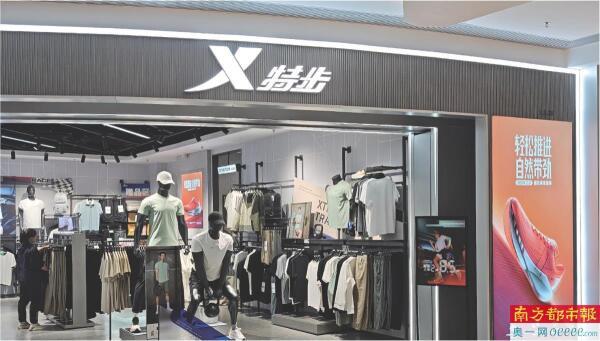
Core Viewpoint - Xtep's mid-year performance for 2025 shows record profits, but concerns arise from reliance on a single product line and the need for strategic growth beyond current capabilities [2][3][4] Financial Performance - Xtep's revenue from continuing operations increased by 7.1% to 6.838 billion yuan, with net profit rising by 21.5% to 914 million yuan, marking a historical high [2] - The operating profit grew by 9.1% to 1.305 billion yuan, indicating overall positive financial health [2] Brand Performance - The main brand's revenue growth was only 4.5%, reaching 6.053 billion yuan, a decline from previous growth rates of over 10% [5] - Saucony, positioned as the "second growth curve," achieved a 32.5% revenue increase to 785 million yuan, but this only accounts for 12% of total revenue [4][3] Strategic Initiatives - Xtep plans to invest 400 million yuan to open 400 Direct-to-Consumer (DTC) stores, aiming to enhance retail control despite potential short-term profit erosion [2][6] - The company has streamlined its brand portfolio, retaining only three brands: Xtep, Saucony, and Maile, after divesting K-Swiss and Palladium [3] Market Positioning - Xtep's focus remains on the mass consumer market in China, with a strong brand identity as the "first running brand in China" [5] - The company faces challenges in diversifying its product offerings beyond footwear, which may limit growth potential compared to competitors like Anta and Li Ning [5]
亚玛芬体育第二季度营收同比增长23% 鞋履业务成增长新引擎
Zheng Quan Ri Bao Wang· 2025-08-20 12:02
Core Insights - Amer Sports reported strong Q2 2025 financial results, with revenue of $1.236 billion, a 23% year-over-year increase, and a net profit of $18.2 million, reversing a loss from the previous year [1] - The company’s CEO highlighted the robust growth driven by its premium outdoor functional apparel brands, despite facing high tariffs and macroeconomic uncertainties [1] Revenue Breakdown - The outdoor functional apparel segment, led by Arc'teryx, generated $509 million in revenue, reflecting a 23% year-over-year growth [1] - The Salomon footwear business emerged as a significant growth driver, with revenue increasing by 35% to $414 million, marking it as the fastest-growing segment [2] - The ball sports and racquet equipment segment saw an 11% revenue increase to $314 million, primarily driven by the Wilson Tennis360 strategy [2] Regional Performance - The Greater China region experienced a remarkable 42% revenue growth, reaching $410 million, attributed to successful brand positioning and market strategies [3] - The Asia-Pacific region reported a 45% increase in revenue to $155 million, while the Americas and EMEA regions saw growth of 6% and 18%, respectively [3] Future Outlook - Based on the strong Q2 performance, Amer Sports raised its full-year revenue guidance, expecting a growth of 20%-21% for FY2025 [4] - The CFO noted that the impact of tariffs on the ball sports segment is slightly higher than anticipated, but the overall effect on the company's performance is expected to be limited due to strategic responses [4]
