
共同富裕

Search documents
民营企业如何助力共富之路?关键节点的重要信号
Sou Hu Cai Jing· 2025-12-03 02:32
Core Insights - The article discusses the role of private enterprises in promoting common prosperity in China, highlighting the unique "Guangcai" model initiated by the China Guangcai Cause Promotion Association [1][3] - The association, founded over 30 years ago, has evolved from supporting poverty alleviation to focusing on rural revitalization and consolidating poverty alleviation achievements [1][4] Group 1: Historical Context and Development - The Guangcai initiative began with a call from ten non-public economic figures to engage in poverty alleviation, marking the start of a significant movement in China's private sector [1] - Over the past three decades, the Guangcai cause has witnessed the growth and maturation of private enterprises, reflecting their increasing involvement in public welfare [1][3] Group 2: Current Initiatives and Impact - The "Wanqi Xing Wan Cun" initiative has mobilized 235,100 private enterprises to support 161,900 villages, with total investments reaching 1.21 trillion yuan and donations amounting to 56.4 billion yuan [3][4] - The Guangcai cause emphasizes the importance of private enterprises in driving regional development by aligning industrial layout and resource allocation with national strategic goals [4][5] Group 3: Future Directions - The article outlines plans for the Guangcai cause to continue contributing to reducing development disparities while exploring a development path that balances efficiency and equity [5][6] - Upcoming events, such as the 30th anniversary celebration and the issuance of a new action plan for high-quality development from 2025 to 2035, aim to enhance the innovation and effectiveness of the Guangcai cause [4][5]

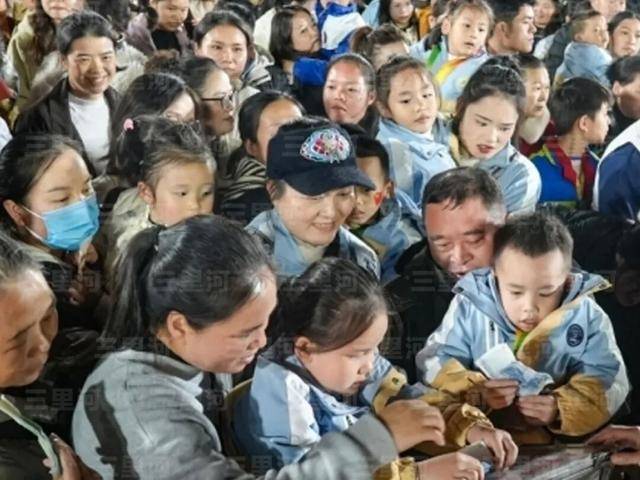
【立方早知道】“芯片首富”再捐36亿元股份/千亿龙头宣布125亿元投资计划/10倍大牛股今日复牌
Sou Hu Cai Jing· 2025-12-03 02:22
Group 1: Company News - China Uranium Industry will be listed on A-shares on December 3, 2025, as the only company in China engaged in domestic natural uranium mining and processing, with a total market value of approximately 37 billion yuan after the IPO [1] - Abison's founder and chairman, Ding Yanhui, was re-elected as chairman but voted against his own election due to dissatisfaction with the chairman's compensation, indicating a desire for reform in the company's governance structure [1] - Tianpu Co. announced that its stock will resume trading on December 3, 2025, after completing a review of recent trading activities, with a significant price increase of 451.8% from August 22 to November 27 [15] - Xi'an Yicai announced a partnership to invest 12.5 billion yuan in a silicon material base project in Wuhan, focusing on advanced silicon wafer production for integrated circuits [16] - Yutong Bus reported an 8.62% increase in sales in November, with a total production of 4.23 million buses from January to November, reflecting a year-on-year growth of 5.33% [17] Group 2: Industry Dynamics - The Ministry of Housing and Urban-Rural Development is seeking public opinion on new regulations for construction market supervision, aiming to enhance the dynamic verification of enterprise qualifications and strengthen oversight of non-compliant companies [9] - The Central Bank reported a net liquidity injection of 500 billion yuan through treasury bond transactions and 1 trillion yuan through medium-term lending facilities in November [5] - The OECD has raised its forecast for China's economic growth in 2025 to 5%, up from a previous estimate of 4.9% [6][10]

推动共同富裕迈出坚实步伐——三论深入学习贯彻省委十二届八次全会精神
Si Chuan Ri Bao· 2025-12-03 00:42
扎实推动共同富裕,要让全省人民生活更加幸福安逸。实现人民对美好生活的向往是中国式现代化 的出发点和落脚点,全会紧扣推动全体人民共同富裕迈出坚实步伐这一总体性要求,在促进均衡发展、 增进民生福祉等方面部署了一系列务实举措。面向"十五五",必须坚持在发展中保障和改善民生,要促 进高质量充分就业,深入实施就业优先战略,加强重点群体就业工作。要促进人口高质量发展,强化生 育和育幼服务支持,加强养老服务体系建设。要扩大优质均衡公共服务供给,办好人民满意的教育,加 快建设健康四川,健全多层次社会保障体系,实现更高水平住有所居。要积极探索共同富裕实践路径, 构建多层次收入分配体系,深化攀枝花共同富裕试验区建设,探索多元共富有效途径。要着眼促进人民 精神生活共同富裕,加快建设新时代文化强省,丰富精神文化供给,推进高水平的共同富裕。 中国式现代化是全体人民共同富裕的现代化。四川作为我国西部经济大省、人口大省和农业大省, 在拥有丰富资源的同时,长期以来面临着城乡区域差距较大的突出矛盾,这是共同富裕必须破解的深层 次问题。必须把造福人民作为根本价值取向,补齐民生短板,促进区域协调发展,不断擦亮高质量发展 成效和共同富裕成色。 扎实 ...
夯实共富之基 织密民生之网——江苏人社交出“十四五”高质量发展优异答卷
Xin Hua Ri Bao· 2025-12-02 23:44
Core Viewpoint - Jiangsu's human resources and social security system is focused on promoting high-quality employment and social security to contribute to common prosperity, aligning with the province's modernization goals. Employment and Economic Development - Employment is prioritized as a key political task, with an average of over 1.35 million new urban jobs created annually during the 14th Five-Year Plan, ranking second nationally [2] - The urban survey unemployment rate has been maintained below 5%, with a cumulative total of 6.714 million new urban jobs created by the end of October this year [2] - A combination of policies, including wage subsidies and special loans, has effectively stabilized employment for over 20.5 million workers [2] - Training programs have been conducted for 9.7 million individuals, with a job placement rate of 37% and a training retention rate of 94% [2] Human Resources Service Industry - By the end of 2024, Jiangsu will have 6,752 human resources service agencies, employing 67,000 people and generating an annual revenue of 221.5 billion [3] - The "Just in Jiangsu" smart employment service platform has facilitated numerous recruitment events, collecting nearly 27 million job postings [3] - Innovative employment services, such as live-streaming job fairs, have provided over 5.5 million job opportunities [3] Social Security System - Jiangsu is enhancing its social security system to ensure comprehensive coverage and equitable benefits for all residents [5] - As of October, the number of basic pension insurance participants reached 61.573 million, an increase of 1.92 million since the end of 2021 [6] - The minimum pension for urban residents has been increased annually by at least 8%, benefiting 12 million residents [6] Support for Key Groups - Targeted support for college graduates has resulted in a placement rate exceeding 92% for recent graduates [4] - Unemployment insurance totaling 11.97 billion has been distributed, assisting 655,000 unemployed individuals [4] - Continuous employment services for migrant workers have stabilized their employment at over 24 million [4] Talent Development and Innovation - Jiangsu has implemented a talent strategy to attract and retain skilled individuals, with 16,736 doctoral candidates introduced during the 14th Five-Year Plan [8] - The province has established a unique talent evaluation system and enhanced support for high-skilled workers [9] - Entrepreneurship support has led to 1.483 million individuals starting their own businesses since the beginning of the 14th Five-Year Plan [10] Labor Relations and Wage Protection - Jiangsu is committed to building harmonious labor relations and has implemented measures to address wage arrears effectively [11] - The province has established a digital monitoring system for wage payments, ensuring timely intervention in cases of wage disputes [12] - A comprehensive approach to wage protection has resulted in a 100% case closure rate for wage-related complaints [13]
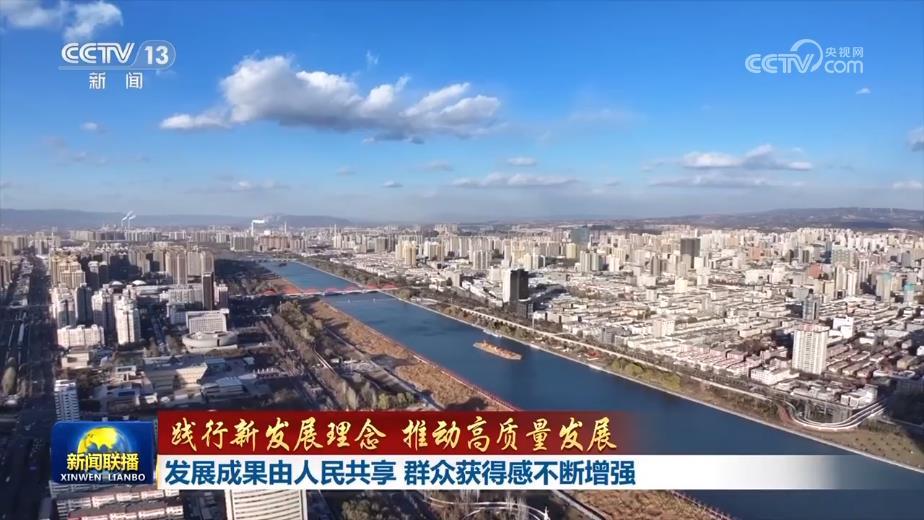
践行新发展理念 推动高质量发展|发展成果由人民共享 群众获得感不断增强
Yang Shi Wang· 2025-12-02 02:50
Core Points - The article emphasizes the implementation of new development concepts across various regions, focusing on enhancing public services and addressing livelihood issues to benefit the population more effectively [2] Group 1: Livelihood Projects - Tibet is advancing ten major livelihood projects, with an allocation of 14.8 billion yuan for livelihood initiatives this year, and an additional investment of approximately 2 billion yuan in the second half of the year [4] - In Lhasa, ongoing home modifications for elderly families and the "Internet + Smart Elderly Care" model will benefit over 70,000 senior citizens [4] - During the 14th Five-Year Plan, Jiangxi has established over 2,400 urban community elderly care service institutions and has created 949 "Happy Homes" for the elderly and children [4] Group 2: Health and Medical Services - Heilongjiang is promoting "Healthy Longjiang" initiatives, improving access to quality medical resources through the establishment of county-level medical community centers and remote consultation platforms [6] - The overall experience of residents seeking medical services has significantly improved [6] Group 3: Transportation Development - In Sichuan's Liangshan, the construction of "industrial roads" and "tourism roads" is optimizing the transportation network, transforming it from a bottleneck to a strong support for high-quality development [8] - Qinghai has introduced transportation measures to support rural revitalization and regional development, completing the construction and renovation of roads in 16 urban areas [8] - The opening of the Xiangyang to Jingmen high-speed rail in Hubei connects eight cities, marking the establishment of Hubei's first high-speed rail loop [8]
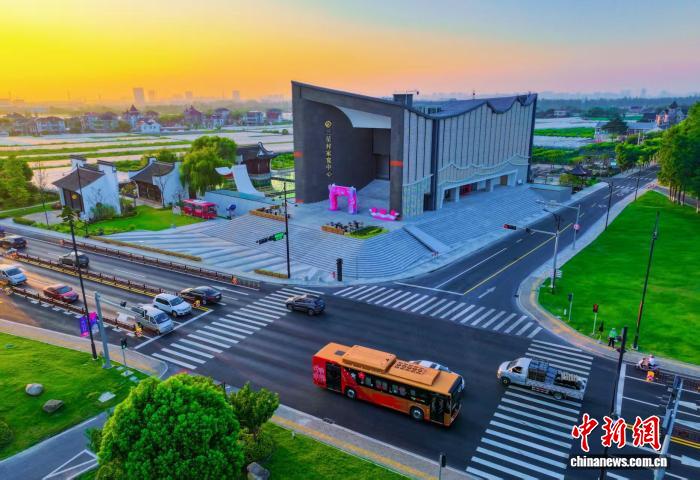
浙江实施“五大行动”推进城乡一体融合发展
Zhong Guo Xin Wen Wang· 2025-12-02 02:09
浙江实施"五大行动"推进城乡一体融合发展 来源:中国新闻网 编辑:张澍楠 中新网杭州12月2日电(记者 王逸飞)浙江省近日出台《住房城乡建设领域推进城乡一体融合高质量发展 行动方案》(下称《方案》),明确将聚焦"县城—中心镇—重点村"发展轴,围绕基础设施、住房保障、 人居品质、风貌特色、长效管理,实施城乡融合提升"五大行动",助力该省的山区海岛县及其他城乡差 距较大地区加快补齐短板。 今年是浙江高质量发展建设共同富裕示范区的第五个年度。当下,该省正以"千万工程"牵引城乡融合发 展缩小"三大差距",推进共同富裕先行示范。《方案》的出台也透露出浙江在"十五五"期间的诸多新打 法。 前述"五大行动"包括市政基础设施延伸辐射行动、住房保障扩面托底行动、城乡共建"好房子"行动、城 乡风貌联动提升行动、城乡一体管理提效行动,共包含15项具体任务。 例如浙江的市政基础设施延伸辐射行动,包括推进城乡一体化供水、加强城乡污水系统治理、实施城乡 燃气同标服务三项任务。该省提出到2027年底,城镇周边村基本实现城乡一体化供水全覆盖、污水处理 全覆盖、供气全覆盖。 在住房保障扩面托底行动中,浙江将推进住房保障基本公共服务一体化,完善 ...
这三个群体,收入分配要“多得”
Xin Hua Wang· 2025-12-01 23:53
Core Points - The article emphasizes the importance of improving the income distribution system to ensure that hard workers, skilled individuals, and innovators receive more rewards, aligning with the goals of the 14th Five-Year Plan [1][5][9] - The report highlights the steady growth of residents' disposable income, with a projected average of 41,314 yuan in 2024, reflecting a real annual growth rate of 5.5% from 2021 to 2024 [1][2] - The article discusses the strategic significance of income distribution reform in promoting common prosperity, fostering new productive forces, and establishing a new development pattern [2][3] Group 1: Income Distribution Mechanism - The article outlines the need for a coordinated system of primary distribution, redistribution, and third distribution to effectively adjust high incomes and increase low-income earners' earnings [2][3] - It stresses that the income distribution system should allow various production factors to participate in distribution based on their contributions, thereby recognizing the value of human capital [2][7][10] Group 2: Encouraging Hard Work and Skills - The concept of "more for more work" is highlighted, where employers set wage standards based on labor time, workload, and contributions, ensuring that diligent workers receive appropriate compensation [6][9] - The article notes that there are over 220 million skilled workers in China, with more than 72 million being high-skilled, emphasizing the need to enhance their compensation and social status [6][9] Group 3: Innovation Incentives - The article points out that innovation is crucial for economic development, with a focus on the need for a system that rewards innovators adequately, especially in high-risk fields like AI and digital economy [7][8] - It mentions that as of June this year, China has reached an average of 15.3 high-value invention patents per 10,000 people, indicating a strong emphasis on innovation [7][8] Group 4: Policy and Practice - The article discusses various policies and practices that have been implemented to support the three groups of "more for more," including the issuance of guidelines for skill talent compensation and the promotion of collective wage negotiations [9][10] - It highlights the importance of creating a fair competitive market environment and enhancing regulatory measures to ensure that contributions are evaluated and rewarded appropriately [10]
这三个群体,收入分配要“多得”(这些新提法,写入“十五五”规划建议③)
Ren Min Ri Bao Hai Wai Ban· 2025-12-01 22:11
Core Viewpoint - The article emphasizes the importance of improving the income distribution system in China to ensure that the benefits of modernization are shared more equitably among all citizens, aligning with the goals of the 15th Five-Year Plan [1][3][4]. Group 1: Income Distribution Mechanism - The 15th Five-Year Plan calls for a refined income distribution system that rewards contributors based on their input, promoting the idea that those who work harder, possess higher skills, or innovate should earn more [1][6]. - The National Bureau of Statistics reports a steady increase in residents' disposable income, projecting an average growth of 5.5% annually from 2021 to 2024, with rural incomes growing faster than urban ones by 2.4 percentage points in 2024 [1][3]. Group 2: Promoting Common Prosperity - A well-structured income distribution system is fundamental for advancing common prosperity, helping to balance income disparities and enhance the sense of gain, happiness, and security among the populace [3][4]. - The article highlights the need for a coordinated system that includes primary distribution, redistribution, and third distribution to effectively manage income levels and prevent widening wealth gaps [4][10]. Group 3: Encouraging High-Quality Development - The article discusses how improving the income distribution system aligns with the strategic need to cultivate new productive forces, particularly through innovation, which is essential for high-quality development [3][6]. - The emphasis on rewarding high-skilled workers and innovators is seen as a way to optimize the labor structure and enhance the overall productivity of the economy [6][7]. Group 4: Practical Implementation - Various enterprises are already implementing measures to ensure that skilled workers and innovators receive appropriate compensation, such as signing collective contracts for skill incentives and establishing internal training programs [7][10]. - The article notes that policies like the "Skills Talent Salary Distribution Guidelines" aim to guide companies in improving compensation for skilled workers, thereby fostering a more equitable income distribution [10][11].
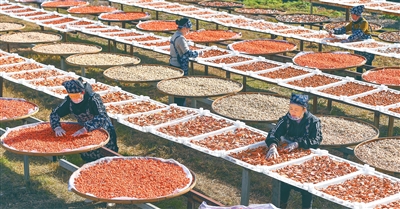
统筹建立常态化防止返贫致贫机制
Jing Ji Ri Bao· 2025-11-30 22:50
Core Viewpoint - The article emphasizes the importance of establishing a normalized mechanism to prevent poverty and ensure sustainable development after the poverty alleviation campaign, as outlined in the "Suggestions" from the 20th Central Committee of the Communist Party of China [1] Summary by Sections Importance of Establishing a Normalized Mechanism - The establishment of a normalized mechanism to prevent poverty is crucial for maintaining the achievements of poverty alleviation and ensuring that large-scale poverty does not reoccur [2] - It is a necessary requirement for implementing new development concepts and promoting common prosperity, ensuring that no one is left behind in the modernization process [2] - Addressing external risks and challenges necessitates focusing on vulnerable groups and regions to enhance their development capabilities and economic resilience [3] Principles for Establishing the Mechanism - Emphasizing the leadership of the Party and the advantages of the socialist system in mobilizing resources for major tasks [4] - Implementing precise assistance strategies that are tailored to individual needs and circumstances [4] - Enhancing internal development motivation while ensuring that support measures are sustainable and effective [5] Key Work Areas for Preventing Poverty - Improving the effectiveness of monitoring systems to accurately identify and track individuals at risk of falling back into poverty [6] - Implementing precise and categorized assistance measures based on the specific needs and capabilities of individuals [8] - Supporting underdeveloped regions by enhancing their competitive advantages and promoting economic cooperation [9] - Stabilizing and optimizing the assistance system and policy framework to ensure effective implementation and accountability [10]
金融“活水”精准滴灌种业“芯片”
Zheng Quan Ri Bao· 2025-11-30 15:37
Core Viewpoint - The article highlights the proactive measures taken by Lin'an Rural Commercial Bank to support the development of the livestock industry in Zhejiang, particularly through tailored financial solutions for agricultural enterprises like Saino Ecological Agriculture, which is a national core breeding farm for sheep [1][2]. Group 1: Financial Support and Innovations - Lin'an Rural Commercial Bank has developed a customized financing plan for Saino Ecological Agriculture, providing a total of 7 million yuan (approximately 1 million USD) through a combination of credit loans and secured loans to meet the company's funding needs for breeding research and management [2]. - The bank has implemented a flexible loan repayment scheme tailored to the high investment and long cycle characteristics of the sheep industry, addressing the traditional financing challenges faced by agricultural enterprises [2][3]. - As of the end of October, Lin'an Rural Commercial Bank has issued loans to 530 agricultural enterprises, totaling 68 million yuan (approximately 9.5 million USD) [2]. Group 2: Commitment to Agricultural Development - Lin'an Rural Commercial Bank is focused on solving the "loan difficulty" issue for agricultural enterprises by introducing various loan products such as Grain Farmer Loans and Low-Income Farmer Subsidized Loans, and aims to create credit villages and towns by 2025 [3]. - The bank plans to enhance its services for the agricultural sector by conducting in-depth research, opening green credit channels, and innovating specialized financial products to ensure continuous financial support for agriculture, forestry, animal husbandry, and fishery industries [3].