
知识产权保护

Search documents
离谱!英特尔华裔程序员被裁,反手偷 1.8 万份绝密文件“跑路”。网友:10 年老员工咋干这糊涂事
程序员的那些事· 2025-11-12 10:56
Core Viewpoint - The article discusses a significant incident involving Intel, where a former employee, Jinfeng Luo, allegedly stole approximately 18,000 confidential documents before leaving the company amid layoffs, raising concerns about data security and intellectual property protection in the tech industry [1][3][4]. Group 1: Incident Overview - In 2024, Intel initiated a large-scale layoff, planning to cut over 15% of its workforce, which included Jinfeng Luo, a software engineer who had been with the company since 2014 [3][4]. - After receiving a layoff notice on July 7, 2024, Luo attempted to copy confidential files but was initially thwarted by Intel's security systems [3][6]. - Luo successfully circumvented these protections by using a network-attached storage device (NAS) and managed to download a significant amount of sensitive data in the days leading up to his departure [3][4]. Group 2: Legal Actions and Claims - Intel has filed a lawsuit seeking at least $250,000 in damages and is actively pursuing the whereabouts of the stolen data [2][8]. - The lawsuit outlines three main demands: the return of all stolen documents, a court order to seize Luo's electronic devices, and compensation for economic losses and legal fees [10]. - Intel claims that the leaked information, which includes 63% marked as "Intel Top Secret," could cause immeasurable harm to the company's security and competitive position [4][8]. Group 3: Industry Implications - This incident is not isolated; it highlights a growing trend of technology theft in the semiconductor industry, with previous cases indicating a pattern of employees taking sensitive information when leaving companies [9]. - Legal experts emphasize the need for companies to enhance data security measures and manage access rights for departing employees to mitigate risks associated with talent mobility and technology loss [9]. - The case has prompted a reevaluation of technology confidentiality mechanisms within the industry, as companies like Intel strive to protect their intellectual property and maintain competitive advantages [9][10].



华为2024年专利许可收入超6亿美元,公开专利3.7万件
Nan Fang Du Shi Bao· 2025-11-12 10:25
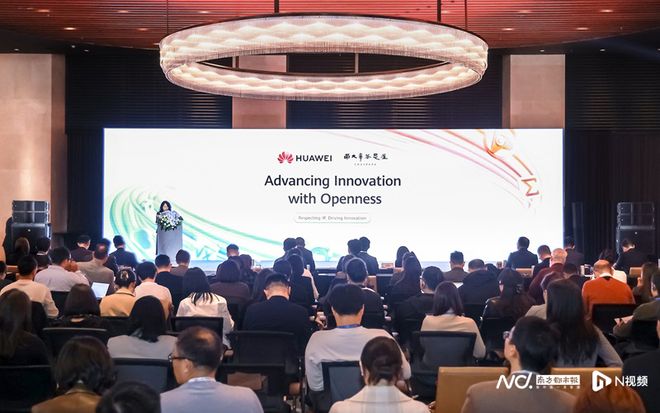
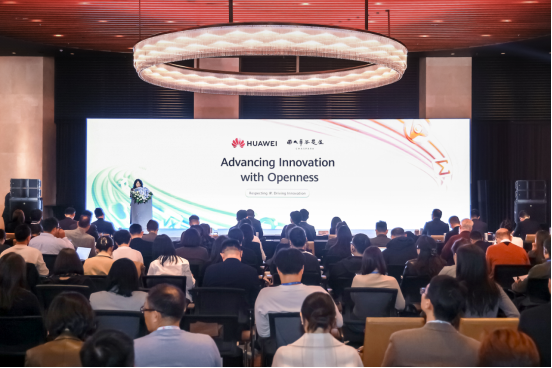
Core Insights - Huawei held its sixth Innovation and Intellectual Property Forum on November 11, focusing on the theme of "Open Innovation" and the importance of intellectual property in driving technological advancement and societal development [1][3] Group 1: Intellectual Property and Innovation - Huawei's Chief Legal Officer emphasized that open innovation is crucial for societal progress and is part of Huawei's core values, highlighting the company's commitment to protecting its own intellectual property while respecting others' rights [1] - In 2024, Huawei's patent licensing revenue is projected to be approximately $630 million, with historical patent licensing fees paid being three times the cumulative licensing income [3] - Huawei has consistently ranked first in the number of international patent applications under the Patent Cooperation Treaty (PCT) since 2014, with 6,600 PCT applications expected in 2024 [3] Group 2: Research and Development Investment - Huawei's R&D expenditure for 2024 is set at 179.7 billion yuan, accounting for 20.8% of total revenue, with expectations to exceed 200 billion yuan in 2025 [3] - Over the past decade, Huawei has invested more than 1,249 billion yuan in R&D, which supports the generation of innovative outcomes [3] - The sixth "Top Ten Inventions" awards highlighted key innovations in areas such as computing and the Harmony operating system, showcasing Huawei's focus on future-oriented technologies [3] Group 3: Patent Licensing and Ecosystem - By the end of 2024, over 2.7 billion 5G devices, 1.2 billion consumer electronics, and 3.2 billion multimedia devices will have received patent licenses from Huawei [4] - 48 Fortune Global 500 companies have directly or indirectly obtained licensing from Huawei, indicating the company's significant role in the global patent ecosystem [4] - The Vice President of Huawei's Intellectual Property Department stated the company's commitment to promoting technology openness through various means, including software open-source and standard contributions [3][4] Group 4: Future Outlook - Huawei aims to enhance the innovation and intellectual property environment through collaboration with industry partners, fostering a supportive atmosphere for intellectual property protection and mutual industry development [4]
一粒玉米种子赔5000万:中国为什么必须打赢一场“种子战争”?
3 6 Ke· 2025-11-12 08:47
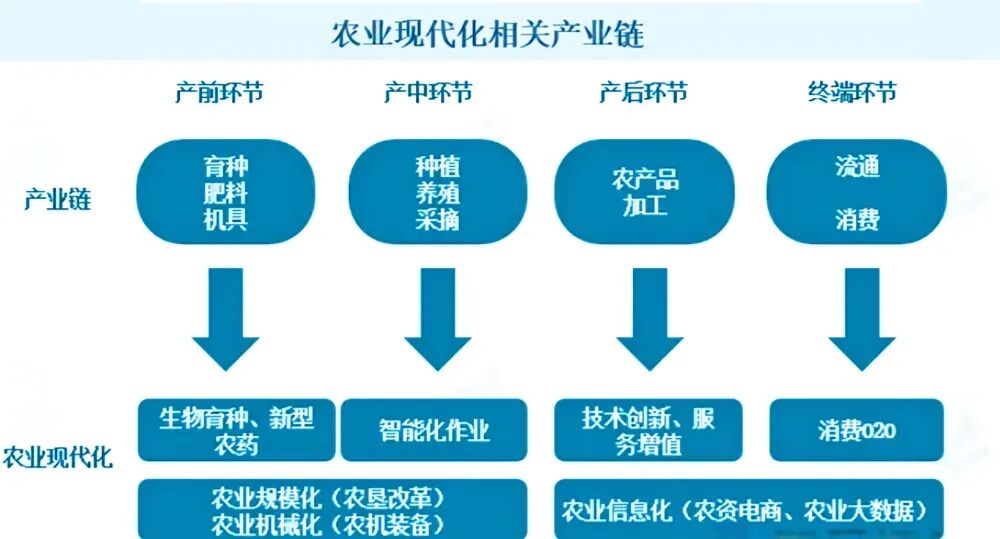
Core Viewpoint - The article highlights a significant legal case in China regarding the infringement of plant variety rights, emphasizing the importance of intellectual property protection in the agricultural sector, particularly in seed production and breeding [1]. Group 1: Legal Case and Intellectual Property - A company was ordered to pay over 53 million yuan for infringing on the exclusive rights of another company regarding a corn variety, marking the highest compensation in a plant variety infringement case in China [1]. - The ruling reflects a growing emphasis on intellectual property rights in agriculture, likening seeds to "agricultural chips" and underscoring their critical role in modern agriculture [1][3]. Group 2: Historical Context and Challenges - Historically, seeds were considered free, with farmers using self-selected seeds for planting, but modern agricultural practices have shifted this perception due to low yields and vulnerability to disasters [4][6]. - China has a rich genetic resource base but lacks modern breeding technology and commercial operations, leading to a dependency on foreign seed varieties [6][18]. Group 3: Global Seed Industry Dynamics - The article discusses historical instances of seed theft and the resulting impact on global agricultural markets, such as the British appropriation of Chinese tea and soybean varieties [7][10][15]. - The dominance of multinational corporations in the seed industry, particularly Bayer (formerly Monsanto), is highlighted, showcasing their significant market share and extensive patent holdings [29][30]. Group 4: Current State of China's Seed Industry - China's seed industry is characterized by a large number of small and scattered companies, with only a few capable of integrated breeding, production, and sales [32][34]. - The lack of robust intellectual property protection has led to rampant imitation and a focus on low-cost competition, hindering innovation and quality in the seed market [42][45]. Group 5: Regulatory Developments and Future Outlook - Recent legal reforms, including the introduction of punitive damages for infringement, aim to strengthen intellectual property protections in the seed industry [48][50]. - China's self-sufficiency in vegetable seeds has improved significantly, and the country is moving towards greater innovation and competitiveness in the agricultural sector [52][54].

三态股份跌0.78%,成交额5386.78万元,近3日主力净流入-308.93万
Xin Lang Cai Jing· 2025-11-12 07:57
Core Viewpoint - Shenzhen SanTai E-commerce Co., Ltd. is primarily engaged in cross-border e-commerce retail and logistics, benefiting from the depreciation of the RMB and leveraging AI technologies for risk detection and image generation [2][3][7]. Company Overview - The company was established on January 7, 2008, and went public on September 28, 2023. Its main business segments include cross-border e-commerce retail (76.14% of revenue) and logistics (23.80%) [7]. - As of October 31, 2023, the company had 29,500 shareholders, with an average of 7,434 circulating shares per person, showing a slight decrease [8]. Financial Performance - For the period from January to September 2025, the company reported a revenue of 1.252 billion yuan, reflecting a year-on-year growth of 0.15%. However, the net profit attributable to shareholders decreased by 25.94% to 31.8471 million yuan [8]. - The company has distributed a total of 110 million yuan in dividends since its A-share listing [9]. Market Activity - On November 12, 2023, the company's stock price fell by 0.78%, with a trading volume of 53.8678 million yuan and a turnover rate of 2.76%, resulting in a total market capitalization of 7.005 billion yuan [1]. - The stock has seen a net outflow of 5.4605 million yuan from major investors, indicating a lack of clear trend in institutional investment [4][5]. Technological Developments - The company has developed an AI-based intellectual property risk detection tool named "RuiGuan·ERiC," which was made available for trial use on September 28, 2023. This tool aims to provide flexible, low-cost, and accurate risk monitoring solutions for businesses [2][3]. - The company is also working on an AIGC project that utilizes Stable Diffusion for generating high-quality images, enhancing operational efficiency and reducing production costs [2][3].
华为公布“十大发明”,涉及算力、存储等技术
新华网财经· 2025-11-12 01:29
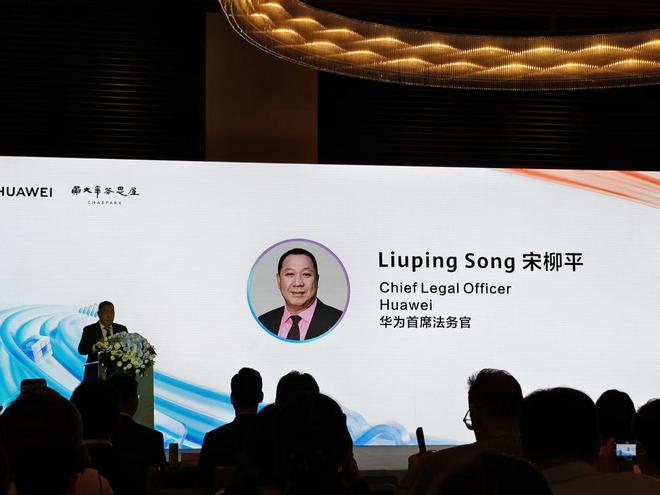
Core Viewpoint - Open innovation and intellectual property protection are not opposing forces but rather dual drivers of technological advancement, as stated by Huawei's Chief Legal Officer Song Liuping during the sixth Innovation and Intellectual Property Forum [2]. Group 1: Huawei's Innovations and Achievements - Huawei announced the results of the sixth "Top Ten Inventions" awards, recognizing key technological advancements in areas such as computing, HarmonyOS, and storage since 2015 [4]. - The sixth "Top Ten Inventions" includes: - Scale-up ultra-large-scale supernode computing platform, enabling flexible resource allocation and parallel processing [5]. - Harmony full-stack architecture innovation, enhancing user experience through seamless integration of software and hardware [6]. - New folding form factors, including the world's first commercial triple-fold smartphone and a foldable PC [7]. - Short-distance optical interconnection, improving reliability by 3 times and operational efficiency by 40% [8]. - Next-generation high-capacity SSD, achieving a fourfold increase in storage density and significant performance improvements [10]. - GigaGreen RAN, leading the industry in energy efficiency and user experience [11]. - New paradigm for assisted driving based on real-time environmental awareness [12]. - Ascend affinity mathematical reasoning acceleration, optimizing performance for large model inference [13]. - F5G-A 10G optical access technology, leading the industry in performance and reliability [14]. - Red Maple original color imaging technology, enhancing mobile photography accuracy [15]. Group 2: Intellectual Property and Research Investments - In 2024, Huawei is set to disclose a record 37,000 new patents, with an estimated patent licensing revenue of approximately $630 million [15]. - Huawei holds over 150,000 valid authorized patents globally and has been the top applicant for PCT international patents for ten consecutive years, with 6,600 applications in 2024 [15]. - Huawei's patent licensing technology is deeply embedded in the global smart terminal ecosystem, with over 2.7 billion 5G devices and 1.2 billion Wi-Fi devices receiving Huawei's patent licenses [16]. - The company has contributed over 10,000 new technical proposals to domestic and international standard organizations and published over 1,000 academic papers in 2024 [15]. - Huawei's R&D investment has reached a cumulative total of 1.249 trillion RMB over the past decade, with 2024 R&D expenses projected at 179.7 billion RMB, accounting for 20.8% of annual revenue [18].

华为知识产权部长:研发团队捷报频传,尽最大努力对外开放
Guan Cha Zhe Wang· 2025-11-12 01:28
Core Viewpoint - Huawei emphasizes the importance of open innovation and intellectual property protection to drive technological advancement and societal development, showcasing its significant R&D investments and achievements in the field of patents and technology [1][3][9]. R&D Investment - Huawei has consistently invested over 20% of its annual sales revenue into R&D, with expenditures exceeding RMB 170 billion in 2024, representing 20.8% of total sales [1]. - Over the past decade, Huawei's cumulative R&D investment has surpassed RMB 1.2 trillion, ranking sixth globally in R&D spending according to the 2024 EU Industrial R&D Investment Scoreboard [1]. Intellectual Property Achievements - In 2024, Huawei publicly disclosed a record 37,000 new patents, contributing over 10,000 technical proposals to domestic and international standards organizations, and publishing more than 1,000 academic papers [5]. - As of the end of 2024, Huawei holds over 150,000 valid patents globally, with more than 50,000 in China, approximately 29,000 in the U.S., and around 19,000 in Europe [5]. Patent Licensing Revenue - Huawei's patent licensing revenue reached a historical high of $630 million in 2024, marking an increase from $560 million in 2022 [6]. - Cumulatively, Huawei's patent licensing revenue over the past decade is estimated to exceed $4 billion, despite having paid approximately $12 billion in licensing fees to others [6][7]. Open Source and Collaboration - Huawei promotes open-source initiatives, with over 8,100 contributors in the OpenHarmony community submitting more than 10 million lines of new open-source code in the past year [3]. - The company has launched various open-source and hardware projects, including the CANN computing framework and the Cangjie programming language, aiming to provide developers with comprehensive tools and support [3]. Industry Collaboration - Huawei has signed 233 patent licensing agreements, with 95% achieved through negotiation and mediation, collaborating with major international firms like Nokia, Ericsson, Amazon, and Samsung [9]. - The company advocates for a balanced intellectual property strategy, emphasizing the importance of both incentivizing innovation and facilitating application [7][9]. Public Access to Patents - Over 200,000 Huawei patents have entered the public domain for free use, and the company has launched a patent query tool to assist global researchers [9][10]. - The "Chasi Patent" project has received over 2 million visits since its launch, reflecting its positive reception among the research community [10].

华为知识产权部长:研发捷报频传,尽最大努力对外开放
Guan Cha Zhe Wang· 2025-11-12 01:26
Core Insights - Huawei emphasizes the importance of open innovation and knowledge protection in driving technological advancement and societal development [1][3][10] R&D Investment - Huawei has invested over 20% of its annual sales revenue in R&D for the past five years, with R&D expenses exceeding RMB 170 billion in 2024, accounting for 20.8% of total sales [1][4] - Cumulatively, Huawei has invested over RMB 1.2 trillion in R&D over the past decade, ranking 6th globally in R&D spending according to the 2024 EU Industry R&D Scoreboard [1][4] Open Source and Collaboration - Huawei's open-source initiatives include the HarmonyOS and Euler operating systems, aimed at enhancing technology efficiency and reducing costs for developers and partners [3][4] - The OpenHarmony community has seen over 8,100 contributors and more than 10 million lines of new open-source code submitted in the past year [4] Patent and Licensing Strategy - In 2024, Huawei publicly disclosed a record 37,000 new patents, with over 150,000 valid patents globally, making it the largest patent holder in China [6][10] - Huawei's patent licensing revenue reached a historical high of $630 million in 2024, with cumulative licensing revenue over the past decade potentially exceeding $4 billion [6][7] Industry Contributions - Huawei has signed 233 patent licensing agreements, with 95% achieved through negotiation, and has contributed significantly to standards in cellular communication and multimedia technologies [10] - The company has paid significantly more in licensing fees than it has received, with cumulative payments exceeding $12 billion [8] Public Engagement and Tools - Huawei launched the "Chasi Patent" tool to provide free access to patent data for researchers, which has received over 2 million visits since its launch [11] - The tool has been upgraded to include features like semantic search and AI summaries, enhancing its utility for the research community [11] Future Outlook - Huawei aims to foster an environment of open collaboration and innovation, emphasizing the importance of protecting intellectual property while driving industry growth [11]
华为公布“十大发明” 涉及算力、存储等技术
Shang Hai Zheng Quan Bao· 2025-11-11 16:11
Core Viewpoint - Open innovation and intellectual property protection are complementary forces driving technological advancement, as stated by Huawei's Chief Legal Officer Song Liuping during the sixth Innovation and Intellectual Property Forum [1]. Group 1: Innovation and Patent Developments - Huawei disclosed its latest advancements in patent publication and commercialization, highlighting a record of 37,000 new patents in 2024 [14]. - The company has over 150,000 valid authorized patents globally by the end of 2024, maintaining its position as the top applicant for international patents for ten consecutive years [14]. - Huawei's patent licensing revenue is projected to be approximately $630 million in 2024, with historical patent licensing fees paid being three times the cumulative licensing income [14]. Group 2: Key Innovations Announced - The sixth "Top Ten Inventions" results were announced, showcasing significant technological advancements in areas such as computing, Harmony OS, and storage [3]. - Innovations include: - Scale-up ultra-large-scale supernode computing platform, enabling flexible resource allocation for AI processors [4]. - Harmony OS full-stack architecture, enhancing user experience through seamless integration and security [5]. - The world's first commercial triple-fold smartphone and foldable PC, showcasing breakthroughs in design and functionality [6]. - Short-distance optical interconnection technology, improving reliability and efficiency in computing clusters [7][8]. - Next-generation high-capacity SSDs, achieving a fourfold increase in storage density and significant performance improvements [9]. - GigaGreen RAN technology, leading the industry in energy efficiency and user experience [10]. - A new paradigm for assisted driving, utilizing real-time environmental awareness for enhanced navigation [11]. - Ascend-friendly mathematical reasoning acceleration, optimizing performance for large model inference [12]. - 50G PON technology, marking a significant advancement in access network systems [13]. - Red Maple original color imaging technology, enhancing mobile photography accuracy [14]. Group 3: Commitment to Open Innovation - Huawei emphasizes the importance of open innovation as a driving force for social development and technological progress, aligning with its core values [17]. - The company has contributed over 10,000 new technical proposals to domestic and international standard organizations and published over 1,000 academic papers in 2024 [14]. - Huawei's "Chasi Patent" initiative provides free patent query services to global researchers, enhancing accessibility to intellectual property information [17]. Group 4: Research and Development Investment - Huawei has invested a total of 1.249 trillion RMB in R&D over the past decade, with R&D expenses for 2024 reaching 179.7 billion RMB, accounting for 20.8% of total revenue [17]. - In the first half of 2025, R&D investment is projected to be 96.95 billion RMB, representing 22.7% of revenue, with a year-on-year growth of 9.04% [17].
线上线下李鬼横行,潮玩深陷高仿之困
Qi Lu Wan Bao· 2025-11-11 14:50
Core Insights - The recent launch of the "Vacation Mode" blind box series by Pop Mart's popular IP Crybaby sold out quickly, with hidden variants reaching secondary market prices of up to 999 yuan, representing a premium of over six times the original price [1][3] - The rapid growth of the trendy toy market has led to an influx of counterfeit products marketed as "affordable alternatives" or "high-quality replicas," with some online stores reporting sales exceeding 100,000 units [1][3] Group 1: Market Dynamics - The trendy toy market is experiencing significant demand, with Pop Mart's Crybaby series being particularly popular, leading to shortages in physical stores [3] - Counterfeit products are widely available online, with prices ranging from 12 yuan to over 40 yuan, and some sellers reporting sales of up to 29,000 units for these replicas [3] Group 2: Regulatory Environment - E-commerce platforms claim to prohibit the sale of counterfeit products and conduct regular checks based on product names and keywords, allowing consumers to report violations [4] - Regulatory authorities in cities like Shenzhen, Shanghai, and Guangzhou have initiated special actions against the production and sale of counterfeit goods, with Shanghai Customs seizing over 63,000 infringing items in the first half of the year [4] Group 3: Industry Projections - According to a report by iResearch, the Chinese IP trendy toy market is projected to reach approximately 67.8 billion yuan in 2024, with expectations to exceed 100 billion yuan by 2027 and approach 130 billion yuan by 2029 [5] - Experts emphasize the need for stronger regulations to protect consumer rights and intellectual property, suggesting that brands collaborate with partners to create comprehensive IP protection systems [5]
中兵红箭:公司始终高度重视技术研发与知识产权保护工作
Zheng Quan Ri Bao Zhi Sheng· 2025-11-11 10:41
Core Viewpoint - The company emphasizes its commitment to technology research and development, as well as intellectual property protection, while regularly disclosing progress in its reports [1]. Group 1: Research and Development - The company focuses its R&D investments on core business areas, particularly in special equipment, where certain information is classified and not disclosed [1]. - In the field of superhard materials, the company has achieved a series of technological breakthroughs, particularly in synthetic diamonds [1]. Group 2: Technological Breakthroughs - The company has developed low-cost batch preparation technology for high-temperature and high-pressure methods, achieving international advanced levels in crystal synthesis size, purity, and color control [1]. - In functional diamond technology, the company has made breakthroughs in large-size CVD single crystal diamond growth, low-loss laser cutting, and high-precision polishing, enabling controllable core technologies and the introduction of new products such as microwave windows and semiconductor substrates to the market [1].
