品牌建设

Search documents
吉利汽车桂生悦:极氪提前预告产品改款和升级计划得到好评,要把用户感受置于短期利益之上
Xin Lang Ke Ji· 2025-08-14 12:08
新浪科技讯 8月14日晚间消息,在今日的吉利汽车2025年中期业绩发布会上,吉利汽车控股有限公司行 政总裁及执行董事桂生悦表示,8月初,极氪提前预告产品改款和升级计划,并公布了在售车型的限时 权益政策。据统计,这一公告得到了新老用户普遍好评,用户都是通情达理的,只要我们充分把知情权 与选择权交给用户,把用户的感受置于短期利益之上,才能令品牌深入人心,对品牌建设具有重要意 义。 责任编辑:何俊熹 ...

吉利控股桂生悦:吉利集团在品牌建设、出口销量和单车平均售价上存在不足
Xin Lang Cai Jing· 2025-08-14 09:41
Core Insights - Geely Automobile Holdings Limited's CEO, Gui Shengyue, acknowledged shortcomings in brand building, export sales, and average selling price per vehicle [1] Group 1: Brand Building - The rapid development of intelligence in the automotive industry has accelerated product iteration, leading to Geely's failure to timely communicate future development plans to users, which deprived them of their right to know and choose [1] - Geely has learned significant lessons from this experience and has apologized to users who felt betrayed, initiating improvements [1] - Zeekr Automotive has announced plans for four new vehicle updates in the second half of the year, receiving a 96% approval rating from both new and existing users [1] Group 2: Average Selling Price - In the first half of the year, Geely's average selling price per vehicle decreased by 14,000 yuan [1] - The decline in average selling price is attributed to increased sales of the Galaxy brand, which targets the mass market, diluting overall profit margins, and a slowdown in growth in the high-end luxury market [1] - Gui Shengyue anticipates that the launch and strong sales of high-priced products such as Lynk & Co 900, Zeekr 9X, and Galaxy M9 in the second half of the year will improve the average selling price per vehicle [1]
伊利股份:品牌蝉联多项榜首 数智化升级提升供应链效能
Quan Jing Wang· 2025-08-13 05:51
交流会中,问及核心竞争力,伊利股份证券事务代表赖春玲表示,在品牌影响力方面,公司会持续加强 品牌建设,完善品牌管理体系,强化品牌沟通,夯实品牌资产,构建了强大的品牌矩阵。2024年,凯度 BrandZ最具价值全球品牌榜发布,"伊利"品牌价值连续多年蝉联全球乳业第一。凯度消费者指数发布 《2024品牌足迹报告》,公司以领先的消费者触及数、品牌渗透率和年均选择次数,蝉联"中国消费者 十大首选品牌榜单"首位。Brand Finance发布"2024年全球最具价值乳品品牌10强"榜单,伊利连续五年 稳居榜首。 在供应链效率提升方面,公司继续加快数智化升级转型,通过持续优化供应链数智化平台 原料供应管理、智能制造、库存动态管理、订单履约管理等核心能力,加快各业务线库存周转,实现更 加敏捷高效的产品交付与服务,为消费者创造更大价值和更好体验。(全景网) "天骏"驰草原,蒙企绘新篇! 7月11日下午,伊利股份(600887.SH)参加主题为"筑牢投资者沟通桥梁 共建上市公司高质量发 展"——2025年内蒙古辖区上市公司投资者网上集体接待日。 更 多 内 蒙 古 辖 区 上 市 公 司 2025 年 投 资 者 网 上 集 ...

泰凯英北交所IPO成功过会 拟募资3.9亿元加码产品、技术、管理全方位升级
Quan Jing Wang· 2025-08-13 05:51
Core Viewpoint - Qingdao Taike Ying Special Tire Co., Ltd. has successfully passed the IPO review on the Beijing Stock Exchange and is set to enter the registration and issuance process [1] Company Overview - Taike Ying focuses on the global mining and construction tire market, specializing in the design, research and development, sales, and service of mining and construction tires [3] - The company has developed over 600 types of tires suitable for various working environments, meeting user needs in mining and construction scenarios [6] - Taike Ying's brand "TECHKING" is recognized in the engineering radial tire market and ranks 3rd among Chinese brands and 8th globally in 2023 [6] Market Position and Clientele - The company has established a leading position in both the mining and construction segments, particularly in overseas markets, serving major industry players such as SANY Group, XCMG Group, and others [3][4] - Taike Ying has signed long-term procurement framework agreements with companies like Liebherr and Rio Tinto, and is recognized as an A-class supplier by Liebherr [3][6] Product Development and Innovation - The company employs a scenario-based technical development system to enhance tire consumption reduction and equipment operational efficiency [3] - Taike Ying's products are designed to address user pain points by incorporating various scenario elements into the product development process [4] Fundraising and Future Plans - The company aims to raise 390 million yuan for projects including the upgrade of specialized tire products, the establishment of an innovative technology research center, and the enhancement of intelligent management systems [7] - Successful implementation of these projects is expected to optimize the product line, enhance R&D capabilities, and expand market reach, ultimately increasing the company's revenue [8]


倪欣深入企业调研 纾困解难强信心 产业升级添动能
Sou Hu Cai Jing· 2025-08-12 15:06
Group 1 - The core focus of the article is on the efforts made by local government officials, led by Ni Xin, to support and enhance the development of enterprises in the region through direct engagement and problem-solving initiatives [2][7] - Ni Xin emphasized the importance of accelerating intelligent transformation in companies to improve product quality and efficiency, ensuring a stable supply chain to support local economic development [4] - The article highlights the need for companies to increase investment in technological innovation and market expansion to enhance their competitiveness and contribute to high-quality local economic growth [7] Group 2 - Dazhou Zhenxi Agricultural Products Co., Ltd. is a key player in the agricultural sector, providing over 20,000 tons of quality food ingredients annually to various institutions, and is currently constructing an intelligent sorting and processing facility [4] - Dazhou Jiaxing Industrial Co., Ltd. is recognized for its "Jiaxing" brand belt conveyor, which holds a strong reputation in the industry, and is encouraged to continue investing in technology and market development [4] - Dazhou Daba Mountain Selected Trade Co., Ltd. operates in the e-commerce sector, focusing on local specialty products and cultural industries, achieving a record of zero negative reviews and returns, and is advised to enhance brand building and integrate with e-commerce live streaming [5]

万辰集团拟13.79亿元揽收南京万优49%股权,“二代”接班直面零食线下多业态对垒
Cai Jing Wang· 2025-08-12 14:26
Group 1 - The core viewpoint of the article highlights the strategic acquisition by Wancheng Group to strengthen its control over the snack business through the purchase of a 49% stake in Nanjing Wanyou Commercial Management Co., Ltd. for 1.379 billion yuan [1][2] - Following the acquisition, Wancheng Group will hold a total of 75.01% of Nanjing Wanyou, enhancing its operational efficiency and market competitiveness, particularly in second and third-tier cities [2][5] - The company plans to consolidate its sub-brands into a unified brand "Haoxianglai Snacks," which includes brands like "Yadi Yadi," "Lai You Pin," and "Lu Xiaochan" [1][2] Group 2 - The acquisition is expected to increase the company's debt ratio from 67.57% to 90.97%, with a projected decline in net profit due to financial costs associated with the acquisition [2][3] - Wancheng Group aims to enhance its supply chain management and operational efficiency, with plans to improve logistics and inventory management, and to innovate product offerings in line with health trends [5][6] - The company has expanded its retail presence to 14,196 stores and is focusing on brand building, market expansion, and exploring new profit growth points through innovative store formats and product categories [5][6] Group 3 - The leadership transition to Wang Zeneng, the new general manager, is part of a broader strategy to solidify control and ensure stable decision-making within the company [3][4] - The competitive landscape in the snack industry is intensifying, with other brands like Three Squirrels and Lai Yifen also expanding their retail formats and product offerings [4][5] - Analysts predict that Wancheng Group may benefit from economies of scale in the retail sector, potentially leading to improved net profit margins as market concentration increases [5][6]
三元生物:公司将合理选择推广渠道与方式,稳步推进品牌建设与市场拓展
Zheng Quan Ri Bao Wang· 2025-08-12 11:44
Group 1 - The company will evaluate the necessity and feasibility of advertising investments based on market conditions, product positioning, and brand strategy [1] - The company aims to choose promotional channels and methods rationally to steadily advance brand building and market expansion [1]

中华保险全新品牌广告正式亮相
Xin Hua Wang· 2025-08-12 06:20
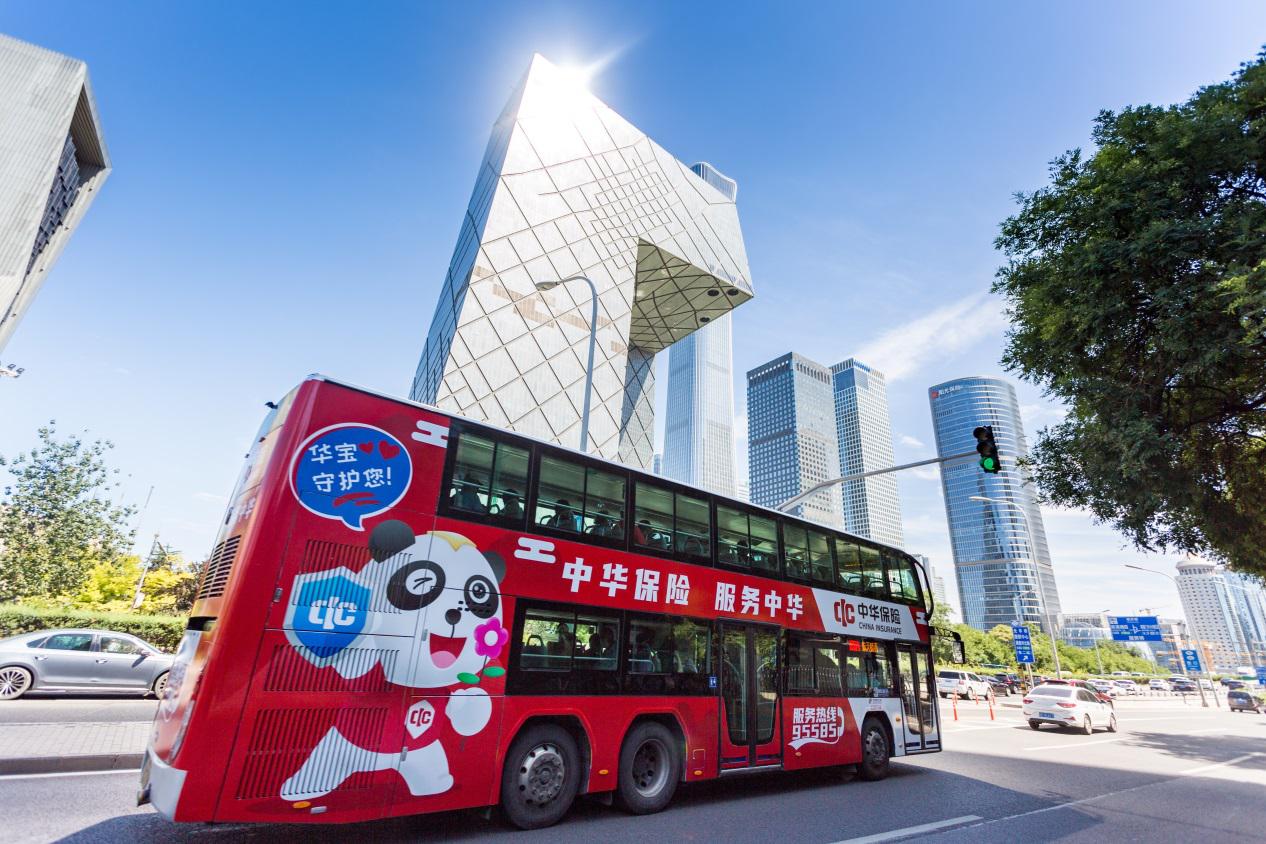
【纠错】 【责任编辑:柴峥】 此次投放的中华保险巴士广告,画面主色调延续了中华保险VI的正红色,纯正的中国红,向大众传递信赖、热情、坚定的品牌正能量。以国宝大熊猫 为原型、软萌可爱的IP形象"中华宝",忠诚守护万千客户,展现中华保险品牌魅力,传播中华保险品牌声音。"中华宝"将与全体中华保险人一起,坚持以客 户为中心,为人民群众提供优质服务。 2022年7月15日,中华保险喜迎建司36周年,公司全新品牌广告重磅亮相首都北京。中华保险携手IP品牌形象代言人"中华宝",向首都人民展示中华保 险全新靓丽品牌形象。 近年来,中华保险高度重视打造品牌工程,大力实施文化品牌战略项目,有效增强了中华保险品牌知名度、美誉度和社会影响力,努力将中华保险品牌 书写在中华大地上。 ...
新华视点丨品牌高质量发展新图景——2025世界品牌莫干山大会观察
Xin Hua Wang· 2025-08-12 05:55
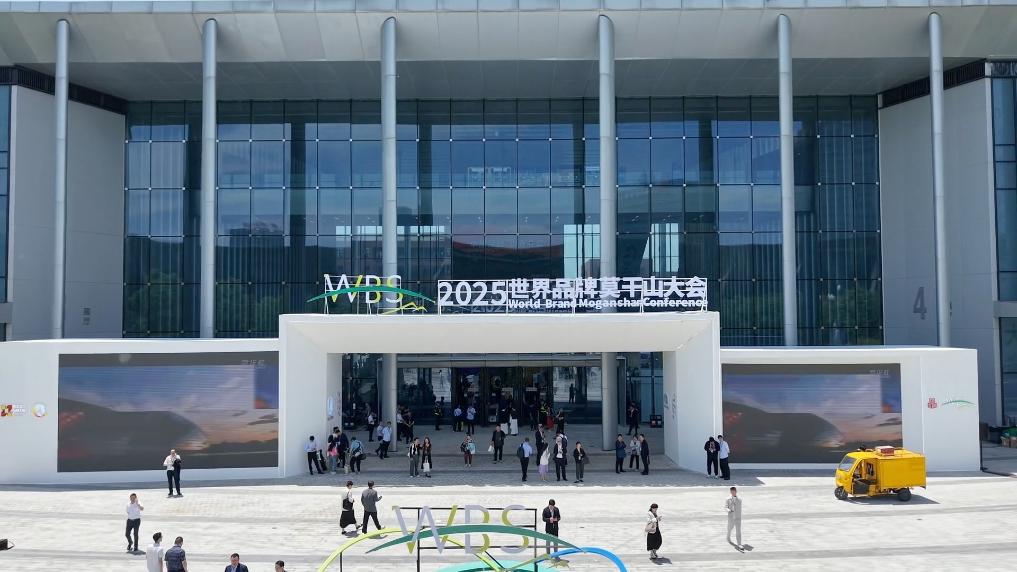
莫干山麓,五月花开。5月9日至11日,2025世界品牌莫干山大会在浙江省湖州市德清县举行。 不少企业家和专家认为,当前,新一轮科技革命和产业变革深入发展,正在改变品牌的发展模式和竞争格局。科技创新赋能中国制造,引领中国产品 和品牌知名度、美誉度持续提升。 连续举办三届的世界品牌莫干山大会,正成为我国品牌建设领域颇具盛名的活动之一,不断推动中国品牌建设、发挥品牌引领作用。 统筹:李杰、王健、李佳琳 编导:朱一南 配音:任一铭 包装:夏勇 综合新华社记者报道 中国向世界讲述品牌故事,也为世界搭建共享机遇、共同发展、互利共赢的中国舞台。 大会聚焦"品牌,让世界更美好"主题,有关部门、中外企业、金融机构、高等院校、行业协会等业内人士齐聚莫干山,共同探讨推动中国品牌建设, 进一步发挥品牌引领作用。 大会主体活动之一世界500强品牌发展论坛在浙江德清国际会议中心举办。本次活动以"文化赋能新消费"为主题,来自海内外头部企业的负责人和专家 学者汇聚一堂,围绕"中国品牌与文化双向奔赴""中外品牌交流互鉴""新兴技术助力中国故事出海"等话题展开交流。 新华社音视频部制作 【纠错】 【责任编辑:赵阳】 5月9日下午,2025世界品 ...
AI、出海如何与品牌发展结合?中国品牌节在深圳举办
Nan Fang Du Shi Bao· 2025-08-11 08:53
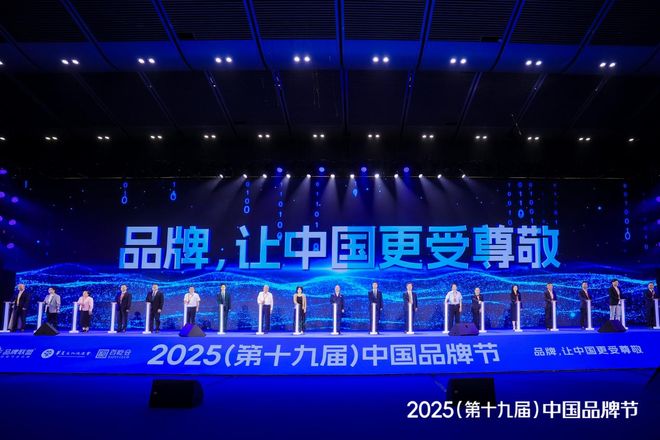
Core Insights - The 2025 (19th) China Brand Festival was held in Shenzhen, focusing on the theme of "AI and Going Global" to discuss new strategies for brand building and provide advice for Chinese brands expanding internationally [1][5] Group 1: Event Overview - The festival adopted a "1958" model, featuring one large opening ceremony, nine key events, fifty parallel forums and brand launch events, and eight master classes [3] - The festival aims to promote the vision of "Brands make China more respected" and is held annually in major cities across the country [3] Group 2: Key Themes and Discussions - Notable speakers emphasized the importance of AI as a "super partner" in brand enhancement, the role of culture in brand dialogue, and the need for core technology and innovation to build influential Chinese brands [5] - Discussions included the idea that going global is about coexistence rather than conquest, and that the essence of a brand lies in its emotions, stories, and values [5][7] Group 3: Main Forum Highlights - The main forum on August 8 featured discussions on "brand innovation in the digital intelligence era," addressing topics such as AI-driven productivity transformation, cross-cultural brand narrative innovation, and sustainable global growth strategies [7]