具身智能

Search documents
李想与詹锟对话自动驾驶下一步怎么走完整图文版/视频版
理想TOP2· 2026-03-18 13:25
Core Viewpoint - The article discusses the challenges and advancements in the field of autonomous driving, emphasizing the transition from rule-based systems to end-to-end AI systems, and the importance of 3D understanding in developing effective AI models for real-world applications [1][3][5]. Group 1: Autonomous Driving Development - The development of autonomous driving has been slow due to reliance on rule-based systems that require extensive manual tuning and experience [1][5]. - The shift to end-to-end AI systems marks a significant improvement, allowing for more rapid iterations and advancements in autonomous driving technology [1][5]. - Current AI systems still lack the level of intelligence comparable to humans, necessitating further advancements in multi-modal inputs and outputs to achieve a more complete understanding of the physical world [3][5]. Group 2: Importance of Pre-training - Pre-training is identified as a crucial foundation for AI development, as it allows for the compression of extensive training into more efficient models [7][8]. - The lack of effective pre-training in understanding 3D environments is a significant barrier to developing robust AI systems capable of real-world applications [8][20]. - The article highlights the need for a 3D visual encoder and decoder to enhance the AI's understanding of spatial relationships and improve its performance in physical environments [9][10]. Group 3: Technological Challenges - The transition to a 3D Vision Transformer (3D ViT) requires substantial computational power, with estimates suggesting a tenfold increase in computational requirements compared to 2D learning [21][22]. - The development of 3D ViT is contingent upon advancements in chip technology and the ability to conduct large-scale pre-training to extract meaningful 3D features [15][19]. - Key challenges include constructing a multi-modal thinking framework that integrates physical world understanding with action-oriented reasoning [33][36]. Group 4: Future Applications and Market Potential - The company aims to create a user experience in autonomous driving that feels natural and intuitive, akin to having a personal driver [37]. - The potential market for autonomous driving and related technologies is vast, with estimates suggesting a total addressable market in the hundreds of trillions [50]. - The company is focused on leveraging AI to enhance productivity and capabilities across its workforce, aiming for significant revenue growth through innovative applications of AI technology [51][52].



理想汽车发布下一代自动驾驶基础模型MindVLA-o1,向具身智能通用模型进化
Yang Zi Wan Bao Wang· 2026-03-18 11:46
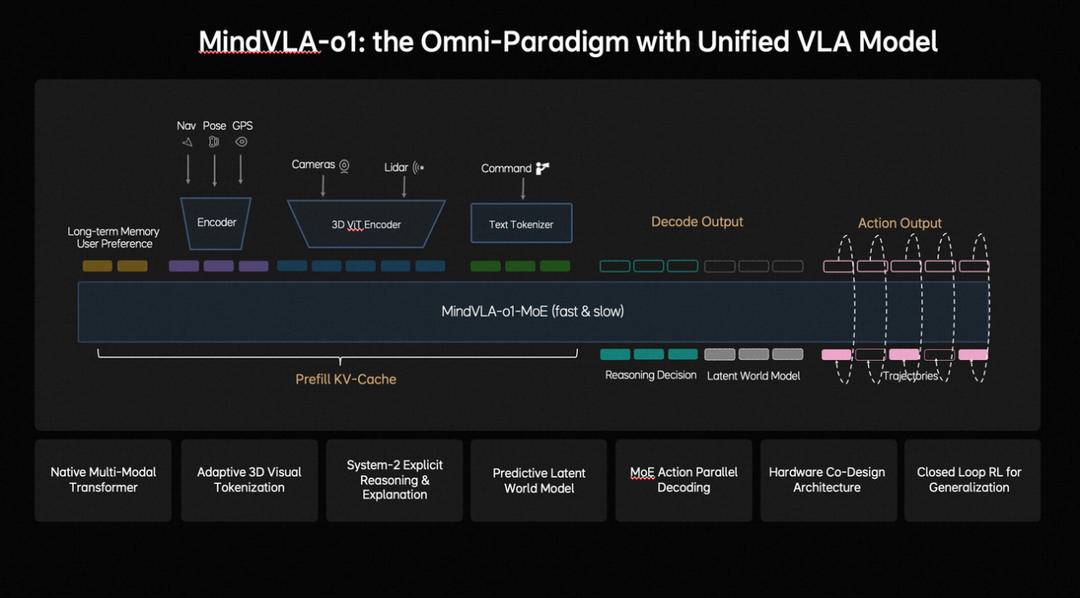
Core Viewpoint - Li Auto has officially launched its next-generation autonomous driving foundational model, MindVLA-o1, which integrates visual, language, and action capabilities to evolve into a general intelligent agent for the physical world [1][13]. Group 1: Model Innovations - MindVLA-o1 is built on five technological innovations aimed at enhancing autonomous driving capabilities [3]. - The model employs a 3D ViT Encoder for spatial understanding, utilizing LiDAR point clouds to guide the model in comprehending real-world structures [5]. - It incorporates a predictive latent world model for deeper reasoning, allowing the model to simulate future scenarios and align decision-making with multi-modal reasoning [6]. - The model generates high-precision trajectories through a unified behavior generation framework, optimizing for stability and adherence to vehicle dynamics [7]. - A closed-loop reinforcement learning framework enables continuous optimization and large-scale scene generation, significantly improving training efficiency and reducing costs [9]. - The model's deployment efficiency is enhanced through a co-design approach between software and hardware, drastically reducing architecture exploration time [11]. Group 2: Future Directions - MindVLA-o1 is part of a broader AI framework that includes components for data processing, multi-modal modeling, controllable world modeling, and reinforcement learning infrastructure, forming a complete feedback loop for autonomous action and learning [13]. - The framework is not limited to automotive applications but can also be extended to robotics and other physical systems, positioning Li Auto as a leader in embodied intelligence [15]. - The company aims to continue investing in cutting-edge research and core technology development to build a comprehensive AI system focused on physical world intelligence [15].
对话崔迪潇:全国范围的 L4 无人重卡,可能无法实现
雷峰网· 2026-03-18 10:15
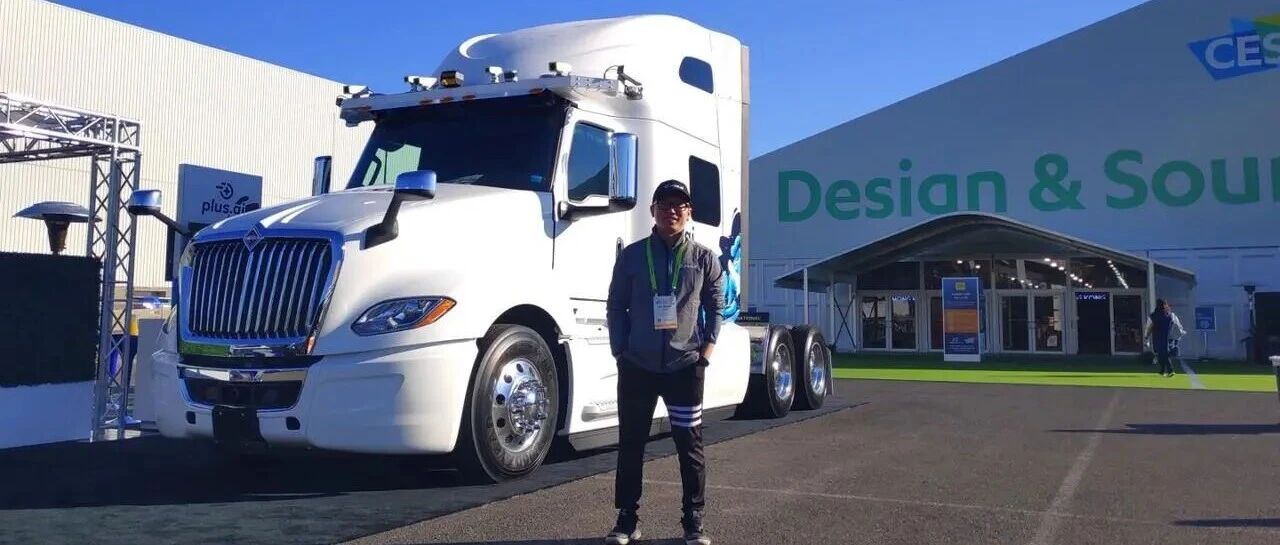
Core Viewpoint - The essence of L4 autonomous driving is redundancy assurance rather than betting on probabilities [6][7][41]. Group 1: Background and Development - In 2017, the autonomous driving industry began to flourish, prompting key talent like Cui Duxiao to leave academia for entrepreneurship [2][4]. - Cui Duxiao joined ZhiJia Technology as Chief Scientist, focusing on L4 level autonomous heavy truck technology [4][6]. - Over seven years, ZhiJia Technology evolved into a unicorn in the autonomous driving sector, achieving significant technological breakthroughs and commercial progress [6][9]. Group 2: Challenges and Insights - The dual strategy of pursuing both L2 and L4 levels in autonomous driving has proven difficult due to resource constraints and the complexity of L4 technology [11][40]. - The industry has underestimated the complexity of autonomous driving, leading to a lack of sustainable solutions for L4 development [11][30]. - The current state of L4 in China is characterized by a lack of companies achieving regular driver-out operations, reflecting a gap between expectations and reality [30][34]. Group 3: Redundancy in L4 - Redundancy is crucial for ensuring safety in L4 systems, contrasting with the industry's tendency to rely on single-point systems [20][28]. - Effective redundancy design can enhance system reliability but may increase hardware costs, making its value less apparent during stable operations [21][24]. - The industry has largely focused on algorithm performance rather than the necessary redundancy to ensure safety, leading to a fundamental design philosophy difference [28][41]. Group 4: Future Directions - The logistics industry is seen as a promising entry point for autonomous driving due to its rigid pricing logic and clear operational requirements [13]. - Future autonomous driving companies should focus on creating a comprehensive ecosystem that integrates various operational aspects rather than merely developing technology [12][49]. - The potential for regional players in the L4 autonomous truck market is high due to the localized nature of supply chains and road rights [46][49].
读懂海淀“1+X+1”:AI驱动下,科学仪器人如何抢占未来五年的“战略高地”?
仪器信息网· 2026-03-18 09:02
Core Viewpoint - The article emphasizes the strategic importance of high-end scientific instruments as a key emerging industry, with artificial intelligence (AI) positioned as the core engine driving innovation and development in this sector [1][2]. Group 1: AI as the Core Engine - AI is identified as the driving force for transforming scientific instruments from mere tools to intelligent entities, with the theme of the ACCSI 2026 conference being "AI Empowerment · Intelligent Future" [3][4]. - The conference will feature a forum focused on the integration of AI with scientific instruments, discussing topics such as autonomous experimental systems, intelligent detection and data analysis, and predictive maintenance [4][6]. Group 2: Strategic Industry Directions - The article outlines five key emerging industries selected by Haidian, which align with the forums at ACCSI 2026, providing a comprehensive mapping of strategic industry directions [6]. - Specific forums will address topics such as domestic instrument innovation, semiconductor material detection, life sciences, and aerospace detection technologies, highlighting the competitive landscape and technological advancements in these areas [6][8]. Group 3: Comprehensive Service Ecosystem - The foundational support for the industry is provided by a comprehensive technology service ecosystem that includes talent, investment, and space [8][9]. - The ACCSI serves as a platform for investment services, facilitating connections between capital and innovative enterprises, and addressing procurement needs through targeted matchmaking events [9][10]. Group 4: Value of Participation - The ACCSI 2026 conference offers attendees insights into national strategies regarding AI and instruments, technical pathways for integrating AI into various research fields, and access to a network of resources for project growth [11][12][13]. - The event is positioned as a high-level industry summit, aiming to summarize the latest developments in the scientific instrument sector and present key market demands and technological advancements [20].

独角兽大捕手又下注了,黄浦江重仓地瓜
母基金研究中心· 2026-03-18 08:56
但真正让圈内人侧目的,不是金额,是牌桌两侧坐着的人。 老股东名单里,一个熟悉的名字再次出现: 黄浦江资本 与高瓴创投、 Ve rt e x Gr owt h等一 道,悉数超额 加注 。 2 0 2 6年3月1 6日,机器人赛道迎来开年最热一笔融资。 地瓜机器人宣布完成 1 . 2亿美元 B1轮融资。距离其2 0 2 5年5月完成的1亿美元A轮融资,不到 一年。两轮融资总额达到2 . 2亿美元,这在当下的资本市场环境下,称得上"逆势狂飙"。 这一次的 B1轮,黄浦江不仅继续 加注 ,而且是 "超额 重注 "。在融资环境趋紧的当下,老股 东的加注往往比新进资方更具信号意义——这意味着对企业长期价值的持续看好。 地瓜机器人 CEO王丛将公司的定位描述为"机器人落地的最大公约数"。通俗来讲,它不做机 器人本体,而是为各类机器人产品提供从研发、量产到应用的"工具箱",覆盖芯片、算法、软 件各个环节。 新进资方名单同样堪称产业资本 "全明星": Synst e ll a ti on Capit a l、滴滴、美团龙珠 领衔入 局, 柏睿资本、北汽产投、芯联资本 等战略投资机构加持 一、牌局 这不是黄浦江资本第一次出现在地 ...
【快讯】每日快讯(2026年3月18日)
乘联分会· 2026-03-18 08:36
Domestic News - In the first two months of this year, Shanghai's electric vehicle export value increased by 112.6% year-on-year, contributing 5.9 percentage points to the overall export growth of the city [3] - The Ministry of Finance reported that in 2025, the sales of products related to the consumption upgrade program exceeded 2.6 trillion yuan, benefiting over 360 million people [4] - The total electricity consumption in China for January and February reached 16,546 billion kilowatt-hours, a year-on-year increase of 6.1% [5] - Li Auto launched the MindVLA-o1 autonomous driving foundational model, which enhances spatial understanding and decision-making capabilities [6][7] - Volkswagen and Xpeng announced that their jointly developed electric vehicle will be launched in the first half of this year [8] - Huawei and GAC Group announced a collaboration to create the Qijing brand, focusing on integrated smart mobility solutions [9] - Dongfeng's Tai Chi model has received national approval, marking a significant step in AI technology application [10] - Cao Cao Mobility has launched 3,600 virtual pick-up and drop-off points for its Robotaxi service in Hangzhou [11] International News - Tesla signed a $4.3 billion battery supply agreement with LG Energy to build a lithium iron phosphate battery manufacturing plant in Michigan [12] - In Canada, the market share of zero-emission vehicles dropped to 7.7% in January, with sales declining nearly 40% year-on-year [12] - Applied Intuition partnered with NVIDIA to accelerate the development of L2+ level driving assistance systems for global automakers [13] - Nissan announced plans to import the Murano SUV produced in the U.S. back to Japan starting in early 2027 [14] Commercial Vehicles - The focus on fuel cell vehicles aims to promote large-scale applications in medium and heavy-duty transportation and cold chain logistics [15] - Beijing is working to reduce logistics costs by making energy logistics delivery vehicle permits universally applicable within the city [16] - Beiqi Foton has achieved a breakthrough in semi-solid-state battery production, with a capacity of 60,000 units per year [17] - Dongfeng has completed the integration of its VAN series brand, aiming to establish a new brand identity [18]



机器人浓度最高的一届春晚后,具身智能离走进千家万户还有多远?
AI前线· 2026-03-18 08:33
Core Insights - Embodied intelligence is a crucial leap for AI from the digital world to physical reality, yet it faces challenges such as insufficient model generalization, difficulties in data collection, and the inability to achieve closed-loop systems, hindering true industrial implementation [2][3][4] Group 1: Current State and Challenges - The upcoming QCon Global Software Development Conference will focus on embodied intelligence, dissecting the technology chain, core challenges, and opportunities for accelerating research and industrial scaling [3] - The industrial scene does not require universality; achieving stability, reliability, and efficiency in high-value tasks can support a company to reach a valuation of billions [3][4] - Ensuring data quality is paramount, with models being secondary; many current efforts in embodied intelligence could be replaced by lower-cost automation solutions [3][30] Group 2: Market Dynamics and Expectations - The transition of embodied intelligence from niche to mainstream is driven by breakthroughs in large models, which have expanded the imagination space for hardware capabilities [4][5] - The current state of robotics has not yet penetrated various industries, and the market requires around 400 to 500 companies to drive market operations, which has not yet been achieved in the embodied intelligence sector [6][7] - The ToB (business-to-business) sector is in a period of adjustment, focusing on understanding factory needs and determining which problems require embodied solutions versus traditional automation [6][7] Group 3: Technological Insights - The distinction between VA (Vision-Action) and VLA (Vision-Language-Action) models highlights that industrial environments do not require natural language processing, as they are highly structured [8][9] - The agent framework is essential for bridging the gap between VLA/VA and the physical world, emphasizing the need for complete information to execute tasks effectively [9][10] - Current models cannot achieve the precision required for industrial tasks, necessitating a modular approach that integrates various algorithms and data collection methods [12][13] Group 4: Future Directions - The future of industrial intelligence will likely involve a "model supermarket" where different models address specific tasks rather than a one-size-fits-all solution [13][14] - The integration of world models into operational tasks is expected to enhance the predictive capabilities of robots, allowing for better interaction with the physical environment [18][19] - The industry is moving towards a phase where data collection and operational processes are closed-loop systems, which could significantly improve the reliability of embodied intelligence applications [25][26] Group 5: Economic Considerations - The economic viability of embodied intelligence solutions compared to traditional automation remains a critical factor, with many companies still exploring the balance between customization and generalization [46][47] - The hidden costs associated with deploying embodied intelligence, such as decision-making costs due to information asymmetry, are often underestimated [44][45] - The potential for embodied robots to perform tasks over extended periods could signify a turning point for commercial viability in the industry [51][52]

“机器人跑得比博尔特快”有什么用?
第一财经· 2026-03-18 08:19
Core Viewpoint - The article discusses the current state and future potential of the robotics industry, emphasizing the need for practical applications and scalability in robot production, as highlighted by industry leaders at the recent forum [3]. Group 1: Technological Advancements - The robotics industry has made significant progress in AI integration and enhancement, with expectations for robots to perform complex tasks by 2025, surpassing human capabilities in certain areas [5]. - Key developments include improvements in components like 3D laser radar for better scene localization and advanced algorithms for flexible action switching, enhancing robots' overall performance [5][6]. - The industry aims to achieve a "ChatGPT moment" where robots can complete 80% of tasks in unfamiliar environments, necessitating advancements in model expression capabilities and data utilization [6]. Group 2: Production and Market Dynamics - The focus for robotics companies this year is on mass production, with goals set for significant sales milestones, such as achieving over 10,000 units sold [9]. - Supply chain and manufacturing challenges are critical, as even minor shortages in components can halt production, highlighting the importance of robust supply chain management [9]. - The industry is entering a phase of initial scale, with expectations for substantial increases in total robot sales this year, although widespread household applications remain a future goal [9]. Group 3: Industry Collaboration and Support - Companies are working together to enhance the robotics ecosystem, focusing on supply chain improvements, application accessibility, and comprehensive after-sales support [11]. - Initiatives like JD's "Smart Robot Industry Acceleration 2.0 Plan" aim to invest heavily in the robotics sector and establish industry standards [11]. - The rental market for robots is primarily driven by B2B demand, with a gradual emergence of C2C markets, indicating a dual approach to expanding the industry [12].
新共识!特斯拉Optimus V3发布时间
Robot猎场备忘录· 2026-03-18 07:54
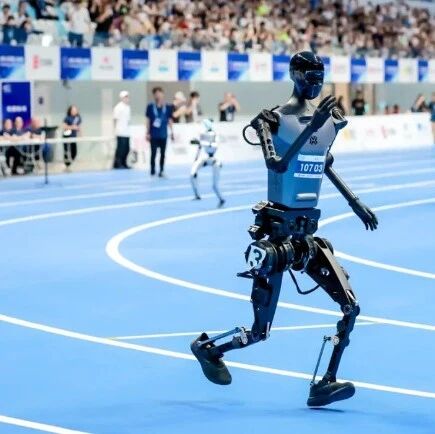
Core Viewpoint - The article emphasizes the significance of the upcoming release of Optimus V3 by Tesla, suggesting that March is a critical period for T-chain companies, with expectations for the V3 performance to exceed market predictions [2][5]. Summary by Sections Optimus V3 Release - The anticipated release of Optimus V3 is expected to occur at the end of March or early April, with Elon Musk indicating that production will begin in summer and large-scale manufacturing is projected for next year [2][5]. Market Sentiment and T-chain Performance - T-chain companies have experienced a downward trend, with only a brief rally on March 10. The overall sentiment in the sector remains low, attributed to external uncertainties and the need for a washout before the V3 announcement [6][10]. - The article notes that the T-chain companies are currently facing "left-side" opportunities, indicating potential for investment before the expected positive developments [10]. T-chain Companies' Developments - Recent developments among T-chain companies include significant progress in securing PPA agreements and entering Tesla's supply chain, with specific companies like H and Z making notable advancements [7][8]. - The article highlights a shift in investor focus towards new and emerging T-chain companies, as older suppliers face pressure from new entrants in the market [8]. Future Outlook - The article suggests that until the release of Optimus V3, T-chain companies will continue to struggle, and investors should focus on core, high-certainty companies while waiting for the right opportunities to emerge [10].
AI时代的组织升级:锦秋基金的一次 commit
锦秋集· 2026-03-18 07:31
Core Insights - Jinqiu Capital is focused on upgrading its capabilities and accelerating its investment processes to tackle larger industrial and social challenges, aiming to support outstanding entrepreneurs earlier and more decisively [1][11] - The firm believes that exceptional entrepreneurs deserve early and steadfast support, and that strong teams facilitate quicker and more effective backing [1] Group 1: Team Development and Culture - Recent promotions and additions to the team reflect an upgrade in Jinqiu Capital's capabilities, enhancing both the strength and speed of the team [1] - The company fosters a transparent and open communication culture, allowing for efficient discussions and enabling the team to focus on more critical tasks [3][10] - Jinqiu Capital encourages a collaborative environment where every team member can contribute ideas, leading to new initiatives and iterations [3][10] Group 2: Investment Focus and Strategy - Jinqiu Capital is committed to supporting entrepreneurs who aim to change the world, particularly in the AI and robotics sectors, with a focus on AI hardware and embodied intelligence [3][6] - The firm has a long-term vision of nurturing Chinese tech companies with global potential, driven by the current AI wave [9][10] - Jinqiu Capital has disclosed investments in numerous companies across various sectors, indicating a broad and diverse investment strategy [12] Group 3: Key Events and Experiences - Significant moments for the team include a trip to Silicon Valley that enhanced the firm's global perspective and connections, leading to the creation of the "Jinqiu Dinner Table" concept [3] - The first CEO annual meeting, organized entirely by Jinqiu staff, showcased the team's commitment to optimizing experiences for founders [4] - The integration of AI into the firm's operations is emphasized, with the team actively engaging with new AI tools and platforms to enhance project management and sourcing [4][10]