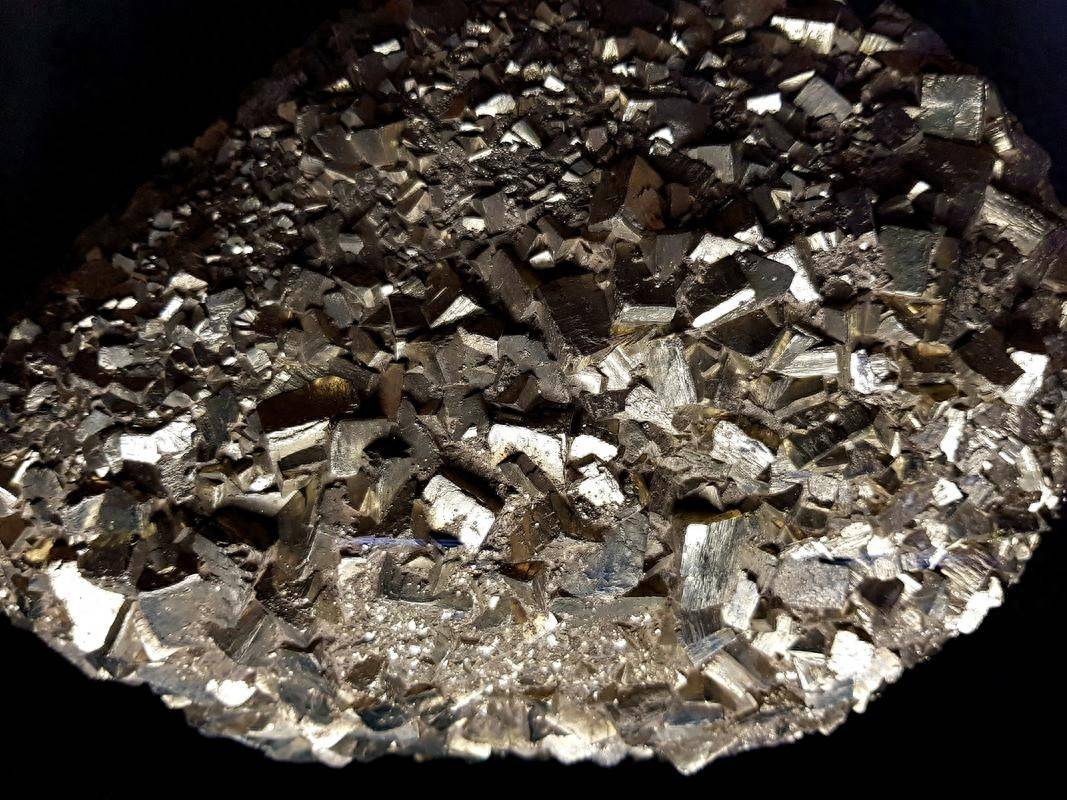
稀土出口管制

Search documents
中美稀土走私链被曝光!中方揪出大量的“内鬼”,商务部重拳出击
Sou Hu Cai Jing· 2025-07-15 04:44
Group 1 - The core point of the article is China's strategic decision to ban the export of critical minerals such as gallium, germanium, and antimony to the United States in response to U.S. tariffs, highlighting the ongoing tensions in global supply chains and the implications for both countries [1][15][20] - The U.S. has historically relied on China for rare earth minerals due to lower costs and higher availability, which has led to a significant dependency that poses risks to U.S. industrial capabilities [3][10] - China's past practices of exporting rare earth minerals at low prices have resulted in environmental degradation and economic challenges domestically, prompting a shift towards stricter export controls and a focus on sustainable development [6][8][15] Group 2 - The article discusses the challenges the U.S. faces in re-establishing its domestic rare earth mining capabilities, emphasizing that it would take years to restore production and overcome regulatory hurdles [12] - China's enhanced regulatory measures aim to prevent illegal trade and ensure that exported rare earths are used appropriately, reflecting a shift in strategy to protect national interests [14][15] - The ongoing rare earth issue illustrates a broader struggle for control over global supply chains, emphasizing the need for both countries to reassess their strategies and relationships in the context of changing global dynamics [17][20]

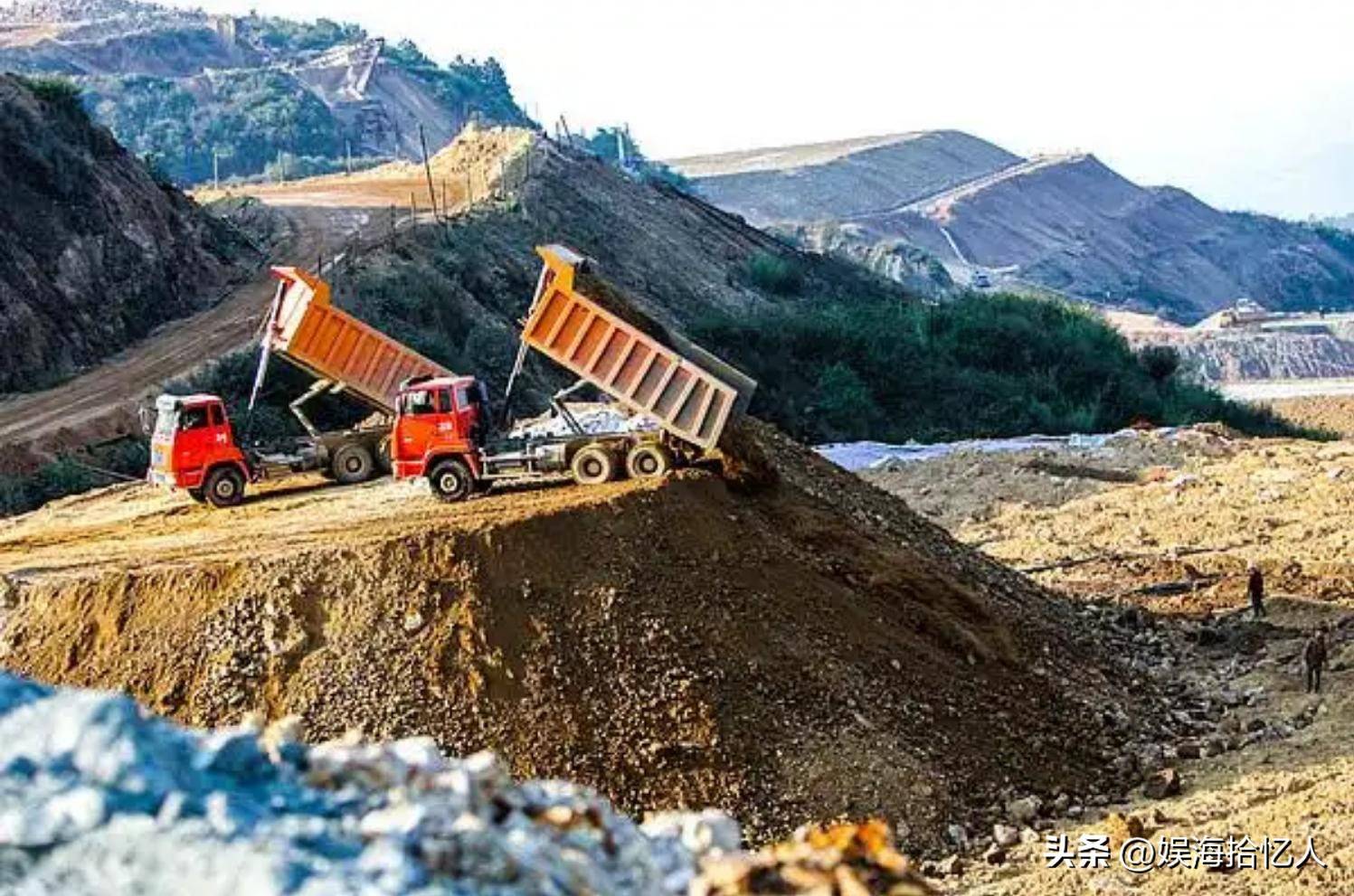
断供对美国没用?上千吨稀土运往美国,中国揪出两个“帮凶”
Sou Hu Cai Jing· 2025-07-15 04:17
Core Viewpoint - The article discusses the ongoing tensions between the US and China regarding rare earth materials, highlighting the complexities of supply chains and export controls, particularly focusing on antimony oxide imports by the US from Thailand and Mexico despite China's strict export regulations [1][5][12]. Group 1: Supply Chain Dynamics - Recent reports indicate that the US imported 3,834 tons of antimony oxide, raising questions about the effectiveness of China's export controls [1][7]. - Thailand and Mexico have emerged as significant exporters of antimony, acting as intermediaries for Chinese resources to reach the US [9][10]. - The volume of antimony oxide imported by the US in just five months has surpassed the total imports from the previous three years, indicating a significant shift in supply chain dynamics [10]. Group 2: China's Export Control Strategy - China has implemented strict export controls on strategic materials like antimony, gallium, and germanium to ensure sustainable resource management and counteract US sanctions [3][5]. - A new regulatory framework has been established in China to oversee the entire rare earth supply chain, from extraction to export, requiring formal applications for export approvals [17][19]. - Despite China's stringent measures, the continued import of antimony by the US suggests that the controls have not yet achieved a critical impact [12][19]. Group 3: US Response and Strategies - The US is pursuing two main strategies to mitigate its reliance on Chinese rare earth materials: developing a domestic processing industry and forming international alliances [21][28]. - The US Department of Defense has invested $400 million in a domestic rare earth producer to enhance local processing capabilities, although challenges remain in overcoming pollution and technical barriers [25][27]. - The formation of a rare earth alliance with countries like India, Japan, and Australia is underway, but trust issues among member nations pose significant challenges to effective collaboration [28][29].
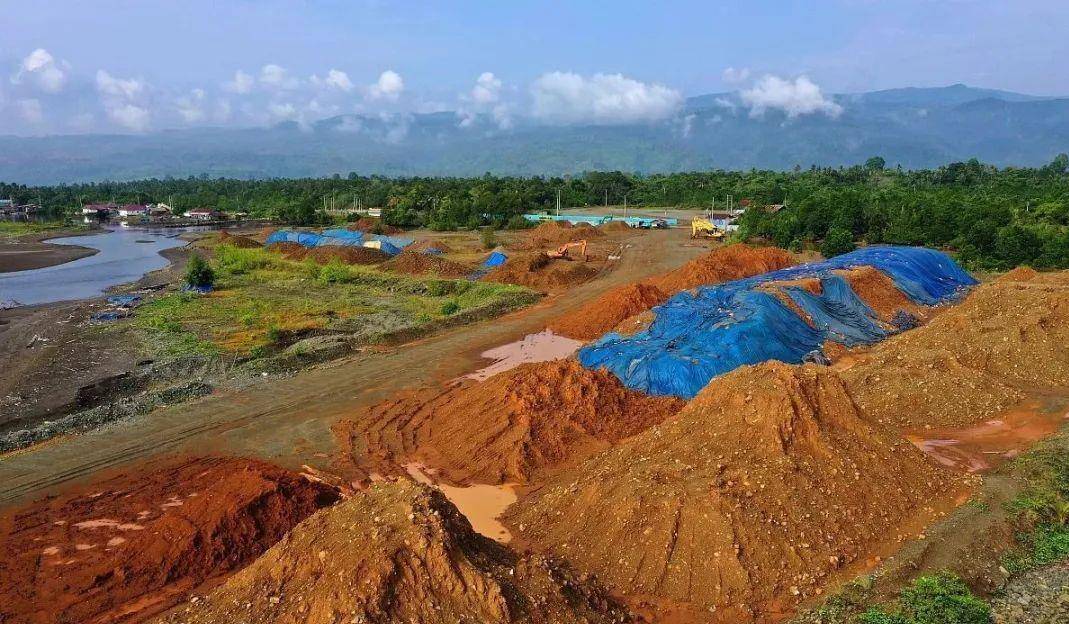
稀土产业链投资机会
2025-07-15 01:58
Summary of Rare Earth Industry Conference Call Industry Overview - The rare earth industry is dominated by China, which controls the entire supply chain from ore to metal, integrating six major rare earth groups into two: Northern Rare Earth for light rare earths and China Rare Earth for heavy rare earths. Strict total control quota management is in place, with a total mining quota of 270,000 tons set for 2024 [1][4]. Key Points and Arguments - China has implemented total control and export licensing policies to ensure stable supply, adjusting quotas based on market demand since five years ago [1][6][7]. - Neodymium-iron-boron permanent magnets, widely used in wind power and electric vehicles, see China as the largest producer, accounting for 80%-90% of global capacity [1][10]. - The export control policy aims to rationally regulate this critical resource, likely leading to increased concentration in the rare earth permanent magnet industry, enhancing competitive advantages for leading companies [1][12]. Supply and Demand Dynamics - Global rare earth reserves are concentrated in China (36 million tons), followed by Russia (19 million tons), the USA (13 million tons), Canada (1 million tons), and Australia (5.4 million tons) [2]. - In 2024, China is expected to import 132,900 tons of rare earth minerals, a year-on-year decline of 22.4% [5]. - The automotive market shows significant demand growth, particularly for electric vehicles, which increases the need for rare earth materials [3][15]. Emerging Opportunities - Future demand for rare earths may be significantly driven by emerging fields such as humanoid robots and low-altitude aircraft, which are expected to create new growth points for the industry [3][16]. - The price levels in the rare earth industry are currently reasonable, with potential for future price increases if supply is effectively managed [17][18]. Market Trends - The demand for rare earth materials is growing at a rate higher than GDP growth, indicating a positive trend in the market [19]. - The concentration of the rare earth industry may increase due to export control policies, benefiting larger companies while smaller traders may struggle to obtain quotas [21]. Conclusion - Key areas to monitor include total control of rare earth quotas and potential price increases, the growing demand for permanent magnet materials, and the impact of geopolitical dynamics on the industry [21].
中国的做法让欧洲不满?欧盟要中国放开稀土出口,中欧之间分歧不少
Sou Hu Cai Jing· 2025-07-14 11:15
据凤凰卫视报道,欧盟驻华大使表示,磁铁短缺对欧洲企业造成了严重影响,希望中方可以在7月解决对欧的稀土磁铁出 口问题。另外,据美媒25日报道,中方近期要求在华的稀土企业要提供专业人员名单,以确保其不会向外泄密。欧盟驻 华大使庹尧诲日前在北京会见中国外长时表示,欧盟希望中方可以在下个月解决对欧稀土磁铁出口问题。 稀土资源(资料图) 现在还真看不出中国会在稀土问题上要对欧洲放开特殊性的通道——恰恰相反,反倒是中国在此问题上如果能保持足够 的压力,可能会对中欧经贸关系接下来的良性互动更有好处。不过,据说原定两天的中欧峰会据说已有变动——7月25日 欧洲领导人赴合肥参加经贸峰会的行程已经被中国方面取消了,所以,这场被寄予厚望的中欧建交50周年庆典,在欧盟 单方面取消了经贸会谈和中国外长欧洲行遇冷后,很可能会彻底沦为一场"鸡肋宴"。 中欧峰会临近,稀土问题无疑会成为焦点。不过,因为来自欧洲的诸多"示强"表态,中方为欧洲企业设立的特殊通道能 否延续,很难说会如欧洲所愿。有消息称,原定合肥的经贸项活动已被中方取消,不排除峰会最终只是走个过场。当稀 土被摆上谈判桌,中欧之间的斗法才刚刚拉开序幕。这些激烈的政治动作背后,其实不过 ...
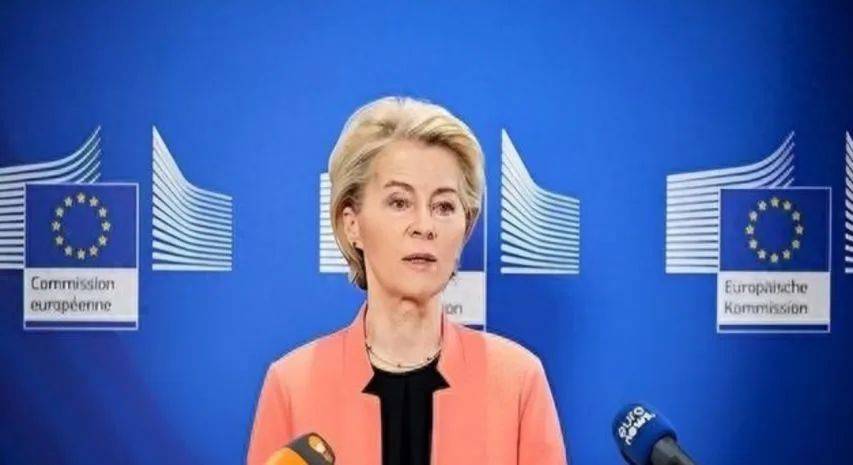
欧洲最撒比的操作:同时惹怒中美!欧洲智商与伊朗看齐了
Sou Hu Cai Jing· 2025-07-14 08:57
此前,西方某些头脑发热的声音曾表示,稀土资源与科技产品不同,禁止稀土出口不合适。稀土的确是资源,但根据美国地质调查局的数据显示,中国的稀 土资源占比仅为35%。更重要的是,巴西、越南和印度的稀土储量加起来已经超过了中国。如果欧洲真心想要稀土,还是自己动手挖掘去吧,反正中国没有 义务满足你们的需求。 按理来说,既然稀土出口受限,欧洲应当找中国谈判解决,而不是做出过激的反应。事实上,中国曾明确承诺将加速处理稀土出口申请,而中国一向说到做 到,这一点不同于那些永远说一套做一套的西方国家。但欧洲的反应却是直接报复,这种做法显得有些傻。要是报复,选一个对欧洲有绝对优势的产业就 好,怎么会选医疗器材呢? 近年来,中国在高端医疗器材领域取得了显著进展,尤其是在MRI(核磁共振)等设备领域,国产医疗设备价格相较欧美同类产品低得多。此前中欧之间的 合作一直比较友好,欧洲厂商也曾占据中国市场主导地位,但欧洲此次限制中国医疗器材进入市场,反而成了给中国送"弹药"。中国直接在7月6日做出了对 等报复,这一下,欧洲的医疗器材行业开始感受到压力。与其说欧洲有战略眼光,不如说他们在经济最赚钱的领域做了个大错误。 7月10日,欧洲议会以52 ...

担心的事终于发生!数千吨稀土被运往美国,这两国应该列入黑名单
Sou Hu Cai Jing· 2025-07-14 06:48
Group 1 - The core issue is the significant increase in antimony oxide imports to the U.S. from Thailand and Mexico, which lack relevant industrial chains, indicating potential circumvention of export restrictions on Chinese rare earth resources [3][6]. - From December 2023 to April 2024, the U.S. imported 3,834 tons of antimony oxide from Thailand and Mexico, surpassing the total imports from the previous three years [3]. - The imports from Thailand and Mexico have surged despite these countries not being in the top ten overseas customers for Chinese antimony exports in 2023, highlighting a shift in trade patterns [3][6]. Group 2 - Industry experts emphasize the critical role of minerals like antimony and gallium in global supply chains, particularly in telecommunications and military technologies, with the U.S. fifth-generation fighter jet industry heavily reliant on gallium imports [7]. - Despite a year-long export ban on rare earths from China, there are still instances of smuggling and third-party exports to the U.S., indicating gaps in enforcement [7][12]. - Recommendations include implementing a blockchain-based electronic ID for rare earth shipments to enhance traceability and prevent misreporting and smuggling [9][12]. Group 3 - To improve export control measures, it is suggested that penalties for smuggling be increased, categorizing it as a "national security crime" and pursuing criminal liability for organizers [12]. - Importers should be required to provide real user information and undergo random inspections to ensure compliance with declared purposes [9][12]. - Countries like Thailand and Mexico, which have seen abnormal increases in imports, should be closely monitored, and their smelting capacity should be verified [9][12].
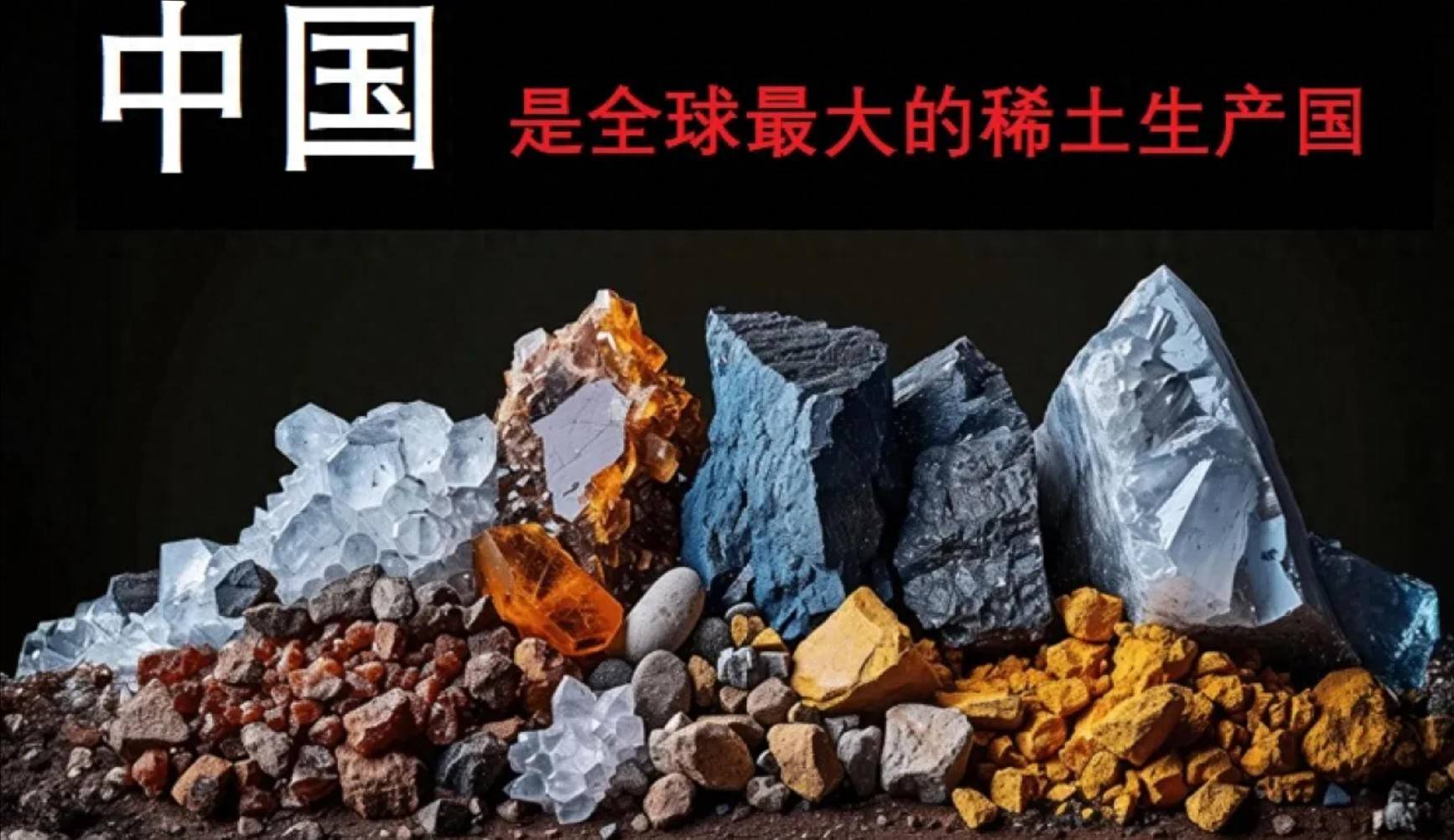
印度外长五年首度访华,稀土管制和关税战夹击下寻求破局
Sou Hu Cai Jing· 2025-07-13 13:53
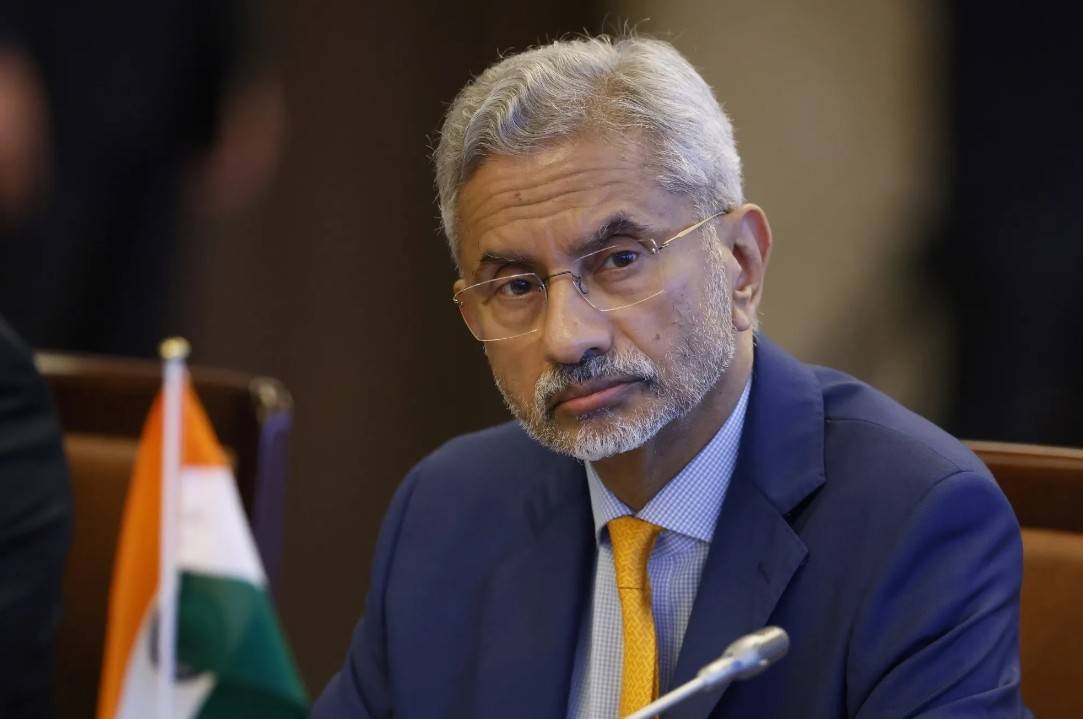
印度外长即将访华,所为何事?外交部发言人在7月12号宣布,上合组织成员国外长理事会会议将于7月15号在天津举行,应王外长邀请,印度外长苏杰生还 将结合与会访华。由于中印边境局势的原因,印度外长已经有5年没来到过中国了。苏杰生参加上合外长会,那是必要的行程,但他还要借此机会访华,这 说明印度方面对发展中印关系当前有新的想法。 自2020年中印边境局势升级以来,莫迪政府就一直对一些在印经营的中企无端进行审查和限制措施,实际上这是恶化投资环境,是一种自残的行为。现在印 度为了吸引外资,改善他的经贸环境,又开始调整策略,想推动中印关系缓和之后,让大批的中国企业继续赴印投资。此外由于加勒万河谷冲突,使得中印 之间的航空运输给中断了,印度很可能会借苏杰生来华之际,商讨恢复直航事宜。 对于稀土问题,中方应该会坚持既有的原则,对待美国、欧洲和印度恐怕会一视同仁,包括部分稀土磁铁产品可能会按审批程序进行有限性的放开,但涉及 到高精尖军工产品的一些稀土仍然会严控。而中印经贸关系遭遇困境,问题完全出在印度身上,主要得由印度人解决自身的外交经贸政策问题。印度如果真 心想跟中方谈合作谋发展,首先得从根本上端正自己扭曲的对华心态,放弃追 ...
美国绕道第三国采购关键金属,中方早已发出严正警告
Sou Hu Cai Jing· 2025-07-13 07:10
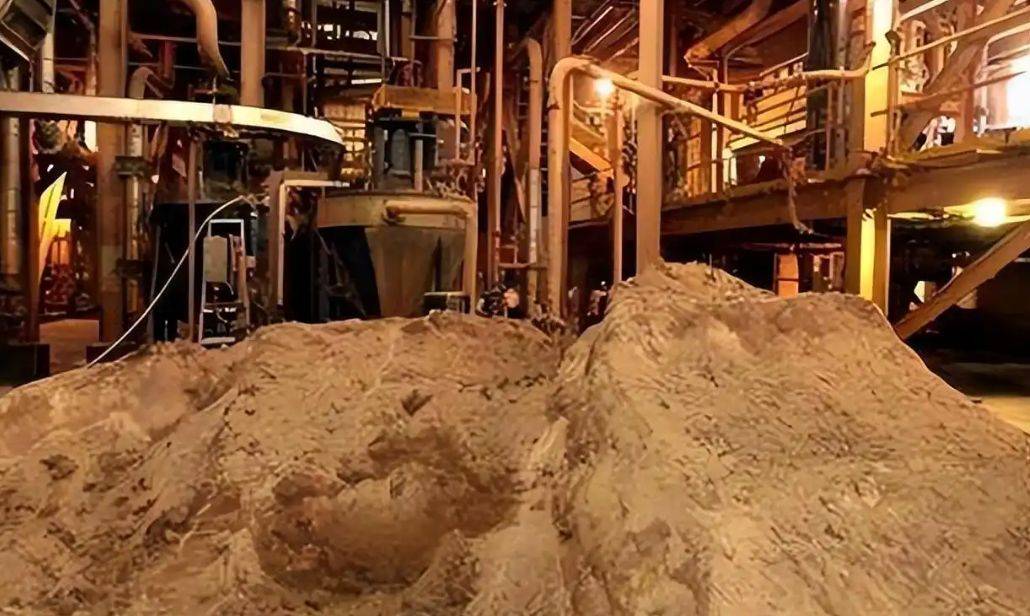
这就意味着,从这两个国家出口到美国的稀土,不可能是来自本国的生产,而是通过某种方式从其他地方获得的。显然,这些稀土的来源指向了中国。 应该说,美国企业的操作手法虽不复杂,但却极为隐蔽。他们通过中国代理从生产商处采购稀土原材料后,再由物流公司将货物伪装成其他品名,比如说 铁,锌,甚至是所谓的艺术品,先运到泰国或墨西哥转一圈之后,再偷偷摸摸的卖到美国。有的货甚至被拆分成小单、分批出关,以避开监管雷达。这种借 壳操作的手法,让稀土的流动在表面上符合国际贸易规则,但实际上却绕过了中国的出口管制。 只不过,要想人不知,除非己莫为,这样的小动作早已被中方洞察,随后,商务部罕见的点名境外实体与国内不法人员勾结,称这类绕道行为直接触碰国家 安全底线。为了从源头堵住漏洞,中国在政策层面迅速行动:对稀土实施更为严格的出口管制,要求出口商申报双重用途物品编码,海关对可疑货物则直接 不予放行。 中方管控稀土出口之后,美国不少企业被曝玩起了卑劣手段,竟绕道第三国采购关键金属,中方对此严正警告! 众所周知,关税战打了这么久,美国对华的一大诉求就是希望中国能够放开稀土管制,原因大家也都知道,放眼世界,中国在整个稀土材料产业链上具有绝 对的 ...
数千吨稀土被运往美国,两个国家充当了帮凶,担心的事还是发生了
Sou Hu Cai Jing· 2025-07-13 05:44
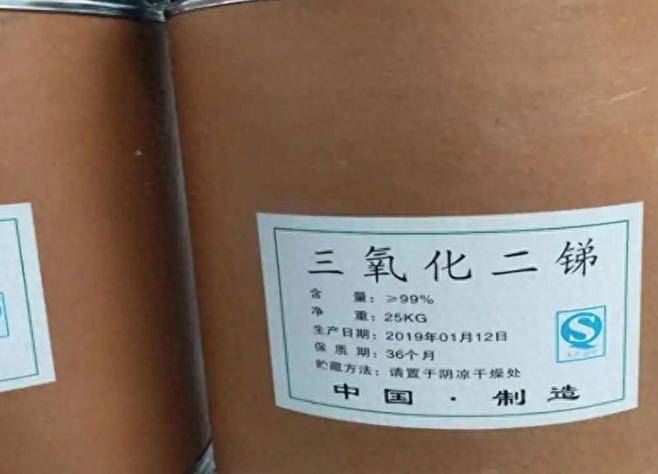
Core Viewpoint - The article discusses the challenges and strategies related to the U.S. dependence on rare earth resources, particularly in light of recent export bans from China and the subsequent circumvention of these bans through third-party countries [3][10][22]. Group 1: U.S. Dependence on Rare Earths - The U.S. has a significant demand for rare earth minerals, yet it faces shortcomings in domestic mining and refining capabilities due to decades of neglect [5][6]. - The high-tech and military industries in the U.S. have become critically dependent on rare earths, making them irreplaceable [6]. Group 2: Circumvention of Export Bans - Following China's export ban on key minerals like gallium, germanium, and antimony, unusual trade patterns emerged, with Thailand and Mexico suddenly becoming major importers of antimony [8][10]. - These countries have limited capabilities in the relevant industries, raising suspicions that the U.S. is using them as intermediaries to covertly import Chinese rare earth resources [9][10]. Group 3: China's Response - In response to the U.S. tactics, China has initiated a special action to combat the smuggling of strategic minerals, enhancing monitoring of trade data from key transit countries [16][19]. - New regulations have been implemented to ensure stricter oversight of mineral exports to the U.S., requiring producers to submit detailed transaction information [20][19]. Group 4: Implications for International Trade - The U.S. actions to bypass export controls undermine the fairness and integrity of international trade, challenging China's policies aimed at ensuring national security and sustainable resource management [22].
中国稀土管制令已一年,美国仍在大量进口关键矿产?特朗普一招躲过中国禁令,2大“帮凶”已现身
Sou Hu Cai Jing· 2025-07-13 05:34
Core Viewpoint - The article discusses the ongoing "transshipment game" that the U.S. is playing to circumvent China's export controls on rare earth elements, particularly gallium, germanium, and antimony, which are critical for military applications like the F-35 fighter jet [1][2]. Group 1: U.S. Dependence on Rare Earths - The U.S. military heavily relies on rare earth materials, with 83.7% of its supply coming from China, particularly for advanced weaponry like the F-35 [1][2]. - Following China's export controls announced in July 2023, the U.S. faced a potential shortage of these critical materials, prompting the Pentagon to initiate stockpiling measures [2]. Group 2: Transshipment Channels - The U.S. has turned to Thailand and Mexico as primary channels for importing antimony oxide, with imports from these countries reaching 3,834 tons from December 2023 to April 2024, surpassing the total from the previous three years [1][2]. - U.S. companies are utilizing "small batch, multiple shipments" methods to mix rare earths with other goods, effectively bypassing Chinese export controls [2]. Group 3: Price Dynamics and Smuggling - The price of gallium has doubled since the implementation of China's export controls, creating a lucrative market for smugglers [3]. - Chinese companies have demonstrated creativity in circumventing regulations, with reports of approximately 200 kilograms of gallium being smuggled monthly disguised as other metals [3]. Group 4: China's Response - In response to the outflow of rare earth resources, China has initiated a crackdown on smuggling activities and introduced a new export licensing system requiring detailed transaction records [3]. - China is also considering countermeasures against third-party countries involved in transshipment, potentially mirroring U.S. practices in Southeast Asia [3]. Group 5: Long-term Implications - Despite the short-term relief provided by transshipment methods, the U.S. remains vulnerable to supply chain disruptions if China tightens its export controls further [5]. - China's dominance in rare earth refining technology, holding over 90% of the global market share and having production costs significantly lower than U.S. firms, poses a long-term challenge for U.S. military supply chains [5].