
零碳园区

Search documents
华为、腾讯、汇川……储能相关头部厂商已就位
行家说储能· 2025-08-08 08:13
Core Viewpoint - The new energy storage industry is accelerating its transformation under the dual drive of policies and market forces, with a focus on high-quality development and innovation in storage technologies as 2025 approaches [2]. Group 1: Industry Trends - The year 2025 marks a critical transition point for the new energy storage sector, coinciding with the end of the "14th Five-Year Plan" and the beginning of the "15th Five-Year Plan" [2]. - Multiple new policies related to the energy storage industry have been released at both national and local levels, clarifying the direction of industry transformation [2]. - The market for energy storage is expanding through diverse applications of "storage + X" scenarios, indicating a broadening of market boundaries [2]. Group 2: Market Opportunities - The growth of renewable energy installations, direct green electricity connections, zero-carbon parks, green data centers, and power market reforms are driving the emergence of new, valuable, and large-scale energy storage markets [2]. - The industry is urged to deeply understand transformation trends, clarify development positioning, and proactively seize opportunities to avoid being overwhelmed by the waves of industrial upgrades [2]. Group 3: Event Details - The 2025 EESA Energy Storage Summit will be held on August 12, 2025, at the Shanghai International Convention Center, gathering global experts and leaders in the energy storage field [3][21]. - The summit will feature a series of keynote speeches, roundtable discussions, and signing ceremonies focused on sustainable development and energy transition [4][12][16].







锻造绿色新优势 零碳园区建设加速推进
Jin Rong Shi Bao· 2025-08-08 07:59
Group 1: Core Concepts of Zero Carbon Parks - The concept of zero carbon parks refers to industrial parks that achieve near-zero carbon emissions through design, technology, management, and commercialization, balancing carbon emissions and absorption over a defined period [3][4] - Zero carbon factories are more detailed, indicating that the greenhouse gas emissions from production and operations reach a "net zero" state [3] - The establishment of zero carbon parks is seen as a shift from extensive growth to green, high-quality development, promoting industrial transformation and innovation [3][4] Group 2: Policy and Development Trends - The construction of zero carbon parks is becoming a key strategy for China's green and low-carbon transition, with the 2024 Central Economic Work Conference emphasizing the establishment of such parks [2][4] - Various provinces are accelerating the development of zero carbon parks, with specific plans and incentives being introduced, such as financial rewards for recognized enterprises [6][7] - By 2025, 21 provinces have included zero carbon parks in their government work reports, indicating a clear path for development [7] Group 3: Challenges and Solutions - Current challenges in zero carbon park construction include the lack of unified standards, technological barriers, and insufficient funding from the green finance market [8] - Experts suggest the need for a comprehensive approach that includes improving zero carbon financial standards, establishing a collaborative financial system, and enhancing funding support [8][9] - Financial innovations and products are expected to emerge around zero carbon park scenarios, with opportunities for green electricity supply systems and carbon data management platforms [9]

零碳园区“以绿制绿”重构产业生态
Zheng Quan Ri Bao· 2025-08-06 15:40
Core Viewpoint - The recent notice from the National Development and Reform Commission and the National Energy Administration emphasizes the construction of zero-carbon parks, aiming to promote low-carbon transformation in various industrial parks and enhance carbon reduction efficiency [1] Group 1: Zero-Carbon Parks Overview - Zero-carbon parks are defined as industrial parks that reduce carbon dioxide emissions to "near zero" through planning, design, technology, and management [1] - There are over 15,000 industrial parks in China, contributing to more than 30% of the national carbon emissions, highlighting the significance of their green transformation [1] Group 2: Energy Supply and Consumption Transformation - The collaboration between energy supply and consumption is crucial, exemplified by CATL's establishment of a zero-carbon energy division and the launch of the first 100% green electricity connected off-grid zero-carbon industrial park project [1][2] - The model focuses on "precise matching of supply and demand," utilizing distributed solar power and wind energy projects to achieve local green energy consumption [2] Group 3: Industrial Structure Optimization - Industrial parks should phase out high-energy-consuming and high-pollution industries while focusing on emerging sectors like new energy vehicles, semiconductors, and biomedicine [2] - The "green manufacturing" model is explored, where green energy is used to produce green products, creating a positive cycle within the industrial ecosystem [2] Group 4: Innovation in Technology and Policy - Sustainable development of zero-carbon parks relies on continuous innovation, with a need for pilot projects to test technologies like smart microgrids and distributed energy storage [3] - Policy innovation is necessary to simplify approval processes and lower market entry barriers, encouraging more companies to engage in technology development and project construction [3] - The construction of zero-carbon parks involves a systematic restructuring of energy, industry, and policy, driving the industry towards low-consumption, high-efficiency, and sustainable development [3]
零碳园区建设“开足马力”
Ren Min Ri Bao Hai Wai Ban· 2025-08-06 09:04
Core Viewpoint - The National Development and Reform Commission, the Ministry of Industry and Information Technology, and the National Energy Administration have issued a notice outlining a clear roadmap for the construction of zero-carbon parks, emphasizing the use of existing funding channels and the importance of "unit energy consumption carbon emissions" as a core indicator for evaluation [1][2]. Group 1: Definition and Importance of Zero-Carbon Parks - Zero-carbon parks are defined as areas where production and living activities reduce carbon emissions to "near zero" levels, with the potential to achieve "net zero" conditions [2]. - The current phase in China is critical for achieving carbon peak goals and accelerating the green transformation of the economy and society, with significant progress made in the past five years but facing challenges such as increased pressure on renewable energy consumption and difficulties in deep decarbonization of high-energy-consuming industries [2]. Group 2: Key Tasks for Zero-Carbon Park Construction - The notice outlines eight key tasks, including transforming energy structure, promoting energy conservation and carbon reduction, optimizing industrial structure, enhancing resource conservation, upgrading infrastructure, applying advanced technologies, improving energy and carbon management capabilities, and supporting innovation in reform [3]. Group 3: Conditions and Standards for Zero-Carbon Parks - Four basic conditions for constructing zero-carbon parks are specified: the construction entity must be a provincial-level development zone, the area can be the entire park or a clearly defined sub-area, the park must have a foundation in energy consumption and carbon emission statistics, and there should be no major safety or environmental incidents in the past three years [4]. Group 4: Evaluation Criteria for Zero-Carbon Parks - The core evaluation indicator for zero-carbon parks is "unit energy consumption carbon emissions," which measures the amount of CO2 emitted per ton of standard coal consumed. Additional guiding indicators include the proportion of clean energy consumption, product unit energy consumption, comprehensive utilization rate of industrial solid waste, and rates of reuse for industrial water [5]. Group 5: Support Measures for Zero-Carbon Park Construction - Three support measures are proposed: financial support through existing funding channels and long-term credit from policy banks, service support for introducing external talent and technology, and resource support for innovative energy use and project approvals [7]. Group 6: Implementation and Future Steps - The National Development and Reform Commission will coordinate the construction of zero-carbon parks, identifying pilot projects and providing support in terms of funding and project development. The Ministry of Industry and Information Technology will guide low-carbon transformation in industrial parks, while the National Energy Administration will focus on green energy supply systems [8].
威胜信息20250730
2025-08-05 03:20
Summary of Weisheng Information Conference Call Company Overview - **Company**: Weisheng Information - **Period**: First half of 2025 Key Financial Metrics - **Revenue**: 1.364 billion CNY, a quarter-on-quarter increase of 46% [2][3] - **Net Profit**: 166 million CNY, a quarter-on-quarter increase of 19% [2][3] - **New Orders**: 1.627 billion CNY, a year-on-year increase of 8.3% [2][3] - **Backlog Orders**: 3.956 billion CNY, a year-on-year increase of 12.63% [2][3] - **R&D Investment**: 7.6% of revenue, with R&D personnel making up 51.5% of the workforce [2][4] - **Return on Equity**: 9.18% [3] - **Debt Ratio**: 34.8% [3] - **Cash Flow**: Net inflow of 178 million CNY, a year-on-year improvement of 11% [3] Innovation and Product Development - **New Products**: Launched 36 innovative products, generating 642 million CNY in revenue, accounting for 47% of total revenue, with a year-on-year growth of 49% [2][4][5] - **AI Applications**: Developed multiple AI technologies and products, focusing on integrating lightweight AI models into various terminal devices [2][10][13] Shareholder Returns - **Share Buyback**: 150 million CNY used to repurchase 4.23 million shares [5] - **Dividends**: First interim dividend of 2.5 CNY per 10 shares, with total dividends and buyback amounting to 81.7% of net profit [5] International Expansion Strategy - **"Going Global" Strategy**: Actively expanding into international markets, with significant progress in: - **Southeast Asia**: Local factory in Indonesia operational [6][7] - **Middle East**: Factory in Saudi Arabia under construction [6][7] - **Americas**: Land and factory procurement completed in Mexico [6][7] - **Other Regions**: Subsidiary approvals in UAE, Bangladesh, and Egypt [2][6] Market Trends and Opportunities - **China's Grid Investment**: Expected to exceed 800 billion CNY, focusing on smart distribution network upgrades [9] - **New Procurement Models**: Shift from provincial to regional joint procurement may increase competition but also larger order opportunities [22] Collaboration and Partnerships - **Partnership with Huawei**: Enhanced digital capabilities and market competitiveness through collaboration in power digitalization [4][12][15] Future Outlook - **Revenue Growth**: Anticipated increase in international revenue to match or exceed employee ratios [17] - **Profitability**: Expected higher profit margins in overseas markets compared to domestic due to less competition [18] Risk Management - **Project Security**: Ensuring project funding is backed by government guarantees or insurance to mitigate risks in new markets [19] Sustainability Initiatives - **Zero Carbon Goals**: Actively participating in national zero carbon projects and developing standards for international markets [20] Financing Strategies - **RWA Financing**: Exploring Real World Assets (RWA) for cross-border financing, particularly in the Middle East [21][23] This summary encapsulates the key points from the Weisheng Information conference call, highlighting the company's financial performance, innovation efforts, international expansion, and strategic outlook.

一条“改革专线”,引来四只“金凤凰”
Xin Hua Ri Bao· 2025-08-04 07:07
7月23日,盐城大丰港零碳产业园。"咔嗒!"一台机械手从物料架上精准抓取车架,悬臂转动时带起微 弱气流。"注意看关节处,启停丝滑顺畅。"上海永久进出口有限公司盐城厂区负责人朱兴朝轻触控制 屏,指着试运行的E-bike生产线跟记者介绍。 盐城大丰港零碳产业园让企业看到了希望。得益于"绿电进园区"工作的扎实推进,近年来江苏省零碳产 业园区建设取得飞速发展。大丰港、射阳港、滨海港等园区,围绕变电站构建绿电物理可溯源网架,让 新能源与有绿电需求的企业通过绿电专变、绿电专线设施用上可溯源绿电。 "按照惯常路径,风、光等发出的绿电,先连接到输电网,再走配电网输送,直连意味着需要在发电 侧、用户侧之间拉一条专线。"大丰港管委会低碳产业园碳谷管理中心低碳专家顾晓峰说。 盐城电力设计院院长唐华道出关键,传统模式下,光伏装机激增导致消纳困难,强制配储又推高系统成 本。而绿电专变专线创造性地实现"源荷协同"——将风光电源和永久工厂接入绿电专变专线同侧,通过 绿电专线降低外送输配电损耗。 专线的诞生,源于一场电力体制改革的破冰。盐城是全国首批碳达峰试点城市,也是省委、省政府支持 建设的绿电低碳发展示范区。去年7月,该市高标准编制实施 ...
国家发改委:下一步综合运用分时电价/需求响应补贴/虚拟电厂AI调度等,保障电力有序供应
中关村储能产业技术联盟· 2025-08-02 13:08
Core Viewpoint - The National Development and Reform Commission (NDRC) emphasizes the importance of ensuring stable energy supply and promoting green transformation in response to rising electricity demand and economic challenges [2][3][4]. Group 1: Energy Supply and Management - The NDRC has implemented dynamic and precise scheduling to analyze supply and demand trends, ensuring energy supply stability through coal power and new energy sources [2][3][26]. - Future efforts will focus on five key areas: ensuring source supply, enhancing peak capacity, strengthening inter-regional cooperation, optimizing demand-side management, and reinforcing emergency response [3][27]. Group 2: Green Transformation Initiatives - The establishment of zero-carbon parks signifies a shift towards systematic and standard innovation in green transformation, aiming to accelerate energy transition and promote deep decarbonization in industries [4][5][19]. - The zero-carbon park initiative includes five areas of exploration: accelerating energy green transition, guiding industries towards deep decarbonization, promoting regional coordinated development, adapting to green trade rules, and creating zero-carbon demonstration models [4][19]. Group 3: Economic Performance and Policy Measures - In the first half of the year, China's GDP grew by 5.3%, with domestic demand contributing 68.8% to economic growth, showcasing resilience amid external pressures [13][14]. - The NDRC plans to continue implementing policies to stabilize employment and expand domestic demand, ensuring a stable economic environment [14][28]. Group 4: Consumption and Market Dynamics - Consumer spending showed signs of recovery, with retail sales increasing by 5% in the first half of the year, indicating a growing contribution to economic growth [20][21]. - The NDRC aims to enhance consumer capacity, foster new growth points in service consumption, and optimize supply to encourage sustainable consumption [22][28]. Group 5: Infrastructure and Investment - The NDRC has allocated significant funds for infrastructure projects, with 800 billion yuan for key construction projects and 690 billion yuan for consumer goods replacement programs [7][8]. - Efforts to reduce logistics costs have resulted in a decrease in the logistics cost-to-GDP ratio to 14%, the lowest level recorded [9]. Group 6: Electricity Market Development - The establishment of a unified electricity market is crucial for optimizing resource allocation, with significant progress in market mechanisms and trading systems [32][33]. - The NDRC is focused on enhancing the electricity market's coverage and efficiency, with ongoing efforts to unify rules and expand market functions [34].
国家发展改革委:将持续发力、适时加力 提效实施好各项政策举措扩内需
Yang Guang Wang· 2025-08-02 00:30
根据近日印发的《关于开展零碳园区建设的通知》,我国支持有条件的地区率先建成一批零碳园 区,有计划、分步骤推进各类园区低碳化零碳化改造。 央广网北京8月2日消息(记者丁飞)据中央广播电视总台中国之声《新闻和报纸摘要》报道,国家 发展改革委有关负责人昨天(1日)表示,上半年我国经济稳中有进、好于预期,高质量发展取得新成 效。下一步,将继续纵深推进全国统一大市场建设,持续做好扩消费工作,加快推动标志性改革举措落 地见效。 在谈及7月31日经国务院常务会议审议通过的《关于深入实施"人工智能+"行动的意见》时,他表 示,目前社会各界应用人工智能的需求强烈,处在人工智能应用落地的关键窗口期。 蒋毅:将注重让市场有方向、有信心,注重务实管用,深入实施"人工智能+"行动,大力推进人工 智能规模化商业化应用,推动人工智能在经济社会发展各领域加快普及、深度融合。 国家发展改革委政研室主任、新闻发言人蒋毅透露,今年"两重"建设项目清单8000亿元已全部下达 完毕,中央预算内投资7350亿元已基本下达完毕。此外,今年第三批690亿元支持消费品以旧换新的超 长期特别国债资金已下达完毕,将于10月份按计划下达第四批690亿元资金。 蒋毅 ...
威胜信息:7月31日接受机构调研,华夏基金、国泰海通参与
Zheng Quan Zhi Xing· 2025-08-01 11:41
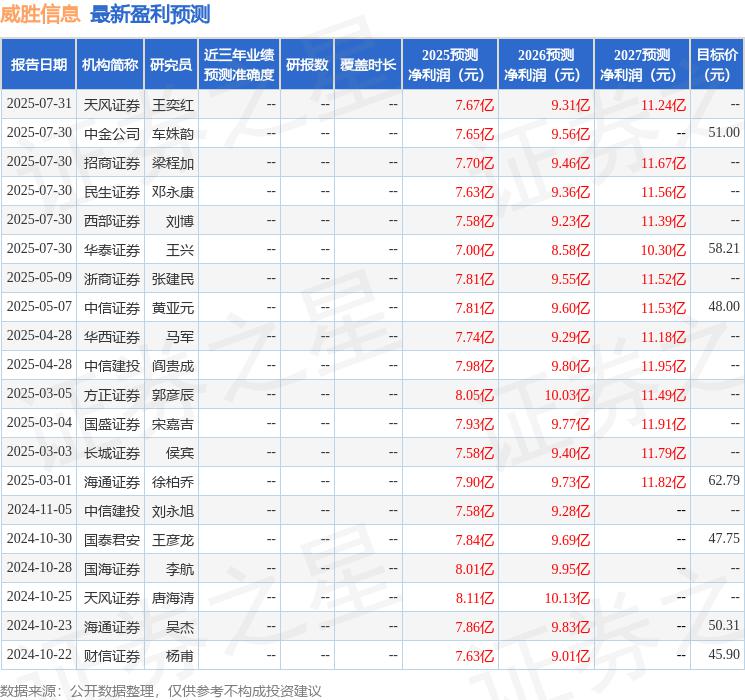
Core Viewpoint - The company is actively pursuing international expansion through localized operations and a general contracting model, with significant progress in Southeast Asia, the Middle East, and the Americas [2][3]. Group 1: International Expansion Strategy - The company aims to enter developed markets from 2025 to 2030 through "going out, localization, and general contracting" strategies, with orderly progress reported [2]. - A local factory in Indonesia has officially opened, with plans to gradually undertake product deliveries in Indonesia and surrounding countries by 2025 [2]. - In the Middle East, a factory in Saudi Arabia is under construction, expected to be operational in the second half of the year, alongside local partner operations [2]. - In the Americas, land and factory procurement in Mexico has been completed, with production plans in progress [2]. - The company is focusing on regional hubs for localized operations, with potential expansion into Africa and Europe [2]. Group 2: Product Development and Market Trends - The new generation of integrated terminal standards has been launched, with expectations for significant procurement in the second half of 2025, driven by a projected 800 billion yuan investment in the power grid [3]. - The company anticipates participating in multiple tenders for upgraded integrated terminals and dual-mode standard collection chips, which are expected to contribute significantly to revenue growth [3]. - The company is leveraging AI and digital energy solutions, focusing on core technology development in areas such as energy prediction and intelligent monitoring [3][4][5][6][7]. Group 3: Collaboration and Risk Management - The company is deepening collaboration with Huawei's digital power division to provide solutions for global green power and grid stability [8]. - A strong matrix structure is in place for international operations, with local project managers and industry experts to ensure effective market adaptation [9]. - The company is prioritizing projects with financial backing and government support to mitigate risks associated with political changes in emerging markets [9]. Group 4: Financial Performance - For the first half of 2025, the company reported a main revenue of 1.368 billion yuan, an increase of 11.88% year-on-year, and a net profit of 305 million yuan, up 12.24% [11]. - The second quarter of 2025 saw a main revenue of 813 million yuan, reflecting a year-on-year increase of 4.9% [11]. - The company's debt ratio stands at 34.83%, with a gross profit margin of 39.02% [11].

西子洁能(002534) - 002534西子洁能投资者关系管理信息20250801
2025-08-01 08:18
Company Overview - The company was listed on the Shenzhen Stock Exchange in 2022 and was established in 1955, becoming part of the Xizi Elevator Group in 2002 and rebranded as Xizi Clean Energy Equipment Manufacturing Co., Ltd. in 2011 [1] - The main business includes the consulting, R&D, production, sales, installation, and engineering contracting of waste heat boilers and clean energy power generation equipment [1][2] Business Segments - The company operates in four main business areas: waste heat boilers, clean energy equipment, solutions, and spare parts & services [1] - Waste heat boilers include products such as gas turbine waste heat boilers and cement kiln waste heat boilers, serving high-energy-consuming industries like electricity, steel, and cement [2] Future Market Directions - **New Energy Market**: Focus on molten salt energy storage technology to expand applications in solar thermal power, user-side energy storage, and zero-carbon parks [3] - **Nuclear Power Market**: Upgrading manufacturing capabilities for nuclear power products to capture market opportunities [4] - **Overseas Market**: Leveraging leading products like gas turbine waste heat boilers to increase international market share [3] Order Situation - In the first half of 2025, the company secured new orders totaling CNY 2.784 billion, with specific segments as follows: - Waste heat boilers: CNY 703 million - Clean energy equipment: CNY 281 million - Solutions: CNY 1.477 billion - Spare parts & services: CNY 323 million - As of June 30, 2025, the total orders on hand amounted to CNY 6.119 billion [5] Competitive Landscape - The company holds a leading position in the domestic waste heat boiler sector, facing competition from major domestic boiler manufacturers [6] Supply Capability - The company’s subsidiary, Hangzhou Hangguo General Equipment Co., Ltd., has been involved in tunnel boring machine production since 2005, with successful projects in both domestic and international markets [7] Overseas Market Focus - The company targets Southeast Asia, South America, and countries along the "Belt and Road" initiative for overseas expansion [8][9] Shareholder Industries - The controlling shareholder's industries include elevators, boilers, aviation components, and clean energy, with recent contracts in the aviation sector for the C919 aircraft [9]
