知识产权

Search documents
知产”是金,“卷价格”不如“拼专利
Xin Hua Ri Bao· 2025-08-13 22:59
Core Viewpoint - The discussion emphasizes the importance of intellectual property (IP) protection as a driver of innovation and a facilitator for the development of new productive forces in Jiangsu Province [1][2]. Group 1: Intellectual Property Statistics - As of June this year, Jiangsu Province has 671,900 valid invention patents, with an invention patent ownership rate of 78.81 per 10,000 people, maintaining the top position in the country for nine consecutive years [2]. - In the first half of the year, the patent authorization rate for enterprises in Jiangsu accounted for 89.82% of the total authorization, exceeding the national average by 15.42 percentage points [2]. - The province's "1650" modern industrial system saw 34,300 invention patents authorized in the first half of the year, ranking third nationally, with high-end textiles, semiconductors, and high-end equipment leading the way [2]. Group 2: Role of Intellectual Property in Innovation - Intellectual property serves as a "shield" to incentivize innovation and a "navigator" to promote it, providing both institutional and technical support for the development of new productive forces [2][3]. - The patent system allows for a temporary monopoly (typically 20 years) to ensure innovators can recoup their costs, as seen in the pharmaceutical industry where the average cost of developing a new drug exceeds $1 billion [3]. - Utilizing patent literature can shorten research cycles by 60% and save 40% of research funding, highlighting its role in guiding innovation [3]. Group 3: Technology Transfer and Financial Leverage - Intellectual property acts as a bridge for the transformation of scientific achievements into marketable products and as a lever for attracting investment [4]. - The Jiangsu Provincial Intellectual Property Office has initiated actions to revitalize patents held by universities and research institutions, focusing on the needs of technology-based SMEs [4]. - The establishment of a comprehensive financial ecosystem for intellectual property aims to facilitate financing through IP pledges and enhance the value of intangible assets [4]. Group 4: Addressing Competitive Challenges - The shift from price competition to patent competition in strategic emerging industries is a growing concern, prompting the provincial IP office to enhance monitoring and training for startups [5][6]. - Encouraging the formation of IP alliances and patent pools can reduce costs and promote high-quality development in industries facing excessive competition [6]. Group 5: Rapid Protection System - Jiangsu has established a "1+13+N" rapid collaborative protection system for intellectual property, significantly reducing the time for patent authorization and dispute resolution [7]. - The average authorization period for invention patents has been reduced from 22 months to 3 months, and for utility model patents from 12 months to 6 months [7]. Group 6: International Intellectual Property Protection - With over 7,000 companies holding international patents, Jiangsu is enhancing its overseas IP protection capabilities through various initiatives [8]. - The provincial IP office is addressing challenges in IP enforcement, such as evidence collection and high costs, by improving collaborative protection efficiency [8]. Group 7: Ongoing Challenges and Initiatives - Despite advancements, challenges remain in the IP protection system, prompting the launch of the "Ten Actions for Enhancing IP Protection" to create a fair and efficient environment for innovation [9].
旋极信息:公司的核心竞争力体现在提供整体的系统级解决方案上
Zheng Quan Ri Bao Wang· 2025-08-13 11:47
Core Viewpoint - The company emphasizes its core competitiveness in providing comprehensive system-level solutions, which include hardware design, software optimization, and system integration capabilities [1] Group 1: Intellectual Property and Innovation - The company holds a patent for a "limited dynamic power consumption chip system's series power supply task scheduling method," showcasing its ability to enhance energy efficiency and reduce energy consumption in chip design [1] - The company plans to continue applying for patents and other intellectual property rights during its ongoing research and development processes [1] Group 2: Chip Performance and Verification - The company has conducted on-site verification of the chip's performance, and professional institutions have provided testing results to validate its capabilities [1] - Power management is highlighted as an essential aspect of high-performance chip design, directly impacting overall chip performance and user experience [1]

飞鹤:知识产权为翼 引领乳业攀高
Zhong Guo Chan Ye Jing Ji Xin Xi Wang· 2025-08-12 22:02
Core Viewpoint - China Feihe Limited is leveraging technology and innovation in its operations, focusing on intellectual property and patent integration to enhance its competitive edge in the dairy industry [1][4]. Group 1: Technological Innovation - Feihe has made significant investments in research and development, leading to breakthroughs in areas such as brain development, breast milk research, production processes, nutritional formulas, quality safety, and testing [1][2]. - The company has developed core technologies for dairy protein extraction, including low-temperature separation and directed enzymatic hydrolysis, enabling the extraction of various dairy protein raw materials from fresh milk [2]. Group 2: Digital Transformation - Feihe has established 13 digital farms, achieving full digital coverage of breeding, feeding, and milking processes, which allows fresh milk to reach production facilities within 2 hours [3]. - The company has created the "Thousand Eyes System," enabling millisecond-level online monitoring and quality traceability throughout the milk powder production process, significantly improving production efficiency [3]. Group 3: Intellectual Property and Standards - Feihe has a strong focus on intellectual property, having added 153 new domestic and international patents in 2024, bringing the total to 659 patents covering core production technologies and functional raw material research [4]. - The company has participated in the development of 45 national, industry, and group standards since 2018, embedding patents into standards to enhance industry benchmarks and technical levels [5][6]. Group 4: Industry Leadership - Feihe's integration of patents and standards has set a precedent for innovation in the dairy industry, earning recognition as a "Patent and Standard Collaborative Innovation Center" in Heilongjiang Province [6]. - The company is seen as a key player in driving high-quality economic development in Heilongjiang, with support from local intellectual property management departments [6].
Spectral AI(MDAI) - 2025 Q2 - Earnings Call Transcript
2025-08-12 22:00
Financial Data and Key Metrics Changes - Research and development revenue decreased to $5,100,000 from $7,500,000 in the second quarter of the previous year, reflecting reduced reimbursements under the BARDA Project BioShield contract [12] - Gross margin slightly decreased to 45.2% from 46.6% in the same quarter last year due to lower reimbursed expenses under the BARDA contract [13] - General and administrative expenses were significantly reduced from $5,800,000 in 2024 to $4,400,000 in 2025, primarily due to a focus on operating efficiencies [13] - The company reported a net loss of $7,900,000 in 2025 compared to a net loss of $2,900,000 in 2024, attributed to an increase in the fair value of publicly traded warrant liability [13] - Cash and cash equivalents totaled $10,500,000 as of June 30, 2025, up from $5,200,000 on December 31, 2024, due to successful financing [14] Business Line Data and Key Metrics Changes - The company is focusing on the commercialization of the DeepView system, with significant progress made in FDA submission [6][9] - The FDA submission is considered a key driver in the evolution of the business, with expectations for further interaction in the coming months [10] Market Data and Key Metrics Changes - The company does not expect material contributions from sales of the DeepView system in the UK or Australia for 2025, focusing instead on usage and learning from these markets [15][31] Company Strategy and Development Direction - The company emphasizes three principles: finance, focus, and finish, with a strong start to the year and a focus on commercialization plans [6][48] - The company is developing a thorough commercialization plan involving BARDA, which will assist in rolling out initial devices upon FDA clearance [22] Management's Comments on Operating Environment and Future Outlook - Management remains optimistic about future prospects and is focused on the commercialization of the DeepView system [48] - The company is studying the UK market to gather insights that can be applied to the US market [33] Other Important Information - The healthcare intellectual property subsidiary, Spectral IP Inc., is undergoing SEC registration for its initial public offering, requiring limited management resources [11] Q&A Session Summary Question: Discussion on the submission for DeepView and commercial organization preparation - Management expects FDA clearance in the first half of next year and is developing a commercialization plan with BARDA's involvement [20][21] Question: Utility outside of burns for the DeepView system - Management indicated potential applications in wound care and other medical assessments, emphasizing the device's ability to differentiate healing and non-healing tissue [25][26] Question: Activities for deployment in the UK and Australia - Management highlighted the UK market's approval and its usefulness for burn care, focusing on learning from these markets rather than immediate sales [31][32] Question: Regulatory pathway for the handheld device - Management confirmed that the handheld device will use the cart-based device as a predicate for regulatory approval, with funding from military pathways [38] Question: Dialogue with BARDA regarding system rollout post-approval - Management refrained from speculating on BARDA's actions but noted that the contract includes methodologies for device rollout [43]
新华社快讯:截至2024年底,国家知识产权局帮助出海企业挽回经济损失380.4亿元
Xin Hua Wang· 2025-08-12 06:37
Core Points - The National Intellectual Property Administration's Deputy Director Hu Wenhui announced that by the end of 2024, a total of 2,393 guidance services and 6,885 consultation services will be provided to outbound enterprises [1] - The services are expected to help reduce litigation costs by 1.32 billion yuan and recover economic losses amounting to 38.04 billion yuan [1]
以知识产权发展为基,支撑数字经济全球竞争丨法经兵言
Di Yi Cai Jing· 2025-08-11 12:05
Core Viewpoint - The article emphasizes the importance of innovating the intellectual property (IP) system to support global competition in the digital economy, particularly in the context of the "14th Five-Year Plan" and the ongoing development of new productive forces in China [1][4]. Group 1: Role of Intellectual Property in Digital Economy - A robust and adaptive IP system is crucial for incentivizing innovation and protecting intellectual achievements, especially in the digital economy where high investment and low replication costs exist [2][3]. - The increasing share of invention patents in China's digital economy core industries reflects the direct impact of IP on innovation [2]. - The core element of the digital economy is data, and the exploration of a data IP registration system is essential for realizing the value of data as a production factor [2][3]. Group 2: Challenges in IP Protection - The complexity of the international landscape and the fragility of global supply chains pose significant challenges for growth and development, necessitating high-level innovation to maintain competitive advantages [3]. - Traditional IP systems face challenges in addressing emerging technologies like generative AI, leading to disputes over copyright ownership and unauthorized use of protected data [3]. - The current data IP protection system in China is still in the exploratory phase, with unclear definitions and standards, complicating operational processes [3]. Group 3: Enhancing IP System and Technological Supply - Significant progress has been made in the quantity and quality of China's IP system, laying a solid foundation for becoming a strong IP nation [4]. - There is a need to strengthen the adaptability and foresight of the IP system to align with the characteristics of data elements, ensuring effective protection while promoting orderly sharing [5][6]. - Collaborative management across departments and regions is essential to break down data silos and establish unified enforcement standards [6]. Group 4: International Influence and Risk Management - Enhancing China's international influence in IP is vital, including participation in setting international rules and standards for emerging digital trade topics [7]. - Digital enterprises must prioritize IP in their overseas operations, conducting due diligence on local laws and regulations to mitigate risks [8]. - Establishing internal IP management and data security protocols is crucial for protecting core business secrets and ensuring compliance [8][9].
海外是中国动力电池产业下一个主战场
董扬汽车视点· 2025-08-10 10:32
Group 1 - LG Energy Solution announced a new lithium iron phosphate battery supply contract worth $4.3 billion, which could significantly enhance its global competitiveness [1] - The contract represents nearly 25% of LG Energy Solution's projected revenue for 2024, indicating a strong market position [1] - The company has advanced its production technology in lithium iron phosphate batteries, closing the gap with leading Chinese firms [1] Group 2 - The Tulip Alliance, formed by LG Energy Solution and Panasonic, holds over 5,000 patents and aims to restrict the growth of Chinese battery manufacturers in international markets [2] - Recent court rulings in Germany have favored the Tulip Alliance, requiring Chinese companies to cease sales and recall products, highlighting the competitive landscape [2] - The patent battle in the battery sector is expected to intensify in the international market [2] Group 3 - The international market is identified as the next battleground for China's battery industry, which possesses strong competitive advantages in technology and cost [3] - Despite domestic competition, China's electric vehicle and battery sectors are well-positioned for international expansion [3] Group 4 - The Chinese battery industry needs to organize to combat internal competition and create a favorable international environment [4] - Strengthening industry self-regulation and knowledge property rights is crucial to prevent detrimental practices and enhance innovation [4] - China has become a leader in battery patents, particularly in lithium iron phosphate and sodium batteries, indicating a shift towards innovation [4] Group 5 - Enhancing international collaboration is essential for the growth of China's battery industry, which can contribute to global carbon reduction goals [5] - The industry should transition from an innovation alliance to a formal industrial association to better support international efforts [5] - Government support is needed to guide the battery industry in navigating international competition and policy development [5] Group 6 - The government encourages the battery industry to focus on long-term strategies while being cautious about technology leakage [6] - There is a call for increased international engagement to align with global initiatives and the Belt and Road strategy [6]


聊城市市场监管局到烟店镇开展调研工作
Sou Hu Cai Jing· 2025-08-09 09:33
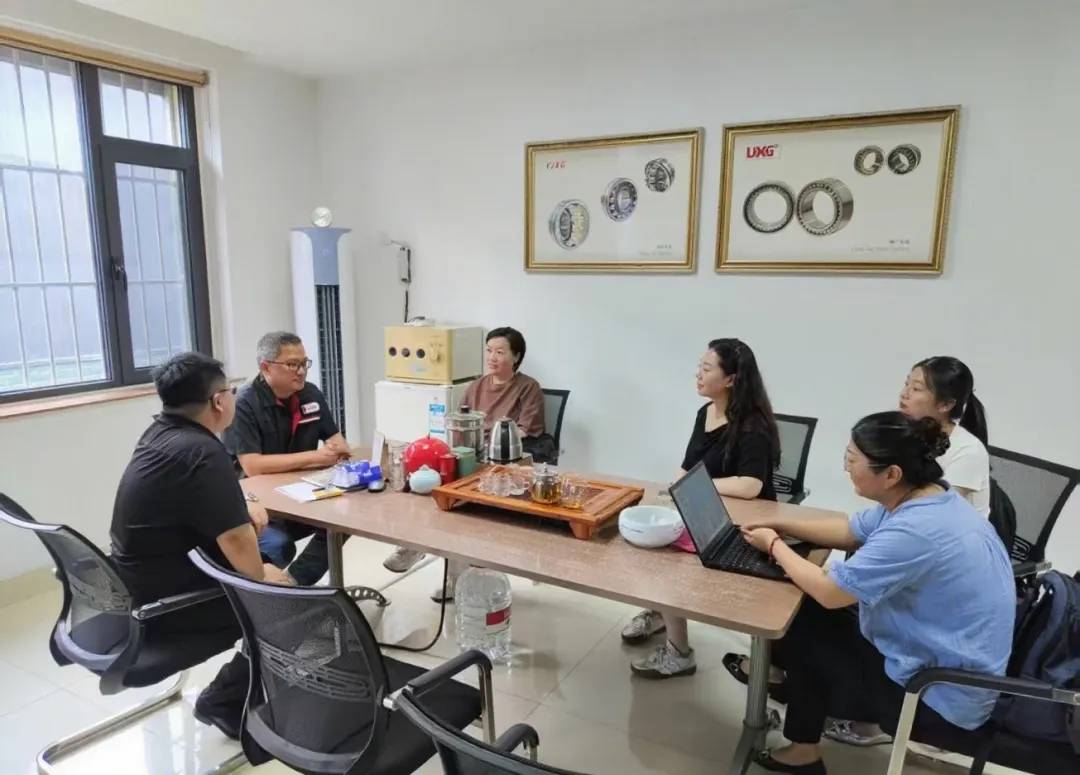
Group 1 - The research team from the Liaocheng Market Supervision Administration conducted a survey in Yandian Town, focusing on the application process for national patent-intensive product recognition [1] - Experts from Shandong Patent Engineering Co., along with local market supervision officials, engaged in discussions with business leaders and technical staff from various companies to understand their challenges in patent application and protection [3] - The survey aims to provide professional guidance to enhance the success rate of patent recognition applications and to bring new ideas and directions for intellectual property work in Yandian Town [3] Group 2 - Yandian Town plans to strengthen its service awareness and actively assist enterprises in the follow-up work for national patent-intensive product recognition applications [6] - There will be an increased emphasis on promoting and supporting intellectual property work, encouraging enterprises to invest more in research and development, and enhancing their independent innovation capabilities [6] - The initiative aims to cultivate more high-value patents and support the high-quality development of the bearing industry in Yandian Town [6]
广西启动博士创新站试点建设
Guang Xi Ri Bao· 2025-08-08 02:09
Core Viewpoint - The establishment of the Doctor Innovation Station in Guangxi aims to facilitate the integration of high-level talent and innovation resources into the industry, enhancing collaboration between doctoral talents and enterprises, especially small and medium-sized enterprises and grassroots organizations [1][2]. Group 1: Doctor Innovation Station Overview - The Doctor Innovation Station serves as a technology innovation service platform that promotes the integration of industry, academia, and research [1]. - The construction model focuses on local enterprises and institutions, with doctoral teams as the main body, aiming for mutual growth and addressing the talent and technology shortages faced by enterprises [1]. Group 2: Responsibilities of Doctor Innovation Station - The station is responsible for five main tasks: 1. Scientific and technological innovation, focusing on the technical innovation needs of enterprises, particularly small and medium-sized ones, and providing solutions for technical challenges [2]. 2. Technology talent training, offering guidance to enhance the innovation capabilities of technical personnel [2]. 3. Technology achievement transformation, facilitating research and development, application, and promotion of technological achievements [2]. 4. Science and technology popularization, conducting activities in fields such as artificial intelligence and biotechnology [2]. 5. Management consulting services, addressing management needs in production and development processes [2]. Group 3: Recognition Mechanism - The recognition mechanism for the Doctor Innovation Station follows principles of openness, fairness, justice, and excellence, with applications submitted by enterprises and doctoral teams evaluated and announced by mid-September [2].
美国“基础科学”,如何从内部沦陷?
Hu Xiu· 2025-08-08 01:43
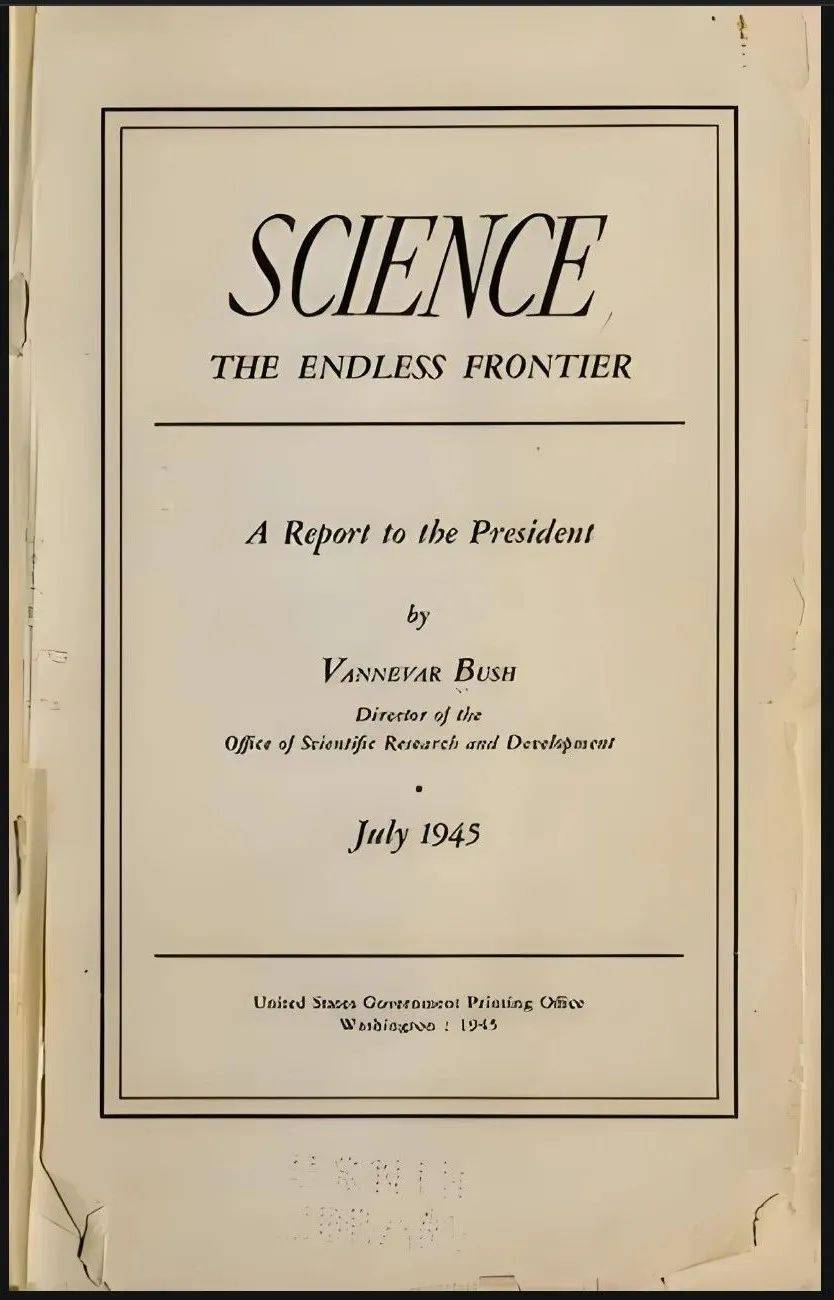
Group 1 - The sudden resignation of NSF Director S. Panchanathan was prompted by a 55% budget cut ordered by the Trump administration, leading to the termination of half of the NSF's 1,700 staff members [1][2] - NSF has been perceived as a "fortress of basic science" in the U.S., but the scientific community is now lamenting its destruction under the current administration [2][3] - The NSF's funding has historically been limited, receiving only about 1.5% of the total U.S. annual R&D expenditure, indicating that the vision outlined by Vannevar Bush in "Science: The Endless Frontier" has never been fully realized [10][24] Group 2 - NSF has faced internal conflicts since its inception, with challenges from applied sciences and political pressures to align more closely with national interests, diverging from its original mission of supporting pure scientific research [11][28] - The establishment of the Engineering Directorate in 1981 marked a significant shift, allowing engineering to gain equal footing with basic sciences within NSF, reflecting a broader trend of NSF's evolving focus [14][20] - Recent legislation, including the CHIPS and Science Act, has further emphasized the importance of applied research and technology, indicating a departure from the original intent of NSF as a purely scientific institution [23][25] Group 3 - The NSF's current operational model has shifted to balance both basic science and applied technology, contradicting the initial vision of being a non-political entity focused solely on fundamental research [24][28] - The emphasis on technology within NSF has increased significantly, with the term "technology" appearing 230 times in recent legislative texts, compared to only 163 mentions of "science" [26][28] - The NSF's alignment with U.S. national interests has deepened, particularly in response to geopolitical challenges, marking a significant departure from its founding principles [29][30]