双碳目标

Search documents
从单点突破迈向协同共进
Jing Ji Ri Bao· 2026-01-28 21:58
Core Viewpoint - The Ministry of Industry and Information Technology, along with other governmental bodies, has released a list of "leading" enterprises in energy efficiency for key industries in 2025, highlighting the importance of energy conservation and efficiency improvement as primary pathways for green and low-carbon development in various sectors [1][2]. Group 1: Energy Efficiency Leaders - A total of 30 enterprises from 14 sub-industries, including coal-based coke, steel, ferroalloy smelting, and electrolytic aluminum, have been recognized as energy efficiency leaders [1]. - The energy consumption per unit of products from these leading enterprises exceeds the national energy consumption limits by over 10%, with key industrial products achieving world-leading energy consumption levels [3]. Group 2: Energy Structure Optimization - The leading enterprises are actively optimizing their energy consumption structure by building renewable energy generation facilities and implementing fossil fuel alternatives, with non-fossil energy consumption ratios exceeding 20% [3]. - For instance, Zhongce Rubber Group has constructed a nearly 90 MW rooftop photovoltaic system, achieving a non-fossil energy consumption ratio of around 34% [3]. Group 3: Standards and Regulations - The release of the "leading" enterprises list has led to significant upgrades in energy efficiency standards, with over 30 mandatory energy consumption limit standards revised since the 14th Five-Year Plan [4]. - The new standards have shown substantial improvements, such as a 25% to 28% increase in energy efficiency levels for copper smelting processes compared to previous standards [4]. Group 4: Innovation and Technology - The Ministry of Industry and Information Technology has published eight batches of energy efficiency leader lists, covering 35 sub-industries, which has played a crucial role in guiding technological upgrades for energy conservation and carbon reduction [5]. - Companies like Triangle Tire and Shanxi Liheng Coking have implemented advanced technologies that have led to significant energy savings, such as a 36% reduction in electricity consumption through the use of permanent magnet motors [5][6]. Group 5: Digitalization and Smart Technologies - Digital technologies are essential for enhancing energy management and production control, with leading enterprises deploying IoT sensors and energy management platforms to monitor energy consumption and carbon emissions in real-time [7]. - The Ministry of Industry and Information Technology is promoting the construction of digital energy management centers and has released guidelines for their implementation, aiming to integrate digital and green technologies [8].
鸿蒙和开发者在一起,共建更美好的数字新世界
Guan Cha Zhe Wang· 2026-01-28 12:15
Core Insights - The article emphasizes the concept of "togetherness" in the context of the HarmonyOS ecosystem, highlighting how technology can create meaningful interactions with developers and enhance digital life experiences [1] Group 1: Urban Services Evolution - The iShenzhen HarmonyOS version transforms traditional "shelf-style" service models into "dialogue-style" interactions, allowing citizens to access services through voice commands with the AI assistant "Xiao Yi" [2] - The iShenzhen app utilizes HarmonyOS features to offer proactive services, such as activating service cards upon entering service centers, enhancing user experience and integration for new residents [4] Group 2: Technology for Good - The "Wusheng" app, designed for individuals with speech disabilities, exemplifies the depth of the HarmonyOS ecosystem by addressing niche needs, such as real-time text-to-speech communication during calls [6] - The development team made significant improvements to the system's underlying logic to accommodate this minority demand, showcasing a commitment to technological equity [6] Group 3: Green Energy Accessibility - The collaboration between State Grid and HarmonyOS aims to enhance user experience in the energy sector, making electricity services more intuitive and engaging for a large user base [8] - By integrating with "Xiao Yi," users can easily access energy usage analysis and receive proactive notifications about outages and balance warnings, promoting user engagement in carbon reduction goals [9] Group 4: Financial Security Innovations - Industrial and Commercial Bank of China (ICBC) has adopted HarmonyOS, achieving breakthroughs in security and performance, including features like anti-malicious screenshot and secure keyboard [11] - ICBC's contribution of its mobile RN component library to the HarmonyOS open-source community reflects a spirit of collaboration, significantly lowering industry adaptation barriers [11] Group 5: Collective Impact of HarmonyOS - The stories of iShenzhen, Wusheng app, State Grid, and ICBC illustrate the comprehensive nature of the HarmonyOS ecosystem, emphasizing that it is a collective effort involving numerous developers and Chinese technological strength [13] - The notion of "togetherness" signifies that technology serves as a key to solving social issues and enhancing public welfare, paving the way for a new interconnected digital world [13]


半年20倍规模跃升,鹏华化工 ETF(159870)成化工领域机构配置标杆
Cai Fu Zai Xian· 2026-01-28 10:33
Core Insights - The chemical-themed ETF (159870) has experienced remarkable growth, expanding from 1.5 billion yuan in July 2025 to over 32 billion yuan by early 2026, marking a 20-fold increase in just six months [1][2] - The ETF has gained significant traction among institutional investors, being heavily favored by 24 public fund of funds (FOFs), indicating strong market confidence in its performance and liquidity [1][3] Group 1: Growth Trajectory - The ETF's growth trajectory is characterized by a pivotal moment in July 2025 when its size was around 1.5 billion yuan, followed by accelerated investments as the chemical industry's fundamentals improved and policy benefits were realized [2] - By the end of August 2025, the fund's size surpassed 10 billion yuan, and it continued to grow rapidly, reaching 20 billion yuan by January 12, 2026, and 32.5 billion yuan by January 28, 2026, leading the market among comparable ETFs [2] Group 2: Institutional Endorsement - The ETF has become a preferred choice for institutional investors, with 24 FOFs reported in the fourth quarter of 2025, up from 18 in the previous quarter, highlighting its appeal among professional fund managers [3][4] - The FOFs, known for their rigorous selection criteria, have recognized the ETF's strong performance, stability, and long-term investment value, further solidifying its position in the market [3] Group 3: Performance and Liquidity - The ETF has demonstrated impressive performance, with a net value growth rate of 59.33% over the past year, significantly outperforming mainstream market indices [5] - Its liquidity is robust, with an average daily trading volume of 1.5 billion yuan since the beginning of 2026, facilitating large transactions and attracting both institutional and retail investors [5] Group 4: Structural Strength - The ETF tracks the CSI sub-sector chemical industry index, which selects 50 large-cap, liquid companies, effectively capturing structural opportunities in the transition from traditional production to high-end and new energy materials [6] - The top five holdings account for 29.61% of the index, ensuring representation of leading companies while mitigating concentration risks, with notable firms like Wanhua Chemical and Salt Lake Potash among the top stocks [6] Group 5: Macro Trends - The ETF's explosive growth is a result of macroeconomic trends and industry transformations, driven by a reshaping of the global chemical landscape and the release of domestic policy benefits [7] - The shift in global chemical market shares towards China and the Middle East, coupled with domestic policies aimed at reducing competition and promoting sustainable growth, are expected to sustain high industry prosperity [8] Group 6: Future Outlook - The ETF's growth from 1.5 billion to 30 billion yuan is just the beginning, with the potential for further expansion as it continues to capture the benefits of industry transformation and global shifts [9] - The ETF serves as an efficient investment tool, offering low-cost, high-transparency, and diversified exposure to leading companies in the chemical sector, aligning with the broader trends of high-end, intelligent, and green manufacturing in China [9]
亮点抢鲜看!2026中国商用车论坛将于3月25日-27日在湖北十堰举办
中汽协会数据· 2026-01-28 09:02
Core Viewpoint - The 2026 China Commercial Vehicle Forum aims to address the new requirements and pathways for commercial vehicle development under the themes of "New Energy Transition" and "Digital Intelligence Empowerment" in the context of the 14th Five-Year Plan, emphasizing the importance of high-quality development in the commercial vehicle industry for the national economy [1][21]. Group 1: Forum Overview - The forum will take place from March 25 to 27, 2026, in Shiyan, Hubei Province, focusing on the commercial vehicle industry's role in ensuring supply chain stability and promoting green transformation [1][21]. - The event will adopt a "1+1+6+N" format, including one closed-door summit, one main forum, and six thematic sub-forums, along with related networking and exhibition activities [2][21]. Group 2: Thematic Sub-Forums - The six thematic sub-forums will cover topics such as breakthroughs in new energy vehicle technology under carbon neutrality goals, lifecycle quality management of commercial vehicles, market and policy development directions, commercialization of intelligent networking and autonomous driving, globalization strategies and opportunities for Chinese commercial vehicles, and supply chain security and collaborative innovation [2][21]. Group 3: Key Dates and Registration - Registration for the forum is available until March 10, 2026, with early bird pricing for members at 1,500 RMB and non-members at 2,500 RMB [3][26]. - The forum's schedule includes registration on March 24 and various sessions from March 25 to 27, including a closed-door summit and thematic discussions [4][21]. Group 4: Venue and Accommodation - The forum will be held at the Shiyan Century Baijun Wudang Yage International Hotel, with special accommodation rates for attendees [5][29]. - Transportation arrangements will be provided from Shiyan Wudangshan Airport and Shiyan East Station to the hotel on March 25 [6][31]. Group 5: Collaboration and Sponsorship - The forum offers opportunities for companies to showcase new products and technologies, advertise in the conference materials, and participate in speaking engagements [10][32]. - Companies are required to coordinate with the organizing committee for any promotional activities during the forum [10][32].

国家能源局批准七项氢能行标
GUOTAI HAITONG SECURITIES· 2026-01-28 08:58
产业观察 [table_Header]2026.01.28 国家能源局批准七项氢能行标 摘要: 请务必阅读正文之后的免责条款部分 1 of 7 产业研究中心 力鸿一号遥一飞行器亚轨道飞行任务圆满成功— —商业航天跟踪 29 期 2026.01.20 【具身智能产业动态】字节领投自变量 10 亿元 A 加加轮融资,智元拆分灵巧手业务成立"临界 点" 2026.01.20 [Table_Summary] 国家能源局:7 项氢能行标获国家能源局批准。2025 年 12 月 30 日,国家 能源局发布 2025 年第 7 号公告,国家能源局批准《分布式电源接入电力 系统承载力评估导则》等 353 项能源行业标准、《Technical Specification for Directional Drilling in Coal Mine》等 25 项能源行业标准外文 版、《液化石油气组成的测定 气相色谱法》等 2 项能源行业标准修改通 知单,现予以发布。其中氢能相关包括:质子交换膜燃料电池 膜电极边框 材料测试方法、固体氧化物燃料电池 热电联供系统 性能测试方法、加氢 站压力设备系统完整性评价方法、加氧站压力设备系统安 ...
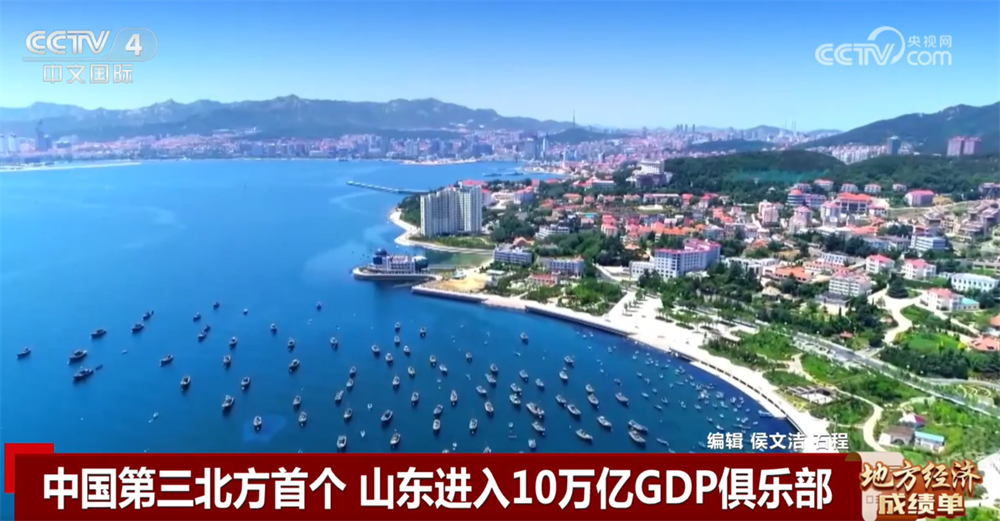
透过亮眼数据看地方经济“成绩单” 山东五年“三级跳”进入10万亿元GDP俱乐部
Yang Shi Wang· 2026-01-28 08:36
2025年,山东省实现地区生产总值10.3万亿元、增长5.5%,成为北方首个、全国第三个地区生产总值过10万亿元的省份。作为中国经济发展 的"排头兵"和区域发展的"火车头",山东五年连续跨越三个万亿台阶,经济保持稳健向好、进中提质的良好态势。经济"高线"持续刷新的背 后,是完备的工业体系支撑、新旧动能加速转换、民生与绿色发展的深度融合,展现出北方经济大省的转型韧性与创新活力。 山东拥有全部41个工业大类,完备的产业链与超大规模市场相结合,形成了独特的"大而全"市场优势。41个工业大类行业中,36个行业增加值 实现同比增长,增长面稳定在85%以上,10个行业增速突破两位数,行业发展显现出强大韧性。全省规模以上工业增加值同比增长7.6%,高出 全国平均水平1.7个百分点。制造业以8.7%的同比增速领跑,持续发挥"主引擎"作用。 山东潍坊寿光市工业和信息化局副局长 王冠辉:通过实施数转智改战略,重点聚焦传统产业转型升级、新兴产业培育和数字化基础设施建 设。加速实现关键技术突破,全面激发企业的创新活力和发展动力,推动工业经济高质量发展。 10万亿元的经济规模背后,是山东财政支出中超过75%的资金持续投向教育、医疗、社 ...
陕鼓集团自主研制的CO₂压缩机试车成功
Xin Hua Cai Jing· 2026-01-28 07:22
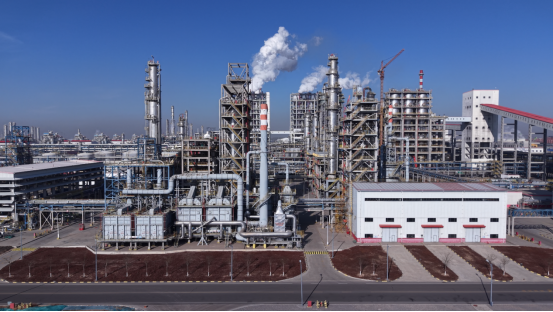
Core Viewpoint - The successful trial operation of the CO₂ compressor developed by Shaanxi Blower (Group) Co., Ltd. marks a significant milestone for the 4 million tons/year carbon capture and storage (CCS) demonstration project in Yulin, Shaanxi, which is crucial for achieving China's dual carbon goals [1][3][4] Group 1: CCS Technology and Its Importance - Carbon capture and storage (CCS) is a key technology for large-scale emission reduction and addressing climate change, playing a strategic role in China's dual carbon target progress [3] - The compressor used in the CCS project is a 15 MPa single-shaft centrifugal CO₂ compressor, referred to as the "heart" of the project, which faces significant technical challenges due to the complex physical properties of CO₂ under high pressure [3] Group 2: Technical Achievements and Collaborations - The technical team at Shaanxi Blower has successfully addressed multiple technical bottlenecks related to compressing high-density media under high pressure, which is a common challenge in the industry [3] - In 2021, Shaanxi Blower established a collaborative innovation center with several universities and enterprises to integrate resources and build an independent technology platform for the entire CCS process [3] Group 3: Project Impact and Future Prospects - The successful trial of the compressor lays a foundation for the subsequent large-scale operation of the Yulin CCS project and provides a replicable technical pathway for green transformation in industries such as power and steel [4] - The CCS demonstration project is a landmark initiative for promoting the high-end, diversified, and low-carbon development of the coal chemical industry in China [4]

北京绿色转型向“氢”而行
Bei Jing Shang Bao· 2026-01-28 06:43
Core Viewpoint - Beijing aims to accelerate the construction of an international green economy benchmark city, focusing on hydrogen energy, energy storage, and environmental protection industries, while leveraging advanced technologies for the green transformation of traditional industries [1] Group 1: Hydrogen Energy Development - The "14th Five-Year Plan" emphasizes advancing energy transformation and increasing the share of clean energy, with green hydrogen being a crucial carrier for renewable energy storage and consumption in hard-to-electrify sectors like industry and transportation [4] - Beijing should lead in energy transition by addressing the bottlenecks in green hydrogen consumption and exploring innovative applications such as blending hydrogen with natural gas [4][5] - Establishing a comprehensive safety management and technical standard system for the hydrogen supply chain is essential for scaling up hydrogen applications [4] Group 2: Application and Infrastructure - Hydrogen energy is recognized for its wide availability, high combustion value, and zero carbon emissions, making it a key player in the clean energy transition for transportation and industry [6] - From 2021 to August 2025, Beijing plans to promote 5,502 fuel cell vehicles and build 50 hydrogen refueling stations, creating five cross-regional hydrogen corridors [6] - To expand hydrogen applications, there is a need to develop zero-emission freight corridors and optimize existing routes while enhancing infrastructure like hydrogen refueling stations [7] Group 3: Industrial Integration and Cost Reduction - The establishment of integrated hydrogen production and refueling stations is crucial for demonstrating hydrogen energy applications in power generation and heating [8] - Utilizing by-product hydrogen from industries and renewable energy resources for large-scale hydrogen production can help reduce costs and promote the hydrogen industry [8][9] - Transitioning to liquid carriers like methanol and ammonia can alleviate storage and transportation challenges, thereby supporting the development of a diverse and stable low-carbon energy landscape [9][10]
农村地区有条件率先实现“双碳”目标,看看安徽省任集村有哪些经验
Zhong Guo Huan Jing Bao· 2026-01-28 05:41
Core Viewpoint - The transformation of Renji Village into a "zero-carbon village" through renewable energy initiatives demonstrates the potential for rural areas to become significant contributors to green energy production and carbon neutrality [1][2] Group 1: Renewable Energy Initiatives - Renji Village has developed over 4,500 acres of water surface due to subsidence from coal mining, with more than 2,500 acres leased for a floating photovoltaic power station, creating a "sunshine bank" [1] - The village has initiated a distributed solar power project, enabling over 800 households to utilize green electricity and earn rental income from rooftop solar installations [1] - The village's annual renewable energy production is 8.5 times its energy consumption, showcasing effective energy management and sustainability practices [1] Group 2: Broader Implications for Rural Areas - Many rural areas possess the potential to become "zero-carbon villages" due to abundant wind and solar resources, which can be harnessed for green electricity while improving local landscapes [2] - The development of biomass energy, geothermal energy, and other renewable resources can leverage local advantages, contributing to carbon neutrality goals [2] - Initiatives like the "Thousand Towns and Ten Thousand Villages Wind Action" and "Thousand Households Sunlight Action" are promoting the development of renewable resources in rural areas, positioning them as reliable energy production bases [2]
甘肃:“十五五”经济社会发展目标锚定八大提升
Zhong Guo Fa Zhan Wang· 2026-01-28 04:00
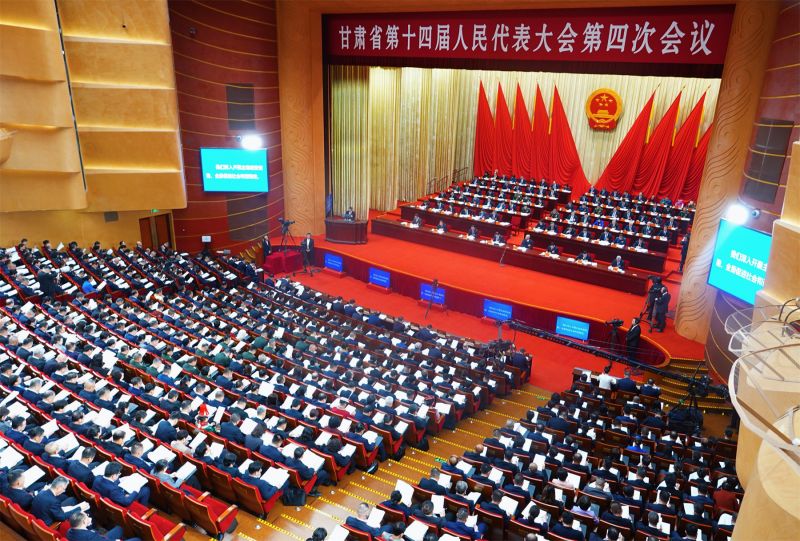
在民生领域,甘肃承诺推动更多资源服务民生,全体居民人均可支配收入年均增长5%以上,并围绕就业、教育、 健康、养老等设定了一系列量化指标,包括将人均预期寿命提升至78岁,彰显了发展成果惠及全民的决心。 为实现上述目标,甘肃规划了清晰的战略路径。深化改革方面,将着力提升经济体制改革质效,增强国有企业核 心竞争力,目标是使省属企业资产总额达2.7万亿元,工业总产值破万亿元,并加快打造一流营商环境。 开放能级提升是另一大重点。甘肃将深度融入"一带一路"和西部陆海新通道建设,强化向西开放战略通道地位, 积极申建中国(甘肃)自由贸易试验区,推动马鬃山口岸复通,力争外贸进出口总值翻一番。 生态文明建设同样被高度重视。报告提出以"双碳"目标为牵引,推动能源大省向能源强省迈进,确保生态环境持 续改善,森林覆盖率、林草覆盖率分别达到13.52%和44.79%,绘就美丽甘肃新画卷。 中国发展网讯 记者王斌报道 1月27日上午,甘肃省十四届人民代表大会第四次会议在兰州开幕,省长任振鹤向大 会作政府工作报告。报告指出,甘肃正处在国家战略叠加、重大政策加力的机遇期,发挥比较优势、激发潜力动 能的上升期,聚力重点突破、实现追赶进位的窗口期 ...