
粮食安全

Search documents
全省秋种工作现场会议在桓台召开
Da Zhong Ri Bao· 2025-10-26 01:20
10月25日,全省秋种工作现场会议在淄博市桓台县召开,观摩秋种工作现场,分析当前形势,安排 部署全省秋种工作任务,确保小麦种足种好。 会议强调,要切实增强紧迫感,科学精准抓好秋种工作。要全力稳定秋播面积,用好补贴保险政 策,调动农民积极性。要着力提高播种质量,抓好分类整地、科学选种和种子包衣,大力推广高性能播 种机械。要全力抢抓播种进度,加快排涝散墒,强化农机农资保障,紧盯墒情变化适时抢种。要坚持种 管并重,为晚播小麦安全越冬、促弱转壮打下坚实基础。要将主要粮油作物大面积单产提升作为主攻方 向,扎实推进高标准农田建设,加快种业创新,积极推广高性能农机装备,健全防灾减灾体系,全方位 夯实粮食安全根基。(记者 毛鑫鑫) ...
市委常委会扩大会议学习党的二十届四中全会精神和习近平总书记近期重要讲话重要指示精神 推动全会精神入脑入心见行见效 高质量编制实施好“十五五”规划 马明龙主持并讲话
Zhen Jiang Ri Bao· 2025-10-26 00:22
Core Points - The meeting emphasized the importance of implementing the "15th Five-Year Plan" as a necessary requirement for orderly advancement of Chinese-style modernization and achieving the "two-step" strategic arrangement [1][2] - The meeting highlighted the need to focus on strategic priorities and scientifically plan the city's economic and social development during the "15th Five-Year" period, aiming for breakthroughs that drive overall progress [2] - The meeting discussed the significance of ensuring food security and improving agricultural productivity, emphasizing the construction and management of high-standard farmland [2] Group 1 - The meeting underscored the necessity of unifying thoughts and actions with the decisions of the central government, particularly regarding the "15th Five-Year Plan" [1] - It was noted that the implementation of the plan should ensure that the benefits of modernization are equitably shared among the populace [2] - The meeting called for effective organization of learning and promotion of the spirit of the conference to ensure its principles are deeply understood and acted upon [1][2] Group 2 - The meeting reviewed the progress of matters assigned by the provincial inspection and emphasized the need for swift actions and strong measures to ensure effective implementation [2] - It was highlighted that the city should enhance its efforts in promoting justice and collaboration in the context of public safety and community service [2]
科技赋能,解锁新时代大国粮仓的“智慧密码”
Xin Hua She· 2025-10-25 20:32
Core Viewpoint - The article emphasizes the importance of food security in China, highlighting advancements in agricultural technology and practices that enhance grain production and management, ultimately contributing to the country's economic stability and high-quality development [1][15]. Group 1: Agricultural Advancements - The average rice yield this year is close to 1400 jin per mu, showing an increase from last year [2] - Mechanization in farming has surpassed 90%, with significant improvements in efficiency through the use of smart farming technologies such as automated irrigation and drone applications [3] - Collaboration with universities for research and trials of new rice varieties has led to higher yields and improved quality, with certain varieties meeting national grade two standards [3] Group 2: Grain Storage and Management - The grain purchasing process has become more efficient with online booking systems, allowing farmers to sell their produce without long queues and ensuring timely payments [4] - The introduction of intelligent sampling systems has increased testing efficiency for grain quality, with the time for testing rice reduced to 12-13 minutes [7] - AI technology is being utilized for pest monitoring, significantly improving the detection of storage pests with a 95% accuracy rate [8] Group 3: Food Safety and Innovation - Food safety is prioritized at every stage, from raw material selection to production, ensuring that only compliant ingredients are used [11] - The development of specialized flour products reflects advancements in production technology, catering to diverse culinary needs [12] - The introduction of D-Tagatose, a low-calorie sugar substitute, marks a significant innovation in the health food sector, filling a gap in the high-end functional sugar market [14]

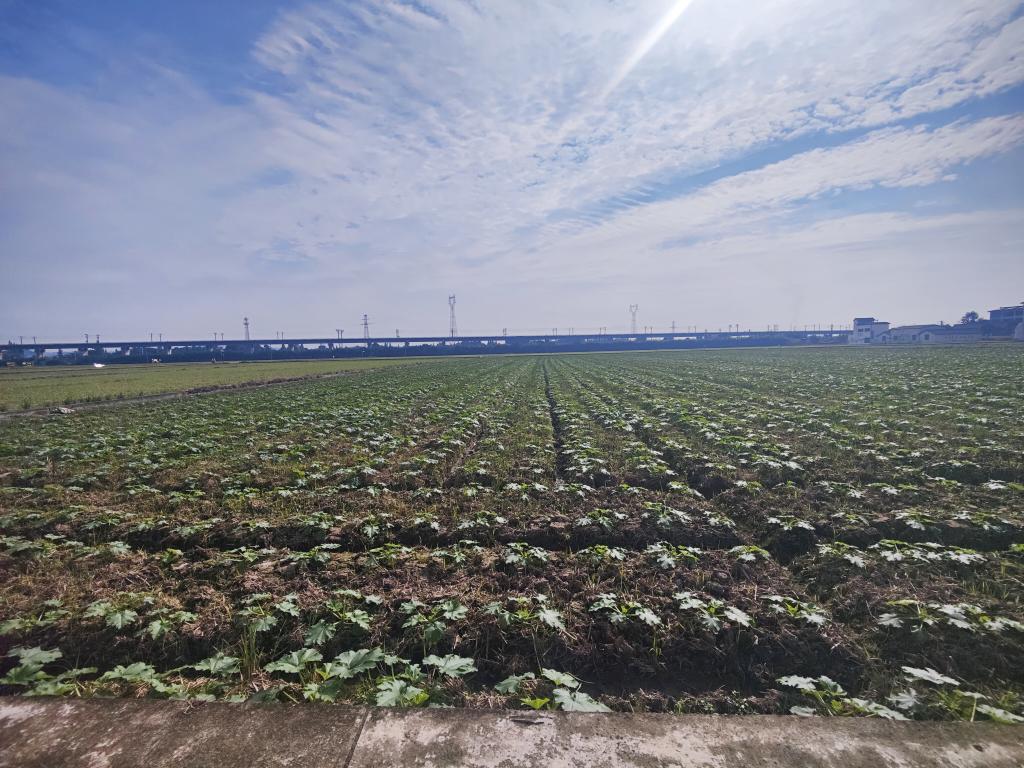
全球大豆定价权博弈升级:巴西敢涨价,中国手握三大王牌霸气说不
Sou Hu Cai Jing· 2025-10-25 18:45
第二张王牌,叫"东方不亮西方亮"。这些年,我们早就没把鸡蛋放在一个篮子里了。美国不卖,我们找巴西;巴西敢涨价,我们扭头就去找阿 根廷。十月中上旬,我们从阿根廷进口的大豆就达到了120万吨,同比增长了41.2%。阿根廷农业部那边更是美滋滋地宣布,已经跟我们签了 长期采购协议。还不止,俄罗斯远东的大豆,乌拉圭、巴拉圭的,甚至远在非洲的坦桑尼亚,都成了我们的新"豆源"。中国企业已经开始在巴 西和阿根廷投资建加工园区和仓储中心,从源头"种、产、销"一条龙,这才是真正的降维打击。 流量哗啦啦地全涌向了南美,尤其是巴西。2025年前八个月,我们进口的大豆里,巴西占了七成以上。这感觉就像你常去的一家饭馆突然关 门了,你只能去隔壁那家,结果隔壁老板看你没得选,第二天就把菜单价格翻了一倍。搁谁谁不气?巴西粮商们看着飙升的订单,心里的算 盘打得噼里啪啦响,从每吨3800元一路干到4180元,这还只是开胃菜。 但他们算错了一步,那就是低估了中国的"planB"。成年人的世界里没有圣诞老人,一切都得自己亲手去拼。你涨价,我不买!这六个字背 后,是咱们深藏不露的几张王牌。 第一张王牌,也是最硬的一张,叫"家里有粮,心里不慌"。中储粮手 ...
美国用一半价格"喂饱"我们20年,直到中储粮亮出那把“秘密武器”
Sou Hu Cai Jing· 2025-10-25 07:54
Core Insights - The article discusses the evolution of China's soybean industry from dependency on imports to achieving self-sufficiency, highlighting the strategic importance of food security in the context of international trade dynamics [1][16]. Historical Context - In 2001, China opened its soybean market as part of its WTO accession, leading to a significant influx of cheaper U.S. soybeans, which caused 80% of domestic farmers to abandon soybean cultivation [3]. - By 2004, China became the world's largest soybean importer, accounting for one-third of global trade, while foreign firms controlled 85% of China's crushing capacity [6]. Price Volatility and Market Manipulation - A drought warning in 2003 led to a spike in soybean prices from 2300 RMB/ton to 5500 RMB/ton, followed by a crash to 2200 RMB/ton, resulting in significant losses for Chinese companies [4]. - This price volatility was perceived as a targeted attack by international capital on China's soybean industry [6]. Strategic Responses - In response to the crisis, China initiated a strategic reserve plan in 2004, leading to large-scale purchases of domestic soybeans and market stabilization efforts [7]. - By 2006, China began to counteract speculative pressures by releasing reserves, which helped to stabilize domestic prices and demonstrated China's capacity to withstand food crises [7]. Industry Self-Sufficiency Initiatives - China has diversified its soybean import sources, increasing from 2 countries in 2001 to 12 countries by 2023, focusing on Brazil, Argentina, and emerging markets [8]. - Technological advancements have been made, such as the development of high-protein soybean varieties with protein content exceeding that of U.S. genetically modified soybeans [8]. Future Outlook - By 2024, China's domestic soybean production is expected to stabilize above 20 million tons, with a steadily increasing self-sufficiency rate [9]. - China's approach to trade disputes has matured, emphasizing a dual strategy of domestic support and diversified imports to mitigate risks [13]. Conclusion - The transformation of China's soybean industry reflects a broader narrative of food security as a cornerstone of national security, showcasing resilience and strategic foresight in the face of international challenges [16].
山东平度:电力保障“护航”粮食烘干 解秋粮晾晒“燃眉急”
Xin Hua She· 2025-10-25 05:54
Core Insights - The article highlights the efforts of the State Grid Pingdu Power Supply Company in ensuring electricity supply for grain drying during the autumn harvest season in Shandong, particularly in Pingdu City, which is a significant grain production area [1][2] Group 1: Company Actions - The State Grid Pingdu Power Supply Company has established a special task force for autumn supply assurance, collaborating with government agricultural departments to assess the electricity needs of 62 key grain drying enterprises [2] - The company has implemented a "same-day acceptance, three-day connection" service for urgent capacity increase requests from drying enterprises, completing capacity upgrades for 8 enterprises and adding 2,200 kVA of transformer capacity [2] - A total of 17 service teams and 336 repair personnel have been organized to conduct thorough inspections of power distribution lines and stations related to grain drying, identifying and addressing 16 potential hazards [2] Group 2: Industry Context - The article describes the challenges faced by the grain harvest in Shandong due to continuous rainy weather, which has led to water accumulation in fields and difficulties in using large harvesting machinery [1] - The timely processing of wet grain is critical to prevent spoilage, and the electricity supply is essential for the continuous operation of drying machines [1][2] - The article notes that the grain harvest progress in Pingdu City has significantly accelerated, with drying enterprises operating around the clock to mitigate risks of post-harvest losses [2]
巴西猛涨大豆溢价,中国反手砸130万吨订单给阿根廷,谁背后捣鬼
Sou Hu Cai Jing· 2025-10-25 05:53
巴西因贪婪失去了中国市场,中国两天内狂买130万吨阿根廷大豆! 今年的这一记"耳光",打得既响亮又有力。自5月以来,中国几乎停止了从美国购买大豆,而巴西的大豆占据了我们进口的大部分份额,超过了七成。眼看 着巴西即将成为中国的"独家供应商",可他们却因为贪心,选择抬高价格,结果把自己推向了困境。 对于巴西来说,中国减少购买美国大豆,本应是一个天赐良机。今年1到8月,中国共进口了7300多万吨大豆,其中71.6%来自巴西,而美国的份额只有 22.8%。巴西方面计算认为,今年可以卖给中国创纪录的1.1亿吨大豆。然而,他们由于觉得自己掌握了话语权,开始肆意抬价。 巴西的"涨价"策略非常激进。巴拉那瓜港口的大豆价格,比美国墨西哥湾贵了66美元,这个差价是过去四年来的最高点。到了10月,巴西大豆的溢价更是上 涨至每蒲式耳270美分。 更让人惊讶的是,南美的大豆收获季节即将结束,巴西农民已经售出了四分之三的库存。剩下的那些,他们选择捂紧不卖,希望赌中美关系恶化,认为中国 只能依赖他们的大豆,从而等待价格再次飙升。 他们为什么敢这么做?因为他们觉得自己掌握了中国的"命门"。中国对巴西的投资巨大,建设了仓库、修建了铁路、改造了 ...
吉专家:吉目前只有5种食品能够自给
Shang Wu Bu Wang Zhan· 2025-10-24 16:48
Core Insights - Kyrgyzstan currently has only 5 out of 9 essential food products that can achieve self-sufficiency, indicating a significant reliance on imports for food security [1] Food Security Overview - The key products for food security in Kyrgyzstan include grains, potatoes, meat, dairy products, eggs, vegetables, vegetable oil, sugar, and fruits [1] - A country is considered food secure if it can achieve at least 80% self-sufficiency [1] Current Self-Sufficiency Status - The 5 products that Kyrgyzstan can currently produce self-sufficiently are vegetables, milk, potatoes, sugar, and meat [1] - Historically, Kyrgyzstan produced 1.5 million tons of wheat annually, but current production is only about 600,000 tons, leading to a 45% reliance on imports from Kazakhstan and Russia [1] Potential for Improvement - There is potential for Kyrgyzstan to increase self-sufficiency in wheat by expanding winter wheat cultivation [1] - The self-sufficiency rate for vegetable oil is only 20%, indicating a need to increase the area planted with oilseed crops [1]
粮食安全看山东”之东营:多维发力筑牢粮食安全“压舱石
Zhong Guo Fa Zhan Wang· 2025-10-24 15:23
Core Viewpoint - Food security is a top priority for national governance, directly impacting people's livelihoods and social stability. The company has developed a comprehensive food security assurance system through various initiatives in information technology, energy conservation, scientific storage, and fire safety to safeguard the "big country's granary" [1] Group 1: Information Technology - The company has implemented a "Digital Granary" project in collaboration with Shandong University since 2008, enhancing food management efficiency and accuracy through data integration and visualization [2] - A centralized data security center and video monitoring system provide real-time visibility into storage conditions, including layout, quantity, variety, quality, and flow, achieving comprehensive regulatory coverage [2] - The use of big data analysis and simulation techniques has improved risk identification and monitoring capabilities, enhancing the ability to manage storage risks [2] Group 2: Energy Conservation - The company recognizes energy conservation as essential for reducing storage costs and achieving sustainable food security [3] - Implementation of photovoltaic projects has led to an average temperature reduction of 3-5 degrees Celsius in storage facilities, delaying pest activity by approximately 30 days and reducing pest control costs by 23.1% [3] - New technologies have been adopted to lower energy consumption in ventilation by nearly 30% and reduce fumigation chemical usage by 30% [3] Group 3: Scientific Storage - The company employs differentiated storage strategies based on the characteristics of various grains, ensuring quality and minimizing losses through advanced technologies [4] - Standardized storage processes and regular training for personnel help maintain low loss rates and high-quality storage [4] - The company has developed a strong talent pool in the grain industry, completing over 50 research projects and publishing more than 60 papers, supporting scientific storage initiatives [4] Group 4: Fire Safety - The company has established a comprehensive safety management system, revising 17 emergency plans and 36 safety management regulations to ensure stable operations [5] - A three-tiered fire safety system has been constructed, integrating human, material, and technical defenses to enhance fire risk management [6] - Regular fire safety training and the installation of advanced monitoring systems ensure early detection and response to fire hazards, protecting the granary's safety [6]
山东省应急管理厅挂职干部:守好 “粮袋子” 护航三秋生产
Qi Lu Wan Bao· 2025-10-24 08:24
Core Viewpoint - The article highlights the proactive measures taken by the Shandong Provincial Emergency Management Department to ensure food security during the critical autumn agricultural season amidst continuous rainfall challenges. Group 1: Response to Rainfall Challenges - The first secretary and selected officials developed a comprehensive investigation plan covering all villages, conducting in-depth visits to assess the progress of autumn harvests, crop lodging conditions, machinery needs, and wet grain storage pressures [3][5] - They established a demand list and responsibility ledger to coordinate with local party committees, agricultural departments, and emergency services to secure resource support for villagers [3] Group 2: Mitigation of Agricultural Issues - In response to reported waterlogging in fields, they coordinated with the county emergency bureau to secure two mobile drainage pumps for urgent support, facilitating the quick removal of water to clear the way for harvesting [5] - They addressed the shortage of drying spaces for wet grain by negotiating with relevant departments to open idle office spaces for villagers to use for drying, and organized volunteer teams to assist vulnerable populations [7] Group 3: Disaster Response and Support - The first secretary and selected officials educated themselves on disaster assessment and reporting procedures, promoting winter-spring relief policies through community meetings and home visits to ensure eligible farmers received assistance [9] - They are committed to focusing on autumn sowing management and winter wheat field maintenance to further safeguard food security and contribute to high-quality agricultural development [11]
