
绿水青山就是金山银山

Search documents
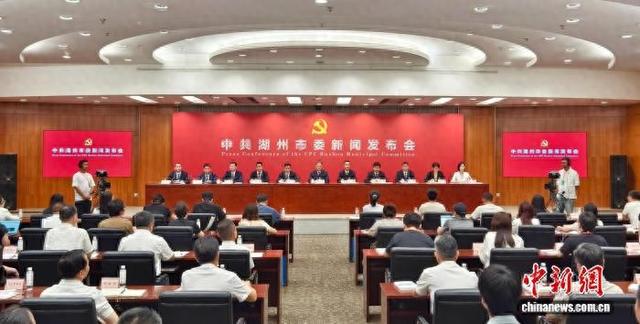
“两山”践悟二十载 浙江湖州“绿满金生”闯新路
Zhong Guo Xin Wen Wang· 2025-08-08 16:30
Core Viewpoint - The news highlights the achievements of Huzhou in implementing the "Green Water and Green Mountains are Golden Mountains and Silver Mountains" concept over the past 20 years, showcasing its transformation into a model for ecological civilization and sustainable development [1][2]. Group 1: Ecological Civilization Development - Huzhou has established a comprehensive ecological civilization system over 20 years, including legislation, standards, institutions, digital intelligence, and culture [2]. - The city has received multiple national recognitions, such as the first city-level ecological civilization pilot zone and the first city with full coverage of national ecological civilization construction demonstration areas [2]. - Huzhou has published over 130 ecological civilization standards, with 13 local standards elevated to national standards [2]. Group 2: Environmental Improvements - As of 2024, Huzhou has achieved a 57.03% improvement in PM2.5 concentration and a 56.51% increase in air quality [3]. - The water quality entering Taihu Lake has maintained a Class III standard for 17 consecutive years, with Class II water quality now fully covering the monitoring sections for the first time in 2024 [3]. Group 3: Economic Transformation - Huzhou's energy consumption per unit of GDP has decreased by approximately 48% over the past 20 years, while the number of high-tech enterprises has surged from 58 in 2008 to 2071 in 2024 [5]. - The city has developed a "2+8" high-energy platform system, focusing on emerging industries such as new energy vehicles, semiconductors, and biomedicine [6]. Group 4: Ecological Product Value Realization - Huzhou has created ten methods for realizing the value of ecological products, including accounting and assessment methods, rights trading, and ecological compensation [7]. - The city has been selected as one of the first national pilot areas for ecological product value realization mechanisms in 2024 [7]. Group 5: Social and Economic Equity - The income disparity among urban and rural residents in Huzhou has significantly narrowed to a ratio of 1.53, making it one of the most balanced regions in the country [8]. - Innovative models have been introduced to promote dual income growth for village collectives and farmers, with a focus on attracting young talent to rural areas [8].

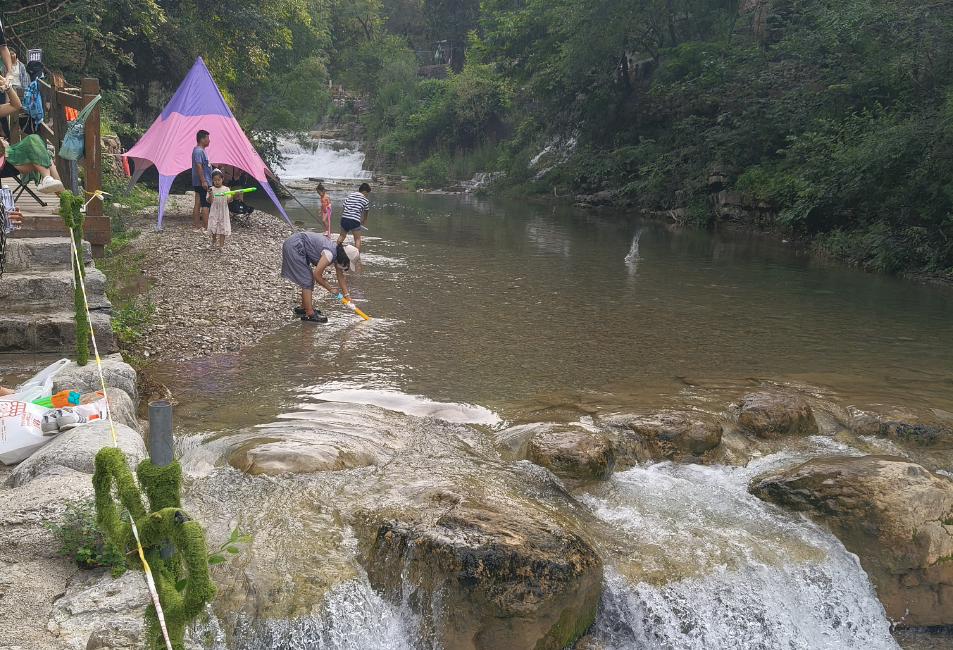
北崔崖变形记:石窝窝变生态乐园,看一条溪流如何盘活整座青山
Qi Lu Wan Bao· 2025-08-08 10:28
Core Viewpoint - The transformation of Beicuiya village from a resource-poor area to a thriving ecological tourism destination demonstrates the successful implementation of the "Two Mountains" theory, emphasizing that ecological resources can be converted into economic benefits [3][12]. Group 1: Village Transformation - Eight years ago, Beicuiya village was characterized by barren limestone mountains and minimal agricultural output, with a reported income of only 20,000 yuan in 2013 [1][3]. - In 2015, village leadership shifted focus to the surrounding natural resources, initiating a project to leverage ecological assets for economic development [3]. Group 2: Ecotourism Development - The village has developed into a vibrant ecological park, featuring attractions such as a 726-meter high cliff for bungee jumping and a 3.7-kilometer ecological trail, which has contributed to its recognition as a national AAA-level scenic area in 2023 [9][10]. - Visitor numbers are projected to exceed 100,000 in 2024, indicating a significant increase in tourism activity [9]. Group 3: Economic Benefits for Residents - A unique "shared prosperity ledger" has been established, ensuring transparent profit distribution: 50% to cash investors, 30% to collective dividends for villagers, 10% for village development, and 10% for reinvestment in the scenic area [10]. - In 2023, each villager received a dividend of 580 yuan, marking the first time they benefited directly from the ecological transformation [10]. - The village has also generated stable rental income by leasing land for 2 yuan per square meter, and created job opportunities for residents in tourism-related services [10]. Group 4: Additional Revenue Streams - The village has launched its own brand of mineral water, producing 500,000 bottles annually, and has seen sales from processed local products exceed 400,000 yuan [11]. - This diversification of income sources illustrates the potential for sustainable economic growth through the utilization of local resources [11].
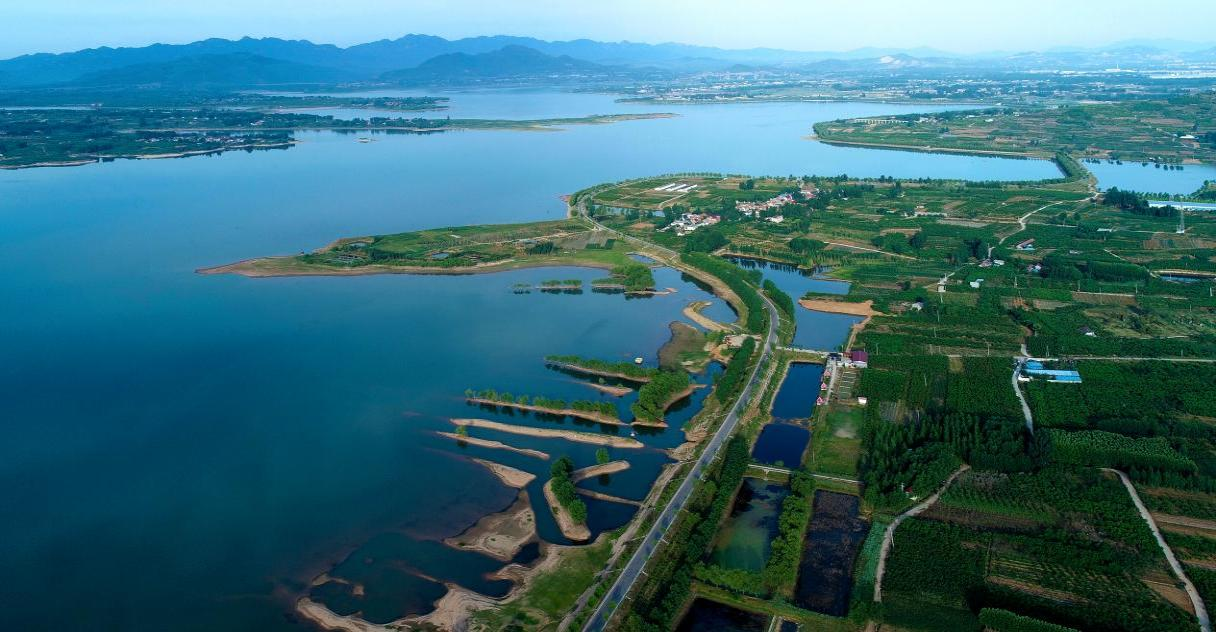
蒙阴的绿水青山转化记:山头绿、腰包鼓、日子甜
Qi Lu Wan Bao· 2025-08-08 04:28
Core Insights - The article highlights the transformation of the ecological environment in Mengyin County, Shandong, where green mountains and clean water have become sources of wealth for local farmers, illustrating the concept that "lucid waters and lush mountains are invaluable assets" [1][15] Group 1: Ecological Development - Mengyin County has achieved a forest coverage rate exceeding 73%, with effective governance of its natural resources, including the management of the Yunmeng Lake, which maintains water quality at a stable national Class II standard [4] - The county has implemented a series of ecological initiatives, including household toilet renovations, wastewater treatment, and the elimination of polluting livestock practices, resulting in over 75% of villages effectively managing their wastewater [4][10] Group 2: Economic Growth through Ecology - The county has capitalized on its ecological resources by developing a robust peach industry, with 710,000 acres dedicated to peach orchards, leading to a brand value of "Mengyin Peach" at 26.644 billion yuan, making it a leader in both area and production at the county level [5] - The average annual income from fruit for local farmers exceeds 30,000 yuan per person, with household income surpassing 110,000 yuan [5] Group 3: Tourism and Cultural Integration - Mengyin County is leveraging its national wetland park and 5A-rated scenic areas to promote comprehensive tourism, creating projects like the "Yunmeng Pearl Ecological Cultural Tourism Resort," which includes various recreational and hospitality services [9] - The integration of beekeeping and tourism has led to the establishment of bee-themed attractions, enhancing visitor experiences and contributing to local economic growth [9] Group 4: Financial Innovations for Ecological Value - The county has developed mechanisms to realize the value of ecological products, with an estimated ecological system production value (GEP) of 35.568 billion yuan, allowing for tangible measurement of ecological benefits [10] - Innovative financial products, such as ecological loans and carbon finance, have been introduced to convert green resources into financial assets, supporting the growth of the peach, beekeeping, and tourism sectors [10]
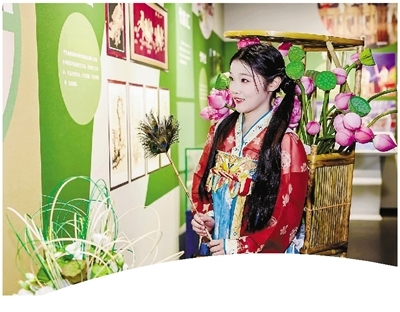
来浙江自然博物院(杭州馆)看安吉“竹”构精彩专题展
Hang Zhou Ri Bao· 2025-08-08 02:40
Group 1 - The exhibition "Green Water and Green Mountains for 20 Years - Anji's Bamboo Structure Wonderful Special Exhibition" is organized by the Zhejiang Natural History Museum and Anji County, showcasing the achievements of utilizing bamboo resources for ecological prosperity and cultural development over the past two decades [2] - This year marks the 20th anniversary of the "Green Water and Green Mountains are Gold and Silver Mountains" concept, with the Zhejiang Natural History Museum playing a leading role in promoting cultural heritage, industrial innovation, and ecological wisdom through this exhibition [2] - The exhibition is structured around four main themes: "Understanding Bamboo, Knowing Bamboo, Using Bamboo, and Enjoying Bamboo," providing a comprehensive interpretation of bamboo's natural attributes, cultural significance, and contemporary value [2] Group 2 - During the exhibition, visitors can engage in various bamboo culture experience activities, including bamboo-themed painting, reading in bamboo groves, and learning bamboo painting techniques from instructors at the Wu Changshuo Memorial Museum [3] - Attendees can enjoy the lively She ethnic bamboo pole dance at the Langcun Museum, taste the subtle flavors of Songming white tea and the sweetness of bamboo drinks, and explore unique bamboo cuisine [3] - The exhibition also features creative bamboo products such as bamboo furniture and bamboo lamps, showcasing the craftsmanship of local artisans [3]

从破题到点题 践行“两山”理念温州有何答题之道?
Zhong Guo Huan Jing Bao· 2025-08-08 02:08
Core Viewpoint - Wenzhou has successfully balanced ecological protection and economic development, achieving a forest coverage rate of 61.7%, a surface water quality rate of 98.3%, and a GDP exceeding 800 billion yuan, exemplifying the principle that "lucid waters and lush mountains are invaluable assets" [2] Group 1: Ecological Governance Initiatives - Wenzhou's approach to ecological governance began with a recognition of "ecological deficit" and a commitment to rigorous environmental management, moving away from the "GDP first" mentality [4] - The Longwan District undertook significant pollution control measures, shutting down 196 synthetic leather production lines and investing 1.5 million yuan in a solid waste disposal center, leading to the establishment of high-tech industries in the area [5] - The Sanyang Wetland underwent a comprehensive restoration process, improving its ecological service value to an annual average of 1.2 billion yuan and significantly enhancing carbon sequestration capabilities [6] Group 2: Innovative Economic Models - Wenzhou has developed a value realization pathway for ecological products, exemplified by the "water economy" in Wencheng County, which transformed water resources into a multi-tiered value chain, increasing the economic value of water from 0.5 yuan to 28 yuan per ton [11][12] - Traditional industries are being transformed sustainably, as seen in the leather industry transitioning to pet products, achieving sales prices three times higher than traditional leather goods [12] - Cultural heritage is being integrated into economic development, with the preservation of ancient bridges leading to significant tourism revenue and enhanced local product value [13] Group 3: Institutional Framework and Mechanisms - Wenzhou has established a robust ecological governance system that integrates government guidance, market operations, and social participation, facilitating effective environmental management [17] - The introduction of a "multi-evaluation integration" approval model has streamlined environmental assessments, reducing approval times from 180 days to 72 days [17] - The "digital Shanshui" system employs advanced monitoring technologies to ensure water quality standards are met, significantly reducing operational costs while enhancing ecological benefits [18] Group 4: Community Engagement and Future Prospects - Community involvement in ecological governance is exemplified by local initiatives such as the "civilian river chief" program, which encourages citizen participation in monitoring water quality [19] - Collaborative models among local enterprises, such as the "shared pollution control" initiative, have led to reduced treatment costs and lower emissions [19] - Wenzhou's recognition as an "International Wetland City" and its ambition to create a national ecological civilization demonstration zone highlight its commitment to sustainable development and provide a replicable model for other regions [19]
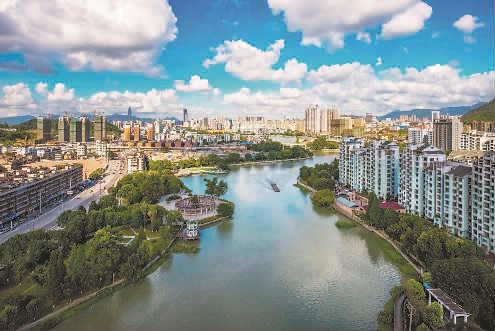
我国外贸保持向上向好势头
Qi Huo Ri Bao Wang· 2025-08-07 16:31
Group 1: Trade Performance - In the first seven months of the year, China's total goods trade value reached 25.7 trillion yuan, a year-on-year increase of 3.5%, with exports at 15.31 trillion yuan (up 7.3%) and imports at 10.39 trillion yuan (down 1.6%) [1] - In July alone, the total goods trade value was 3.91 trillion yuan, growing by 6.7%, with exports at 2.31 trillion yuan (up 8%) and imports at 1.6 trillion yuan (up 4.8%) [1] - Trade with ASEAN, EU, Africa, and Central Asia saw increases of 9.4%, 3.9%, 17.2%, and 16.3% respectively, while trade with the US decreased by 11.1% [1] Group 2: High-tech and Green Products - In the first seven months, the import and export of high-tech products reached 5.1 trillion yuan, growing by 8.4%, contributing 45.4% to the overall trade growth [2] - Exports of high-end machine tools increased by 23.4%, and imports of high-end textile machinery rose by 19.3% [2] - Exports of green and low-carbon products, referred to as the "new three samples," grew by 14.9% [2] Group 3: Commodity Imports - Major commodity imports showed a decline in prices, with iron ore imports at 69.7 million tons (down 2.3%) and crude oil at 32.7 million tons (up 2.8%) [3] - The average import price for iron ore fell by 15%, while crude oil prices decreased by 12.7% [3] - Imports of mechanical and electrical products reached 4.09 trillion yuan, growing by 5.8% [3] Group 4: Future Outlook - The recovery in July's import growth reflects enhanced import momentum, driven by price factors and increased exports [4] - The reliance on US exports has decreased, with emerging markets becoming significant growth areas [4] - Policies to stabilize growth and foreign trade are expected to be reinforced in the fourth quarter, potentially including targeted financial support for foreign trade enterprises [4]
潍坊峡山:小艾草让生态效益、经济效益双提升
Qi Lu Wan Bao· 2025-08-07 08:42
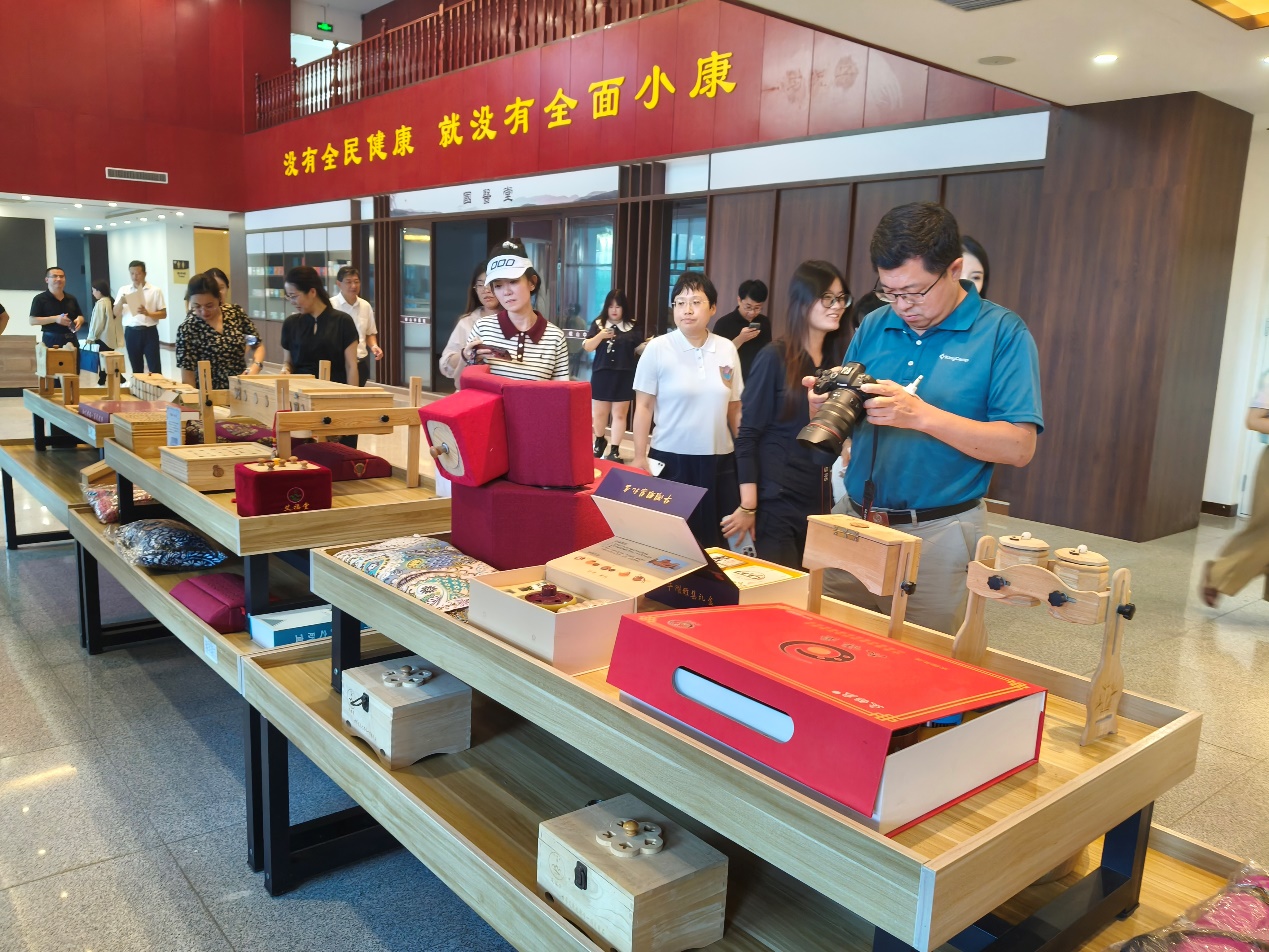
Core Viewpoint - The development of the mugwort industry in the Xia Mountain area of Shandong Province exemplifies the successful implementation of the "Two Mountains" theory, showcasing how ecological benefits can translate into economic advantages through sustainable practices [1][3][5]. Group 1: Company Overview - Shandong Aifutang Health Technology Group Co., Ltd. has a processing capacity of 500 tons annually, producing over 30 products derived from mugwort, including moxibustion sticks, essential oils, and automotive accessories [1]. - The company leverages the region's favorable ecological conditions to promote the ecological and health industry, integrating leisure health, elder care, and cultural tourism [1][3]. Group 2: Ecological and Economic Impact - The Xia Mountain area has implemented the "Three Clean and One Clear" initiative, transforming scattered land into productive resources, which improves the rural ecological environment while enhancing soil structure and fertility [3]. - The integration of ecological restoration and mugwort industry development has led to significant economic benefits, contributing to rural revitalization and allowing farmers to share in the "ecological dividends" [3][5]. Group 3: Sustainable Development Practices - The company actively participates in public welfare and promotes the accessibility of moxibustion, attracting more resources for ecological construction and industry development [5]. - The relationship between a healthy ecological environment and the growth of green industries creates a virtuous cycle, fostering economic development alongside ecological protection [5].
欧洲学者和社媒网红在内蒙古大草原感受绿色发展之美
人民网-国际频道 原创稿· 2025-08-07 07:40
当天下午,嘉宾们来到乌拉盖管理区的九曲湾景区。这里是一个以原生态草原景观为核心的风景 区,蜿蜒曲折的河流自由流动,与宽阔的河谷平原相互映衬,形成了奇特的自然景观。嘉宾们被眼前美 景深深吸引,纷纷拍照留念。 乌拉盖管理区是 "绿水青山就是金山银山"实践创新基地,而九曲湾景区正是乌拉盖管理区在过去 20年来对这一重大理念进行成果转化的生动缩影。 人民网兴安盟8月7日电(殷韬)8月4日至10日,来自意大利、希腊、匈牙利、法国等欧洲9国的智 库学者、社媒网红以及国内媒体记者40余人共赴内蒙古自治区,参加以"绿色发展,和谐共生"为主题 的"人权行动看中国·2025"内蒙古行活动。 8月5日上午,嘉宾们抵达草原"99号公路",换上了蒙古族民族服饰,体验骑马、观看马术表演,近 距离了解当地生态建设和文旅融合的发展情况。 ...
辉煌60载 魅力新西藏丨藏北高原的生态之变
Yang Shi Xin Wen Ke Hu Duan· 2025-08-07 01:50
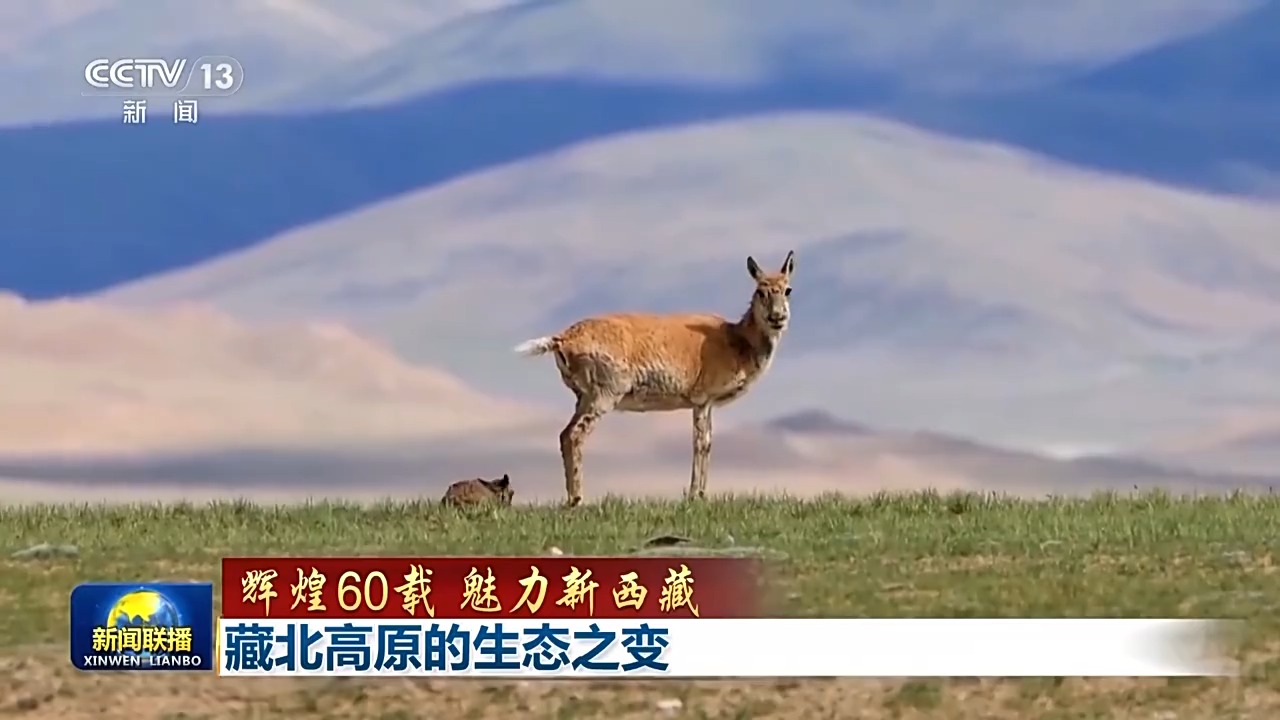
Group 1 - The ecological system of the Tibetan Plateau, characterized by an average altitude of over 4500 meters, has been significantly improved under the concept of "Lucid waters and lush mountains are invaluable assets" [1] - The establishment of the Sanjiangyuan National Park has led to better protection and restoration of rare and endangered wildlife, with the population of Tibetan antelope increasing from over 60,000 to nearly 160,000 [3][5] - The integration of clean energy projects, such as the Oumatingga Wind Farm, has transformed the region's energy landscape, providing approximately 200 million kilowatt-hours of electricity annually [7][8] Group 2 - The total output value of animal husbandry in Naqu City has grown from over 800 million yuan in 2012 to over 4 billion yuan in 2024, reflecting the success of ecological restoration and sustainable grazing practices [5] - By 2024, clean energy generation in Tibet is expected to account for over 99% of the total power supply, making it the region with the highest proportion of clean energy generation in the country [8]
8月6日晚间央视新闻联播要闻集锦
Yang Shi Xin Wen Ke Hu Duan· 2025-08-06 13:57
Group 1 - In August, the retail industry prosperity index reached 50.1%, an increase of 0.5 percentage points month-on-month [2][9][8] - The balance of loans to small and micro enterprises nationwide grew by 12.49% year-on-year, reaching 87.74 trillion yuan by the end of June [10] - The robot industry in China has seen rapid growth this year, with continuous breakthroughs in technology and an expansion of application scenarios [11] Group 2 - The Xinjiang Alashankou railway port achieved a cargo throughput of 10.194 million tons this year, a year-on-year increase of 4.1%, setting a new historical record [17] - The Huai-Su-Beng intercity railway has begun full-line track laying, with a total length of approximately 161 kilometers and a design speed of 350 kilometers per hour [18] - The national futures market saw a year-on-year increase of 48.89% in trading volume in July, indicating enhanced market activity [16]