
双碳战略

Search documents
申科股份:拟在上海投资设立风电业务全资子公司
Ge Long Hui· 2025-12-21 10:40
Core Viewpoint - The company is establishing a wholly-owned subsidiary in Shanghai to capitalize on the rapid growth opportunities in the deep-sea wind power industry, aligning with the national "dual carbon" strategy and new energy development plans [1] Group 1: Company Initiatives - The new subsidiary, named Shanghai Shenke Deep-Sea Wind Power Technology Co., Ltd., will focus on the research, sales, and system integration services of core components for deep-sea wind power equipment [1] - The company plans to invest a registered capital of 30 million RMB in the new subsidiary to facilitate efficient business incubation and team recruitment [1] Group 2: Industry Focus - The subsidiary will concentrate on high-end new energy equipment markets, particularly in the development of sliding bearings, customized component kits, and related system solutions for deep-sea wind power main engines and transmission systems [1]

“风光”点亮零碳村
Xin Hua Ri Bao· 2025-12-20 20:52
Core Insights - The article highlights the successful implementation of a zero-carbon integrated smart energy charging station in Tuan Tang Village, Jiangsu Province, which serves as a model for rural revitalization and sustainable energy solutions [1][2]. Group 1: Project Overview - The zero-carbon project was launched in Tuan Tang Village, which is strategically located near the G228 national highway, and aims to combine renewable energy generation with community services [1]. - The charging station, operational since December 5, 2023, is the first of its kind in a village setting in China, producing approximately 590,000 kWh of green electricity annually, achieving self-sufficiency in electricity usage [2]. Group 2: Economic Impact - The charging station is expected to generate over 250,000 yuan annually for the village collective through charging fees, benefiting from a cost advantage of over 20% compared to market prices [2]. - Additional revenue streams from solar projects and a newly established blueberry farm are projected to contribute around 590,000 yuan annually, creating multiple public welfare jobs for local residents [3]. Group 3: Community Benefits - The project integrates various community services, including a power service point for bill payments and repairs, enhancing local convenience and reducing the need for residents to travel for such services [3]. - The initiative also includes educational and cultural activities, improving the quality of life for villagers and fostering community engagement [3]. Group 4: Technological Features - The charging station is equipped with advanced technology, including 480 kW liquid-cooled fast charging equipment that can charge vehicles to 80% in just 10 minutes, and V2G (Vehicle-to-Grid) capabilities allowing for energy interaction [2]. - A drone system is implemented for monitoring environmental issues and equipment safety, enhancing the operational efficiency and ecological protection of the energy facilities [2].
转型新征程 山西“十五五”高质量发展谋新篇
Xin Lang Cai Jing· 2025-12-19 20:27
Core Insights - Shanxi has achieved significant economic growth, with GDP rising from 1.765 trillion yuan in 2020 to 2.549 trillion yuan in 2024, marking a substantial increase as it approaches the end of the 14th Five-Year Plan [1] - The province aims to address unbalanced and insufficient development issues while transitioning from a resource-based economy to a modern industrial system during the 15th Five-Year Plan [1][5] - The energy revolution is central to Shanxi's transformation, shifting from coal-dominated energy to a diversified energy structure, including green electricity [2][3] Economic Growth and Transition - Shanxi's economic growth during the 14th Five-Year Plan is characterized by a projected increase of over 750 billion yuan, equivalent to creating an economic scale similar to that of Taiyuan and Datong combined [2] - The province has transitioned from being a coal resource province to a comprehensive energy province, with significant advancements in intelligent coal mining and green energy initiatives [2][3] - The manufacturing sector has become a key driver of industrial growth, with an average annual growth rate of 8.1%, outpacing coal industry growth [3][4] Energy Sector Developments - The share of renewable and clean energy installations in Shanxi has surpassed 50%, achieving the target set for the 14th Five-Year Plan ahead of schedule [3] - The province has built 244 intelligent coal mines, with 60.48% of coal production now coming from intelligent operations, reflecting a shift towards high-end, intelligent, and green coal mining [2] Challenges and Future Outlook - Despite achievements, Shanxi faces challenges such as structural, institutional, and quality-related issues that hinder the transition from a coal-dominated economy [5][6] - The 15th Five-Year Plan emphasizes the need for balanced development, focusing on energy transition, industrial upgrading, and fostering new growth drivers [6][8] - Shanxi's geographical position offers strategic advantages for regional cooperation and industrial transfer, particularly in energy-intensive industries [7][8]
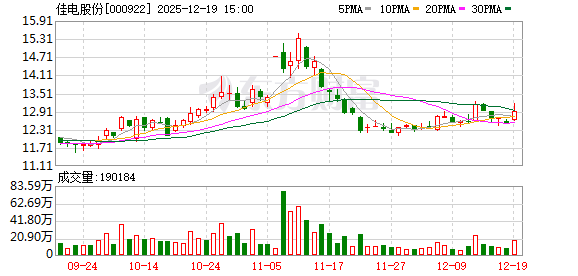
佳电股份召开永磁电机推介会:构建全链条智能运维生态 全力打造智能运维行业标杆
Zheng Quan Shi Bao Wang· 2025-12-19 13:32
Core Viewpoint - The conference held by Suzhou Jiadian Permanent Magnet Motor Technology Co., Ltd. emphasized the importance of high-efficiency permanent magnet motors in driving green transformation and meeting market demands in the context of the "dual carbon" strategy [2][4]. Group 1: Conference Overview - The event, themed "Green Drive for a New Chapter in Innovation," attracted over 180 companies, showcasing the industry's commitment to upgrading technology and meeting market needs [2]. - The conference served as a platform for efficient collaboration between the upstream and downstream of the industry chain, focusing on the technological trends of high power density, intelligence, and reduced rare earth dependency in permanent magnet motors [2]. Group 2: Product Showcase - Over 20 series of high-efficiency permanent magnet motor products were displayed, tailored for various industries including petrochemicals, steel, and renewable energy, reflecting the company's specialized product layout [3]. - The showcased products demonstrated significant technological advantages, focusing on energy efficiency, structural optimization, and broad adaptability to various load scenarios, effectively addressing traditional equipment pain points [3]. Group 3: Technological Advancements - Suzhou Jiadian has made substantial progress in overcoming technical bottlenecks through increased R&D investment and collaboration, establishing a complete industrial system from product design to testing [4]. - The company aims to lead in the green transformation of industrial equipment by integrating new materials and technologies, achieving breakthroughs in seven key performance dimensions, and reaching a leading level in energy saving [4]. Group 4: Certification and Standards - The conference highlighted five series of "super high-efficiency motor products," which cover over 90% of load demands in critical sectors and have achieved the new Grade 1 energy efficiency certification under the national standard GB30254—2024 [5]. Group 5: Intelligent Operations - The event also showcased nine categories of intelligent operation and maintenance solutions, emphasizing the shift from traditional maintenance to full lifecycle intelligent management [6]. - The company introduced products like the CMS series intelligent cloud box and multi-functional intelligent diagnostic instruments, designed to meet the operational needs of various industries under harsh conditions [6].


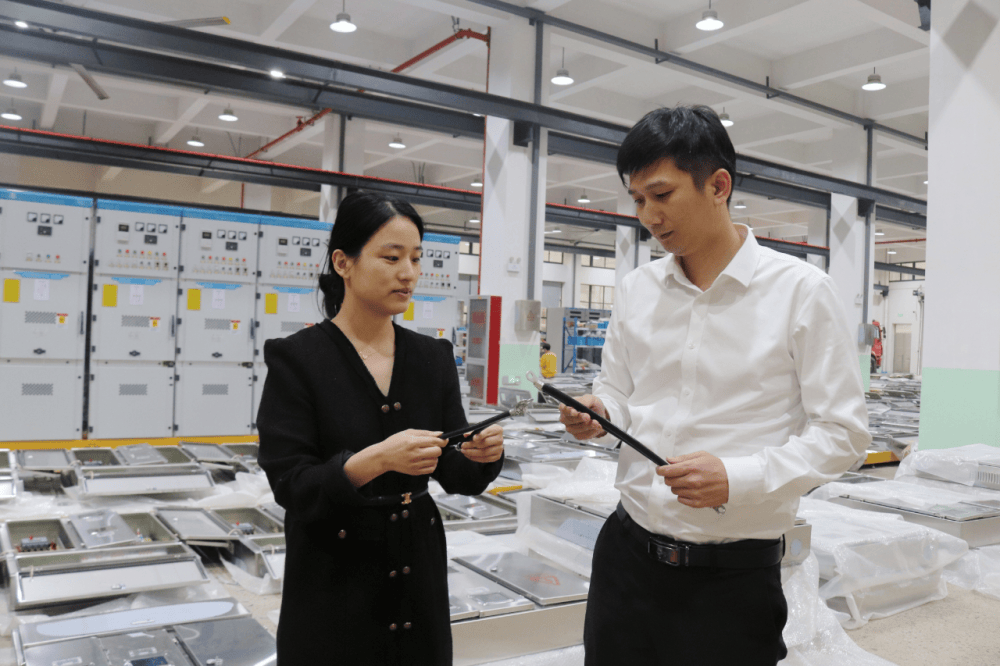
绿色金融在行动!招商基金联合招商基金蛇口租赁住房REIT项目,举办“零碳森活”绿色环保主题游园会
Zhong Guo Zheng Quan Bao· 2025-12-19 12:48
Core Viewpoint - The event "Zero Carbon Forest Life" organized by China Merchants Fund and the REIT project in Shenzhen aims to promote green finance and environmental awareness among residents through interactive activities [1][2] Group 1: Event Overview - The "Zero Carbon Forest Life" green-themed park event took place on December 14 in Shenzhen, attracting over 100 residents from the Yizhan Linxia community [1] - The event featured five ecological islands with ten booths focused on waste classification, including recyclable materials, kitchen waste, hazardous waste, and others, along with a green finance island for interactive quizzes [1] Group 2: Company Initiatives - China Merchants Fund actively supports the national "dual carbon" strategy and implements ESG investment principles, promoting green finance to support sustainable development [2] - The Yizhan Linxia community is a core asset of the China Merchants Shekou REIT (Fund Code: 180502), focusing on providing high-quality, low-cost rental housing solutions for policy-oriented and young talents [2] - The project aims to create a sustainable community through green building practices, efficient management, and environmental awareness initiatives, contributing to social sustainability [2]

轻资产难融资?邮储银行有妙招!
Sou Hu Cai Jing· 2025-12-19 11:00
Core Insights - The article highlights the successful financing of YuHuan Weis Electric Co., Ltd. through a tailored mortgage loan of 38 million yuan from Postal Savings Bank, which has significantly boosted the company's production capacity and R&D investment [1][2]. Group 1: Company Overview - YuHuan Weis Electric is a high-tech enterprise specializing in power electronic components, holding 13 practical invention patents [2]. - The company’s main product, new energy electric vehicle charging piles, has become integral to local communities, supporting green transportation and smart community development [2]. Group 2: Financial Support and Impact - The company faced challenges in expanding production and R&D due to its "light asset, heavy technology" model, which made traditional financing difficult [2]. - Postal Savings Bank's "Party Building + Sci-tech Finance" model enabled the bank to recognize the company's core technology and patent value, leading to a swift approval of the loan [2][3]. - The loan allowed YuHuan Weis Electric to quickly enhance production capacity, alleviate order delivery pressure, and improve product competitiveness through accelerated R&D [3]. Group 3: Bank's Financial Strategy - Postal Savings Bank has developed innovative financial products and services to support tech enterprises, including Sci-tech credit loans and green project financing, breaking traditional collateral restrictions [3]. - In 2023, the bank provided comprehensive financial services to 1,063 tech enterprises, issuing loans totaling 7.156 billion yuan, which accounted for 46.86% of the bank's small enterprise loan disbursements [3]. Group 4: Future Plans - The bank plans to continue enhancing its sci-tech financial service system, focusing on channeling financial resources into technology innovation to support regional economic transformation towards green and intelligent development [4].

中国人寿:为海南自贸港封关筹备及未来高质量发展注入“国寿动能”
Jin Rong Jie· 2025-12-19 10:25
Core Viewpoint - The establishment of the Hainan Free Trade Port marks a significant milestone in China's reform and opening-up, with the implementation of a customs supervision model that facilitates international trade and investment while ensuring effective management of domestic regulations [1] Group 1: Company Involvement - China Life Insurance has integrated its development into the broader context of the Hainan Free Trade Port, focusing on core financial needs related to the port's operations [2] - The company has invested over 20.9 billion yuan in Hainan and reported a 20% year-on-year increase in claims, totaling 450 million yuan for the year [2] Group 2: Industry Support and Development - The company is actively supporting industrial upgrades by providing customized insurance solutions to various market entities, particularly targeting small and micro enterprises [3] - By the end of 2025, the company aims to cover over 1,400 small enterprise clients with insurance premiums under 100,000 yuan, providing risk coverage exceeding 150 billion yuan [3] Group 3: Green Insurance Initiatives - China Life is focusing on green insurance as a key area of service for the Free Trade Port, with a total green premium income of 917,000 yuan and services provided to nearly 3,000 individuals [4] Group 4: Social Welfare and Healthcare - The company is deeply involved in building a multi-tiered social security system, with the "Hui Qiong Bao" medical insurance program covering over 700,000 people and total claims exceeding 41 million yuan [5][6] - The company has also implemented a nursing insurance project for low-income groups, benefiting over 300 individuals [6] Group 5: International Service Adaptation - China Life is enhancing financial services for foreign personnel in Hainan, providing over 8.3 billion yuan in insurance coverage to more than 6,700 foreign individuals [7] Group 6: Targeted Protection for Diverse Groups - The company is tailoring insurance solutions for various demographics, including the elderly and new economy workers, with significant coverage provided to over 14 million elderly individuals and 7,000 new economy workers [8] Group 7: Financial Investment in Infrastructure - China Life is leveraging its financial resources to support key infrastructure projects in Hainan, including a 420 million yuan investment in the Hainan East and West Ring Railway project and a 600 million yuan investment in the expansion of Sanya Phoenix International Airport [9][10] Group 8: Commitment to Future Development - The company is committed to continuing its support for the Hainan Free Trade Port's high-quality development, focusing on precise protection, innovative services, and robust support [10]

创历史新高 华夏中核清洁能源REIT网下询价备受追捧
Zheng Quan Ri Bao Wang· 2025-12-19 09:16
Core Viewpoint - The launch of the Huaxia China Nuclear Clean Energy REIT marks a significant step in the integration of state-owned enterprise green energy assets with the capital market, providing investors with a channel to participate in quality clean energy infrastructure investments [1][6]. Group 1: Fund Details - The Huaxia China Nuclear Clean Energy REIT will be officially launched for sale from December 22 to December 23, 2025, with a sale price of 5.015 yuan per share and a total fundraising target of 1.5045 billion yuan [1]. - The public offering will consist of 27 million shares, with a minimum subscription amount starting at 1,000 yuan [1]. - During the offline inquiry phase, the effective subscription amount reached 21.449 billion shares, which is 340.47 times the initial offline offering amount, setting a historical high for the effective subscription multiple among the 79 REITs issued in the market [1]. Group 2: Underlying Asset - The primary underlying asset of the Huaxia China Nuclear Clean Energy REIT is the Bopona Hydropower Station, located in the Hotan region of Xinjiang, which is the largest hydropower project in the area with a total installed capacity of 150,000 kilowatts [2]. - The hydropower station has been in stable operation for over 14 years since it began generating power in April 2011, benefiting from unique hydrological conditions and a significant contribution to the local power supply [2][3]. - The average annual power generation of the Bopona Hydropower Station accounts for over 20% of the total power generation in the Hotan region, ensuring a solid foundation for power consumption [2]. Group 3: Operational Strength - The original rights holder, Xinjiang Xinhua Water Power Investment Co., Ltd., is a leading enterprise in the hydropower sector, controlled by China National Nuclear Corporation, which has a strong background in clean energy resources [4]. - The original rights holder and related parties will retain at least 51% of the shares, demonstrating confidence in the project's future development [4]. - The management team, including CITIC Securities and Huaxia Fund, has extensive experience in the clean energy REITs sector, which will support stable operations and performance growth post-establishment [4]. Group 4: Growth Potential - The Huaxia China Nuclear Clean Energy REIT has significant expansion potential, with the original rights holder holding a rich reserve of clean energy assets [5]. - Xinjiang Xinhua is actively developing large-scale wind and solar projects in desert areas and is expanding into new energy storage projects, which could enhance the fund's asset value and revenue growth [5]. - As of June 2025, Xinjiang Xinhua's total assets exceed 170 billion yuan, with 18 operational hydropower stations, indicating a robust pipeline for future asset injection into the fund [5]. Group 5: Strategic Importance - The successful issuance of the Huaxia China Nuclear Clean Energy REIT aligns with the national "dual carbon" strategy, focusing on hydropower as a stable clean energy source and attracting social capital into green energy infrastructure [6]. - This REIT serves as a new platform for the non-nuclear green energy business of state-owned enterprises in the capital market, creating a market-oriented closed loop for clean energy asset investment and management [6].
全国第一,四川水电装机规模突破1亿千瓦
Xin Hua She· 2025-12-19 08:21
Core Insights - Sichuan province has become the first in China to surpass a hydropower installed capacity of 100 million kilowatts, accounting for approximately one-quarter of the national total [1][2] Group 1: Hydropower Capacity - The installed capacity of 100 million kilowatts is equivalent to about 4.4 Three Gorges Dam projects [2] - Sichuan's hydropower development has a history of over 100 years, dating back to the completion of the 140-kilowatt Dongwo Hydropower Station in 1925 [2] - Major breakthroughs in hydropower development have occurred since the establishment of New China, with significant projects like the Baihetan and Wudongde hydropower stations being completed in recent years [2] Group 2: Environmental Impact - The newly connected Yinjiang Hydropower Station has a total installed capacity of 390,000 kilowatts and is expected to deliver over 1.6 billion kilowatt-hours of clean energy annually, reducing carbon dioxide emissions by 1.3 million tons [3] - Sichuan's annual electricity generation contributes about one-third to external supply, with a cumulative delivery of over 1.9 trillion kilowatt-hours of clean energy to regions like Central and Eastern China since 1998 [2] Group 3: Future Development - Sichuan is accelerating the planning and construction of a new energy system that promotes the complementary development of hydropower, wind, solar, hydrogen, and natural gas [3] - The province is transitioning from merely generating power to stabilizing and optimizing its energy system, aiming to enhance its role in supporting national carbon neutrality goals [3]
嘉必优科创板上市六周年:深耕生物科技赛道 长期主义兑现成长质变
Zheng Quan Ri Bao Wang· 2025-12-19 07:12
Core Insights - The article highlights the transformation of Jia Bi You Biotechnology (Wuhan) Co., Ltd. from a single nutrient supplier to a synthetic biology platform enterprise over six years since its listing on the Sci-Tech Innovation Board, marking a significant milestone in China's food biotechnology sector [1] Financial Performance - Jia Bi You's revenue has grown from 312 million yuan in 2019 to 555 million yuan in 2024, achieving a compound annual growth rate (CAGR) of 12.2% [2] - In 2025, the company reported a revenue of 428 million yuan and a net profit of 129 million yuan in the first three quarters, reflecting a year-on-year increase of 54.18%, surpassing the total net profit for 2024 [2] - As of December 19, 2025, the company's market capitalization exceeded 3.9 billion yuan, demonstrating significant growth since its initial public offering [2] Product Development and Market Position - The company has expanded its product matrix, achieving over 40% global market share in ARA (Arachidonic Acid) and surpassing 100 million yuan in annual sales for DHA (Docosahexaenoic Acid) [2] - Jia Bi You has developed a diverse product system covering human nutrition, animal nutrition, and personal care, with 114 authorized products for SA (Sialic Acid) [2] - The successful mass production of 2'-fucosyllactose (2'-FL) in 2025 fills a significant gap in China's HMO (Human Milk Oligosaccharides) market [2] Supply Chain and Risk Management - The company has established a fully controllable supply chain, achieving domestic substitution across the entire production process from strain cultivation to fermentation and product application [3] - The second phase of the Wuhan production base has positioned the company among the global leaders in ARA and DHA production capacity [3] - Jia Bi You's products have received international certifications and are exported to over 30 countries, establishing stable partnerships with global giants like Nestlé [3] Research and Development - Jia Bi You maintains a research and development investment of over 8%, with 2024 R&D expenditure reaching 47.9 million yuan, a 24.12% increase year-on-year [4] - The company has developed a full-stack technology loop integrating AI and synthetic biology, breaking foreign monopolies in industrial strains [4] - The establishment of a national pilot platform for microbial fermentation supports the transition from laboratory to production line [4] Industry Standards and Future Strategy - Jia Bi You has actively participated in the formulation of national food safety standards and was selected for the national synthetic biology standardization project research group in 2025 [5] - The company aims to focus on high-end equipment development and advanced molecular layout, targeting the trillion-yuan market outlined in the 14th Five-Year Plan [5] - Future plans include upgrading the pilot platform to a public service hub for bio-manufacturing and deepening global cooperation to expand into European, American, and Southeast Asian markets [5]
