能源安全

Search documents
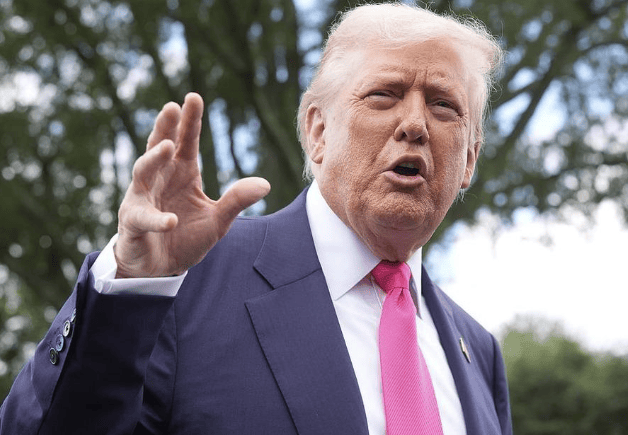
俄称欧盟不断缩减俄罗斯能源进口是“自残行为”
Yang Shi Xin Wen Ke Hu Duan· 2025-09-20 04:16
Core Viewpoint - The ongoing tensions between the EU and Russia regarding energy imports are escalating, with Hungary opposing the EU's plans to reduce reliance on Russian fossil fuels, citing national energy security concerns [1][4][6]. Group 1: EU's Energy Policy - The EU Commission is preparing to submit the 19th round of sanctions against Russia, which includes measures to reduce energy imports [1]. - The EU's legislative proposal aims to phase out imports of Russian gas and oil by the end of 2027, facing opposition from Hungary and Slovakia [6]. Group 2: Hungary's Position - Hungary's Energy Ministry has reiterated its stance against prematurely halting imports of Russian fossil fuels without viable alternatives, emphasizing the risk to national energy security [4]. - Hungary argues that energy policy is a matter of national sovereignty, and the EU's proposed plan threatens this sovereignty and the country's energy security [6]. Group 3: Russia's Response - Russia's Foreign Ministry spokesperson criticized the EU's approach as self-destructive, warning of severe consequences if the EU continues its current energy import reduction strategy [3].

中国石油储藏最多的地方,比中东国家还多,外人入境要严格审核
Sou Hu Cai Jing· 2025-09-19 10:37
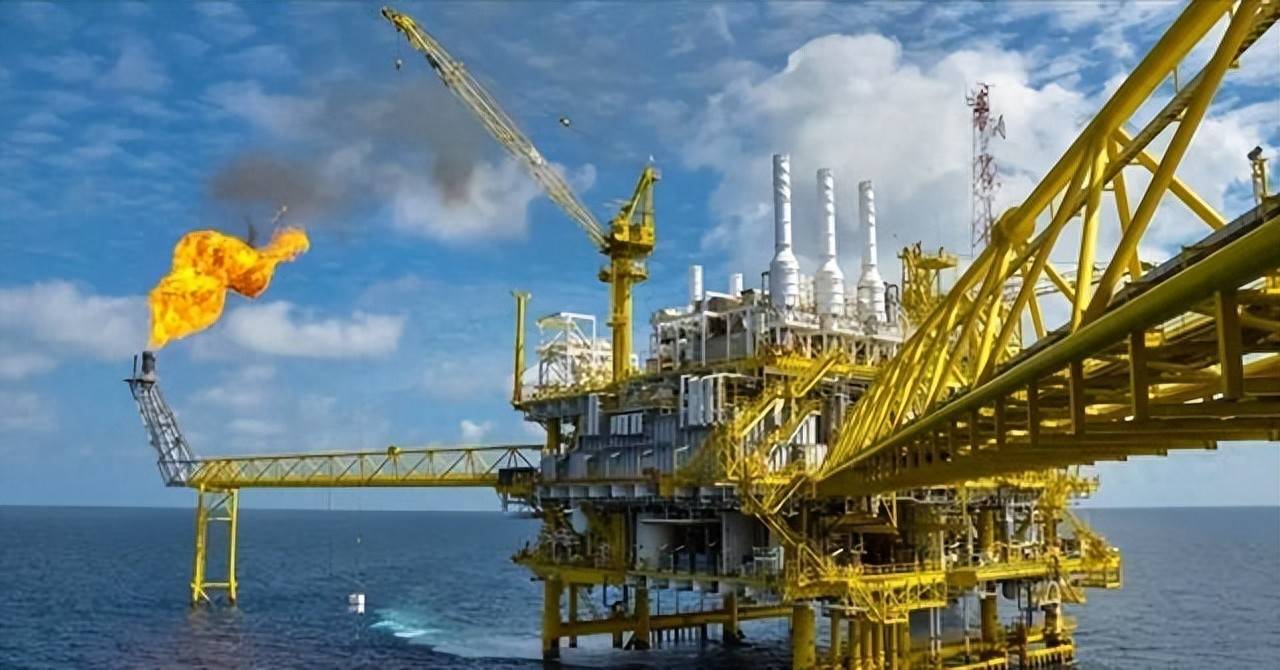
Core Insights - The South China Sea is estimated to have oil reserves exceeding 29.2 billion tons, surpassing some Middle Eastern countries like Iraq and Kuwait [2][5] - The region is rich in diverse resources, including 4 trillion cubic meters of natural gas and combustible ice equivalent to 19.4 billion tons of oil [5] - The South China Sea is crucial for China's energy security, potentially reducing reliance on Middle Eastern oil imports [15] Resource Potential - The South China Sea covers an area of 3.5 million square kilometers and contains 37 sedimentary basins, making it China's largest marine oil and gas storage area [4] - There are over 250 oil and gas fields beneath the sea, contributing significantly to global oil reserves [4] Development Challenges - Historical context shows that since the 1970s oil crisis, countries have focused on marine resources, with China gradually exploring the South China Sea [7] - The development of oil and gas resources is complicated by territorial disputes with neighboring countries like Vietnam, the Philippines, and Malaysia [7][9] Strategic Development - China's strategy in the South China Sea emphasizes steady progress and technological advancement, with significant discoveries in deep-water areas [9] - By 2030, it is projected that marine oil production could account for over half of China's total output, contingent on resolving territorial disputes [9] Infrastructure and Local Development - Sansha City, established in 2012, plays a key role in resource protection and development in the South China Sea [11] - Infrastructure improvements in Sansha, including waste treatment and transportation facilities, have enhanced living conditions for residents [13][15] Future Outlook - The South China Sea's oil and gas resources are vital for balancing China's energy supply and reducing import risks [15] - Continued international cooperation is necessary to avoid geopolitical conflicts while maximizing resource development [15]

匈牙利重申反对提前停止进口俄罗斯能源
Xin Hua She· 2025-09-18 14:52
Core Viewpoint - Hungary opposes the premature cessation of Russian fossil fuel imports without viable alternatives, emphasizing that a hasty reduction in energy imports could jeopardize national energy security [1] Group 1: Energy Security - Hungarian officials stress that their stance is always guided by the country's energy security, highlighting Hungary's status as one of the few landlocked countries in the EU [1]
一波三折的“西伯利亚力量”
Hu Xiu· 2025-09-18 04:13
Group 1 - The meeting between the leaders of China, Russia, and Mongolia focused on deepening mutual cooperation, emphasizing "hard connectivity" through cross-border infrastructure and energy projects, "soft connectivity" through strategic alignment, and "heart connectivity" through cultural exchanges [2] - A memorandum was signed for the construction of the "Power of Siberia-2" gas pipeline, which will transport up to 50 billion cubic meters of gas annually from Russia to China via Mongolia [3][4] - The "Power of Siberia-2" project is expected to be one of the largest and most capital-intensive in the global gas industry, with lower supply prices compared to current rates charged to European customers [4][5] Group 2 - The international gas trade can be conducted through liquefied natural gas (LNG) or pipeline gas transportation, each with its own advantages and disadvantages [6][7] - In 2024, China's total natural gas imports are projected to reach 131.69 million tons, with LNG imports at 76.65 million tons and pipeline gas at 55.04 million tons, largely due to the full operation of the China-Russia East Route Gas Pipeline [9] - China currently has three cross-border gas pipelines, including the China-Central Asia Gas Pipeline, which has a maximum annual capacity of 60 billion cubic meters [10][12] Group 3 - The "Power of Siberia-1" pipeline has an annual gas supply capacity of 38 billion cubic meters, while negotiations for this pipeline took over a decade due to Russia's firm pricing stance [17][18] - The "Power of Siberia-2" pipeline is expected to compensate for the gap left by the "Nord Stream-2" pipeline, with a contract duration of 30 years [32] - Russia's energy exports to the EU have significantly decreased, from 41% in 2021 to around 8% in 2023, prompting Russia to seek new major customers, particularly China [29][30][31] Group 4 - China's energy import strategy aims for diversification, sourcing gas from various regions, including the Middle East, Russia, and Australia [36] - The complexity of negotiations for the "Power of Siberia-2" involves Mongolia's potential high transit fees and the management of the pipeline within its territory [38] - The urgency from Russia regarding the pipeline project is driven by geopolitical tensions, but future relations with the West may alter the dynamics of gas pricing and supply [43][44] Group 5 - Natural gas is considered a transitional clean fuel, favored in Europe, but it may eventually be replaced by renewable energy sources [45] - The "Power of Siberia-2" pipeline could reduce China's reliance on maritime LNG transport, enhancing energy security in the short term [47] - The project represents a strategic choice for China during a transitional period in energy sourcing [49]
中美首轮会谈收尾:美国想要的,中国给不了;中国需要的,美国不松口
Sou Hu Cai Jing· 2025-09-17 19:46
Group 1 - The recent US-China trade talks in Madrid focused on unilateral tariffs, export controls, and issues surrounding TikTok, indicating a complex and contentious relationship between the two nations [1][3] - The discussions lasted for six hours, highlighting the numerous issues at hand, but significant consensus is unlikely due to the entrenched positions of both sides [3][4] - The talks are seen as preparatory for a potential meeting between the US and Chinese leaders at the upcoming APEC summit, rather than a platform for immediate breakthroughs [4][10] Group 2 - The core issues include TikTok, tariffs, and economic challenges, with both sides holding firm on their respective demands, making compromise difficult [5][7] - The US seeks to pressure China on rare earth exports, Russian oil purchases, and the fentanyl crisis, while China demands an end to unilateral trade sanctions and clearer regulations on high-tech exports [5][7] - The ongoing tensions reflect a broader struggle for technological dominance, particularly in areas like semiconductors and AI, where both countries are vying for leadership [8][10] Group 3 - The agricultural sector is also affected, with US farmers facing significant losses due to a drop in Chinese soybean imports, highlighting the economic repercussions of the trade tensions [8] - The situation with TikTok illustrates the intertwining of national security concerns and domestic political agendas in the US, as the app becomes a bargaining chip in trade negotiations [8][10] - The dynamics of the talks reveal a shift in power, with China increasingly asserting its position as a major global player, while the US struggles to adapt to this new reality [10]

这种国家才配叫铁哥们!欠中国81亿全额还清,还附赠百亿能源大礼
Sou Hu Cai Jing· 2025-09-17 14:12
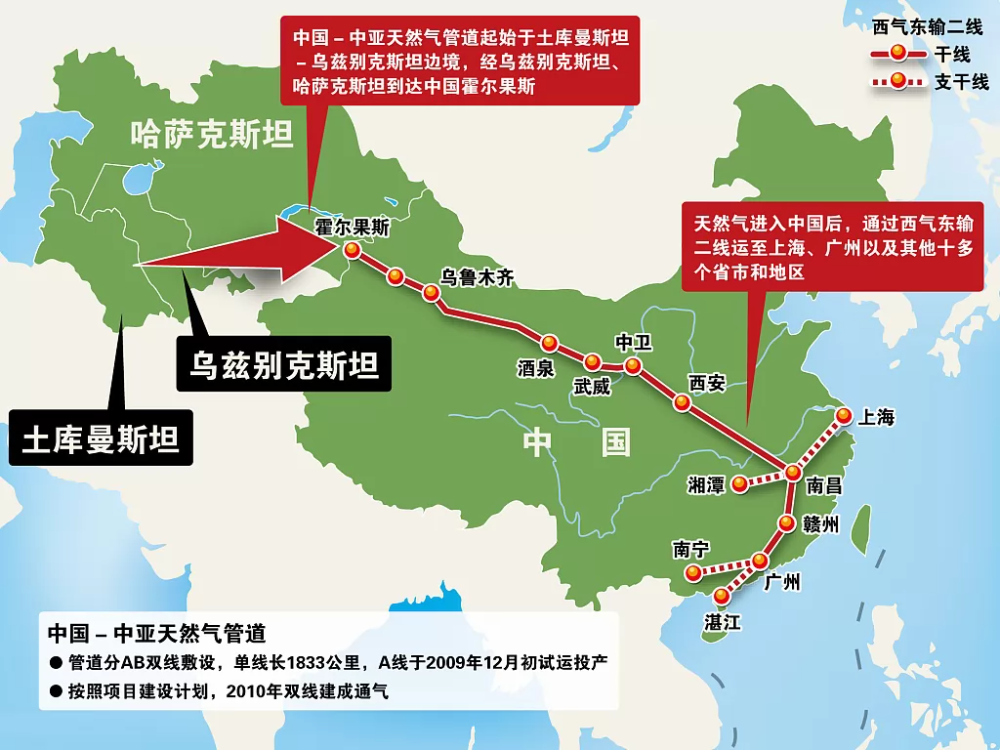
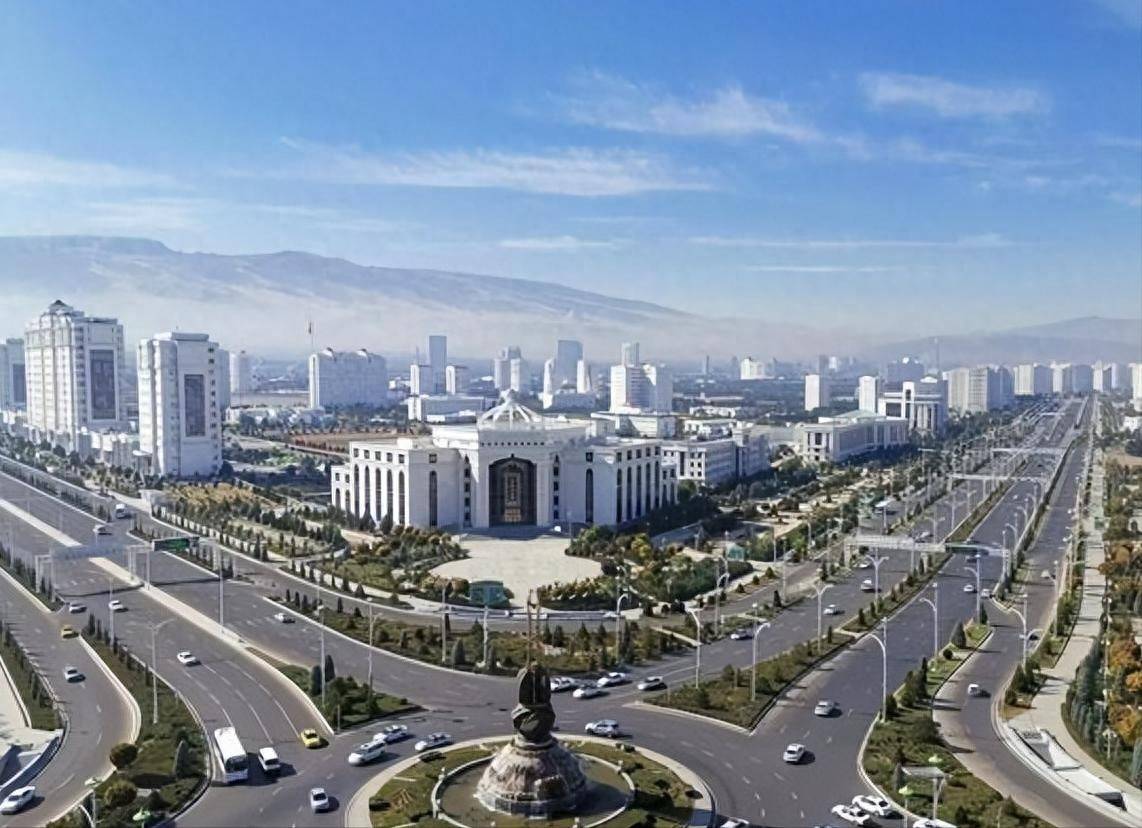
Core Viewpoint - Turkmenistan, a small Central Asian country, has demonstrated its commitment to financial responsibility by repaying an $8.1 billion loan to China ahead of schedule, showcasing a strong partnership that has significantly boosted its economy [1][22]. Group 1: Economic Development - Turkmenistan has the world's fourth-largest natural gas reserves, totaling 13.6 trillion cubic meters, with the Galkynysh gas field being the second largest globally [5]. - The country faced economic challenges despite its resource wealth due to a lack of funds and technology, leading to reliance on foreign investment [7]. - China provided $8.1 billion, equivalent to 40% of Turkmenistan's GDP at the time, without any stringent conditions, aimed at developing the country's natural gas resources [9][11]. - Following the establishment of the Central Asia-China gas pipeline in 2009, Turkmenistan became China's largest natural gas supplier, exporting 40 billion cubic meters annually [15]. - Over the next decade, Turkmenistan's economy grew sevenfold, with a consistent GDP growth rate of around 6%, significantly improving the living standards of its citizens [20]. Group 2: Strategic Partnership - Turkmenistan repaid the $8.1 billion loan in 2021, countering Western skepticism about its ability to meet financial obligations [22]. - The repayment was motivated by the desire to maintain a strong partnership with China, which has become crucial for Turkmenistan's economic stability [24]. - Following the loan repayment, Turkmenistan proposed the construction of a new gas pipeline to increase annual gas supply to China from 40 billion to 65 billion cubic meters, with a long-term goal of 85 billion cubic meters [28][29]. - The new leadership in Turkmenistan has continued to prioritize cooperation with China, further solidifying the strategic partnership across various sectors, including infrastructure and industry [35][39]. - The relationship has evolved beyond mere trade, with both countries supporting each other in international forums, highlighting a deepening strategic alliance [39][41].
统筹解答产业发展方程式
Jing Ji Ri Bao· 2025-09-16 22:14
Core Viewpoint - The development of modern coal chemical industry involves multiple factors and variables, requiring a comprehensive approach to balance production and quality, stock and increment, and variables and total amounts [1][2]. Group 1: Energy Security Account - China's energy resource endowment features "rich coal, poor oil, and scarce gas," indicating that coal will remain a cornerstone in the short term [1]. - Regions with coal resource advantages, such as Xinjiang, should focus on their energy supply responsibilities and promote the release of advanced coal production capacity [1]. - A scientific approach to the ratio of fuel coal to raw material coal is essential for orderly advancement of high-quality industrial development [1]. Group 2: Ecological and Environmental Protection Account - The coal chemical industry is energy-intensive, making the exploration and promotion of clean and efficient coal utilization crucial for improving resource development efficiency and reducing energy consumption [1]. - Hami is focusing on the latest technologies to advance the modern coal chemical industry towards high-end, diversified, and low-carbon development, integrating with the new energy sector to enhance the industry's "green content" [1]. Group 3: Technological Investment Account - Technological innovation is identified as a "key variable" and the "largest increment" for promoting high-quality industrial development [2]. - The industry should invest in advanced technologies and apply them practically to enhance quality and efficiency [2]. - Timely integration of technological variables into existing projects is necessary to guide enterprises in implementing new technology upgrades [2]. Group 4: Talent Development Account - There is a significant talent gap in the coal chemical industry, necessitating a focus on skills training and optimizing vocational education supply [2]. - Strengthening cooperation between schools and enterprises is essential for enhancing the training of required skilled personnel [2]. - Hami has established the Xinjiang Energy Chemical Technical School, offering targeted programs in coal chemical disciplines to meet current and future industry demands [2].
突发中断!乌克兰失去阿塞拜疆天然气,能源进口再添新难题
Sou Hu Cai Jing· 2025-09-16 16:36
谁能想到,一条天然气管道突然停运,竟会引发连锁反应,让数百万人的生活陷入困境。今年9月初,乌克兰通过罗马尼亚境内的跨巴尔干输气管道从阿塞 拜疆进口的天然气供应完全中断。这条能源大通道的突然哑火,让整个地区的能源格局为之一震。 根据公开数据,最后一次天然气输送记录停留在8月31日,之后流量计上的数字直接归零。起初有消息称是罗马尼亚与摩尔多瓦之间的管段出现技术故障, 但具体是哪个阀室出了问题,或是压力传感器发生异常,至今没有确切说法。这种信息真空让局势更加扑朔迷离。 这条输气线路原本是多方共赢的合作典范。阿塞拜疆开采的里海天然气,通过跨巴尔干管道经罗马尼亚、摩尔多瓦输往乌克兰,各国从中都获得了可观的经 济利益。管道就像一条银线,将地理上并不接壤的国家串联成利益共同体。但现实往往比设计更复杂——再精密的系统也经不起一个小零件的故障。 面对断供,乌克兰不得不紧急启动备用方案。数据显示,9月第一周匈牙利和斯洛伐克向乌克兰输送了超过1.45亿立方米天然气,波兰也提供了1.01亿立方米 的应急供应。这些数字看似可观,实则只是杯水车薪。摊开地图就能发现,乌克兰现在完全依赖邻国的反向供气,这种被动局面让能源安全变得岌岌可危。 ...
交易已清零,中方不肯掏钱买了!特朗普也无能为力,叫嚣要拉上27国对中国加税100%
Sou Hu Cai Jing· 2025-09-15 04:56
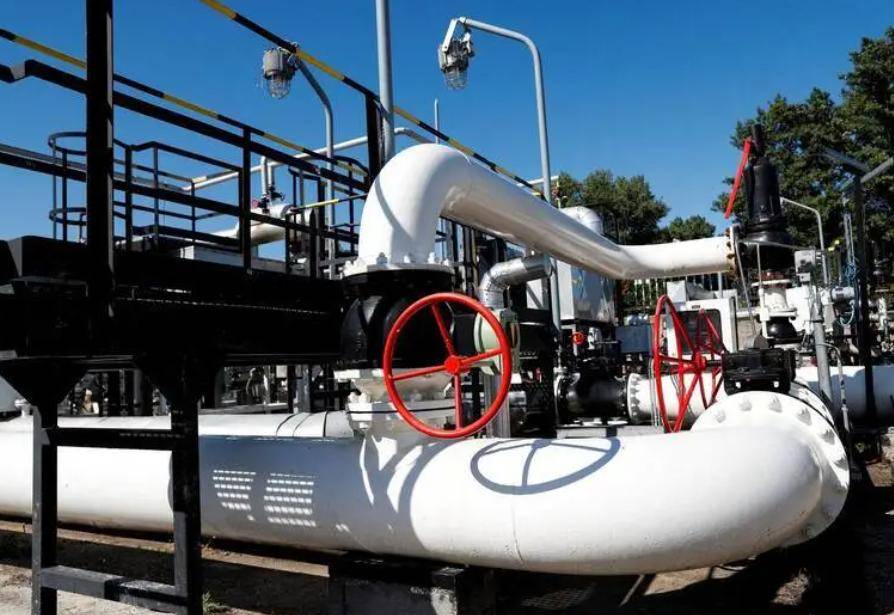
Core Viewpoint - The recent data indicates a significant decline in energy trade between China and the United States, with Chinese imports of U.S. energy products dropping to nearly zero, raising questions about the reasons behind China's sudden withdrawal from the U.S. energy market [1][3]. Group 1: Trade Dynamics - In July, China's imports of U.S. energy products, including liquefied natural gas (LNG), crude oil, and coal, hit a five-year low, totaling less than one ton, which is a stark contrast to previous volumes [1][3]. - This is not the first instance of China reducing U.S. energy imports; a similar situation occurred during the height of the trade war in 2019, but the current context shows a more permanent shift in energy trade dynamics [3][5]. - Since March, China has ceased purchasing U.S. LNG, and by June, crude oil orders from the U.S. also dropped to zero, with coal imports plummeting from millions of tons to less than one ton per month [3][5]. Group 2: Strategic Shifts - China is actively diversifying its energy supply sources, significantly increasing imports from Russia and Central Asia, while also engaging with suppliers from Saudi Arabia, Qatar, Australia, and Africa [5][7]. - The U.S. energy sector is facing a shrinking market share in China, as the latter has gained control over its energy security and is no longer reliant on U.S. imports [5][7]. - Despite attempts by the U.S. to impose sanctions and tariffs, China's energy procurement strategy remains unaffected, with U.S. energy companies struggling to find alternative markets to compensate for the loss of Chinese demand [5][7]. Group 3: Market Reactions - U.S. energy firms are experiencing significant challenges, with new LNG projects and crude oil export plans being delayed due to the absence of the Chinese market, which is described as an "unfillable gap" [5][7]. - The ongoing situation is expected to have long-term detrimental effects on the U.S. energy industry, as acknowledged by U.S. media and analysts [5][7]. - Internal divisions within the U.S. regarding energy sanctions against China are evident, with European countries hesitant to align with U.S. policies that could jeopardize their own energy needs [7].
交易已清零,中方不肯掏钱买了!特朗普毫无办法,叫嚣要拉上27国对中国加税100%
Sou Hu Cai Jing· 2025-09-13 03:34
Core Insights - The global energy market is undergoing a significant shift, with China's imports of U.S. energy dropping to nearly zero, indicating a structural decoupling due to the U.S.-China trade war [1][3][5] - This situation is not a temporary fluctuation; it reflects a strategic decision by China to diversify its energy sources and reduce reliance on U.S. energy [3][5][7] Energy Import Trends - In July, China's energy imports from the U.S. reached a five-year low, with total purchases of liquefied natural gas (LNG), crude oil, and coal falling to less than one ton [1][3] - Since March, China has not purchased U.S. LNG, and by June, crude oil orders also ceased, with coal imports plummeting from millions of tons to less than one ton per month [3][5] Strategic Shift - China is actively restructuring its energy import system, turning to new suppliers such as Saudi Arabia, Russia, Qatar, Australia, and African nations, while U.S. energy exporters are left struggling [3][5][7] - The geopolitical landscape has changed, particularly after the Russia-Ukraine conflict, which has allowed China to procure Russian energy at lower prices [3][5] U.S. Response and Market Impact - The U.S. has attempted to retaliate by proposing 100% tariffs on Chinese imports and rallying allies for joint pressure, but these efforts have not yielded the desired results [1][5][7] - U.S. energy companies are now seeking new markets in Japan, South Korea, and Southeast Asia, but these markets cannot compensate for the loss of Chinese demand [5][7] Long-term Implications - The absence of Chinese orders is creating a significant gap in the U.S. energy market, leading to reduced profit margins and increased transportation costs for U.S. exporters [5][7] - Analysts warn that if the situation persists, U.S. energy companies may face production cuts or even closures due to the lack of demand from China [7]