
内卷式竞争

Search documents
重拳出击!工信部启动道路机动车辆生产一致性监督检查 专家:将遏制车市“内卷”
Mei Ri Jing Ji Xin Wen· 2025-06-10 11:21
Core Viewpoint - The Ministry of Industry and Information Technology (MIIT) has initiated a consistency supervision inspection for motor vehicle production enterprises and products for the year 2025, aiming to strengthen regulatory oversight and ensure product quality and consumer rights [1][4]. Group 1: Regulatory Actions - The MIIT's announcement signifies a long-term effort to regulate the automotive industry and standardize production and marketing practices [4]. - The inspection aims to enforce compliance with production admission management requirements and enhance supervision during and after production [4][10]. - The MIIT's actions are timely, addressing the critical period of "involution" competition in the automotive market [4]. Group 2: Market Competition - The automotive industry is currently experiencing intense price wars, with over 200 models reportedly discounted in 2024 and more than 60 models in the first four months of 2025 [5]. - The ongoing price wars have led to a decline in profit margins, with the profit rate for China's automotive manufacturing dropping to 4.3% in 2024 and further down to 3.9% in the first quarter of this year [5]. - Experts describe the current competitive environment as "serious" and "severe," necessitating strict measures from regulatory authorities [5][7]. Group 3: Impact on Industry Health - The price wars are causing a detrimental effect on the automotive industry's profitability and long-term health, with concerns about quality and safety standards being compromised [6][8]. - Companies engaging in price wars may resort to using substandard materials or cutting back on research and development, which could destabilize the supply chain [8]. - The MIIT's inspection will impact the production schedules of companies found in violation, emphasizing the importance of maintaining quality and safety standards [10].

美团王兴股东大会再次发声:“内卷”式竞争不可持续
Di Yi Cai Jing· 2025-06-10 09:42
王兴此前表示,外卖平台和商户都不应回到很多年前依靠激进补贴驱动的竞争模式。 外卖内卷成为业内近期绕不开的话题。 监管部门也关注到了相关情况。5月,市场监管总局会同多部门针对当前外卖行业竞争中存在的突出问题,约谈京东、美团、饿了么等平台企业。要求相关 平台企业严格落实主体责任,主动履行社会责任,加强内部管理,合法规范经营,公平有序竞争,共同营造良好市场环境,切实维护消费者、平台内经营者 和外卖骑手的合法权益,促进平台经济规范健康有序发展。 15 ts 这是王兴近期第二次回应该问题。5月26日,在财报电话会上被问及如何看待外卖竞争问题时,王兴曾表示将采取一切必要措施来赢得比赛。后续美团相关 负责人表示,美团提及的"采取一切必要措施"明确指向的是反对"低价低质'内卷式'竞争",美团将持续加大对行业生态系统的投入,包括骑手福利保障以及 商家助力金等,通过一系列举措推动行业健康发展。 王兴在电话会上还提及,目前其他平台的补贴水平仍保持高位,但美团"会在遵循公平有序竞争的原则下,加大投入应对竞争",整体投资理念是推动行业的 健康发展。在财报电话会上,王兴并未提及任何补贴计划。王兴强调外卖平台和商户都不应回到很多年前依靠激 ...


汽车质量不佳车企 将暂停新品申报!工信部出手整治内卷
Nan Fang Du Shi Bao· 2025-06-10 09:25
不久前,中国汽车工业协会发布《关于维护公平竞争秩序促进行业健康发展的倡议》,明确反对车企之间无序"价格战",让持续三年的价格战再次成为行业 热题。工信部日前也已明确表示,"价格战"没有赢家,更没有未来,将加大汽车行业"内卷式"竞争整治力度。推动产业结构优化调整,加强产品一致性抽 查,配合相关部门开展反不正当竞争执法。 6月9日,工信部官方政务新媒体账号"工信微报"再次发文提及,将扎实推进集中整治新能源汽车行业内卷问题。同日,工信部装备工业一司发布通知宣布, 将加大对舆论关注度高、存在较大质量安全隐患等车型的抽查力度,并对不符合相关要求的企业进行暂停新品申报等处罚。随着工信部装备工业一司一纸通 知发布,官方正式出手整治汽车行业内卷。 | | | 6月10日,中国钢铁工业协会也发文指出,汽车企业"卷"价格,已严重冲击了钢企稳健经营,甚至不少钢企的拳头产品"汽车板"已没有毛利还被要求降价。 中钢协对此呼吁,钢铁、汽车产业应凝聚共识、苦练内功、加强自律、共破"内卷",以科技创新推动产业链健康可持续发展,以实际行动维护公平有序的市 场秩序。 工信部正式出手 汽车业内人士:以质检治价格乱象 | 发文机关:工业和信息化部装 ...
维护产业链整体利益,抵制“内卷式”竞争!中钢协发声!
券商中国· 2025-06-10 06:49
工信部有关负责人对此表示,赞同并支持中国汽车工业协会提出的倡议,企业之间无序"价格战",是"内卷 式"竞争的典型表现,不仅影响产品质量性能和服务水平,而且损害消费者权益,危及行业健康、可持续发 展;将加大对汽车行业"内卷式"竞争的整治力度,配合相关部门开展反不正当竞争执法,采取必要的监管措 施,坚决维护公平有序市场环境,切实保障消费者根本利益。 近年来,伴随着新能源汽车的快速发展和造车新势力的崛起,我国汽车产量屡创新高,2023年—2024年连续突 破3000万辆,预计今年产量还将继续增长。在规模不断扩大的同时,汽车行业利润率却逐年下降,这与汽车行 业频繁上演的"价格战"不无关系。据国家统计局数据,2018年汽车行业利润率为7.3%,到2024年滑落至 4.3%,今年一季度进一步降至3.9%。据了解,因"价格战"频发,2024年汽车行业新车市场整体零售累计损失 接近2000亿元,这一数字触目惊心。 汽车行业是钢铁行业的主要用钢行业,也是重要的高端钢材消费行业,像汽车板、硅钢等品种在汽车行业大量 应用。近年来新能源汽车的快速发展,大大拉动了汽车用钢需求,同时深刻改变了汽车板品种、结构、档次。 钢铁行业积极适应这 ...
无序“价格战”没有赢家 多管齐下整治汽车行业“内卷式”竞争
Zhong Guo Chan Ye Jing Ji Xin Xi Wang· 2025-06-09 22:42
Core Viewpoint - The Chinese automotive industry is facing challenges due to chaotic "price wars," which are detrimental to both companies and consumers, leading to a call for fair competition and industry health [1][2][3]. Industry Performance - In the first four months of this year, China's automotive production and sales reached 10.175 million and 10.06 million units, respectively, marking a year-on-year increase of 12.9% and 10.8% [2]. - Despite the increase in production and sales, the automotive industry's revenue was 32.552 billion yuan, up 7% year-on-year, while costs rose to 28.636 billion yuan, up 8%, resulting in a profit of 1.326 billion yuan, a decline of 5.1% [2]. Impact of Price Wars - The "price wars" are identified as a significant factor in the declining profitability of the automotive industry, with profit margins dropping to 4.1% [2]. - The chaotic competition is squeezing profit margins, affecting normal operations, and threatening supply chain security, which could lead to a vicious cycle in the industry [2][3]. Supply Chain and Dealer Pressure - Both automotive supply chain companies and dealers are under pressure from the "price wars," leading to reduced quality and service levels [3]. - The focus on short-term profits due to "involution" is hindering long-term innovation and R&D investments [3]. Market Dynamics - The automotive market is entering a phase of stock competition, with a projected sales volume of approximately 31.436 million units in 2024, a growth of only 4.5% [4]. - The market concentration in China is relatively low compared to developed countries, with the top three companies holding about 36.2% of the market share [4]. Innovation Challenges - Insufficient innovation is leading to increased homogenization in competition, with weaker companies lacking the resources for R&D [5][6]. - The pressure from price wars is reducing the willingness of leading companies to invest in innovation, further impacting the industry's overall innovation drive [6]. Regulatory and Industry Response - The China Automotive Industry Association (CAAM) has proposed four initiatives to promote fair competition and curb "price wars," including compliance with legal regulations and avoiding predatory pricing [7]. - The Ministry of Industry and Information Technology plans to enhance regulatory efforts to address "involution" in the automotive sector and ensure consumer protection [7][8].
2025中国汽车重庆论坛丨 破解“内卷式”竞争 守护质量安全底线
Cai Jing Wang· 2025-06-09 09:09
Core Viewpoint - The Chinese automotive industry is experiencing a significant price war, with over 200 models having price reductions in 2024 and more than 60 models in the first four months of 2025, leading to a decline in industry profits below 4% [1][3] Group 1: Price War and Competition - The price war has intensified, with some models seeing price cuts exceeding 50,000 yuan, and even prices dropping to the 30,000 yuan range [1] - Industry leaders emphasize that "price war" and "involution" competition yield no winners, highlighting the need for a long-term perspective in the automotive sector [4] - The competition has evolved from price wars to malicious competition, with industry executives labeling it as self-destructive behavior [5] Group 2: Industry Concerns and Future Outlook - Executives express concerns about the impact of involution on the automotive supply chain, which threatens quality and safety standards, ultimately affecting profitability and innovation [8] - There is a call for the industry to maintain quality and safety as foundational principles, with a focus on high-quality development rather than engaging in price wars [6][9] - Industry leaders believe that with self-regulation and collaboration, the automotive sector could return to rational competition within 1 to 2 years [5][6] Group 3: Innovation and Long-term Strategy - Companies are encouraged to invest in innovation and brand elevation, avoiding the temptation to engage in price wars [7][11] - BYD's strategy focuses on using technological innovation to build a world-class automotive brand, with significant investment in R&D amounting to 54.2 billion yuan over the past year [11] - The consensus among industry leaders is that a return to healthy competition is essential, where the best products are offered at reasonable prices rather than the lowest prices for subpar products [10][11]
多维度投石问路 券商标新立异破内卷
Zheng Quan Ri Bao· 2025-06-08 16:55
Core Insights - The Chinese securities industry is transitioning from quantity growth to quality transformation, with 150 brokerages and total assets of 12.93 trillion yuan, a 9.3% increase from 2023 [1] - The industry faces challenges from homogeneous competition, leading to price wars and a decline in service quality, which hinders high-quality development [1][4] - There is a pressing need for brokerages to enhance their comprehensive financial services, global asset allocation capabilities, and in-depth industry research [1] Industry Challenges - The phenomenon of "involution" in the industry is characterized by low-level, inefficient competition, which has drawn significant attention from the central government [2] - The excessive number of brokerages and the lack of differentiation in services have led to fierce competition, resulting in a decline in commission rates to around 0.02% [3][4] - Many brokerages are focusing solely on meeting KPI targets, neglecting customer service and satisfaction, which contributes to high customer turnover [3] Business Transformation - Brokerages are urged to expand their business boundaries and seek new growth opportunities beyond traditional services like brokerage and investment banking [5] - Emphasis is placed on differentiating services and products, particularly for niche markets such as technology and small enterprises, to avoid homogeneous competition [5][8] - Financial technology is highlighted as a crucial tool for enhancing service quality and operational efficiency [5] International Expansion - Many brokerages are actively exploring international markets and strengthening partnerships with global financial institutions to enhance their competitiveness [7] - Leading brokerages like Huatai Securities and CITIC Securities have reported over 40% year-on-year revenue growth in their international subsidiaries [7] Structural Reforms - The industry is undergoing supply-side structural reforms, with regulatory support for mergers and acquisitions to optimize resource allocation and enhance competitiveness [9][10] - Successful cases of mergers, such as Guotai Junan and Haitong Securities, demonstrate the potential for improved market share and operational efficiency [10] - The reforms aim to elevate industry concentration, allowing larger brokerages to better serve the economy while enabling smaller firms to focus on specialized services [10][11]
比亚迪紧急回应“常压油箱”“车圈恒大”两大争议,车企高管密集发声:反对 “内卷式”竞争
Mei Ri Jing Ji Xin Wen· 2025-06-08 11:16
Group 1: BYD's Response to Controversies - BYD's General Manager Li Yunfei addressed controversies regarding "atmospheric pressure fuel tanks" and allegations of financial misconduct, asserting that BYD's PHEV technology is world-leading and compliant with regulations [1] - Li Yunfei mentioned that all BYD vehicles have switched to high-pressure fuel tank solutions based on customer feedback, and he noted that another leading car manufacturer in Zhejiang also uses atmospheric pressure fuel tanks [1] - Li Yunfei responded to malicious reports from a Hebei car company regarding high debt and financial fraud, stating that regulatory bodies confirmed BYD's compliance and that the company reserves the right to pursue legal action against defamation [1] Group 2: Industry Price War and Competition - Executives at the 2025 China Automotive Chongqing Forum expressed strong opposition to the ongoing "price war" and "involution" in the automotive industry, warning that it could harm the healthy ecosystem supported by government funding [2][4] - Chery's Chairman Yin Tongyue described price cuts as a desperate measure that could harm long-term industry health, emphasizing the need for responsible competition [2] - Long-term sustainability and quality are at risk due to the current competitive pressures, with industry leaders advocating for a return to ethical competition and innovation [4][6] Group 3: Future Industry Trends and Recommendations - Executives called for a focus on technological innovation to break the cycle of "involution" and maintain product quality, with suggestions for increased R&D investment and differentiation [9][12] - The industry is urged to avoid transferring the "price war" mentality to international markets, as it could damage the reputation of Chinese automotive brands abroad [8][12] - Industry leaders predict a return to rational competition and sustainable practices within the next 1-2 years, emphasizing the importance of maintaining quality and ethical standards [13]

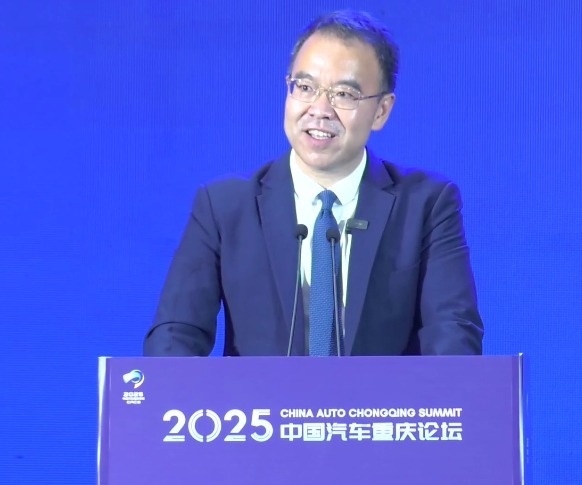
2025中国汽车重庆论坛:热议反内卷、共谋新出路
Guan Cha Zhe Wang· 2025-06-07 11:24
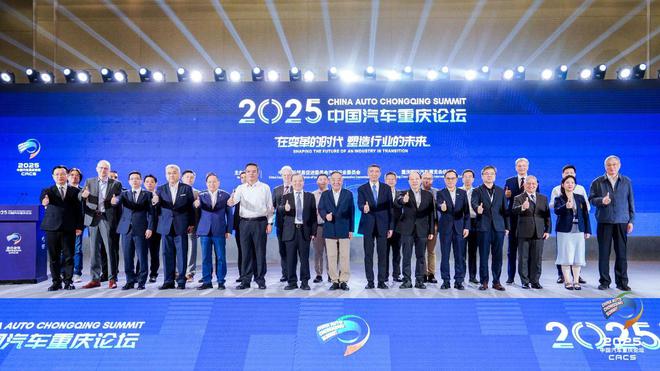
Group 1: Core Themes of the Forum - The 2025 China Automotive Chongqing Forum focused on the theme of shaping the future of the industry in a transformative era, highlighting intense competition within the Chinese automotive sector [1][3] - Discussions included topics such as "involution competition," "technological safety," and "overseas incremental markets," reflecting the heated debates among industry leaders [1][3] Group 2: Involution and Price Wars - The ongoing price war in the Chinese automotive market has intensified, with over 200 models experiencing price cuts last year and more than 60 models in the first four months of this year [3] - Industry leaders criticized the blind price competition and reckless technological races that have driven industry profits below 4% [3][5] - Executives from various companies expressed concerns about the negative impact of "involution" on the industry, with calls for ethical competition and adherence to legal standards [5][6] Group 3: Safety Concerns - Safety remains a paramount concern in the automotive industry, especially with the rise of electric and smart vehicles, prompting calls for adherence to quality and safety regulations [9][10] - Industry leaders emphasized the need for a commitment to safety and quality, with some pledging to avoid compromising user interests in the name of competition [9][10] Group 4: Overseas Market Opportunities - As domestic competition intensifies, many companies are looking to expand into overseas markets for growth opportunities [13][15] - Executives highlighted the importance of compliance and maintaining quality standards when entering international markets to protect brand reputation [15][16] - The need for a collective approach to global competition was emphasized, with calls for cooperation and resource reallocation rather than redundant production capacity [15][16]
2025中国汽车重庆论坛热议整治“内卷式”竞争 兼并重组将成为趋势
Zheng Quan Shi Bao Wang· 2025-06-06 11:23
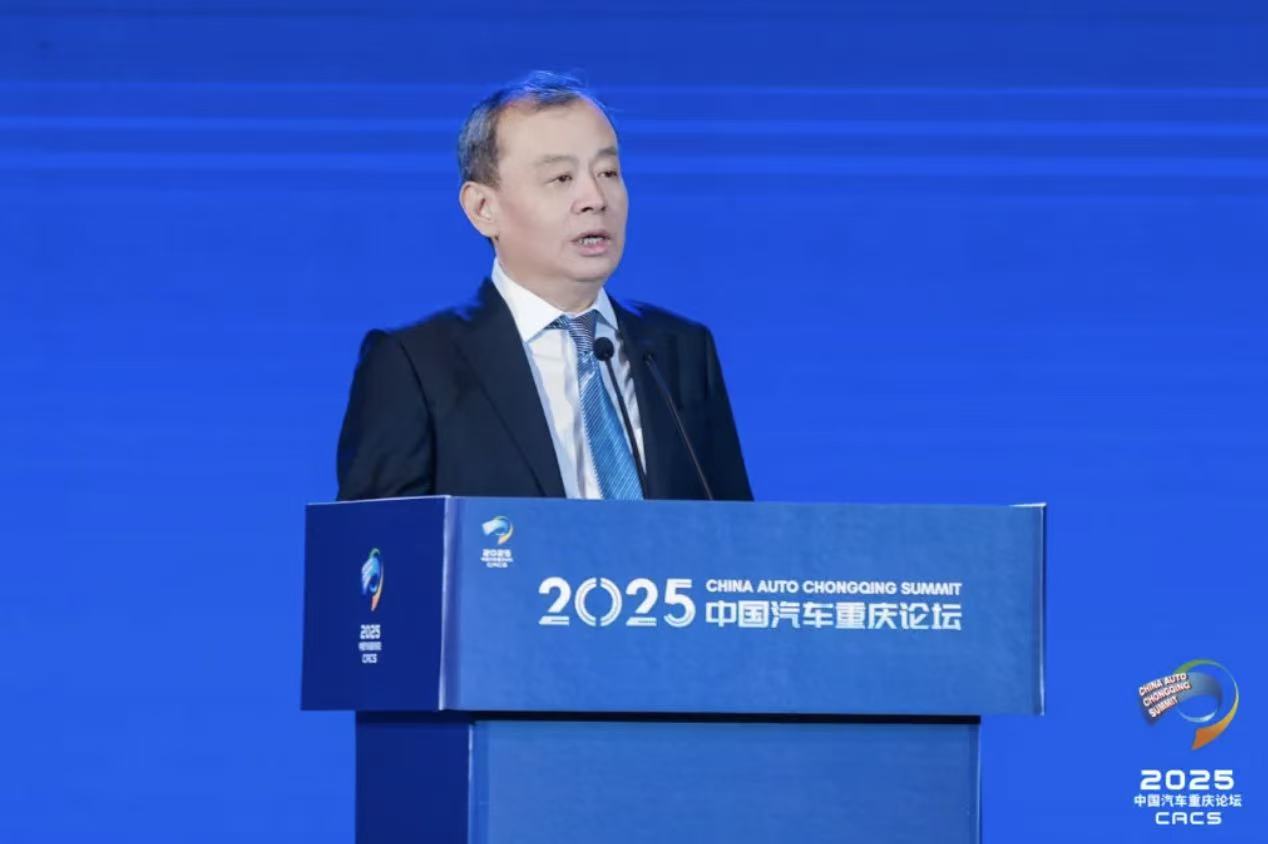
王侠透露道,在刚刚过去的5月,汽车价格战的情况进一步加剧。在头部车企大范围、大幅度降价带动 下,多家车企跟进效仿,降价车型达百余款之多,降价幅度最高超5万元。降价带来销量增长的同时, 也导致行业利润进一步下探至4%以下的极低水平。 王侠认为,适度的降价、有序的竞争本是市场经济的正常现象,也是行业从稚嫩走向成熟的必经阶段, 但无底线的价格战和盲目的技术狂飙势必挤压企业合理的利润空间,进而影响产品和服务质量,长远来 看,对企业、对消费者都是不利的。 "2025年,两个方面的事情最牵动全行业的敏感神经。一个是以价格战为主要体现方式的行业内卷,另 一个是由兼并重组带来的产业格局重塑。"6月6日,在由中国国际贸易促进委员会汽车行业委员会主办 的"2025中国汽车重庆论坛"上,中国国际贸易促进委员会汽车行业委员会会长、中国国际商会汽车行业 商会会长王侠在论坛开场就点名了当前汽车产业的竞争趋势。 王侠认为,"内卷"是变革不可避免的阵痛,也是可持续发展的杀手。 据不完全统计,2024年国内车市降价车型多达200余款,2025年前4个月降价车型已达60多款。 中国机械工业联合会党委书记、会长徐念沙也强调,规范汽车行业发展秩序, ...