
以人为本

Search documents
日本汽车,还有最后一招值得中国学习
3 6 Ke· 2025-11-03 05:20
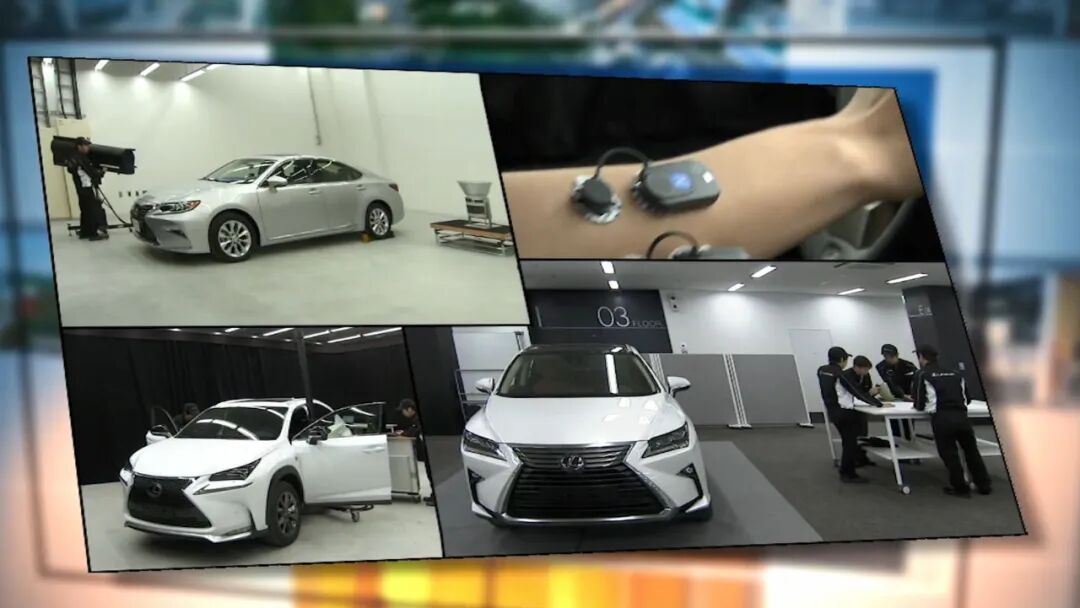
Core Viewpoint - The article emphasizes the importance of human involvement in the automotive manufacturing process, particularly in the context of Japanese automotive practices, which can provide valuable lessons for the Chinese automotive industry as it transitions towards electrification and automation [3][5][11]. Group 1: Human-Centric Manufacturing - Japanese automotive manufacturing, exemplified by Lexus, prioritizes human involvement alongside automation, showcasing a balance that enhances quality and efficiency [5][11]. - The Lexus Miyata factory, known for its high production capacity, integrates human skills with advanced machinery, demonstrating that certain tasks still require human touch for optimal results [6][9]. - The concept of "craftsmanship" is highlighted, where skilled workers perform tasks that require sensitivity and dexterity, which machines cannot replicate [10][14]. Group 2: Lessons for Chinese Automotive Industry - The Chinese automotive sector, while advanced in electrification and automation, faces challenges in battery safety and driving efficiency, areas where Japanese practices could offer solutions [5][11]. - Japanese manufacturers have historically maintained a lower level of automation compared to China, focusing instead on lean production and skilled labor, which can serve as a model for improving quality in Chinese manufacturing [11][12]. - The article suggests that the human element in manufacturing can lead to better outcomes, particularly in quality control and intricate tasks that require nuanced judgment [14][15]. Group 3: Employee Welfare and Innovation - Lexus factories emphasize employee welfare, encouraging workers to monitor their health and report issues without fear of punishment, fostering a culture of safety and quality [16][18]. - The encouragement of employee innovation is evident, with workers empowered to propose improvements that enhance production efficiency, reflecting a commitment to continuous improvement [19][21]. - The factory's operational philosophy includes three key principles: safety first, thoroughness in all tasks, and a commitment to quality, which collectively contribute to high manufacturing standards [23].


城市人情味从何而来
Ren Min Ri Bao· 2025-10-28 02:10
Group 1 - The article highlights the importance of human touch in urban management and tourism, showcasing initiatives that enhance visitor experience and address common travel challenges [2][3] - Various cities are implementing community-driven solutions, such as opening government canteens to tourists and engaging citizens in urban planning discussions, reflecting a shift towards more inclusive governance [2][3] - The integration of technology in urban planning and management is emphasized, with examples of cities using smart systems to improve service delivery and infrastructure planning [3][4] Group 2 - The article discusses the significance of effective communication between city officials and residents, which fosters a sense of community and responsiveness in urban governance [2][4] - It underscores the need for a people-centered approach in urban development, aligning with the aspirations of citizens for a better quality of life [4] - The narrative suggests that cities that prioritize empathy and responsiveness in their governance will attract more residents and visitors, enhancing their vitality and growth potential [3][4]
建行济宁兖矿支行:上门服务暖人心 金融关怀无距离
Qi Lu Wan Bao· 2025-10-24 08:33
Core Points - The article highlights a case where a bank branch provided home service to assist an elderly customer with a disability in resetting their social security card password, demonstrating the bank's commitment to customer service and community support [1][2] Group 1: Customer Service Initiative - The bank staff initiated a home service mechanism to address the urgent needs of an elderly customer who was unable to visit the branch due to mobility issues [1] - Prior to the visit, the staff meticulously prepared all necessary documentation and checked their mobile processing equipment to ensure a smooth service experience [1] - Upon arrival, the staff engaged with the elderly customer in a friendly manner, explaining the service purpose and process to alleviate any anxiety [1] Group 2: Commitment to Special Needs - The bank's actions reflect its corporate culture of "people-oriented, convenient and beneficial to the public," particularly focusing on the needs of elderly and disabled customers [2] - The staff provided detailed assistance during the process, including reading key information aloud and helping with signature and facial recognition, ensuring the customer felt comfortable and supported [1][2] - After completing the service, the staff left their contact information for any future banking needs, reinforcing the bank's commitment to ongoing support for its customers [2]
微软中国CTO韦青:AI时代,别让你的努力变成-1 × 100 = -100
混沌学园· 2025-10-22 11:07
Core Viewpoint - The article discusses the overwhelming impact of AI on individuals and organizations, emphasizing the need to focus on personal and organizational growth rather than just chasing technological advancements [2][4][10]. Group 1: The Impact of AI - AI is rapidly evolving, creating both excitement and confusion among individuals and organizations [2][3]. - The article raises the question of who the "silent protagonist" is in the AI discussion, suggesting that it is ourselves, the users and implementers of technology [4]. Group 2: Mental Overload - The concept of "thought obesity" is introduced, comparing the overconsumption of information to the industrialization of food, leading to negative health outcomes [6][7]. - The article argues that the more information we consume, the more anxiety we feed, rather than gaining true understanding [8]. Group 3: The Equation of Success - A critical formula is presented: Final Outcome = (Your Thoughts, Organization, Culture) × (Technology), highlighting that technology alone does not guarantee success [11]. - The article warns that without a solid foundation in thought and culture, advanced technology can become a destructive force [11]. Group 4: Building a Strong Foundation - The article introduces the "Growth Tree" framework, which emphasizes the importance of foundational thinking models and a human-centered worldview [13][15]. - Five essential thinking models are identified as crucial for navigating technological change: System Thinking, Critical Thinking, Bayesian Thinking, Inversion Thinking, and Growth Mindset [14][19]. Group 5: Future Learning Opportunities - The article invites readers to participate in a course titled "The Silent Protagonist and the Growth Tree," which aims to explore personal growth in the context of AI [16][17].

中外嘉宾受邀加入参访活动 在行走中感知中国式现代化生动实践 “新旧对话” 让文明根脉“有机更新”
Jie Fang Ri Bao· 2025-10-14 01:36
Group 1 - The event highlighted China's modernization path as an "organic renewal" that integrates both ancient culture and advanced technology, emphasizing the coexistence of tradition and modernity [4] - The "National and Local Joint Human-shaped Robot Innovation Center" in Zhangjiang showcases over a hundred humanoid robots, reflecting China's advancements in robotics and its cultural integration [2] - The Shanghai Museum and Jiangnan Creation Museum illustrate the fusion of ancient artifacts with modern interpretations, showcasing China's ability to connect past wisdom with contemporary life [2] Group 2 - The Xuhui Riverside Party and Mass Service Center demonstrates a people-centered approach to public services, incorporating modern amenities to meet diverse community needs [3] - The visit to Yuyuan Garden reveals the blend of commercial modernity with traditional Chinese values, highlighting the importance of cultural heritage in urban development [3] - International guests expressed that China's modernization achievements are drawing attention from Western youth, indicating a growing interest in China's unique development model [3]
时间是最好的证明 -- 美标150周年专访益美洁具董事长赵重光先生
Sou Hu Cai Jing· 2025-10-13 10:58
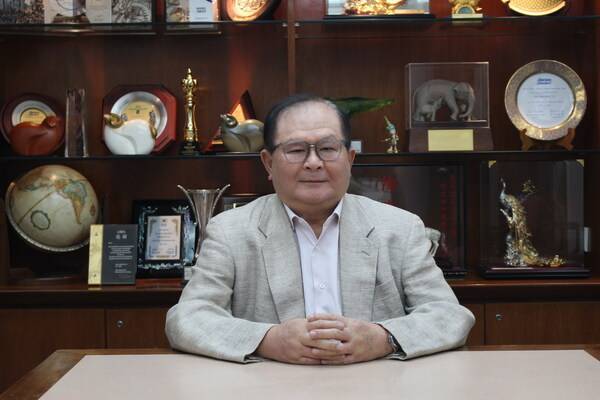
Core Insights - The article highlights the transformation of American Standard into an industry benchmark in Hong Kong, celebrating its 150th anniversary and emphasizing its deep-rooted presence in the local market [1][3]. Part 01: Historical Context - In the 1940s, Hong Kong was a land of opportunities, where the founder of Yimei Hardware, Zhao Chongguang, established a business that later partnered with American Standard, leveraging the local demand for high-quality products and government initiatives for infrastructure modernization [3][5]. Part 02: Building Trust - The alignment of brand philosophies between Yimei and American Standard, focusing on customer needs, has been crucial in establishing market trust [7]. - American Standard's products, such as bathtubs designed for user comfort and toilets with a deformation rate below 2.5mm, have built a reliable brand image, making "Choose Yimei, Use American Standard" a trusted choice in the industry [8][9]. Part 03: Responding to Health Trends - The shift towards health as a key standard has led to a refined public health demand, with American Standard addressing concerns about hygiene during the pandemic by promoting its "卫净界" dual swirl technology, which significantly reduces bacterial water droplets [9][12]. - The introduction of the upgraded "卫净界智+" technology post-pandemic, featuring UV sterilization, reflects the brand's commitment to enhancing user health and safety [14][18]. Part 04: Future Outlook - The long-standing collaboration between Yimei and American Standard is rooted in a shared focus on user needs, with product innovations evolving from basic cleanliness to smart hygiene solutions [18][20]. - American Standard aims to redefine the relationship between technology and user experience, moving towards a future where smart solutions seamlessly integrate into daily life, thus addressing the evolving expectations of consumers [20][22].
焦点访谈|美丽中国就在你我身边 “公园+”模式让城市空间更有活力
Yang Shi Wang· 2025-10-05 14:04
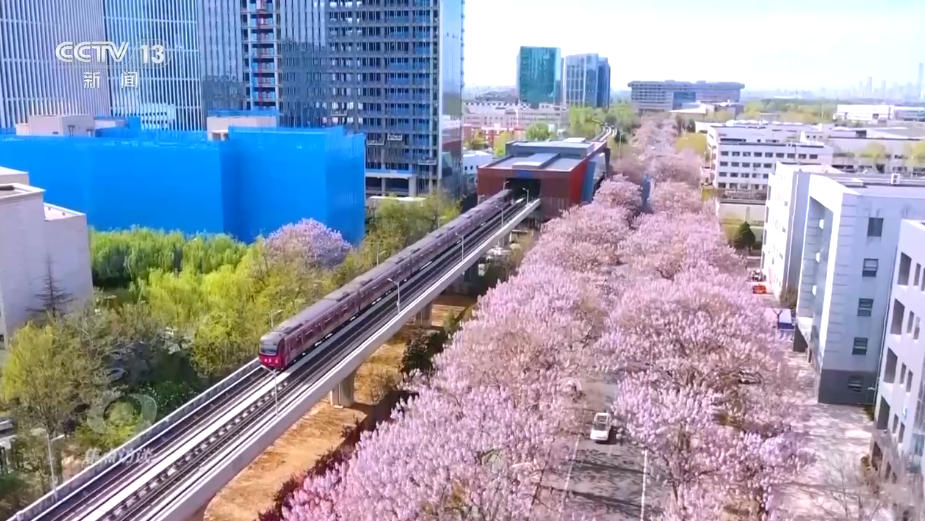
Core Insights - The article highlights the increasing popularity and development of pocket parks in urban areas, showcasing a shift in public space usage towards more accessible and multifunctional green spaces [1][5][6] Group 1: Urban Park Development - In recent years, many new pocket parks have emerged, characterized by their smaller size and integration into urban environments, making green spaces a part of daily life [1][5] - As of mid-2023, over 54,000 pocket parks have been constructed nationwide, with 3,420 new ones started in the first half of the year [6] - The average per capita park green space in urban areas has increased from 11.8 square meters in 2012 to 15.91 square meters [8] Group 2: Policy Support - The development of parks is supported by national policies aimed at promoting a "Beautiful China," with specific guidelines for pocket park construction issued by the Ministry of Housing and Urban-Rural Development [5][6] - The "Urban Park Management Measures" set to be implemented in December 2024 will provide legal support for park construction and management [5] Group 3: Innovative Park Features - Modern parks are incorporating technology and multifunctional designs, such as smart running tracks and cultural classrooms, enhancing user experience [10][12] - The integration of parks with commercial, cultural, and sports elements is creating vibrant urban spaces that serve multiple purposes [12][13] Group 4: Rural Park Development - Rural parks are being developed with a focus on preserving natural beauty and integrating local culture, contributing to the overall aesthetic and cultural richness of rural areas [15][20] - The transformation of rural areas into park-like environments is seen as a way to promote cultural heritage and support rural revitalization [20] Group 5: Accessibility and Planning - Urban park planning emphasizes accessibility, ensuring that residents can reach parks within a 5 to 10-minute walk [22] - Innovative funding models are being explored to sustain park development and operations, combining government initiatives with social participation [24]
焦点访谈丨城市更新 生活焕新——奔向更美好生活
Yang Shi Xin Wen Ke Hu Duan· 2025-10-02 08:07
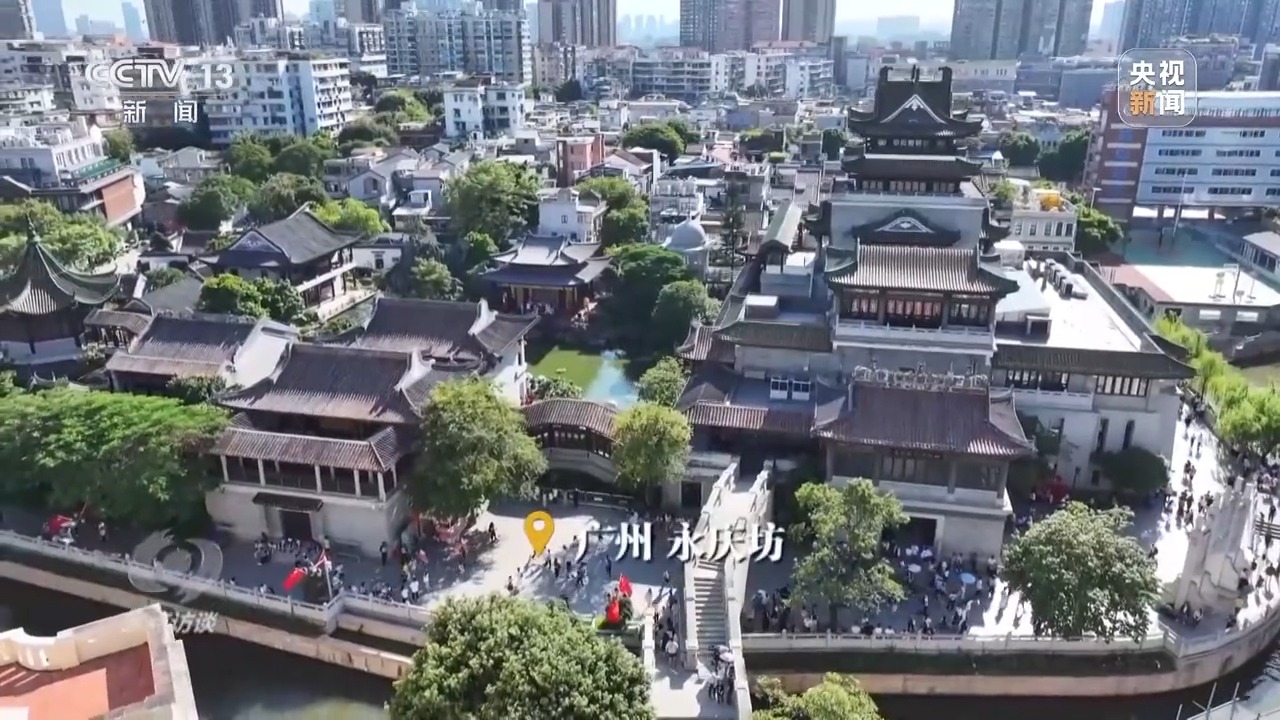
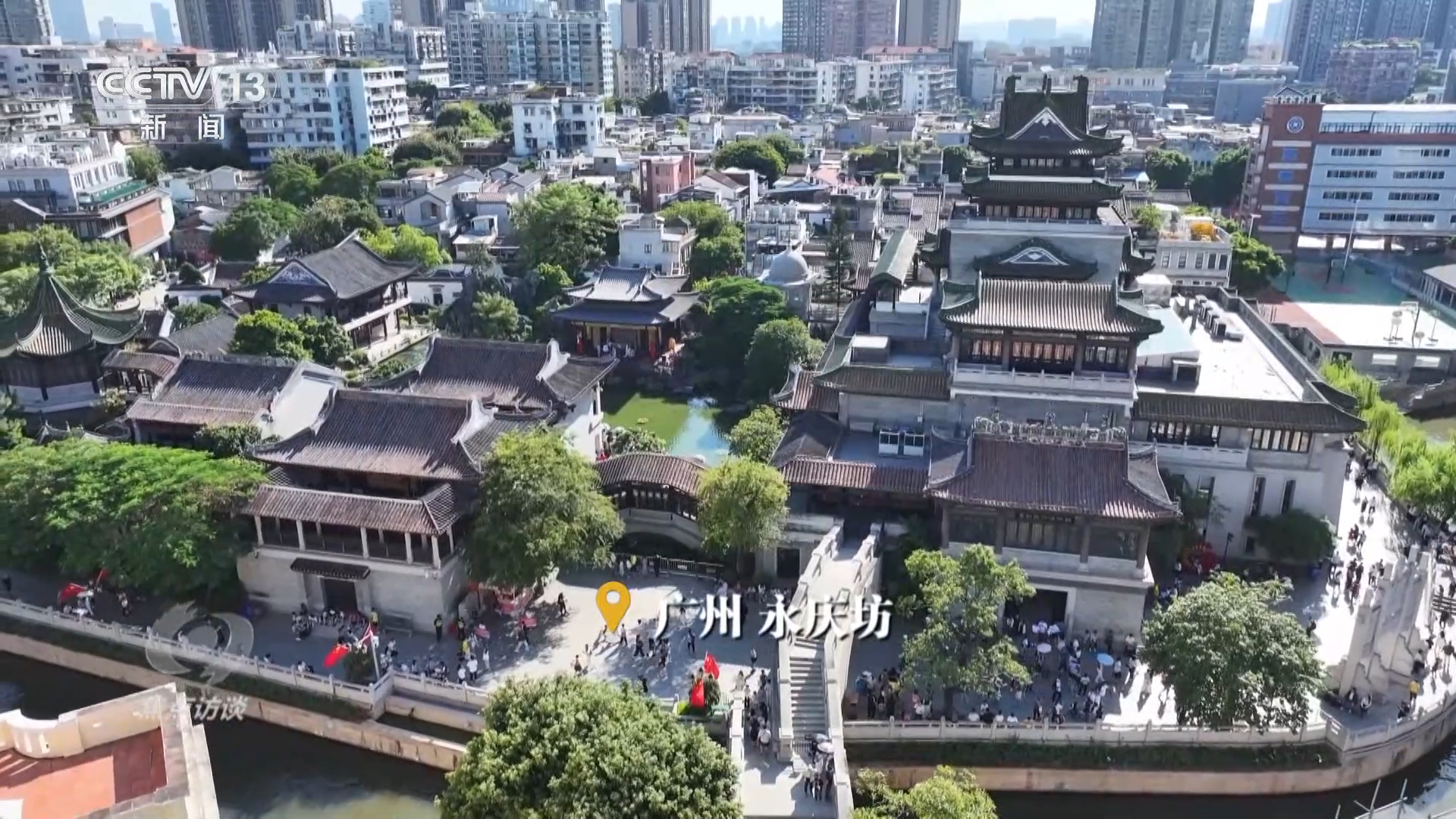
Core Viewpoint - The article emphasizes the transformation of urban areas in China through a refined approach to urban renewal, focusing on enhancing the quality of life for residents while preserving cultural heritage and community relationships [5][11][34] Urban Transformation - Cities in China are undergoing significant changes, with old buildings being renovated and new public spaces like pocket parks being created, leading to a more refined urban environment [1][4] - The concept of urban renewal has shifted from large-scale demolition to a more meticulous "micro-renovation" approach, focusing on community needs and enhancing the living experience [5][12] Policy and Planning - The "14th Five-Year Plan" includes a systematic and scientific urban renewal strategy, emphasizing a people-centered approach [7][11] - Recent policies aim to improve existing urban areas rather than just expanding them, with a focus on enhancing living conditions and addressing urban challenges [11][12] Data and Achievements - From 2019 to 2024, 280,000 old residential communities have been renovated, benefiting 120 million people, and 36,000 kilometers of aging pipelines have been upgraded [18] - In 2023, 25,000 old residential communities are planned for renovation, with 21,700 already started by August [18] Case Studies - Examples of successful urban renewal include the transformation of Guangzhou's Yongqingfang into a cultural tourism landmark and the revitalization of Beijing's Yuer Hutong into a clean and modern living space [3][4] - Chengdu's White Wall Park has evolved from an underutilized area to a vibrant community space, integrating sports and commercial activities [21][24] Economic Impact - The renovation of old industrial sites is seen as a key driver for urban vitality and economic growth, with successful examples in cities like Jinan and Shijiazhuang [32][34] - The central government plans to allocate over 20 billion yuan to support urban renewal projects in selected cities, highlighting the financial commitment to enhancing urban living [34]
焦点访谈|以人为本 精雕细琢 城市更新让生活更美好
Yang Shi Wang· 2025-10-01 14:00
Core Viewpoint - The article emphasizes the transformation of urban areas in China through a new approach to city renewal, focusing on "micro-renovation" and community-centric development rather than large-scale demolition and reconstruction [5][9][23]. Group 1: Urban Transformation - Urban renewal in China has shifted from large-scale demolition to detailed, community-focused improvements, termed "micro-renovation" [5][9]. - The concept of "people-centered" urban renewal is now a key principle in national planning, aiming to enhance community relationships and cultural memory [5][9][23]. - Significant improvements have been made in housing conditions, with over 68 million units of affordable housing and resettlement housing built, benefiting more than 170 million families [7]. Group 2: Policy Support - Recent policies emphasize the transition from rapid urbanization to stable development, focusing on improving existing urban areas rather than expanding them [9][23]. - The government has issued multiple notifications to support urban renewal, advocating for tailored approaches that prioritize practical benefits over superficial improvements [9][23]. Group 3: Examples of Micro-Renovation - Successful micro-renovation projects include the transformation of old neighborhoods in cities like Beijing, where traditional aesthetics are preserved while modern amenities are introduced [11][13]. - Nationwide, 280,000 old residential communities have been renovated, benefiting 120 million people, with significant upgrades to aging infrastructure [13][23]. - In Chengdu, the White Wall Park project illustrates how underutilized spaces can be revitalized to create vibrant community hubs [15][19]. Group 4: Economic and Cultural Impact - The renovation of old industrial sites, such as the transformation of a former shipyard in Weihai, demonstrates how urban renewal can create new economic opportunities and enhance community engagement [19][21]. - The revitalization of historical districts and old factories has led to the emergence of new cultural and commercial spaces, contributing to local economies [21][23]. - Urban renewal is seen as a crucial driver for economic growth, with a focus on functional transformation and the creation of attractive consumer spaces [21][23].
以审计为窗读懂中国 以青年交流凝聚共识
Ren Min Ri Bao· 2025-09-28 22:28
Core Viewpoint - The first Asian Auditing Organization Youth Training Program held in Nanjing and Shanghai showcased the auditing wisdom of Asian countries and highlighted China's proactive integration into global governance [1][2]. Group 1: Event Overview - The training program took place from September 22 to 26, with over 90 young representatives from 42 countries participating [1]. - Discussions focused on "sharpening auditing skills" and "technology empowering auditing development," culminating in the release of an international initiative by young auditors [1]. Group 2: Technological Integration in Auditing - Chinese auditors presented cases utilizing satellite imagery to identify land use changes, which resonated with participants from developing countries [1]. - The application of artificial intelligence and big data in auditing was emphasized, showcasing its potential to enhance efficiency and effectiveness in audit processes [1][2]. Group 3: Professional Development and Collaboration - The program highlighted the importance of professional skills and resilience among auditors, with a call for adapting to new challenges in the auditing landscape [2]. - A collaborative atmosphere was fostered, with participants sharing innovative practices and insights from their respective countries [2]. Group 4: Future Directions and Strategic Importance - The initiative aims to transform professional spirit, integrity awareness, and knowledge sharing into collective actions among Asian auditing youth [3]. - The program is seen as strategically significant for the future development of auditing in Asia, enhancing the capabilities and ethics of young auditors [3].