关税调整

Search documents
美印达成临时贸易框架:对印关税降至18%,印度承诺5年采购5000亿美元美国产品
Hua Er Jie Jian Wen· 2026-02-07 11:20
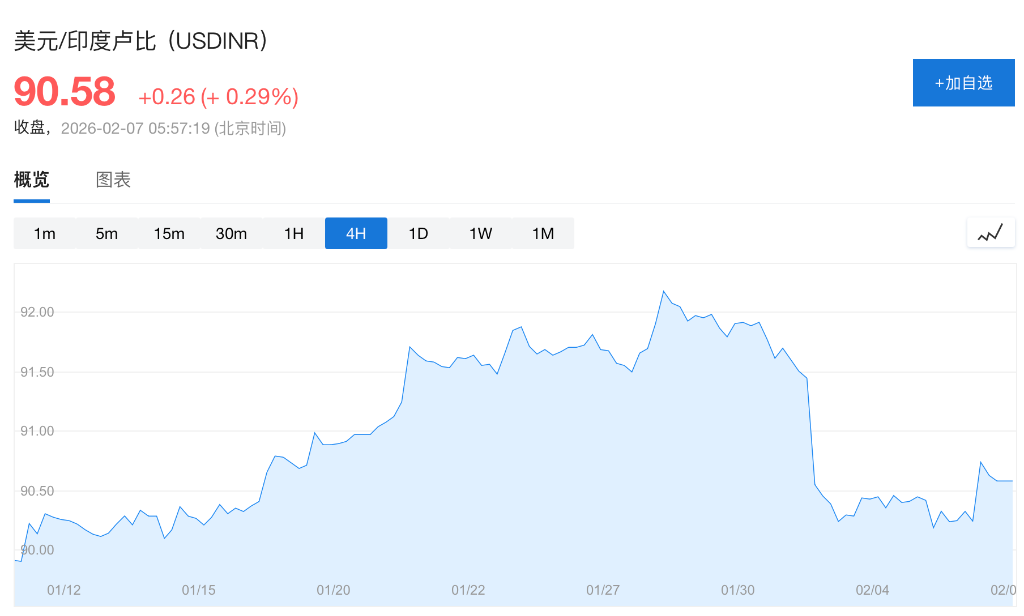
Core Points - The US and India have reached a temporary trade agreement framework, ending months of trade deadlock, with commitments to broader bilateral trade negotiations [1] - India will open its market to most US industrial goods and some agricultural products, while the US will impose an 18% tariff on Indian goods [1][4] - India commits to purchasing $500 billion worth of US goods over five years, doubling its current imports from the US [1][5] Group 1: Trade Agreement Details - The agreement includes India's commitment to stop importing Russian oil, which was a condition for the US to lift additional tariffs on Indian goods [4] - India will lower or eliminate tariffs on various products, including grains and nuts, and will address non-tariff barriers affecting bilateral trade [5] - The US will monitor India's compliance with the oil import commitment, with potential penalties for violations [4] Group 2: Market Reactions and Implications - The Indian rupee saw its largest single-day gain in seven years following the announcement of the agreement [1] - The framework is expected to provide a clear path for US exports in energy, aviation, and agricultural products, while stabilizing market access for Indian textile, leather, and machinery sectors [1] - The agreement has faced criticism from opposition parties in India, questioning the actual benefits and potential increased tariffs on Indian exports to the US [7][8] Group 3: Specific Product Tariffs and Negotiations - The US will impose an 18% baseline tariff on major imports from India, including textiles, leather, and certain chemicals [8] - Future negotiations will consider India's requests for further tariff reductions on its exports to the US, particularly in pharmaceuticals [8] - The agreement follows India's recent trade deal with the EU, indicating a trend towards market liberalization [8]

印度:拟将美国3000cc以上排量车辆的关税降至30%
Jin Rong Jie· 2026-02-07 10:19
Core Viewpoint - The Indian government plans to reduce tariffs on vehicles with engine capacities over 3000cc from the United States to 30%, with a gradual decrease over the next 10 years [1] Group 1: Tariff Changes - The proposed reduction in tariffs for high-capacity vehicles indicates a shift in trade policy aimed at enhancing imports from the U.S. [1] - The gradual decrease in tariffs over a decade suggests a long-term strategy to encourage the automotive market and potentially increase competition [1] Group 2: Wine Import Regulations - The introduction of a minimum import price for U.S. wines indicates a regulatory approach to manage the pricing and quality of imported alcoholic beverages [1]
美印虽达成贸易协议但细节不明,若美国乳制品进入印度市场将引发轩然大波
Xin Lang Cai Jing· 2026-02-04 05:06
Group 1 - The U.S. has reduced tariffs on Indian goods from 50% to 18%, but the details of the trade agreement remain unclear, leading to uncertainty for businesses and investors [1][4][5] - Indian officials have stated that sensitive sectors such as agriculture and dairy are protected under the new trade agreement, but specific details have not been disclosed [8][9] - The ambiguity surrounding the agreement includes claims about India purchasing $500 billion worth of U.S. products and stopping the purchase of Russian oil, which have not been confirmed by Indian authorities [1][9] Group 2 - The trade agreement is seen as a potential pathway for increased cooperation between the U.S. and India, but the lack of detailed terms has left many companies, especially Indian exporters, in a precarious position [5][9] - The U.S. dairy products may face challenges entering the Indian market due to cultural sensitivities regarding animal feed, which could impact millions of Indian dairy farmers [6][9] - India has been gradually reducing its oil imports from Russia, with projections indicating a decrease from 1.2 million barrels per day in January to 800,000 barrels per day by March [10]
2月4日金市早评:金价强势反弹站上5048 后市面临“三重门”
Jin Tou Wang· 2026-02-04 02:03
Group 1 - The US dollar index is trading around 97.363, while spot gold opened at $4944.54 per ounce and is currently trading at approximately $5048.82 per ounce [1] - The previous trading day saw the US dollar index rise by 0.06% to 97.445, and spot gold increased by 6.15% to $4945.74 per ounce [1] - Other precious metals also experienced price increases, with spot silver rising by 7.48% to $85.07 per ounce, platinum up by 4.18% to $2214.00 per ounce, and palladium increasing by 0.78% to $1741.50 per ounce [1] Group 2 - As of February 3, COMEX gold inventory increased by 4.05 tons to 1112.12 tons, while COMEX silver inventory rose by 57.24 tons to 12561.37 tons [2] - SPDR gold ETF holdings decreased by 3.72 tons to 1083.38 tons, and SLV silver ETF holdings fell by 108.89 tons to 16437.70 tons [2] - The payment direction for deferred compensation fees indicates that for gold (Au t+d), longs are paying shorts, while for silver (Ag t+d), shorts are paying longs [2]
美国商界团体反应不一,莫迪发文表示“诚挚感谢”,特朗普称美印达成贸易协议降关税
Huan Qiu Shi Bao· 2026-02-03 22:51
Core Viewpoint - The trade agreement between the United States and India involves a reduction of tariffs on Indian goods from 25% to 18%, effective immediately, while India will lower its tariffs and non-tariff barriers on U.S. products [1][3]. Group 1: Trade Agreement Details - The U.S. will reduce the "reciprocal tariffs" on Indian goods, and India has agreed to purchase over $500 billion worth of U.S. products, including energy, technology, and agriculture [3]. - India has committed to purchasing U.S. telecommunications and pharmaceutical products and has opened its market for certain agricultural products [3]. - The agreement includes a reduction in automobile import tariffs by India to meet U.S. demands [3]. Group 2: Economic Impact - The trade agreement is expected to strengthen economic ties between the U.S. and India, providing unprecedented opportunities for Indian farmers, small businesses, and tech workers [3][5]. - The reduction in tariffs is anticipated to enhance the price competitiveness of Indian products and help Indian exporters integrate more deeply into the U.S. supply chain [6]. - Moody's stated that the U.S. lowering tariffs on most Indian goods will inject new vitality into India's exports to the U.S. [6]. Group 3: Reactions and Concerns - The U.S. business community has mixed reactions, with some viewing the agreement as a step towards a comprehensive trade deal, while others express concerns about potential negative impacts on U.S. businesses [4]. - In India, there are concerns that the agreement may harm local farmers due to the influx of subsidized U.S. agricultural products [5]. - Indian opposition leaders have criticized the agreement, claiming it compromises the interests of Indian farmers [5].
美印贸易协议 如何牵动美印俄三边关系
Xin Lang Cai Jing· 2026-02-03 20:49
Core Viewpoint - The trade agreement between the U.S. and India aims to address mutual economic interests, with India agreeing to reduce its purchase of Russian oil in exchange for lower tariffs on Indian goods exported to the U.S. [1][2] Group 1: Trade Agreement Details - President Trump announced that India will stop purchasing Russian oil, while the U.S. will reduce tariffs on Indian goods from 25% to 18% [1] - The agreement includes India's commitment to significantly increase its procurement of U.S. oil and other products, potentially purchasing over $500 billion worth of U.S. energy, technology, agriculture, and coal [1] - The White House confirmed that the additional 25% tariff imposed on India for purchasing Russian oil will be completely removed [1] Group 2: Economic Context - The agreement reflects a reciprocal nature, with the U.S. lowering tariffs in exchange for India adjusting its energy procurement strategy [2] - India's manufacturing sector is under pressure from U.S. tariff policies, necessitating a return to normal production levels [2] - The recent free trade agreement between India and the EU has pressured the U.S. to adjust its stance in negotiations with India [2] Group 3: Challenges in Implementation - India has not publicly confirmed its agreement to stop purchasing Russian oil, raising questions about the actual implementation of the agreement [3] - Analysts believe that India, as the world's third-largest oil consumer, will find it difficult to completely halt imports from Russia due to longstanding strategic ties and economic considerations [4] - The feasibility of alternative oil sources, such as Venezuela, is questioned due to infrastructure limitations and production capacity [4] Group 4: Future Relations - While the agreement may ease trade tensions, it is unlikely to fundamentally improve U.S.-India relations, which have been strained under the current administration [5][6] - The effectiveness of the agreement remains uncertain, as previous trade agreements by the Trump administration have often lacked clarity and concrete execution timelines [6] - The agreement is seen as lacking strategic depth, potentially addressing trade issues but failing to resolve deeper underlying tensions between the two nations [6]
印官员爆料:印度同意从美大量进口石油、国防装备和飞机等产品
Xin Lang Cai Jing· 2026-02-03 16:43
Group 1 - India has agreed to purchase a significant amount of products from the US, including oil, defense equipment, and aircraft, as part of a trade agreement [1][3] - The trade agreement will see US tariffs on Indian goods reduced from 50% to 18%, while India will stop purchasing Russian oil and lower tariffs and non-tariff barriers on US goods [3] - The scale of US products that India will purchase is expected to reach up to $500 billion, covering various sectors such as energy, technology, agriculture, and coal [3] Group 2 - An Indian government official stated that the products purchased from the US will include pharmaceuticals, telecommunications, defense, oil, and aviation, and will be gradually implemented over the coming years [1][3] - In the period from January to November 2025, India's exports to the US increased by 15.88% year-on-year, reaching $85.5 billion, while imports amounted to $46.08 billion [3] - The trade agreement is expected to reduce global market uncertainty significantly, according to Indian economic officials [4]
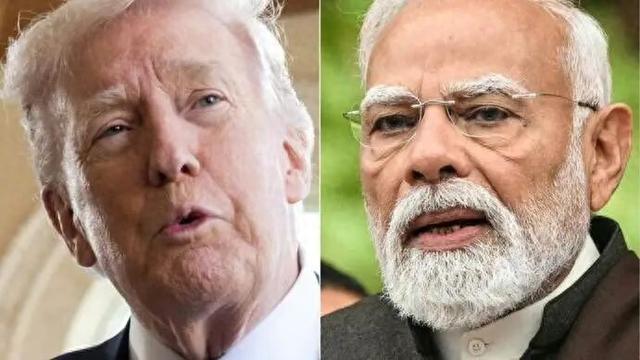
韩产业通商部长官:美国已启动上调对韩关税的行政程序,没有妥协的意愿
Guan Cha Zhe Wang· 2026-02-03 12:34
Core Viewpoint - The U.S. has announced an increase in tariffs on South Korean goods from 15% to 25%, prompting urgent discussions between South Korea's Minister of Trade and the U.S. government, but no resolution has been reached [1][8][12]. Group 1: Tariff Increase and Negotiations - U.S. President Trump has initiated the administrative process to raise tariffs on South Korea, despite South Korea's claims of improved mutual understanding [1][2]. - South Korean Minister of Trade, Kim Jong-hwan, returned from the U.S. without achieving the goal of halting the tariff increase, indicating a lack of compromise from U.S. officials [2][8]. - The U.S. has expressed regret over delays in South Korea's legislative process regarding trade agreements, which has contributed to the tariff increase [2][12]. Group 2: Trade Agreements and Legislative Challenges - South Korea is working to implement a trade agreement with the U.S. that includes a commitment to invest $350 billion in strategic sectors, but this agreement has not yet been approved by the South Korean National Assembly due to political divisions [5][12]. - The ruling Democratic Party believes that the trade agreement does not require National Assembly approval, while the opposition party argues for the need to complete legislative procedures first [12][13]. - Trump has criticized the South Korean National Assembly for not fulfilling the agreement, leading to the tariff increase on various products [12]. Group 3: Comparison with India and Broader Trade Strategy - On February 2, Trump announced a trade agreement with India, reducing tariffs from 50% to 18%, highlighting a contrasting approach to South Korea, a U.S. ally [6][9]. - Analysts suggest that the U.S. is applying stronger tariff pressure on South Korea to expedite investment commitments, comparing it to Japan's pace [6][13]. - To mitigate the impact of increased tariffs, South Korea is seeking to expand trade partnerships, including negotiations for a second phase of a free trade agreement with China [7][13].

美印贸易拉锯战终结,关税从50%降至18%
第一财经· 2026-02-03 09:56
Core Viewpoint - The trade dispute between the United States and India is nearing resolution, with both countries agreeing to adjust tariffs and trade policies following a phone call between President Trump and Prime Minister Modi [3][8]. Group 1: Trade Agreement Details - The U.S. will reduce the "reciprocal tariff" on Indian goods from 25% to 18%, effective immediately, while also eliminating the additional 25% tariff imposed to pressure India to stop purchasing Russian oil [7][8]. - India has agreed to significantly increase its procurement of U.S. oil and may also purchase Venezuelan oil, with commitments to buy over $500 billion worth of U.S. products across various sectors [8][9]. - The overall tariff rate on Indian goods exported to the U.S. will decrease to 18%, enhancing economic ties between the two nations [8]. Group 2: Context of the Agreement - The agreement comes shortly after India signed a free trade agreement with the European Union, indicating competitive pressures in trade relations [8][9]. - The U.S. had previously imposed tariffs on Indian goods due to disagreements over oil purchases, particularly following India's significant imports of Russian oil during the Ukraine conflict [9][11]. - India's oil imports from Russia had peaked at over one-third of its total imports, but recent data shows a decline, with OPEC oil now comprising a higher percentage of imports [11][12]. Group 3: Economic Implications - The reduction in tariffs and the commitment to increase U.S. imports are expected to strengthen economic relations between the U.S. and India, potentially impacting global oil markets and trade dynamics [8][9]. - The price of oil has influenced India's decision to reduce Russian imports, as the price gap between sanctioned and non-sanctioned oil has narrowed with recent price declines [12].
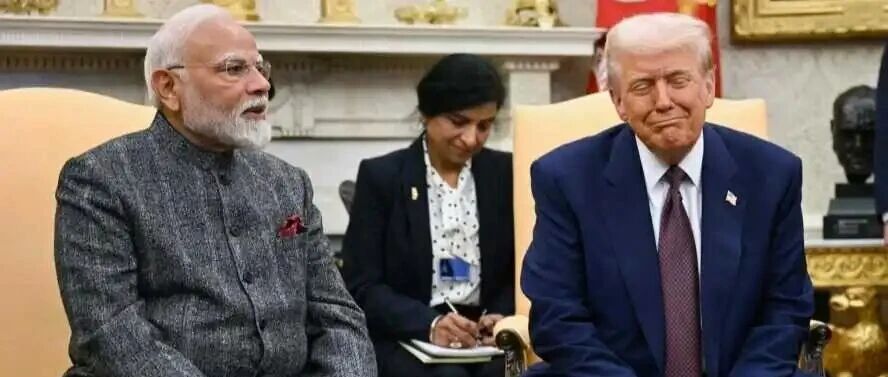
美印贸易拉锯战终结,关税从50%降至18%,但细节是什么?
Di Yi Cai Jing· 2026-02-03 08:32
Core Viewpoint - The trade dispute between the United States and India is nearing resolution, with India agreeing to stop purchasing Russian oil in exchange for the U.S. reducing tariffs on Indian goods [1][3]. Group 1: Trade Agreement Details - President Trump confirmed a bilateral trade agreement with Indian Prime Minister Modi, which includes reducing the "reciprocal tariff" on Indian goods from 25% to 18% [3][5]. - The U.S. will eliminate the additional 25% tariff imposed to pressure India to cease Russian oil purchases, leading to an overall reduction in tariffs on Indian goods to 18% [1][3]. - Modi has committed to significantly increasing the procurement of U.S. products, including energy, technology, and agriculture, with a potential purchase of over $500 billion [3][5]. Group 2: Context and Implications - The agreement comes shortly after India signed a free trade agreement with the European Union, indicating competitive dynamics in U.S.-India trade relations [4]. - The U.S. had previously imposed tariffs on Indian goods due to disagreements over oil procurement, which delayed the trade agreement for several months [5][6]. - India's oil imports from Russia had surged post-Ukraine conflict, with Russian oil accounting for over one-third of India's total imports at one point [6]. Group 3: Oil Procurement Dynamics - The Indian government has not yet formally instructed refiners to halt Russian oil imports, indicating a need for a "phased exit" from existing contracts [6]. - Recent data shows a decline in Russian oil imports by India, with OPEC oil gaining a higher share in the Indian market [6]. - The price dynamics of oil have shifted, reducing the attractiveness of discounted Russian oil as global prices have fallen [7].