
未焙烧的黄铁矿

Search documents
中国对多种商品实施低于最惠国待遇的进口关税税率 意在推动深化高水平对外开放
Xin Lang Cai Jing· 2026-01-08 03:31
Core Viewpoint - The 2026 Tariff Adjustment Plan aims to implement lower-than-most-favored-nation (MFN) import tariff rates on various goods starting January 1, 2026, to enhance high-level opening-up and expand the supply of quality products [1] Group 1: Tariff Adjustments - China will implement lower-than-MFN tariff rates on 935 items to promote high-level technological self-reliance and modern industrial system construction [1] - The tariff adjustments focus on three main areas: promoting technological independence, supporting green transformation, and improving people's livelihoods through reduced import tariffs on key components, resource products, and medical supplies [1] - The plan includes the cancellation of temporary tariff rates on certain goods and the restoration of MFN rates based on domestic industry development and supply-demand changes [1] Group 2: Trade Agreements and Special Treatments - China will continue to provide 100% zero-tariff treatment on products for 43 least developed countries and implement preferential tariff rates for certain imports from Bangladesh, Laos, Cambodia, and Myanmar [2] - The plan maintains export tariffs on 107 items, including chrome ore, to rationally regulate resource exports [2] Group 3: Strategic Implications - The annual tariff adjustment is viewed as a clear policy direction and industrial signal, emphasizing the use of tariffs as a tool to support the development of new productive forces and high-level opening-up [2] - Import enterprises in high-end manufacturing, green technology, and healthcare sectors are expected to benefit from reduced costs and should seize the opportunity to enhance competitiveness [2] - Export enterprises need to monitor the list of goods with restored MFN rates and leverage the network of preferential tariff agreements with 34 partners to optimize global market strategies [2] Group 4: Balance and Stability - The plan maintains a careful balance between lowering specific import costs and stabilizing domestic industries by canceling certain temporary tariff rates [3] - It demonstrates China's commitment to fulfilling free trade agreement obligations while ensuring necessary export tariffs to stabilize domestic resources and markets [3] - This approach provides foreign trade enterprises with a stable, transparent, and predictable policy environment amid global economic uncertainties [3]
权威解读丨保障民生 助推升级——看2026年关税调整新亮点
Xin Hua Wang· 2025-12-31 14:19
Core Viewpoint - The State Council's Tariff Commission announced a tariff adjustment plan for 2026, implementing provisional import tariffs lower than the most-favored-nation rate on 935 items starting January 1, 2026 [1] Group 1: Tariff Adjustments - The adjustment plan includes lowering tariffs on key components, advanced materials, and energy resources, which is a significant aspect of the provisional tariff changes [4] - Specific reductions will be made on import tariffs for resource products such as regenerated black powder for lithium-ion batteries and unroasted pyrite [4] - The total number of tariff items will be optimized to 8,972, including new entries like smart bionic robots and bio-aviation kerosene [7] Group 2: Economic and Social Impact - The large-scale tariff reduction reflects China's commitment to expanding openness and is expected to promote win-win cooperation across multiple sectors [2] - Lowering tariffs on medical products, such as artificial blood vessels and diagnostic kits for infectious diseases, aims to reduce the burden on residents and improve public health [6] - The tariff adjustments are designed to support green development and innovation, facilitating the achievement of carbon neutrality goals [4][6] Group 3: Trade Agreements and International Relations - China will continue to implement preferential tariffs for goods from 34 trade partners under 24 free trade agreements, as well as maintain zero-tariff treatment for 100% of products from 43 least developed countries [7] - The adjustments demonstrate China's proactive approach to expanding its high-standard free trade network amid rising trade protectionism globally [7]

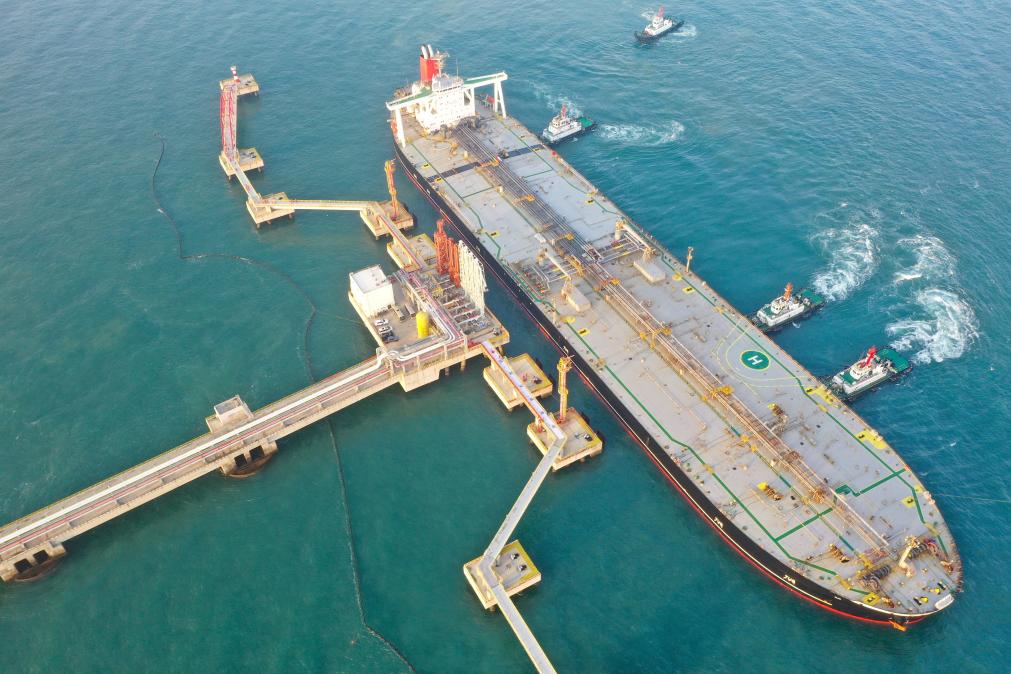
2026年1月1日起 我国调整部分商品关税税率税目
Ren Min Ri Bao Hai Wai Ban· 2025-12-31 00:12
Group 1 - The State Council Tariff Commission announced the 2026 Tariff Adjustment Plan, which will implement provisional import tariff rates lower than the most-favored-nation rate for 935 items starting January 1, 2026, to enhance the linkage between domestic and international markets [1] - The plan aims to promote high-level technological self-reliance by reducing import tariffs on key components and advanced materials, such as hydraulic pressure machine parts and composite joints [1] - It also focuses on supporting the green transformation of the economy by lowering tariffs on resource-based products like regenerated black powder for lithium-ion batteries [1] - The adjustment includes measures to improve public welfare by reducing tariffs on medical products, such as artificial blood vessels and diagnostic kits for certain infectious diseases [1] - The plan will cancel provisional tariff rates on items like micro motors and sulfuric acid, restoring the most-favored-nation rate based on domestic industry development and supply-demand changes [1] Group 2 - The tariff schedule will include new entries for smart bionic robots, bio-aviation fuel, and forest ginseng to support technological development and the circular economy [2] - The total number of tariff items will be adjusted to 8,972 [2] - The plan continues to implement preferential tariff rates for certain imported goods from 34 trade partners based on 24 free trade agreements and preferential trade arrangements signed by China [2]
中国优化税率激活产业新动能 将对935项商品实施进口暂定税率
Chang Jiang Shang Bao· 2025-12-30 23:21
Core Viewpoint - The 2026 Tariff Adjustment Plan aims to enhance economic development through targeted tariff reductions on 935 items, focusing on "nurturing new growth," "green transition," and "benefiting the public" [1][2][4] Group 1: Tariff Adjustments - The adjustment includes a temporary import tariff lower than the most-favored-nation (MFN) rate for 935 items, expanding the total number of tariff items to 8,972 [1][2] - Key components such as numerical control hydraulic pads for pressure machines will see a reduction in import tariffs to 6%, which is 6 percentage points lower than the MFN rate, thereby reducing costs for domestic manufacturing [2] Group 2: Green Transition - Tariff reductions on resources like regenerated black powder for lithium-ion batteries support the circular economy, with estimates indicating that importing 10,000 tons of regenerated black powder could reduce primary mineral extraction by approximately 500,000 tons and carbon emissions by 25,000 tons [3] - The addition of new tariff items such as intelligent bionic robots and bio-aviation kerosene aligns with technological advancements and industry upgrades, contributing to a total of 8,972 tariff items [3] Group 3: Economic and Trade Cooperation - The tariff adjustments serve as a "barometer" for industrial development and a "warm-hearted" measure for improving public welfare, while also acting as a "declaration" for further opening up to international trade [4] - The plan includes zero tariffs on most finished medicines and certain cancer drugs, aiming to alleviate the medical burden on patients [4] - Continued commitment to multilateral cooperation is evident, with zero tariff treatment for 100% of products from 43 least developed countries and preferential rates for certain goods from ASEAN members like Bangladesh and Laos [4]
2026年对935项商品调低进口暂定税率
Chang Jiang Shang Bao· 2025-12-30 07:57
Group 1 - The core point of the news is the adjustment of import tax rates for certain goods starting from January 1, 2026, aimed at enhancing domestic and international market synergy and expanding the supply of quality products [1] - A total of 935 items will have their import tariffs set below the most-favored-nation (MFN) rates, including key components and advanced materials to promote high-level technological self-reliance and modernization of the industrial system [1] - The adjustment will also lower import tariffs on resource-based products to support green transformation and improve public health, including medical products like artificial blood vessels and diagnostic kits for infectious diseases [1] Group 2 - In 2026, China will continue to implement preferential tax rates for certain imported goods from 34 trade partners based on 24 free trade agreements and preferential trade arrangements, further reducing tariffs as per the agreements [2] - The agreements include those with countries such as New Zealand, Peru, Switzerland, South Korea, and Australia, as well as the Regional Comprehensive Economic Partnership (RCEP) [2] - Additionally, 43 least developed countries will continue to receive zero-tariff treatment on 100% of products, promoting economic cooperation and development [2]
明年1月1日起实施 我国调整部分商品进口关税
Sou Hu Cai Jing· 2025-12-30 03:56
Group 1 - The State Council's Tariff Commission announced the "2026 Tariff Adjustment Plan," which will adjust import tariff rates and categories starting January 1, 2026 [1] - A total of 935 items will have their import tariffs set below the Most-Favored-Nation (MFN) rates to enhance the synergy between domestic and international markets and expand the supply of quality goods [2] - The import tariff for key components like the CNC hydraulic cushion used in pressure machines will be reduced to 6%, which is 6 percentage points lower than the MFN rate for 2026 [2] Group 2 - The reduction in tariffs for CNC hydraulic cushions is expected to improve China's technical equipment level and promote quality upgrades in related upstream and downstream industries [3] - Tariffs on resource-based products such as regenerated black powder for lithium-ion batteries and unroasted pyrite will also be lowered to support the transition to a green economy [3] - The import tariff for medical products like artificial blood vessels will be reduced to 2%, while some diagnostic kits for infectious diseases will have a zero tariff [5] Group 3 - The plan includes continued implementation of preferential tariff rates for certain imported goods from 34 trading partners under 24 free trade agreements and preferential trade arrangements [8] - China will maintain a 100% zero-tariff treatment for products from 43 least developed countries to promote economic cooperation and development [8] - The preferential tariff rates for trading partners with free trade agreements and the unilateral zero-tariff treatment for least developed countries reflect China's commitment to providing certainty in an increasingly uncertain global trade environment [10]
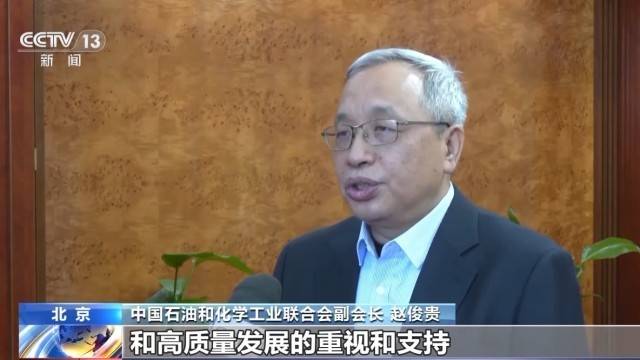
关税调整,最新方案来了!
Guo Ji Jin Rong Bao· 2025-12-29 18:04
Group 1 - The State Council Tariff Commission has released the "2026 Tariff Adjustment Plan," which will be implemented starting January 1, 2026 [1] - The plan includes a temporary import tariff rate lower than the most-favored-nation (MFN) rate for 935 items to enhance the linkage between domestic and international markets and expand the supply of quality goods [1] - Key components of the tariff adjustments include reducing import tariffs on critical components and advanced materials to promote high-level technological self-reliance and the construction of a modern industrial system [1] Group 2 - The plan aims to support the comprehensive green transformation of the economy and society by lowering import tariffs on resource-based products such as regenerated black powder for lithium-ion batteries [1] - It also focuses on improving people's livelihoods by reducing import tariffs on medical products like artificial blood vessels and diagnostic kits for certain infectious diseases [1] - The total number of tariff items after adjustments will be 8,972, with new entries for items supporting technological development and circular economy [1] Group 3 - In 2026, the country will continue to implement preferential tariff rates for certain imported goods from 34 trade partners based on 24 free trade agreements and preferential trade arrangements [2] - To promote economic cooperation with least developed countries, 100% tariff-free treatment will be granted to products from 43 least developed countries with which diplomatic relations have been established [2] - The plan also includes special preferential tariff rates for certain imports from Bangladesh, Laos, Cambodia, and Myanmar under the Asia-Pacific Trade Agreement and relevant intergovernmental agreements with ASEAN member states [2]
自2026年1月1日起 我国调整部分商品关税税率和税目
Qi Huo Ri Bao Wang· 2025-12-29 18:04
Group 1 - The State Council's tariff adjustment plan for 2026 aims to enhance the linkage between domestic and international markets by implementing provisional tariff rates lower than the most-favored-nation (MFN) rates on 935 items, promoting high-level technological self-reliance and modern industrial system construction [1] - The plan includes reducing import tariffs on key components and advanced materials, such as CNC hydraulic air cushions and composite joints, to support technological development and economic transformation [1] - The adjustment will also lower tariffs on medical products like artificial blood vessels and diagnostic kits to improve public health and welfare [1] Group 2 - The plan continues to implement preferential tariff rates for certain imported goods from 34 trade partners under 24 free trade agreements, promoting regional economic integration [2] - It maintains zero-tariff treatment for 100% of products from 43 least developed countries, reflecting China's commitment to supporting their development [2] - The tariff quota management for eight categories of imported goods, including wheat, remains unchanged, with a 1% provisional tariff rate on urea and other fertilizers, which is expected to stabilize agricultural production costs [2][3] Group 3 - The reduction in import tariffs is expected to lower costs for imported products, enhancing consumer purchasing power and stimulating domestic consumption [3] - The adjustment will impact corporate costs positively, allowing companies to reduce production costs and improve efficiency and product quality [3] - Increased competition from foreign imports may drive domestic companies to accelerate technological upgrades, facilitating industry transformation and upgrading [3]
2026年1月1日起中国调整部分商品关税税率税目
Zhong Guo Xin Wen Wang· 2025-12-29 18:04
Group 1 - The Chinese government will adjust import tariff rates and categories for certain goods starting January 1, 2026, to enhance the synergy between domestic and international markets and expand the supply of high-quality products [1] - A total of 935 items will have a temporary import tariff rate lower than the most-favored-nation (MFN) rate, including key components and advanced materials to promote technological self-reliance and modern industrial systems [1] - Tariffs on resource-based products such as regenerated black powder for lithium-ion batteries and unroasted pyrite will be reduced to support green transformation and economic development [1] Group 2 - The Chinese government will continue to implement preferential tariff rates for certain imported goods from 34 trade partners based on 24 free trade agreements and preferential trade arrangements [2] - To support the development of least developed countries, China will maintain zero-tariff treatment for 100% of products from 43 least developed countries that have diplomatic relations with China [2] - Special preferential rates will continue for certain imported goods from Bangladesh, Laos, Cambodia, and Myanmar under the Asia-Pacific Trade Agreement and relevant agreements with ASEAN member states [2]
2026年1月1日起,这些商品关税税率和税目将调整
Xin Hua She· 2025-12-29 14:29
Group 1 - The State Council Tariff Commission announced adjustments to import tariff rates and categories effective January 1, 2026, impacting 935 items with temporary tariff rates lower than the most-favored-nation (MFN) rates [1] - The adjustments aim to promote high-level technological self-reliance, support the construction of a modern industrial system, and lower import tariffs on key components and advanced materials such as hydraulic cushions and composite joints [1] - To facilitate a comprehensive green transition in economic and social development, import tariffs on resource-based products like regenerated black powder for lithium batteries will be reduced [1] Group 2 - The adjustments also focus on enhancing domestic circulation and responding to changes in domestic industry development and supply-demand conditions, including the cancellation of temporary tariff rates on micro motors and other products, reverting to MFN rates [1] - In line with deepening economic and trade cooperation, 24 free trade agreements will continue to apply preferential tariff rates for certain imported goods from 34 trading partners in 2026 [2] - To support the development of least developed countries, 100% tariff-free treatment will be maintained for products from 43 least developed countries with which China has diplomatic relations [2]