
人造血管

Search documents
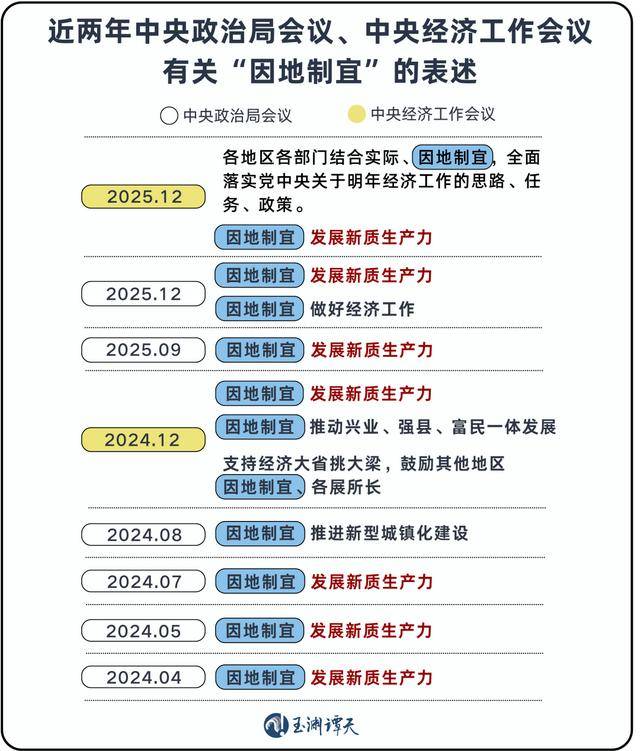
玉渊谭天:再解因地制宜
Sou Hu Cai Jing· 2026-01-28 02:16
Group 1 - The core viewpoint of the articles emphasizes the importance of "localized approaches" in driving China's economic growth, particularly in the context of achieving a GDP exceeding 140 trillion yuan by 2025 [1][10] - Various regions in China, such as Beijing and Shandong, have reported significant economic milestones, indicating a robust overall economic performance despite global challenges [1][9] - The concept of "new quality productivity" is highlighted as a key driver for economic transformation, with digitalization being a major trend influencing this shift [4][5] Group 2 - The penetration rates of the digital economy across different sectors in China are noted, with agriculture at 10.78%, industry at 25.03%, and services at 45.63%, indicating substantial room for growth [4][5] - The necessity for regions to adopt tailored strategies rather than simply focusing on popular industries is emphasized, as effective digital transformation requires deep expertise in specific fields [5][7] - The article discusses the critical components for successful digital transformation, including digital infrastructure, talent, and data governance systems [7][9] Group 3 - The "Fifteen Five" plan suggests a strategic focus on enhancing functional zones, which include urbanization areas, agricultural production zones, and ecological function areas, to optimize regional development [10][13] - The classification of performance evaluation metrics based on regional characteristics, as seen in Hainan's approach, illustrates a shift towards more nuanced governance that aligns with local resources and capabilities [14][16] - The articles conclude that a clear direction and defined boundaries will enable regions to explore growth paths that are suitable for their unique contexts, ultimately contributing to a more resilient and quality-driven economic growth [16][17]

出台16条措施靶向发力,山东打造现代工装产业高地
Feng Huang Wang Cai Jing· 2026-01-13 07:22
Core Viewpoint - Shandong Province is focusing on building a high-quality development hub for the textile and apparel industry through the implementation of the "Action Plan for High-Quality Development of the Workwear Industry (2026-2028)" aiming to cultivate over five leading workwear enterprises with annual revenues exceeding 3 billion yuan by 2028 [2] Group 1: Industry Development - The textile and apparel industry in Shandong has been optimizing and upgrading, achieving simultaneous growth in quantity and quality, with a focus on the entire industrial chain from fiber raw materials to brand operation [4] - Shandong has over 50,000 production enterprises and 22 national-level industrial clusters, with significant revenue growth of 6.1% annually among large-scale enterprises during the 14th Five-Year Plan, surpassing the national average by 4 percentage points [6] - The province ranks first and second in the production of yarn and fabric respectively, with six companies in the top ten of China's cotton textile industry and four in the top ten of China's dyeing and finishing industry [6] Group 2: Technological Innovation - The industry is experiencing breakthroughs in technological innovation, with a focus on material innovation that supports sectors such as automotive, healthcare, deep-sea exploration, and military equipment [7] - Shandong has established a comprehensive industrial ecosystem covering various categories, including shirts, suits, down jackets, and home textiles, meeting broad market demands [7] Group 3: Workwear Industry Focus - The workwear industry in Shandong is a key focus area, with over 5,500 related enterprises generating approximately 45 billion yuan in annual revenue, and the establishment of the first national and third global arc-resistant fabric testing laboratory [7] - Future actions will focus on innovation and quality improvement in workwear, upgrading the workwear industry chain, enhancing product quality, and integrating AI technology into design and production processes [8]


中国对多种商品实施低于最惠国待遇的进口关税税率 意在推动深化高水平对外开放
Xin Lang Cai Jing· 2026-01-08 03:31
Core Viewpoint - The 2026 Tariff Adjustment Plan aims to implement lower-than-most-favored-nation (MFN) import tariff rates on various goods starting January 1, 2026, to enhance high-level opening-up and expand the supply of quality products [1] Group 1: Tariff Adjustments - China will implement lower-than-MFN tariff rates on 935 items to promote high-level technological self-reliance and modern industrial system construction [1] - The tariff adjustments focus on three main areas: promoting technological independence, supporting green transformation, and improving people's livelihoods through reduced import tariffs on key components, resource products, and medical supplies [1] - The plan includes the cancellation of temporary tariff rates on certain goods and the restoration of MFN rates based on domestic industry development and supply-demand changes [1] Group 2: Trade Agreements and Special Treatments - China will continue to provide 100% zero-tariff treatment on products for 43 least developed countries and implement preferential tariff rates for certain imports from Bangladesh, Laos, Cambodia, and Myanmar [2] - The plan maintains export tariffs on 107 items, including chrome ore, to rationally regulate resource exports [2] Group 3: Strategic Implications - The annual tariff adjustment is viewed as a clear policy direction and industrial signal, emphasizing the use of tariffs as a tool to support the development of new productive forces and high-level opening-up [2] - Import enterprises in high-end manufacturing, green technology, and healthcare sectors are expected to benefit from reduced costs and should seize the opportunity to enhance competitiveness [2] - Export enterprises need to monitor the list of goods with restored MFN rates and leverage the network of preferential tariff agreements with 34 partners to optimize global market strategies [2] Group 4: Balance and Stability - The plan maintains a careful balance between lowering specific import costs and stabilizing domestic industries by canceling certain temporary tariff rates [3] - It demonstrates China's commitment to fulfilling free trade agreement obligations while ensuring necessary export tariffs to stabilize domestic resources and markets [3] - This approach provides foreign trade enterprises with a stable, transparent, and predictable policy environment amid global economic uncertainties [3]
调整部分商品关税税率税目 我国持续扩大高水平对外开放
Jing Ji Ri Bao· 2026-01-04 01:38
Group 1 - The 2026 Tariff Adjustment Plan aims to scientifically adjust import provisional tax rates, optimize tariff categories, and continue implementing agreement and preferential tax rates, which will help lead the development of new productive forces and meet the growing needs of the people [1][2] - The adjustment includes a reduction in import tariffs for 935 items below the most-favored-nation rate, focusing on key components and advanced materials to promote high-level technological self-reliance and a modern industrial system [1][2] - The plan also aims to enhance the supply of quality goods and support the green transformation of the economy by lowering tariffs on resource-based products such as lithium-ion battery materials [1][2] Group 2 - The adjustment in the petrochemical sector includes items like bio-jet fuel and lithium-ion battery materials, reflecting the national policy to support the green and low-carbon transition of fossil energy [2] - The reduction of tariffs on medical products, such as artificial blood vessels and diagnostic kits, demonstrates a people-centered development approach, which is expected to improve public health and welfare [2][3] - The total number of tariff categories will be 8,972, with new categories added for emerging products like intelligent bionic robots, supporting technological advancement and the circular economy [3] Group 3 - The plan continues to implement preferential tax rates for goods from 43 least developed countries, promoting economic cooperation and development in these regions [3] - The adjustment reflects China's commitment to high-level opening-up and its role as a contributor to global development amid rising trade protectionism [4]
我国持续扩大高水平对外开放 调整部分商品关税税率税目
Jing Ji Ri Bao· 2026-01-03 23:31
Core Viewpoint - The "2026 Tariff Adjustment Plan" aims to scientifically adjust import provisional tax rates, optimize tariff categories, and continue implementing agreement and preferential tax rates, which will support the development of new productive forces, meet the growing needs of the people, expand high-level opening-up, and promote high-quality development [1] Group 1: Import Provisional Tax Rate Adjustments - The plan will implement lower-than-most-favored-nation tax rates on 935 items to enhance the linkage between domestic and international markets and expand the supply of quality goods [1] - Key components include reducing import tariffs on critical components and advanced materials to promote high-level technological self-reliance and the construction of a modern industrial system [2] - Tariff reductions on resource-based products like lithium-ion battery recycled black powder aim to support the green transformation of the economy and society [1][2] Group 2: Tax Category Optimization - The total number of tariff categories will be adjusted to 8,972, with new categories added for emerging products such as intelligent bionic robots and bio-aviation kerosene [3] - The adjustment will help industries and enterprises accurately grasp trade data and assess overseas market trends, facilitating the formulation of effective development strategies [3] - Continued implementation of preferential tax rates for goods from 34 trade partners and zero-tariff treatment for 43 least developed countries reflects China's commitment to deepening economic cooperation and regional integration [3]
我国持续扩大高水平对外开放
Xin Lang Cai Jing· 2026-01-03 22:20
Group 1 - The 2026 Tariff Adjustment Plan aims to scientifically adjust import provisional tax rates, optimize tariff categories, and continue implementing agreement and preferential tax rates, which will help lead the development of new productive forces and meet the growing needs of the people [1] - The plan includes three main aspects: adjusting import provisional tax rates, optimizing tariff categories, and continuing to implement agreement and preferential tax rates [1] - In the adjustment of import provisional tax rates, 935 items will have provisional tax rates lower than the most-favored-nation rate, enhancing the linkage between domestic and international markets [1] Group 2 - The adjustment in the petrochemical sector includes items such as bio-aviation kerosene and lithium-ion battery recycled black powder, reflecting the national policy to support the green and low-carbon transition of fossil energy [2] - The reduction of import tariffs on medical products like artificial blood vessels and diagnostic kits for infectious diseases aims to improve public health and enhance the well-being of the population [2] - The adjustment of tariffs on certain medical devices is expected to increase the supply of quality products and reduce the medical burden on consumers [2] Group 3 - The optimization of tariff categories will include new entries such as intelligent bionic robots and bio-aviation kerosene, with the total number of tariff categories reaching 8,972 [3] - The plan continues to implement agreement tax rates for certain imported goods from 34 trade partners, promoting regional integration and economic cooperation [3] - China aims to provide 100% zero-tariff treatment for products from 43 least developed countries, showcasing its commitment to global development amidst rising trade protectionism [3]
调整部分商品关税税率税目——我国持续扩大高水平对外开放
Jing Ji Ri Bao· 2026-01-03 22:16
Core Viewpoint - The "2026 Tariff Adjustment Plan" aims to scientifically adjust import provisional tax rates, optimize tariff categories, and continue implementing agreement and preferential tax rates, which will support the development of new productive forces and meet the growing needs of the people while promoting high-quality development [1]. Group 1: Import Provisional Tax Rate Adjustments - The plan will implement provisional tax rates lower than the most-favored-nation rate for 935 items to enhance the linkage between domestic and international markets and expand the supply of quality goods [1]. - Key components include reducing import tariffs on critical components and advanced materials to promote high-level technological self-reliance and the construction of a modern industrial system [1]. - Tariff reductions will also support the green transformation of the economy and society by lowering tariffs on resource-based products like lithium-ion battery recycled black powder [2]. Group 2: Support for Healthcare and Living Standards - The adjustment will lower import tariffs on medical products such as artificial blood vessels and diagnostic kits for certain infectious diseases, reflecting a people-centered development philosophy [2]. - This move is expected to enhance public health and improve the well-being of citizens, particularly in addressing cardiovascular diseases [2]. - The tariff reductions on medical devices and pharmaceuticals aim to increase the supply of quality goods and reduce the medical burden on consumers [2]. Group 3: Optimization of Tariff Categories - The plan will add new tariff categories for emerging products like intelligent bionic robots and bio-aviation kerosene, increasing the total number of tariff categories to 8,972 [3]. - This adjustment will help industries and companies accurately grasp trade data and assess overseas market trends, facilitating the formulation of effective development strategies [3]. - The plan continues to implement agreement rates for certain imported goods from 34 trade partners, promoting regional integration and economic cooperation [3]. Group 4: Support for Least Developed Countries - The plan will maintain zero tariff treatment for 100% of products from 43 least developed countries, supporting their development [3]. - It will also continue to apply preferential tax rates for certain imported goods from countries like Bangladesh, Laos, Cambodia, and Myanmar under relevant trade agreements [3]. - This approach demonstrates China's commitment to responding to global uncertainties with determined policies, showcasing its role as a contributor to global development [3].
保障民生 助推升级——看2026年关税调整新亮点
Xin Hua She· 2025-12-31 22:52
Group 1 - The core viewpoint of the news is the announcement of the 2026 tariff adjustment plan by the State Council Tariff Commission, which will implement provisional import tariffs lower than the most-favored-nation rate on 935 items starting January 1, 2026 [1][6]. - The adjustment plan aims to lower tariffs on key components, advanced materials, and energy resources, which is expected to reduce costs for enterprises and promote technological self-reliance and modernization of the industrial system [6][10]. - The plan includes a focus on improving people's livelihoods by reducing tariffs on medical products such as artificial blood vessels and diagnostic kits, contributing to the health of the population and the construction of a healthy China [8][10]. Group 2 - The adjustment will also optimize tariff categories and annotations, increasing the total number of tariff items to 8,972, which is expected to promote the development of strategic emerging industries and enhance import-export management [10]. - China will continue to implement preferential tariff rates for certain imported goods from 34 trade partners under 24 free trade agreements, as well as maintain zero-tariff treatment for 100% of products from 43 least developed countries [10]. - The proactive approach in expanding high-standard free trade networks demonstrates China's commitment to global development amidst rising trade protectionism [10].
权威解读丨保障民生 助推升级——看2026年关税调整新亮点
Xin Hua Wang· 2025-12-31 14:19
Core Viewpoint - The State Council's Tariff Commission announced a tariff adjustment plan for 2026, implementing provisional import tariffs lower than the most-favored-nation rate on 935 items starting January 1, 2026 [1] Group 1: Tariff Adjustments - The adjustment plan includes lowering tariffs on key components, advanced materials, and energy resources, which is a significant aspect of the provisional tariff changes [4] - Specific reductions will be made on import tariffs for resource products such as regenerated black powder for lithium-ion batteries and unroasted pyrite [4] - The total number of tariff items will be optimized to 8,972, including new entries like smart bionic robots and bio-aviation kerosene [7] Group 2: Economic and Social Impact - The large-scale tariff reduction reflects China's commitment to expanding openness and is expected to promote win-win cooperation across multiple sectors [2] - Lowering tariffs on medical products, such as artificial blood vessels and diagnostic kits for infectious diseases, aims to reduce the burden on residents and improve public health [6] - The tariff adjustments are designed to support green development and innovation, facilitating the achievement of carbon neutrality goals [4][6] Group 3: Trade Agreements and International Relations - China will continue to implement preferential tariffs for goods from 34 trade partners under 24 free trade agreements, as well as maintain zero-tariff treatment for 100% of products from 43 least developed countries [7] - The adjustments demonstrate China's proactive approach to expanding its high-standard free trade network amid rising trade protectionism globally [7]
2026年1月1日起 我国调整部分商品关税税率税目
Ren Min Ri Bao Hai Wai Ban· 2025-12-31 00:12
Group 1 - The State Council Tariff Commission announced the 2026 Tariff Adjustment Plan, which will implement provisional import tariff rates lower than the most-favored-nation rate for 935 items starting January 1, 2026, to enhance the linkage between domestic and international markets [1] - The plan aims to promote high-level technological self-reliance by reducing import tariffs on key components and advanced materials, such as hydraulic pressure machine parts and composite joints [1] - It also focuses on supporting the green transformation of the economy by lowering tariffs on resource-based products like regenerated black powder for lithium-ion batteries [1] - The adjustment includes measures to improve public welfare by reducing tariffs on medical products, such as artificial blood vessels and diagnostic kits for certain infectious diseases [1] - The plan will cancel provisional tariff rates on items like micro motors and sulfuric acid, restoring the most-favored-nation rate based on domestic industry development and supply-demand changes [1] Group 2 - The tariff schedule will include new entries for smart bionic robots, bio-aviation fuel, and forest ginseng to support technological development and the circular economy [2] - The total number of tariff items will be adjusted to 8,972 [2] - The plan continues to implement preferential tariff rates for certain imported goods from 34 trade partners based on 24 free trade agreements and preferential trade arrangements signed by China [2]