
城乡融合发展

Search documents
宁夏回族自治区党委书记李邑飞在固原市调研:扎实推动各族人民共同富裕
Xin Lang Cai Jing· 2026-02-02 08:43
李邑飞前往原州区三营镇、西吉县兴隆镇调研中心镇规划建设工作,到隆德县边庄水库了解保障城乡供 水安全情况。在隆德县六盘山药用植物科普教育基地和西吉县兴隆镇肉牛产业融合发展园区,李邑飞详 细了解产业发展情况。 李邑飞还前往隆德县杨氏彩塑展示馆调研非遗文化保护传承工作,到原州区华坪梁村、隆德县桃园村随 机走访农户。他强调,要持续巩固拓展脱贫攻坚成果,把常态化帮扶纳入乡村振兴战略统筹实施,重点 关注农村居民收入平均线以下人群,分层分类、上下同步梳理各项惠农政策,加强培训解读和实施效益 评估,落实好监测、产业、就业等帮扶措施,守牢不发生规模性返贫底线。要围绕铸牢中华民族共同体 意识主线,进一步传承弘扬中华优秀传统文化,加强乡风文明建设,深化移风易俗,广泛开展群众性文 体活动,坚决抵制高额彩礼等陈规陋习,依法加强宗教事务治理,引导各族群众始终感党恩、听党话、 跟党走。 转自:中国民族报 日前,宁夏回族自治区党委书记、人大常委会主任李邑飞到固原市调研并主持召开调研座谈会,强调要 坚持以人为本、守正创新、精耕细作,统筹推进新型工业化、新型城镇化和乡村全面振兴,全面提升城 乡规划、建设、治理水平,以城乡融合发展推动共同富裕迈出 ...
秀洲全速构建内联外畅立体交通新格局
Xin Lang Cai Jing· 2026-02-01 23:26
记者从秀洲区交通运输局获悉,2026年,秀洲区将以"一高两快四路五桥"重点交通项目为总抓手,坚 持"着眼长三角、聚合大嘉兴、建强主城区",全力织就外联长三角核心城市、内畅城乡全域循环的交通 网络,为区域高质量发展蓄势赋能。 其中,"一高"即乍嘉苏高速抬升工程;"两快"即G524王江泾至新塍公路、空港大道高架;"四路"是乍嘉 苏地面道路、中山西路、新塍大道、秀水大道;"五桥"是茶园路大桥、北郊河大桥、庙头村大桥、新塍 大道跨杭州塘大桥、工贸大道—国贸路跨区域桥梁。 作为外联发展的"主动脉","一高两快"的推进将重塑秀洲的区位优势,推动区域深度融入长三角一体化 发展。乍嘉苏高速改扩建工程按照双向八车道标准建设,秀洲城区段高速以高架形式,增加秀湖互通, 建成后将彻底破解城市割裂,助力城市西进,大幅缩短与苏州等苏南片区城市的时空距离,将打造 成"解决当前拥堵、重塑城市未来、改善民生体验、服务区域战略"的标志性工程。 G524王江泾至新塍公路作为秀洲首条高架公路,采用"上层高架+地面道路"的复合模式,将构建起"一 环连五镇三组团"的快速交通圈,实现与苏州等周边城市的无缝对接,形成支撑秀洲区北部发展的重要 轴带,为沿线产 ...
以品质提升激活下沉市场
Xin Lang Cai Jing· 2026-02-01 20:19
Core Insights - The national business conference emphasized "stimulating consumption vitality in lower-tier markets" as a core task for the 2026 action plan, highlighting the government's focus on tapping into the consumption potential of county and town markets [1] Group 1: Market Characteristics - The lower-tier markets, represented by third and fourth-tier cities and counties, account for 70% of China's population and 60% of total retail sales of consumer goods, making them one of the fastest-growing and most potential-rich areas for consumption [1] - There are over 900 million consumers in the lower-tier markets, characterized by a large population base, high marginal potential, and rapid structural upgrades, with consumption shifting from basic needs to a parallel development of quality, service, and digitalization [2] Group 2: Emerging Trends - The trend of "quality sinking" and "experience sinking" is emerging as lower-tier markets transition from demographic dividends to value dividends, indicating a shift in consumer expectations towards higher quality and better experiences [2] - The rise of lower-tier markets is driving a significant transformation in urban-rural dynamics, with consumers in these areas increasingly demanding better products, services, and experiences due to rising incomes and evolving consumer mindsets [3] Group 3: Consumer Behavior - Lower-tier market consumers are no longer solely price-sensitive; they exhibit three new consumption characteristics: heightened sensitivity to quality, reinforced social attributes influencing purchasing decisions, and a redefined concept of value that prioritizes reasonable pricing for equivalent quality or significant quality improvements at slightly higher prices [4] - The current consumer landscape in lower-tier markets reflects a shift towards valuing quality and service experience, with a growing emphasis on local product innovation and standardized service networks to meet regional demands [4]
焦点访谈丨“生态赤字”如何变为“美丽经济”?这些乡村给出了答案
Xin Lang Cai Jing· 2026-01-31 13:19
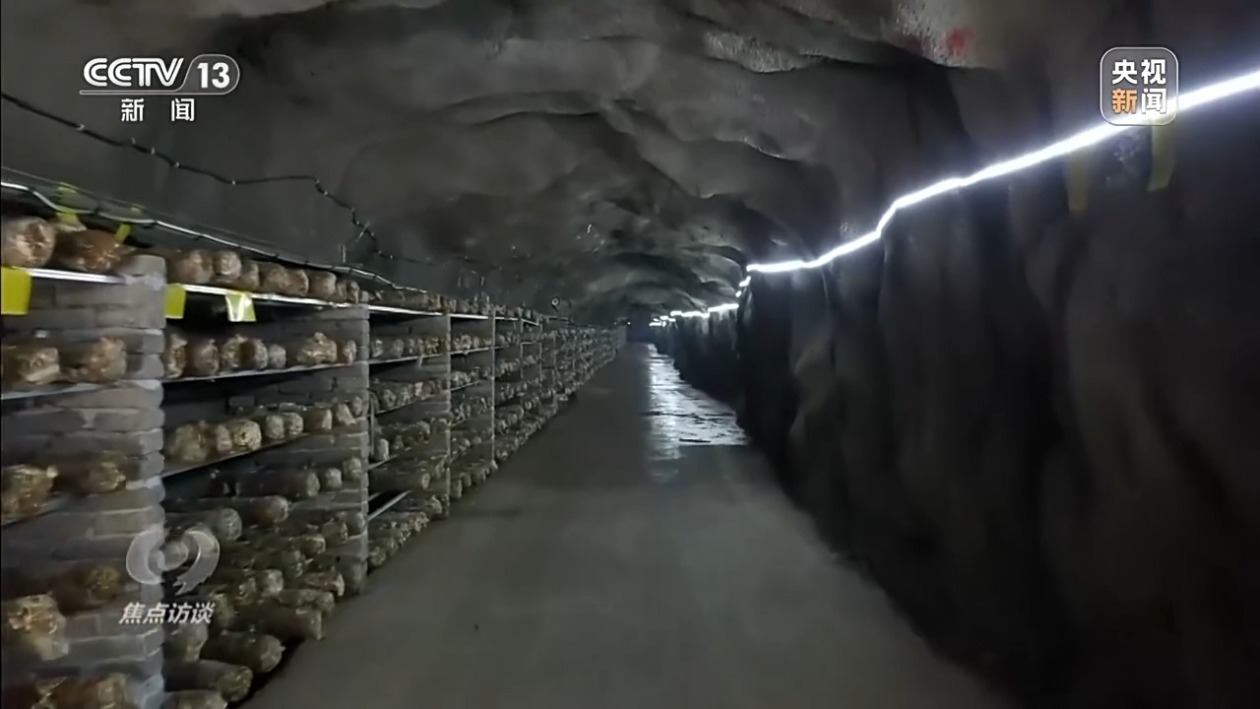
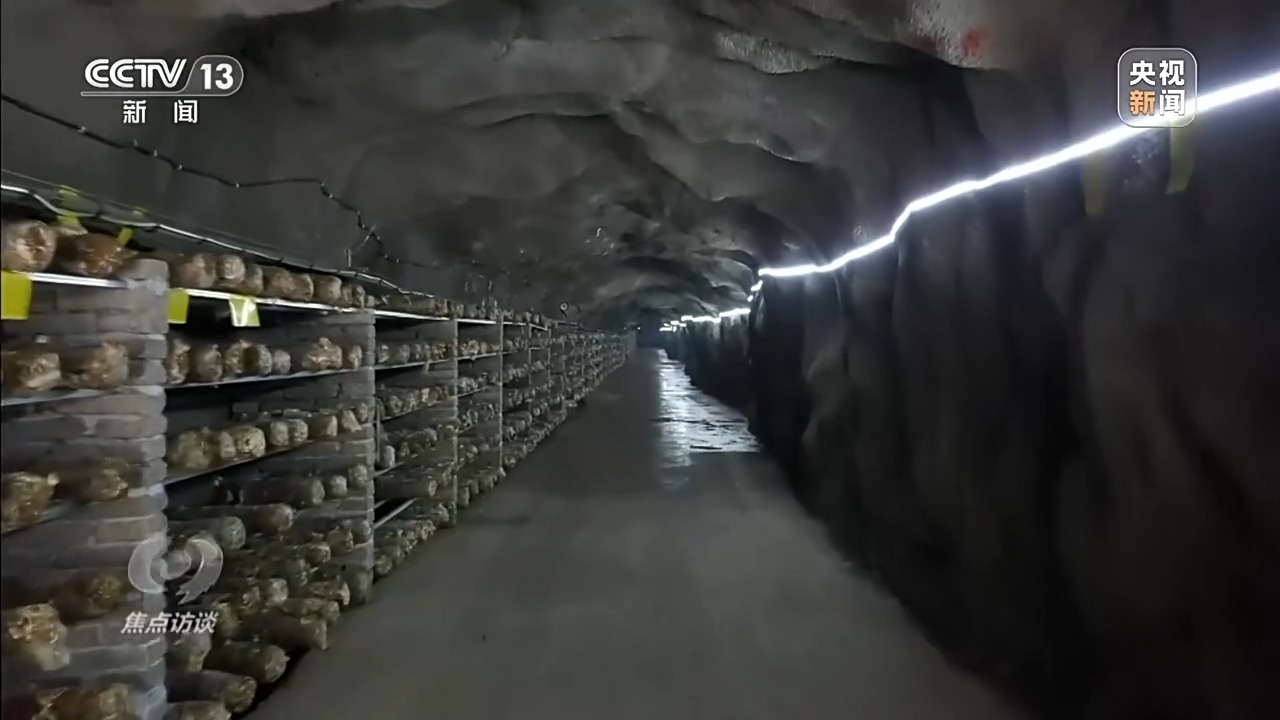
Core Viewpoint - The construction of beautiful villages is crucial for rural revitalization and the overall ecological civilization in China, with the Ministry of Ecology and Environment announcing the first batch of 23 beautiful village pilot areas [1][9]. Group 1: Beautiful Village Pilot Areas - The first batch of beautiful village pilot areas includes counties that meet basic ecological conditions, such as clean water and beautiful mountains, with effective waste and sewage management [9][11]. - The pilot areas aim to explore high-quality, low-cost environmental governance techniques and promote replicable experiences for other regions [11][25]. Group 2: Case Study - Yaozhihe Village - Yaozhihe Village in Hubei Province transformed its economy from mining to edible mushroom production, achieving an annual output value exceeding 50 million yuan [5][7]. - The village has undergone ecological restoration, with over 75% of rural sewage treated and 97% of household waste managed harmlessly, turning ecological deficits into a "beautiful economy" [7][9]. Group 3: Case Study - Liyang City - Liyang City has developed an ecological tourism chain along the "Liyang No. 1 Road," connecting 312 natural villages and over 220 tourism spots, enhancing rural tourism development [15][17]. - The village of Wangjia has seen significant economic improvement through the establishment of a homestay industry, generating over 300,000 yuan in collective income annually [15][17]. Group 4: Broader Implications - The initiative for beautiful villages is part of a broader strategy to enhance rural living conditions and promote urban-rural integration, contributing to a modernized and beautiful China [13][19]. - By 2027, the goal is to support around 100 counties in establishing beautiful village pilot areas, aiming for a 40% completion rate in beautiful village construction across over 2,800 agricultural counties [25].

“生态赤字”如何变为“美丽经济”?这些乡村给出了答案
Yang Shi Xin Wen Ke Hu Duan· 2026-01-31 12:32
Core Viewpoint - The construction of beautiful rural areas is crucial for rural revitalization, the overall development of a beautiful China, and ecological civilization [13] Group 1: Beautiful Rural Areas and Ecological Development - The Ministry of Ecology and Environment has announced the first batch of beautiful rural pilot areas, which includes 23 counties (cities, districts) [13] - Beautiful rural areas are characterized by clean villages, effective sewage and waste management, and the elimination of black and odorous water bodies [9] - The pilot areas are expected to explore high-quality, low-cost environmental governance technologies and practices that can be replicated and promoted [11] Group 2: Case Study of Baokang County - Baokang County has transformed its economy from mining to edible mushroom production, utilizing abandoned mines for cultivation, achieving an annual output value exceeding 50 million yuan [5] - The county has implemented ecological restoration and improved rural living environments, with over 75% of rural sewage treated and 97% of household waste managed harmlessly [7] - The local tourism revenue is projected to reach 5.5 billion yuan by 2025, with a green GDP contribution rate of over 40% [7] Group 3: Integration of Urban and Rural Development - The development of beautiful rural areas is also aimed at promoting urban-rural integration and addressing the dual structure of development [15] - In Liyang, Jiangsu, the "Liyang No. 1 Road" connects various rural tourism points, enhancing the local tourism industry and increasing farmers' incomes [17][19] - The integration of cultural, sports, and tourism industries in rural areas has led to significant economic benefits for local communities [19] Group 4: Future Goals and Initiatives - By 2027, the goal is to support around 100 counties in building beautiful rural pilot areas, aiming for a 40% completion rate of beautiful rural areas across over 2,800 agricultural counties [27] - The quality of rural ecological environments is expected to improve continuously, with a target of 20% completion of beautiful rural areas by 2025 [27] - The emphasis is on creating high-quality living spaces in rural areas to enhance the sense of gain and happiness among farmers [27]
山上呵护生态 山下提升业态
Xin Lang Cai Jing· 2026-01-30 18:43
Core Viewpoint - The transformation of the Daqingshan area from a barren landscape to a vibrant winter tourism destination is attributed to over a decade of ecological restoration efforts, showcasing the successful integration of ecological protection and economic development [2][3]. Group 1: Ecological Restoration - A comprehensive ecological restoration initiative has led to the closure of 292 polluting enterprises, the demolition of 600,000 square meters of illegal constructions, and the planting of nearly 18 million trees and flowers, resulting in approximately 98,000 acres of land being reforested [3]. - The forest coverage rate in the area has stabilized at 41%, providing a solid ecological foundation for the current tourism activities [3]. Group 2: Economic Development - The new district is implementing a development philosophy that balances ecological protection with economic growth, exploring pathways for green and prosperous coexistence [3]. - The "North Xinjiang Ecological Tour" route has been established, connecting various scenic spots and enhancing tourism opportunities, with new business models such as "music + tourism" and "events + tourism" emerging [3]. Group 3: Rural Development - Watermill Village, part of the Daqingshan National Nature Reserve, has developed into a model for eco-tourism, featuring 167 independent lodges and various local businesses, contributing to the local economy [4]. - All 24 administrative villages in the new district have reported collective economic incomes exceeding 200,000 yuan annually, with half of them surpassing 1 million yuan [5]. Group 4: Quality of Life Improvements - Significant improvements in rural living conditions have been achieved, with over 98% of households now connected to municipal sewage systems and the widespread adoption of modern sanitation facilities [7]. - The integration of urban and rural services has enhanced the quality of life for residents, with streamlined access to government services and healthcare [7]. Group 5: Sustainable Development Model - The successful creation of a "National Ecological Civilization Construction Demonstration Zone" illustrates that ecological protection can be a unique advantage for high-quality development [7]. - The region serves as a practical example of sustainable development, demonstrating that ecological beauty can lead to economic prosperity and improved living standards for residents [7].
焦点访谈|为何要建美丽乡村先行区?答案藏在这些变化里
Yang Shi Wang· 2026-01-30 13:30
Core Viewpoint - The construction of beautiful villages is crucial for rural revitalization, the overall ecological civilization, and the development of a beautiful China, with the Ministry of Ecology and Environment recently announcing the first batch of 23 beautiful village pilot areas [1][8]. Group 1: Beautiful Village Pilot Areas - The first batch of beautiful village pilot areas includes 23 counties (cities, districts) such as Anji in Zhejiang, Shaoshan in Hunan, and Panjin in Liaoning, which meet basic conditions like clean mountains and waters, effective sewage and waste management, and the elimination of black and odorous water bodies [5][8]. - These pilot areas are expected to explore high-quality, low-cost environmental governance techniques and promote replicable experiences in transforming ecological advantages into economic benefits [6][12]. Group 2: Ecological Restoration and Economic Transformation - In Baokang County, the transition from mining to edible mushroom production in abandoned mines has led to an annual output of 3 million mushroom sticks and a revenue exceeding 50 million yuan, showcasing a successful model of ecological restoration [3][5]. - The county has also achieved over 75% sewage treatment and 97% harmless waste disposal rates, indicating a shift from ecological deficit to a "beautiful economy" [5][12]. Group 3: Urban-Rural Integration and Development - The development of the "1st Road" in Liyang, Jiangsu, has connected 312 natural villages and over 220 rural tourism spots, facilitating the integration of urban management experiences into rural development [10][12]. - The establishment of a homestay industry association has helped local villages like Wangjia Village to enhance their tourism offerings, resulting in collective operating income exceeding 300,000 yuan [10][12]. Group 4: Agricultural and Environmental Improvements - In Huaiyang District, Zhoukou, Henan, systematic governance of a previously polluted pond has restored its ecological system, enhancing agricultural productivity and water conservation [14][16]. - The introduction of "fishing-solar complementary" projects in local ponds has generated significant income through both aquaculture and renewable energy production, demonstrating innovative agricultural practices [16][18]. Group 5: Future Goals and Vision - By 2027, the goal is to support around 100 counties in establishing beautiful village pilot areas, aiming for a 40% completion rate of beautiful villages across over 2,800 agricultural counties [16][18]. - The emphasis on creating high-quality living spaces in rural areas aligns with the broader vision of making beautiful villages a hallmark of a modernized strong nation and a vibrant ecological civilization [18].
农业银行:全力支持乡村全面振兴和城乡融合发展
Jin Rong Shi Bao· 2026-01-30 02:10
要始终把服务"三农"作为重中之重,全力支持乡村全面振兴和城乡融合发展。专注主责主业,持续 向县域农村倾斜金融资源。加大粮食全产业链、宜居宜业和美乡村建设、乡村特色产业等重点领域信贷 投放,高质量推进农户金融服务。建立健全常态化金融帮扶工作机制,助力守牢不发生规模性返贫致贫 底线。 要加大重点领域融资供给,助力巩固拓展经济稳中向好势头。坚持投资于物与投资于人紧密结合, 持续加大"两重""两新"和民生、消费等领域金融支持。进一步做优金融"五篇大文章",完善科技金融服 务体系,全力支持现代化产业体系建设和新质生产力发展。 要有力有序有效防范化解风险,守牢高质量发展的安全底线。积极稳妥化解地方政府债务、房地产 等重点领域信用风险,持续抓好普惠零售贷款风险防控,始终保持资产质量优良。增强科技安全韧性, 提升新型风险防范化解能力。 1月28日,农业银行2026年党建和经营工作会议在京召开。农业银行党委书记、董事长谷澍就2026 年党建和经营工作作了讲话,党委副书记、行长王志恒主持会议并对2026年业务经营作具体安排。 会议强调,2026年是"十五五"开局之年,要深入学习贯彻党的二十届四中全会精神,全面深刻准确 领会和把握 ...

紧扣大局扎实推进高质量发展 龚正参加青浦区委常委会民主生活会
Jie Fang Ri Bao· 2026-01-30 01:49
会上,青浦区委书记王平代表区委常委会班子认真作对照检查。各位班子成员逐一作对照检查,开 展批评和自我批评。 龚正指出,要践行"笃信、务实、担当、自律"重要要求,进一步砥砺品格、奋发作为,当好党性党 风标杆。强化深学笃信,更加自觉地用抓贯彻、抓执行的实际行动践行对党忠诚。强化求真务实,更加 自觉地用正确政绩观引领苦练内功、真抓实干。强化使命担当,更加自觉地依靠改革创新打开事业发展 新局面。强化廉洁自律,更加自觉地按制度规矩办事、永葆清廉本色。 龚正指出,青浦是上海服务进博会、推动长三角一体化发展等国家战略的核心承载区,要紧扣全市 发展大局,扎实推进高质量发展。在服务落实国家战略上下更大功夫,高起点推进长三角一体化示范区 建设,高水平服务虹桥国际开放枢纽建设,高标准助力进博会越办越好。在培育发展新质生产力上下更 大功夫,全面增强自主创新能力,发展壮大特色产业集群,推动产业园区集约化发展。在推进城乡融合 发展上下更大功夫,扎实推进新城建设和乡村全面振兴。在提高人民生活品质上下更大功夫,全力推进 民心工程、办好民生实事,深入实施城市更新行动,持续提升城市治理效能。要以更加饱满的精神状 态、更加务实的工作作风,攻坚克难 ...
甘肃省第十四届人民代表大会财政经济委员会关于甘肃省国民经济和社会发展第十五个五年规划纲要草案的审查结果报告
Xin Lang Cai Jing· 2026-01-30 00:59
甘肃省第十四届人民代表大会财政经济委员会关于甘肃省国民经济和社会发展第十五个五年规划纲要草 案的审查结果报告 (2026年1月29日省十四届人大四次会议主席团第三次会议通过) 省十四届人大四次会议主席团: 甘肃省第十四届人民代表大会第四次会议审查了省人民政府提出的《甘肃省国民经济和社会发展第十五 个五年规划纲要(草案)》(以下简称《纲要草案》)。财政经济委员会根据各代表团和有关专门委员 会的审查意见,又作了进一步审查。现将审查结果报告如下。 一、关于"十四五"规划纲要实施情况的总体评价 财政经济委员会认为,"十四五"时期是甘肃发展极不寻常、极不平凡的五年。全省上下坚持以习近平新 时代中国特色社会主义思想为指导,全面贯彻党的二十大和二十届历次全会精神,深入贯彻习近平总书 记视察甘肃重要讲话重要指示精神,按照省委工作部署,加快构建"一核三带"区域发展格局,大力实 施"四强"行动,扎实做好"五量"文章,深入推进"引大引强引头部"行动,着力打造"七地一屏一通道", 有力有效应对疫情冲击和突如其来的自然灾害,顶压前行、迎难而上,综合经济实力大幅跃升,现代化 产业体系加速构建,科技创新水平持续提升,改革开放激发发展活力, ...