技术主权

Search documents
幕后细节披露!涉半导体企业,美国被曝曾施压荷兰更换中国CEO
Huan Qiu Wang· 2025-10-16 00:18
Core Points - The article reveals that the U.S. has been pressuring the Netherlands to take control of the Chinese company, Anshi Semiconductor, following its inclusion on the U.S. Entity List [1][2] - The Dutch government intervened to separate Anshi Semiconductor from its Chinese parent company, Wingtech Technology, in response to U.S. trade restrictions [2][3] - The situation highlights the impact of U.S.-China tensions on the tech industry and demonstrates the U.S. leveraging its trade power to align allies [2][3] Summary by Sections U.S. Pressure and Control - The U.S. has been exerting pressure on the Netherlands to ensure Anshi Semiconductor's operational independence from Chinese ownership [1][2] - A Dutch court ruling confirmed the takeover of Anshi Semiconductor by the Dutch government, which was initiated after the U.S. placed Wingtech Technology on the Entity List [1][2] Dutch Government's Actions - The Dutch Ministry of Economic Affairs took control of Anshi Semiconductor from Wingtech Technology, and a court subsequently suspended the CEO position of Zhang Xuezheng [2][3] - This intervention is seen as a significant move in the semiconductor sector, marking the first application of the Dutch Supply Chain Act in this context [2] Broader Implications - The actions taken by the Dutch government reflect a response to U.S. sanctions and indicate a shift towards greater control over strategic semiconductor companies [3] - The situation underscores the EU's attempts to navigate "de-risking" and "technological sovereignty" in high-tech sectors, signaling a willingness to cooperate with the U.S. on key technology security issues [3]

幕后细节披露!涉半导体企业,美国被爆曾施压荷兰更换中国CEO
Huan Qiu Shi Bao· 2025-10-15 22:53
Core Viewpoint - The article highlights the increasing pressure from the United States on the Netherlands to take control of the Chinese company Anshi Semiconductor, reflecting the broader impact of US-China tensions on the technology sector [1][2]. Group 1: Company Actions - The Dutch government has taken control of Anshi Semiconductor from its Chinese parent company, Wentai Technology, in response to US pressure [1][2]. - A Dutch court approved an emergency application to suspend the CEO position of Zhang Xuezheng from Wentai Technology at Anshi Semiconductor [2]. - The Dutch government is attempting to ensure Anshi Semiconductor operates independently from its Chinese ownership to avoid being blacklisted by the US [2][3]. Group 2: Industry Implications - The intervention in Anshi Semiconductor is seen as a significant industry reaction to the expanded US sanctions, marking the first use of the Dutch Supply Chain Act in the semiconductor sector [2]. - The situation illustrates the EU's attempts to practice "de-risking" and "technological sovereignty" in high-tech fields, signaling a willingness to cooperate with the US on key technology security issues [3]. - The Dutch government's actions reflect a strategic shift in controlling semiconductor enterprises under the guise of national security [3].
遭背刺!稀土管制下,巴基斯坦向美国献上2吨稀土,中方一招反制
Sou Hu Cai Jing· 2025-10-15 13:48
Core Viewpoint - Pakistan has signed a cooperation agreement with the United States to jointly develop its significant oil reserves and has begun shipping rare earth samples to the U.S., indicating a strategic pivot that may challenge China's influence in the region [1][3]. Group 1: Pakistan's Strategic Moves - Pakistan plans to propose the development of a port in Pasni with the U.S., which will serve as a hub for transporting critical mineral resources, located only 112 kilometers from the Chinese-built Gwadar port [1]. - This move is seen as a geopolitical maneuver by Pakistan to enhance its standing and leverage its "all-weather strategic partnership" with China while simultaneously courting the U.S. [12]. Group 2: China's Response - In response to Pakistan's actions, China's Ministry of Commerce has implemented new regulations that emphasize "technology traceability," requiring approval for any products using Chinese technology, regardless of where they are produced [3][10]. - China's control over the global rare earth supply chain is highlighted, as it possesses critical technologies for mining, refining, and manufacturing, making it difficult for other countries, including Pakistan, to establish independent supply chains [5][6]. Group 3: U.S. Military Implications - The U.S. military's reliance on rare earth materials is underscored, with significant quantities required for advanced military equipment such as the F-35 fighter jet and Virginia-class submarines, raising concerns about supply shortages [8][10]. - The Pentagon has invested $439 million to rebuild the domestic rare earth supply chain, but the lack of essential processing technology remains a significant barrier [10][12]. Group 4: Long-term Geopolitical Dynamics - The situation reflects a broader geopolitical struggle, with China asserting its technological sovereignty and signaling that any attempts by third parties to exploit this situation will face severe consequences [14][16]. - The evolving dynamics suggest that geographical location and natural resources alone will not suffice as leverage in international relations; technological barriers have become a new frontier in geopolitical strategy [16].


芯片设备,产能过剩
半导体芯闻· 2025-10-13 10:26
Core Insights - The semiconductor industry is at a unique intersection of opportunities and uncertainties, driven by technological advancements and geopolitical factors affecting equipment procurement [1][3][6] - The WFE market is projected to reach $184 billion by 2030, with equipment shipments at $151 billion and service shipments at $33 billion, reflecting a stable growth trajectory despite challenges [1][15] Market Dynamics - The semiconductor industry is currently facing significant overcapacity, with foundries and IDMs experiencing low utilization rates and squeezed profitability, yet equipment investments continue [3][6] - Geopolitical factors are leading to redundant construction of fabs as regions seek to strengthen local manufacturing ecosystems, ensuring ongoing demand for WFE tools [6][15] Competitive Landscape - The market remains highly concentrated, with the "Big Five" companies—ASML, Applied Materials, Lam Research, Tokyo Electron, and KLA—projected to hold nearly 70% of the market share by 2024 [7][8] - This concentration reflects the capital intensity, technical expertise, and long-term relationships required to serve leading chip manufacturers, creating significant barriers to entry [9] Equipment Segmentation - In 2024, patterning equipment will dominate the market with a 26.5% share, followed by deposition, etching, cleaning, and measurement [9][12] - The compound annual growth rates (CAGRs) for various equipment segments from 2024 to 2030 are as follows: - Patterning: +4.7% - Etching and Cleaning: +5.5% (fastest growth) - Deposition: +4.0% - Measurement and Inspection: +4.3% - CMP: +4.3% - Ion Implantation: +2.0% (slowest growth) - Wafer Bonding: +10.4% (fastest in a smaller segment) [12] Innovation Drivers - The evolution of semiconductor devices is driving corresponding innovations in the WFE sector, with a focus on providing integrated process solutions that meet the changing demands of the industry [14][19] - Key innovations from 2024 to 2030 will include multifunctional, modular equipment architectures that can be reconfigured for various process needs [14][19] Future Outlook - The WFE market is expected to grow to $184 billion by 2030, supported by stable CAGRs of 4-5% in both equipment and services, with market leadership remaining concentrated among the "Big Five" [15][19] - The ongoing competition and technological advancements will continue to shape the market, particularly in patterning and deposition technologies, as well as emerging areas like wafer bonding and advanced packaging [15][19]



芯片设备,产能过剩
半导体行业观察· 2025-10-12 01:17
Core Insights - The semiconductor industry is at a crossroads of unprecedented opportunities and uncertainties, driven by technological advancements and geopolitical factors affecting equipment procurement [2][4] - The WFE market is projected to reach $184 billion by 2030, with equipment shipments at $151 billion and service shipments at $33 billion, reflecting a stable growth trajectory despite structural inefficiencies and economic pressures [2] WFE Market: Overcapacity and Redundancy - The semiconductor industry is facing significant overcapacity, with foundries and IDMs experiencing low utilization rates and squeezed profitability, yet equipment investments continue [4] - This dynamic leads to redundant construction of fabs as regions seek to strengthen local manufacturing ecosystems, ensuring sustained demand for WFE tools despite short-term returns being suppressed [7] Competitive Landscape - The market concentration among the "Big Five" remains a notable characteristic of the WFE industry, reflecting the capital intensity, technical expertise, and long-term relationships required to serve leading chip manufacturers [9][10] - By 2024, the "Big Five" (ASML, Applied Materials, Lam Research, Tokyo Electron, and KLA) are expected to hold nearly 70% of the market share, with ASML leading at approximately 20% due to its dominance in EUV lithography [15] Equipment Segmentation: Technology and Applications - In 2024, lithography equipment will dominate the market with a 26.5% share, followed by deposition, etching, cleaning, and measurement [12] - The compound annual growth rates (CAGRs) for various technologies from 2024 to 2030 are as follows: lithography at +4.7%, etching and cleaning at +5.5%, deposition at +4.0%, and wafer bonding at +10.4% [16] Innovation Driven by Competition - The evolution of semiconductor devices is driving corresponding innovations in the WFE sector, with suppliers needing to respond quickly to maintain competitiveness [19] - Key innovation drivers from 2024 to 2030 include the need for WFE suppliers to provide integrated process solutions that balance specialization and flexibility [19] WFE Market Dynamics - The WFE market reflects the contradictions of modern semiconductor manufacturing, with global overcapacity and low profitability pressures on foundries, while technological autonomy and innovation support market growth [23] - By 2030, the WFE market is expected to grow to $184 billion, driven by stable CAGRs of 4-5% in equipment and services, with market leadership remaining concentrated among the "Big Five" [23]
技术出口人员服务设备维修三管齐下,中国打造稀土技术明牌
Sou Hu Cai Jing· 2025-10-11 01:01
Core Insights - China has shifted its focus from merely discussing the export of rare earth minerals to emphasizing the importance of core technologies in the rare earth industry, signaling a transformative change in the global rare earth landscape [4][14] - The new regulations create a "technical Great Wall," restricting not only the export of equipment but also the entire knowledge system of the rare earth industry, including mining, refining, and application processes [5][7] - This strategic move comes at a time when the U.S. government is facing internal chaos, thereby weakening its ability to exert external pressure, making it an opportune moment for China to assert its technological dominance [9][11] Industry Implications - The regulations effectively prevent foreign entities from accessing critical technologies, making it difficult for other countries to replicate China's rare earth industry, thus locking in China's competitive advantage [7][12] - The announcement challenges the U.S. strategy of diversifying rare earth supply chains through partnerships, particularly with countries like Pakistan, by highlighting that possessing raw materials alone is insufficient without the necessary processing technologies [13][14] - This move serves as a wake-up call for countries reliant on single-source technology solutions, urging them to reassess their vulnerabilities in critical technology sectors [15] Strategic Shift - China's proactive approach in defining new competitive rules marks a significant strategic upgrade, moving from a reactive stance to one that shapes the global narrative around technology sovereignty [18] - The emphasis on controlling core technologies over merely possessing natural resources indicates a profound shift in the balance of power in global trade and technology [18]

稀土出口管制升级:技术主权再强化
Tai Mei Ti A P P· 2025-10-11 00:30
Group 1 - The core viewpoint of the articles highlights China's recent upgrade in rare earth export controls, emphasizing the reinforcement of technological sovereignty through stricter regulations on the entire rare earth industry chain [1][2] - The Ministry of Commerce issued announcements that include both item and technology controls, requiring approval for all aspects of rare earth technology exports, from mining processes to the manufacturing of magnetic materials [1] - The tightening of rare earth controls is not solely due to bilateral trade frictions but is also a strategic move to safeguard China's technological sovereignty in a competitive global landscape [2] Group 2 - Rare earths have become a focal point of international attention since the 21st century, with multiple rounds of US-China trade negotiations addressing rare earth issues [1] - The technological barriers in the rare earth industry are significant, particularly in processing, which includes steps from ore selection to the separation of rare earth oxides and the refining of individual metals [2] - The purity of rare earth products is crucial for the performance of downstream materials, such as permanent magnets used in electric vehicles and robotics, highlighting the strategic importance of rare earths in emerging technologies [2]
特朗普刚欲收巴铁“大礼”,中国商务部一招封喉,稀土战局逆转
Sou Hu Cai Jing· 2025-10-09 14:42
Core Viewpoint - China has redefined the rules of the global rare earth game by implementing a new regulation that restricts not only the export of rare earth minerals but also the core technologies involved in their processing and application, effectively locking down the entire industry chain [1][20][26] Summary by Sections New Regulation Impact - The new regulation creates an invisible "technical Great Wall," encompassing the entire rare earth industry chain from mining to refining and application, including related services [3][5] - The regulation restricts any foreign entity from obtaining technical support, even for consultations, thereby limiting external access to critical technologies [3][5] Technical Control - The control extends to the installation, debugging, and maintenance of production equipment, creating a closed-loop system where foreign entities cannot utilize equipment without Chinese technical personnel's approval [5][6] - This move protects decades of accumulated specialized knowledge that cannot be easily replicated through reverse engineering [6][7] Strategic Timing - The timing of this announcement coincided with a period of internal chaos in the U.S. government, which was experiencing a shutdown, thereby weakening its ability to exert external pressure [9][11][12] - This strategic timing highlights China's ability to act decisively while the U.S. was distracted by domestic issues [14][20] U.S. Response and Realities - The U.S. had been pursuing a strategy to develop rare earth resources in Pakistan to reduce reliance on China, but China's announcement undermined this effort before it could gain traction [16][18] - The situation reveals a harsh reality for the U.S.: possessing mineral resources does not equate to having the necessary processing and refining technologies, which China currently dominates [18][20] Global Implications - China's actions signal a shift in competitive focus from resource acquisition to technology control, emphasizing the importance of mastering the "brain" of the industry rather than just the "body" of natural resources [20][26] - This development serves as a wake-up call for countries to reassess their reliance on single-source technology solutions, which may pose significant risks in the future [24][26]

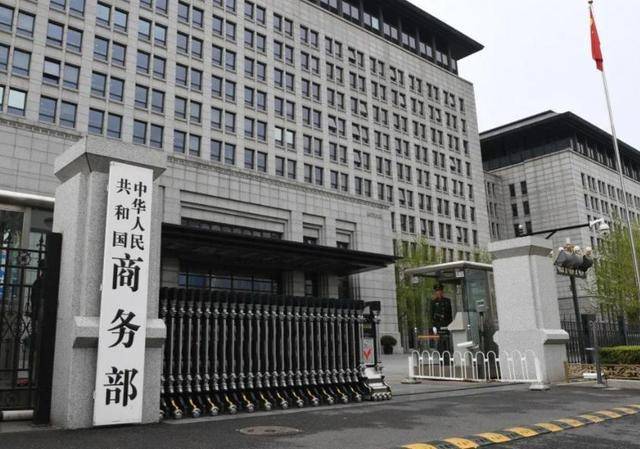
来得真快:中国商务部通告全球,特朗普想不到,中国还留了一手
Sou Hu Cai Jing· 2025-10-09 09:09
Core Viewpoint - The announcement from China's Ministry of Commerce on October 9 outlines a comprehensive regulatory framework for rare earth technology, aiming to protect the entire industry chain and prevent technology leakage, especially in the context of ongoing U.S.-China trade negotiations [2][16][24]. Group 1: Regulatory Framework - The announcement, numbered "2025 No. 62," establishes a multi-layered firewall system covering the entire rare earth industry chain, from mining to high-value production [4][6]. - It includes regulations on recycling technologies for rare earth secondary resources and related service knowledge, creating a complete technological closed loop [6][8]. - A notable provision requires licenses for exports of non-restricted items if the exporter is aware that they will be used for rare earth-related activities abroad, indicating a proactive approach to prevent technology outflow [8][10]. Group 2: Knowledge and Human Capital - The announcement identifies all Chinese citizens, legal entities, and organizations as applicable subjects, emphasizing the protection of human capital as a core asset [12][14]. - It redefines knowledge transfer, including investment, education, and joint research, as controlled technology transfer, thus placing restrictions on previously normal international collaborations [14][16]. - The regulation aims to prevent the acquisition of sensitive technologies through high-salary recruitment and other means, highlighting the importance of protecting expert knowledge [10][12]. Group 3: Strategic Implications - The timing of the announcement is strategically significant, as it coincides with ongoing trade negotiations, positioning it as a countermeasure against Western technology restrictions [16][18]. - China's control over rare earth technology is seen as a non-symmetric tool to counteract efforts by the U.S. and its allies to reduce reliance on Chinese supply chains [18][20]. - The announcement effectively disrupts Western countries' attempts to develop alternative supply chains, as they lack the necessary purification technology and complete industry chain that China possesses [20][22]. Group 4: Future Outlook - The regulatory measures signify a shift in the global technology landscape, with China asserting that core technologies will not be relinquished easily [24][26]. - The focus on intellectual property and knowledge as strategic resources suggests that future international competition will increasingly revolve around technological sovereignty [26].
欧洲最强芯片,发布
半导体行业观察· 2025-10-03 01:56
Core Viewpoint - SiPearl has announced the launch of the Athena1 processor, designed for dual-use in HPC, AI, and data center applications, emphasizing security and performance tailored for government, defense, and aerospace workloads [2][3]. Group 1: Athena1 Processor - The Athena1 processor will feature models with 16, 32, 48, 64, or 80 Arm Neoverse V1 cores, depending on application requirements [2]. - Manufacturing of the Athena1 chip will be entrusted to TSMC, with initial packaging in Taiwan and plans to move packaging to Europe [2]. - The commercial release of Athena1 is scheduled for the second half of 2027 [2]. Group 2: Rhea1 Processor - SiPearl's Rhea1 processor, which has 80 Arm Neoverse V1 cores and over 61 billion transistors, has completed its design and is set to enter production at TSMC [4][7]. - Rhea1 will support various programming languages and modern AI frameworks, making it suitable for traditional HPC workloads and AI inference tasks [4]. - Samples of Rhea1 are expected to be available in early 2026 [4]. Group 3: Funding and Strategic Importance - SiPearl has completed a €130 million Series A funding round, the largest of its kind in the European foundry semiconductor industry [6]. - The funding will accelerate the industrialization of Rhea1 and the development of next-generation processors for emerging markets [6]. - SiPearl aims to enhance Europe's technological sovereignty in HPC and AI, addressing strategic challenges in security and defense [7]. Group 4: Company Background and Vision - SiPearl was founded in 2020 with support from the EU and has built a team of 200 employees across France, Spain, and Italy [4][7]. - The company emphasizes the importance of independent hardware development for Europe in the context of geopolitical uncertainties and increasing cybersecurity threats [3][7]. - SiPearl's CEO highlights the need for strong partnerships within the global semiconductor ecosystem, particularly with Taiwan, to bolster Europe's position in the industry [7].