
文化强国建设

Search documents
中国妇女奋斗建功新时代丨绽放“她时代”的璀璨光芒——中国妇女在文化繁荣发展中展现风采
Xin Hua Wang· 2025-10-08 08:40
Core Viewpoint - The rise of "her power" has significantly enhanced the cultural landscape in China, with women actively participating as creators, enablers, and trendsetters in various cultural fields [1][7]. Group 1: Cultural Contribution - Women are increasingly visible in cultural creation, research, and preservation, contributing to a richer cultural expression in contemporary society [1]. - The "New Era China Promoting Women's Comprehensive Development Practice and Achievements" white paper highlights that 45.2% of the national cultural talent project participants are women, and 25% of national intangible cultural heritage representatives are female [1]. Group 2: Heritage Preservation - A women's archaeological team in Chongqing has been active since 2012, dedicating over 200 days a year to fieldwork, showcasing unique female strength in cultural heritage protection [2][3]. - Wan Xiaojuan, a representative inheritor of Bian embroidery, is transforming this ancient craft into a dual force for cultural transmission and women's development, engaging with schools and universities to attract younger generations [3]. Group 3: Cultural Dissemination - Chen Jing, the 58th inheritor of Hua Tuo's Five Animal Play, has been promoting this traditional practice globally, teaching in over 30 countries and creating online teaching resources [4]. - Female writers in the Chinese online literature scene are using their perspectives to tell Chinese stories, breaking cultural barriers and gaining international readership [4][5]. Group 4: Social Impact - Ordinary women are contributing positively to society through family values and community service, exemplified by individuals like Huang Yixiang and Liu Faying, who have dedicated their lives to education and community welfare [6]. - These women embody the spirit of love and responsibility, reinforcing the importance of family and community in societal development [6][7]. Group 5: Future Outlook - The multifaceted influence of Chinese women in cultural and social spheres is expected to continue growing, contributing to the prosperity and development of Chinese culture in the future [7].
为强国建设、民族复兴伟业凝聚强大精神力量
Ren Min Ri Bao· 2025-10-07 02:07
Core Viewpoint - The article emphasizes the importance of cultural confidence and the role of Xi Jinping's cultural thought in promoting national rejuvenation and building a strong socialist cultural nation [1][5][24]. Group 1: Cultural Development and National Identity - The construction of a culturally strong nation has made significant progress, with events like the commemoration of the 80th anniversary of the victory in the Anti-Japanese War showcasing patriotic sentiments through music and art [2][3]. - Xi Jinping's cultural thought has been formally introduced, highlighting its value in guiding cultural practices and fostering a strong national spirit [1][4]. Group 2: Cultural Heritage and Preservation - There has been a notable increase in efforts to protect cultural heritage, with over 76,700 immovable cultural relics and 1.08 billion movable cultural relics being documented [13]. - The return of significant cultural artifacts, such as the bullet library silk books, and the inclusion of the Western Xia Tombs in the World Heritage List, reflect the growing cultural soft power of the nation [16]. Group 3: Cultural Innovation and Modernization - The integration of technology in cultural expressions, such as the use of a dynamic ink rendering engine in films, demonstrates the innovative approaches being adopted in the cultural sector [19]. - The cultural and related industries are projected to generate revenues of 141.51 billion yuan in 2024, indicating a 6% year-on-year growth [19]. Group 4: Talent Development in Cultural Sector - The government is actively cultivating a large pool of cultural talent, with initiatives like the training of over 51,000 individuals in non-heritage transmission programs [24]. - The establishment of cultural teams and the promotion of local cultural activities are enhancing community engagement and cultural participation [22][24].
为强国建设、民族复兴伟业凝聚强大精神力量 ——宣传思想文化工作高质量发展展现新气象、新作为
Ren Min Ri Bao· 2025-10-06 22:10
Core Viewpoint - The article emphasizes the importance of cultural confidence and the role of Xi Jinping's cultural thought in promoting national rejuvenation and building a strong socialist cultural nation [1][5][24]. Group 1: Cultural Development and National Identity - The construction of a culturally strong nation has made significant progress, with events like the commemoration of the 80th anniversary of the victory in the Anti-Japanese War highlighting patriotic sentiments [2][3]. - Xi Jinping's cultural thought has been formally introduced, emphasizing the need for spiritual guidance and the promotion of core socialist values to enhance national identity and cultural cohesion [1][4]. Group 2: Cultural Heritage and Innovation - There is a continuous effort to protect and develop cultural heritage, with over 76,700 immovable cultural relics and 1.08 billion movable cultural relics being documented [13]. - The integration of traditional culture with modern innovation is evident, as seen in the revival of traditional crafts and the promotion of cultural tourism, which has become a new highlight for employment and income generation [14][19]. Group 3: Cultural Education and Talent Development - The government is focusing on cultivating a large pool of cultural talent, with initiatives like the training of over 51,000 individuals in non-heritage transmission programs [24]. - Cultural outreach programs are being implemented across various regions, fostering community engagement and enhancing cultural literacy among the populace [22][23]. Group 4: International Cultural Exchange - The article highlights the importance of international cultural exchange, with Chinese cultural elements gaining popularity globally through various media and events [20][21]. - The promotion of Chinese stories and cultural narratives on international platforms is seen as a way to enhance China's cultural soft power and influence [21].
学有所悟丨为文化强国建设贡献青春力量
Zhong Yang Ji Wei Guo Jia Jian Wei Wang Zhan· 2025-09-25 00:57
Core Viewpoint - The articles emphasize the importance of inheriting and promoting traditional Chinese culture among the youth, highlighting its role in enhancing cultural confidence and moral character, as well as its significance in building a culturally strong nation [1][2][5]. Group 1: Cultural Confidence - Cultural confidence is described as a fundamental and enduring force for national and ethnic development, rooted in the unique identity of Chinese civilization [2][3]. - The youth are encouraged to draw from the spiritual nourishment of traditional culture to strengthen their cultural identity and confidence in a globalized world [2][4]. Group 2: Moral Character - The articles stress the importance of traditional virtues such as "benevolence, righteousness, propriety, wisdom, and trust" as essential moral guidelines for contemporary youth [3][4]. - Young people are urged to integrate virtues like integrity, kindness, and dedication into their daily lives to contribute to a harmonious society [3][5]. Group 3: Historical Wisdom - Traditional Chinese culture is portrayed as a source of wisdom that supports the nation’s resilience and progress, with concepts like "self-improvement" and "moral integrity" being highlighted [4][5]. - Philosophical ideas from historical figures are presented as valuable tools for addressing complex social issues and enhancing critical thinking [4][6]. Group 4: Cultural Development - The articles call for the youth to actively participate in the construction of a culturally strong nation, emphasizing the need for cultural inheritance and innovation [5][6]. - There is a focus on creatively transforming and developing traditional culture to meet contemporary needs and preferences [6][7]. Group 5: International Perspective - The importance of cultivating an international perspective among the youth is highlighted, with an emphasis on effectively communicating Chinese stories and culture to the world [7]. - The articles advocate for enhancing China's cultural soft power and influence through active participation in international cultural exchanges [7].
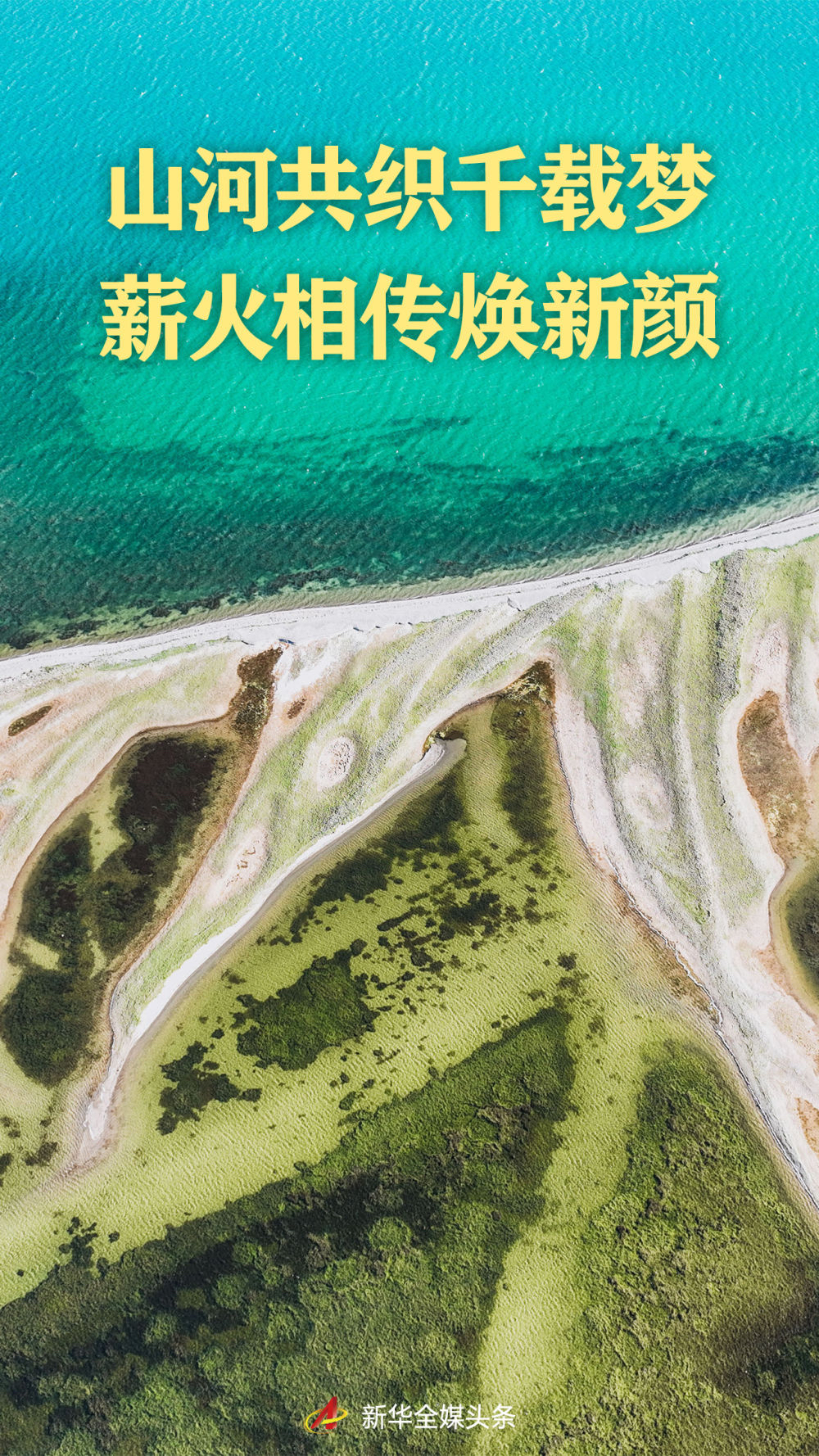
山河共织千载梦 薪火相传焕新颜
Xin Hua She· 2025-09-21 10:12
Group 1 - The western region of China is a significant birthplace of Chinese civilization, showcasing a rich historical heritage and cultural diversity [4] - Traditional culture is being integrated into modern life, contributing to high-quality development and embodying Xi Jinping's cultural thought [4] - The discovery of the "Gari Tang Qin Carving" stone, dating back over 2200 years, highlights the early exploration of the Tibetan Plateau and serves as a historical testament to the unity of Chinese civilization [6] Group 2 - The Xixia Tombs, a newly recognized World Cultural Heritage site, benefit from ongoing monitoring and protective measures to preserve their condition [7] - The Sanxingdui Museum utilizes AI technology for the digital restoration of ancient artifacts, showcasing the intersection of technology and cultural heritage [12] - The Potala Palace employs over 1000 sensors to monitor environmental conditions, ensuring the stability and preservation of this historical site [13] Group 3 - The "Manas" epic is being actively preserved and performed by national-level inheritors, demonstrating the continuity of cultural heritage across generations [15] - The renovation of the Yan'an Pagoda and the enhancement of its interpretive systems aim to keep the revolutionary spirit alive and relevant [17] - The Chongqing Red Rock Revolutionary History Museum employs advanced technologies to recreate historical events, engaging younger audiences in the narrative of national history [18] Group 4 - The Dunhuang Mogao Caves are experiencing a surge in tourism, with digital innovations enhancing the visitor experience and promoting the study of Dunhuang culture [21] - The success of the Zhaoxing Dong Village in tourism reflects the economic benefits of integrating cultural heritage with modern tourism practices [23][25] - The Lijiang Old Town is revitalizing its cultural heritage through immersive tourism experiences, encouraging deeper engagement from visitors [28]

在文化繁荣发展中绽芳华(今日谈)
Ren Min Ri Bao· 2025-09-20 21:48
Core Insights - The white paper titled "Practices and Achievements in Promoting Women's Comprehensive Development in the New Era of China" highlights the significant role of women in creating cultural wealth, with 45.2% of the National Cultural Talent Project participants being women and 25% of national intangible cultural heritage representatives being female [1] Group 1: Women's Contributions to Culture - Female artists are using their talents to narrate stories of rural transformation and evoke admiration for the lives of border herders, showcasing the importance of women's perspectives in contemporary art [1] - The preservation of cultural heritage is supported by both veteran guardians like Fan Jinshi and a new generation of female inheritors, indicating a continuity and evolution in cultural stewardship [1] Group 2: Economic and Social Empowerment - Women leaders are transforming local natural and cultural resources into cultural products and industries, demonstrating their role in driving cultural innovation and economic development [1] - The era is characterized as one where women can fully express their talents, contributing to aesthetic enlightenment and enriching the spiritual world of the people, thereby supporting the construction of a culturally strong nation [1]
西进成都 一场文投会如何撬动东西部文化资本新循环?
2 1 Shi Ji Jing Ji Bao Dao· 2025-09-19 19:57
Core Insights - The 2025 Guangdong-Hong Kong-Macao Greater Bay Area Cultural Industry Investment Conference aims to enhance the interaction and cooperation between cultural enterprises and investment institutions, providing a platform for efficient financing and project matching [1][2][4] Group 1: Event Overview - The conference will be held from November 26 to 28 in Guangzhou, focusing on connecting funding with projects and vice versa [1][2] - The event will adopt a "3+365" model, with three days dedicated to learning, information exchange, and project signing, while extending services throughout the year [1][5] Group 2: Investment Potential - The Greater Bay Area has seen significant economic growth, with nine trillion-level, two five-hundred billion-level, seven hundred billion-level, and two hundred billion-level industrial clusters formed [2][5] - The region's modern industrial system has gained international competitive advantages, with the "Shenzhen-Hong Kong-Guangzhou" tech cluster ranking first globally in innovation index [2][5] Group 3: Success Stories - Companies participating in the conference have reported rapid valuation growth, with one company completing B and C rounds of financing due to the support received from the conference [1][3] - The cultural and creative product "Nezha 2," produced in Chengdu, exemplifies the potential of the region's cultural enterprises [3] Group 4: Investment Outcomes - Over the past two years, the conference has facilitated the release of approximately 25 billion yuan in cultural industry investment funds [6] - In 2023, the intended investment signing amount reached 2 billion yuan, with actual financing of 1.51 billion yuan, while in 2024, the intended signing amount was 5.6 billion yuan, with actual financing reaching 6.387 billion yuan [6]
京平|让文明相互遇见彼此成就
Bei Jing Ri Bao Ke Hu Duan· 2025-09-16 04:20
Core Points - The 2025 Beijing Cultural Forum will focus on the theme of "Integration of Culture and Technology" and aims to enhance international cultural exchanges by inviting experts and scholars, particularly from ancient civilizations [1][3] - The construction of a culturally strong nation is crucial for China's modernization, national rejuvenation, and international competitiveness, with significant cultural policies established since the 18th National Congress of the Communist Party of China [3][4] - Beijing, with its rich historical and cultural heritage, is positioned as the national cultural center and aims to set an example in fulfilling new cultural missions [4] Summary by Sections Cultural Development - The forum will serve as a platform for discussing cultural development strategies and enhancing international cultural dialogue [1][3] - The integration of various cultural elements, including advanced socialist culture, revolutionary culture, and traditional Chinese culture, is emphasized as a source of strength for national rejuvenation [3] International Exchange - The importance of international cultural exchange is highlighted as a means to overcome cultural barriers and conflicts, promoting mutual understanding and development among civilizations [3] - The forum aims to facilitate global dialogue and cooperation in cultural matters, addressing contemporary challenges faced by humanity [3] Beijing's Role - Beijing's historical significance and cultural diversity are underscored, with the city expected to lead in cultural initiatives and set high standards for the forum [4] - The organization of the forum is seen as a practical step towards promoting cultural prosperity and development in the capital [4]
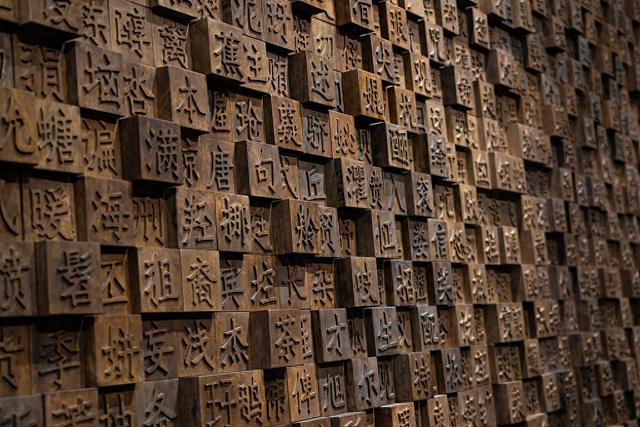
“航空+文旅”相辅相成 甘肃民航精心构造“空中文化会客厅”
Zhong Guo Min Hang Wang· 2025-09-13 08:08
Core Perspective - The article emphasizes the role of Lanzhou Zhongchuan International Airport as a cultural gateway, showcasing Gansu's rich heritage and promoting local culture through various initiatives and products [1][2][5]. Group 1: Cultural Promotion - The airport integrates elements of Dunhuang art into its design, allowing travelers to experience the cultural richness of Gansu through visual and interactive displays [2][3]. - The "Longyuan Wind Collection" handicraft shop and the provincial museum's cultural store offer travelers tangible cultural experiences, featuring local handicrafts and innovative cultural products [2][3]. Group 2: Economic Impact - Since the opening of Terminal 3, the airport has welcomed over 4 million travelers, generating more than 80 million yuan in revenue from local products and cuisine [3]. - The collaboration between the Gansu Airport Group and the provincial cultural tourism department has attracted nearly 100,000 travelers to Gansu through promotional offers [5]. Group 3: Community Engagement - The airport serves as a "micro cultural station," providing dynamic cultural introductions through various media, enhancing travelers' understanding of Gansu's diverse cultural landscape [4]. - Regular cultural events and reading corners in the airport encourage community engagement and promote local literature, making culture accessible to travelers [4][6]. Group 4: Cultural Identity - The airport's initiatives reflect a commitment to making culture an integral part of the travel experience, transforming it into a "touchable cultural venue" that resonates with visitors [5][6]. - The emphasis on local flavors and cultural expressions aims to create a warm and inviting atmosphere for travelers, enhancing their overall experience in Gansu [5][6].
历史的道与义(文思)
Ren Min Ri Bao· 2025-09-05 22:22
Core Viewpoint - The event commemorates the victory of the Chinese people in the War of Resistance against Japan and the global anti-fascist struggle, emphasizing the importance of historical justice and collective memory [3][4]. Group 1: Historical Significance - The event serves as a powerful reminder of the sacrifices made by heroes throughout Chinese history, encapsulated in the inscription on the Monument to the People's Heroes [1]. - The commemoration highlights the transformation of World War II into a global anti-fascist war, leading to significant political changes and the establishment of a more just world order [3]. Group 2: Cultural and Soft Power - The importance of cultural memory and the role of art in shaping global narratives is emphasized, with a call for active participation in global cultural competition [4]. - The need for a robust public cultural service system and high-quality cultural products is identified as essential for building a culturally strong nation [4]. Group 3: Future Aspirations - The event reflects a collective aspiration for a peaceful and stable international order, with a focus on the contributions of new art forms that engage with contemporary social processes [5]. - The commitment to enhancing cross-cultural dialogue and international communication capabilities is highlighted as a means to assert China's cultural narrative on the global stage [4].