消费场景创新

Search documents
安徽:向新向智,打造更多元消费场景
Sou Hu Cai Jing· 2025-11-17 01:20
Core Insights - Consumption remains a key driver of economic growth, with a high contribution rate to GDP growth in recent years [1] - The focus on expanding domestic demand is essential, which includes increasing disposable income, stabilizing employment, and enhancing public service supply [1] - The current economic environment faces challenges of local supply surplus and relatively insufficient consumption [1] Group 1: Economic Strategy - The "14th Five-Year Plan" emphasizes the mutual traction between supply and demand, aiming for a higher level of dynamic adaptation [1] - The commercial circulation industry is crucial in connecting supply and demand, needing to guide manufacturing to optimize supply structure [1] Group 2: Regional Development - Anhui Province has seen significant improvements in its commercial circulation system, with plans to cultivate over 50 large commercial circles and establish 79 provincial-level characteristic commercial streets [1] - The province aims to attract over 200 brand flagship stores annually [1] Group 3: Innovation and Digitalization - Emphasis on innovation across various sectors, including product, technology, culture, and integration innovation [2] - The integration of digitalization and artificial intelligence in retail is highlighted as a key development direction for the commercial circulation system [2] Group 4: Green Development - The importance of green development, environmental protection, and circular economy is stressed, with suggestions for enhancing green consumption incentives and improving the recycling system [2] - The shift in commercial focus from merely selling products to providing services is noted, with considerations for enhancing community living circles and services for specific demographics [2] Group 5: Rural Economic Growth - The rapid growth of the county economy in Anhui Province presents significant opportunities for further development in the retail sector, particularly in rural areas [2]
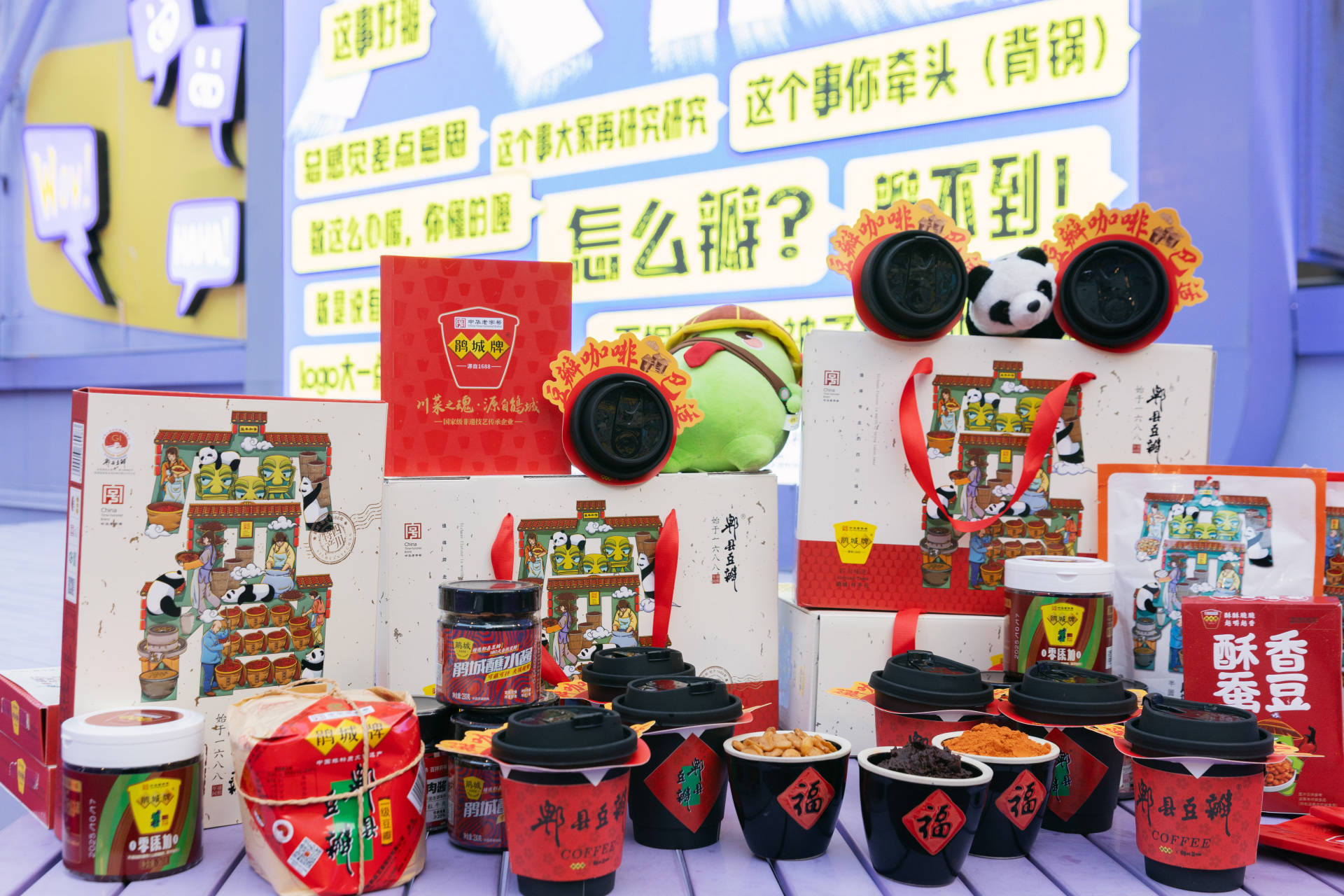
豆瓣咖啡受欢迎 成都郫都区不断打造新消费场景
Sou Hu Cai Jing· 2025-11-11 11:21
Core Insights - The integration of variety content with regional culture is transforming audience engagement into tangible consumer power [2] - The launch of "Single Row Comedy Competition 2" marks a significant step in the development of the "China Comedy Dream Factory" brand, which has quickly gained a foothold in the comedy market since its debut in 2024 [2] - The collaboration between Chengdu's cultural and tourism sectors and various media platforms is enhancing cross-industry synergy and resource sharing [3] Group 1 - The "Single Row Comedy Competition 2" is being recorded live at the C6 theater in Shanghai, which is the first offline experience space for the "China Comedy Dream Factory" [2] - The program aims to resonate with young audiences by combining entertainment with innovative content that challenges conventions [2] - The initiative is supported by a recent policy from multiple government departments aimed at boosting service consumption through quality performances and cultural products [2] Group 2 - The collaboration between the theater and sectors such as commerce, media, and culture is fostering cross-sector interaction and resource complementarity [3] - Content innovation and scene integration are driving the diversification of consumer experiences and enhancing service quality [3] - The initiative aims to provide audiences with richer, immersive, and personalized engagement opportunities [3]

演艺新空间、飞行影院、好特卖超级仓|北京远洋乐堤港打造消费体验新空间
Xin Lang Zheng Quan· 2025-11-11 02:26
Core Insights - Beijing Yuanyang Letipark integrates cultural elements with commercial real estate, creating a new consumer experience space that supports Beijing's development as an international consumption center [1][12]. Group 1: Cultural Integration - The complex is rooted in the Grand Canal culture, offering a multifaceted consumption space that combines cultural depth, commercial vitality, and consumer enthusiasm [3]. - The "Mumu Theater," located on the third floor, is one of the first 25 city-level "performing arts new spaces" in Beijing, featuring a mix of theater, bookstore, cultural creativity, exhibitions, and arts education [3]. - The theater employs a time-sharing operation strategy, catering to different demographics such as families on weekends and urban professionals during weekdays [3]. Group 2: Commercial Innovation - The shopping center hosts nearly 50 flagship and upgraded stores, significantly enhancing the regional commercial capacity, with notable brands like Huawei and NIO House [10]. - The opening of the first "Hao Te Mai Super Warehouse" in Tongzhou attracted over 100,000 visitors within three days, showcasing strong consumer appeal [10]. - Letipark is recognized as a flagship brand of the Yuanyang Group's commercial product line, focusing on "fashion, art, and lifestyle" to create diverse consumption scenarios [12].

新意,带来生意
Ren Min Ri Bao· 2025-10-22 07:06
Core Insights - The restaurant industry is facing challenges with a slight increase in national dining revenue of 0.9% year-on-year in June, while revenue from key dining establishments decreased by 0.4% [5]. - From January to September, total dining revenue reached 40,989 billion, marking a growth of 3.3% [5]. - The recent National Day and Mid-Autumn Festival holidays saw record sales in many regions, with a 2.7% year-on-year increase in sales for key retail and dining enterprises [5]. Industry Challenges - Many restaurant operators express difficulties in the current market, with some describing the situation as "ice and fire" [5]. - High-end dining is experiencing a significant decline in business, with a 40% drop in business banquet orders since May and a more than 20% decrease in beverage revenue [10]. - Increased labor costs are also a concern, with monthly employee costs rising by nearly 2,000 yuan per person [12]. Innovative Strategies - Restaurants are adopting innovative consumption scenarios, such as live sports events and interactive dining experiences, to attract customers [6][8]. - The "Suhou Super League" events in Nanjing have led to increased foot traffic and sales for local restaurants, with promotional activities enhancing customer engagement [6][7]. - Digital marketing strategies, including short video platforms, are becoming essential for driving customer traffic and enhancing brand visibility [9][17]. Market Trends - The industry is witnessing a shift towards "small store + high turnover + digital operation" as a viable path for recovery and growth [15]. - Fast food and snack segments are showing resilience, indicating that high-value, standardized products are more appealing to consumers [14]. - The implementation of food safety regulations is becoming increasingly important, with a focus on transparency and consumer trust [16][17]. Conclusion - The restaurant industry is navigating a complex landscape of challenges and opportunities, with a need for innovation and adaptation to changing consumer preferences and market conditions [10][15].
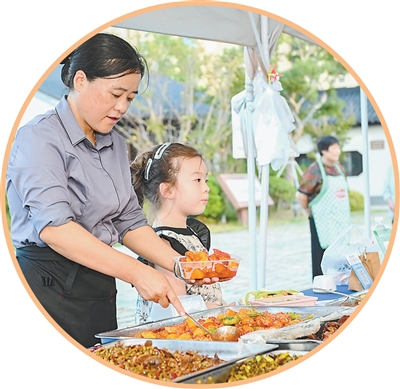
新视窗·培育服务消费新增长点|新意,带来生意——餐饮业在创新中突围
Ren Min Ri Bao· 2025-10-22 06:00
Core Insights - The restaurant industry is facing significant challenges, with a slight year-on-year revenue growth of 0.9% in June and a 3.3% increase from January to September, amounting to 40,989 billion yuan [1] - The recent National Day and Mid-Autumn Festival holidays saw record sales in many regions, with a 2.7% year-on-year increase in sales for key retail and catering enterprises [1] Group 1: Current Industry Challenges - Many restaurant operators express difficulties, with some reporting a 40% decrease in business banquet orders since May and a 20% drop in beverage revenue [7] - High-end dining is experiencing a shift in profit structure, moving from a focus on private dining rooms to more efficient operations due to reduced demand for business meals [7] - Increased labor costs are a significant pressure point, with monthly employee costs rising by nearly 2,000 yuan per worker, prompting adjustments in staffing strategies [9] Group 2: Innovative Strategies and Opportunities - Restaurants are adopting innovative consumption scenarios, such as live sports events and interactive dining experiences, to attract customers [3][4] - The "Sichuan Feast" restaurant in Chengdu has successfully transformed its business model by integrating cultural performances into dining, resulting in a doubling of revenue [5] - Digital marketing strategies, including short video platforms, are becoming essential for driving foot traffic and enhancing brand visibility, with one hotpot chain achieving over 10 million yuan in potential sales through a two-day live stream [6] Group 3: Consumer Trends and Safety - There is a growing consumer demand for transparency in food safety, leading to initiatives like "sunshine operations" where kitchens are made visible to customers [12][14] - The restaurant industry is encouraged to focus on food safety as a key to development, with regulatory bodies emphasizing the importance of adhering to safety standards [13][14] - Fast food and snack segments are showing resilience, indicating that high-value, standardized products are more likely to attract repeat customers [11]
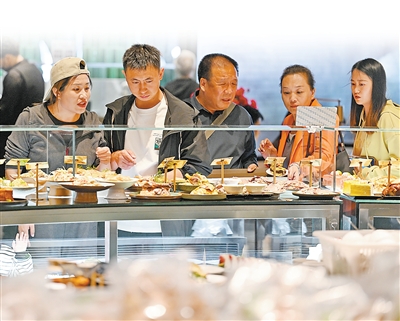
新意 带来生意
Ren Min Ri Bao· 2025-10-22 01:29
Core Insights - The restaurant industry is facing challenges and opportunities, with a slight year-on-year revenue growth of 0.9% in June and a 3.3% increase from January to September, totaling 40,989 billion yuan [4][10] - The recent National Day and Mid-Autumn Festival holidays saw record sales in many regions, with a 2.7% year-on-year increase in sales for key retail and catering enterprises [4] Group 1: Current Industry Landscape - The restaurant industry is described as experiencing both "ice and fire," indicating a mix of difficulties and successes [4] - Many restaurant operators express concerns about the industry's challenges, including reduced consumer spending and increased competition [4][10] - The shift in consumer behavior has led to a decline in high-end dining, with a 40% drop in business banquet orders since May [10] Group 2: Innovation in Consumer Experience - Innovative consumption scenarios, such as live sports events and interactive dining experiences, are enhancing product offerings and service experiences [5][6] - Restaurants are adopting new marketing strategies, including themed events and promotional activities, to attract customers [5][6] - The integration of cultural elements into dining experiences, such as performances and themed menus, is helping restaurants regain customer interest [8][9] Group 3: Operational Challenges - Rising labor costs are impacting restaurant profitability, with an average increase of nearly 2,000 yuan per employee per month [11] - The implementation of stricter labor regulations is expected to increase operational costs for restaurants, although it may lead to improved employee retention in the long run [11][12] - The competitive landscape is intensifying due to aggressive pricing strategies among food delivery platforms, which may undermine long-term profitability [13] Group 4: Safety and Compliance - Food safety remains a critical concern, with increased scrutiny on hygiene standards following reports of unsatisfactory conditions in some chains [14][15] - Regulatory bodies are emphasizing the importance of food safety compliance, urging restaurants to take responsibility for maintaining high standards [14][15] Group 5: Future Growth Strategies - The industry is encouraged to explore new growth avenues through digital transformation, focusing on high turnover and digital operations [14][16] - Engaging with customers through social media and live streaming is becoming a vital strategy for attracting and retaining clientele [16] - The trend towards transparency in kitchen operations is gaining traction, as consumers seek assurance regarding food safety and cleanliness [14][15]
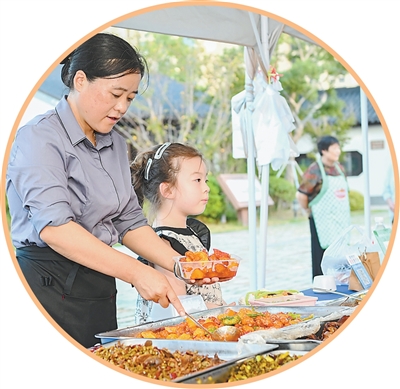
新意,带来生意(新视窗·培育服务消费新增长点)
Ren Min Ri Bao· 2025-10-21 22:20
Core Insights - The restaurant industry is facing a mixed situation, with some areas experiencing growth while others struggle due to various challenges [3][9][12] - Consumer behavior is shifting towards more interactive and innovative dining experiences, driven by events and digital engagement [4][5][8][15] - Rising operational costs and increased competition are compressing profit margins for many restaurants [9][10][12] Industry Performance - National restaurant revenue increased by 3.3% year-on-year from January to September, totaling 40,989 billion [3] - During the recent holidays, key retail and restaurant enterprises saw a 2.7% increase in sales compared to the previous year [3] - The restaurant sector is described as experiencing "ice and fire," indicating a stark contrast in performance across different segments [3] Consumer Trends - Innovative consumption scenarios, such as live sports events and themed promotions, are attracting customers and enhancing dining experiences [4][5] - Restaurants are increasingly utilizing digital platforms for marketing and customer engagement, with short video content becoming a significant tool for driving traffic [8][15] - There is a growing emphasis on food safety and transparency, with many establishments adopting open kitchen concepts to build consumer trust [13][14] Challenges Faced - Many restaurants are reducing the number of private dining rooms due to a significant drop in business dining orders, which have decreased by approximately 40% since May [9] - Rising labor costs are a major concern, with an increase of nearly 2,000 yuan per employee per month impacting operational strategies [10] - The competitive landscape is intensifying, particularly with the rise of online food delivery services, leading to price wars that may harm long-term profitability [12] Strategic Responses - Restaurants are adapting by creating new menu items and promotional packages to attract customers, such as seasonal dishes and combo offers [12] - The industry is encouraged to focus on digital transformation, emphasizing high turnover and efficient operations to remain competitive [15] - Regulatory changes regarding labor costs and food safety are prompting restaurants to reassess their operational models and compliance strategies [10][13]
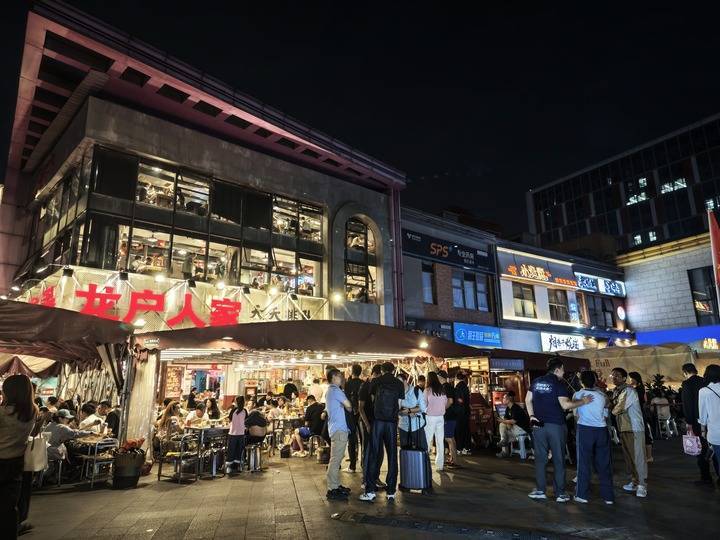
成都这三条商业街,藏着怎样的消费密码?
Sou Hu Cai Jing· 2025-10-17 19:28
Core Insights - Chengdu has achieved impressive rankings in various consumer categories during the recent "Golden Week," including first in "Top 10 Cities for Food Attraction" and second in "Top 10 Domestic Long-Distance Travel Destinations" [1][2] - The city recorded a total foot traffic of 22.63 million in 10 monitored commercial districts, with a year-on-year increase of 2.3%, and a revenue of approximately 4.46 billion yuan, up 4.2% year-on-year [1] - Chengdu's commercial streets are thriving, with 215 featured streets attracting 40.52 million visitors and generating 6.32 billion yuan in revenue, reflecting a year-on-year growth of 5.0% and 5.4% respectively [1] New Street - New Street, a 350-meter alley in Chengdu, has over 60 merchants and has become a bustling food destination, with peak daily customer counts reaching nearly 1,000 during the holiday [3][4] - The restaurant "Long Hu Ren Jia" reported a daily revenue exceeding 80,000 yuan during peak days, showcasing the strong demand for dining options in the area [3] - The community has implemented a collaborative management approach to maintain cleanliness and order while allowing businesses to expand their outdoor seating, enhancing the street's appeal [4][6] Water Street - Water Street, covering 163 acres, saw a total foot traffic of 146,000 during the holiday, a 40.38% increase compared to the previous year [9] - The "Manchester United Dream Theater" has become a popular attraction, contributing to a 30% increase in sales during match events [9][10] - The street features over 110 shops, with a 90% occupancy rate, and aims to create a vibrant commercial space that blends culture, shopping, and leisure [10][11] Luhua CPI - Luhua CPI, a unique commercial space, has a customer conversion rate of nearly 50%, with an average retail spending exceeding 2,000 yuan per visitor [14][15] - The area emphasizes a natural and artistic environment, with a focus on creating a relaxed atmosphere for visitors [14][15] - The project has seen significant growth, with an expected foot traffic of over 1.8 million and revenue of approximately 60 million yuan in 2024 [15][16]
古越龙山:公司近年来积极推动黄酒文化传播和消费场景创新
Zheng Quan Ri Bao Zhi Sheng· 2025-10-16 13:13
Core Viewpoint - The company is actively promoting the culture of Huangjiu (yellow wine) and innovating consumption scenarios, with a focus on engaging younger consumers through various initiatives [1] Group 1: Cultural Promotion and Consumer Engagement - The company has established 65 tasting and slow wine houses globally to serve as important venues for spreading Huangjiu culture and connecting deeply with consumers [1] - The company participates in events such as the "7·9" festival, music festivals, and sports events, as well as conducting online live broadcasts to closely engage with younger consumer groups [1] Group 2: Product Development and Market Recognition - High-end products like "Guo Niang 1959" and "Qing Hua Zui" have received positive market recognition, contributing to the overall value recovery of Huangjiu [1] - The company plans to continue optimizing its product structure and enhancing brand value in the future [1]

消费“主引擎”燃动经济活力 新场景激活内需新动力
Yang Shi Wang· 2025-10-15 06:57
Core Insights - During the "14th Five-Year Plan" period, China's consumption market has been expanding, with a continuous optimization of consumption structure, driven by new scenarios, new formats, and new models [1] - Hainan has transformed from a traditional duty-free shopping destination into a diverse experiential tourism destination, reflecting the broader trends in the national consumption market [1] Group 1: Changes in Consumer Behavior - Consumers are increasingly focused on enjoying the shopping experience rather than just efficiency, as evidenced by the shift from carrying shopping bags to engaging in interactive games [2] - The introduction of experiential activities, such as the "Museum Adventure," has become popular, indicating a trend towards immersive shopping experiences [2] Group 2: Retail Innovations and Performance - The introduction of experiential spaces in retail, such as the whisky museum, has led to a sales increase of 200% to 300%, demonstrating the effectiveness of interactive and immersive shopping environments [3] - The ongoing innovation in retail, supported by favorable policies, is enhancing the consumer experience and driving sales growth across the sector [3][4] Group 3: Market Trends and Future Outlook - The consumption landscape has evolved significantly, with a focus on quality consumption and the introduction of new products that cater to local tastes, such as chocolate made with local ingredients [4] - The Chinese market is solidifying its position as the second-largest consumer market globally, with a growing emphasis on cultural and quality-driven products [4]