绿色化转型

Search documents
中国平煤神马集团正式揭牌 打造世界一流能源和功能材料企业
Zheng Quan Ri Bao Wang· 2026-01-16 09:45
Core Viewpoint - The strategic restructuring of China Pingmei Shenma Group and Henan Energy Group marks a significant milestone in the development of state-owned enterprises in Henan Province, aiming to enhance energy security and promote high-quality economic transformation in the region [1] Group 1: Strategic Restructuring - The unveiling ceremony on January 16 signifies the successful phase of the strategic merger between China Pingmei Shenma Group and Henan Energy Group [1] - This merger is expected to address industrial development bottlenecks and enhance the coal and chemical industries in Henan Province [1] Group 2: Company Overview - Post-restructuring, China Pingmei Shenma Group has total assets of 590 billion yuan and nearly 300 billion yuan in revenue, with five listed companies under its umbrella [2] - The company leads in various product categories, including high-quality coking coal, tire skeleton materials, and nylon 66 salt, with production capacities ranking among the top in Asia and nationwide [2] Group 3: Future Development Plans - The company plans to focus on intelligent empowerment, green transformation, and integrated innovation, targeting sectors such as coal coking, nylon chemicals, silicon-carbon new materials, and renewable energy [2] - Future initiatives include developing special nylon fibers, hydrogen energy, new storage technologies, and biomanufacturing to establish a world-class energy and functional materials enterprise [2]
钢铁行业2026年度信用风险展望
Lian He Zi Xin· 2026-01-15 11:10
Investment Rating - The report indicates a stable outlook for the steel industry, with a focus on credit risk management and a controlled repayment risk due to the concentration of high credit-rated enterprises [4][54]. Core Insights - The steel industry is experiencing a moderate recovery in the overall economy, driven by policies that restrict new capacity and promote advanced production [4][6]. - The demand for steel is showing a mixed pattern, with weak construction demand, strong manufacturing demand, and stable exports [4][15]. - The profitability of the steel industry has improved due to the decline in raw material prices, although high inventory levels and structural supply-demand mismatches continue to suppress steel prices [4][12]. - The financial health of the steel industry remains challenged, with high debt levels and weak repayment capacity indicators [28][40]. Industry Fundamentals Macroeconomic Environment - The macroeconomic policies are supporting a mild recovery, with a focus on expanding domestic demand and stabilizing growth [6][7]. - The economic structure is showing signs of divergence, with supply outpacing demand and prices remaining weak [6][7]. Industry Policies and Regulatory Environment - Policies in the steel industry are focused on eliminating outdated capacity and promoting green transformation, with a dual approach of constraints and incentives [8][9]. - Recent policies aim to support energy-saving and carbon reduction projects, enhancing the competitiveness of advanced enterprises [8][9]. Industry Operating Conditions - The steel industry has maintained overall stability despite multiple pressures, with manufacturing steel demand becoming a core support [4][15]. - The revenue from the black metal smelting and rolling industry decreased by 3.9% year-on-year, while total profits turned positive [4][12]. Financial Status Growth and Profitability - The steel industry has seen a rebound in profitability, with a 95.05% year-on-year increase in operating profit for sample enterprises in the first three quarters of 2025 [29][31]. - Despite a slight decline in total revenue, the improvement in profitability indicates a recovery in growth potential [29][31]. Leverage Levels - The steel industry continues to face high debt burdens, with significant leverage ratios and a need for debt resolution [40][42]. - The average debt-to-capitalization ratio remains elevated, indicating ongoing financial stress [40][42]. Repayment Capacity - The repayment capacity indicators are weak, with cash assets insufficient to cover short-term debts [42][43]. - The overall debt-to-EBITDA ratio is significantly above healthy levels, highlighting the need for improvement in repayment capabilities [42][43]. Bond Market Performance - The bond market for the steel industry has shown stability, with a total issuance of approximately 170.19 billion yuan in bonds [45][46]. - High credit-rated enterprises dominate the bond issuance landscape, while lower-rated entities face significant financing challenges [45][46]. Outlook - Short-term demand for steel is expected to remain weak, particularly in the real estate sector, while manufacturing and export demand may provide some support [54]. - Long-term trends indicate a shift towards high-end manufacturing and green energy, necessitating a transformation in the steel industry's profitability model [54].
“开新局 同增长”2026中原餐饮新消费论坛郑州启幕 河南餐饮食材业协会圆满换届
Sou Hu Cai Jing· 2026-01-14 21:07
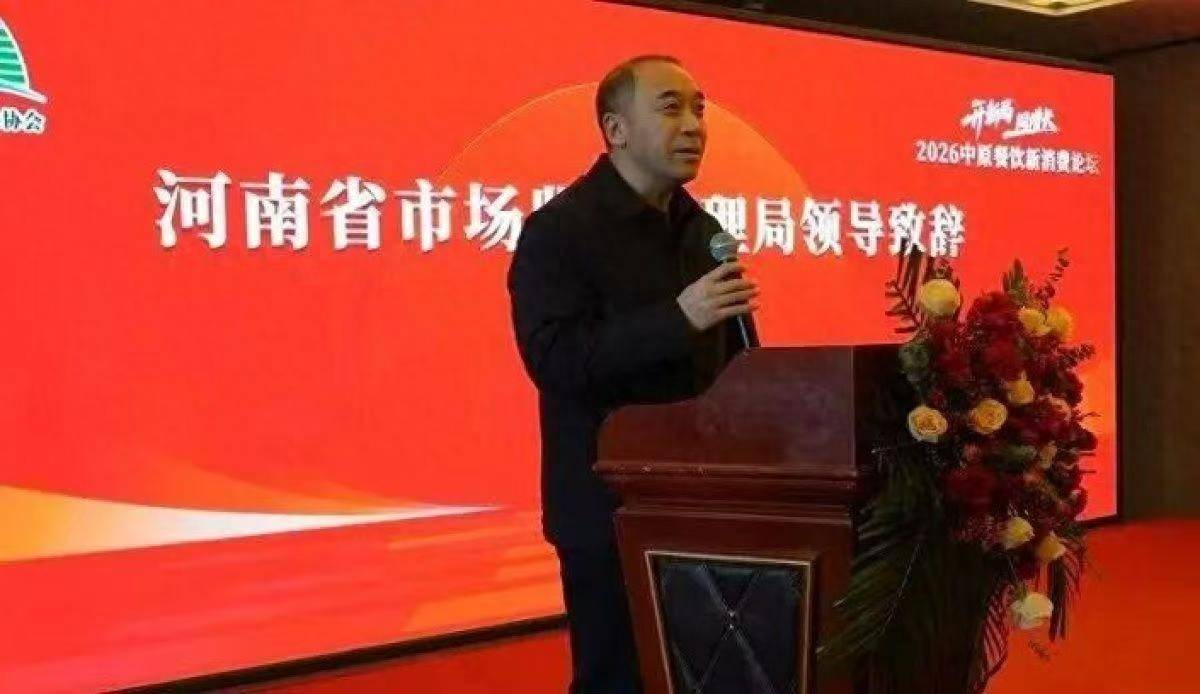
Core Insights - The "2026 Central Plains Catering New Consumption Forum" was successfully held in Zhengzhou, focusing on new growth opportunities in the catering industry during the 14th Five-Year Plan period [1] - The forum gathered industry experts and representatives to explore trends in the new consumption ecosystem of Central Plains catering, aiming to inject new momentum into high-quality industry development [1] Group 1 - The catering industry is currently undergoing a critical phase of transformation and upgrading, with a focus on modernizing and securing the supply chain [2] - Consumer demand is rapidly evolving towards health, personalization, and sustainability [2] - Industry experts highlighted that the dual drivers of policy and market during the 14th Five-Year Plan will usher in a new development phase for the catering industry [5] Group 2 - Companies are encouraged to seize opportunities for full-chain collaboration, digitalization, and green transformation [5] - The need to reconstruct the battlefield, customer base, and scenarios for catering growth was emphasized, with traffic as a strategic focus [5] - Topics such as the integration of food and medicine, scenario innovation, and the innovation of Henan cuisine were hotly debated [5] Group 3 - The Henan Provincial Catering Ingredients Industry Association successfully completed its leadership transition, with Wu Zuxing elected as the new president [7] - The association aims to promote healthy and sustainable industry development through market research, platform building, and technological innovation [7] - Over 160 representatives from local catering and ingredient companies, as well as research institutions, participated in the forum to establish a new foundation for the development of the Central Plains catering industry [7] Group 4 - The forum also launched the "Chinese New Year Dish Festival" industry event, aimed at creating solutions for New Year's Eve dinners targeting young consumers [9]

中信建投:央国企改革进入纵深推进阶段
Zheng Quan Shi Bao Wang· 2026-01-12 00:05
Core Viewpoint - The report from CITIC Construction Investment indicates that the reform of central state-owned enterprises (SOEs) will deepen from late 2025 to early 2026, focusing on professional restructuring, strategic upgrades, and industrial synergy [1] Group 1: Restructuring and Integration - The vertical integration of Sinopec and China Aviation Oil serves as a benchmark, creating a comprehensive "refining-storage-distribution" system [1] - This integration not only aligns with the policy direction of SOE reform but also addresses the industry's pain points regarding insufficient collaboration in aviation fuel [1] Group 2: Competitive Advantage and Supply Security - The restructuring enhances international competitiveness and supply security capabilities [1] - The establishment of a Sustainable Aviation Fuel (SAF) industrial ecosystem supports the low-carbon transition of the aviation industry [1] Group 3: Focus Areas for Future Development - Central SOEs are concentrating on intelligent, green, and integrated transformations, leveraging the "14th Five-Year Plan" to expand into emerging industries [1] - Key focus areas include new energy, 6G technology, and biobreeding [1]


靖江新桥发力“高端装备制造城”
Xin Lang Cai Jing· 2026-01-11 21:21
Group 1 - The Yangzi Hongyuan shipbuilding project in Jingjiang is a major industrial project aimed at becoming a key base for the construction of green high-tech clean energy vessels for the Yangtze River Shipbuilding Group [1] - Jiangsu Hujin Roller Technology Co., Ltd. has relocated to the Feihuang Industrial Park and is focusing on producing new energy lithium battery separator rollers, with an order volume exceeding 50 million yuan and projected sales of over 40 million yuan by 2025 [1][2] - The New Bridge area is committed to developing four major industrial directions: advanced metal materials, petrochemical and environmental protection equipment, new energy equipment, and marine engineering equipment, aiming to cultivate four industrial clusters worth 100 billion yuan each [1][2] Group 2 - New Bridge has set a development goal to double industrial invoicing to over 30 billion yuan by 2025, leveraging strategies such as strengthening supply chains and project breakthroughs [2] - The New Bridge Industrial Park is nurturing vibrant enterprises like Hujin Roller, with 50 companies expected to enter the "four above" cultivation database by 2025, including 16 new large-scale industrial enterprises [2][3] - The New Bridge area is focusing on building four characteristic industrial chains, with 42 enterprises in the Feihuang Industrial Park expected to generate a total output value of 600 million yuan by 2025 [3] Group 3 - The New Bridge area is enhancing its business environment and public services, providing comprehensive support for enterprises, including rapid project initiation and technical collaboration with universities [4] - The area is preparing for an influx of 9,000 jobs due to the Yangzi Hongyuan project by planning a shipbuilding town and providing various employee support services [4] - The industrial ecosystem in New Bridge is maturing, with a focus on innovation and collaboration among enterprises, leading to clearer outlines of four 100 billion yuan industrial clusters [5]
新型智能化桁架养殖平台“珠海琴”下水 可抵御15级台风
Zheng Quan Shi Bao Wang· 2026-01-11 08:16
Core Viewpoint - The launch of the new intelligent truss aquaculture platform "Zhuhai Qin" marks a significant breakthrough in the digital, intelligent, and green transformation of deep-sea aquaculture equipment in China [1] Group 1: Platform Specifications - The platform measures 110 meters in length, 40 meters in width, and has a draft depth of 15 meters, enclosing over 60,000 cubic meters of water [1] - It consists of six independent net cages and features a semi-submersible structure capable of withstanding typhoons of up to level 15, making it suitable for the complex sea conditions of the South China Sea [1] Group 2: Technological Integration - The platform integrates photovoltaic power generation, automatic feeding via drones, and a 5G smart control system [1] - It achieves full-process modernization of aquaculture functions, including feed storage and environmental monitoring, aiming for "unmanned farming and intelligent management" [1]
第八届全球会展产业链博览会暨绘展王(山西)年会在太原圆满落幕
Xin Lang Cai Jing· 2026-01-06 08:06
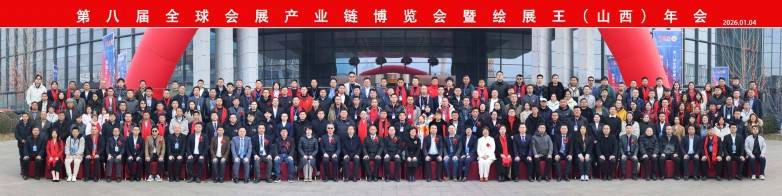
Core Insights - The 8th Global Exhibition Industry Chain Expo and Hui Exhibition King (Shanxi) Annual Meeting successfully concluded on January 5, 2026, in Taiyuan, Shanxi Province, focusing on the theme "Gathering Strength in Sanjin, Resource Sharing, Connecting Globally" [2][11] - The event aimed to promote high-quality development in China's exhibition industry and inject new momentum into the global exhibition industry chain [2][11] Group 1: Event Overview - The expo featured various activities including resource matching, keynote speeches, forum dialogues, alliance formations, cooperation signings, and awards, creating an efficient platform for communication and collaboration [2][11] - The event attracted 1,500 participants from the global exhibition industry chain, covering an exhibition area of 7,000 square meters, showcasing a wide range of industry-related entities [11] Group 2: Keynote Addresses - Zhang Huiming, founder of the Hui Exhibition King platform, emphasized the importance of building a global exhibition industry sharing platform and highlighted the digital and green transformation trends in the industry [5][11] - Zhang Jianqiang, president of the Shanxi Exhibition Material Alliance, noted the steady development of Shanxi's exhibition industry and the importance of integrating local resources with the global industry chain [7][11] - Gong Meimei, secretary of the Taiyuan Council for the Promotion of International Trade, stated that the exhibition industry is a vital engine for modern services and urban development, aligning with Taiyuan's strategic goals [9][11] Group 3: Industry Discussions - The conference included in-depth discussions on topics such as intelligent exhibition operations, design, digital applications, and innovative materials, with industry experts sharing insights on enhancing efficiency and addressing industry pain points [13][11] - A roundtable forum featured discussions on the current state and future trends of the industry, focusing on the survival strategies of small and medium-sized exhibition enterprises [13][11] Group 4: Alliances and Collaborations - The "China Exhibition Material Sharing Alliance" was officially launched, aiming to create an integrated industrial ecosystem through resource integration and technological innovation [15][11] - Several companies signed strategic cooperation agreements during the event, marking significant progress in promoting industry collaboration [15][11] Group 5: Event Highlights - The event included a themed dinner, dance performances, and an awards ceremony, enhancing the atmosphere and showcasing the achievements of various enterprises [16][11] - The successful hosting of the conference established a robust resource-sharing bridge for the global exhibition industry and clarified the direction for digital, intelligent, and globalized exhibition transformations [16][11]
现代化产业体系基本特征与发展方向
Jing Ji Ri Bao· 2026-01-05 22:05
Core Viewpoint - The construction of a modern industrial system is essential for China's economic modernization, emphasizing intelligent, green, and integrated development as key characteristics and practical paths for achieving a complete, advanced, and secure industrial system [1]. Group 1: Intelligent Development - The intelligent transformation of the industrial system is crucial for leveraging opportunities from the new technological revolution and facilitating the transition from old to new growth drivers through deep integration of artificial intelligence and the real economy [2]. - Current challenges include reliance on foreign core technologies, insufficient original innovation capabilities, and a lack of comprehensive digital transformation solutions for traditional industries [2][3]. - To advance "Artificial Intelligence +", it is necessary to strengthen foundational research, deepen industry applications, and enhance data market integration while supporting small and medium enterprises in their digital transformation [3]. Group 2: Green Development - The green transformation of the industrial system is vital for achieving high-quality development and carbon neutrality goals, as well as for addressing climate change and promoting ecological harmony [4]. - The development of the new energy vehicle industry exemplifies this transformation, with projected production and sales exceeding 12 million units in 2024 and significant advancements in green technology and market penetration [5]. - Challenges remain in enhancing supply chain resilience, securing key raw material supplies, and establishing carbon footprint regulations, necessitating a focus on core technology breakthroughs and lifecycle management [6]. Group 3: Integrated Development - The integrated development of the industrial system is characterized by the deep fusion of primary, secondary, and tertiary industries, as well as the integration of technological and industrial innovation [7]. - Promoting service-oriented manufacturing is essential for transitioning from a manufacturing power to a manufacturing stronghold, with a focus on enhancing competitive advantages in service sectors [7][8]. - The integration of traditional and emerging industries is crucial, with significant potential for productivity improvements through the application of digital technologies in traditional sectors [8][9]. Group 4: Overall System Quality - The ultimate goal is to achieve a qualitative leap in the industrial system, ensuring its completeness, advancement, and security, which are critical indicators of maturity [10]. - The interdependence of completeness, advancement, and security is emphasized, with each aspect supporting the others to ensure a stable economic environment [10]. - Addressing challenges in supply chain stability and green transformation requires a collaborative approach that integrates intelligent, green, and integrated development strategies [11][12].
研判2025!中国塔机行业发展历程、产业链图谱、供需现状、市场规模、竞争格局及发展趋势分析:行业进入深度调整期[图]
Chan Ye Xin Xi Wang· 2026-01-04 01:30
Core Viewpoint - The tower crane industry in China is experiencing a significant decline in demand due to macroeconomic slowdown, reduced fixed asset investment, and decreased real estate development investment, with projections indicating a drop in demand to 5,449 units and a market size of 6.852 billion yuan in 2024 [1][10]. Overview - Tower cranes, also known as tower hoists, are essential in modern construction across various sectors, including industrial, civil engineering, and energy [1]. - The industry has evolved through several stages, including imitation, independent research, technology introduction, standardization, and global leadership [5][6]. Industry Chain - The tower crane industry consists of upstream suppliers of raw materials and components, midstream manufacturers, and downstream markets including rental services and construction sectors [6][8]. - Raw materials account for over 80% of production costs, necessitating stable relationships with suppliers to mitigate price volatility [8]. Current Development - The demand for tower cranes is closely linked to macroeconomic conditions and infrastructure investment, with a notable decline in demand and market size in recent years [10]. - The market is entering a deep adjustment phase, with fixed and mobile tower cranes making up 89.01% and 10.99% of the market, respectively [10]. Competitive Landscape - The industry has seen increased concentration, with leading companies like Zoomlion, XCMG, and others dominating the market due to their strong R&D capabilities and global presence [11]. - The top ten tower crane manufacturers in China include Zoomlion, XCMG, and others, with Zoomlion holding the top position [11]. Development Trends - The integration of smart technology into tower cranes is expected to deepen, with features like automatic leveling and intelligent collision avoidance becoming standard [14]. - The push for green technology will drive the development of energy-efficient and low-emission cranes, aligning with national carbon reduction goals [15]. - There is a trend towards modular, lightweight, and specialized cranes to meet diverse construction needs, enhancing flexibility and efficiency [16]. - International markets are becoming increasingly important for growth, with leading companies focusing on local production and service centers in regions with high infrastructure demand [16].


占全球35%市场!中国桥梁工程规模将破1.5万亿!
Xin Lang Cai Jing· 2025-12-30 08:48
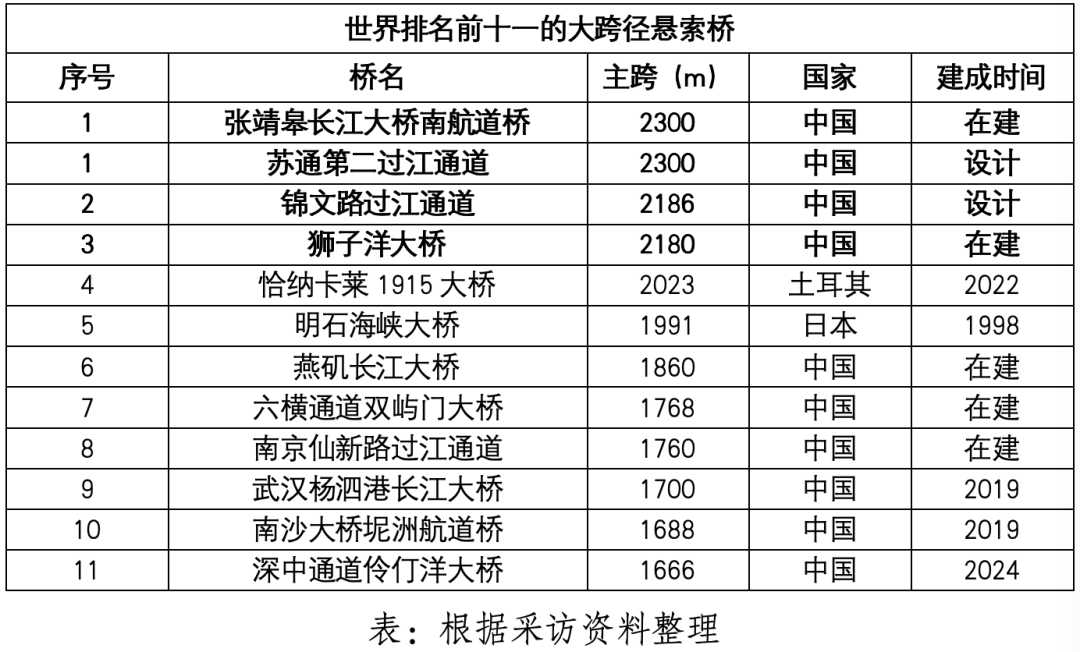
Core Viewpoint - In 2024, China's suspension bridge equipment industry achieved a total output value of 48.76 billion yuan, marking an 11.3% year-on-year growth, further solidifying its global leadership position [1]. Industry Performance - The number of large suspension bridges with main spans exceeding 1000 meters reached 19, ranking first in the world, with a continuous increase in domestic production rates and a clear acceleration in high-end, intelligent, and green transformation [1][2]. - The total number of bridges in China reached 191,400, with 11,300 being large bridges, reflecting a growth of 7.71% and 10.65% respectively compared to the previous year [3]. Market Outlook - The market size of China's bridge engineering industry is projected to reach 1.5 trillion yuan by 2025, accounting for 35% of the global market, with an expected growth rate of over 10% for large and extra-large bridge construction in the next five years [4]. - The manufacturing segment of structural components (mainly steel structures) contributed 21.58 billion yuan, accounting for 44.3% of the total output, while the cable system segment achieved an output of 15.62 billion yuan, representing 32.0% [4]. Technological Advancements - The proportion of high-strength cables used has reached 91.6%, with ultra-high-strength steel wire achieving engineering application, and the breaking force of a single main cable exceeding 100,000 tons [5]. - The adoption of intelligent construction methods is widespread, with BIM management coverage in large projects reaching 88% and prefabricated assembly application rates increasing to 67% [5]. International Expansion - In 2024, Chinese companies secured contracts for suspension bridge projects in Southeast Asia, Africa, and the Middle East totaling 12.86 billion USD, a year-on-year increase of 21.4%, with expectations for this figure to rise to 15.23 billion USD by 2025 [6]. - The export proportion of domestic equipment is expected to exceed 65%, with companies establishing overseas service centers and obtaining international certifications to deepen local engagement [6]. Future Trends - The development of suspension bridges is extending from crossing rivers and seas to complex terrains such as mountainous gorges, evolving from single-layer to double-layer multi-lane structures [8]. - The total industry output value is expected to reach 54.23 billion yuan by 2025, with an anticipated growth of 11.2% [8].