
零碳园区

Search documents
“度电碳排放全国最低”背后的云南绿色实践
Xin Lang Cai Jing· 2026-02-01 12:03
Group 1 - The core point of the articles highlights Yunnan's commitment to renewable energy, showcasing its low carbon emissions per kilowatt-hour and significant green power capacity [1][2] - Yunnan's carbon dioxide emissions per kilowatt-hour stand at 0.13 kg, the lowest in the country, with green electricity installed capacity exceeding 155 million kilowatts by the end of 2025 [1] - The province is focusing on optimizing its energy structure by leveraging its water, wind, and solar resources, which is reflected in the growing share of renewable energy in its power generation [1] Group 2 - Yunnan is advancing carbon footprint accounting and certification for key industrial products to enhance market competitiveness, particularly for "new three samples" products [2] - The collaboration between relevant departments and the Yunnan Provincial Academy of Ecological Environment Science aims to establish carbon footprint accounting methods and certification mechanisms for typical industries [2] - Yunnan is set to accelerate its green transformation during the 14th Five-Year Plan period, aiming to become a significant clean energy base in China while implementing dual control of carbon emissions [2]
行业周报:2025年氢燃料电池车产量同比增长44%,零碳园区建设加快有望抬高用氢需求-20260201
Xinda Securities· 2026-02-01 07:11
Investment Rating - The report maintains a "Positive" investment rating for the environmental sector, consistent with the previous rating [2]. Core Insights - The production of hydrogen fuel cell vehicles is expected to grow by 44% year-on-year in 2025, with the construction of zero-carbon parks accelerating hydrogen demand [2][19]. - The report highlights the government's commitment to promoting green hydrogen development and applications, with a focus on establishing zero-carbon factories in key industries by 2027 [19][30]. - The hydrogen energy sector is experiencing significant growth, with a projected increase in the scale of electrolyzer projects by 156% in 2025, indicating a robust demand for green hydrogen [26][30]. Market Performance - As of January 30, the environmental sector has underperformed the broader market, declining by 2.78%, while the Shanghai Composite Index fell by 0.44% [3][11]. - The report notes that various sub-sectors within the environmental industry have shown mixed performance, with water management and waste treatment sectors experiencing declines [14][17]. Industry Dynamics - The Ministry of Ecology and Environment, along with other departments, has issued guidelines for the management of ecological industrial parks, emphasizing low-carbon and high-quality development [3][31]. - Recent policies aim to establish a water-saving management system for industrial enterprises, encouraging the installation of online measurement facilities for water usage [33][34]. Investment Recommendations - The report suggests that the energy-saving and environmental protection sectors, along with resource recycling, are likely to maintain high levels of prosperity during the 14th Five-Year Plan period [47]. - Key investment recommendations include companies such as Hanlan Environment, Xingrong Environment, and Hongcheng Environment, with additional attention to companies like Wangneng Environment and Junxin Co [47].


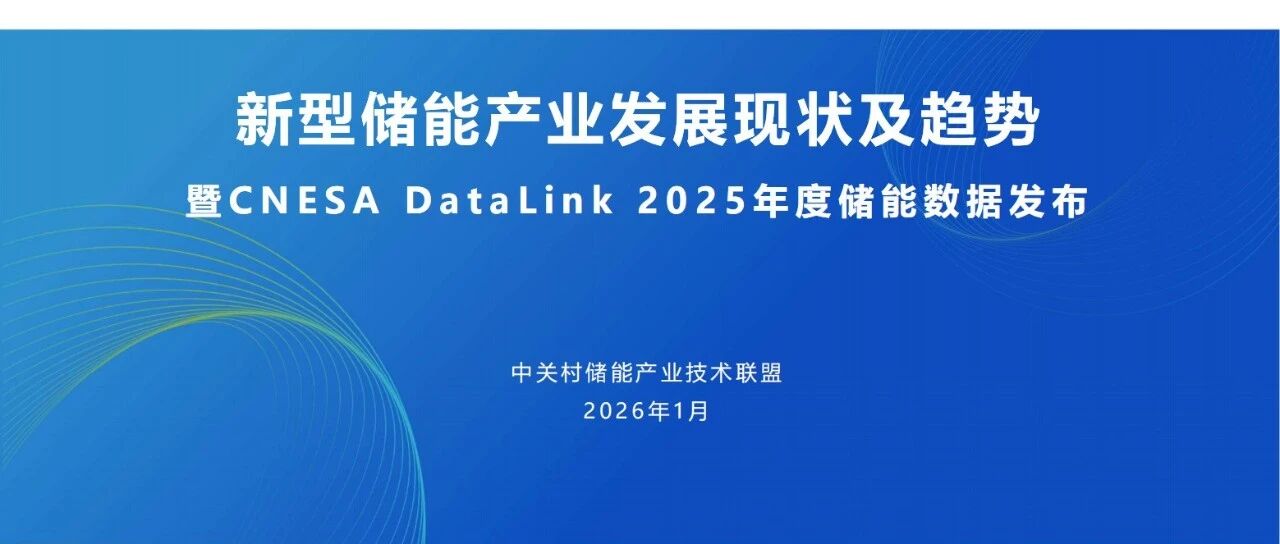
PPT分享 | 2025新型储能产业发展现状及趋势
中关村储能产业技术联盟· 2026-02-01 02:43
Core Viewpoint - The new energy storage industry in China has experienced significant growth, with a total installed capacity of 66.43 GW and energy capacity of 189.48 GWh added in 2025, representing year-on-year increases of 52% and 73% respectively. The industry is expected to continue evolving towards longer-duration energy storage solutions and deeper integration with renewable energy sources [3][41][95]. Group 1: Industry Development Overview - In 2025, the cumulative installed capacity of new energy storage in China reached 213.3 GW, a year-on-year increase of 54% [13]. - The average storage duration for new energy storage systems has gradually increased from 2.11 hours in 2021 to 2.58 hours in 2025, with projections indicating it could reach 3.47 hours by 2030 [95]. - The top ten provinces in China accounted for nearly 90% of the total installed capacity, with Inner Mongolia leading in both energy and power capacity, surpassing California to become the world's top province [3][48]. Group 2: Market Trends and Projections - The growth rate of new energy storage installations is expected to slow down, but the large base will still generate significant absolute increments, with projections suggesting a cumulative installed capacity of over 370 million kW by 2030 [4]. - The market is transitioning from policy-driven growth to market-driven high-quality development, with expected annual compound growth rates of 20.7% to 25.5% from 2026 to 2030 [98]. - The penetration rate of new energy storage in wind and solar power generation has increased significantly, from 0.61% at the end of the 13th Five-Year Plan to 6.88% at the end of the 14th Five-Year Plan [17]. Group 3: Technological Advancements - During the 14th Five-Year Plan period, significant technological breakthroughs have been made in energy storage, including increased capacity of lithium battery cells and advancements in flow battery efficiency [9][10]. - The industry is witnessing a shift towards longer-duration storage solutions, with a notable increase in projects exceeding 4 hours of storage duration [45]. - The average available capacity of new energy storage systems has shown high reliability, with peak discharge capabilities reaching 44.53 million kW in 2025 [24]. Group 4: Project and Market Dynamics - The number of newly operational energy storage projects in 2025 was 5,014, with a total power capacity of 328.0 GW, indicating a shift towards larger-scale projects [39]. - The bidding landscape for new energy storage projects is becoming more rational, with a focus on quality over quantity, as the number of projects remains stable or slightly declines [53]. - The market is diversifying, with energy storage systems now participating in various market categories, including long-term, spot, and ancillary services [21].

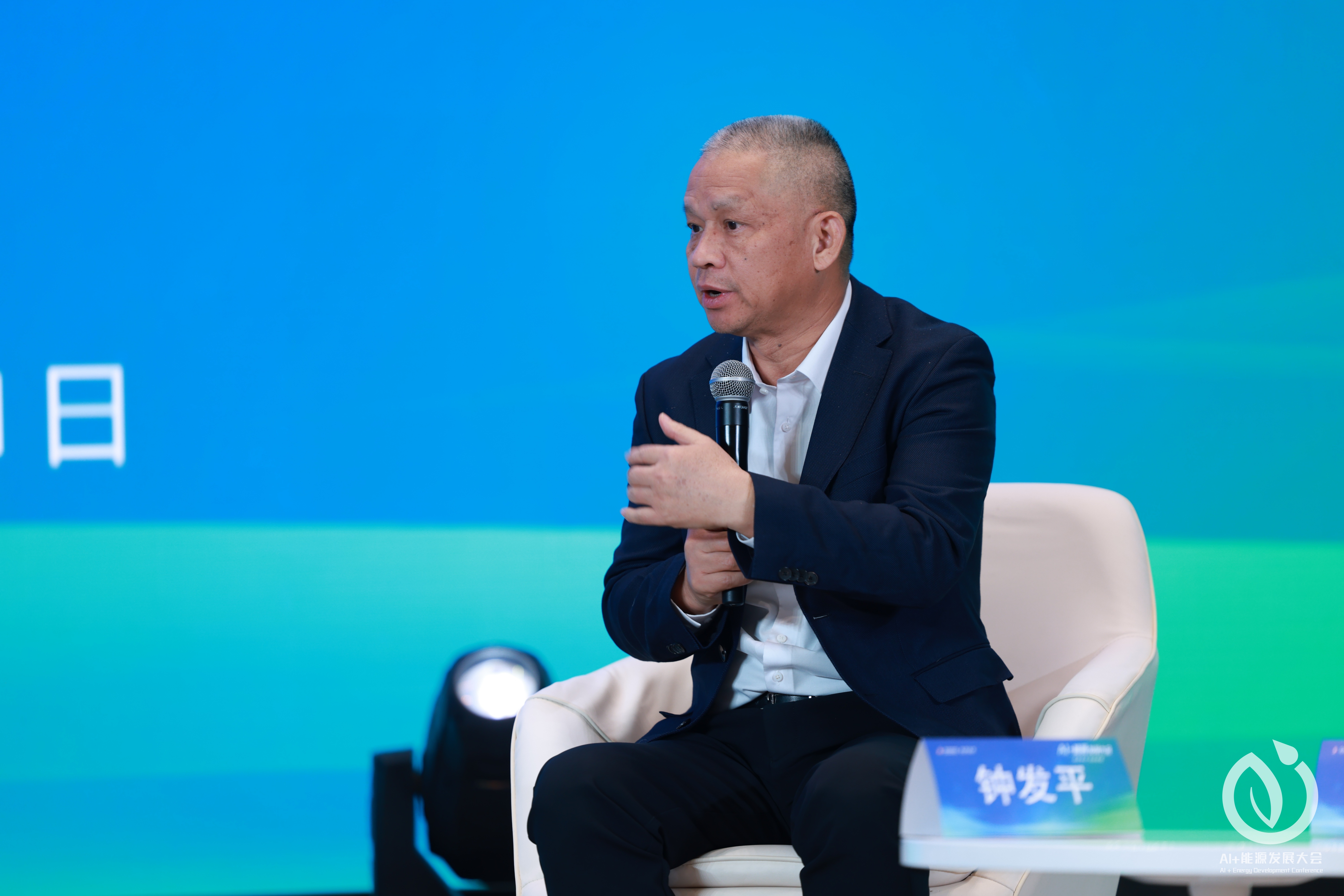
先进储能材料国家工程研究中心钟发平:如何用AI+零碳园区,破解源网荷储碎片化难题?
Zhong Guo Neng Yuan Wang· 2026-01-31 09:41
谈及零碳园区中"源网荷储"的落地路径,钟发平提出,核心是通过推进重大工程、打造重大场景,带动重大技术进步与创新,同时推动体制机制改革,尤其 是电网体制改革。他表示,国家近期大力推进零碳园区创建工作,正是这一思路的具体实践,此举将催生大量新技术,甚至是人工智能赋能下、基于能源安 全与资源优化的颠覆性技术,助力"源网荷储"各环节有机、智慧融通。 钟发平开篇明确,新型电力系统建设中,"源网荷储"四位一体协同发展是核心方向,其中储能作为四大环节之一,占据着至关重要的地位。他坦言,当前我 国并非缺乏储能设施,储能布局已逐步推进,但"源网荷储"体系的核心短板在于,各环节未能实现有机、智慧的联通,缺乏统一的智能化、数字化底座,导 致数据、算法及资源优化配置无法有效融通,呈现出"各干各的"碎片化发展态势——发电侧全力推进产能提升,储能侧持续扩大布局,但不同场景下的资源 利用未能形成联动,难以发挥体系化效能。 在钟发平看来,零碳园区的创建是破解"源网荷储"碎片化难题的伟大创举。他强调,零碳园区搭建了一个真实的应用场景,能够将"源网荷储"各环节汇聚到 统一平台,打破环节壁垒、实现协同联动,这正是推动"源网荷储"真正意义上融通发展 ...
国家级零碳园区创建专家指导委员会正式成立
Bei Jing Shang Bao· 2026-01-31 08:34
北京商报讯(记者 和岳)1月30日,2026中关村论坛系列活动—AI+能源发展大会在北京举行。会上, 中关村国联绿色产业服务创新联盟(以下简称"联盟")国家级零碳园区创建专家指导委员会正式成立, 标志着我国零碳园区建设迈入智库领航、生态协同的高质量发展新阶段。 钟发平强调,零碳园区涵盖八大任务、数十项核心技术,是融合能源、产业、技术、金融、政策与人才 培养的系统工程,需绿电供给、储能调节、智慧管控、循环减排等环节高度耦合,并实现从规划到运维 的全链条协同。 先进储能材料国家工程研究中心主任兼首席科学家钟发平主任委员指出,零碳园区的规划与建设,既 有"双碳"国家战略的指引,又有园区企业通过绿电降本、产业升级,落实碳排放总量和强度双控要求的 发展需要,还有应对国际绿色壁垒、护航"产品出海""产业链出海"的迫切需求。 "十五五"期间,我国力争建成约100个国家级零碳园区,将深刻重塑生产方式、能源结构、治理模式与 商业模式,创造巨大社会、环境与经济价值。同时,相关工作也还面临巨大挑战。当前全国园区单位能 耗碳排放约为2.1吨/吨标煤,而国家发改委等部门明确要求未来3-5年内降至0.2—0.3吨/吨标煤,降幅高 达90 ...
“十万亿”山东掀起了绿色能源变革
Jing Ji Guan Cha Wang· 2026-01-31 03:02
Core Viewpoint - Shandong province has undergone a significant transformation over the past five years, shifting from a coal-dominated energy structure to a green power model, with non-fossil energy generation capacity expected to reach 139 million kilowatts by 2025, surpassing coal power for the first time [1][2] Group 1: Energy Transition - By 2025, non-fossil energy generation capacity in Shandong will account for 54% of total capacity, up from 31%, marking a historic shift away from coal [1][2] - The province has implemented measures such as "one enterprise, one policy" to reduce carbon emissions in high-energy-consuming industries [1][3] - Shandong's energy consumption intensity has decreased by 22% over five years, and carbon emission intensity has dropped by 20.5% [1] Group 2: Industrial Adjustments - The industrial focus has shifted from heavy industries like steel and petrochemicals, which previously accounted for 70% of the industrial output, to cleaner energy sources [3][4] - Shandong has closed 23.56 million tons of high-energy-consuming steel production capacity and increased the share of coastal steel production to 53% [3] - The province has also shut down 10.94 million kilowatts of small coal-fired power units during the 14th Five-Year Plan [4] Group 3: Renewable Energy Development - Shandong is actively expanding external green electricity supply channels and has implemented the "External Electricity into Shandong" strategy, which has delivered over 1 trillion kilowatt-hours of external power [6][7] - The province's distributed photovoltaic projects have established a model that emphasizes household and village-level development, leading to a cumulative installed capacity of over 115 million kilowatts [7][8] - By 2025, Shandong's new energy and renewable energy installed capacity will account for 48.3% of total power generation, with a utilization rate of 97.6% [7] Group 4: Market Reforms - Shandong has pioneered reforms in the electricity market, including the introduction of a capacity compensation system and a price cap for retail electricity [9][10] - The province is a leader in the construction of a power spot market, which helps balance supply and demand while promoting the transition to cleaner energy [8][10] - The first auction for new energy mechanism prices in 2025 resulted in competitive pricing for wind and solar projects, encouraging further investment in these areas [10] Group 5: Zero Carbon Initiatives - Shandong aims to establish 20 provincial-level zero-carbon parks and explore integrated models for energy supply, grid, load, and storage [12][13] - The zero-carbon parks are designed to achieve net-zero carbon emissions through various technologies and management measures [12][14] - The integration of renewable energy projects with energy storage systems is expected to enhance the efficiency and reliability of energy supply [13][14]
中集集团储能业务迎来资本合作利好 累计出货量已超60GWh
Ge Long Hui· 2026-01-30 10:28
Core Viewpoint - CIMC's energy storage business is experiencing rapid growth and has recently established a joint venture with Ronghe Yuanshu to enhance its market presence and technological capabilities in the renewable energy sector [1] Group 1: Joint Venture and Market Impact - The joint venture, Shanghai CIMC Yuanrong New Energy Technology Co., Ltd., is expected to generate an annual output value increase of 1 billion yuan for the Lingang New Area [1] - The partnership combines CIMC's expertise in box integration and new materials with Ronghe Yuanshu's practical experience in zero-carbon energy operations, focusing on applications like "zero-carbon parks" and "green electric transportation" [1] - The joint venture aims to leverage a global service network and target high-potential markets in Australia, Europe, and Southeast Asia [1] Group 2: Business Development and Performance - CIMC's energy storage business is a key strategic area for the company, showing continuous growth and becoming an important driver of high-quality development [1] - The business has adopted a dual approach of deepening relationships with traditional customers while expanding to new clients, resulting in a steady increase in shipment volume [1] - CIMC's energy storage equipment has been widely delivered to major global markets, with a cumulative shipment volume exceeding 60 GWh, positioning the company as a global leader [1] Group 3: Innovation and Application - CIMC is actively expanding diverse application scenarios for its energy storage solutions, advancing new technology research and product innovation [1] - Successful demonstration projects have been implemented in urban supercharging, green transportation, port shore power, data centers, and high-energy-consuming industries, gaining market recognition for product and delivery capabilities [1]

关于举办绿电直连及零碳园区创建研讨培训的通知丨系列培训
中国能源报· 2026-01-29 13:06
Core Viewpoint - The article discusses the importance of green electricity direct connection and the creation of zero-carbon parks, emphasizing the need for low-carbon energy transformation and green electricity consumption in industrial parks [2]. Group 1: Policy and Objectives - The "Notice on the Construction of Zero-Carbon Parks" outlines the construction conditions, key tasks, and organizational methods for zero-carbon parks [2]. - By the end of 2025, the first batch of national-level zero-carbon parks will be announced, requiring localities to promote green electricity direct connection and new energy access to distribution networks [2]. - The government aims to increase the proportion of green electricity consumption in key energy-consuming units and industries, encouraging the establishment of green factories and parks with 100% green electricity consumption [2]. Group 2: Training Details - A seminar and training on green electricity direct connection and zero-carbon park creation will be held on March 6-7 in Hangzhou [3]. - The event is organized by China Energy News and supported by the China Energy Economic Research Institute [3]. - Target participants include power companies, renewable energy enterprises, energy service companies, and professionals involved in zero-carbon park construction [3]. Group 3: Course Modules - The training will cover various topics, including green electricity direct connection policies, pricing mechanisms, project planning, and the application of virtual power plants in zero-carbon parks [4][5]. - Specific modules will analyze the differences between green electricity direct connection and integrated energy systems, as well as provide case studies and evaluation criteria for zero-carbon parks [5]. Group 4: Fees and Contact Information - The training fee is set at 3,900 yuan per person, excluding travel and accommodation costs [5]. - Payment can be made via bank transfer, and contact information for inquiries is provided [5].

《洞见ESG》1月刊:国家级零碳园区来了!
21世纪经济报道· 2026-01-29 10:58
1月17日,国家能源局发布数据显示,2025年,全社会用电量累计103682亿千瓦时,同比增长 5.0%。业内人士向21世纪经济报道记者表示,全社会用电量突破10万亿千瓦时,在全球范围内 尚属首次。 【点击查看详情】 政策速递 《洞见ESG》1月刊 国家级零碳园区来了! 监管声音 监管声音|五部门发文:2027年前在汽车等重点领域培育零碳工厂 1月19日,工业和信息化部、国家发展改革委、生态环境部、国务院国资委、国家能源局等五部 门联合印发《关于开展零碳工厂建设工作的指导意见》(工信部联节〔2026〕13号,以下简称 《指导意见》)。 【点击查看详情】 监管声音|全球首次!用电量破10万亿,中国经济引擎拆解 政策速递|全国生态环境保护工作会议部署七大重点任务 1月14日至15日,生态环境部在京召开2026年全国生态环境保护工作会议。会议部署了2026年 七大重点任务,其中提到持续深入推进污染防治攻坚和生态系统优化,深入打好蓝天、碧水、 净土保卫战,加强固体废物综合治理,强化新污染物治理,加强生态保护修复监管。 【点击查 看详情】 政策速递|绿证管理实施细则落地,超过有效期绿证将强制下架并核销 1月7日,国家能 ...

碳专家交流
2026-01-29 02:43
Summary of Key Points from the Conference Call Industry Overview - The focus is on the transition from energy consumption dual control to carbon dual control in China, with carbon emission intensity becoming a binding indicator and total emissions as a recommended indicator, benefiting green electricity and clean energy applications [2][3] Core Insights and Arguments - Local governments will implement carbon assessments through various means, including encouraging or mandating companies to purchase renewable energy, formulating local carbon reduction policies, and setting industry carbon emission standards [2][7] - The national carbon market currently focuses on the power industry, with plans to gradually include non-electric industries. The carbon intensity reduction rate in the power sector is expected to increase, with free quotas transitioning to paid allocations by 2027 [2][10] - The carbon market's price is expected to remain relatively stable in 2026 and 2027, provided there are no new transfer restrictions [2][14] - Industries such as paper and flat glass may be included in the carbon market in the next phase, followed by basic chemicals, coal chemicals, refining, and copper smelting [2][17] - The transition to a carbon-centric assessment system means that new projects will focus on carbon emissions rather than energy consumption metrics, favoring the use of renewable energy [5][10] Important but Overlooked Content - The construction of zero-carbon parks aims to demonstrate low-emission areas, with specific requirements for carbon intensity and renewable energy usage [21][22] - The economic viability of zero-carbon parks depends on the availability of renewable energy resources and the cost of direct green electricity connections [23] - The EU carbon tariff significantly impacts China's steel and aluminum exports, with potential expansion to other industries [29][31] - The gradual tightening of the EU's free quota policy will increase carbon costs, leading to a rise in carbon prices in the coming years [31] - The potential for future adjustments to the default values used for measuring carbon emissions from Chinese exports to the EU, which are currently considered unreasonably high [30] This summary encapsulates the critical aspects of the conference call, highlighting the industry's transition towards carbon control, the implications for various sectors, and the potential impacts of international policies.