霸权主义

Search documents
白宫震怒!加拿大引爆连锁反应,28国集体倒戈,美国:必将后悔!
Sou Hu Cai Jing· 2026-01-19 21:26
Core Viewpoint - Canada has significantly reduced tariffs on electric vehicles and agricultural products in a strategic pivot towards China, while the U.S. faces backlash from its allies for its aggressive trade policies [1][4][10]. Tariff Reductions - Canada has lowered the import tariff on electric vehicles from 100% to 6.1%, a reduction of 94% [5]. - The import tariff on Canadian canola seeds has been drastically cut from 85% to 15% as part of the agreements with China [3]. Global Shift in Trade Policies - The European Union has also abandoned plans to impose punitive tariffs on Chinese electric vehicles, opting for a more pragmatic approach [10]. - A collective shift among 28 countries away from the U.S. trade strategy indicates a broader trend of nations seeking to deepen cooperation with China [4][15]. Economic Implications - The agreements with China, including a 200 billion yuan currency swap, are expected to fill the financial gaps left by U.S. trade pressures, potentially mitigating losses in various sectors [8][21]. - The trade surplus with the U.S. was significant at $102.3 billion in 2024, but rising tariffs from the U.S. threaten to disrupt this balance [6]. Response to U.S. Trade Policies - The U.S. has reacted strongly to Canada's decisions, with officials warning of consequences for their pivot towards China [17][19]. - The aggressive stance of the U.S. has led to a realization among allies that their interests are not being prioritized, prompting a reevaluation of their trade relationships [13][19]. Future Outlook - The shift towards cooperation with China is seen as a necessary response to U.S. hegemony, with countries recognizing the value of mutual benefits over unilateral pressure [25][23]. - The evolving global trade landscape suggests that nations prioritizing collaboration will thrive, while those relying on coercive tactics may face isolation [25].

中欧刚传来好消息,欧盟突然对中国翻脸,特朗普动真格,对八个欧洲盟友加征关税!
Sou Hu Cai Jing· 2026-01-19 11:18
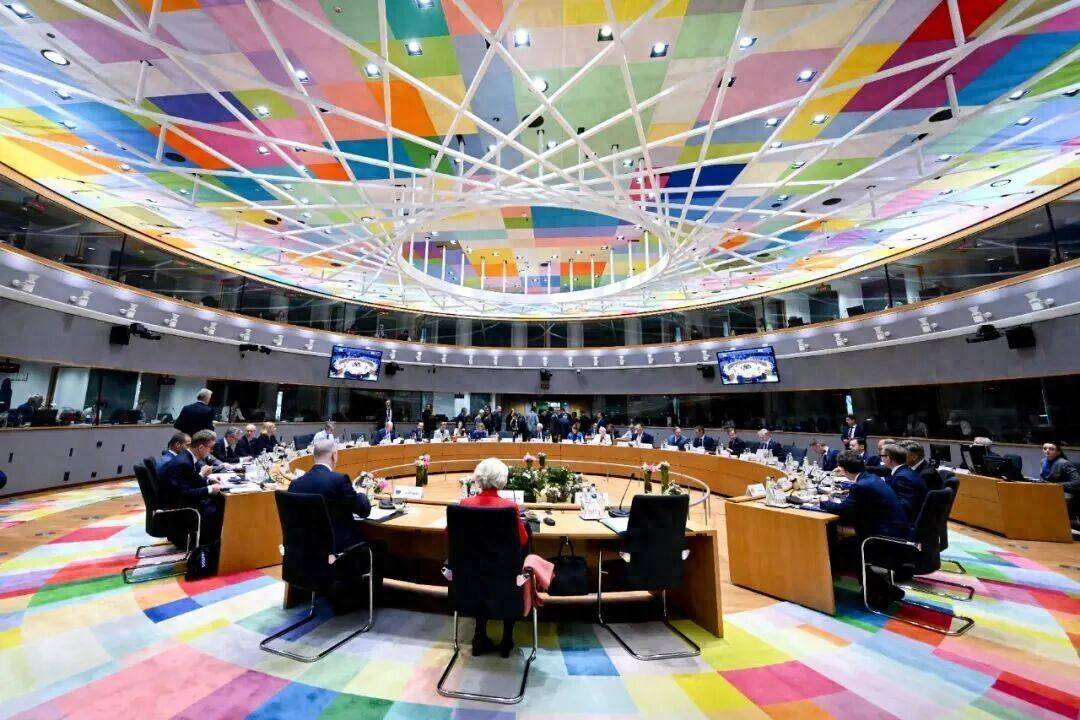
Group 1 - The article highlights the increasing global concern over the U.S. hegemonic behavior, particularly under the Trump administration's aggressive trade war strategy, which includes imposing tariffs on European countries that oppose the Greenland acquisition plan [1][3] - Greenland's strategic value is being reassessed globally due to its vast natural resources, including rare earth minerals, which present significant economic benefits and strategic advantages for any nation [1][3] - The U.S. aims to control Greenland to effectively counterbalance China's and Russia's influence in the Arctic, thereby consolidating its global dominance [3] Group 2 - European countries are responding cautiously to the U.S. stance on Greenland, with internal political divisions and a lack of unified foreign policy making it difficult to counter U.S. pressure effectively [3][5] - The EU's attempts to resolve trade disputes with China have not led to independence in the U.S.-China rivalry, as recent trade policies have increased tariffs on various Chinese products, exacerbating tensions [3][5] - China is positioning itself as a potential game-changer in international relations, focusing on cooperation with other countries despite facing trade challenges and friction with the EU [5][7] Group 3 - The article suggests that if the EU continues its confrontational strategy with China, it risks a dead end, emphasizing the need for genuine cooperation to escape U.S. manipulation and achieve strategic autonomy [7] - The shifting global economic focus towards the East complicates the dynamics between the U.S., EU, and China, involving not only economic interests but also the competition of national soft power [7] - Recognizing the difference between genuine partners and hegemonic threats could help the EU navigate the current crisis, while China may find opportunities to further solidify its international standing [7]
特朗普想独吞委内瑞拉石油,美国油企却纷纷退缩:不敢接盘
Sou Hu Cai Jing· 2026-01-19 04:13
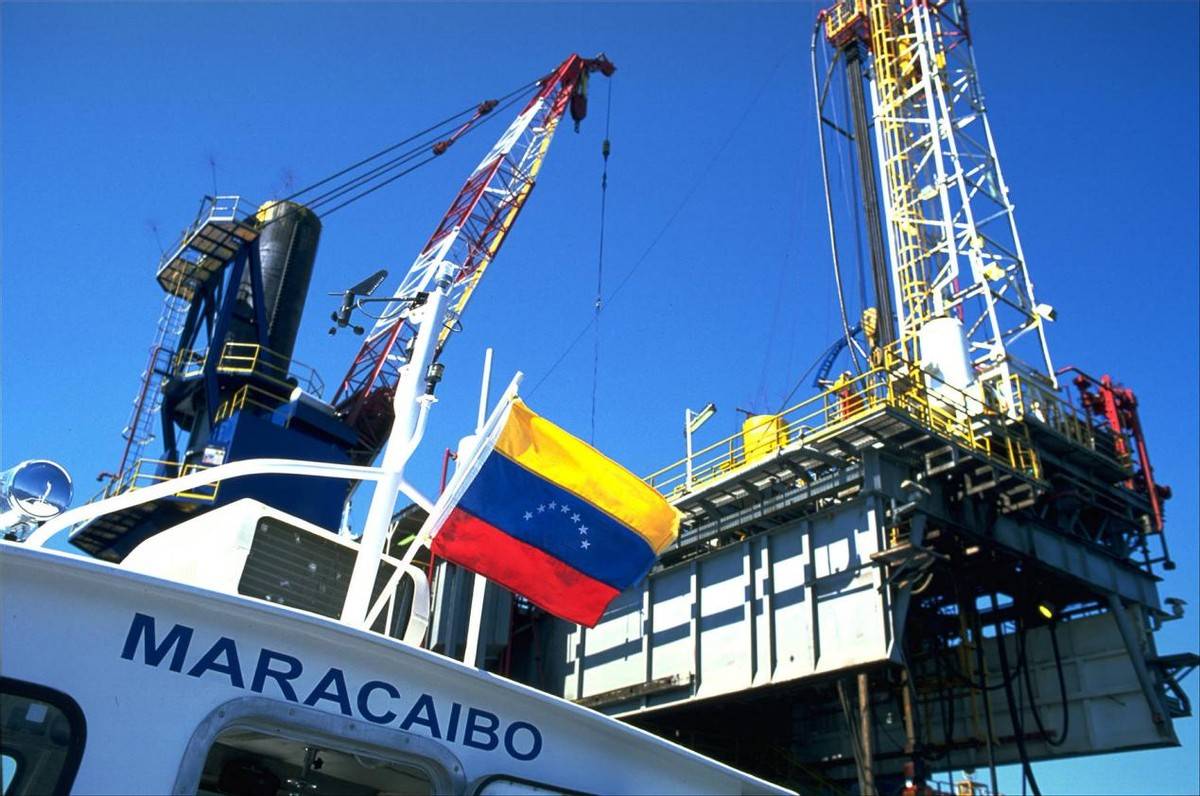
Group 1 - Trump's announcement of U.S. oil companies entering Venezuela aims to restart oil production and develop infrastructure, but major U.S. oil firms remain silent and cautious [1][3][6] - Companies like ExxonMobil, ConocoPhillips, and Chevron express a focus on long-term returns and legal compliance rather than political rhetoric, reflecting the challenges of U.S. hegemony [3][6][9] - The political and security situation in Venezuela, exacerbated by the arrest of President Maduro, raises concerns for companies considering investment in the region [8][10] Group 2 - The need for significant investment to restore Venezuela's oil production capacity is highlighted, with estimates of at least $58 billion and a recovery period of over ten years [10] - U.S. legal barriers, including ongoing sanctions against Venezuela, create a dilemma for companies, as they risk legal repercussions while trying to operate in the country [12][14] - The divergence between government military actions and corporate decision-making emphasizes that companies prioritize stable legal frameworks and predictable returns over political motivations [14][16]


特朗普宣布接管委石油,话音刚落,中国油轮掉头,普京对美下通牒
Sou Hu Cai Jing· 2026-01-18 21:49
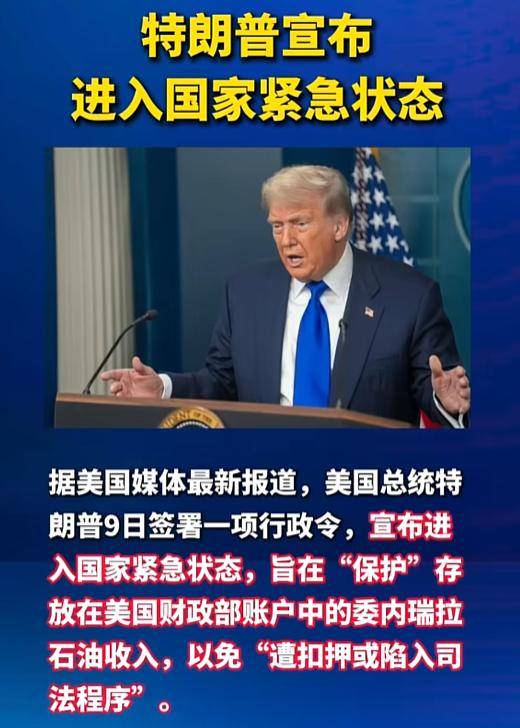
Core Viewpoint - The article discusses the geopolitical implications of the U.S. military action against Venezuela and the subsequent announcement by the Trump administration to take control of Venezuela's oil resources, demanding that countries conduct oil transactions through the U.S. [1][3] Group 1: U.S. Actions and Intentions - On January 3, 2023, the U.S. launched a military operation in Venezuela, capturing President Maduro and announcing the takeover of Venezuela's oil resources [3] - Trump signed a national emergency order on January 9, claiming it was to protect Venezuela's oil revenues in U.S. accounts, which is seen as a pretext for legitimizing the seizure of Venezuelan oil [3][5] - Trump called on 20 U.S. oil companies to invest $100 billion in Venezuela to increase oil production, while also forgiving historical debts of companies like ConocoPhillips, provided they deal directly with the U.S. government [5] Group 2: Responses from Russia and China - Russia responded to U.S. plans by asserting that its assets in Venezuela are protected by Venezuelan law and international agreements, indicating that any U.S. interference would be met with strong resistance [13][19] - The Russian company Zarubezhneft emphasized its commitment to supply oil to China and other partners, regardless of U.S. policies, highlighting the importance of its assets in Venezuela [17][19] - In response to Trump's demands, two Chinese oil tankers turned back from Venezuela, signaling China's rejection of U.S. pressure and reaffirming its commitment to equal and mutually beneficial cooperation with Venezuela [22][24] Group 3: Implications for Global Energy Market - The U.S. strategy of controlling oil resources through military means and political pressure is viewed as a violation of international law and principles of sovereign equality [9][32] - Venezuela's oil industry has been under sanctions and its production capacity is low, meaning that even with U.S. investment, significant production increases would take time and not immediately affect global energy supply [11] - The article argues that the geopolitical struggle over Venezuela's oil illustrates the outdated nature of hegemonic logic, advocating for equal cooperation as the path to mutual benefit in the globalized world [28][32]
“受够了美国霸凌!” 南非民众走上街头声援委内瑞拉
Xin Hua She· 2026-01-18 09:08
Core Viewpoint - South African citizens are protesting against U.S. military actions in Venezuela, demanding the release of President Maduro and his wife, reflecting widespread discontent with U.S. imperialism [1][2] Group 1: Protests and Public Sentiment - Protests took place in Johannesburg and Cape Town, with citizens expressing strong dissatisfaction towards U.S. intervention in Venezuela [1] - Participants emphasized that U.S. interference in sovereign nations is not a new phenomenon, highlighting a long history of U.S. actions undermining other countries' sovereignty [1] - Activists called for global solidarity against U.S. hegemony, stressing the importance of unity among nations, particularly in the Global South [2] Group 2: Statements from Protesters - Protesters articulated that U.S. military actions in Venezuela violate international law and pose a threat to global security [1][2] - A retired pharmacist described the U.S. as an imperialist bully, urging continuous resistance against U.S. actions that harm other nations [2] - Concerns were raised that if the U.S. can violate Venezuela's sovereignty, no country is safe from potential U.S. aggression [1][2]
突发特讯!外媒通告全球:为夺格陵兰岛,美再挥关税大棒,欧洲8国集体反击!引发全球高度关注
Sou Hu Cai Jing· 2026-01-18 01:12
Group 1 - The core viewpoint of the article highlights the U.S. President Trump's imposition of tariffs as a strategic move to pressure European countries regarding Greenland, reflecting a broader agenda of economic coercion and geopolitical ambition [1][3]. - The tariffs target eight European countries opposing the U.S. acquisition of Greenland, aiming to exploit their trade vulnerabilities and isolate Denmark [3][5]. - Greenland's strategic value is emphasized, with its vast natural resources and critical position in Arctic navigation, making it a focal point for U.S. military and economic interests [3][5]. Group 2 - The response to Trump's tariff threats has been significant, with Greenland's government and Denmark firmly rejecting U.S. demands, indicating a strong resistance to American pressure [5][7]. - The tariffs may backfire on the U.S., as the affected European nations are primarily trade surplus countries, which could mitigate the impact through internal trade adjustments [5][7]. - The situation is exacerbating transatlantic tensions, as the U.S. approach is perceived as undermining alliances, prompting Europe to seek greater defense autonomy and economic independence from the U.S. [7][9]. Group 3 - The geopolitical landscape in the Arctic is becoming more complex, with Russia enhancing its military presence in response to U.S. actions, while Europe is rallying support for Greenland to counterbalance U.S. influence [7][9]. - Trump's tariff strategy is viewed as a failure of hegemonic logic, as it disregards the sovereignty of Greenland and the will of its people, ultimately damaging U.S. international credibility [9].
“颤抖”的格陵兰,不确定的2026
Zhong Guo Xin Wen Wang· 2026-01-17 16:18
Core Viewpoint - The article discusses the geopolitical tensions surrounding Greenland, particularly in light of U.S. President Trump's threats to impose tariffs on countries that do not support U.S. efforts to acquire Greenland, highlighting the increasing uncertainty in global relations leading up to 2026 [1][2]. Group 1: U.S. Actions and Statements - President Trump has threatened to impose tariffs on countries that do not cooperate with the U.S. regarding Greenland, marking a significant shift in U.S. foreign policy [2]. - The U.S. administration is reportedly considering various options, including military involvement, to secure Greenland, with estimates suggesting a potential cost of $700 billion for such a transaction [3]. - The U.S. has previously expressed interest in acquiring Greenland, dating back to the 1960s, indicating a long-standing strategic interest in the territory [2]. Group 2: European Response - Multiple European countries, including France, Germany, and the UK, have confirmed the deployment of military personnel to Greenland amid rising geopolitical tensions [4]. - France has begun participating in military exercises in Greenland, with additional troops expected to arrive soon [4]. - Despite these military deployments, there is skepticism about the effectiveness of European responses to U.S. pressure, with some commentators suggesting that these actions are more symbolic than substantive [4][5]. Group 3: Broader Geopolitical Implications - The tensions over Greenland reflect deeper divisions between the U.S. and Europe, with some analysts suggesting that the U.S. is shifting from a cooperative ally to a more aggressive and coercive partner [3][6]. - The European Union possesses tools such as the anti-coercion mechanism, which has not been utilized against the U.S., indicating a reluctance to confront its historical ally [6]. - The World Economic Forum's 2026 Global Risk Report highlights increasing geopolitical and economic risks, suggesting that the current climate may lead to significant instability [6][7].
“受够了美国的霸凌!”――南非民众再度集会声援委内瑞拉
Xin Lang Cai Jing· 2026-01-17 15:37
Core Viewpoint - South African citizens are expressing strong opposition to U.S. military actions against Venezuela, calling for the release of President Maduro and his wife, and denouncing U.S. imperialism [1][2] Group 1: Public Sentiment - Protests took place in Johannesburg and Cape Town, where citizens condemned U.S. interference in Venezuela and demanded an end to American imperialism [1] - Participants voiced their frustration over U.S. actions, with one citizen stating that they have "had enough of American bullying" [1] - Activists emphasized the need for global solidarity against U.S. hegemony, highlighting the potential for any nation to become a target of U.S. aggression [2] Group 2: Legal and Ethical Concerns - Protesters argued that U.S. military actions in Venezuela violate international law, raising concerns about the implications for global governance and sovereignty [2] - The sentiment among protesters is that U.S. actions in Venezuela reflect a broader pattern of imperialistic behavior in other regions [2]
特朗普向全球发出通牒:180天内废掉中方王牌,不帮忙就加税
Sou Hu Cai Jing· 2026-01-17 10:49
Core Viewpoint - The announcement by Trump to impose a 180-day ultimatum on global critical mineral suppliers aims to diminish China's dominance in the rare earth sector under the guise of national security, reflecting the U.S.'s anxiety over its supply chain vulnerabilities and entangling allies in its geopolitical strategy [1][3][21]. Group 1: U.S. Policy and Strategy - The ultimatum is characterized as coercive rather than collaborative, presenting countries with the choice to either align with the U.S. against China or face trade penalties [5][11]. - The announcement highlights the U.S.'s reliance on imports for 12 critical minerals and a high dependency on 29 others, framing this as a national security threat to justify unilateral sanctions [3][17]. - The 180-day deadline coincides with the midterm elections, suggesting a political motive to showcase a tough stance against China to domestic voters [3][19]. Group 2: Global Supply Chain Dynamics - The U.S. faces a structural shortfall in the rare earth sector, not due to a lack of resources but because of an incomplete processing system, with 92% of global rare earth processing capacity held by China [7][17]. - Allies like Malaysia and Indonesia possess rare earth resources but lack the necessary processing technology, making it difficult for them to comply with U.S. demands without incurring high costs [11][13]. - The U.S. strategy to pressure allies into severing ties with China overlooks their economic interests and the complexities of establishing a stable supply chain independent of China [15][21]. Group 3: Implications for Allies - Allies are caught in a dilemma, fearing U.S. trade penalties while recognizing the high costs of cutting ties with China, which remains a crucial trade partner [11][13]. - The U.S. plan does not address the interests of its allies, instead treating them as tools to achieve its strategic goals, which may lead to resentment and resistance [15][21]. - If negotiations fail within the 180-day period, the U.S. risks damaging not only its allies but also its own defense and technology sectors due to a lack of stable rare earth supplies [19][21].
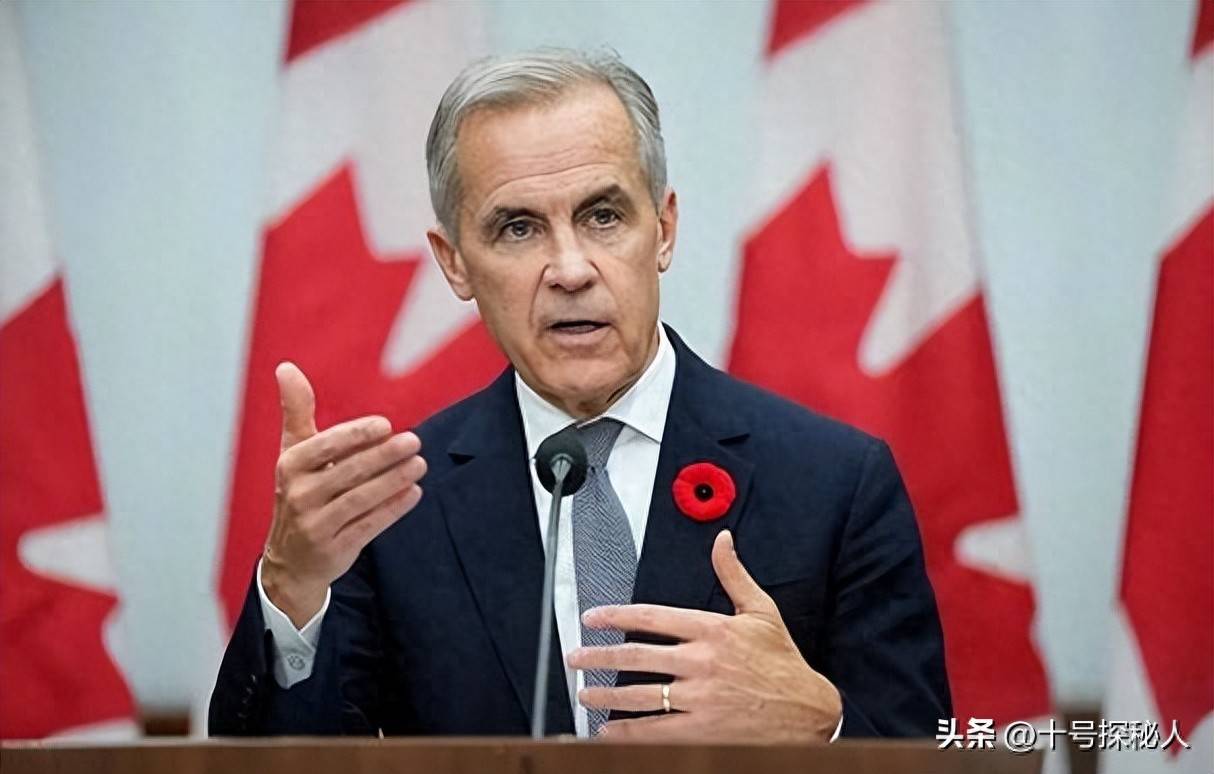
特朗普明抢石油,加拿大转向中国,总理宣布访华,马克龙口风变了
Sou Hu Cai Jing· 2026-01-17 07:45
Core Viewpoint - Trump's ambitions regarding Venezuelan oil resources have become increasingly evident, indicating a desire for the U.S. to control these resources through forceful means [1][3]. Group 1: U.S. Actions and Strategies - Trump revealed plans for Venezuela to supply 30 to 50 million barrels of oil to the U.S. at international market prices, with profits to be distributed by Trump [1]. - A meeting was held at the White House with 17 U.S. oil companies, discussing a potential $100 billion investment in Venezuela's oil infrastructure, which could lead to U.S. control over Venezuelan oil resources [3]. - Trump pressured Venezuela to reduce oil export cooperation with countries like China, emphasizing that heavy oil sales must prioritize the U.S. market [3]. Group 2: China's Response and Strategic Adjustments - In response to U.S. actions, Chinese refining companies have shifted focus to Canada, as Alberta's heavy oil is similar to Venezuela's, providing a strategic alternative [5]. - The completion of the Trans Mountain Expansion (TMX) project in May 2024 will enable Alberta's oil to be exported to Asian markets, enhancing China's energy security [5][7]. - Since the U.S.-China trade war, China has ceased importing oil from the U.S. and has significantly increased imports from Canada, with 64% of TMX pipeline oil now going to China [7]. Group 3: Canada and European Reactions - Concerns have been raised about Canada potentially becoming a "strategic vassal" of the U.S. due to its proximity and economic ties, especially given Trump's aggressive stance [7][9]. - Canada's Prime Minister is set to visit China, marking the first visit in eight years, indicating a desire for greater international cooperation and reduced reliance on the U.S. [9]. - European leaders, particularly French President Macron, have criticized U.S. unilateralism and warned against a new form of colonialism, suggesting a potential shift in European attitudes towards U.S. policies [9].