301调查

Search documents
釜山会晤不到24小时,美国又出尔反尔?执意对华进行301调查
Sou Hu Cai Jing· 2025-12-20 07:50
Core Viewpoint - The recent U.S.-China meeting in Busan yielded positive outcomes, including the cancellation of the 10% "fentanyl tariff" and a pause on several unilateral measures against Chinese goods and enterprises. However, the U.S. continues its Section 301 investigation into China's compliance with the Phase One trade agreement, casting a shadow over the improving economic relations between the two countries [1][3]. Group 1 - The U.S. Trade Representative stated that despite a temporary truce in the trade war, the investigation into China's adherence to the Phase One trade agreement will proceed [1]. - The Section 301 investigation encompasses nearly all major areas of U.S.-China trade, creating uncertainty about which industries may be targeted next [3]. - The U.S. has not lifted tariffs imposed on China, which has limited its own export capabilities, as acknowledged by executives from companies like Ford [3][5]. Group 2 - The U.S. manufacturing sector's decline has hindered its ability to provide sufficient goods for Chinese procurement, with significant purchases primarily in energy and agricultural products rather than manufactured goods [5]. - The change in U.S. administration from Trump to Biden has led to a continuation of tariffs and investigations against China, complicating economic cooperation [5]. - External factors, such as the COVID-19 pandemic and safety issues with Boeing's 737 Max, have further impacted trade dynamics and procurement from the U.S. [5][7]. Group 3 - The U.S. aims to maintain the Section 301 investigation to leverage more negotiation power against China, potentially leading to increased trade friction [7]. - China's commitment to defending its interests remains strong, indicating that the U.S. should reconsider its approach to containing China's development [7].

贸易谈判刚结束,说翻脸就翻脸,美国重启对华301调查!
Sou Hu Cai Jing· 2025-11-10 08:03
Group 1 - The U.S. has initiated a new Section 301 investigation against China, signaling a readiness to escalate trade tensions [1] - U.S. Treasury Secretary Yellen indicated that if China continues to restrict rare earth exports, the U.S. may consider imposing additional tariffs, reflecting a more aggressive stance in U.S.-China trade relations [1] - The reactivation of the Section 301 investigation serves as a tool for the U.S. to exert pressure on China and regain a dominant position in trade negotiations [1][3] Group 2 - China plays a crucial role in the international supply chain, particularly in the rare earth sector, holding a significant share of global production capacity [3] - The U.S. has been applying pressure on China to fully open its rare earth supply while simultaneously imposing tariffs and trade restrictions, showcasing a double standard in its approach [5] - The differing values between the U.S. and China regarding trade partnerships contribute to ongoing friction, with the U.S. seeking dominance and China advocating for equality and mutual benefit [5] Group 3 - The trade friction between the U.S. and China is far from over and may escalate at any moment, necessitating a cautious approach to protect national interests [7] - China should remain vigilant and rational in response to U.S. threats, assessing its own strengths and leveraging strategic resources like rare earths while monitoring international developments [8]
交通运输部:暂停对美船舶收取船舶特别港务费
Yang Shi Wang· 2025-11-10 04:40
Core Points - The Ministry of Transport announced the suspension of special port fees for U.S. vessels and related investigations into the shipping and shipbuilding industries [1][2] - This suspension is part of the consensus reached during the 2025 China-U.S. Kuala Lumpur economic and trade consultations, effective from November 10, 2025 [2] Group 1 - The suspension of special port fees for U.S. vessels will last for one year [2] - The Ministry of Transport's previous announcements regarding the implementation of special port fees and investigations into the shipping and shipbuilding industries are also suspended [2] - The decision aims to align with the final measures of the 301 investigation against China [2]
中美经贸“停战”仅一天,美国为何又启301调查?
Sou Hu Cai Jing· 2025-11-05 08:11
Group 1 - The core point of the meeting between the US and China leaders in Busan is the agreement on economic and trade cooperation, including the US decision to suspend the 301 investigation into China's maritime, logistics, and shipbuilding industries for one year [1][3][5] - The US will also cancel the 10% "fentanyl tariff" on Chinese goods and continue to suspend the 24% "reciprocal tariff" for one year, which were originally set to take effect on November 10 [3][5] - Despite these concessions, the US Trade Representative's Office initiated a new 301 investigation to assess China's compliance with the "Phase One Trade Agreement," indicating ongoing scrutiny of China's trade practices [5][6] Group 2 - The "Phase One Trade Agreement" signed in December 2019 aimed to halt the trade war, with China committing to purchase an additional $200 billion of US goods and services over two years, but actual purchases only reached approximately $1200 billion, falling short of the target [5][6] - The US perceives slow progress in China's structural reforms regarding intellectual property protection and technology transfer, maintaining pressure on China despite verbal commitments to cooperation [5][6] - The US's dual strategy of public cooperation and private pressure reflects its negotiation tactics, with the 301 investigation serving as leverage in future negotiations [6][8]
谈妥了又突然变卦!中国复购美国大豆换关税暂停,美贸易代表直接通告全球:继续查中国
Sou Hu Cai Jing· 2025-11-04 18:12
Core Viewpoint - The recent agricultural procurement discussions between China and the U.S. reveal underlying tensions in the broader economic and trade negotiations, particularly concerning tariffs, rare earth controls, and fentanyl cooperation [1][3]. Group 1: Trade Agreements and Negotiations - A new consensus was reached between the U.S. and China, involving a temporary suspension of reciprocal tariffs and a commitment from China to purchase 12 million tons of U.S. soybeans this crop season, with an annual import of 25 million tons over the next three years [3]. - The U.S. agreed to reduce fentanyl-related tariffs to 10% and suspend a 24% reciprocal tariff for one year, alongside delaying the enforcement of the "50% rule" affecting blacklisted companies [3]. Group 2: U.S. Trade Strategy - The U.S. Trade Representative announced the continuation of the Section 301 investigation into China's compliance with the Phase One trade agreement, which could lead to additional tariffs if "unfair trade practices" are identified [4]. - The U.S. has employed a strategy of negotiating while simultaneously imposing restrictions, indicating a pattern of using trade talks as leverage while maintaining pressure through investigations and tariffs [5]. Group 3: Market Reactions and Economic Implications - Following the announcement of the soybean procurement agreement, global stock markets reacted positively, with the Shanghai Composite Index surpassing 4,000 points [3]. - The ongoing trade tensions and the potential for escalation in the U.S.-China trade war could have significant implications for global GDP, with warnings that an escalation could reduce global GDP by 7% [7]. Group 4: Trust and Future Relations - The fundamental issue in U.S.-China trade relations is the lack of mutual trust, as the U.S. attempts to use agricultural purchases as bargaining chips rather than recognizing them as market-driven decisions [9]. - The contrasting approaches of the two nations highlight a critical paradox: the more the U.S. emphasizes its strength, the more it reveals its diminishing advantages in the trade relationship [7].
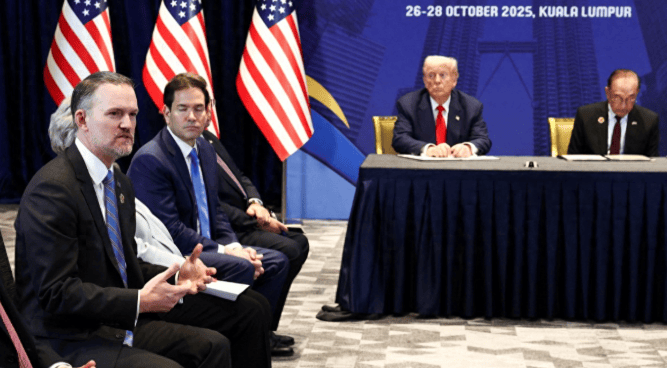
中方刚同意复购大豆,美国又变脸了?美贸易代表通告全球,继续对华进行301调查!
Sou Hu Cai Jing· 2025-11-01 20:14
Group 1 - The core point of the article highlights the recent dialogue between the US and China in Busan, where the US agreed to reduce tariffs on fentanyl-related products from 20% to 10% and suspend additional trade taxes on China, aiming to support US agricultural exports, particularly soybeans [1] - Despite the positive developments, US Trade Representative Tai announced that the Section 301 investigation into China will continue, raising doubts about the US's sincerity and creating further uncertainties for future trade cooperation [1][3] - The political motivations behind the Trump administration's actions are significant, as they view any trade agreement that does not reflect a strong stance as a failure, using the Section 301 investigation as a political tool to pressure China for more concessions [3] Group 2 - The Chinese government has responded pragmatically to the US's strategies, demonstrating its commitment to maintaining stable US-China economic relations while ensuring its own interests, such as by suspending rare earth export restrictions [3][5] - The Chinese Ministry of Commerce has indicated that the continuation of the Section 301 investigation could lead to new frictions and adjustments in tariffs, emphasizing the importance of US-China economic cooperation for countless businesses and families [5] - Strengthening communication and transparency in the implementation of agreements is essential to reduce misunderstandings and conflicts, while exploring broader cooperation areas like climate change and public health can help build a more solid foundation for collaboration [6]
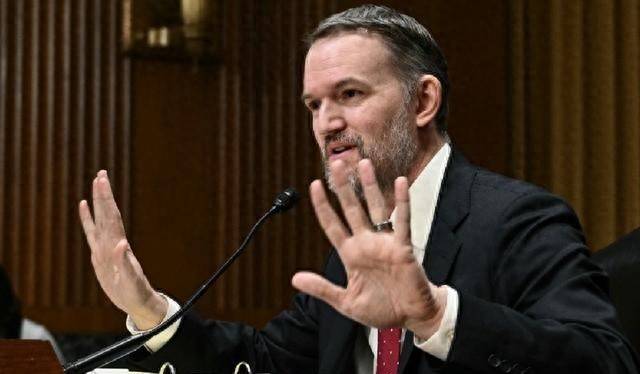
釜山会晤不到一天,美国又出尔反尔?执意对华进行301调查
Sou Hu Cai Jing· 2025-11-01 06:10
Group 1 - The recent meeting in Busan between the US and China appeared to be positive, with the US announcing the cancellation of tariffs on Chinese fentanyl and pausing certain investigations in the maritime, logistics, and shipbuilding sectors [1][3] - Despite the seemingly cooperative atmosphere, the US Trade Representative stated that the Section 301 investigation would continue, indicating a strategy of maintaining leverage in negotiations with China [3][11] - The Section 301 investigation is rooted in unilateralism and protectionism, authorized by the US Trade Act of 1974, and is seen as a tool for the US to exert pressure on China regarding trade practices [5][9] Group 2 - The US is under domestic pressure to maintain a tough stance on China, with bipartisan consensus on the need for a strong approach, making it unlikely for any administration to abandon the Section 301 investigation [7][10] - The investigation is partly justified by the US's claim that China has not fulfilled its commitments under the Phase One Trade Agreement, with a significant shortfall in the expected purchase of US goods and services [7][9] - The US manufacturing sector faces challenges, including supply chain disruptions and production issues, which complicate the narrative that China is solely responsible for trade imbalances [9][10] Group 3 - The continuation of the Section 301 investigation could lead to further friction and disputes between the US and China, as it encompasses a wide range of industries [13] - China has expressed its commitment to reform and opening up while also emphasizing the need to protect its core interests, indicating a more assertive stance in future negotiations [15] - The current state of US-China relations is characterized by a strategic tug-of-war, with both sides reluctant to make concessions, which may prolong the existing tensions and uncertainties in the global market [15]
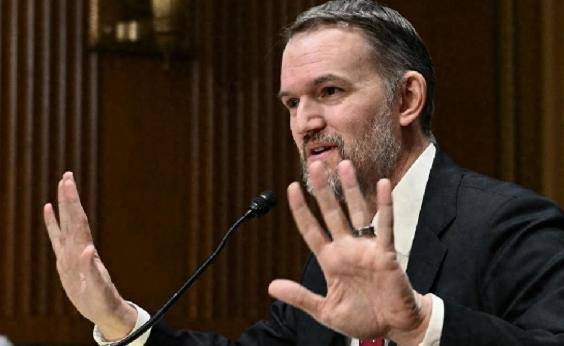
中美经贸团队达成3方面共识
Bei Jing Ri Bao Ke Hu Duan· 2025-10-30 07:49
Core Points - The US will cancel the 10% tariff on Chinese goods related to fentanyl, and the 24% reciprocal tariffs will remain suspended for another year [1] - The US will pause the implementation of its 50% export control rule announced on September 29 for one year, while China will also suspend its related measures for the same duration [1] - The US will suspend its 301 investigation into China's maritime, logistics, and shipbuilding industries for one year, with China reciprocating by pausing its countermeasures [1] Summary by Categories Tariff Adjustments - The US will eliminate the 10% tariff on Chinese goods, including those from Hong Kong and Macau, and will continue to suspend the 24% reciprocal tariffs for one year [1] - China will adjust its countermeasures accordingly [1] Export Controls - The US will delay the implementation of its 50% export control rule for one year, while China will also pause its related export control measures for the same period [1] - Both countries will explore detailed plans for these measures [1] Investigations and Cooperation - The US will suspend its 301 investigation into China's maritime, logistics, and shipbuilding sectors for one year, with China also pausing its countermeasures [1] - Both sides reached agreements on fentanyl cooperation, expanding agricultural trade, and handling specific corporate cases [1] - The outcomes of the Madrid economic negotiations were reaffirmed, with the US making positive commitments in investment areas [1]
忍耐后,中方对美国打出第二枪,交易全面冻结,中美相互征费
Sou Hu Cai Jing· 2025-10-18 18:53
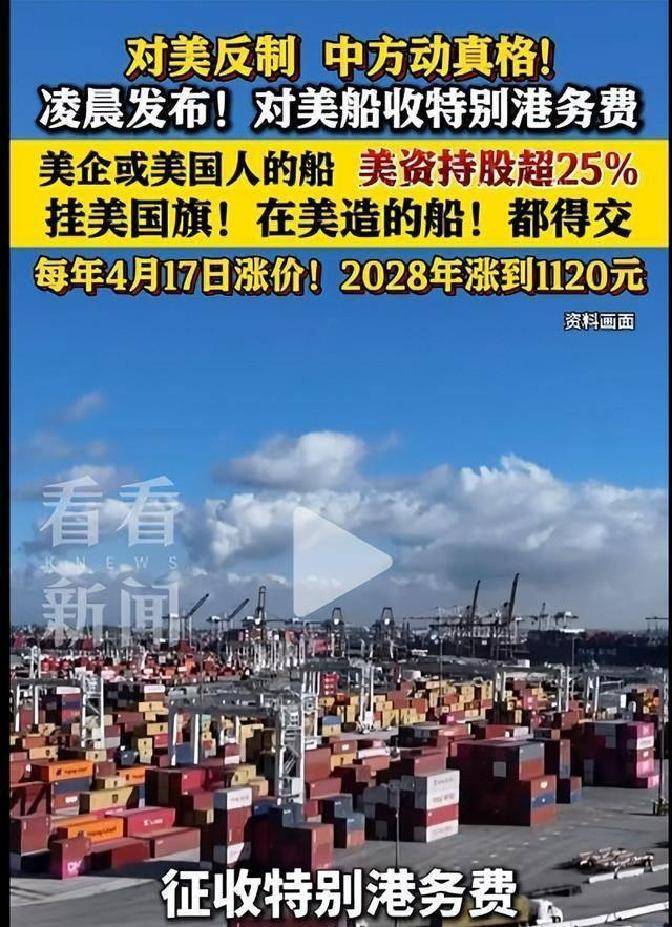
Core Viewpoint - The article discusses the implications of China's countermeasures against the U.S. tariffs and fees, particularly focusing on the inclusion of Hanwha Ocean's subsidiaries in the U.S. on the entity list, which signifies a shift in the geopolitical landscape affecting third-party companies [1][3]. Group 1: Impact on Third-Party Companies - Hanwha Ocean relied on Chinese steel and supply chains for cost advantages while seeking opportunities in the U.S. market, but the recent sanctions have disrupted this balance, leading to a drop in its stock price and political anxiety in South Korea [3][5]. - The inclusion of specific companies in the entity list transforms ambiguous industry positions into clear risk exposures, prompting global companies to reassess their strategic alignments [3][13]. Group 2: U.S.-China Trade Dynamics - The U.S. initiated a 301 investigation against China's logistics and shipbuilding industries, claiming unfair competition due to government subsidies, which led to increased fees for Chinese vessels docking at U.S. ports [5][25]. - China's countermeasures were not merely reactive but strategically timed, aligning the implementation of new fees with U.S. actions to create a mirrored structure that limits the options available to the U.S. [7][24]. Group 3: Domestic Reactions in the U.S. - Major U.S. retailers like Walmart expressed dissatisfaction with the rising costs due to increased shipping fees, indicating a potential backlash against the U.S. government's policies [9][20]. - The U.S. shipbuilding and shipping industries are divided, with some stakeholders arguing that the policies are counterproductive, potentially harming U.S. port operations and benefiting European and Japanese shipping companies [9][20]. Group 4: Strategic Responses and Future Outlook - China's recent actions, including rare earth export controls and port fee increases, form a cohesive strategy that pressures the U.S. while clarifying the boundaries of acceptable corporate behavior for third-party companies [11][22]. - The ongoing trade tensions highlight the complexities of global supply chains, where unilateral policies can have widespread repercussions, forcing companies to navigate a landscape of increased compliance risks and cost management challenges [14][26].
301调查、232措施、穿透性规则……美对华单边制裁有何伎俩?
Sou Hu Cai Jing· 2025-10-16 09:56
Core Viewpoint - The recent export control measures by the U.S. Department of Commerce, particularly the "penetrating rules," will significantly impact thousands of Chinese companies, as subsidiaries with over 50% ownership by entities on the U.S. "Entity List" will face the same export restrictions as their parent companies [1][8]. Group 1: U.S. Trade Measures - The U.S. has implemented multiple unilateral trade restrictions, including "301 investigations," "reciprocal tariffs," "penetrating rules," and "232 tariffs," which have escalated trade tensions with China [3][4]. - The "301 investigation" is seen as a symbol of U.S. unilateralism, allowing the U.S. Trade Representative to investigate and impose sanctions on perceived unfair trade practices by other countries [4][5]. - The "reciprocal tariffs" policy, pushed by the Trump administration, aims to enforce equal tariff rates between the U.S. and its trading partners, which has led to higher tariffs for U.S. goods compared to other countries [5][6]. Group 2: Export Control Measures - The newly implemented "50% penetrating rule" requires subsidiaries of sanctioned entities to comply with the same export licensing requirements as their parent companies, further tightening restrictions on China's technology sector [8][9]. - This rule is expected to force many Chinese companies to reassess their global investment strategies and subsidiary structures, potentially leading to adjustments in ownership ratios and supply chain management [8][9]. - The U.S. has also expanded its "Entity List," which prohibits listed companies from engaging in any commercial transactions with U.S. entities, representing a direct attempt to suppress foreign competition [11][12]. Group 3: Impact on Global Trade - The unilateral measures by the U.S. are viewed as detrimental to international trade norms and have been criticized for undermining the stability of global supply chains [1][11]. - The World Trade Organization (WTO) has previously ruled that certain U.S. tariffs, such as those under the "232" measures, violate international trade rules, highlighting the contentious nature of U.S. trade policies [9][10].