
新型电力系统

Search documents
建好新型电力系统 擘画能源强国未来——2025第八届中国能源产业发展年会举办
中国能源报· 2025-12-05 13:49
▲ 现场图 12月4日,由中国能源报、中国能源研究会主办,G20青年企业家联盟中国总部联合主办的" 2025第八届中国能源产业发展年会"在京举 办。年会以"构建新型电力系统 建设能源强国"为主题,旨在搭建高端对话平台,汇聚行业顶尖智慧,共同研判趋势、破解难题、凝聚 共识,为助力中国能源事业高质量发展、建设能源强国注入澎湃动能。人民日报社副总编辑徐立京,中国能源研究会理事长史玉波,中 国科学院院士周孝信,中国工程院院士王国法,国家电网有限公司总会计师、党组成员陈西,全球能源互联网发展合作组织秘书长伍 萱,南方电网数字电网研究院股份有限公司董事、总经理胡荣,G20青年企业家联盟中国总部主席贾玮等出席。 党的二十届四中全会《建议》提出,加快建设新型能源体系。持续提高新能源供给比重,推进化石能源安全可靠有序替代,着力构建新 型电力系统,建设能源强国。 洞察"新"内核 徐立京在致辞中表示,党的十八大以来,在习近平总书记提出"四个革命、一个合作"能源安全新战略指引下,我国能源产业取得历史性 成就,发生历史性变革,走出了一条符合中国国情、顺应发展大势、引领世界潮流的高质量发展之路。我们要讲好中国能源故事,揭示 其背后的发展 ...


圆桌对话丨面向“十五五”的新型电力系统建设思考
中国能源报· 2025-12-05 12:49
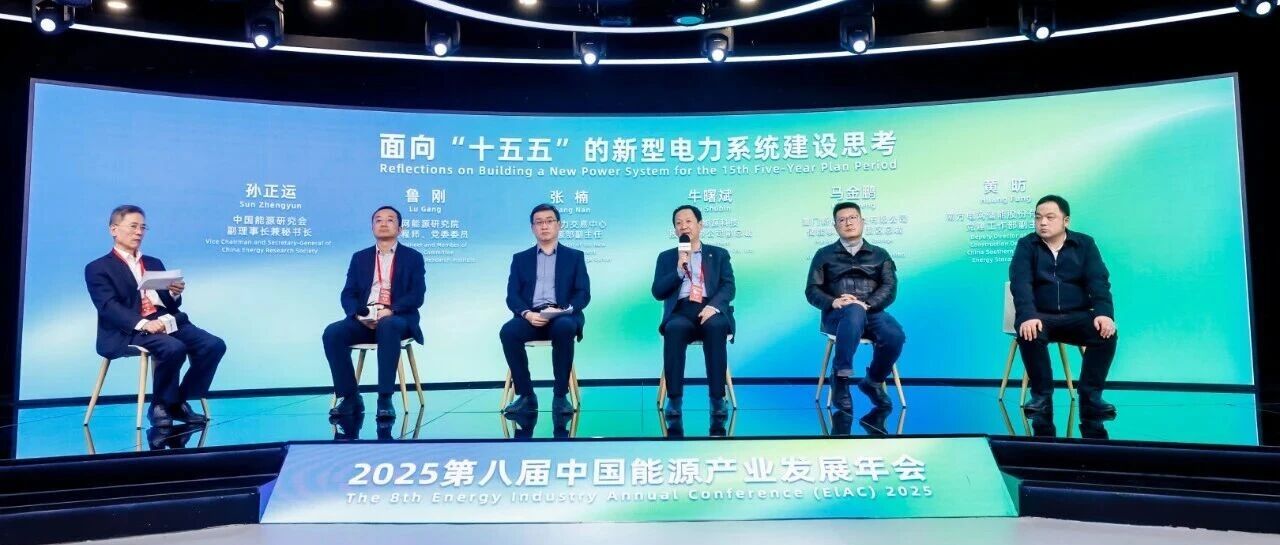
12月4日,2025第八届中国能源产业发展年会在北京举行。年会以"构建新型电力体系 建设能源强国"为主题。本届年会由中国能源 报、中国能源研究会主办,G20青年企业家联盟中国总部联合主办,中央和国家机关有关部门负责同志、外国驻华使节、地方政府主管 部门代表、中外企业负责人和专家学者等参加论坛。 在以"面向' 十五五 '的新型电力系统建设思考" 为主题的圆桌对话环节,圆桌对话主持人 中国能源研究会副理事长兼秘书长孙正运 ,与 国网能源研究院总工程师、党委委员鲁刚,北京电力交易中心新能源部副主任张楠,协鑫能源科技股份有限公司副总裁牛曙斌, 厦门新能安科技有限公司储能事业部中国区总裁马金鹏, 南方电网储能股份有限公司党建工作部副主任黄昉围绕新型电力系统建设成 效、核心特征等展开热烈讨论。 以下为发言内容整理 中国能源研究会副理事长兼秘书长孙正运:新型电力系统建设成效显著 当前,我国新型电力系统建设已取得显著成效,源头上清洁化,消费侧电能替代,新型电力系统成为新型能源体系的核心组成部分,已 经成为大家的共识,新能源的装机容量已经超过火电,调节能力建设逐步加强并因地制宜呈现多样化发展,电力不再是能源的单一品 种,而是起 ...
贾玮:凝聚青年力量,共筑新型能源体系
中国能源报· 2025-12-05 11:50
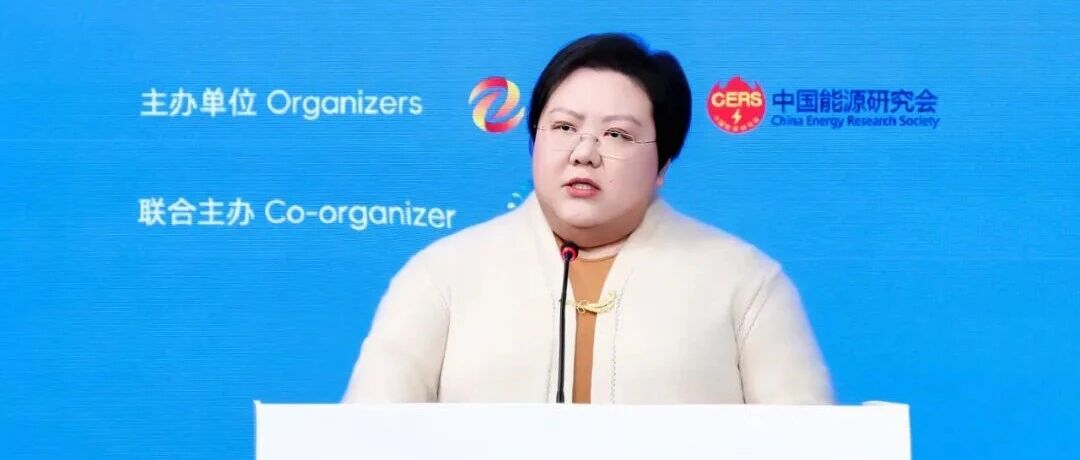
12月4日,2025第八届中国能源产业发展年会在北京举行。年会以"构建新型电力体系 建设能源强国"为主题。本届年会由中国能源 报、中国能源研究会主办,G20青年企业家联盟中国总部联合主办,中央和国家机关有关部门负责同志、外国驻华使节、地方政府主管 部门代表、中外企业负责人和专家学者等参加论坛。 G20青年企业家联盟中国总部主席贾玮出席会议并致辞。 以下为发言内容整理 当前,全球能源体系正经历深刻转型,中国在其中发挥着重要作用。这场电力变革涉及技术、产业和全球格局的多方面演进,中国坚持 统筹能源安全与绿色低碳发展。我们必须立足本国实际,坚决保障国家能源安全;同时,也要把握全球绿色科技发展机遇,积极参与国 际竞争与合作。 在这一历史性进程中,青年企业家发挥着日益重要的作用。他们既是时代发展的见证者,更是推动进步的重要力量。G20青年企业家联 盟作为国际性青年商业领袖组织,其中国总部始终致力于搭建中外交流合作的桥梁。我们认识到,构建新型电力系统必须坚持开放态 度,吸收借鉴国际经验。G20青年企业家联盟中国总部将持续推动这一方向的国际合作与知识共享。 第一,成为"中国方案"的推广者。 今天的中国,在新型电力系统的构建 ...
“十五五”规划建议首提“能源强国”的底气
Xin Jing Bao· 2025-12-05 11:02
能源体系深化转型的未来动能也已蓄势待发。 "加快建设新型能源体系。持续提高新能源供给比重,推进化石能源安全可靠有序替代,着力构建新型 电力系统,建设能源强国"——日前发布的"十五五"规划建议中,16个"强国"建设目标中的一项即建设 能源强国。这也是能源强国首次出现在五年规划里。 "十五五"是实现碳达峰的关键期和窗口期,站在这一节点上,提出建设能源强国的目标有何意义? 建设能源强国的现实基础已经具备 为何在此刻提出建设能源强国,离不开来自国内外两个层面的背景。向外看,全球能源供需格局深度调 整,能源已成为国家安全和战略博弈的优先领域;向内看,"十五五"期间我国能源消费将持续刚性增 长,同时面临绿色转型与产业升级的迫切需求。 因此,提出"能源强国"是回应时代挑战、兼顾能源安全、绿色转型、科技自立与产业竞争力的综合战略 升级。 回顾过去的五年,建设能源强国的现实基础已经具备。 国家能源局局长王宏志表示,"十四五"是绿色低碳转型最快的五年,我们构建起全球最大、发展最快的 可再生能源体系,可再生能源发电装机占比由40%提升至60%左右,风电光伏每年新增装机先后突破1 亿千瓦、2亿千瓦、3亿千瓦关口,实现台阶式跃升发展, ...
国网浙江电力高质量推进新型电力系统建设
Xin Hua Cai Jing· 2025-12-05 08:38
当传统电力系统面临结构性矛盾与瓶颈,新型电力系统凭借高比例新能源接入的重要特征,以技术创新 与系统重塑开启新增长周期,并推动新型能源体系建设。以国网浙江电力打造全要素综合型新型电力系 统省域示范为例,新型电力系统的建设正在重构多重价值。 从输送端看,作为能源跨区域调配的"大动脉","十四五"期间特高压实现从"骨干网"到"主动脉"的蜕 变。不仅量多质也高,如甘浙特高压工程实现柔性直流技术突破,直接引领全球该技术发展。 从技术端看,数字化转型推动电力系统实现深刻变革。国网浙江电力推出的电力调度数智驾驶舱,可结 合天气等因素自动开展负荷预测,其超短期预测精度已达99.5%。浙江省能源大数据中心汇聚了超过 970亿条能源数据,服务政府与企业,推动数据从资源向价值转化。 多元调节资源正在成为提升电力系统灵活性的新支柱。抽水蓄能、新型储能以及虚拟电厂等共同构成了 新型电力系统的"调节器",有效应对新能源发电的波动性与间歇性。 值得一提的还有新型电力系统与新型能源体系之间的关系。新型能源体系包括煤、石油、天然气、电 力、氢、核等能源全品类,涵盖能源全局全链条。而新型电力系统则是构建新型能源体系的关键支撑 点。电力系统作为能 ...
算力之争,电力为王,电网ETF(561380)涨超2.5%
Sou Hu Cai Jing· 2025-12-05 06:16
AI产业持续爆发引发全球性电力短缺,关注电网ETF(561380) AI产业持续爆发引发全球性电力短缺,电力设备成为市场焦点。相关机构表示,根据EIA的预测,2030年数据中心的电力需求将较2023年增加150%以上, AI驱动的数据中心将占美国总电力负荷的9%,将带来14GW的装机缺口。装机缺口的需求将对电源电网设备形成强拉动。同时,英伟达此前发布800V电源 架构白皮书,单机能耗和电压提升,指引了800v供电、SST等新技术的发展需求。这也印证了那句话"AI的基础是算力,算力的尽头是电力。" 在北美等市场AI用电需求带来电力设备大幅缺口的同时,以中东等区域为代表的大规模电源电网建设也为电力设备形成非常显著的拉动。由于AI对海外电 力设备龙头的产能形成挤占,在这些区域国内厂商市场参与度更高,形成传统电力设备景气度持续兑现,AI输配电等新型电力设备需求和预期持续抬升的 双重景气。 算力之争,电力为王,在AI爆发推升全球电力短缺的背景下,电网设备板块延续强势,电网ETF(561380)午后涨超2.5%,近20日资金净流入近2.4亿元。 政策面利好不断,新型电力系统建设有望加速 国内来看,新型电力系统建设有望加速 ...

重庆电力:打造“耀红岩”品牌增强能源保障
Xin Hua Cai Jing· 2025-12-05 05:20
Core Viewpoint - The "Yao Hong Yan" service brand by State Grid Chongqing Electric Power is effectively enhancing energy security and supporting the modernization of Chongqing through a comprehensive digital transformation and customer-centric service approach [1][3][7]. Group 1: Digital Transformation and Smart Grid - The company has initiated a significant maintenance operation at key substations, utilizing AR glasses and smart positioning devices for real-time monitoring, which enhances operational efficiency [2]. - The new centralized monitoring system allows for proactive management of 25 substations over an area of 45.8 square kilometers, improving response times to equipment anomalies by 55% and nearly doubling inspection efficiency [2][3]. - The digital transformation efforts have led to a power supply reliability rate of 99.9471% and a voltage compliance rate of 99.962% [3]. Group 2: Integration with Local Industry - The "Yao Hong Yan" brand focuses on providing tailored services to industrial parks and key enterprises, facilitating seamless electricity access from project initiation to connection [4]. - The service team has assisted major companies like Yiswei Group and Changan New Energy in expanding their electricity capacity, ensuring smooth project progress [4]. - A dedicated high-voltage customer manager system has been implemented, helping 30 key enterprises save approximately 1.2 million yuan in electricity costs by addressing technical issues [4]. Group 3: Community Engagement and Social Welfare - The company has established a "Yao Hong Yan" grid team to address rising electricity demands in communities, implementing a dual-grid service model for efficient response to customer needs [7][8]. - The initiative includes providing support for community projects, such as the installation of elevators for elderly residents, ensuring that service delivery is accessible and efficient [7]. - The "Yao Hong Yan" service brand has evolved into a vital community support system, enhancing the quality of life for residents and embodying the spirit of the Red Rock legacy [8].
史玉波:构建新型电力系统是实现能源强国目标的必由之路
中国能源报· 2025-12-05 04:59
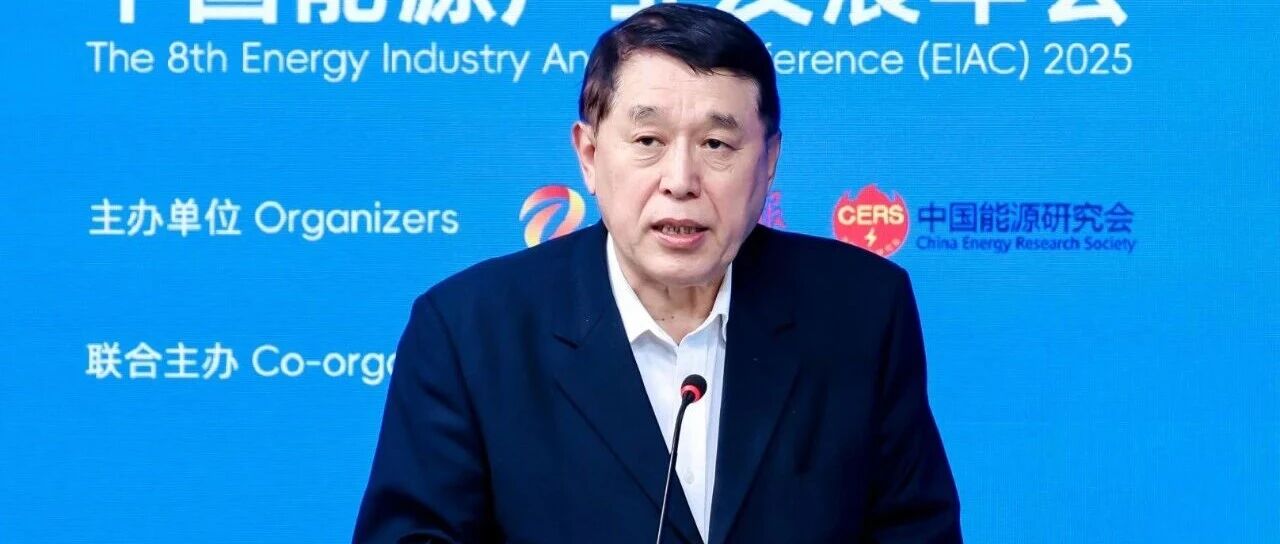
12月4日,2025第八届中国能源产业发展年会在北京举行。年会以"构建新型电力体系 建设能源强国"为主题。本届年会由中国能源 报、中国能源研究会主办,G20青年企业家联盟中国总部联合主办,中央和国家机关有关部门负责同志、外国驻华使节、地方政府主管 部门代表、中外企业负责人和专家学者等参加论坛。 中国能源研究会理事长史玉波出席会议并致辞。 以下为发言内容整理 当前,我国能源发展正处在历史性跨越的关键阶段。党的二十届四中全会通过的《中共中央关于制定国民经济和社会发展第十五个五年 规划的建议》明确提出, 加快建设新型能源体系。持续提高新能源供给比重,推进化石能源安全可靠有序替代,着力构建新型电力系 统,建设能源强国。 这为推动"十五五"时期能源高质量发展绘就了清晰蓝图、提供了根本遵循。 "建设能源强国"这一战略目标,蕴含着对我国经济社会发展全局的深远考量,彰显了对全球能源变革趋势的精准把握。这一目标的提 出,标志着我国能源战略实现了从跟跑到领跑的历史性转折——我们不仅要筑牢坚实可靠、安全韧性的能源供给保障体系,更要在能源 科技自主创新、能源高效利用、产业迭代升级中抢占全球制高点,全力建成清洁低碳安全高效的新型能源体 ...
新华鲜报·“十四五”发展亮点 | 能源向“绿”!每3度电就有1度绿电
Xin Hua She· 2025-12-05 04:40
新华财经北京12月5日电(记者王悦阳)"十五五"规划建议提出,"持续提高新能源供给比重""着力构建 新型电力系统,建设能源强国"。回望"十四五",我国逐光驭风、向"绿"而行,全社会用电量中,每3度 电就有1度绿电。 "十四五"是我国能源绿色低碳转型最快的五年。如果把五年间全国新增的光伏板铺展开,总面积可以覆 盖53万座足球场;把新增的风机叶片依次连接,长度相当于从中国最东端到最西端走一个来回。 看发电侧,绿电正从曾经荒无人烟的"沙戈荒"出发,横跨千里,实现"闪送"。 生活中,"开绿车、用绿电"成为越来越多人的选择。截至今年10月底,我国电动汽车充电基础设施总数 达1864.5万个,同比增长54%。 当前,北方地区已进入供暖季。在内蒙古兴安盟科右前旗大坝沟小学,教室内暖意融融,师生们告别了 煤炉取暖的"煤烟味"。今年以来,当地27所中小学校完成清洁能源供暖改造。 工厂里,绿电为产业升级注入新活力。例如,惠达卫浴股份有限公司2024年消费绿电2560万千瓦时,折 合节约3146.24吨标准煤,减排二氧化碳8463.39吨。"使用绿电有助于满足国外客户的环保要求,突破贸 易壁垒。"惠达卫浴设备能源动力部副部长侯鑫说 ...
国网重庆市电力公司:向“绿”而行 向“新”求质 为经济社会高质量发展增添绿色动能
Ren Min Ri Bao· 2025-12-05 00:48
Core Viewpoint - The development of the Chongqing power grid is crucial for enhancing energy supply security and supporting economic growth, with significant investments and projects underway to improve infrastructure and integrate renewable energy sources [1][4][9]. Group 1: Infrastructure Development - The approval of the Yuchuan back-to-back interconnection project will establish a new flexible DC back-to-back converter station in Chongqing, increasing the conversion capacity by 3 million kilowatts, thereby enhancing interconnectivity between the national and southern power grids [1]. - During the 14th Five-Year Plan, the Chongqing power grid has focused on building a strong power supply network, with significant projects like the 1000 kV ultra-high voltage project increasing power transmission capacity by 4 million kilowatts [2]. - The total investment in power grid construction during the 14th Five-Year Plan reached 58.2 billion yuan, a 39.9% increase compared to the end of the 13th Five-Year Plan, with installed power capacity exceeding 42 million kilowatts [3]. Group 2: Renewable Energy Integration - Chongqing has seen a significant increase in renewable energy capacity, with an annual growth rate of over 35.75% for wind and solar energy installations, reaching a total of 8.15 million kilowatts [6]. - The commissioning of the first million-kilowatt pumped storage power station in the Southwest region has enhanced the grid's ability to adjust and integrate renewable energy sources [4]. - The city has implemented a "Million Kilowatt Rooftop Distributed Photovoltaic" initiative, adding 239.64 thousand kilowatts of rooftop solar capacity, contributing to a total of over 5 million kilowatts of solar power [6]. Group 3: Energy Consumption and Electric Vehicles - The rise of electric vehicles in Chongqing has led to a significant increase in charging infrastructure, with 6,170 public charging stations and 382,000 private charging piles installed, achieving a total charging volume of 1.705 billion kilowatt-hours [8]. - The company has invested 1.6 billion yuan in enhancing the power supply for charging facilities, ensuring stable and quality electricity for electric vehicle users [7]. - The promotion of green energy consumption is transforming the lifestyle of residents and tourists, with a growing emphasis on low-carbon energy use in transportation and daily activities [7]. Group 4: Future Plans and Goals - The company aims to develop a new power system that is clean, low-carbon, safe, and efficient, while actively integrating high-quality clean energy and advancing new business models like virtual power plants [9]. - Plans for the 15th Five-Year Plan include enhancing the power grid's capacity and flexibility, ensuring a balance between local and external power sources, and supporting the transition to a low-carbon economy [9].