
高质量发展

Search documents
李强主持召开国务院第十次全体会议讨论政府工作报告稿和“十五五”规划纲要草案稿
Xin Hua She· 2026-02-06 11:51
李强指出,要坚持远近结合,扎实推动高质量发展。进一步加强年度工作和五年规划的衔接,将中 长期目标任务落实到年度工作部署中。要注重整体规划和重点突破相结合,围绕规划纲要高质量编制各 领域专项规划,深入谋划实施一批重大举措、重大项目,特别是要在发展新质生产力、做强国内大循 环、促进居民增收等方面取得更大突破。要注重前瞻布局,坚持脚踏实地,在实践中不断塑造引领未来 的发展新优势。 李强强调,面对新的形势和任务,尤其需要树立和践行正确政绩观,要坚持从实际出发、按规律办 事,自觉为人民出政绩、以实干出政绩。春节假期将至,要重视抓好安全生产、春运保障、欠薪欠款治 理、保供稳价等工作,确保群众过一个安全、幸福、祥和的节日。 李强指出,今年是"十五五"开局之年,形成高质量的政府工作报告和规划纲要,对于凝聚共识、提 振信心、推动发展具有重要作用。要深入贯彻习近平总书记重要指示精神和党中央决策部署,准确把握 今年和未来五年的国内外形势,把发展所需和群众所盼结合起来,充分体现高质量发展要求,切实回应 社会关切,进一步把两个文件稿修改好。 李强指出,要落实好中央经济工作会议部署的各项工作,勇于攻坚克难,确保"十五五"开好局、起 好步 ...
怎么看我国经济顶压前行、向新向优——访国家统计局新闻发言人
Xin Lang Cai Jing· 2026-02-06 11:38
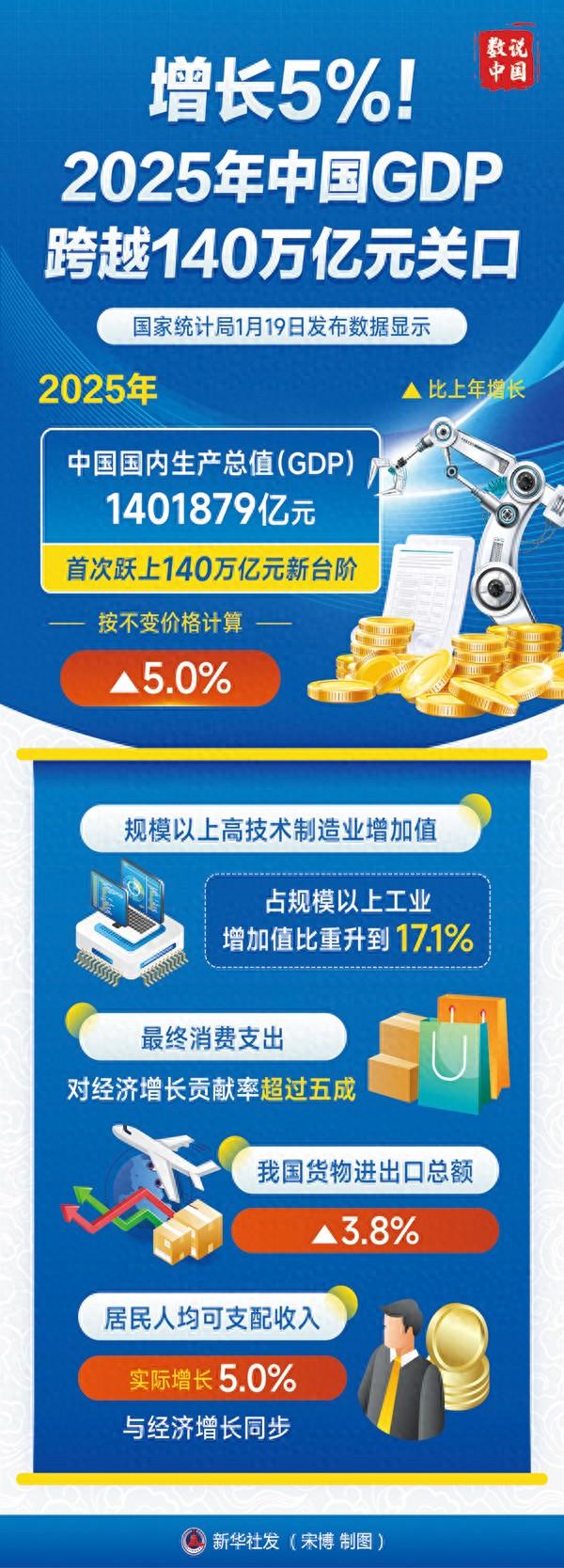
近期,2025年中国经济年报出炉,经济总量突破140万亿元大关,比上年增长5%,国民经济 顶住多重压力挑战,圆满完成主要预期目标,发展向新向优。对此,本刊记者对国家统计局 新闻发言人进行了专访,分析2025年经济运行情况,解读扩大消费、改善民生等热点问题, 展望我国经济发展态势。 记者:2025年我国圆满完成了经济社会发展主要目标任务,首先想请您谈谈对全年经济运行情况的看 法。 新闻发言人:回看2025年,我感受最深的一点是,我国经济发展实现预期目标很不容易,也很不平凡。 这一年,外部环境急剧变化,国内周期性结构性矛盾交织,经济平稳运行面临的风险挑战增多。面对国 内外形势深刻复杂变化,在以习近平同志为核心的党中央坚强领导下,我国经济顶住多重压力向新向优 稳步发展,交出了鼓舞人心的亮丽答卷。总体来看,有三个特点尤为鲜明。 第一,主要预期目标圆满实现。2025年,我国始终保持战略定力,坚定不移办好自己的事,有力有效实 施更加积极有为的宏观政策,在风浪中稳住了发展底盘,锤炼了顶风抗雨的能力,发展主要预期目标圆 满实现。国内生产总值(GDP)迈上140万亿元新台阶,5%的增速在全球主要经济体中继续保持前列。 城镇调查 ...

农发行召开2026年党的建设与业务经营工作会议
Xin Lang Cai Jing· 2026-02-06 10:49
2月4日至5日,中国农业发展银行在京召开2026年党的建设与业务经营工作会议。会议坚持以习近平新 时代中国特色社会主义思想为指导,全面贯彻党的二十大和二十届历次全会、中央经济工作会议、中央 农村工作会议、中央纪委五次全会和全国金融系统工作会议精神,总结工作,分析形势,安排部署2026 年任务。党委书记、董事长湛东升作全面工作报告,党委副书记、行长张小东作业务经营报告,中央纪 委国家监委驻农发行纪检监察组组长、农发行党委委员熊惊峰讲话,总行行领导出席会议。 会议指出,2025年,全行坚决贯彻党中央决策部署,紧紧围绕服务国家战略和"三农"发展,以高质量党 建为引领,统筹抓好风险防控与履职发展,全年累放贷款2.98万亿元,高质高效完成农发新型政策性金 融工具投放。 会议认为,"十四五"以来,农发行扎实推进党建领航工程,纵深推进全面从严治党,全行上下锐意进 取、攻坚克难,支农贡献力、价值创造力、社会影响力和队伍战斗力全面提升。五年来,累放贷款和基 金超14万亿元,资产质量持续保持同业较好水平,全力服务巩固拓展脱贫攻坚成果和乡村全面振兴,助 力疫情防控和经济恢复,彰显了政策性金融的责任担当。 会议强调,2026年是"十 ...
张宏伟参加市政协经济三组和民建、工商联组讨论 倾听真知灼见 共商发展大计
Xin Lang Cai Jing· 2026-02-06 10:41
张宏伟指出,刚刚过去的2025年,面对复杂的国际国内环境和艰巨繁重的改革发展稳定任务,全市上下 凝心聚力攻坚克难,推动经济社会各项事业取得扎实成效,交出了"十四五"圆满收官的优异答卷。这些 成绩的取得是全市干部群众团结拼搏的结果,也凝聚着广大政协委员的心血汗水。 张宏伟强调,2026年是"十五五"开局之年,也是市委确定的"重点工作提速增效年",希望各位经济界委 员准确把握当前形势和政策机遇,团结引导广大企业家进一步坚定发展信心,踊跃投身老区振兴实践, 在产业培育、项目建设和科技创新等领域打头阵当先锋,以实干实绩展现新担当新作为。要勇做高质量 发展的主力军,心无旁骛深耕主业做强实业,瞄准产业升级加快"智改数转",纵深推进工艺换新、产品 换优和电商换市,努力在激烈的市场竞争中抢占行业制高点。要争当企业家精神的践行者,将守法诚信 经营作为立业之本和兴企之道,积极参与捐资助学、扶危济困等爱心公益事业,自觉做致富思源和义利 兼顾的典范,用实际行动更好造福群众、回馈社会。 转自:信阳发布 集思广益汇众智,建言献策聚合力。2月6日,市两会期间,市委书记张宏伟来到市政协经济三组和民 建、工商联组,与委员们一起讨论政协常委会工 ...
多国领导人密集访华 商务部:多数跨国公司持续加大对华投资力度
Sou Hu Cai Jing· 2026-02-06 09:16
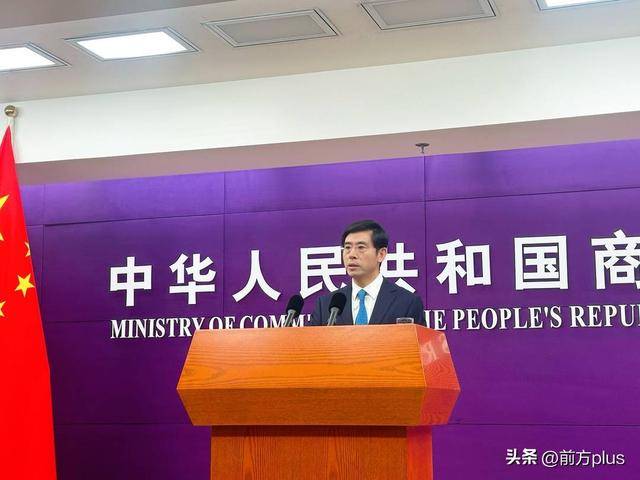
何亚东介绍,2026年以来,韩国总统李在明、加拿大总理卡尼、芬兰总理奥尔波、英国首相斯塔默等领 导人率团访问中国,进一步加深了理解互信,开辟了双边经贸合作的广阔空间,增强了跨国公司投资中 国、深耕中国的信心。 2025年,韩国对华制造业投资增长14.1%,加拿大对华高技术产业投资同比增长11.7%,芬兰对华制造 业投资同比增长21.7%,英国对华投资同比增长15.9%。近期,加中贸易理事会、中国欧盟商会、中国 英国商会、中国美国商会等调查报告显示,多数跨国公司仍将中国列为主要投资目的地,持续加大投资 力度。 何亚东还强调,"十五五"期间,中国将稳步迈向高质量发展,持续扩大高水平对外开放,并坚定维护多 边贸易体制,加强与各国发展平等互利经贸关系,将为外资企业在华长期发展提供良好预期。(封面新 闻) 月5日,商务部举行例行新闻发布会。对于今年年初已有多国领导人访华,新闻发言人何亚东表示,将 深化外商投资促进体制机制改革,持续扩大制度型开放,优化营商环境,加快塑造吸引外资新优势,让 中国大市场成为全球大机遇,让外资企业愿意来、留得住、发展好,成为中国式现代化的重要参与者。 商务部新闻发言人何亚东。封面新闻记者粟裕摄 ...
强化党建引领 推动屯昌高质量发展提质增效
Hai Nan Ri Bao· 2026-02-06 07:38
屯昌县委书记 林莉 强化党建引领 推动屯昌高质量发展提质增效 2025年,屯昌县坚持以党建为统领,持续强化政治建设,暖民心实事落地见效,解决群众急难愁盼 问题1784件。产业发展成效显著,全力推动"一园三区两中心"建设,大同产业园获批省级开发区,规上 工业企业数量连续两年高位增长,11项自贸港政策集中落地见效,年招商签约额首次突破50亿元,县属 国企营收同比增长195.4%,增速位居全省第一。深入开展自贸港先锋行动,各领域基层党组织短板有 效补齐,农村产权交易平台年交易额破亿,村集体经济总收入同比增长27%,带动农村人口就业增长 18%,筑牢县域发展根基。 下一步,屯昌将持续以高质量党建引领高质量发展,锚定自贸港建设目标精准发力,紧扣党的创新 理论常态化开展党员干部思想政治教育。聚焦党组织政治功能和组织功能,重点抓好新兴领域、园区、 国企党建工作,推动党建与项目建设、产业发展等重点工作深度融合。建强头雁、党员、人才三支队 伍,着力培育村党组织书记"头雁队伍",强化党员干部教育管理监督,营造近悦远来的人才生态。健全 权责清晰的责任机制、科学精准的考评机制、贯通协同的监督机制、严管厚爱的激励约束机制,深化全 面从 ...
强化党建引领 推动乐东高质量发展
Hai Nan Ri Bao· 2026-02-06 07:38
乐东黎族自治县委书记 马育红 强化党建引领 推动乐东高质量发展 2025年,乐东黎族自治县深入开展自贸港先锋行动,深化"展旗亮徽"行动、"双报到"机制,推行主 题党日"5+N"模式,打造"乐享法治"党建品牌入选全国网络法治宣传优秀案例。排查整顿22个软弱涣散 党组织,推动27个重点非公企业和社会组织"两个覆盖"。建强干部队伍,培育村(社区)书记后备力量 408名。全县地区生产总值完成233.78亿元,同比增长4.2%;固定资产投资完成62.07亿元,同比增长 7.8%,增速全省排名第三。扛牢生态环境保护的政治责任,锚定"给全省打样"目标狠抓海岸带整治,创 建自然资源监管"三道防线"机制,破解林、田、河湖长制监管难题。 下一步,乐东将持续深化思想政治建设,严格落实"第一议题"制度。严格选人用人标准,坚持干 部"能上能下",坚决纠治作风顽疾。以"两建强一融合"强化基层治理力量,深化"十大村居"治理创建。 持续优化营商环境。做优做强热带特色高效农业、海洋渔业、文旅产业,加快乐东港及三大园区建设, 深化运用"三道防线"机制,狠抓海岸带环境问题整改,全力保障和改善民生,以党建引领高质量发展。 ...
坚决扛起高质量发展使命担当
Hai Nan Ri Bao· 2026-02-06 07:38
Core Viewpoint - Chengmai County is committed to high-quality development, focusing on enhancing its economic strength and ensuring smooth operations in the Hainan Free Trade Port by 2025 [2] Group 1: Economic Development - Chengmai County aims to achieve high-quality development through effective party leadership and has set ambitious goals for economic growth, including doubling the annual investment signing amount compared to provincial targets [2] - The county has ranked among the top 100 counties in comprehensive strength nationwide for three consecutive years [2] - The supply of industrial land is the highest in the province, and the core revenue of the digital economy has surpassed 100 billion yuan [2] Group 2: Financial Achievements - Chengmai County successfully issued 1 billion yuan in AAA-rated corporate bonds, reflecting strong financial health [2] - The total income of village collective economies exceeded 160 million yuan, achieving a doubling effect for two consecutive years [2] Group 3: Governance and Social Development - The county has implemented 27 measures to incentivize village and community leaders, promoting a culture of accountability and performance [2] - Significant improvements in social governance effectiveness have been noted, with successful monitoring leading to the dynamic clearance of poverty alleviation targets [2] Group 4: Future Plans - Chengmai County plans to hold a conference for county, town, and village leaders after the Spring Festival to focus on key initiatives such as investment attraction and rural industry revitalization [2] - The county aims to drive economic growth through five major initiatives, emphasizing a proactive approach to achieving its goals [2]
五粮液:凝聚和美力量仰首阔步迈向新时代伟大征程
Sou Hu Cai Jing· 2026-02-06 04:39
Core Viewpoint - The company, Wuliangye Group, reflects on its achievements in 2025 and sets ambitious goals for high-quality development in 2026, emphasizing stability and progress in its operations [2]. Group 1: Achievements in 2025 - The company maintained a strong focus on quality, receiving the "Fifth China Quality Award Nomination" and the highest score in the "EFQM Global Award" [4]. - Wuliangye was included in the first batch of China's consumer goods list by the Ministry of Industry and Information Technology and ranked 216th in the "World Brand 500" list, maintaining a AAA+ rating for brand value strength [4]. - The company achieved international leadership in two wine industry innovations and launched three new yeast strains globally, while also being recognized as the top company in China's light industry food sector [4]. Group 2: Future Goals for 2026 - In 2026, the company aims to focus on three major industry sectors: wine and its supporting industries, advanced manufacturing, and modern services, with a commitment to quality improvement and efficiency [5]. - The company plans to continue enhancing the Wuliangye brand value and promoting Chinese wine culture on a global scale [7].


山西2025经济答卷亮眼 2026锚定高质量发展再出发
Zhong Guo Fa Zhan Wang· 2026-02-06 04:09
Core Viewpoint - Shanxi Province is focusing on high-quality economic development and resource-based economic transformation, with a positive outlook for 2026 following a stable performance in 2025 [1][6]. Economic Performance - In 2025, Shanxi's GDP reached 25,495.7 billion yuan, growing by 4.0% year-on-year, which is an increase of 1.8 percentage points compared to 2024 [1]. - The growth rates for primary, secondary, and tertiary industries were 4.5%, 3.1%, and 4.5% respectively, indicating sustained economic resilience [1]. Macroeconomic Policies - Shanxi implemented a series of policies to stabilize growth and promote transformation, with fiscal spending exceeding 600 billion yuan, of which 80.1% was allocated to people's livelihoods [2]. - Tax reductions and refunds for technological innovation and manufacturing totaled 231.8 billion yuan, benefiting 440,000 business entities [2]. - The province's loan balance grew by 7.4%, with average interest rates for new corporate loans and inclusive small and micro loans dropping to 3.41% and 4.35% respectively [2]. Domestic Demand and Investment - Shanxi's "old for new" consumption policy led to a significant increase in retail sales, reaching 8,030.9 billion yuan, a growth of 4.7%, which is 1 percentage point higher than the national average [3]. - Fixed asset investment saw a narrowing decline of 0.4%, which is 3.4 percentage points lower than the national average, supported by 120 "two重" projects [3]. Industrial Structure and Innovation - The province's industrial value added grew by 4.9%, with coal production exceeding 1.3 billion tons, an increase of 2.1% [4]. - New industries such as computer manufacturing and renewable energy saw substantial growth, with the former increasing by 121.6% [4]. - The service sector's contribution to GDP rose by 2.3 percentage points, with information technology services growing by 9.8% [4]. Reform and Development - Shanxi is deepening reforms in key areas, enhancing the competitiveness of state-owned enterprises and fostering innovation through the establishment of 27 national-level innovation platforms [5]. - The province's open economy is improving, with 1,000 China-Europe (Asia) freight trains operating, and 2,471 enterprises engaged in import and export activities, marking an 18.6% increase from the previous year [5]. Social Welfare and Employment - In 2025, Shanxi created 473,000 new urban jobs, exceeding annual targets, and continued to narrow the income gap between urban and rural areas [6]. - The high proportion of fiscal spending on social welfare ensures that development benefits are equitably distributed among the population [6].