
科技金融

Search documents
东莞农商银行创新推出“铺底贷”,为科技企业注入金融活水
Nan Fang Du Shi Bao· 2025-12-26 11:57
Core Insights - Dongguan, known for its manufacturing prowess, is focusing on addressing the financing challenges faced by small and medium-sized technology enterprises through innovative financial products [1][2] Group 1: Innovative Product System - Dongguan Rural Commercial Bank has launched a diversified product matrix centered around the "Pudidi Loan," specifically designed to meet the financing needs of technology enterprises with light assets and high growth potential [2] - The "Pudidi Loan" offers up to 50 million yuan in unsecured loans, effectively addressing the issue of lack of collateral for technology companies [2] - Additional products such as "Keqi Loan," "Order Loan," and "Online Flow Loan" complement the "Pudidi Loan," sharing credit limits and enhancing financing options for technology enterprises [2] Group 2: Service Mechanism Optimization - Dongguan Rural Commercial Bank has established a comprehensive optimization mechanism for the entire process from customer selection to loan approval, enhancing the efficiency of technology financial services [3] - A green channel for loan approval has been set up, with dedicated approval personnel for technology enterprises, significantly reducing financing wait times [3] - The bank has introduced various incentive measures, including a special loan quota of 20 billion yuan to prioritize financing for technology enterprises and offering preferential interest rates to lower financing costs [3] Group 3: Case Study of Enterprise Service - A technology company in Dongguan, specializing in mobile camera components, faced urgent financing needs due to increased orders and delayed receivables [4] - Dongguan Rural Commercial Bank quickly provided a customized financial solution, granting a 25 million yuan unsecured online flow loan through the "Pudidi Loan," alleviating the company's cash flow pressure [4] - The bank also offered comprehensive support services, including online banking and account reconciliation, to facilitate the company's development [4] Group 4: Future Development Plans - Dongguan Rural Commercial Bank plans to continue enhancing its technology financial products and services, focusing on the characteristics and core needs of technology enterprises [5] - The bank aims to improve the functionalities of products like "Pudidi Loan" and "Keqi Loan," building a comprehensive product system for the entire lifecycle of technology enterprises [5] - There will be a push for the "Four Transformations" of technology branches, strengthening collaboration with government departments and technology parks to create a full-chain technology financial service system [5]
海尔消费金融公布11周年成绩单:服务新市民近2000万
Zheng Quan Ri Bao Zhi Sheng· 2025-12-26 11:37
Group 1 - Haier Consumer Finance Co., Ltd. (referred to as "Haier Finance") celebrated its 11th anniversary, reporting a cumulative loan amount of approximately 172.4 billion yuan and serving 19.45 million real-name new citizens users [1] - The company has innovatively launched the "Smart Home Installment" service, enabling a zero-interest installment model through industry subsidies, facilitating the adoption of smart and green home appliances [1] - The "Smart Home Installment" service has been implemented in over 2,000 Haier specialty stores nationwide, with a cumulative installment amount of 130 million yuan, significantly boosting retail sales by over 30% during special promotional events [1] Group 2 - Haier Finance has issued nearly 11.2 billion yuan in Asset-Backed Securities (ABS) to optimize financing costs and improve the asset-liability structure, supporting inclusive financial innovation and AI technology development [2] - The company has submitted over 730 patent applications, with more than 95% of its 600 online operational applications being self-developed, focusing on cutting-edge areas such as AI and multimodal interaction [1] - In the innovative financing sector, Haier Finance plans to implement the industry's first "Technology Finance + Green Finance" sustainable development-linked syndicated loan of 900 million yuan by 2025 [1]
中国人民银行原副行长李东荣:财富管理已不再是高净值人群的专属福利
Feng Huang Wang Cai Jing· 2025-12-26 11:07
这就需要财富管理要围绕做好金融"五篇大文章"布局发力,2023年中央金融工作会议指出,要做好科技 金融、绿色金融、普惠金融、养老金融、数字金融"五篇大文章"。这"五篇大文章"均与财富市场相联 系,李东荣认为这是财富管理行业履行金融责任的必然要求,也是其实现投资人财富管理目标的重要机 遇。在科技金融方面,财富管理具有耐心资本的优势,可根据投资人的风险偏好为科创企业提供全周期 的融资支持;在绿色金融方面,财富管理行业通过厚植绿色发展理念,将绿色金融、ESG等可推动社会 经济健康发展的产品和服务融入财富管理之中,为转型期提供合适的金融产品和服务。在养老金融方 面,研究设计适应老年人养老财富管理的产品,满足老年人多元化、长期化的金融服务需求,是中央提 出开展养老金融的题中应有之义。在普惠金融和数字金融方面,借助数字金融的发展优势,财富管理可 打破"二八定律"的局限,让广大长尾人群也能享受到优质、低成本的理财服务。 在推动财富管理创新发展的过程中,财富管理行业要始终绷紧风险防范这根弦,保持对风险的敬畏和预 判,妥善处理好创新发展和风险防范的关系,并充分利用数字技术的优势去改进管理,针对不同客群的 风险承受能力与财务目标 ...


中国银行设立专项资金池锚定硬科技,首期600亿元
2 1 Shi Ji Jing Ji Bao Dao· 2025-12-26 10:44
Core Viewpoint - Technological innovation is identified as a core element of national competition, with a focus on enhancing self-reliance and strength in technology as outlined in the "14th Five-Year Plan" [1] Group 1: Financial Support for Technological Innovation - The Ministry of Science and Technology, the People's Bank of China, and other regulatory bodies have proposed 15 specific measures to provide comprehensive financial support for technological innovation across seven key areas [1] - China Bank has launched the "Integrated Customer Cultivation Plan" with an initial funding pool of 60 billion yuan, aimed at supporting the growth of key technology enterprises [1][4] Group 2: Integrated Cultivation Concept - The "Integrated Cultivation" concept aims to provide a seamless service model for high-growth potential technology companies, transitioning from fragmented services to a one-stop service approach [2] - The plan includes a comprehensive service package covering equity, loans, bonds, and investment banking, tailored to the development stages of enterprises over a 3-5 year period [2] Group 3: Funding Structure and Focus Areas - The initial funding pool consists of 10 billion yuan for equity investment and 50 billion yuan for credit support, with a focus on key hard technology sectors such as integrated circuits, artificial intelligence, and biomedicine [4] - The plan will first be implemented in five key regions: Beijing, Shanghai, Jiangsu, Shenzhen, and Hangzhou, targeting the cultivation of at least 100 high-quality enterprises with core technologies [4] Group 4: Case Study of Successful Support - The example of GPU company Moore Threads illustrates the effectiveness of the plan, with China Bank providing over 100 million yuan during the A-round financing and leading a consortium to support a 1 billion yuan project [3]

产业创新是建构中国经济增长新的核心支柱
Guo Ji Jin Rong Bao· 2025-12-26 10:08
Core Insights - The upcoming year 2026 marks the start of China's 15th Five-Year Plan, emphasizing the implementation of industrial innovation projects to enhance the country's industrial structure and establish a modern industrial system with global competitiveness [1] Group 1: Industrial Innovation Strategy - China aims to create emerging pillar industries and strategically position future industries, focusing on sectors like new energy, aerospace, and quantum technology, which are characterized by long-term and dynamic features [3] - The strategy includes a new national system to concentrate resources on technological advancements and infrastructure, leveraging the complete industrial system and vast market advantages to facilitate the commercialization of new technologies [4] Group 2: Global Innovation Standing - According to the 2025 Global Innovation Index, China ranks 4th globally, achieving its highest position ever, while also being the second in key technology fields like biotechnology and quantum technology, closing the gap with the U.S. [5] - China has 24 of the world's top 100 innovation clusters, with the Shenzhen-Hong Kong-Guangzhou cluster now ranked first globally, surpassing the Tokyo-Yokohama cluster [5] Group 3: Policy and Financial Support - Various government departments have issued guidelines to promote strategic emerging industries, emphasizing the need for comprehensive financial services throughout the innovation lifecycle [6] - The government is focusing on creating application scenarios in digital economy and AI, aiming to build a robust ecosystem for emerging and future industries [6] Group 4: Industry Development and Collaboration - China has seen the emergence of around 350 companies in the brain-computer interface sector, and has established the largest solar panel production base globally, showcasing a collaborative approach to industrial innovation [7] - The government is promoting a systematic approach to accelerate the development of industrial clusters, emphasizing the integration of infrastructure, technology research, and market needs [9] Group 5: Future Industry Challenges and Strategies - Future industries face more complex risks, necessitating a diversified technological approach and the establishment of pilot application scenarios to foster innovation [10] - Regulatory frameworks are evolving to support innovation, including the introduction of "regulatory sandboxes" and a focus on digital regulation to create a conducive environment for future industries [11] Group 6: Investment and Risk Management - Establishing a risk-sharing mechanism is crucial for future industry development, with a focus on a tiered layout system and government-market collaboration to attract investment [12] - Innovative financial tools are being developed to support long-term investments in future industries, including insurance products tailored for technology transfer and key equipment development [12] Group 7: Talent and Innovation Ecosystem - Cultivating a high-level innovation ecosystem is essential, with initiatives to support leading enterprises and foster new entities in future industries [13] - There is a shared policy focus on enhancing infrastructure, original innovation, and the integration of technology and industry to strengthen the overall innovation capacity [13]
《广东省推动金融服务科技强省建设工作方案》发布!要强化“三所一中心”协同机制
梧桐树下V· 2025-12-26 09:43
Core Viewpoint - The article discusses the "Guangdong Province Financial Services for Technology-Strong Province Construction Work Plan," emphasizing the role of multi-level capital markets in supporting technological innovation and the development of technology-oriented enterprises at various growth stages [5][6]. Group 1: Overall Goals - The plan aims to establish a modern technology financial matrix system by the end of 2027, focusing on providing comprehensive financial services across different stages of technology enterprises, including seed, startup, growth, expansion, and maturity phases [6]. - It targets to position Guangdong's technology-related loans and loans for technology industries among the top in the nation, with growth rates exceeding the average loan growth rate [6]. Group 2: Key Focus Areas - The plan emphasizes the importance of focusing on key regions such as the Greater Bay Area, particularly platforms like Hengqin, Qianhai, Nansha, and He Tao, to enhance financial support for regional development [7]. - It encourages financial resources to concentrate on emerging and future industries, including integrated circuits, new energy vehicles, biomedicine, and artificial intelligence [8]. - The initiative aims to support the cultivation of key enterprises, including 50 leading technology companies and 1,000 manufacturing champions, to drive the development of small and medium-sized technology enterprises [9]. Group 3: Main Tasks - The plan outlines several tasks, including the establishment of a technology innovation investment fund relay system to guide social capital towards early-stage investments in technology [11]. - It aims to optimize a full-cycle technology credit system to support technology enterprises at various growth stages, enhancing the credit evaluation system based on technology-related metrics [12]. - The plan seeks to leverage the bond market to support technology innovation, encouraging the issuance of technology innovation bonds to finance technological advancements [13]. - It emphasizes the importance of multi-level capital markets in supporting technology enterprises through various financial instruments and encourages the establishment of a standardized listing cultivation system [11][13]. - The plan also includes measures to enhance cross-border financial services for technology enterprises, facilitating their access to international financing [15]. Group 4: Implementation of Financial Ecosystem - The plan proposes to establish a risk-sharing and compensation mechanism to reduce financing costs for high-tech enterprises, with a maximum annual subsidy of 20 million yuan per enterprise [12]. - It aims to develop a comprehensive insurance product system covering the entire lifecycle of technology enterprises, addressing risks associated with research and development [13]. - The initiative encourages the use of data and financial technology to create credit loan products based on multidimensional data from technology enterprises [14].
空缺8个月后悬念揭晓?杭州银行或迎47岁新行长!
Xin Lang Cai Jing· 2025-12-26 09:03
Core Viewpoint - Hangzhou Bank is undergoing a leadership transition with the potential promotion of Vice President Zhang Jingke to President, following the resignation of former President Yu Liming due to personal reasons. Despite this change, the bank has maintained revenue growth, although at its lowest rate in recent years [1][18]. Group 1: Leadership Changes - Zhang Jingke, born in August 1978, is expected to be promoted to President, marking a significant internal advancement as he has been with Hangzhou Bank for over 20 years [1][18]. - Yu Liming, the former President, resigned on April 2, 2023, after being reported missing, leading to a temporary appointment of Chairman Song Jianbin as acting President until a new President is approved [8][26]. - The bank's executive team has expanded to seven Vice Presidents following the return of Wang Lixiong to the role, enhancing the management structure [25][24]. Group 2: Financial Performance - For the first three quarters, Hangzhou Bank reported a revenue of 28.88 billion yuan, a year-on-year increase of 1.35%, marking the lowest growth rate in recent years [10][30]. - The net profit for the same period reached 15.885 billion yuan, reflecting a 14.53% increase year-on-year, indicating strong profitability despite revenue growth challenges [10][30]. - The bank's total assets grew to 2.3 trillion yuan, an 8.67% increase from the previous year, showcasing overall financial stability [10][30]. Group 3: Revenue Breakdown - Net interest income increased by 9.96% to 20.093 billion yuan, while net fee and commission income rose by 12.65% to 3.298 billion yuan [11][30]. - Investment income saw a significant increase of 22.3% to 7.307 billion yuan, although the bank faced a loss of 2.294 billion yuan from fair value changes, contrasting with a gain of 1.033 billion yuan in the previous year [11][30]. - The decline in total revenue was primarily attributed to the negative fair value changes, which had a substantial impact on overall performance [30][33]. Group 4: Risk Management and Profitability - The bank's credit impairment losses decreased by 38.47% year-on-year to 2.82 billion yuan, contributing to the maintenance of double-digit net profit growth [33]. - Hangzhou Bank's non-performing loan coverage ratio remains high at 513.64%, indicating a conservative approach to risk management [33]. - Despite strong profit growth, the bank's cash dividend payout ratio has been below 25% for four consecutive years, raising concerns about shareholder returns compared to peers [35][36].


杨江英:银行业做好“科技金融”大文章,助力科技强国建设
Zheng Quan Ri Bao· 2025-12-26 06:46
Core Viewpoint - The conference emphasizes the importance of financial support for technological innovation and the need for a collaborative financial ecosystem to enhance the development of new productive forces in the economy [2][4]. Group 1: Economic Achievements and Projections - Since the 14th Five-Year Plan, China's economy has made significant achievements, with GDP expected to reach approximately 140 trillion yuan by 2025, an increase of nearly 40 trillion yuan compared to the end of the 13th Five-Year Plan [3]. - China has improved its global innovation index ranking from 34th in 2012 to 10th in 2025, becoming one of the fastest-growing economies in terms of innovation over the past decade [3]. - The number of patent applications based on the Patent Cooperation Treaty is projected to reach 70,160 in 2024, surpassing the United States and Japan by 30% and 45%, respectively [3]. Group 2: Financial Support for Technology - The banking sector has recognized the political and social responsibilities of financial work, actively integrating into the broader economic context and enhancing policies to support technological innovation [3][4]. - The annual growth rate of technology loans has averaged 27.2% since the 14th Five-Year Plan, with a balance of technology loans reaching 44.1 trillion yuan by the end of Q2, a year-on-year increase of 12.5% [3]. - The weighted average interest rate for newly issued technology loans was 2.90% in June, lower than the average rate for all new corporate loans by 0.36 percentage points [3]. Group 3: Strategic Directions for Financial Institutions - The 20th National Congress of the Communist Party of China highlighted the goal of significantly improving the level of technological self-reliance and strengthening the development of various financial sectors, including technology finance [4]. - Financial institutions are encouraged to innovate and establish sustainable development models for technology finance, focusing on the unique characteristics of technology enterprises [5]. - A differentiated assessment and evaluation system for technology finance is proposed, emphasizing the importance of supporting technology enterprises through tailored financial products and services [6]. Group 4: Collaborative Financial Ecosystem - The banking sector is urged to promote a virtuous cycle of "technology-industry-finance" by directing more financial resources towards technological innovation and supporting the construction of a modern industrial system [7]. - Collaboration between large commercial banks and smaller banks is essential to create a multi-layered, sustainable technology finance service system, leveraging their respective strengths [9][10]. - The establishment of a technology finance ecosystem involving various financial instruments and partnerships is crucial for providing comprehensive financial services to technology enterprises [10].
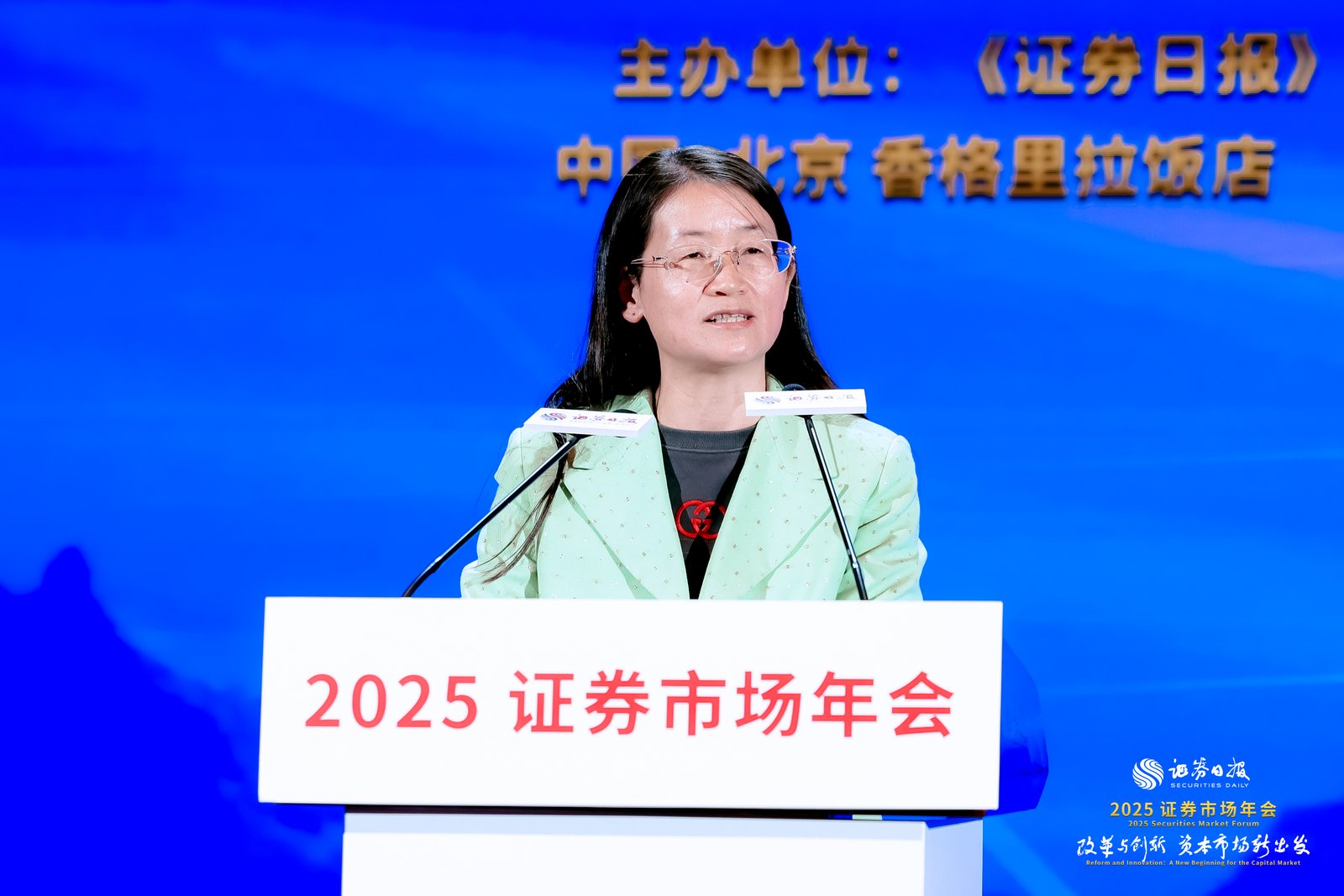
中金公司总裁,最新发声!
Zhong Guo Ji Jin Bao· 2025-12-26 06:43
Core Viewpoint - CICC has played a pivotal role in the development of China's capital markets over the past 30 years, aligning its mission with national strategies and contributing to the high-quality development of the real economy and capital market reforms [1][2]. Group 1: Company Development and Strategy - CICC announced the acquisition of Dongxing Securities and Xinda Securities, which will strengthen its position as a leading institution in the industry and support high-quality development during the 14th Five-Year Plan [2]. - The company emphasizes its commitment to integrating industry resources and enhancing comprehensive service capabilities, showcasing strategic foresight and execution ability in a complex market environment [2]. - CICC aims to leverage its "investment + investment banking + research" synergy to support strategic emerging industries and provide exceptional financial services to clients [3][4]. Group 2: Talent and Core Competitiveness - CICC views talent as a core strategic resource, building a professional team that understands international rules and Chinese practices, which has been crucial for navigating complex geopolitical environments [3]. - The company has successfully executed significant IPOs, such as the $5.25 billion IPO for CATL, demonstrating its professional capabilities and long-term value creation [3][4]. Group 3: Financial Risk Management - CICC has established a specialized debt restructuring team to address financial risks, focusing on corporate relief and industry restructuring [6]. - The company has successfully managed over 30 high-profile bankruptcy restructuring projects, effectively mitigating debt risks and supporting the transformation of the real economy [6]. Group 4: Green Finance Initiatives - CICC is actively promoting green finance strategies, supporting financing for industries such as renewable energy and environmental protection, and has raised over 120 billion yuan for green-themed funds since 2021 [7]. - The company plans to enhance its role in supporting green industry financing and participate in the formulation of green finance standards [7]. Group 5: Wealth Management and Digital Transformation - CICC is transforming its wealth management approach by focusing on long-term client relationships and providing tailored investment solutions, thereby creating a differentiated competitive advantage [8][9]. - The company is committed to leveraging digital finance to enhance service quality and operational efficiency, aiming to build an integrated digital financial service system [9]. Group 6: Future Goals and Vision - CICC's core development goal during the 14th Five-Year Plan is to establish itself as an internationally leading investment bank, aligning its capabilities with national strategies and enhancing its competitive edge [10]. - The company aims to leave a significant impact on China's capital markets, the real economy, and the global financial landscape by fostering innovation and supporting sustainable development [10].

三家股份行AIC首投均已落地 都投了什么?
2 1 Shi Ji Jing Ji Bao Dao· 2025-12-26 06:31
Core Insights - Three joint-stock banks under the AIC model have successfully completed their first external investments within a month of their establishment, focusing on technology-related sectors [1] Group 1: Investment Activities - Xingyin Investment has made at least three external investments, primarily in the lithium battery industry, including a C-round investment of 1 billion yuan in Ganfeng Lithium [2] - Zhaoyin Investment has also completed its first investment, contributing 5 billion yuan to Changan Automobile's subsidiary, Deep Blue Automotive, which is involved in intelligent vehicle technology [3] - Xinyin Jintou has invested approximately 64.42 million yuan in Shenzhen Ganghua Clean Energy, acquiring a 49% stake in the company [4] Group 2: Sector Focus - The three AICs have distinct sector focuses: Xingyin Investment targets the lithium battery and environmental refrigerant sectors, Zhaoyin Investment is concentrated on the smart automotive industry, and Xinyin Jintou is focused on clean energy [5] - Xingyin Investment's projects align with national "dual carbon" goals, emphasizing support for new energy and high-end manufacturing [5] Group 3: Strategic Collaborations - Xingyin Investment has signed project cooperation agreements with 12 companies, with a total intended investment exceeding 10 billion yuan [6] - Zhaoyin Investment's collaboration with Changan Automobile reflects a unique synergy within the bank's ecosystem, potentially leading to further capital market activities [6] - Xinyin Jintou aims to leverage its AIC license and resources from CITIC Group to serve local enterprises in the Guangdong-Hong Kong-Macao Greater Bay Area [7]