
贸易战

Search documents
首席点评:贵金属行情延续
Shen Yin Wan Guo Qi Huo· 2025-10-14 05:30
Report Industry Investment Rating No relevant content provided. Core Views of the Report - The precious metals market continues to perform strongly, with gold and silver prices hitting new highs. The long - term narrative of gold as the ultimate safe - haven asset is becoming more prominent, and its demand is expected to increase further. [1][2][18] - The copper market is affected by factors such as tight concentrate supply, high smelting output, and the Indonesian mine accident, which may lead to a supply - demand gap and support copper prices in the long term. [2][19] - The crude oil market has a short - term downward breakthrough trend, although the demand is expected to grow in the next two years according to OPEC's report. [3][12] - The stock index is likely to maintain a long - term upward trend, but short - term fluctuations may increase due to Sino - US trade issues. The market style may become more balanced in the fourth quarter. [9] - The bond market is expected to be supported by a loose monetary policy, and the price of bond futures is recommended to be bullish. [10][11] Summary by Directory 1. Main News Concerns International News - US President Trump hinted at canceling new tariffs on China. [5] - The leaders of the US, Egypt, Turkey, and Qatar signed a cease - fire agreement for Gaza at the "Peace Summit" in Sharm El - Sheikh. [1][3][12] Domestic News - In September, China's goods trade imports and exports increased by 8% year - on - year. The export was 2.34 trillion yuan, up 8.4%, and the import was 1.7 trillion yuan, up 7.5%. China's rare earth exports in September decreased for the third consecutive month. [6] Industry News - China has officially implemented a special port fee for US ships starting today. [7] 2. Overseas Market Daily Returns | Variety | Unit | 10/12 | 10/13 | Change | Change Rate | | --- | --- | --- | --- | --- | --- | | S&P 500 | Points | 6,552.51 | 6,654.72 | 102.21 | 1.56% | | European STOXX50 | Points | 4,701.04 | 4,719.93 | 18.89 | 0.40% | | FTSE China A50 Futures | Points | 14,978.00 | 14,805.00 | - 173.00 | - 1.16% | | US Dollar Index | Points | 98.82 | 99.26 | 0.44 | 0.44% | | ICE Brent Crude Continuous | USD/Barrel | 62.09 | 63.39 | 1.30 | 2.09% | | London Gold Spot | USD/Ounce | 4,017.85 | 4,110.02 | 92.17 | 2.29% | | London Silver | USD/Ounce | 50.13 | 52.33 | 2.20 | 4.39% | | LME Aluminum | USD/Ton | 2,746.00 | 2,757.00 | 11.00 | 0.40% | | LME Copper | USD/Ton | 10,374.00 | 10,802.00 | 428.00 | 4.13% | | LME Zinc | USD/Ton | 2,984.50 | 3,012.00 | 27.50 | 0.92% | | LME Nickel | USD/Ton | 15,215.00 | 15,180.00 | - 35.00 | - 0.23% | | ICE No.11 Sugar | Cents/Pound | 16.1 | 15.57 | - 0.53 | - 3.29% | | ICE No.2 Cotton | Cents/Pound | 63.77 | 63.54 | - 0.23 | - 0.36% | | CBOT Soybeans | Cents/Bushel | 1,007.00 | 1,008.25 | 1.25 | 0.12% | | CBOT Soybean Meal Current | USD/Short Ton | 275.60 | 274.50 | - 1.10 | - 0.40% | | CBOT Soybean Oil Current | Cents/Pound | 49.97 | 50.53 | 0.56 | 1.12% | | CBOT Wheat Current | Cents/Bushel | 498.75 | 496.75 | - 2.00 | - 0.40% | | CBOT Corn Current | Cents/Bushel | 413.50 | 410.50 | - 3.00 | - 0.73% | [8] 3. Morning Comments on Major Varieties Financial - **Stock Index**: After the high - level shock in September, the stock index is likely to enter a direction - selection stage again, with a high probability of maintaining a long - term upward trend. Short - term fluctuations may increase due to Sino - US trade issues. The market style may become more balanced in the fourth quarter. [9] - **Treasury Bonds**: Treasury bonds generally rose, and the yield of the 10 - year Treasury bond active bond dropped to 1.754%. With a loose monetary policy expected, the price of Treasury bond futures is recommended to be bullish. [10][11] Energy and Chemicals - **Crude Oil**: SC rebounded 0.27% at night. Although OPEC expects oil demand to grow in the next two years, the short - term trend is downward. [3][12] - **Methanol**: Ma fell 0.26% at night. With high inventory and expected import arrivals, methanol is short - term bullish. [13] - **Rubber**: Natural rubber prices fell on Monday. With smooth supply and slow inventory reduction, the price is expected to be weak in the short term. [14] - **Polyolefins**: Polyolefin futures are weakly operating. The price follows the cost - end fluctuations, and the market sentiment is cautious. [15] - **Glass and Soda Ash**: Glass futures continue to be weak, and soda ash futures closed positive. The market is cautious, and the focus is on consumption in autumn and policy changes. [16][17] Metals - **Precious Metals**: Gold benefits from concerns about the resurgence of the trade war and expectations of two interest rate cuts this year. It is expected to strengthen as the ultimate safe - haven asset. [2][18] - **Copper**: Copper prices rose 1.64% at night. The Indonesian mine accident may lead to a supply - demand gap, supporting copper prices in the long term. [2][19] - **Zinc**: Zinc prices rose 0.13% at night. Domestic zinc prices may be weaker than foreign ones, and it follows copper prices in the short term. [20] - **Lithium Carbonate**: Supply and demand both increased, and the inventory decreased. The price is supported, and there is an expectation of project resumption. [21] Black Commodities - **Coking Coal and Coke**: The night - session prices were weak, and short - term fluctuations are expected to intensify due to factors such as steel production and Sino - US trade issues. [22] - **Iron Ore**: With strong demand from steel mills and reduced global shipments, the iron ore market is expected to be bullish. [23] - **Steel**: The supply pressure is increasing, and the inventory is accumulating. The market has a weak supply - demand balance, and hot - rolled coils perform better than rebar. [24] Agricultural Products - **Protein Meal**: Night - session prices of soybean and rapeseed meal rose. US soybean prices are expected to be weak, while domestic prices may rise due to supply concerns. [25] - **Oils and Fats**: Night - session prices were strong. Although short - term pressure exists due to inventory and trade issues, long - term support comes from the production season and bio - diesel policies. [26] - **Sugar**: International sugar prices are expected to be volatile, and domestic sugar prices are expected to be weak due to supply pressure. [27][28] - **Cotton**: US cotton prices fell, and domestic cotton prices are expected to be weak due to factors such as new - cotton supply and weak downstream demand. [29] Shipping Index - **Container Shipping to Europe**: The text seems to have a wrong insertion, repeating the content of precious metals. No valid information about container shipping to Europe is provided. [30]
中美全面开打,大量中国产品被美国下架,荷兰得令,强抢中企资产
Sou Hu Cai Jing· 2025-10-14 04:43
Core Points - The U.S. Federal Communications Commission (FCC) has mandated the removal of millions of Chinese electronic devices from e-commerce platforms, citing security concerns, which has raised questions about the legitimacy of these claims [1][3] - The Dutch court has frozen the assets of the Chinese company, Wingtech Technology's subsidiary, Nexperia, affecting 30 global entities and 99% of its shares, following the U.S. upgrade of semiconductor restrictions [1][9] Group 1: U.S. Actions - The scale of the U.S. product removal is unprecedented since the 2018 trade war, with the FCC's chairman claiming it is to "prevent surveillance," despite the products having passed U.S. certification earlier in 2023 [3] - Former President Trump announced a 100% additional tariff on $500 billion worth of Chinese goods starting November 1, which would push the total tariff rate above 130% [3] - Major U.S. retailers, including Walmart and Target, have warned that this could lead to significant shortages on shelves and an increase of over $1,300 in annual spending per household [5] Group 2: Market Reactions - Moody's reported that 92.4% of the tariff costs would ultimately be borne by U.S. consumers, with labor-intensive industries nearing loss margins [5] - There has been a surge in demand for transshipment trade, with applications for certificates of origin from countries like Malaysia and Thailand increasing by 120% [5] Group 3: Dutch Actions - The Dutch government's freezing of Nexperia's assets is seen as a targeted move, occurring shortly after the U.S. intensified semiconductor restrictions [9][10] - The Dutch Ministry of Economic Affairs cited "national security" as the reason for the asset freeze but has not provided substantial evidence to support this claim [12] Group 4: China's Countermeasures - In response to U.S. and Dutch actions, China announced new regulations on rare earth exports, which could significantly impact global supply chains, as China controls 90% of high-purity rare earth production [16][18] - China has also implemented a tiered special port fee for U.S. vessels, which is expected to add billions in costs to the U.S. shipping industry [20][21] Group 5: Long-term Implications - The ongoing conflict is reshaping global trade rules, with the U.S. and the Netherlands' actions prompting other nations to reconsider their alliances and trade strategies [25]


商务部回应美国加征100%关税:打,奉陪到底;谈,大门敞开
Sou Hu Cai Jing· 2025-10-14 03:01
Core Viewpoint - The Chinese government emphasizes its commitment to maintaining national security and international stability through its export control measures, particularly regarding rare earth elements, while criticizing the U.S. for its discriminatory practices and threats of tariffs [3][4]. Group 1: U.S.-China Trade Relations - The Chinese government has expressed its readiness to engage in dialogue with the U.S. but insists that the U.S. must cease its threats and discriminatory measures against China [3][4]. - China has reiterated its stance on the ongoing trade war, stating that it is prepared to respond to U.S. actions while remaining open to negotiations [4]. Group 2: Export Control Measures - China's export control measures on rare earth elements are described as legitimate actions based on legal regulations aimed at enhancing its export control system [3]. - The Chinese government assures that its export controls do not equate to a ban, as applications that meet regulations will continue to be approved [3]. Group 3: Bilateral Communication - China has communicated its position to the U.S. through bilateral export control dialogue mechanisms prior to the implementation of its measures [3]. - The Chinese government highlights the importance of maintaining communication within the framework of U.S.-China economic consultations to address mutual concerns and manage differences effectively [4].
China Export Boom Sets Up High-Stakes Trade Talks at APEC Summit
FX Empire· 2025-10-14 02:57
Trade Dynamics - Soybean imports to the US reached a record 12.87 million metric tons in September, potentially influencing US-China trade negotiations at the APEC Summit [1] - China's rare earth exports fell significantly, declining 31% to 4,000.3 tonnes in September, and down 11% year-over-year to 42,936 tonnes from January to September [2] Labor Market and Consumption - Chinese manufacturers reduced staffing levels for the third time in four months in September due to pricing pressures, although improved external demand could ease margin pressures and lift employment [4] - China's unemployment rate increased to 5.3% in August, while retail sales rose 3.4% year-on-year, indicating a trend of higher unemployment and lower retail sales amid US tariffs [5] Non-US Trade Expansion - China successfully rerouted shipments, with exports to non-US destinations growing 14.8%, the fastest growth since March 2023, despite a 27% decline in shipments to the US [6] - Shipments to Africa surged by 56%, and exports to Latin America increased by 15.2%, reversing previous declines [6] Equity Market Performance - Mainland equity markets showed recovery on October 14, with the CSI 300 advancing 0.89% and the Shanghai Composite Index gaining 0.68%, driven by optimism over a potential US-China trade deal [7][8] - The CSI 300 has rallied 17.9% year-to-date in 2025, while the Shanghai Composite Index is up 16.8%, indicating strong demand for Mainland-listed stocks despite punitive US tariffs [9]
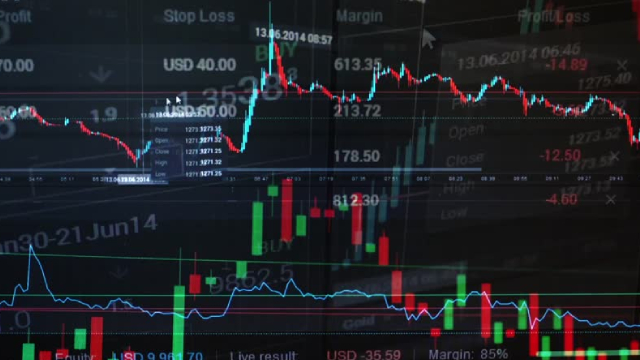
美方宣布对华加征关税等限制措施,商务部回应!
清华金融评论· 2025-10-14 01:46
Group 1 - The core viewpoint of the article emphasizes China's stance on trade relations with the U.S., asserting that China is open to dialogue but will respond firmly to threats and restrictions [2][3] - China has clarified its position regarding the U.S. threats of imposing 100% tariffs and highlighted that its export control measures on rare earths are legitimate actions to safeguard national security [2] - The article mentions that China has communicated its export control measures to the U.S. through bilateral dialogue mechanisms before their implementation [2] Group 2 - The article reiterates that both countries have significant common interests and potential for cooperation, suggesting that mutual benefits can be achieved through respectful and equal negotiations [3] - It criticizes the U.S. for its inconsistent approach of seeking dialogue while simultaneously threatening new restrictions, urging the U.S. to correct its actions and engage sincerely in discussions [3] - The article calls for maintaining the achievements of previous negotiations and emphasizes the importance of managing differences through dialogue to promote a healthy and stable development of Sino-U.S. economic relations [3]

商务部最新发声!昨天中美进行工作层会谈……
Zheng Quan Shi Bao Wang· 2025-10-14 01:43
Core Viewpoint - The Chinese government emphasizes its commitment to maintaining national security and international stability through its export control measures, particularly regarding rare earth elements, while criticizing the U.S. for its discriminatory practices and threats of tariffs [1][2]. Group 1: Export Control Measures - China asserts that its export control measures on rare earths are legitimate actions based on legal regulations aimed at improving its export control system [1]. - The Chinese government maintains that its export controls do not equate to a ban, as applications that meet regulations will continue to be approved [1]. Group 2: U.S.-China Trade Relations - The Chinese side expresses a consistent stance on the trade conflict, indicating readiness to engage in both dialogue and confrontation, highlighting the mutual benefits of cooperation [2]. - The Chinese government urges the U.S. to correct its erroneous practices and demonstrate sincerity in negotiations, emphasizing the importance of maintaining the outcomes of previous discussions [2].
美方宣布对华加征关税等限制措施,中方回应!
21世纪经济报道· 2025-10-14 01:29
Core Viewpoint - The Chinese government emphasizes its commitment to maintaining national security and international stability through its export control measures, particularly regarding rare earth elements, while criticizing the U.S. for its discriminatory practices and threats of tariffs [1][2]. Group 1: U.S.-China Trade Relations - The Chinese stance on the trade war is clear: it is prepared to engage in conflict if necessary but remains open to dialogue [2]. - There is a recognition of mutual interests and cooperation potential between the U.S. and China, with past negotiations demonstrating the ability to resolve issues through respectful and equal discussions [2]. - The Chinese government urges the U.S. to correct its approach, emphasizing the need for sincerity in negotiations and adherence to previous agreements made by the leaders of both nations [2]. Group 2: Export Control Measures - China's export control measures are described as legitimate actions based on legal frameworks aimed at enhancing its export control system [1]. - The Chinese government reassures that its export controls do not equate to a ban, as applications that meet regulations will continue to be approved [1]. - Prior to implementing these measures, China communicated with the U.S. through bilateral export control dialogue mechanisms [1].
美方宣布对华加征关税等限制措施,中方回应
财联社· 2025-10-14 01:26
Core Viewpoint - The Chinese government emphasizes its commitment to maintaining national security and international stability through its export control measures, particularly regarding rare earth elements, while criticizing the U.S. for its discriminatory practices and threats of tariffs [1][2]. Group 1: U.S.-China Trade Relations - The Chinese stance on the trade war is clear: they are willing to engage in negotiations but will also respond firmly to U.S. actions [2]. - There is a recognition of mutual interests and cooperation potential between the U.S. and China, with past negotiations demonstrating the ability to resolve issues through respectful dialogue [2]. - The Chinese government urges the U.S. to correct its approach, emphasizing the need for sincerity in negotiations and adherence to previous agreements made by the leaders of both countries [2]. Group 2: Export Control Measures - China's export control measures are framed as legitimate actions to enhance its regulatory framework, not as outright bans, with a commitment to approving compliant applications [1]. - The Chinese government has communicated its export control measures to the U.S. through bilateral channels prior to their implementation, indicating a desire for transparency [1]. - The U.S. is criticized for its broad interpretation of national security and for imposing a series of restrictions that harm Chinese interests and disrupt the atmosphere for trade talks [1].

商务部最新发声!昨天中美进行工作层会谈……
券商中国· 2025-10-14 01:26
Core Viewpoint - The Chinese government emphasizes its commitment to maintaining national security and international stability through its export control measures, particularly regarding rare earth elements, while criticizing the U.S. for its discriminatory practices and threats of tariffs [1][2]. Group 1: Trade Relations - China has consistently stated its position on the trade war, indicating readiness to engage in both conflict and dialogue, highlighting the mutual benefits of cooperation between China and the U.S. [2]. - The Chinese side has maintained communication within the framework of the China-U.S. economic and trade negotiation mechanism, asserting that solutions can be found through mutual respect and equal consultation [2]. Group 2: Export Control Measures - China's export control measures are described as legitimate actions based on laws and regulations, aimed at improving its export control system rather than outright bans [1]. - The Chinese government has communicated its export control measures to the U.S. through bilateral dialogue mechanisms prior to their implementation [1]. Group 3: U.S. Actions - The U.S. has been accused of abusing export controls and implementing a series of restrictive measures against China, which have harmed China's interests and disrupted the atmosphere for economic talks [1]. - China urges the U.S. to correct its erroneous practices and demonstrate sincerity in negotiations, emphasizing the importance of maintaining the hard-won results of previous discussions [2].
商务部就近期美方宣布对华加征关税等限制措施答记者问
Di Yi Cai Jing· 2025-10-14 01:11
Core Viewpoint - China's stance on the tariff and trade war is consistent: ready to fight back if necessary, but open to dialogue [1][3] Group 1: Trade Relations - The Chinese government has clarified its position regarding the U.S. threat to impose a 100% tariff and other restrictive measures, emphasizing that its export control measures on rare earths are legitimate actions based on laws and regulations [2] - China maintains that its export controls are not prohibitive and will continue to approve applications that meet regulations, aiming to ensure the stability of global supply chains [2] - The U.S. has been accused of abusing export controls and implementing discriminatory practices against China, which has severely harmed China's interests and disrupted the atmosphere for bilateral economic talks [2] Group 2: Dialogue and Cooperation - China asserts that both countries have extensive common interests and cooperation potential, indicating that mutual benefits can be achieved through collaboration [3] - The past four rounds of economic negotiations have demonstrated that solutions can be found based on mutual respect and equal consultation [3] - China urges the U.S. to correct its erroneous practices and show sincerity in negotiations, emphasizing the importance of maintaining the hard-won results of previous discussions [3]