
量化投资

Search documents
专访中邮创业基金总经理张志名:深耕“固收+”赛道 做更聪明的基金公司
Zheng Quan Ri Bao· 2025-11-02 17:15
Core Insights - The current stage for small and medium-sized fund companies is at a crossroads of "breakthrough and conservatism," where success will depend on either extreme differentiation or gradual marginalization in resource consumption battles [1][2] - The future winners in the public fund industry will not be the largest companies but rather the "smarter companies" that can balance strategic determination and tactical flexibility [1][4] Group 1: "Fixed Income +" Strategy - The "Fixed Income +" business is identified as a breakthrough path for the company, which has been developing this area since 2014, making it one of the early entrants in the industry [2] - In the first half of the year, the company's fixed income products saw significant growth, with "Fixed Income +" products contributing important incremental value [2] - The company has established a comprehensive multi-tiered "Fixed Income +" product system, with convertible bond investments as a core feature [2] Group 2: Investment Methodology - The company employs a strategy where the proportion of convertible bonds varies based on product type, with conservative products holding up to 20% in convertible bonds, balanced products between 20%-40%, and aggressive products exceeding 40% [2] - A systematic investment methodology for convertible bonds has been developed, categorizing them into three types: debt-type, balanced-type, and equity-type, focusing on different risk-return profiles [2] - A dedicated research team covers the entire market of convertible bonds, emphasizing both valuation and in-depth analysis of underlying stocks to identify investment value [2] Group 3: Diversification and Future Outlook - While consolidating its advantages in "Fixed Income +," the company is also expanding into other promising areas such as investment in the Beijing Stock Exchange and quantitative strategies [3] - The company aims to establish multiple growth curves beyond its core "Fixed Income +" business, with a focus on technology innovation and specialized fields [3] - The company emphasizes that scale is a result rather than a goal, aiming to create value for investors and earn market recognition over time [4]

非银确认日线上涨,商贸零售迎来日线下跌
GOLDEN SUN SECURITIES· 2025-11-02 08:00
- The non-bank financial sector confirmed an upward trend on the daily chart, while the retail sector experienced a downward trend on the daily chart[1][8][28] - The A-share prosperity index stood at 20.44 as of October 31, 2025, up 15.01 from the end of 2023, indicating an upward cycle[2][31] - The A-share sentiment index signals for bottom and top were both empty, with the overall signal being empty[2][39] - The CSI 500 enhanced portfolio underperformed the benchmark by 0.54%, while the CSI 300 enhanced portfolio outperformed the benchmark by 0.59%[2] - The Beta factor showed higher excess returns among style factors, while growth exhibited significant negative excess returns[2][58] - High-leverage stocks performed well recently, while factors such as residual volatility and non-linear market capitalization performed poorly[2][58] - The CSI 500 enhanced portfolio achieved a relative excess return of 51.82% since 2020, with a maximum drawdown of -5.73%[47] - The CSI 300 enhanced portfolio achieved a relative excess return of 39.01% since 2020, with a maximum drawdown of -5.86%[53] - The market's preference for high Beta stocks led to better performance in indices like CSI 500 and ChiNext, while indices like SSE Composite and SSE 50 performed poorly in style factors[65]
金融工程定期:开源交易行为因子绩效月报(2025年10月)-20251031
KAIYUAN SECURITIES· 2025-10-31 14:21
- The report tracks the performance of Barra style factors for October 2025, showing that the market capitalization factor recorded a return of -1.49%, the book-to-market ratio factor recorded a return of 0.39%, the growth factor recorded a return of -0.34%, and the earnings expectations factor recorded a return of 0.12%[4][14] - The report introduces a series of stock selection factors based on trading behavior, including the Ideal Reversal Factor, Smart Money Factor, APM Factor, and Ideal Amplitude Factor[5][15] - The Ideal Reversal Factor is constructed by segmenting the traditional reversal factor using W-shaped cuts, focusing on the average transaction amount per trade to identify the trading days with the strongest reversal attributes[41] - The Smart Money Factor is constructed by analyzing minute-level price and volume data to identify the involvement of institutional investors, using a specific formula to calculate the factor value[42][44] - The APM Factor measures the difference in stock price behavior between morning (or overnight) and afternoon trading sessions, using a regression model to calculate the residuals and then constructing a statistical measure to quantify the difference[43][45][46] - The Ideal Amplitude Factor measures the difference in amplitude information between high and low price states, calculating the average amplitude for the highest and lowest 25% of trading days and then taking the difference[48] - The historical performance of the Ideal Reversal Factor shows an IC mean of -0.050, rankIC mean of -0.061, IR of 2.48, and a long-short monthly win rate of 78.1%[6][16] - The historical performance of the Smart Money Factor shows an IC mean of -0.038, rankIC mean of -0.062, IR of 2.74, and a long-short monthly win rate of 81.2%[6][21] - The historical performance of the APM Factor shows an IC mean of 0.028, rankIC mean of 0.034, IR of 2.25, and a long-short monthly win rate of 76.5%[6][25] - The historical performance of the Ideal Amplitude Factor shows an IC mean of -0.054, rankIC mean of -0.074, IR of 3.03, and a long-short monthly win rate of 83.3%[6][28] - The historical performance of the composite trading behavior factor shows an IC mean of 0.067, rankIC mean of 0.093, IR of 3.33, and a long-short monthly win rate of 80.0%[6][32] - In October 2025, the Ideal Reversal Factor recorded a long-short return of 1.63% with a 12-month long-short monthly win rate of 66.7%[7][16] - In October 2025, the Smart Money Factor recorded a long-short return of 2.90% with a 12-month long-short monthly win rate of 83.3%[7][21] - In October 2025, the APM Factor recorded a long-short return of -1.13% with a 12-month long-short monthly win rate of 41.7%[7][25] - In October 2025, the Ideal Amplitude Factor recorded a long-short return of 3.33% with a 12-month long-short monthly win rate of 66.7%[7][28] - In October 2025, the composite trading behavior factor recorded a long-short return of 3.73% with a 12-month long-short monthly win rate of 75.0%[7][32]
中欧小盘成长:广度优势+暴露度可控,打造高性价比小盘基金:基金经理研究系列报告之八十五
Shenwan Hongyuan Securities· 2025-10-31 12:04
1. Report Industry Investment Rating No relevant content provided. 2. Report's Core View - Small - cap style is a comfortable area for index - enhanced products, with current valuation quantiles and profit expectations being relatively advantageous. The small - cap index may have dual advantages in terms of profit and valuation, and small - cap quantitative funds have better excess return sustainability [1][6][16]. - The China Europe Small - Cap Growth Fund controls the position deviation, and its performance and win - rate are leading in the current year. Stock selection is the main source of excess returns [1]. 3. Summary According to the Directory 3.1 Small - cap Style: Comfort Zone for Index - enhanced Products, with Current Valuation Quantiles and Profit Expectations Relatively Advantageous 3.1.1 Small - cap Features: Multi - dimensional Growth, Rich Connotations, and Potential Dual Advantages in Profit Expectations and Valuations Compared to Large - caps - Since Q3 2024, small - cap indices such as CSI 1000 and CSI 2000 have performed prominently. In different quarters, different small - cap indices outperform the SSE 500 and SSE 300. For example, in Q4 2024, Q1 2025, and Q2 2025, CSI 2000 was dominant, while in Q3 2025, SSE 500 performed relatively well [6][7][8]. - In terms of industry structure, industries with high returns this year are mostly growth - oriented, and small - cap indices have a higher proportion in these industries. Industries with poor performance this year, such as banking and food and beverage, have a lower proportion in small - cap indices [10]. - Hot topics this year reflect the rich connotations of small - caps. The top three non - broad - based and non - Hong Kong - stock indices in terms of scale growth by Q3 2025 are mainly composed of small - and medium - cap stocks, providing diversified investment opportunities [11][12]. - Small - cap indices may have dual advantages in profit and valuation. The market generally expects small - and medium - cap indices to have outstanding growth in the next 1 - 2 years, and combined with their relatively low historical valuation quantiles, this indicates potential dual advantages [16]. 3.1.2 Fully Utilize Quantitative Advantages, with Better Excess Return Sustainability for Small - cap Quantification - As the index leans towards small - caps and the breadth becomes stronger, quantitative funds can more easily create excess returns. Taking data since 2020 as an example, the average annualized excess returns of SSE 50, SSE 300, SSE 500, and CSI 1000 index - enhanced funds are 0.50%, 1.64%, 2.77%, and 7.12% respectively [17]. - From historical data, investment opportunities in different sample pools change over time, but small - cap indices have long - term positive excess return investment opportunities. For example, CSI 1000 index - enhanced funds have achieved positive excess returns for the past five years [21][24]. 3.2 China Europe Small - Cap Growth: Breadth Advantage + Controllable Exposure, with Leading Performance and Win - rate This Year 3.2.1 Positioning Characteristics: All Aspects of Exposure are Relatively Controllable - Stock positions are relatively dispersed, with an actively - traded investment approach. The top ten holdings account for less than 15%, and the top thirty holdings account for less than 30% recently. The turnover rate is in the range of 6 - 10 times, and has remained above 9 times in recent periods [29]. - There is no excessive market - value sinking operation. Most of the holdings are small - market - value stocks, with stocks with a free - floating market value of less than 100 billion accounting for more than 90% in each period, and stocks with a market value of less than 2 billion accounting for less than 10% in H1 2025 [35]. - The proportion of GZSE 2000 component stocks is higher than the average of similar active equity products, and the deviation from the GZSE 2000 is relatively controllable. The industry deviation is also relatively small, with only some obvious deviations in individual industries in certain reporting periods [39][40][42]. 3.2.2 Performance: Leading in Similar Products in 2025 - Since its management, the product has stably outperformed the benchmark index. As of September 30, 2025, the cumulative return of China Europe Small - Cap Growth has reached 58.73%, while the benchmark has only risen by 17.37%. Since 2025, its performance has significantly exceeded the benchmark [46]. - This year, it has led in similar products. As of September 30, 2025, its return has reached 53.91%. It also has a prominent risk - return ratio, with an annualized Sharpe ratio of 2.65 and a Calmar ratio of 5.71, leading among similar products [49]. - It has significant advantages in drawdown control. In several market drawdowns since 2024, its drawdown has been significantly lower than the index and the average of similar products. For example, in February 2024, when the GZSE 2000 index fell 14.52% and the average drawdown of similar products was 14.74%, China Europe Small - Cap Growth only had a 13.27% drawdown, ranking in the top 9.0% of similar products [56][59]. - Quarterly, it has a considerable excess return and win - rate. In 9 out of 11 complete quarters since 2023, it has outperformed the GZSE 2000, with a win - rate of 81.8% and an average quarterly excess return of 2.94% [62]. - It also has an advantage in Alpha uniqueness. Compared with other GZSE 2000 index - enhanced products from 2024 to September 30, 2025, it is leading in both the win - rate of obtaining unique Alpha and the cumulative unique Alpha [65]. 3.2.3 Return Breakdown: Stock Selection Contributes Significantly to Returns - Using the Brinson model, it is found that stock selection is the main source of excess returns for China Europe Small - Cap Growth. Stock selection has made significant contributions to returns since its management, and trading can also contribute some excess returns [67]. - In terms of sector breakdown, innovation and technology, advanced manufacturing, and other sectors have made significant contributions to returns. The fund can obtain excess returns in most sectors through stock selection, especially in the advanced manufacturing sector [70]. 3.2.4 Product Feature Summary - There is no significant deviation in all aspects. Although it focuses on small - market - value stocks, it does not over - expose to micro - cap stocks. The industry exposure is relatively controllable, and the investment proportion in index component stocks is more than 50% in most reporting periods [74]. - The product performance is outstanding, with an impressive win - rate. As of September 30, 2025, its return has reached 53.91%, with an annualized Sharpe ratio of 2.65 and a Calmar ratio of 5.71. It has performed well in drawdown control since 2024 [74]. - Stock selection is the main source of excess returns. Stock selection contributes a large amount of excess returns, and trading also contributes some. Stock - selection returns come from multiple sectors, and the relative performance of stock selection in each sector is also good [74].
深圳量化私募地图曝光!新晋百亿量化大道投资、超量子基金在列!
私募排排网· 2025-10-31 10:00
Core Viewpoint - Shenzhen has become a significant hub for quantitative private equity, with a total of 125 firms and an average return of 24.43% in the first three quarters of the year [2]. Group 1: Overview of Quantitative Private Equity in Shenzhen - Shenzhen is one of China's four first-tier cities and a frontier for opening up, attracting world-class financial, professional services, and technology companies [2]. - The city has a solid policy and industrial foundation for the development of quantitative private equity [2]. Group 2: Distribution of Quantitative Private Equity Firms - The majority of quantitative private equity firms are located in Futian District (59 firms) and Nanshan District (53 firms), accounting for nearly 90% of the total [4]. - Futian District is identified as the traditional financial center, while Nanshan is recognized as the technology center of Shenzhen [4]. Group 3: Top Firms in Futian District - The leading firms in Futian District include Chao Quantum Fund and Chengqi Asset, both managing over 10 billion [7]. - The top firms in terms of employee count include Youmeili Investment, Chao Quantum Fund, and Qianhai Guoen Capital, each with over 30 employees [7]. Group 4: Performance of Top Firms - Chengqi Asset achieved the highest average return among its products, with a management scale of over 100 billion [9]. - Chao Quantum Fund, established in 2015, focuses on stock quantitative strategies and has also reached a management scale of over 100 billion [10]. Group 5: Overview of Nanshan District - In Nanshan District, the top firms include Hanrong Investment and Dadao Investment, with the latter being a newly established firm managing over 100 billion [11][14]. - The firms in Nanshan are also characterized by a strong focus on quantitative strategies and advanced technology [11]. Group 6: Performance of Top Firms in Nanshan - Hanrong Investment leads in performance with an average return from its products, while Dadao Investment has also shown strong results since its establishment [13][14]. - The firms in Nanshan are noted for their innovative approaches, including the use of machine learning and advanced statistical methods [13]. Group 7: Other Districts - Other districts such as Longgang, Luohu, Baoan, and Yantian collectively host 13 small-scale quantitative private equity firms, all managing between 0-5 billion [15]. - These firms primarily focus on niche strategies and have smaller employee counts compared to those in Futian and Nanshan [15].


当下真的是买量化的好时点吗?
雪球· 2025-10-31 08:19
Core Viewpoint - The current market conditions suggest that the A-share market may be entering a bullish phase, with the 4000-point level on the Shanghai Composite Index being a significant milestone for potential upward movement [4][10]. Private Equity Market - Recent trends indicate a recovery in quantitative strategies within the private equity market, with various strategies such as index enhancement and small-cap index enhancement showing strong performance due to favorable market conditions [7][9]. - The market has shifted towards a more balanced and rotational rhythm, alleviating previous concentrated investments in technology stocks, which is conducive for quantitative strategies to identify excess returns [8]. - Small-cap stocks, previously under pressure, are becoming more active, providing opportunities for quantitative strategies to accumulate excess returns [8]. Investment Strategy - Investors holding quantitative strategies are encouraged to maintain patience and confidence, while those observing the market may find this a valuable window for investment [9]. - Concerns exist regarding the challenges of further upward movement beyond the 4000-point mark, as well as uncertainties in the market environment for quantitative excess return extraction [10]. - A shift in investment approach from timing to allocation is suggested, emphasizing the importance of diversified asset allocation to mitigate risks and enhance returns [11]. Strategy Performance - A specific quantitative strategy has demonstrated resilience during market downturns, maintaining stable performance through a diversified approach that includes equities, convertible bonds, and cash management [13]. - The strategy's success is attributed to its multi-asset allocation, which balances risks and smooths overall volatility, as well as its focus on undervalued assets to enhance safety margins and potential returns [14][15]. - The multi-strategy approach allows for adaptability to market changes, with various sub-strategies catering to different market conditions, thereby improving the overall risk-return profile [14]. Conclusion - The improvement in market conditions has brought quantitative strategies back into focus, presenting a favorable time for investment consideration. Multi-asset strategies centered on quantitative equity may provide a more secure investment avenue amidst market uncertainties [16].

十余年深耕破局!深圳量道投资以AI驱动筑量化壁垒,产品创新拓宽量化边界|独家专访
私募排排网· 2025-10-31 07:00
Core Viewpoint - Quantitative investment is transitioning from a marginal role to a mainstream strategy in the volatile A-share market, with Shenzhen Liangdao Investment leveraging its strong quantitative technology foundation and systematic strategy framework to advance in the competitive asset management industry [2]. Company Overview - Shenzhen Liangdao Investment was established in April 2015, with a founding team that has been dedicated to quantitative investment and algorithmic trading since 2010. The company has research centers in Xiamen, Beijing, and Shanghai, and its core personnel have over 10 years of experience in quantitative strategy research and risk control [2]. - The name "Liangdao" signifies the "path of quantitative investment," reflecting a deep understanding of the essence of investment—finding the optimal solution between returns and risks [2]. Performance Highlights - Liangdao Investment's quantitative stock and CTA (Commodity Trading Advisor) products have shown outstanding performance this year. As of September 30, 2025, its "Liangdao Shunfeng No. 1 A-class share" and "Liangdao Chengfeng No. 1 A-class share" ranked in the top 10 for excess returns among similar-sized institutions in their respective strategies [3]. - The "Liangdao CTA Selected No. 17 A-class" product achieved a return of ***%, ranking 4th among private equity firms with over 5 billion in assets [3]. Differentiation Strategies - The company attributes its performance to four key differentiating features: 1. Low correlation with the market, achieved through an independent research system and various machine learning models, resulting in an average correlation of 0.40 with excess returns [8]. 2. Utilization of GNN (Graph Neural Network) technology to uncover hidden style rotation opportunities through dynamic relationships between stocks [8]. 3. A unique alternative database that enhances the robustness and stability of price-volume factors in event-driven markets [8]. 4. A specialized risk control system that combines the Barra system with A-share characteristics, such as additional controls for dividends and micro-cap stocks [8]. AI Model Optimization - Liangdao Investment has made significant improvements to its AI models, focusing on input layer optimization and dynamic graph structure construction, which sets it apart from traditional models [10]. - The company employs AI and machine learning algorithms to explore non-linear relationships between factors and returns, enhancing the ability to capture hidden signals from unstructured data [10]. Risk Control Mechanisms - The company's risk control strategy encompasses pre-trade, in-trade, and post-trade measures, ensuring comprehensive oversight throughout the investment process [12]. - Pre-trade controls involve constraints on major style factors and market characteristics, while in-trade controls utilize third-party systems to monitor trading activities [13][14]. - Post-trade controls are implemented through a self-built system that analyzes account holdings and ensures consistency with investment strategies [15]. Market Adaptation Strategies - To adapt to the rapidly changing styles and themes in the A-share market, Liangdao Investment has developed a "multi-dimensional, multi-model" investment system that allows for quick responses to market changes [16]. - The company regularly updates its factor versions and model training to incorporate the latest market characteristics, ensuring its strategies remain relevant [16]. Future AI Strategy - Liangdao Investment's future AI strategy focuses on four main areas: enhancing AI applications in strategy development, strengthening data mining and analysis capabilities, optimizing risk control systems, and cultivating AI talent [21].

中金基金耿帅军:构建稳健高效指数增强体系 追求“稳中求胜”
中国基金报· 2025-10-31 03:47
Core Viewpoint - The article emphasizes the importance of systematic investment and long-term strategies to achieve stable excess returns for investors, despite short-term market fluctuations [1][3]. Investment Philosophy - The investment philosophy of the company is centered around systematic investment, focusing on long-term strategies rather than being swayed by short-term market movements [1][3]. - The company aims to create a robust and efficient index enhancement system to continuously generate stable excess returns for investors [1][3]. Product Offering - The company has launched the CICC CSI All Share Index Enhanced Fund, which provides comprehensive coverage of the A-share market, serving as a "one-stop" investment tool for capturing systematic opportunities in the equity market [1][8]. - The index enhancement products are a core offering of the company's quantitative investment strategy, with a focus on major broad-based indices such as CSI 300, CSI 500, and CSI 1000 [8]. Investment Strategy - The quantitative team employs a dual-driven strategy combining fundamental quantitative strategies and algorithm-driven strategies, aiming to construct Alpha strategies that pursue stable performance [5]. - The team has developed and applied domain-specific nonlinear models to address challenges posed by traditional linear models in the evolving market [5]. Performance Metrics - The CICC CSI 500 Index Enhanced A Fund has achieved a cumulative net value growth rate of 123.32% since its inception, outperforming its benchmark by 109.18% [7]. - The CICC CSI 300 Index Enhanced A Fund has a cumulative net value growth rate of 102.90%, exceeding its benchmark by 59.76% since inception [7]. Market Outlook - The company anticipates that the A-share market is entering a phase of short-term consolidation and a long-term upward trend following significant gains in the third quarter [9]. - The company believes that the "14th Five-Year Plan" will provide fundamental support for the long-term development of the A-share market [9]. Investor Guidance - The company suggests that investors should select index enhancement products that align with their risk tolerance and hold them long-term to accumulate excess returns relative to the index [10]. - The index enhancement products are suitable for investors with a certain level of understanding of the capital market and a longer investment horizon [10]. Future Development - The company plans to continue developing diverse strategies and expanding its range of equity products to meet the growing investment needs of various investors [11].

消费电子大涨60%,为何散户总被洗出局?
Sou Hu Cai Jing· 2025-10-31 03:15
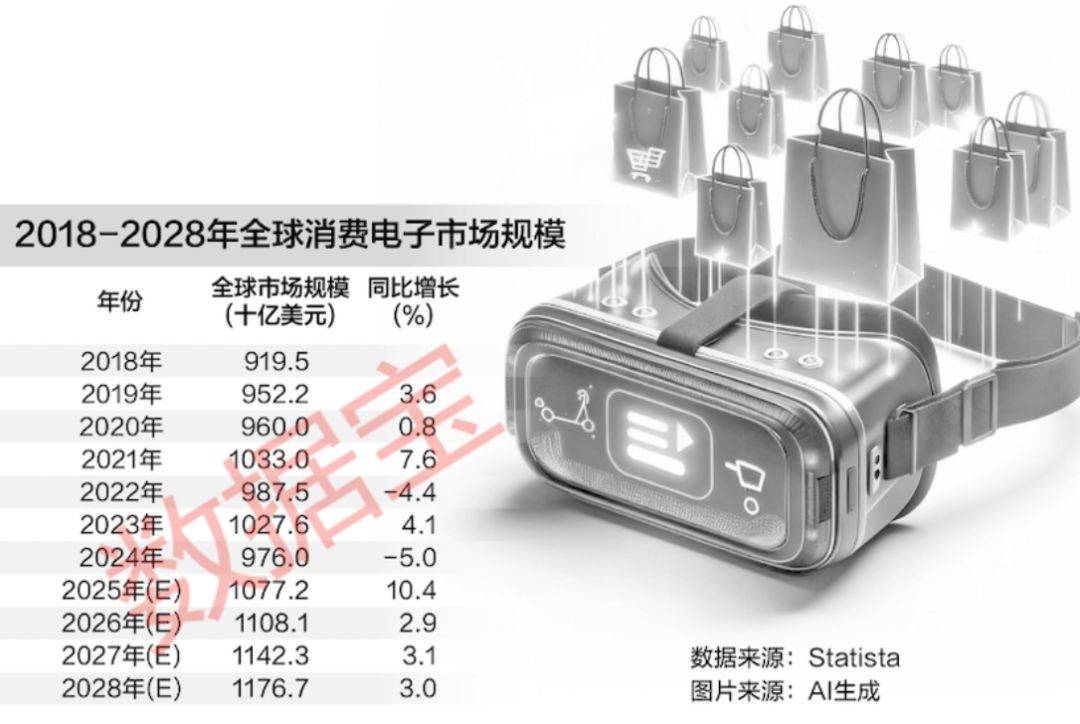
Core Insights - The recent surge in interest around Meta's smart glasses and the significant rise of Industrial Fulian's stock by 280% this year highlights the volatility and potential opportunities in the market [1] Market Trends - The global market size for consumer electronics is projected to grow from $919.5 billion in 2018 to $1,176.7 billion by 2028, indicating a steady recovery and growth trajectory [2] - The AI high-end market is driving a structural recovery in consumer electronics, with a notable 4.1% growth in 2023 after a decline of 4.4% in 2022 [2] Stock Performance Analysis - Luxshare Precision has shown significant volatility with 17 instances of daily fluctuations exceeding 5% in the past three months, while Zhaoyi Innovation experienced eight consecutive days of upward movement with long upper shadows, suggesting institutional trading activity [2] - Historical data indicates that stocks can maintain high institutional inventory levels even during price corrections, as seen in a consumer electronics leader that rose over 90% after a period of sell signals from traditional indicators [5] Behavioral Insights - Behavioral economics suggests that investors experience loss aversion, feeling twice the pain from losses compared to the joy from gains, which institutions exploit to create panic at critical price levels [7] - The transition from hardware competition to ecosystem competition in the industry is expected to increase market volatility, necessitating tools to discern long-term trends amidst short-term fluctuations [9] Future Projections - Statista predicts that the global consumer electronics market will reach $1.15 trillion by 2030, emphasizing that significant investment opportunities often lie within the most volatile market movements [9]

中金基金耿帅军:构建稳健高效指数增强体系 追求“稳中求胜”
Zhong Guo Ji Jin Bao· 2025-10-31 02:55
Core Viewpoint - The market is inherently volatile, and a systematic investment approach is essential to navigate short-term fluctuations while focusing on long-term strategies to generate stable excess returns for investors [1][2]. Investment Philosophy - The investment philosophy emphasizes systematic investment, avoiding distractions from short-term market movements, and building a robust index enhancement system to create long-term excess returns [1][2]. - The quantitative team at CICC has launched the CICC CSI All Share Index Enhanced Fund, which aims to provide comprehensive exposure to the A-share market [1][2]. Quantitative Investment Strategy - The quantitative team employs a dual-driven strategy combining fundamental quantitative strategies and algorithm-driven approaches, integrating top-down and bottom-up methods to construct Alpha strategies [3]. - The team has developed and applied domain-specific nonlinear models to address challenges posed by traditional linear models in the evolving A-share market [3]. Team Collaboration and Performance - The ultimate goal of team collaboration is to achieve long-term, stable, and explainable excess returns rather than seeking short-term high returns [4]. - The CICC-managed index enhancement funds, such as the CICC CSI 500 Index Enhanced Fund, have consistently outperformed their benchmarks, with a cumulative net value growth rate of 123.32% since inception [4][5]. Product Features and Market Position - The index enhancement products are a core offering of CICC's quantitative team, with a focus on comprehensive coverage of major broad-based indices [5]. - The CICC CSI All Share Index Enhanced Fund is characterized by its broad coverage of the A-share market, balanced exposure to growth and value styles, and significant stock selection opportunities [5][6]. Market Outlook - The A-share market is expected to experience short-term fluctuations and a positive long-term trend, driven by China's high-quality economic development and ongoing reforms [6]. - The index enhancement products are suitable for investors with a long-term perspective who seek to accumulate excess returns relative to the index [6][7]. Industry Trends - The public quantitative fund market is gaining recognition, with index enhancement funds becoming the most prevalent product type due to their stable excess returns and lower fee structures [7]. - The regulatory environment, including the recent guidelines from the CSRC, is expected to create opportunities for the development of index enhancement strategies [7].