
中华民族伟大复兴

Search documents
铭记历史荣耀 积蓄统一大势
Xin Lang Cai Jing· 2025-12-28 19:25
Core Viewpoint - The year 2025 marks significant historical commemorations for both sides of the Taiwan Strait, emphasizing unity and the importance of resisting separatism while promoting peaceful development and national rejuvenation [1][2][3]. Historical Commemoration - 2025 is the 80th anniversary of both the victory in the Chinese People's War of Resistance against Japanese Aggression and Taiwan's return to the motherland, with over 35 million casualties recorded during the war [2]. - Various commemorative activities have taken place across the Taiwan Strait, highlighting the shared historical memory and national identity among Chinese people [2][3]. Political Dynamics - The Democratic Progressive Party (DPP) faced significant backlash in 2025, with a failed "mass recall" campaign reflecting public dissatisfaction with its policies [4]. - The DPP's actions have been characterized by increased provocations for independence, which have heightened tensions across the Taiwan Strait [4][5]. Cross-Strait Relations - The mainland has maintained a firm stance against separatism, reinforcing the "One China" principle and enhancing legal frameworks to deter independence movements [5][6]. - There is a strong emphasis on deepening exchanges and cooperation between the two sides, with initiatives aimed at fostering closer ties and mutual benefits [6][7]. Cultural and Economic Exchange - The 2025 Cross-Strait Entrepreneurs Summit saw around 800 participants discussing opportunities in various sectors, emphasizing collaboration over division [7]. - Cultural exchanges have flourished, with Taiwanese films and mainland art gaining popularity, showcasing the shared cultural heritage [7][8]. Public Sentiment - The annual character selection in Taiwan revealed a preference for the character "势" (force), symbolizing a collective desire for unity and a hopeful future [8][9]. - There is a growing recognition among Taiwanese citizens of the benefits of closer ties with the mainland, countering negative narratives propagated by the DPP [8][9].
共同铭记历史 携手复兴征程(2025·年终特稿)
Ren Min Ri Bao Hai Wai Ban· 2025-12-24 22:46
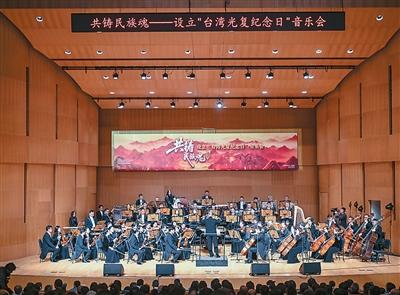
9月12日,在北京首钢园,人们在2025年服贸会台湾展区两岸科技创新中心展台前驻足、洽谈。新华社 记者 徐钦摄 由两岸有关机构共同主办的2025海峡两岸年度汉字评选结果12月9日在台北揭晓,"势"字以最高票当 选。 一字千言,众望所归。今年是中国人民抗日战争暨世界反法西斯战争胜利80周年,也是台湾光复80周 年。这一年,两岸同胞通过各种形式的纪念活动,回顾共同历史,共襄民族大义;这一年,两岸经贸合 作动能强劲,社会文化交流持续热络,同胞心灵契合日渐深化。 10月27日晚,由台湾民主自治同盟中央委员会、全国政协港澳台侨委员会、中华全国台湾同胞联谊会共 同主办的"共铸民族魂"——设立台湾光复纪念日音乐会在北京举办,在乐声中回溯历史长河,用旋律联 结血脉深情。新华社记者 陈晔华摄 9月3日的北京,秋高气爽,旌旗飘扬。当天上午,纪念中国人民抗日战争暨世界反法西斯战争胜利80周 年大会在天安门广场隆重举行。壮观的场面,恢弘的气势,让包括台湾同胞在内的海内外中华儿女无比 振奋。 "这是属于我们中华民族的光荣时刻。作为一个堂堂正正的中国人,我感到骄傲和自豪。"看到解放军威 武雄壮的队列和先进精良的装备后,台湾青年邱庆龄激动 ...

2025两岸企业家峰会年会在南京举行王沪宁出席开幕式并致辞
Xin Hua Ri Bao· 2025-12-16 23:09
Group 1 - The 2025 Cross-Strait Entrepreneurs Summit opened in Nanjing, emphasizing the importance of economic cooperation between the two sides of the Taiwan Strait for the rejuvenation of the Chinese nation [1] - Wang Huning highlighted the need for both sides to deepen exchanges and cooperation, promoting common development and enhancing familial ties for a better future [1] - The summit's theme is "Focusing on Transformation and Innovation, Deepening Multi-Chain Cooperation," with approximately 800 participants including entrepreneurs and scholars from both sides [2] Group 2 - Liu Zhaoxuan, the chairman from the Taiwan side, noted that despite global economic changes, the mainland remains a crucial production base and market for Taiwanese businesses [2] - The implementation of the "14th Five-Year Plan" is expected to create new opportunities for cross-strait industrial cooperation and transformation [2] - Jiangsu province aims to enhance the integration of industrial, innovation, financial, and talent chains to support Taiwanese enterprises in participating in China's modernization efforts [3]
2025两岸企业家峰会年会在南京举行 王沪宁出席开幕式并致辞
Xin Hua Wang· 2025-12-16 08:25
Core Points - The 2025 Cross-Strait Entrepreneurs Summit opened in Nanjing, emphasizing the importance of economic cooperation between the two sides of the Taiwan Strait for the rejuvenation of the Chinese nation [1][2] - Wang Huning highlighted the need for both sides to deepen exchanges and cooperation, promoting common development and enhancing familial ties [1] - The summit's theme is "Focusing on Transformation and Innovation, Deepening Multi-Chain Cooperation," with around 800 participants including entrepreneurs and scholars from both sides [2] Economic Cooperation - Wang Huning stated that the 14th Five-Year Plan will inject new momentum into cross-strait economic cooperation and development [1] - The summit aims to provide a platform for industrial cooperation, facilitating deep exchanges between enterprises from both sides [2] - Liu Zhaoxuan, the representative from Taiwan, noted that despite global economic changes, the mainland remains a crucial production base and market for Taiwanese businesses [2] Historical Context - This year marks the 80th anniversary of the victory in the Chinese People's War of Resistance Against Japanese Aggression and the recovery of Taiwan [2] - Emphasis was placed on adhering to the "One China" principle and opposing separatism and external interference [2]
2025第四届方太文化论坛 · 茅忠群分享:企业为什么要落地中华优秀传统文化
Sou Hu Wang· 2025-12-16 05:48
Core Viewpoint - The importance of integrating Chinese traditional culture into modern enterprise management is emphasized as a necessity for sustainable development and high-quality growth in Chinese companies [1][15]. Group 1: High-Quality Development - High-quality development is essential for modern Chinese enterprises, which relies on the wisdom and principles of Chinese traditional culture [3]. - A high-level cultural philosophy is crucial for guiding management behavior and achieving desired outcomes [3]. - Effective management requires a balance of moral governance and legal frameworks, which traditional culture can provide [3][4]. Group 2: Responding to Uncertainty - Companies must draw on traditional culture to navigate increasing macroeconomic uncertainties [5]. - Understanding the unchanging principles amidst change is vital for long-term sustainability [6]. - Risk management and core competitiveness are essential for maintaining a strong position in uncertain environments [7]. Group 3: Entrepreneurial Happiness - Entrepreneurs often face significant stress and challenges, leading to lower happiness indices compared to other groups [8]. - Achieving balance in career, family, and personal development is essential for a fulfilling life, which can be supported by traditional culture [10][11]. Group 4: Social Responsibility - Companies should actively engage in social responsibility, which is rooted in understanding and overcoming personal desires [12][14]. - Traditional culture emphasizes the importance of community and familial relationships, which can guide corporate social responsibility efforts [13]. Group 5: National Revival - The integration of traditional culture into enterprises supports the broader goal of national rejuvenation and cultural confidence [15][16]. - Policies encouraging the incorporation of traditional cultural values into business practices are being promoted by the government [16].
以志愿服务汇聚光和热
Ren Min Ri Bao· 2025-12-14 22:30
《 人民日报 》( 2025年12月15日 05 版) (责编:杨光宇、胡永秋) "努力在服务国家战略、服务百姓民生、服务社会治理中传递真善美,传播正能量,为强国建设、民族 复兴伟业贡献志愿服务力量。"不久前,习近平总书记致信祝贺中国志愿服务联合会第三届会员代表大 会召开,殷殷嘱托,激励无数投身志愿服务事业的普通工作者接续奋斗、再谱新篇。 以志愿服务提升社会文明水平,弘扬主流价值。志愿服务,发乎爱心,成于奉献,本身就传递着"己立 立人,己达达人"的价值追求。第十五届全运会上,2950名"小海豚"志愿者用饱满热情护航赛事活动顺 利进行,也成为感染无数观众的文明榜样;在湖北黄冈,"东坡骑爱"志愿骑手既是送餐员也是文化使 者,向需要帮助的市民和游客伸出援手,化作城市亮丽的文明景观。一抹抹"志愿红",将社会主义核心 价值观润物无声地融入社会肌理,激发出全社会向上向善的强大正能量。 "十五五"规划建议提出:"发展志愿服务,加强志愿服务组织管理。"面向未来,大力弘扬奉献、友爱、 互助、进步的志愿精神,充分发挥志愿服务的感召力、动员力,点滴奉献必将汇成人间大爱,照亮我们 的美好生活,为推进中国式现代化提供有力支撑。 据统计 ...
壹视界·微视频|面对风浪挑战,中国经济航船何以行稳致远?
Ren Min Wang· 2025-12-11 07:41
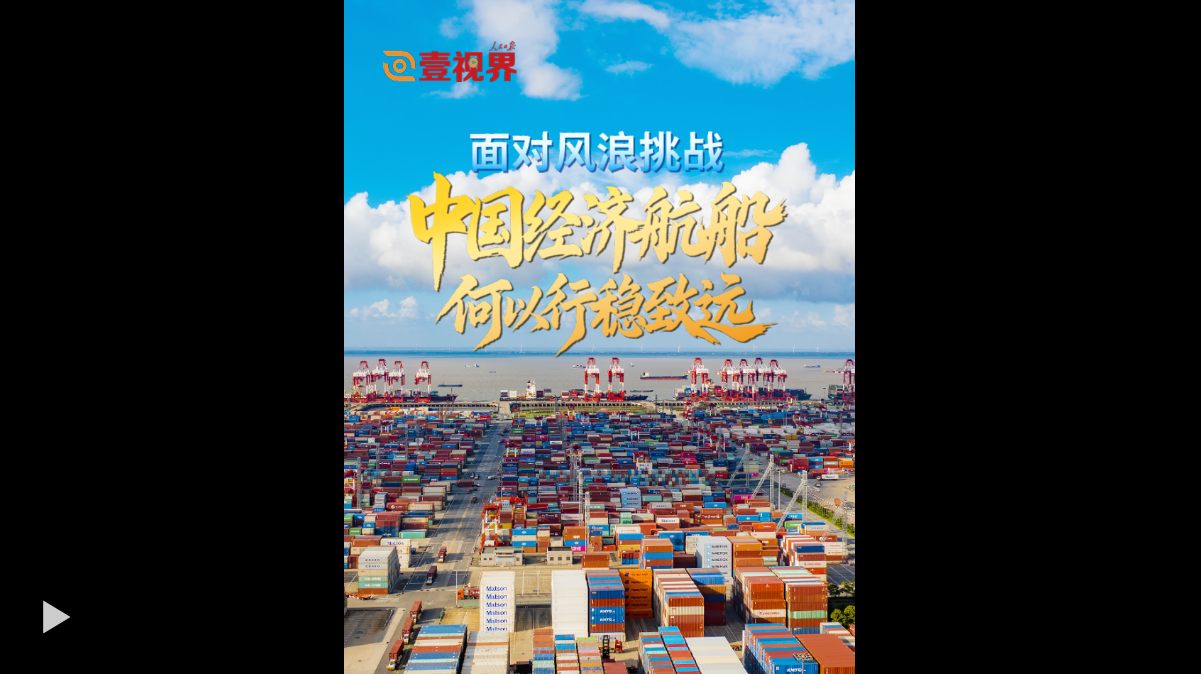
Core Viewpoint - The article emphasizes the unstoppable progress of the great rejuvenation of the Chinese nation, highlighting the achievements and future plans under the leadership of the Communist Party of China and Xi Jinping's guidance [2] Summary by Relevant Sections Economic Strength and Development - From 2021 to 2025, China is on a new journey to build a modern socialist country, marking the first five years of this comprehensive initiative, which is described as "extraordinary and remarkable" [2] - Under the strong leadership of the Party Central Committee, China's economic, technological, and comprehensive national strength has reached new heights, indicating a solid step forward in Chinese-style modernization [2] Future Planning - The 20th Central Committee's Fourth Plenary Session approved the "14th Five-Year Plan" proposal, outlining a grand development blueprint for the next five years [2] - The article calls for a collective effort to advance the construction of Chinese-style modernization, marking another mobilization and deployment for the new era [2] National Aspirations - The narrative reflects on China's historical achievements and expresses confidence in a brighter future, urging collective action to create new historical achievements for the Chinese nation [2] - The article concludes with a commitment to ensure the stability and long-term success of China's economy, as guided by Xi Jinping's leadership [2]
陈刚为驻邕高校师生代表宣讲党的二十届四中全会精神
Guang Xi Ri Bao· 2025-12-09 01:55
Core Points - The article emphasizes the importance of youth in contributing to the modernization of Guangxi, as highlighted by Chen Gang during his lecture at Guangxi Minzu University [1][4] - Chen Gang outlines the major deployments from the 20th Central Committee and the 11th Plenary Session of the 12th Provincial Party Committee, focusing on the current global and national trends, as well as the responsibilities of contemporary youth [2][3] Group 1 - The 20th Central Committee meeting took place from October 20 to 23, discussing significant reports and approving the proposal for the 15th Five-Year Plan, indicating a complex environment for development in China [2] - The article identifies three dimensions for understanding current global trends: recognizing a major trend and two significant events, focusing on the dual goals for China's modernization, and understanding the transformative changes occurring in Guangxi [2][3] Group 2 - The provincial party committee's plans include the development of artificial intelligence and the establishment of a high ground for international cooperation with ASEAN, alongside the creation of ten modern pillar industries [3] - The article encourages youth to integrate personal aspirations with the broader historical context, emphasizing the importance of education, innovation, and community engagement in achieving modernization goals [4]
香港举办国家宪法日座谈会
Ren Min Ri Bao· 2025-12-04 22:16
Group 1 - The core message of the event is the importance of the Constitution as the fundamental law of the country, providing legal guarantees and institutional support for the great rejuvenation of the Chinese nation [1] - The Chief Executive of the Hong Kong Special Administrative Region, John Lee, emphasized that the Constitution is the constitutional foundation for the establishment of the Hong Kong SAR and is crucial for its development and contribution to national rejuvenation [1] - The Deputy Director of the Central Government Liaison Office in Hong Kong, Liu Guangyuan, stated that the Constitution lays the legal foundation for Hong Kong's integration into the national rejuvenation process and grants institutional advantages for Hong Kong to play its role [1] Group 2 - The seminar on National Constitution Day was attended by approximately 900 individuals from various sectors of society, highlighting the broad engagement in discussions about the Constitution and its implications for Hong Kong [1] - A keynote speech was delivered by Han Dayuan, a member of the Standing Committee of the National People's Congress and a professor at Renmin University of China, indicating the academic and legal perspectives on the Constitution's role [1] - The event was moderated by Fan Xu Litai, a council member of the Li Jin Education Center, showcasing the involvement of educational institutions in constitutional discussions [1]
香港举办2025年国家宪法日座谈会
Xin Hua She· 2025-12-04 14:57
新华社香港12月4日电(记者刘欢)今年12月4日是第十二个国家宪法日。香港特区政府、中央政府驻港 联络办当日共同举办主题为"宪法与中华民族伟大复兴"的国家宪法日座谈会。座谈会开始前全场站立默 哀一分钟,悼念大埔宏福苑火灾罹难者。 中央政府驻港联络办副主任刘光源表示,宪法为实现中华民族伟大复兴提供了法治保障;宪法为香港融 入民族复兴壮阔征程奠定了法律基础;宪法为香港在民族复兴伟业中发挥所长赋予了制度优势。他表 示,立法会选举投票在12月7日将如期举行,是对宪制秩序和法治精神的遵守和尊重,是对维护社会稳 定和灾后重建工作的有力支撑,也是对香港未来最负责任的态度。 座谈会上,全国人大常委会香港基本法委员会委员、中国人民大学法学院教授韩大元发表主题演讲。对 谈环节则由励进教育中心理事会理事范徐丽泰主持,全国港澳研究会顾问刘兆佳、全国政协港澳台侨委 员会委员李大壮分别发言。座谈会共有约900名来自社会不同界别的人士出席。 香港特区行政长官李家超致辞时首先向火灾罹难者致以深切哀悼,并向家属及灾民致以诚挚慰问。他表 示,特区政府正全力进行救灾支援和善后工作,并将成立独立委员会全方位审视事件,避免灾难重演, 回应市民期望。这 ...