
企业转型

Search documents
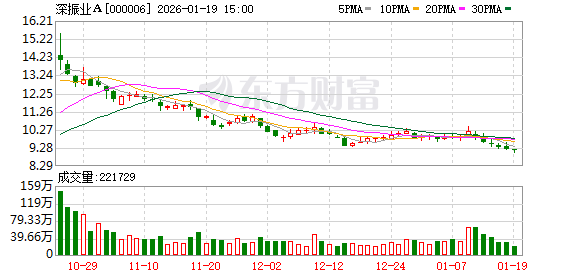
深振业A:公司在符合政策要求及经营发展实际需要的前提下广泛开展转型发展研究及探索
Zheng Quan Ri Bao· 2026-01-19 12:14
Group 1 - The core viewpoint of the article is that Shen Zhen Ye A is actively exploring transformation and development research in line with policy requirements and operational needs [2] Group 2 - The company is engaging with investors through interactive platforms to address inquiries regarding its strategic direction [2] - The focus on transformation indicates a proactive approach to adapt to changing market conditions and regulatory frameworks [2] - The company's commitment to aligning its development with policy requirements suggests a strategic alignment with government initiatives [2]


文莱邮政服务进入转型新阶段
Shang Wu Bu Wang Zhan· 2026-01-19 08:13
文莱《婆罗洲公报》1月1日报道,文莱邮政服务局(Brunei Postal Service Department)即日起正式公司 化,转制为PosBru私人有限公司。 随着转制完成,原由邮政服务局负责的所有业务已全面移交至PosBru,后者为达鲁萨兰资产(Darussalam Assets)全资子公司,持有文莱公共邮政牌照,受文莱资讯通信技术产业管理局(AITI)监管。 作为万国邮政联盟(UPU)指定运营商,PosBru将继续为文莱大众提供全面的邮政与包裹服务,致力于打 造具有竞争力和可持续发展的现代邮政企业,满足客户需求,并通过持续推进转型促进邮政与物流行业 发展,助力国家经济增长。 公司表示,现行信件及包裹邮资将维持不变,全国各分支机构的服务与运作亦不受影响。品牌焕新及内 部升级改造将分阶段推进,在确保业务连续性的同时,将对公众的影响降至最低。 ...
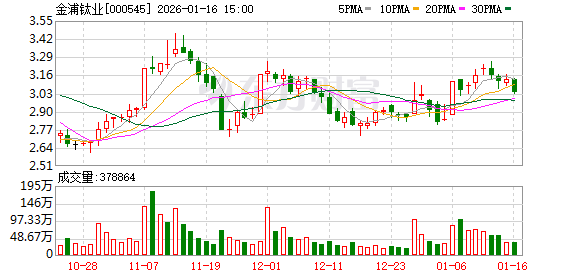
房产查封、账户冻结、产能停摆......金浦钛业经营为何步履维艰?
Shang Hai Zheng Quan Bao· 2026-01-17 06:07
Core Viewpoint - Jinpu Titanium Industry is facing a severe operational crisis due to contract payment disputes, production halts, and a significant decline in the titanium dioxide industry, leading to substantial financial losses and governance issues [2][3][4]. Financial and Operational Issues - Jinpu Titanium's subsidiary, Xuzhou Titanium, has had its property worth 146 million yuan seized due to contract disputes, which poses a risk of asset disposal [4][7]. - The company has reported a total of 9.76 million yuan in frozen funds across its subsidiaries, representing 0.84% of its net assets and 8.82% of its cash reserves as of Q3 2025 [7]. - The company has been in continuous financial decline, with revenues dropping for three consecutive years and net losses increasing from 145 million yuan in 2022 to 244 million yuan in 2024 [11][12]. Industry Context - The titanium dioxide industry is undergoing a deep adjustment, with prices falling from 20,400 yuan per ton in 2021 to 13,300 yuan per ton by October 2025, leading to historically low profit margins [11]. - Jinpu Titanium's operational challenges are exacerbated by its lack of competitive advantages, high production costs, and failure to adapt to market changes [12][13]. Governance and Management Changes - The company's financial and operational pressures have led to significant management turnover, with key executives resigning in 2024 [3][16]. - The controlling shareholder, Jinpu Group, has pledged 100% of its shares and is facing judicial auction due to debt issues, reducing its stake to 14.73% [16]. Strategic Failures - Jinpu Titanium attempted to diversify into the new energy materials sector with a planned investment of nearly 10 billion yuan but ultimately abandoned the project due to financial constraints [14][15]. - The company has also faced repeated failures in capital raising efforts, with three planned financing rounds being withdrawn or rejected [16].

研发投入大幅攀升,新诺威去年预亏1.7亿元-2.55亿元
Bei Ke Cai Jing· 2026-01-16 11:16
Core Viewpoint - The company, XinNuoWei, is expected to report a significant loss of between 170 million to 255 million yuan for the year 2025, marking a year-on-year decline of 416% to 575% due to increased R&D investments and challenges in transitioning from traditional raw materials to innovative pharmaceuticals [1] Group 1: Financial Performance - In 2022, XinNuoWei achieved peak performance with revenue and net profit attributable to shareholders of 2.626 billion yuan and 726 million yuan, respectively [4] - Revenue for 2023 and 2024 is projected to decline to 2.539 billion yuan and 1.981 billion yuan, with net profit dropping to 434 million yuan and 53.73 million yuan [4] - The company anticipates a significant loss in 2025 primarily due to a drop in vitamin B12 prices and increased competition in the caffeine business [5] Group 2: Business Transition and R&D - XinNuoWei is in a critical transition phase from traditional raw material business to innovative pharmaceuticals, having acquired an 80% stake in Giant Stone Bio, a subsidiary focused on ADC, mRNA vaccines, and antibody therapies [3] - The company has increased its R&D expenditure to approximately 1 billion yuan in 2025, reflecting a substantial year-on-year growth, which is a key factor affecting current profits [1] - Several products have made significant progress, with four antibody drugs, six ADC products, and one mRNA vaccine receiving clinical trial approvals in 2025 [1] Group 3: Market Position and Challenges - XinNuoWei remains a leading global producer of synthetic caffeine, maintaining a strong market share and serving major clients like Coca-Cola, Pepsi, and Red Bull [2] - The profitability of the traditional core business has declined due to market factors, impacting the overall profit from functional raw materials [2] - The company faced challenges in its vitamin business, with a lack of growth in traditional health products and new business lines not yet achieving scale [5]

步长制药转型之痛:6亿存货纠纷与3亿投资缩水背后的风险警示
Xin Lang Cai Jing· 2026-01-16 09:12
Core Viewpoint - Recent announcements from Buchang Pharma highlight systemic risks in its transition from traditional Chinese medicine to biopharmaceuticals, medical devices, and internet healthcare, as evidenced by a lawsuit involving inventory disputes and a significant drop in the stock price of a strategic investment [1][6]. Group 1: Supply Chain Weakness and Inventory Management Risks - The inventory dispute involving Shanghai Hupu and Jiemai reveals Buchang Pharma's strategic shortcomings in the medical device distribution sector, with Shanghai Hupu failing to manage a stockpile worth approximately 5.5 billion yuan after the expiration of its agreement [2][8]. - The company's reliance on a "strong channel, heavy marketing" sales model for traditional Chinese medicine is inadequate in the technology-intensive and complex medical device market, risking significant inventory depreciation that could erode profits [2][8]. Group 2: Investment Risk Control Failures and Valuation Concerns - The stock price of Shiliu Cloud Medical plummeted over 90% within three months of its IPO, indicating a lack of risk control in Buchang Pharma's capital operations and revealing flaws in due diligence and post-investment management [3][8]. - The investment's book value dropped from 326 million yuan to approximately 33 million yuan, suggesting that Buchang Pharma may be facing the consequences of an inflated valuation, which directly impacts shareholder equity [3][8]. Group 3: Core Business Pressure and Difficulties in Transformation - Buchang Pharma has experienced continuous revenue decline, with no signs of recovery in the first three quarters of 2025, primarily relying on cardiovascular products and struggling to diversify into chemical drugs and medical devices [4][9]. - The company's sales expense ratio remains high at 39.45% for the first three quarters of 2025, while R&D investment has decreased to a low of 1.81%, indicating a persistent reliance on marketing over research and development [4][9]. - Historical mergers have led to goodwill impairments exceeding 4.5 billion yuan, reflecting the consequences of aggressive expansion strategies, and the company faces increasing challenges in a tightening regulatory environment and intensifying competition [4][9]. Conclusion: Need for Fundamental Change in Transformation Strategy - The two recent events, while distinct, point to systemic risks in Buchang Pharma's cross-industry transformation, including weak supply chain control, inadequate investment risk management, and sluggish core business growth [5][10]. - For Buchang Pharma to navigate the challenging market and regulatory landscape successfully, it must shift from a channel-driven approach to a technology-driven and quality-oriented strategy, moving beyond mere business expansion [5][10].

宜家闭店打折首日,有人提前三小时排队,客服:人多时可能要排三四个小时才能进
Sou Hu Cai Jing· 2026-01-15 08:45
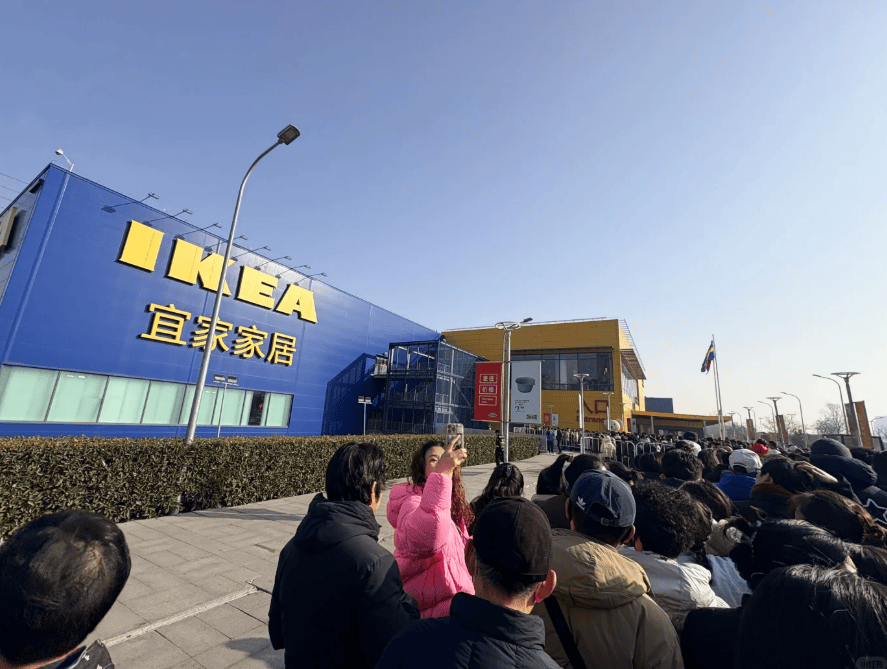
1月15日,宜家多店闭店清仓特惠正式启动。早上7时许,距离开门营业还有近3小时,有门店前已排起长队。 11时35分,九派新闻记者以顾客身份致电宜家中国,一名客服表示,今天7家将要关闭的门店正式开始清仓打折活动,人流量 很大,所以不少人很早就来排队。"现在人应该更多了,可能要排三四个小时队才能进去。" 也有不少起了大早,错峰购买的顾客。 宜家门口早早有人排队。图/社交媒体 据此前报道,1月7日,宜家中国的公告在许多人的朋友圈刷屏,其宣布从2月2日起,位于上海宝山、广州番禺、天津中北、 南通、徐州、宁波和哈尔滨的7家门店将正式停业。 之后宜家一改往日冷清,多家门店上演了顾客排长队、抢购商品的"狂欢"。社交媒体上的视频显示,宁波店门口的马路上堵车 几百米,南通店门口的人在冷风中大排长队,哈尔滨店购物车堵成一团,甚至有顾客为了某个商品发生争执,屏幕外还传 来"这辈子没见过宜家这么多人"的声音。 这些蜂拥而至的顾客心态各异:一部分是精明的消费者,旨在抓住闭店清仓可能带来的折扣机会,购买实用商品;一部分则 带着告别的意味,在标志性的蓝色外墙前合影留念,为一段个人记忆和城市生活片段画上句号;还有一些被热闹吸引而来的 围观者 ...
万辰集团控股子公司拟购买南京众丞100%股权 作价5401.59万元
Zheng Quan Shi Bao Wang· 2026-01-14 12:52
Group 1 - The core point of the article is that Wancheng Group plans to acquire 100% equity of Nanjing Zhongcheng Information Technology Co., Ltd. from Jiangsu Haozailai E-commerce Co., Ltd. for 54.0159 million yuan to enhance its intellectual property layout related to the "New Zero Help" initiative, constituting a related party transaction [1] - The acquisition aims to unify control over the "New Zero Help" software and associated intellectual property rights, which is essential for the company's long-term strategic planning and stable business operations [1] - Haozailai's actual controller, Peng Dejian, holds over 5% of Wancheng Group's shares and is a concerted actor with the controlling shareholder, indicating the transaction's related party nature [1] Group 2 - Wancheng Group, established in December 2011 and listed on the Shenzhen Stock Exchange in April 2021, focuses on the industrialized cultivation of edible fungi and biotechnology research, being a key national leading enterprise in agricultural industrialization [2] - In response to market changes and consumer demand, Wancheng Group entered the mass snack industry in 2022, positioning itself with a focus on convenience, affordability, and high cost-performance [2] - The company's revenue is projected to grow from 9.3 billion yuan in 2023 to 32.33 billion yuan in 2024, representing a year-on-year increase of 247.9%, with a GMV of 42.6 billion yuan in 2024, up 282% from 2023 [2] Group 3 - Wancheng Group submitted a listing application to the Hong Kong Stock Exchange on September 23, 2025, aiming to raise funds for expanding and upgrading its store network, enriching its product portfolio, improving logistics efficiency, and enhancing digital infrastructure [3] - As of June 30, 2025, Wancheng Group operates over 15,000 stores across 29 provinces in China, establishing a comprehensive and deeply penetrated store network [3]
*ST岩石业绩预亏拉响退市警报 上海贵酒如何走出困局
Xin Lang Cai Jing· 2026-01-14 10:41
1月12日晚间,*ST岩石(600696.SH)发布业绩预亏公告称,经财务部门初步测算,公司2025年度营业 收入预计低于3亿元,且利润总额、净利润或扣除非经常性损益后的净利润孰低者为负值,已触及《上 海证券交易所股票上市规则》规定的财务类退市情形,公司股票面临终止上市风险。这一公告不仅揭示 了当前经营的绝境,更将2024年以来席卷公司的系列危机推向了顶点。 回溯*ST岩石的资本市场历程,其本身就是一部频繁转型与更名的动荡史。公司前身为福建豪盛,1993 年登陆上交所,早期涉足建筑陶瓷、房地产等领域。2017年海银系入主后,逐步剥离原有业务, 2018 年收购贵州贵酒云电子商务有限公司85%股权,切入白酒行业。 此后,公司通过对章贡酒业、长江实业股权的收购及注入高酱酒业资产,逐步聚焦酱香型白酒赛道,形 成了以上海贵酒、君道贵酿、高酱等为核心的品牌矩阵。 (注:本文系AI工具辅助创作完成,不构成投资建议。) 责任编辑:AI观察员 1月12日晚间,*ST岩石(600696.SH)发布业绩预亏公告称,经财务部门初步测算,公司2025年度营业 收入预计低于3亿元,且利润总额、净利润或扣除非经常性损益后的净利润孰低者为 ...

汤臣倍健站在转型十字路口:传统模式承压与内部增长挑战
Xin Lang Cai Jing· 2026-01-14 09:48
Core Insights - The company is facing a deep transformation from channels to products due to rapid changes in consumer habits and industry dynamics [1][6] - As an industry leader, the company is striving to find a balance between maintaining its core business and undergoing necessary transformations [6] Group 1: Challenges in Traditional Business Model - The company's early success was largely built on a business model focused on offline pharmacy channels, utilizing a "specialty counter + nutrition consultant" approach to establish a reliable image [2][7] - This model is being undermined by deepening healthcare cost control policies, which have altered the usage of personal healthcare accounts, significantly impacting sales of health products through pharmacies [7] - Consumer purchasing preferences have fundamentally shifted towards online channels, creating challenges for the company's online expansion efforts while traditional offline channels continue to contract [8] Group 2: Internal Growth Challenges - The company is experiencing growth pressure at the product level, with core brand growth slowing and some product upgrades not progressing as planned [3][9] - The market is becoming increasingly competitive, with emerging brands leveraging new channels and international brands expanding through cross-border e-commerce, often being more agile in utilizing new media and marketing strategies [9] - The company is adjusting its marketing resource allocation and seeking to optimize internal operational efficiency, with potential for improvement in future sales expense ratios [9]

VF(VFC) - 2026 FY - Earnings Call Transcript
2026-01-13 15:32
Financial Data and Key Metrics Changes - The company is targeting a 10% operating margin by fiscal 2028 and is trending on plan towards that goal [15] - There has been a decline in revenue, which implies modest revenue growth is needed to return to baseline levels [18] - The company is confident in its ability to offset tariffs by fiscal 2027, with a plan in place to mitigate approximately $60 million in tariff impacts this fiscal year [40][41] Business Line Data and Key Metrics Changes - The company has seen 70% of its portfolio back to growth, excluding the Dickies business [11] - The North Face brand is underdeveloped in the U.S. compared to Europe and APAC, indicating significant growth opportunities [28] - Vans is undergoing a turnaround with new product launches and marketing strategies, although financial outcomes have yet to fully reflect these changes [21][24] Market Data and Key Metrics Changes - The consumer environment is showing mixed signals, with some negative commentary from medium and lower-end consumers, while the U.S. consumer remains "stubbornly positive" overall [12][13] - The company is focusing on the U.S. market for direct-to-consumer sales, which constitutes 70% of its business [25] Company Strategy and Development Direction - The company aims to create a multi-brand organization that leverages best-in-class processes across its brands [5] - There is a strong emphasis on improving operational efficiencies and reducing SG&A costs while maintaining a focus on growth [15][41] - The company is committed to elevating its brands, particularly Timberland and The North Face, to capture more market share and expand product offerings [32][30] Management's Comments on Operating Environment and Future Outlook - Management expresses excitement about the business's potential and the ongoing turnaround efforts, particularly in Vans and Timberland [44][46] - There is a focus on long-term consistent growth rather than short-term fluctuations, with a desire for a steady upward trajectory over the next three to five years [26] Other Important Information - The company is implementing Integrated Business Planning to improve inventory management and reduce markdowns, aiming to use promotions strategically rather than as a regular practice [41] - The company is exploring opportunities to expand its Timberland store footprint in the U.S., which currently has only eight full-price stores [34][36] Q&A Session All Questions and Answers Question: What is the company's strategy for offsetting tariffs by fiscal 2027? - The company has a pricing plan in place and is working with supplier partners to offset tariffs, expecting to be on a run rate to offset all tariffs by fiscal 2027 [39][40] Question: How does the company plan to drive favorable promotions? - The company aims to minimize markdowns and use promotions strategically during key moments, correcting its previous reliance on promotions [41] Question: What is the outlook for cash flow and deleveraging the balance sheet? - The company is confident in its free cash flow growth and plans to continue improving operating income, which will aid in deleveraging the balance sheet [42][43]
