
农旅融合

Search documents
三峡库区产业兴活力足
Jing Ji Ri Bao· 2025-11-26 22:39
Core Insights - The implementation of the "Three Gorges Follow-up Work Plan" has significantly improved the ecological environment of the Three Gorges Reservoir area, leading to new industrial developments and increased local incomes [1][7] Infrastructure Development - The completion of the Three Gorges Reservoir's 175-meter water storage target by 2025 is expected to enhance the ecological environment, with local initiatives transforming seasonal fluctuation areas into stable artificial lakes [2] - Key infrastructure projects have been implemented, including the construction of industrial roads, irrigation networks, and transportation hubs, with a total investment of 259 million yuan [5] Agricultural and Industrial Growth - The development of specialty agricultural brands such as citrus, tea, and crisp plums has been supported, resulting in significant sales figures, such as over 100 million yuan in sales for crisp plums in Wushan County [1][4] - The citrus industry in Badong County is projected to yield an annual output of 10,000 tons, benefiting nearly 3,000 local residents [6] Economic Impact - The GDP, fixed asset investment, and per capita disposable income in the reservoir area have seen annual growth rates of 11.1%, 9.1%, and 9.4% respectively since the implementation of the follow-up work plan [7] - The per capita disposable income for rural migrants in the Three Gorges area is expected to reach 22,000 yuan in 2024, a 4.19-fold increase since 2010 [6] Ecological Improvements - The ecological quality of the reservoir area has improved, with water quality at key monitoring points stabilizing at Class II standards and over 90% of important tributaries achieving Class III or above [7][8] - The area has seen an increase of 2,880 square kilometers in forest land, contributing to the restoration of the ecosystem [7]
郑云天:多点发力提升东北农业综合效益
Jing Ji Ri Bao· 2025-11-25 00:02
Core Viewpoint - The article emphasizes the need for comprehensive revitalization of the Northeast region of China, particularly focusing on agriculture as a crucial element for development and modernization [1][2]. Policy Level Summary - The "15th Five-Year Plan" outlines strategies for balanced regional development across China, with a strong emphasis on revitalizing the Northeast through agricultural advancements [1]. - A joint initiative by ten government departments has introduced a plan with 23 specific measures to promote agricultural product consumption, enhancing the support for green agriculture projects [1]. - Policies aim to establish a full-chain support system for agriculture, covering protection, production, processing, and branding [1]. Challenges Summary - Northeast agriculture faces significant constraints, including short growing seasons due to high latitude, soil degradation, and fragmented farming operations [2]. - The region is transitioning from traditional farming to modern agricultural practices, necessitating coordinated efforts across policy, enterprise, and consumer levels [2]. Enterprise Level Summary - There is a push to cultivate agricultural industrialization by encouraging partnerships between leading enterprises and cooperatives, implementing profit-sharing mechanisms [3]. - Development of customized agriculture and cold chain logistics is essential for enhancing product quality and market competitiveness [3]. - Improving management practices and transparency within agricultural enterprises is crucial for increasing product value and access to capital markets [3]. Consumer Guidance Summary - Establishing a "Black Soil Quality" certification system is vital for building consumer trust in Northeast agricultural products [3]. - The promotion of local specialty food industries and the integration of agriculture with tourism are strategies to enhance consumer engagement and drive new growth points [3]. - Advocating for green consumption and implementing carbon labeling can help elevate the market value of ecological agricultural products [3].
南京六合马鞍街道谱写集体经济发展新篇章
Yang Zi Wan Bao Wang· 2025-11-24 11:45
Core Viewpoint - The development of village-level collective economy is essential for consolidating the ruling foundation of the Party and advancing rural revitalization, serving as a strong engine for achieving common prosperity [1] Group 1: Resource Activation - Villages are focusing on activating idle resources as a breakthrough for developing collective economy, transforming dormant assets like old school buildings and idle factories into productive resources [2] - Jian Shan Village has created over 200 job opportunities by promoting "village-enterprise co-construction" in collaboration with the Ma Ji Industrial Park [2] - Da Sheng Village renovated idle school buildings to attract energy technology companies, generating an annual income of 150,000 yuan for the village collective [2] - Yu Wang Village successfully leased the He Ying Reservoir, achieving an annual rental income of 77,000 yuan, enhancing resource utilization efficiency [2] Group 2: Industry Promotion - The street is guiding villages to develop characteristic industries based on their resource endowments, shifting collective economy from "blood transfusion" to "blood production" [3] - He Wang Lake Village has introduced rural tourism projects, promoting the development of tea culture and poultry farming, creating a new model of "wetland economy" [3] - Ni Qiao Village hosted various events, attracting over 20,000 tourists annually and establishing a strong brand influence [3] - Ping Shan Village integrated 400 acres of land for a photovoltaic project, generating an annual income of 460,000 yuan, achieving both economic and ecological benefits [3] Group 3: Service Revenue - Villages are transitioning from traditional management to modern service models, providing specialized services to achieve stable income [4] - Da Ying Village has generated over 3 million yuan annually by managing community services and public area maintenance [4] - Huang Gang Village expects an annual operating income of 5.2 million yuan by expanding property management and agricultural sales [4] - Guo Ying Village has earned over 2 million yuan by providing land coordination and emergency support services for major construction projects [4] Group 4: Mechanism Innovation - The street is injecting continuous momentum into village-level collective economy development through policy empowerment, project guidance, and mechanism construction [5] - Qin Feng Village established a work mechanism that led to the successful implementation of a 100MW photovoltaic project, increasing collective economic income from 3.49 million yuan to 5.22 million yuan [5] - The center community achieved project service income of 700,000 yuan by leveraging its geographical advantages [5] - Huang Zhao Village has diversified its income sources, achieving a net profit of over 100,000 yuan through agricultural sales and small project contracts [5] - By 2025, the collective economy in the street is expected to show significant growth, with multiple villages achieving operational income exceeding 5 million yuan [5]
(走进中国乡村)“中国雪花梨之乡”古树新枝通四海
Zhong Guo Xin Wen Wang· 2025-11-20 06:03
Core Viewpoint - The article highlights the successful export of Hebei's snow pear, emphasizing its growing international market presence and the unique qualities that make it appealing to foreign consumers [1][5]. Group 1: Export and Market Demand - In 2023, approximately 370,000 pieces of fresh pears have been exported, primarily to Indonesia, Vietnam, Thailand, and the UAE [3]. - Indonesia is identified as the largest export market for Hebei's fresh pears, where they are often used in religious ceremonies and traditional celebrations [3]. - The pears are customized for different markets, with smaller varieties preferred in the UAE and snow pears favored in Vietnam [3]. Group 2: Agricultural Practices and Production - Zhao County has a total pear cultivation area of about 250,000 acres, with an annual production of approximately 700,000 tons and a production value exceeding 4 billion RMB [5]. - The sugar content of Zhao County's snow pears can reach up to 16.5%, significantly higher than ordinary varieties, attributed to the region's favorable soil and climate conditions [3][5]. - The integration of traditional planting wisdom with modern agricultural innovations is evident, with a focus on organic farming practices that have doubled or tripled farmers' incomes [6]. Group 3: Future Prospects and Development - The local cooperative is planning to expand its ecological planting scale and is preparing for further export activities, aiming to benefit both farmers and consumers [6]. - Zhao County is also developing deep processing and rural tourism around the pear industry, creating a year-round cultural experience for visitors [6].

群众工作札记 | 稻浪千重丰景好
Zhong Yang Ji Wei Guo Jia Jian Wei Wang Zhan· 2025-11-18 01:44
Core Insights - Jiangsu Province's Yixing City has successfully completed its first harvest season following the large-scale management of rice cultivation, with significant improvements in agricultural practices and productivity [1][2][3] Group 1: Agricultural Development - The establishment of high-standard farmland in Yixing has been a focus area, with the local government addressing issues such as abandoned farmland and poor management by holding responsible parties accountable [1] - The transformation of fragmented land into unified, high-yield farmland has resulted in over a 5% increase in land productivity and an 85% rate of land transfer in Heqiao Town, laying a solid foundation for modern agricultural practices [1][2] Group 2: Economic Impact - A tripartite agreement between the local government, a local rice factory, and a grain company has been signed to enhance the rice industry through a collaborative approach from planting to processing and sales [2] - The aging population in villages has led to increased land transfer, providing villagers with rental income and boosting collective income for the community [2] Group 3: Governance and Oversight - The local disciplinary inspection and supervision authority has integrated the rectification of corruption and misconduct with the support of the development of specialty industries, leading to the establishment of a working group to oversee high-standard farmland projects [2][3] - A comprehensive evaluation of all projects since 2019 has been conducted, resulting in the identification of 40 issues and the implementation of corrective measures, enhancing the governance of agricultural projects [3] Group 4: Productivity and Food Security - Yixing has built over 430,000 acres of high-standard farmland, with average rice yields increasing from 570 kg to over 600 kg per acre, contributing significantly to food security and rural revitalization efforts [3]
让城市尽显年轻态、新活力 南通市通州区推出“大金沙”繁荣计划
Yang Zi Wan Bao Wang· 2025-11-15 10:53
Group 1 - The core idea of the article highlights the transformation of urban spaces in Tongzhou, showcasing a blend of modern consumer experiences and vibrant community life [1][3] - The "Big Jinsan" prosperity plan was launched in August to enhance urban vitality by creating diverse and trendy consumption scenarios based on citizen needs [3] - The Jinbei Village family farm has become a popular destination for urban residents, offering seasonal fruit picking and leisure activities, reflecting the trend of integrating agriculture with tourism [5] Group 2 - The "Litchi Season" women's fashion and accessory store has transformed an old residential courtyard into a trendy space, attracting a young female clientele since its opening in October [7] - A new comprehensive sports center in Jinxin Street offers various sports facilities and aims to create a vibrant community space through events and activities [7] - Tongzhou District is accelerating the development of a modern service industry with interconnected and diverse offerings to attract young talent and create a youth-friendly city [7]
河池宜州:推动桑蚕业向“新”向“智”
Guang Xi Ri Bao· 2025-11-11 08:03
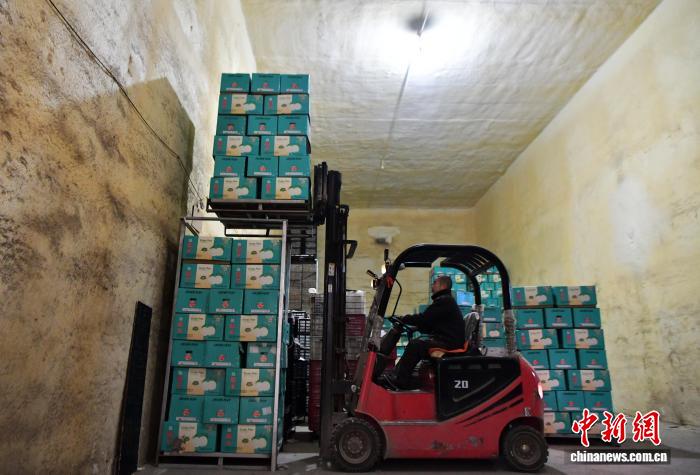
Core Insights - The article highlights the transformation of the silkworm industry in Yizhou District, Guangxi, through the adoption of smart farming technologies and data-driven practices, enhancing production efficiency and product quality [1][2][3] Group 1: Industry Development - Yizhou District has maintained its position as the leading county in silkworm production in China for 20 consecutive years, emphasizing its significance as a quality cocoon and silk production base [1] - The district is responding to the national strategy to optimize traditional industries while fostering emerging sectors, focusing on intelligent, green, and integrated development paths [1][2] Group 2: Technological Advancements - The introduction of real-time monitoring and big data analysis allows farmers to accurately track silkworm growth and address various farming issues, ensuring the health of the silkworm population [2] - Smart farming equipment, including sensitive sensors, automatically regulates environmental conditions in silkworm houses, maintaining optimal growth conditions [2] Group 3: Economic Impact - A new smart silkworm farming model has been implemented, resulting in significant production outputs, with one base reporting 16 batches yielding 6,650 kilograms and generating sales revenue of 319,000 yuan [1] - Over 30 processing enterprises in the district are developing new products from silkworm resources, including mulberry wine and medicinal products, contributing to a circular economy [2] Group 4: Cultural Integration - The district is promoting the integration of silkworm farming with tourism, creating cultural parks and leisure projects that enhance the economic benefits of the industry [3] - This shift from traditional to data-driven farming represents a broader industrial revolution, aligning with national policies aimed at economic development and poverty alleviation [3]
宜州桑蚕产业规模连续20年位居全国县域首位
Guang Xi Ri Bao· 2025-11-10 07:19
Core Insights - The article highlights the transformation of the silkworm industry in Yizhou District, Guangxi, through the adoption of smart farming technologies and data-driven practices, enhancing production efficiency and product quality [1][2][3] Group 1: Industry Development - Yizhou District has maintained its position as the leading county in silkworm production in China for 20 consecutive years, emphasizing its significance as a quality cocoon and silk production base [1] - The district is responding to the national strategy to optimize traditional industries while fostering emerging sectors, focusing on intelligent, green, and integrated development paths [1] Group 2: Technological Advancements - The introduction of real-time monitoring and big data analysis allows farmers to accurately track silkworm growth and address various farming issues, ensuring the health of the silkworm population [2] - Smart farming equipment, including sensitive sensors, automatically regulates environmental conditions in silkworm houses, maintaining optimal growth conditions [2] - Collaborations with research institutions like Southwest University and China Sericulture Research Institute are driving technological upgrades and the establishment of smart silkworm demonstration bases [2] Group 3: Sustainable Practices - The district promotes comprehensive utilization of silkworm resources, developing over 20 new products from silkworm by-products, including mulberry wine and medicinal products [2] - The focus on green development ensures that all parts of the silkworm are utilized efficiently, contributing to a circular economy [2] Group 4: Cultural and Economic Integration - Yizhou District is advancing the integration of silkworm farming with tourism, creating cultural parks and leisure projects that enhance the economic benefits of the industry [3] - This shift from traditional to data-driven farming represents a significant industrial revolution, aligning with national policies aimed at economic development and poverty alleviation [3]
宜州区推动桑蚕业向“新”向“智”
Guang Xi Ri Bao· 2025-11-10 01:58
Core Insights - The article highlights the transformation of the silkworm industry in Yizhou District, Guangxi, through the integration of smart technology and data-driven practices, enhancing production efficiency and product quality [1][2][3] Group 1: Industry Development - Yizhou District has maintained its position as the leading county in silkworm production in China for 20 consecutive years, emphasizing its significance as a quality cocoon and silk production base [1] - The district is actively responding to the national strategy of optimizing traditional industries while fostering emerging sectors, focusing on smart, green, and integrated development paths [1][2] Group 2: Technological Advancements - The introduction of real-time monitoring and big data analysis allows farmers to accurately track silkworm growth and address various breeding issues, ensuring the health of the silkworm population [2] - Smart farming equipment, including sensitive sensors, automatically regulates the environment in silkworm houses, maintaining optimal conditions for silkworm growth [2] Group 3: Economic Impact - A new smart silkworm breeding model has been implemented, resulting in significant production efficiency; for instance, a local base has produced 6,650 kilograms of cocoons with sales revenue of 319,000 yuan as of November this year [1] - Over 30 processing enterprises in the district are developing new products from silkworm resources, including over 20 products such as mulberry wine and medicinal silkworms, promoting a circular economy [2] Group 4: Cultural Integration - The district is promoting the integration of silkworm farming with tourism, creating cultural parks and leisure projects that extend the industry beyond traditional production, thus enhancing income opportunities for local residents [3] - The shift from experience-based to data-driven silkworm farming represents a significant industrial revolution, aligning with national policies to boost economic development and improve livelihoods [3]
95%全国产量!盐城滨海让千年“仙草”成农旅融合新IP
Yang Zi Wan Bao Wang· 2025-11-07 15:27
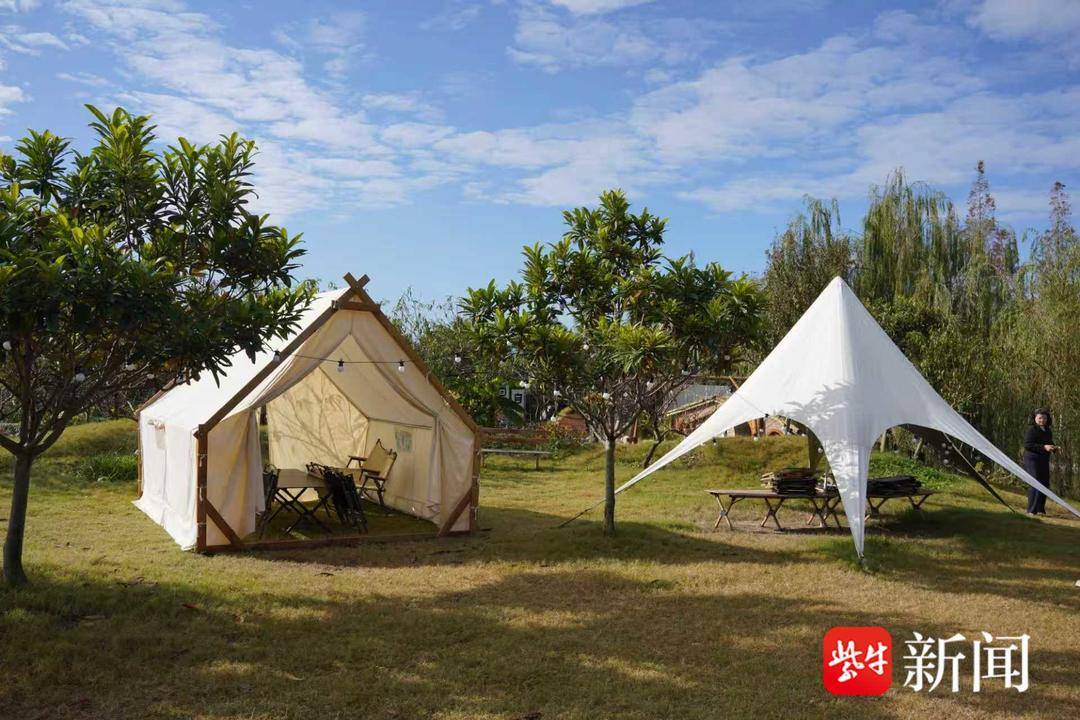
Core Insights - The article highlights the transformation of a once barren land in Yancheng's Binhai County into a thriving hub for the cultivation of white fleeceflower, a traditional medicinal herb known for its health benefits [1][2][5] Group 1: Unique Growing Conditions - Binhai County produces 95% of China's white fleeceflower, benefiting from a unique combination of "Yin-Yang" water systems, alkaline soil rich in potassium, and significant temperature variations [2] - The region's ecological conditions have been recognized in historical texts for their medicinal properties, including benefits for liver and kidney health, anti-aging, and immune enhancement [2] Group 2: Agricultural and Ecological Integration - The company has established a 1,000-acre large-scale planting base, integrating 400 acres of ecological windbreak forests and 160 acres of fish ponds to create a symbiotic ecosystem [2] - The cultivation practices emphasize organic farming, avoiding chemical pesticides, and have earned recognition as a provincial-level green prevention demonstration base [2] Group 3: Tourism and Experience Innovation - The company has developed a camping base that combines nature experiences with educational opportunities about traditional Chinese medicine, enhancing visitor engagement [3] - The investment of 15 million yuan in the agritourism complex aims to create a vacation destination that promotes the fleeceflower industry and supports local economic development [3] Group 4: Industry Upgrading and Product Diversification - The company has modernized its processing capabilities, producing nearly 100 different products from fleeceflower, including tea, soluble granules, and health supplements [4] - As a national-level agricultural comprehensive development project, the company has extended its industry chain from raw material sales to deep processing and tourism integration [4] Group 5: Community and Economic Impact - The company's model of "enterprise + base + farmers" has created local employment opportunities, contributing to rural revitalization and community wealth [4][5] - The development of the fleeceflower industry exemplifies the potential of local specialties in driving rural economic growth and innovation [5]