半导体制造

Search documents
投资600亿美元!德州仪器扩建7座晶圆厂!
国芯网· 2025-06-19 13:04
Core Viewpoint - Texas Instruments announced a historic investment of over $60 billion to build seven chip factories in Texas and Utah, marking the largest investment in semiconductor manufacturing in U.S. history [2]. Group 1: Investment and Expansion Plans - The investment will create 60,000 jobs and includes the construction and expansion of factories in Sherman, Richardson, and Lehi [2][3]. - The company plans to produce billions of chips daily at these new facilities, focusing on reliable and low-cost 300mm wafer production for essential analog and embedded processing chips [3]. Group 2: Financial Performance - Texas Instruments reported a revenue of $4.07 billion for Q1 2025, a 2% increase quarter-over-quarter and an 11% increase year-over-year, marking the first year-over-year revenue growth since Q4 2022 [3].


三星发力玻璃技术
半导体芯闻· 2025-06-16 10:13
Core Viewpoint - Samsung Electronics is developing a new glass substrate aimed at enhancing advanced semiconductor packaging, with a significant breakthrough expected by 2028 to meet the growing demand for AI chips [2][6]. Group 1: AI Chip Glass Interlayer Advances - Samsung is accelerating the development of prototypes using glass substrates as interlayers for AI chips, moving away from traditional 2.5D packaging layouts that utilize silicon interlayers [4]. - The glass interlayer allows for more advanced 3D stacking, embedding chips within the substrate and stacking additional chips above, enhancing area, signal integrity, power efficiency, and thermal management [4]. - Samsung focuses on smaller units under 100×100 mm, contrasting with competitors like Intel and AppSolix, which use larger 510×510 mm glass panels [4]. Group 2: Competitive Landscape in Semiconductor Manufacturing - TSMC is also working on glass substrates, developing 300×300 mm glass panels on a trial line in Taiwan, with plans to start production by 2027 using its fan-out panel-level packaging (FOPLP) technology [6]. - The competition indicates a significant shift in semiconductor manufacturing practices, with both Samsung and TSMC leading the trend towards glass-based solutions [6]. Group 3: Future Impact on AI Chip Technology - The transition to glass substrates may profoundly impact the AI chip market, enabling manufacturers to produce more efficient and cost-effective chips to meet the growing demand for AI technology [8]. - Advancements in glass substrate technology are expected to usher in a new era of semiconductor design prioritizing performance and efficiency, benefiting various industries from consumer electronics to automotive and healthcare [8]. - Continuous innovation from Samsung and TSMC is set to transform the semiconductor landscape, with glass substrates playing a crucial role in the future of AI chip technology [8].

马克龙正推动法国成为全球最先进半导体制造重镇
news flash· 2025-06-14 23:54
Core Viewpoint - French President Macron is advocating for France to become a leading hub for advanced semiconductor manufacturing, specifically targeting the production of 2 to 10nm semiconductors to secure a position in the global technology supply chain [1] Group 1 - Macron emphasized the necessity for France to produce the most advanced semiconductors to compete globally [1] - He acknowledged that achieving these goals may require multinational companies like TSMC or Samsung to establish manufacturing facilities in France [1]
这两个亚洲国家,豪赌芯片
半导体行业观察· 2025-06-07 02:08
Group 1 - Vietnam is rapidly emerging as a significant player in the global semiconductor market, supported by strategic government initiatives, substantial foreign direct investment (FDI), and increasing global demand for semiconductors. The semiconductor supply chain market in Vietnam is projected to reach $31.28 billion by 2027, with a compound annual growth rate (CAGR) of approximately 11.6% from 2023 to 2027 [1] - By 2024, the value of Vietnam's semiconductor industry is expected to be around $18.23 billion, primarily driven by foreign enterprises such as Intel, Amkor Technology, and Hana Micron, which have established large-scale operations in the country [1] - The Vietnamese government has set an ambitious semiconductor industry development strategy aiming to establish at least 100 chip design companies and one semiconductor manufacturing plant by 2030, with a long-term goal of exceeding $100 billion in annual output by 2050 [2] Group 2 - The electric vehicle (EV) market in Vietnam is becoming a significant growth opportunity for the semiconductor industry, with domestic and global automakers accelerating their investments in the region. Global EV sales have increased by 35% year-on-year, and it is expected that by 2035, EVs will account for 50% of new car sales [2] - Vietnam's AI ecosystem is also rapidly developing, contributing to the demand for semiconductors, with FPT Group announcing a $200 million investment in collaboration with Nvidia to enhance capabilities in AI and semiconductors [3] - Vietnam faces challenges such as a shortage of skilled talent, with only about 6,000 semiconductor engineers available, while the demand is estimated at 150,000 per year. The government aims to train approximately 50,000 semiconductor engineers by 2030 [3] Group 3 - The rapid expansion of Vietnam's semiconductor industry is driven by government initiatives, strategic foreign partnerships, and global demand. Vietnam's geographical proximity to China, competitive labor costs, and political stability position it favorably in the trend of supply chain diversification [4] - The success of Vietnam's semiconductor ambitions hinges on upgrading infrastructure, cultivating a skilled workforce, and achieving differentiation in a competitive regional landscape [4] - India is also making significant strides in its semiconductor industry, with a $21 billion investment plan aimed at establishing itself as a key player in the global chip supply chain, particularly in assembly, testing, marking, and packaging (ATMP) [5][6]
【太平洋科技-每日观点&资讯】(2025-05-21)
远峰电子· 2025-05-20 13:51
Market Overview - The main board saw significant gains with stocks like Zhejiang Wenlian (+10.05%), Yingfangwei (+10.04%), and Mengwang Technology (+10.03%) leading the charge [1] - The ChiNext board also performed well, with Huibo Yuntong rising by 20.00% and Guoke Micro increasing by 12.54% [1] - The Sci-Tech Innovation board was led by Liyang Chip, which gained 15.49% [1] - Active sub-industries included SW Marketing Agency (+3.10%) and SW Optical Components (+2.41%) [1] Domestic News - A delivery ceremony for the first 12-inch high-purity silicon carbide crystal growth furnace in Hebei was held, utilizing advanced AI algorithms and PVT technology for AR glasses [1] - MediaTek's first 2nm chip is expected to complete tape-out in September, promising a 15% performance increase and a 25% reduction in energy consumption compared to 3nm chips [1] - China's smartphone exports plummeted by 72% to just under $700 million, highlighting the impact of tariffs imposed by the Trump administration [1] - Lenovo's self-developed 5nm chip SS1101 has been benchmarked, featuring a 10-core CPU architecture and achieving single-core scores over 2000 and multi-core scores of 6700+ [1] Company Announcements - Debang Technology announced a reduction in shareholding by the National Integrated Circuit Fund, decreasing its stake from 18.65% to 17.98% after selling 950,000 shares [2] - Qiangda Circuit declared a cash dividend of 4.00 yuan per 10 shares based on a total share capital of 75,375,800 shares [2] - Weirgao announced a cash dividend of 1.34 yuan per 10 shares based on a total share capital of 134,621,760 shares [2] - Meixinsheng reported a reduction in shareholding by WI Harper Fund VII, decreasing its stake from 6.96% to 5.87% after selling 1,215,000 shares [2] Industry Insights - Rivet Industries has launched military smart glasses aimed at enhancing close combat and logistical support in defense applications [3] - Texas Instruments is nearing completion of its first semiconductor manufacturing plant in Sherman, which will produce over 100 million semiconductors daily [3] - India is preparing for the next phase of its semiconductor plan, aiming for a 5% global market share by 2030, with $10 billion in incentives for potential manufacturers [3] - The Southeast Asian smartphone market saw a 3% decline in Q1 2025, with Samsung regaining the top position with 4.3 million units shipped, while Xiaomi was the only top-five vendor to achieve year-on-year growth [3]
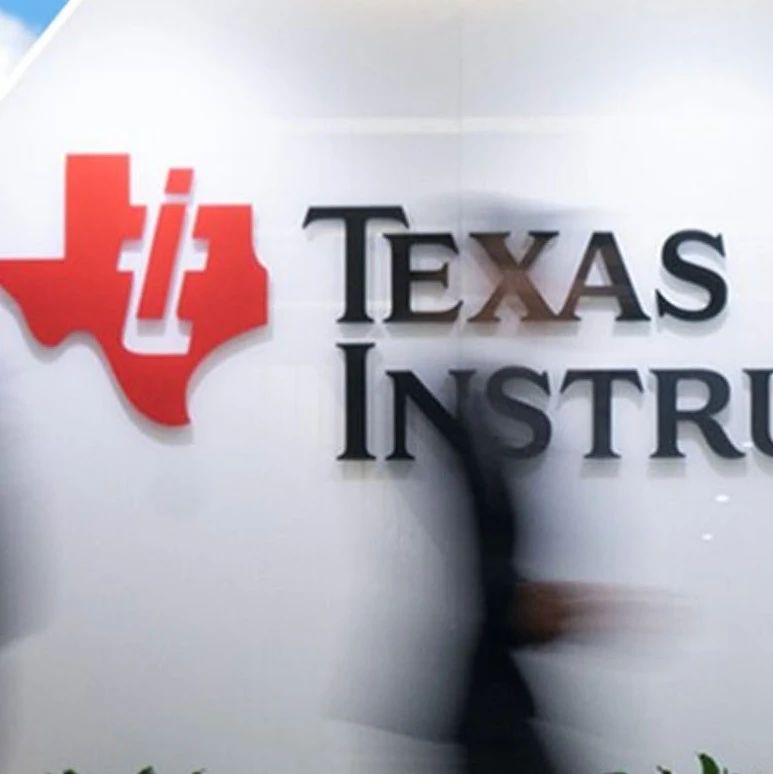
TI巨型晶圆厂,即将量产
半导体行业观察· 2025-05-20 01:04
Core Viewpoint - Texas Instruments (TI) is making significant investments in semiconductor manufacturing in Sherman, Texas, with the completion of its first factory, which will produce over 100 million semiconductors daily, crucial for various technologies [2][3]. Group 1: Investment and Economic Impact - TI's investment plan includes a potential $30 billion investment to build four wafer fabs, creating up to 3,000 direct jobs and supporting local economic growth [5][7]. - The growth rate of Sherman has increased from approximately 1% to nearly 5% due to such private investments, highlighting the importance of TI's presence in the community [2][5]. Group 2: Manufacturing Capacity and Technology - The new factory will have nearly 1.5 million square feet of production space and is expected to start shipping chips later this year [3]. - TI's new 300mm wafer fabs will adhere to LEED Gold certification standards, focusing on sustainability and efficiency, which will reduce waste, water, and energy consumption [5][6]. Group 3: Future Plans and Expansion - TI plans to establish six 300mm wafer fabs by 2030, with two already completed in Sherman and others planned for construction between 2026 and 2030 [7]. - The company is also expanding its existing 300mm capacity, including a second fab in Lehi, Utah, expected to begin production in 2026 [7].
Tower确认:印度晶圆厂不建了
半导体行业观察· 2025-05-16 01:31
如果您希望可以时常见面,欢迎标星收藏哦~ 来源:内容 编译自 eenews ,谢谢 。 专 业 代 工 厂 Tower Semiconductor Ltd. ( 位 于 以 色 列 米 格 达 勒 埃 梅 克 ) 首 席 执 行 官 Russell Ellwanger 表示,"五六个月前"放弃了在印度建设晶圆厂的计划。 在分析师电话会议上讨论 Tower 公司 2025 年第一季度稳定的财务业绩时,Ellwange表示,最近 有关阿达尼集团暂停这项 100 亿美元项目的报道并不属实。 "这(新闻报道)令人意外,因为我们停止了这个项目,而且大约五六个月前,我们根据自己的要 求退出了这个项目,"Ellwange说。"我们退出的理由非常充分,但出于保密考虑,我不便透露这 些理由,"他补充道。 Ellwange表示,Tower 公司在参与该项目期间从未向媒体发布过有关该项目的任何信息,因为从 未达成任何正式的继续推进协议,出于同样的原因,他们也没有向媒体发布退出该项目的消息。 Tower 在印度的业务发展历史坎坷,可以追溯到 2012 年,当时它与 Jai Prakash Associates 和 IBM 组成了一个 ...
富士康,又一座晶圆厂
半导体芯闻· 2025-05-15 10:07
如果您希望可以时常见面,欢迎标星收藏哦~ 来源:内容 编译自 telegraphindia ,谢谢 。 台湾电子巨头富士康将再次进军印度不断增长的半导体领域,此次将与 HCL 合作在印度建立一家 显示驱动芯片工厂,投资额为370 亿印度卢比。 印度内阁周三批准HCL与富士康在北方邦杰瓦尔机场附近设立一家合资工厂,该工厂隶属于亚穆 纳高速公路工业发展局(YEIDA)。该工厂将生产用于手机、笔记本电脑、汽车、个人电脑和其 他带显示屏设备的显示驱动芯片。 该工厂设计月产能为2万片晶圆,设计产能为每月3600万台,预计于2027年投产。 早在2022年,富士康就曾与韦丹塔合作,计划投资195亿美元在印度建立半导体工厂,最终选定古 吉拉特邦作为落户地。然而,到2023年,该计划被放弃,双方决定终止合资企业。 该工厂将享受印度半导体计划的激励措施,该计划为不同类别的项目提供高达项目成本 50% 的财 政激励。 IESA 和 SEMI 印度总裁 Ashok Chandak 表示:"该项目带来了专门针对显示驱动 IC(集成芯 片)的大规模先进封装和测试能力,填补了印度显示器和电子产品价值链中的一个关键缺口。这体 现了印度在半 ...
阿斯麦在日本增聘5倍维护员,以支持Rapidus投产
日经中文网· 2025-04-11 05:00
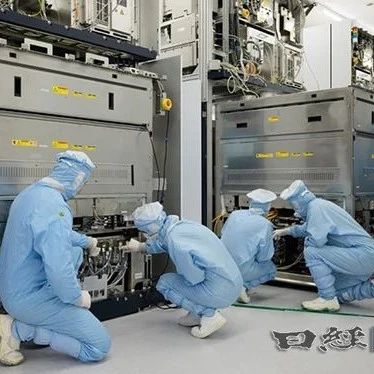
阿斯麦的技术人员正在保养光刻机 EUV光刻机已引入Rapidus于4月1日开始试产的北海道千岁市工厂。美光科技计划2026年在广岛工厂 开始量产最尖端内存半导体。阿斯麦将加强维护团队,以应对日本运行设备数量的增加…… 世界上唯一生产最尖端半导体制造设备的荷兰阿斯麦控股(ASML Holdings)计划到2027年将负责 日本尖端设备维护的人员增至现在的5倍,达到100人。目的是应对要量产最尖端半导体的 Rapidus等在日本投产的需求。 阿斯麦生产极紫外线(EUV)光刻机。EUV光刻机被称为"地球上最复杂的机器",其零部件数量 多达约10万个。由于光刻机由多种系统组合而成,维护时需要各个技术领域的专家。 EUV光刻机已引入Rapidus于4月1日开始试产的北海道千岁市工厂。美国美光科技计划2026年在 广岛工厂开始量产最尖端内存半导体。阿斯麦将加强维护团队,以应对日本运行设备数量的增 加。 日本国内相继新建半导体工厂,比如台积电(TSMC)的熊本工厂等,各半导体设备公司也在增 加人手。 日本半导体设备制造商Tokyo Electron计划到2027年三年内在日本招聘3000人。KOKUSAI ELECTRIC ...

台积电,能被复制吗?
半导体芯闻· 2025-04-08 10:33
Group 1 - Taiwan has become a crucial player in the global technology ecosystem, primarily due to TSMC's unmatched semiconductor manufacturing capabilities [1][5][10] - TSMC produces over 90% of the world's most advanced semiconductors, with a leading 3nm process technology that boasts a yield rate exceeding 70%, significantly ahead of competitors like Samsung [2][4] - The semiconductor industry in Taiwan is characterized by a culture of precision and discipline, where every nanometer and defect is critical to maintaining competitive advantage [2][3] Group 2 - TSMC's founding vision by Morris Chang in 1987 focused on pure foundry services, which has transformed the semiconductor industry and established Taiwan as a key player [4][7] - The geopolitical significance of Taiwan's semiconductor industry is immense, as a disruption in production could lead to global economic stagnation and halt advancements in technology [5][9] - Despite facing economic challenges such as proposed tariffs, Taiwan's semiconductor sector remains resilient due to its strong foundational partnerships and commitment to excellence [9][10] Group 3 - Taiwan's semiconductor manufacturing ecosystem is not easily replicable, as it relies on a unique combination of skilled workforce, cultural dedication to quality, and a synchronized supply chain [7][8] - The island's role as a "Silicon Shield" emphasizes its indispensable value in global security and economic stability, making it a focal point for international leaders [5][6] - TSMC symbolizes Taiwan's achievements and future potential, reinforcing the belief in its people and culture as essential to maintaining its leadership in the semiconductor industry [10]