
扩大服务消费

Search documents
多部门解读扩大服务消费“19条”!
券商中国· 2025-09-17 12:19
Core Viewpoint - The article discusses the recent policies introduced by the Chinese government to expand service consumption, highlighting the importance of enhancing service supply and stimulating consumer demand through various measures and financial support [2][3][8]. Group 1: Policy Measures - Approximately 50 pilot cities will be selected nationwide based on population size, strong driving effects, and development potential to explore new consumption formats and scenarios [2][7]. - As of the end of July, the balance of loans in key service consumption areas reached 2.79 trillion yuan, a year-on-year increase of 5.3%, with an addition of 164.2 billion yuan since the beginning of the year [2][8]. - The People's Bank of China is actively supporting qualified financial institutions to issue financial bonds and asset-backed securities to broaden funding sources and enhance consumer credit supply capacity [2][8]. Group 2: Financial Support - The article emphasizes the importance of financial policies in supporting service consumption, including the establishment of structural monetary policy tools for service consumption and elderly care [8]. - The financial support for service industry entities, particularly small and medium-sized enterprises, has significantly increased, with a notable rise in credit allocation [8][9]. - In the first seven months of the year, financial bonds worth 21.5 billion yuan and asset-backed securities worth 48.4 billion yuan were issued by automotive finance companies [8]. Group 3: Future Directions - The Ministry of Commerce plans to introduce a series of policy documents focusing on high-quality development in the accommodation industry and the integration of railways and tourism, forming a comprehensive policy approach [5][6]. - The upcoming policies aim to enhance the quality of service supply and stimulate consumer demand, addressing the evolving needs of the growing middle-income group in China [7].


多部门解读扩大服务消费“19条”!增量政策提高经营主体真切获得感
Zheng Quan Shi Bao· 2025-09-17 12:00
Core Viewpoint - The Ministry of Commerce and nine other departments have released measures to expand service consumption, focusing on enhancing supply and stimulating demand through various policies and pilot programs [1][2]. Group 1: Policy Measures - The measures include selecting around 50 pilot cities with large populations and strong development potential to promote new consumption models and scenarios [1][6]. - A total of 30 policy documents have been issued to establish a "1+N" policy system for service consumption [5]. - Upcoming policies will focus on high-quality development in the accommodation sector and the integration of railways and tourism [5]. Group 2: Financial Support - As of the end of July, the loan balance in key service consumption areas reached 2.79 trillion yuan, a year-on-year increase of 5.3%, with new loans surpassing last year's total by 630 billion yuan [7]. - The People's Bank of China has implemented various financial support measures, including structural monetary policy tools to enhance credit supply in the service sector [7][8]. - Financial institutions are encouraged to innovate products and services to increase credit availability for service consumption [7]. Group 3: Supply and Demand Dynamics - The measures aim to address supply-side shortages by enhancing the quality and efficiency of service offerings, while also stimulating demand through consumer credit support and promotional activities [2][4]. - The focus is on creating high-quality, diverse service consumption scenarios to meet the evolving needs of consumers [6].
秋假+国庆=11天超长待机!中小学春秋假来了,家长休假制度也要跟上
21世纪经济报道· 2025-09-17 11:40
Core Viewpoint - The article discusses the potential expansion of spring and autumn breaks in primary and secondary schools in China, emphasizing the need for flexible holiday arrangements based on local conditions to enhance student well-being and promote tourism consumption [1][2][4]. Group 1: Policy Background - The concept of spring and autumn breaks has been included in various policy agendas since 2013, with the aim of optimizing holiday arrangements for students while maintaining the total number of school days [2][4]. - Recent measures from the Ministry of Commerce and other departments encourage local governments to explore the implementation of spring and autumn breaks, considering factors like climate and local economic conditions [2][9]. Group 2: Regional Variations - In 2025, the autumn semester in Beijing will last 145 days, while in Hangzhou, it will extend to 159 days, marking the longest autumn semester in nearly a decade [1][7]. - The differences in holiday lengths between regions highlight the need for tailored approaches, as northern and southern climates significantly affect school schedules [7][9]. Group 3: Economic Impact - The extended holiday periods, such as the 11-day break in Hangzhou, are expected to boost family travel plans and stimulate consumption in the tourism sector [4][5]. - In 2024, domestic travel is projected to reach 5.615 billion trips, with total spending estimated at 5.75 trillion yuan, indicating a strong correlation between holiday arrangements and consumer behavior [4]. Group 4: Educational Considerations - The introduction of spring and autumn breaks is seen as a way to alleviate academic pressure on students, allowing for better mental health and social development [14]. - The need for parental support in taking time off work to align with children's breaks is emphasized, as without this, the effectiveness of the breaks may be diminished [5][14].

商务部:进一步发挥政策合力 促进服务消费高质量发展
Qi Huo Ri Bao Wang· 2025-09-17 11:37
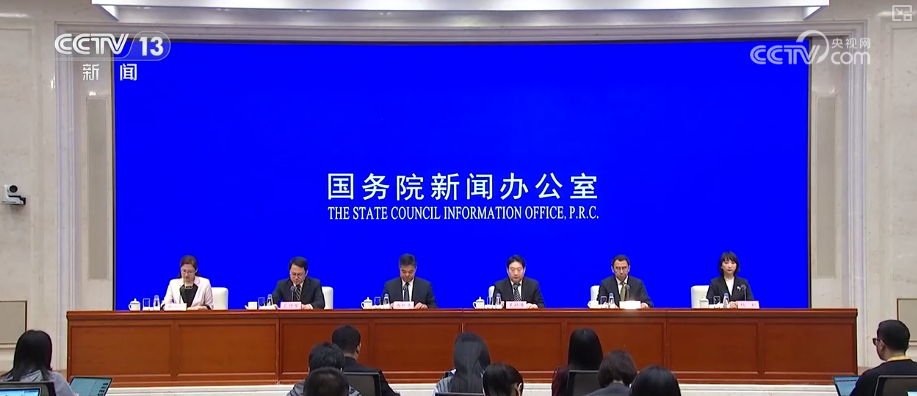
盛秋平表示,下一步,商务部将与相关部门加强横向协作、纵向联动,落实落细相关政策措施,释放服 务消费潜力,为增进民生福祉、推动高质量发展作出积极贡献。 期货日报网讯(记者 杨美 见习记者 肖佳煊)9月17日下午,国务院新闻办公室举行新闻发布会,介绍 扩大服务消费有关政策措施。发布会上,商务部副部长盛秋平表示,近年来,我国消费市场规模稳步扩 大,消费结构持续优化,消费潜能加速释放,服务消费表现亮眼,国际消费中心城市入境旅客成倍增 长,旅游市场亮点纷呈。但与此同时,我国服务消费领域供给质量仍需提高,一些领域消费体验有待提 升,需要进一步发挥政策合力,促进服务消费高质量发展。 盛秋平介绍,近日商务部会同国家发展改革委、文化和旅游部、中国人民银行等9部门印发的《关于扩 大服务消费的若干政策措施》,共提出5个方面19项任务举措。一是培育服务消费促进平台。二是丰富 高品质服务供给。将扩大服务业高水平对外开放,将更多服务消费领域纳入《鼓励外商投资产业目 录》,以开放优化供给,以供给创造需求等。三是激发服务消费新增量。将有序扩大单方面免签国家范 围、优化完善区域性入境免签政策,鼓励电商平台创新线上线下融合的数字服务消费场景,打 ...
向“新”、向“优”、向“活”!服务供给提质扩容 改善型服务消费活力涌动
Yang Shi Wang· 2025-09-17 10:24
Core Viewpoint - The Chinese government is implementing policies to expand service consumption, focusing on enhancing the service economy and diversifying consumption scenarios to support high-quality economic development [1][3]. Group 1: Policy Measures - The government will support the establishment of a comprehensive service economy, innovate diverse service consumption scenarios, and promote collaborations between quality consumption resources and well-known IPs [1]. - Approximately 50 pilot cities will be selected based on population size, driving potential, and development prospects to enhance quality consumption supply and stimulate new consumption formats [3]. Group 2: Service Consumption Trends - The vitality of improvement-type service consumption, including cultural entertainment, tourism, and sports, is on the rise, with significant growth projected in per capita education and cultural entertainment spending [4]. - In 2024, per capita spending on education and cultural entertainment is expected to increase by 9.8%, with a further increase of 11.8% in the first half of 2025 [4]. - The tourism sector is experiencing a surge, with 1,860 tourist trains planned for 2024, transporting over 1 million tourists, of which nearly 80% are elderly [4]. Group 3: Future Directions - The National Development and Reform Commission (NDRC) emphasizes that service consumption is crucial for expanding and upgrading consumption, as well as improving livelihoods [6]. - The NDRC plans to enhance service supply quality and capacity by promoting innovation through "Artificial Intelligence+" initiatives, improving service levels in key sectors, and creating a fair market environment for small and medium-sized service enterprises [6].
一图读懂 | 关于扩大服务消费的若干政策措施
Shang Wu Bu Wang Zhan· 2025-09-17 09:39
Core Points - The article discusses various policy measures aimed at expanding service consumption in China, focusing on enhancing quality and accessibility of services [1][3][12]. Group 1: Policy Measures - Implementation of actions to improve service consumption quality and benefit the public, including the "Buy in China" brand and a series of promotional activities [3]. - Development of new consumption scenarios through pilot cities for new business formats and models [3][4]. - Support for high-quality service supply and expansion of high-level opening-up in the service industry, including more service sectors in the encouraged foreign investment directory [4]. Group 2: Cultural and Creative Support - Utilization of existing funding channels to support high-quality creations in literature, arts, film, and animation, and to cultivate mass cultural activities and event brands [5]. - Encouragement for cultural heritage sites and institutions to innovate exhibition methods and collaborate with social forces to develop cultural and digital products [6][7]. Group 3: Training and Education - Strengthening training for personnel in elderly care, domestic services, and long-term care sectors [9]. - Support for non-academic education and training in cultural arts, technology, and sports, including community colleges and night schools [7]. Group 4: Healthcare and Childcare - Support for inclusive childcare institutions with operational subsidies and space support [10]. - Relaxation of market access in mid-to-high-end medical and leisure sectors [11]. Group 5: Attracting Foreign Consumption - Measures to attract more foreign visitors for consumption, including optimizing visa policies and promoting traditional cultural resources [12]. - Encouragement for travel agencies to create tourism routes tailored for foreign visitors [12]. Group 6: Digital Services and Financial Support - Expansion of digital service consumption by creating new information consumption products and scenarios [14]. - Strengthening financial support for service facilities in culture, tourism, elderly care, childcare, and sports through various funding channels [15].

沪铜产业日报-20250917
Rui Da Qi Huo· 2025-09-17 09:16
1. Report Industry Investment Rating - There is no information provided regarding the report industry investment rating in the given content. 2. Core Views of the Report - The Shanghai copper main contract had a slight pullback, with a decrease in open interest, a spot premium, and a strengthening basis [2]. - At the mining end of the fundamentals, the spot index of copper concentrate TC is in the negative range, and the concentrate quotation remains firm, providing cost support for copper prices [2]. - In terms of supply, the supply of scrap copper and copper concentrate is relatively tight, which restricts the smelting capacity to some extent. Coupled with macro - factors such as the Fed's interest rate cut, copper prices are operating in a high - level range [2]. - On the demand side, the strong copper prices suppress the downstream purchasing sentiment, and the trading volume in the spot market is relatively light. At the terminal, the boost to demand in the peak season has not yet appeared, and the consumption recovery is relatively slow [2]. - In the options market, the purchase - to - sell ratio of at - the - money option positions is 1.33, a month - on - month decrease of 0.0385. The sentiment in the options market is bullish, and the implied volatility has slightly increased [2]. - Technically, for the 60 - minute MACD, the double lines are above the 0 - axis, and the green bars are expanding. The operation suggestion is to conduct light - position range - bound trading, paying attention to controlling the rhythm and trading risks [2]. 3. Summary According to Relevant Catalogs 3.1 Futures Market - The closing price of the main futures contract of Shanghai copper was 80,560 yuan/ton, a decrease of 320 yuan; the price of LME 3 - month copper was 10,006 dollars/ton, a decrease of 120.5 dollars [2]. - The inter - month spread of the main contract was 10 yuan/ton, an increase of 30 yuan; the open interest of the main contract of Shanghai copper was 147,464 lots, a decrease of 17,752 lots [2]. - The net position of the top 20 futures holders of Shanghai copper was - 11,447 lots, an increase of 1 lot; the LME copper inventory was 150,950 tons, a decrease of 1,675 tons [2]. - The inventory of cathode copper in the SHFE was 94,054 tons, an increase of 12,203 tons; the LME copper cancelled warrants were 15,800 tons, a decrease of 1,375 tons [2]. - The SHFE warrants of cathode copper were 33,291 tons, a decrease of 2,856 tons [2]. 3.2 Spot Market - The price of SMM 1 copper spot was 81,120 yuan/ton, an increase of 180 yuan; the price of 1 copper spot in the Yangtze River Non - ferrous Metals Market was 81,235 yuan/ton, an increase of 240 yuan [2]. - The CIF (bill of lading) price of Shanghai electrolytic copper was 56 dollars/ton, with no change; the average premium of Yangshan copper was 53.5 dollars/ton, with no change [2]. - The basis of the CU main contract was 560 yuan/ton, an increase of 500 yuan; the LME copper cash - to - 3 - month spread was - 59.26 dollars/ton, an increase of 2.67 dollars [2]. 3.3 Upstream Situation - The import volume of copper ore and concentrates was 2.5601 million tons, an increase of 0.2105 million tons; the copper smelter's roughing fee (TC) was - 41.3 dollars/kiloton, a decrease of 0.45 dollars [2]. - The price of copper concentrate in Jiangxi was 71,530 yuan/metal ton, an increase of 250 yuan; the price of copper concentrate in Yunnan was 72,230 yuan/metal ton, an increase of 250 yuan [2]. - The processing fee for blister copper in the south was 700 yuan/ton, with no change; the processing fee for blister copper in the north was 700 yuan/ton, with no change [2]. 3.4 Industry Situation - The output of refined copper was 1.301 million tons, an increase of 0.031 million tons; the import volume of unwrought copper and copper products was 425,000 tons, a decrease of 55,000 tons [2]. - The social inventory of copper was 418,200 tons, an increase of 4,300 tons; the price of 1 bright copper wire scrap in Shanghai was 56,170 yuan/ton, a decrease of 20 yuan [2]. - The ex - factory price of 98% sulfuric acid of Jiangxi Copper was 590 yuan/ton, with no change; the price of 2 copper scrap (94 - 96%) in Shanghai was 68,650 yuan/ton, with no change [2]. 3.5 Downstream and Application - The output of copper products was 2.2219 million tons, an increase of 0.0526 million tons; the cumulative grid infrastructure investment was 331.497 billion yuan, an increase of 40.431 billion yuan [2]. - The cumulative real estate development investment was 6,030.919 billion yuan, an increase of 672.942 billion yuan; the monthly output of integrated circuits was 4,250,287,100 pieces, a decrease of 438,933,600 pieces [2]. 3.6 Option Situation - The 20 - day historical volatility of Shanghai copper was 8.37%, an increase of 0.06%; the 40 - day historical volatility of Shanghai copper was 7.79%, an increase of 0.06% [2]. - The implied volatility of the at - the - money option in the current month was 14.07%, an increase of 0.0015; the purchase - to - sell ratio of at - the - money options was 1.33, a decrease of 0.0385 [2]. 3.7 Industry News - Nine departments including the Ministry of Commerce issued "Several Policy Measures to Expand Service Consumption", supporting cross - border cooperation between high - quality consumption resources and well - known IPs, etc. [2]. - US retail sales in August increased by 0.6% month - on - month, exceeding expectations for the third consecutive month. Real retail sales adjusted for inflation increased by 2.1% year - on - year, achieving 11 consecutive months of positive growth [2]. - PBOC Governor Pan Gongsheng pointed out in an article that the international dominant currency has the attribute of a global public good, and there are inherent instability problems when borne by a single sovereign currency. The international monetary system may evolve towards a pattern of co - existence, competition, and checks and balances among a few sovereign currencies [2]. - As of the end of August, the passenger vehicle industry inventory in China was 3.16 million units, a decrease of 0.13 million units from the previous month. From May to August, car companies more rationally controlled production, reducing the inventory pressure on dealers [2].
商务部:支持将更多服务消费领域纳入《鼓励外商投资产业目录》
Xin Hua Wang· 2025-09-17 09:16
Core Viewpoint - The Chinese government is implementing policies to expand service consumption, focusing on opening up various sectors to enhance foreign investment and improve service accessibility for international markets [1] Group 1: Policy Measures - The policy document outlines measures to promote orderly opening in sectors such as the internet and culture [1] - It emphasizes expanding pilot programs in telecommunications, healthcare, and education [1] - The initiative supports including more service consumption areas in the "Encouraging Foreign Investment Industry Directory" [1] Group 2: Facilitation for Foreigners - The government aims to continuously optimize visa policies for foreigners coming to China [1] - It includes measures to facilitate communication, accommodation, and payment for international visitors [1] - The focus is on cultivating international markets in healthcare and exhibition sectors [1]
商务部:丰富高品质服务供给 扩大服务业高水平对外开放
Xin Hua Wang· 2025-09-17 09:16
国务院新闻办公室9月17日举行新闻发布会,介绍扩大服务消费有关政策措施,并答记者问。商务部副 部长盛秋平介绍,《关于扩大服务消费的若干政策措施》提出:丰富高品质服务供给。商务部将扩大服 务业高水平对外开放,将更多服务消费领域纳入《鼓励外商投资产业目录》,以开放优化供给,以供给 创造需求;支持影视、动漫等领域精品创作;因地制宜延长热门文博场馆、景区营业时间,支持文博场 馆创新办展方式;鼓励引进国际高水平体育赛事,打造精品赛事和体育竞赛表演品牌;规范发展非学科 教育培训,提供更多优质技能培训、文化艺术培训;加强对养老护理、家政服务、长期照护等领域从业 人员培训,支持普惠托育机构建设;放宽中高端医疗、休闲度假等领域市场准入,减少限制性措施。 新华社音视频部制作 【纠错】 【责任编辑:谷玥】 ...
商务部:推动创新和丰富服务消费场景,增加优质文旅、体育等消费资源供给
Xin Hua Wang· 2025-09-17 08:43
国务院新闻办公室9月17日举行新闻发布会,介绍扩大服务消费有关政策措施,并答记者问。商务 部副部长盛秋平介绍,《关于扩大服务消费的若干政策措施》坚持从供给和需求两端协同发力,以扩大 优质供给为切入点,提出开展消费新业态新模式新场景试点城市建设,推动创新和丰富服务消费场景, 增加优质文旅、体育等消费资源供给,支持提升文化娱乐、体育、家政、养老、托育等服务供给水平。 新华社音视频部制作 【纠错】 【责任编辑:赵文涵】 ...